教育

Search documents
■记者 张 萌 整理
Xin Lang Cai Jing· 2026-01-04 23:11
Group 1 - The article highlights various events in Xiuzhou District, showcasing its vitality and commitment in areas such as talent, public services, and industry development [1] - The opening of a new convenience service center in Gaozhao Street emphasizes community support and service improvement [1] - The first毛衫 retail procurement festival in Honghe attracted over 400 stores, indicating a strong retail environment [1] Group 2 - A meeting for "mid-sized" enterprises in the High-tech Zone was held to discuss development strategies, reflecting a focus on collaborative growth [1] - The approval of the first QFLP pilot fund aims to support the development of the new energy industry, indicating a strategic investment direction [1] - The launch of the "Future Classroom" funded by Chasing Technology highlights the company's commitment to educational empowerment through public welfare initiatives [1]
旅游教育是热点、品质化个性化成主流
Xin Hua Ri Bao· 2026-01-04 23:06
Core Viewpoint - The consumption market in Jiangsu is undergoing a profound transformation towards high quality, intelligence, and sustainability, driven by the "Su New Consumption" initiatives and improved livelihood policies, with expectations for 2026 highlighting the release of service consumption potential, urban-rural market synergy, and a shift from material satisfaction to spiritual enjoyment [1][2][3][4][5][6] Group 1: Consumption Trends - The survey indicates that tourism is expected to see a nearly 40% increase, leading the consumption growth, followed by education, health, and wellness, with service consumption becoming the main driver of growth [2][3] - In the education sector, 46% of respondents plan to increase investment in quality education, with rural areas showing a higher intention at 51.6%, reflecting a collaborative improvement in urban and rural education consumption concepts [2] - The health consumption trend is shifting towards "proactive health," with expectations for sports and wellness consumption ranking third and fourth, respectively, and a notable willingness to pay more for traditional health practices [3] Group 2: Demographic Insights - Young consumers show a preference for smart wearables and image management, while middle-aged consumers are willing to pay a premium for high-end nutritional products and traditional Chinese medicine [3] - Female participation in educational spending is significantly higher than male, with a 12.9 percentage point difference in 2025, indicating a growing awareness of self-improvement under gender equality [2] Group 3: Emerging Consumption Areas - The cultural and entertainment consumption sector is vibrant, with Jiangsu being the second-largest movie ticket market in China, and a significant percentage of respondents willing to travel for sports events [4] - The pet economy is evolving from functional care to emotional companionship, with 30.8% of pet owners planning to increase spending, highlighting a shift in consumer priorities [4] Group 4: Rural Consumption Dynamics - The consumption of health, wellness, and domestic services is increasingly penetrating rural areas, supported by policies promoting county-level commercial systems and comprehensive rural e-commerce [5] - The willingness of rural residents to consume is steadily increasing, reflecting a positive trend in the "rural revitalization" strategy [5] Group 5: Future Outlook - The Jiangsu consumption market is expected to evolve towards greater vitality, creativity, and sustainability, fueled by the widespread application of new technologies and continuous policy support [6]
老城区委经济工作会议召开
Sou Hu Cai Jing· 2026-01-04 17:08
Core Viewpoint - The meeting emphasized the importance of economic work for 2026, marking the beginning of the "15th Five-Year Plan," focusing on high-quality development and the integration of cultural tourism and good governance as key strategies for economic growth [5][6][8]. Group 1: Economic Performance and Achievements - The year 2025 was highlighted as a significant year for the old city, with economic operations showing stability and growth, driven by strong leadership and effective implementation of policies [4]. - The "People's Cultural Tourism" brand gained national recognition, with rapid expansion of related industries and successful awards for tourism excellence [4]. - Infrastructure improvements and urban renewal efforts were noted, enhancing city functions and quality, alongside effective management of idle assets and a growing number of market entities [4]. Group 2: Strategic Focus for 2026 - The overall economic work requirement for 2026 includes adherence to Xi Jinping's economic thought and the implementation of a comprehensive development strategy [5]. - Key tasks include promoting high-quality development, expanding domestic demand, optimizing supply, and enhancing the integration of cultural tourism with local governance [5][7]. - The meeting outlined ten priority areas, including employment stability, education enhancement, healthcare improvements, and cultural tourism development, aimed at fostering economic resilience and social stability [7][9]. Group 3: Policy Implementation and Governance - The meeting stressed the need for strong party leadership in economic development, ensuring that policies are effectively implemented and adapted to local conditions [8]. - Emphasis was placed on creating a favorable political and economic environment to stimulate innovation and collaboration across sectors [8]. - The importance of risk management and safety in production was highlighted, with a focus on preventing systemic risks and ensuring social stability [6][9].


2026,房地产要下猛药了!辽宁新年第一会今日召开!|栋察楼市早报(1.4)
Sou Hu Cai Jing· 2026-01-04 17:06
Market Insights - The article emphasizes that in 2026, significant measures will be taken to stabilize the real estate market, moving away from incremental policies to more decisive actions [6][10][12] - The commentary from the authoritative publication indicates a major shift in the government's stance on real estate, recognizing its financial attributes and importance to the national economy [3][6] Policy Changes - The article outlines three key points that reflect a reversal of negative perceptions about the real estate sector: acknowledgment of real estate as a financial asset, its role in the national economy, and the need for effective management of market expectations [5][6] - The government recognizes that housing is the most significant asset for ordinary families, and further declines in housing prices could impact social stability [9] Financial Implications - The article mentions that the concentration of household wealth in real estate ranges from 59.1% to 77.2%, significantly higher than the 20% in financial assets [7] - It is anticipated that interest rates on housing loans will decrease, with the latest rates potentially dropping to 3.05% for first-time homebuyers [18][19] Economic Initiatives - The article discusses the launch of a consumption subsidy program in Liaoning, with over 12 million yuan allocated on the first day, aimed at stimulating consumer spending through various categories including home appliances and vehicles [28][29] - The program is expected to benefit over 20,000 consumers, with a total subsidy fund of 1,223 million yuan on the first day [28] Digital Currency Developments - Starting January 1, 2026, digital yuan wallets will earn interest, marking a transition from a cash-based system to a deposit currency model [33][34] - This change is expected to enhance user engagement with digital yuan and expand its application scenarios, solidifying China's leadership in central bank digital currency initiatives [34][41]
巴中“新年第一会”,为何选择人才“打头阵”?
Xin Lang Cai Jing· 2026-01-04 12:49
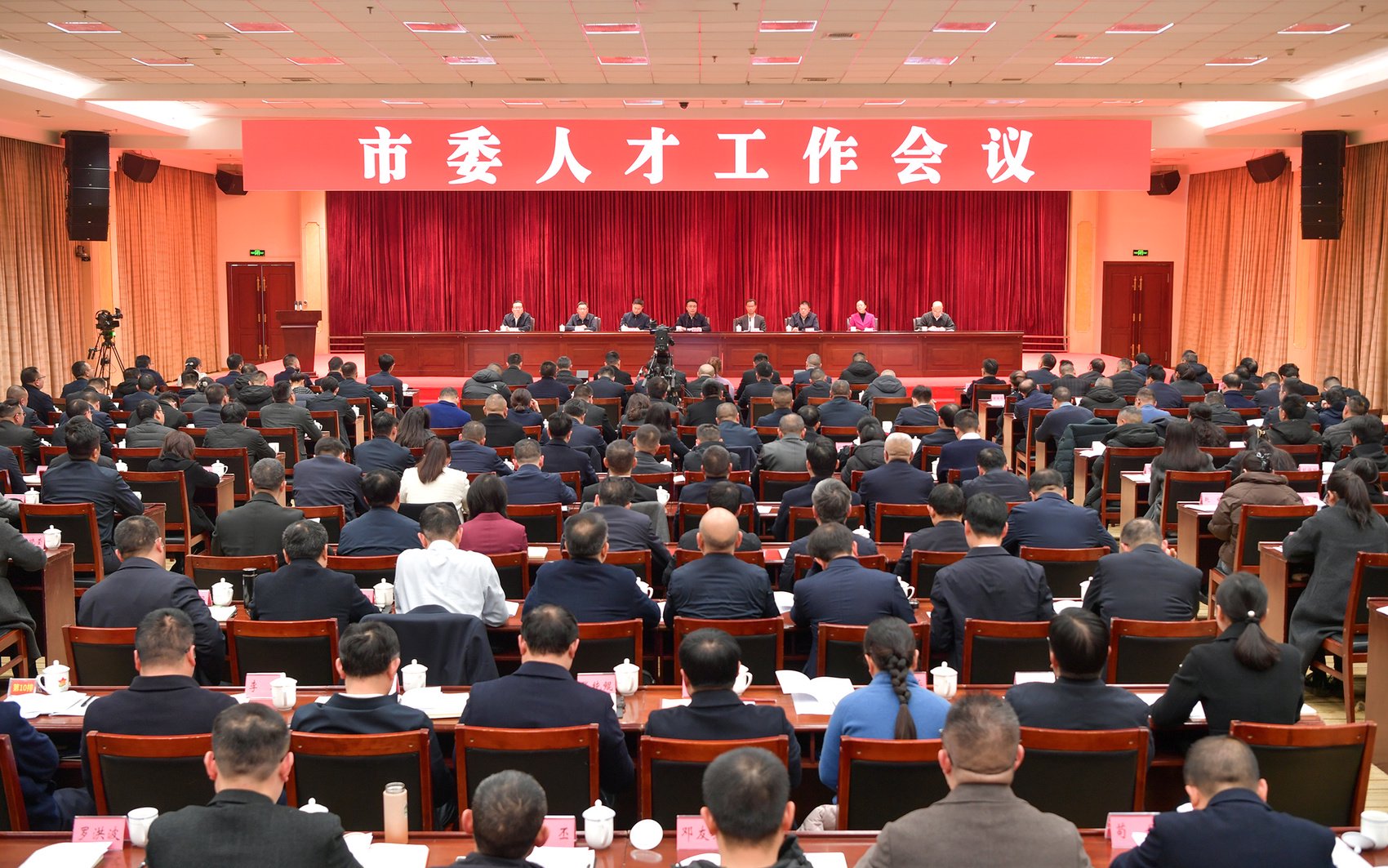
旧船票不能登新船,"新年第一会"巴中选定人才当"主角" 虽说是"新年第一会",不过这个伏笔有迹可循: 巴中新年第一会,聚焦人才工作。巴中市融媒体中心 夏雨 摄 从2025年跨到2026年,变化的不仅仅是年份,更是一次按下快速发展键的过程。而"新年第一会",通常透露出一个地方新一年的发力方向,也折射出其新一 年的竞争重点。巴中的"新年第一会",为何选择人才"打头阵"?这场市委人才工作会议,又释放出哪些"巴中信号"? 一体推进教育、科技、人才发展是党中央作出的重要战略部署,省委十二届八次全会也就深化教育科技人才一体发展作出安排。 作为革命老区重点城市,巴中一直在思考如何解好"人才"这道方程式。从发展实际出发,巴中市委五届八次全会提出"一市四区三地"发展战略,明确建 设"人才创新集聚地","人才"在巴中,无疑有着举足轻重的地位。 川观新闻记者 杜杰 新年新气象,全省各地区纷纷吹响了"冲锋号"。1月4日,在2026年的第一个工作日,革命老区巴中便召开了市委人才工作会议,在这场巴中市委新年的第一 个全市性大会上,一组数据十分亮眼:近2年体制内引进非巴中籍人才432名,同比增长18.5个百分点。 回顾这两年巴中的发展史, ...
思考乐教育(01769.HK)受托人根据股份奖励计划购买5万股
Jin Rong Jie· 2026-01-04 07:43
本文源自:财华网 【财华社讯】思考乐教育(01769.HK)公布,于2026年1月2日,根据计划规则及信托契据,受托人已于市 场上购入合共5万股股份,乃为获选参与者的利益以信托方式持有。每股股份平均购买价约2.15港元, 已购买股份总代价(不包括交易成本):约10.8万港元。 ...
“十四五”时期4899个苏陕协作项目带动42.8万农村人口增收就业
Shan Xi Ri Bao· 2026-01-04 00:48
Core Insights - The collaboration between Jiangsu and Shaanxi provinces has been strengthened since the launch of the new round of East-West cooperation in 2021, focusing on industrial cooperation, resource complementarity, labor matching, and talent exchange [1][2] Group 1: Financial Support and Project Implementation - A total of 13.228 billion yuan has been utilized during the "14th Five-Year Plan" period to support 4,899 cooperation projects, leading to an increase in income and employment for 428,000 rural residents [2] - 1,182 Jiangsu enterprises have settled in Shaanxi, resulting in the establishment of 63 industrial parks and the growth of several characteristic industries [2] Group 2: Community and Labor Development - 213 community factories and support workshops have been built or upgraded, and 21 labor markets in poverty-stricken areas have been established, fostering 158 regional labor brands such as "Ziyang Foot Massage" and "Zhen'an Nanny" [2] - 13.8 million rural laborers have gained employment through these initiatives, showcasing the effectiveness of the collaboration in enhancing local labor markets [2] Group 3: Educational and Professional Exchange - A total of 1,305 officials and 6,215 technical professionals have been dispatched to Jiangsu for work experience, while 314 schools and 129 hospitals in Shaanxi have paired with 308 schools and 136 hospitals in Jiangsu [2] - Shaanxi has consistently received a "good" rating in the national East-West cooperation assessment from 2021 to 2024, indicating successful implementation of the collaboration [2]
官渡区再添2家国家级示范单位
Xin Lang Cai Jing· 2026-01-03 22:20
官渡区第六中学始终秉持 "绿色育人、节能兴校"的校园建设理念,立足校园场景与教育特色,充分发 挥示范引领作用,从组织保障、宣传教育、节能改造、场景管控多方面精准发力,扎实推进节约节能举 措落地见效。推动节能降耗常态化、长效化,以 "教育+节能" 双轮驱动,助力公共机构绿色低碳发展, 培育师生绿色生活新风尚。 官渡区人民法院近年来深入践行"绿色、低碳、节能、降耗"理念,积极发挥司法机关的示范引领作用。 通过全面推行无纸化办案、电子卷宗随案生成,大幅减少纸张消耗;实行绿色办公,倡导双面打印、节 约用电用水;严格落实生活垃圾分类,常态化开展"光盘行动",并将节能环保理念融入法治宣传,营造 出崇尚节约、绿色司法的浓厚氛围。 本报讯 记者杨艳萍报道 近日,国家机关事务管理局、国家发展和改革委员会、财政部联合发布《2023 —2024年节约型公共机构示范单位暨能效领跑者名单》,官渡区人民法院与官渡区第六中学双双入选, 荣获国家级"节约型公共机构示范单位"称号。 ...
突出民生福祉 办好惠民实事
Xin Lang Cai Jing· 2026-01-03 20:20
Group 1 - The core viewpoint emphasizes the commitment of Nanning to deepen reforms in the livelihood sector during the "14th Five-Year Plan" period, focusing on employment, education, social security, healthcare, and services for the elderly and children [1][2][3] Group 2 - Nanning aims to enhance employment and entrepreneurship by establishing a robust employment promotion mechanism, stabilizing and expanding employment for key groups, and creating a "15-minute" employment service circle [1] - The city plans to improve educational quality by implementing free preschool education policies, promoting balanced development in compulsory education, and enhancing high school revitalization efforts [2] - Nanning will strengthen social security by developing a multi-tiered pension system, expanding medical insurance coverage, and improving service accessibility for vulnerable groups [2][3] - The healthcare system will be improved by advancing public hospital reforms, enhancing grassroots medical service capabilities, and promoting health data sharing [2] - Nanning will optimize support policies for childbirth and elderly care, develop integrated childcare services, and enhance the elderly care network [3] - The city will promote equal access to public services and improve resource allocation to enhance the quality of life for its residents [3]
通北示范区汇聚高质量发展动能
Xin Lang Cai Jing· 2026-01-03 03:48
深化对接协作,铸牢产业协同"一条链"。两年来,通北示范区紧紧抓住疏解北京非首都功能这个"牛鼻子", 推动创新链、产业链、供应链深度融合。印发实施《通北示范区新增产业禁限目录》,引导更多优质项目落 地发展。北三县深度对接北京城市副中心主导功能,全力打造"科创燕郊、智造三河、商务大厂、文旅香 河"县域经济特色名片。示范区绘制完成"7大产业集群+19个细分领域"产业图谱,加速实现两地五方创新链、 产业链合理布局。强化协同平台建设,京津冀国家技术创新中心燕郊协同创新基地加速建设,吸引大批科技 型企业入驻。2025年廊坊经洽会期间,举办以"通北一体化高质量发展"为主题的"通"途携手"北"启新程系列 活动,吸引优质企业资源向示范区汇聚。连续举办6届北京通州·河北廊坊北三县项目推介洽谈会,累计签约 项目273个。2025年12月17日,通北示范区首次"走出去",在苏州举办一体化联合招商推介暨跨区域合作对接 会,促成重磅签约,为产业集群发展注入新动力。 (来源:廊坊传媒网) 转自:廊坊传媒网 廊坊传媒网讯(记者 王洋洋)2025年12月26日,廊坊市政府新闻办召开通北示范区两周年创新成果主题新闻 发布会。记者从会上获悉,作为 ...