
支付

Search documents
支付圈大反转!花钱掏刷卡费成过去,霸王条款正式终结
Sou Hu Cai Jing· 2025-11-13 10:47
Core Viewpoint - Visa and Mastercard, dominant players in the payment processing industry, have agreed to reduce credit card transaction fees by an average of 0.1 percentage points over the next five years, which has been met with skepticism from retailers who view this as insufficient [1][6][12]. Group 1: Background and Context - The agreement to lower transaction fees follows a lengthy negotiation process that lasted nearly 20 years, culminating in a $30 billion settlement proposal that initially aimed for a 0.07 percentage point reduction [3][6]. - A federal judge rejected the initial settlement, stating that the concessions were inadequate, which prompted the payment giants to revise their offer [3][6]. Group 2: Industry Dynamics - Credit card transaction fees in the U.S. are significantly higher than in the EU, averaging around 2%, which is more than double the EU's capped rate of 0.3% [5]. - The distribution of transaction fee profits heavily favors the card issuers, with issuers taking 70%, card networks 20%, and acquirers only 10%, leaving merchants with minimal profit [5]. Group 3: Merchant Perspectives - Merchants have long been burdened by high transaction fees, with small businesses often seeing these fees consume a substantial portion of their profits, sometimes up to half [14]. - The new agreement allows merchants to choose whether to accept only standard cards to save on costs or to accept premium cards to attract high-end customers, providing them with more control [10][12]. Group 4: Future Implications - Despite the reduction, many merchants remain dissatisfied, arguing that the 0.1% decrease does not adequately address the high fees they face, especially for small businesses [12][14]. - The new agreement is not yet finalized and requires approval from the federal court, raising concerns that payment giants may find ways to offset the reductions through other fees [14][16]. - The ongoing struggle between payment giants and merchants highlights a shift in power dynamics, with recent judicial actions challenging the previously unassailable position of these corporations [16].



讯付科技获批变更名称,增资至1.25亿元
Bei Jing Shang Bao· 2025-11-13 08:54
北京商报讯(记者 岳品瑜 董晗萱)11月13日,北京商报记者注意到,据人民银行上海市分行行政许可 信息,同意迅付信息科技有限公司变更名称为"上海环迅支付有限公司"。同意迅付信息科技有限公司变 更注册资本由10500万元增加至12500万元。同意迅付信息科技有限公司变更王冬、彭子洁、李德灿、莫 蕊菲、许兵兵为董事,郎泽东为监事,彭子洁为总经理,许兵兵为副总经理兼合规风控负责人,戚靖为 副总经理兼财务负责人,覃业金为副总经理兼技术负责人,莫蕊菲为副总经理。 ...
Oceanpayment,以支付科技塑造全球增长的下一个十年
Cai Fu Zai Xian· 2025-11-13 07:19
Core Insights - The article emphasizes that payment has evolved from being the endpoint of transactions to becoming the starting point for growth in the global economy, particularly in the context of the "reconnection era" [1][2] Group 1: Global Growth Dynamics - Over the past decade, the logic of global economic growth has been rewritten, driven by digitalization, green initiatives, and a rebalancing of globalization [2] - The COVID-19 pandemic has redefined growth for cross-border trade, shifting focus from mere scale expansion to long-term value through technological innovation and sustainable growth [2] - Financial technology, particularly payment innovation, is identified as a key variable in global growth, enhancing efficiency, transparency, and connectivity in business [2][3] Group 2: Payment Technology as a Connector - As globalization enters a "reconnection" phase, the core of competition has shifted to "connectivity capabilities" rather than resources or markets [2] - Payment systems serve as critical bridges connecting transactions, trust, and value across various sectors, including cross-border e-commerce and digital entertainment [2][4] Group 3: Digital Payment Trends - McKinsey predicts that by 2028, global digital payment transaction volume will exceed $30 trillion, with mobile wallet users surpassing 5 billion, covering nearly two-thirds of the mobile population [3][16][17] - The integration of technologies like real-time payments and virtual cards is transforming payment from a passive transaction completion to an active growth driver, enabling seamless payment experiences [3] Group 4: Trust Networks and Value Flow - The value of payments is shifting from mere fund transfers to the flow of trust and data, enhancing efficiency and transparency in cross-border settlements [4][5] - AI and data models are being utilized for real-time decision-making in risk control, while compliance systems are aligning with global standards through digital identities [4] Group 5: Regional Payment Ecosystems - Emerging markets such as Southeast Asia, Latin America, and the Middle East are becoming hotspots for payment innovation, with local wallets and international channels increasingly integrating [6] Group 6: Oceanpayment's Role in Payment Innovation - Oceanpayment has focused on cross-border payment solutions for over a decade, aiming to connect every node of global commerce through payment technology [7] - The company has developed a scalable global payment infrastructure, integrating global acquiring, fund management, and virtual card issuance [9] - Oceanpayment's intelligent payment routing system enhances transaction success rates and cost efficiency, while its data intelligence framework supports decision-making for business growth [9] Group 7: Future of Payment Technology - The next decade is expected to see payments evolve from merely connecting transactions to connecting value, driven by emerging technologies like AI, blockchain, and big data [14] - The core directions for global fintech development will be openness, intelligence, and sustainability, with a focus on API collaboration, AI-driven services, and the role of payment systems in sustainable finance [15]
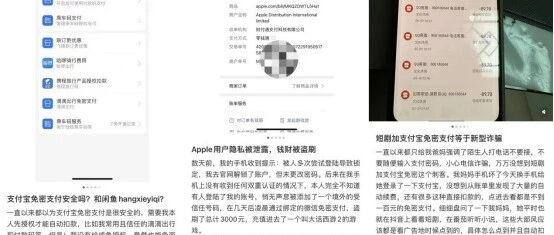
5.49万条投诉背后,免密支付的“隐形收割”
凤凰网财经· 2025-11-13 02:34
Core Viewpoint - The China Payment and Clearing Association has issued an initiative to strengthen the security management of "no-password payment" services, highlighting the growing security risks associated with this convenient payment method [1][2]. Group 1: Initiative Implementation - The initiative acknowledges the convenience of "no-password payment" while warning of existing risks, particularly the need for improved security management by payment service providers and the necessity for users to enhance their security awareness [2]. - It mandates that payment institutions must ensure user consent is clearly confirmed during the activation process, eliminating any form of "default activation" to protect user rights [2][3]. - The initiative emphasizes the establishment of dynamic monitoring and intervention mechanisms to detect unusual transaction behaviors, particularly for vulnerable groups like the elderly [2][3]. Group 2: Industry Issues - There have been over 54,900 complaints related to "no-password payment" on third-party complaint platforms, indicating widespread user frustration and financial loss [4]. - Many users have been unknowingly activated for "no-password payment," leading to unauthorized charges, particularly in e-commerce and subscription services [6][10]. - The difficulty in pursuing accountability after fraudulent transactions is highlighted, as platforms often claim user authorization, complicating the process for users to prove negligence on the part of the service providers [10]. Group 3: Business Dynamics - Despite the risks, platforms continue to promote "no-password payment" due to its impact on consumer behavior, increasing average transaction values by 18% while also raising return rates by 40% [13]. - The automatic deduction feature helps businesses retain customers, as users may forget to cancel subscriptions, leading to stable revenue streams for merchants [13]. - Major platforms have reportedly generated over 10 billion yuan in additional revenue due to the default activation of "no-password payment" features [13]. Group 4: Future Directions - The initiative represents a crucial step towards regulating the industry, but its successful implementation requires collaboration among payment institutions, merchants, users, and regulatory bodies [14]. - Payment service providers are urged to prioritize user rights and safety, ensuring informed consent and accountability in the event of security breaches [14]. - Users are encouraged to enhance their security awareness and regularly check their "no-password payment" settings to mitigate potential risks [14].
11.13犀牛财经早报:多家银行上调积存金起点 互联网企业“暗战”支付牌照
Xi Niu Cai Jing· 2025-11-13 01:44
Group 1: FOF Funds and QDII Growth - FOF funds have seen a significant increase in fundraising, with one new fund raising nearly 1.8 billion yuan, marking a 400% increase compared to the entire year of 2024 [1] - The total scale of FOF funds has surpassed 200 billion yuan this year, although it remains small compared to the overall fund market of over 36 trillion yuan [1] - QDII funds have also experienced rapid growth, with total shares reaching approximately 680.97 billion, up from about 571.12 billion in the previous quarter, indicating a net subscription of 109.8 billion [1] - The highest annual return for QDII funds has reached 121.70%, attracting more attention from investors [1] Group 2: Hong Kong Fund Growth and Market Dynamics - The scale of Hong Kong funds has exceeded 1 trillion yuan, driven by increased investment enthusiasm [2] - The total shares of the Hang Seng Technology ETF have grown by 32.53 billion from October 1 to November 12 [2] - The concentration of holdings in Hong Kong funds has increased, which may lead to significant fluctuations in net value during the year-end market rebalancing phase [2] Group 3: Gold Investment Trends - Banks have raised the minimum investment threshold for gold savings to 1,500 yuan, the highest in history, following a rise in international gold prices [3] - The adjustment in investment thresholds reflects a growing concern over risks associated with gold price volatility [3] Group 4: A-Share Company Dividends - As of November 12, 37 A-share companies have completed their third-quarter dividend distributions, totaling over 6.3 billion yuan [4] - The increase in cash dividends is attributed to regulatory guidance and improved corporate earnings, transforming dividends from optional to feasible strategies for more companies [4] Group 5: Human-shaped Robot Industry Outlook - The human-shaped robot industry is expected to experience a significant breakthrough in 2026, likened to the "iPhone moment" for the sector [5] - Companies involved in the human-shaped robot supply chain are anticipated to benefit from the upcoming mass production era [5] Group 6: AI in Animation and Drama Industry - The animation and drama sector has seen a surge, with over 3,000 new works launched in the first half of the year, resulting in a 12-fold increase in revenue [6] - The market size for this sector is projected to exceed 20 billion yuan this year, driven by the impact of AI technology [6] Group 7: Internet Companies and Payment Licenses - Internet companies have been actively increasing capital for their payment subsidiaries, with significant increases reported by companies like Douyin and Tencent [7] - The regulatory environment has prompted these companies to enhance compliance and expand into high-capital businesses such as cross-border payments [7] Group 8: Global Wine Production Trends - Global wine production is expected to see a slight increase in 2025, but it will remain below average levels due to extreme weather conditions [8] - The forecasted production for 2025 is approximately 23.2 billion liters, a 3% increase from 2024, which recorded the lowest production since 1961 [8] Group 9: Corporate Management Changes - Several companies, including Keg Precision Machinery and Haowei Group, have undergone significant management changes, with new appointments and resignations [9][10] - These changes may impact company operations and strategic direction moving forward [9][10] Group 10: Financial Performance of Retail Companies - Gaoxin Retail reported a revenue of 30.5 billion yuan for the first half of the fiscal year, a decrease of 12.12%, resulting in a net loss of 1.23 billion yuan [11] - The decline in revenue is attributed to intensified market competition and consumer fatigue [11]

DLocal (DLO) - 2025 Q3 - Earnings Call Transcript
2025-11-12 23:00
Financial Data and Key Metrics Changes - The company achieved a record Total Payment Volume (TPV) exceeding $10 billion, with a gross profit surpassing $100 million, marking a nearly 60% year-over-year growth in TPV and a 32% increase in gross profit [3][4][15] - Adjusted EBITDA reached $72 million, representing 70% of gross profit, with net income growing to $52 million due to lower finance costs [4][19] - Revenue for the quarter was $282 million, up 52% year-over-year, driven by strong volume growth [16] Business Line Data and Key Metrics Changes - TPV growth was broad-based, with significant contributions from remittances, e-commerce, on-demand delivery, and SaaS verticals, while advertising showed weakness primarily due to Egypt [15][16] - Cross-border transactions grew 75% year-over-year, while local-to-local transactions increased by 46% year-over-year [15] - The company reported strong performance in Brazil, Colombia, and other LATAM regions, despite challenges in Argentina and Mexico [4][15] Market Data and Key Metrics Changes - Local payment methods in Brazil, driven by PIX, now account for over half of e-commerce volume, with expectations to reach nearly 60% by 2027 [5] - The company noted a gradual pickup in TPV in Argentina post-elections, indicating potential for growth despite currency uncertainties [24][28] - The effective income tax rate for the quarter was 15%, with expectations to diversify away from Argentine securities to reduce volatility [19] Company Strategy and Development Direction - The company aims to be a one-stop shop for emerging market financial infrastructure, focusing on local payment methods and alternative financial solutions [6][7] - Product innovation remains a priority, with recent launches including Buy Now Pay Later solutions and expanded APM capabilities [12][45] - The company is focused on navigating the complexities of emerging markets while maintaining a disciplined cost posture and strong cash generation [5][10] Management's Comments on Operating Environment and Future Outlook - Management expressed optimism about the growth potential in Argentina and Brazil, despite acknowledging risks from currency fluctuations and changing tax regimes [24][25][28] - The company expects continued strength in remittances and commerce, with no immediate signs of alarm for these verticals [30] - Management highlighted the importance of monitoring global macroeconomic conditions and potential trade barriers that could impact business [20][21] Other Important Information - The company reported a healthy adjusted free cash flow to net income conversion, reinforcing its cash-generative business model [5] - The net retention rate (NRR) increased to 149%, reflecting strong customer loyalty and upsell opportunities [9] Q&A Session Summary Question: Impact of Argentina's elections on business - Management noted a gradual pickup in TPV post-elections, indicating a positive outlook for growth in Argentina, while monitoring exchange rates closely [24] Question: Tax regime changes in Brazil - Management clarified that recent tax changes do not negatively impact the company, and they are monitoring the evolving fiscal landscape [25][26] Question: Growth drivers in remittances and e-commerce - Management highlighted strong growth across various verticals, with remittances growing over 200% year-on-year, and expressed confidence in continued strength [30] Question: Take rate concerns - Management indicated that the recent take rate compression was influenced by one-off factors and that a normalized take rate would remain above 100 basis points [31][32] Question: Brazilian market performance - Management confirmed that the growth in Brazil is broad-based and not reliant on a single merchant, with a strong rebound in cross-border transactions [36] Question: Future of local to local transactions - Management reassured that cross-border volumes have remained stable, and local to local transactions are not expected to significantly dilute overall take rates [38] Question: Alternative payment methods and their impact - Management emphasized the growing adoption of local payment methods and the potential for higher take rates from Buy Now Pay Later offerings [44][45]

互联网企业“暗战”支付牌照
Zheng Quan Ri Bao· 2025-11-12 16:45
天眼查信息显示,近日,浙江唯品会支付服务有限公司(以下简称"唯品支付")发生工商变更,注册资 本由1亿元增至2亿元,增幅为100%。 今年以来,互联网企业旗下支付公司增资、收购动作频频,展现出互联网企业布局支付业务的热情。 受访专家认为,当前支付行业正在从"抢规模"转向"重资本""强合规"发展,马太效应持续加剧。增资不 仅是满足监管要求的必要动作,更是支付公司提升抗风险能力、主动拓展业务边界的战略选择。 互联网系支付公司频增资 公开资料显示,2016年唯品会全资收购浙江贝付科技有限公司,成功获得第三方支付牌照,并将其正式 更名为"浙江唯品会支付服务有限公司",并推出"唯品支付"品牌。根据股东信息,目前唯品支付由唯品 会全资持股。 支付牌照收购动作不断 事实上,不仅是增资,互联网企业在支付牌照领域的布局和争夺也体现在一系列股权收购动作上。 天眼查工商信息显示,近日,东方电子支付有限公司(以下简称"东方电子支付")发生工商变更,原股 东上海市信息投资股份有限公司、上海电子数据交换网络服务有限公司等退出,新增小红书旗下宁智信 息科技(上海)有限公司为全资股东。 与此同时,茅蔚卸任东方电子支付法定代表人、董事长,王闰 ...
港股股票回购一览:4只个股获公司回购
Mei Ri Jing Ji Xin Wen· 2025-11-11 01:15
Group 1 - On November 10, four Hong Kong stocks were repurchased by their companies, with MGM China, LianLian Digital, and International Home Retail having the largest repurchase amounts of HKD 6.243 million, HKD 2.7071 million, and HKD 0.1184 million respectively [1] - As of November 10, a total of 244 Hong Kong stocks have been repurchased this year, with 58 stocks having a cumulative repurchase amount exceeding HKD 100 million [1] - The companies with the largest cumulative repurchase amounts this year are Tencent Holdings, HSBC Holdings, and AIA Group, with repurchase amounts of HKD 60.965 billion, HKD 30.257 billion, and HKD 17.693 billion respectively [1]




85岁佩洛西炒股封神:38年回报率16930%!政客炒股为何能碾压“股神”巴菲特?
Sou Hu Cai Jing· 2025-11-10 12:42
Core Viewpoint - Nancy Pelosi's investment success, with a staggering return rate of 16,930%, significantly outperforms both the Dow Jones index and Warren Buffett's annual returns, raising questions about the influence of political power on investment opportunities [1][3]. Group 1: Pelosi's Investment Journey - Pelosi's stock trading career began in 1987, coinciding with her political career, and has evolved into a significant portfolio valued at approximately $280 million, alongside other assets totaling $413 million [1][3]. - In 2024, Pelosi achieved a single-year profit of 70.9%, more than double the S&P 500's 25% increase, outperforming many hedge funds [3][4]. Group 2: Investment Strategy and Holdings - Pelosi's portfolio includes major tech stocks, with Apple being her largest holding valued between $25 million and $50 million, alongside other giants like Nvidia and Netflix [4]. - Her trading precision is notable, exemplified by a $2.4 million investment in Nvidia call options that appreciated to over $7.2 million within a year, and an 8-fold increase in Visa stock over a decade [5]. Group 3: Factors Behind Investment Success - The success of Pelosi's investments is attributed to a combination of power, information access, and strategic sector focus, allowing her to leverage policy insights that ordinary investors lack [7][8]. - Pelosi focuses on high-growth sectors influenced by government policy, such as technology and defense, ensuring her investments align with favorable government initiatives [11][12]. - Despite claiming her husband manages the trades, the couple employs a professional investment team, executing a strategy of short-term trading based on policy cycles rather than long-term value investing [13][14]. Group 4: Public Reaction and Legislative Response - Pelosi's investment success has sparked public outrage, with a significant decline in trust in Congress, as evidenced by a record low 9% approval rating [16]. - The emergence of "Pelosi stocks" as a market trend has led to speculative trading based on her investment decisions, distorting market dynamics [17]. - Legislative efforts, such as the proposed "Pelosi Act," aim to restrict stock trading by Congress members, though the bill has faced criticism for its loopholes and lack of comprehensive reform [18][20]. Group 5: Future Implications - The trend of profitable trading among U.S. politicians raises concerns about the sustainability of such practices, with increasing public pressure likely leading to stricter regulations [20]. - If individual stock trading is banned, politicians may resort to indirect investment methods, maintaining their access to market advantages while circumventing regulations [21]. - The disparity in investment returns between politicians and ordinary investors highlights systemic issues in market access and information asymmetry, challenging the integrity of the investment landscape [22].


支付牌照价值重估 唯品会支付增资至2亿
Jing Ji Guan Cha Wang· 2025-11-10 10:36
Core Insights - The core point of the news is that Zhejiang Vipshop Payment Co., Ltd. has increased its registered capital from 100 million RMB to 200 million RMB, marking a 100% increase, which enhances its capital strength and risk resilience in the payment industry [1][2]. Group 1: Capital Increase and Strategic Importance - The capital increase directly enhances the payment institution's capital strength and aligns with regulatory requirements for stable operations in the payment sector [1][2]. - For Vipshop, this capital increase is not merely a financial supplement but a critical step in upgrading its financial technology infrastructure, providing a solid foundation for its core e-commerce business and related financial services [1][2]. Group 2: Strategic Value of Payment License - Vipshop Payment, established in 2011, holds a payment business license from the People's Bank of China, allowing it to conduct internet payment services [2]. - The payment license is seen as a "digital lifeline" for platforms like Vipshop, enabling control over cash flow and data flow, which is essential for building a competitive edge [2]. Group 3: Integration of Payment and Financial Services - The strategic significance of the capital increase is expected to be reflected in the core product "Vipshop Flower," which has evolved from a consumer installment tool to a key driver of transactions and financial connectivity [3]. - The integration of payment capabilities enhances user payment flexibility and willingness to consume, supported by a stable payment channel [3][4]. Group 4: Scene Finance and Competitive Landscape - The payment industry is experiencing dynamic changes, with Vipshop's capital increase and other platforms' activities indicating a shift towards "scene finance" [5]. - The successful model of integrating e-commerce, payment, and consumer finance has been validated by the growth of products like JD's White Bar and Meituan's Monthly Payment [5][6]. Group 5: Unique Advantages and Future Challenges - Vipshop's clear user profile and stable consumption scenarios provide it with unique advantages in the competitive landscape of scene finance [6]. - The focus on specific consumption scenarios allows for a higher degree of alignment with user needs, which is crucial for future competition [6].
