快速消费品

Search documents
2025全球快速消费品品牌榜出炉:可口可乐稳坐榜首,乐事跻身前五
凯度消费者指数· 2025-08-14 03:53
Core Insights - The probability of brand growth is akin to a "50:50 game," with around 50% of brands achieving growth consistently over the past 13 years according to the latest Worldpanel Consumer Index report [1][3] - The report covers 56 markets across five continents and analyzes over 30,000 brands, revealing the top 50 fast-moving consumer goods (FMCG) brands chosen by global consumers [1] Brand Growth Statistics - In 2024, 50.2% of brands achieved growth, maintaining a stable range of 45%-55% for the top 250 brands [3] - Successful brands actively change their growth probabilities by expanding their penetration rates, with 88% of growing brands increasing their consumer base in 2024 [6] Top Brands of 2024 - The top five brands chosen by global consumers in 2024 are Coca-Cola, OMO, Colgate, Maggi, and Lays, with OMO rising to second place and Lays entering the top five for the first time [7][10] - Coca-Cola maintains its position as the most popular brand with a consumer reach of 8.3 billion [10] - OMO's consumer reach grew by over 12%, achieving a penetration rate of 41.6% and adding over 22 million consumers [10] - Lays reached a consumer base of 3.4 billion, with a penetration rate increase of 1.2 percentage points, leveraging cultural experiences through its "Global Flavors" series [10] Future Outlook - The report predicts that global inflation may return in 2025, increasing growth pressures on brands and highlighting the importance of penetration rates [11] - Brands that ranked in the top ten for penetration rates in 2024 are expected to maintain their advantages in 2025 [11]


聚焦马中企业家大会|金德昌控股集团CEO刘威泽:贸易联通,让企业走向全球
Sou Hu Cai Jing· 2025-08-12 17:56
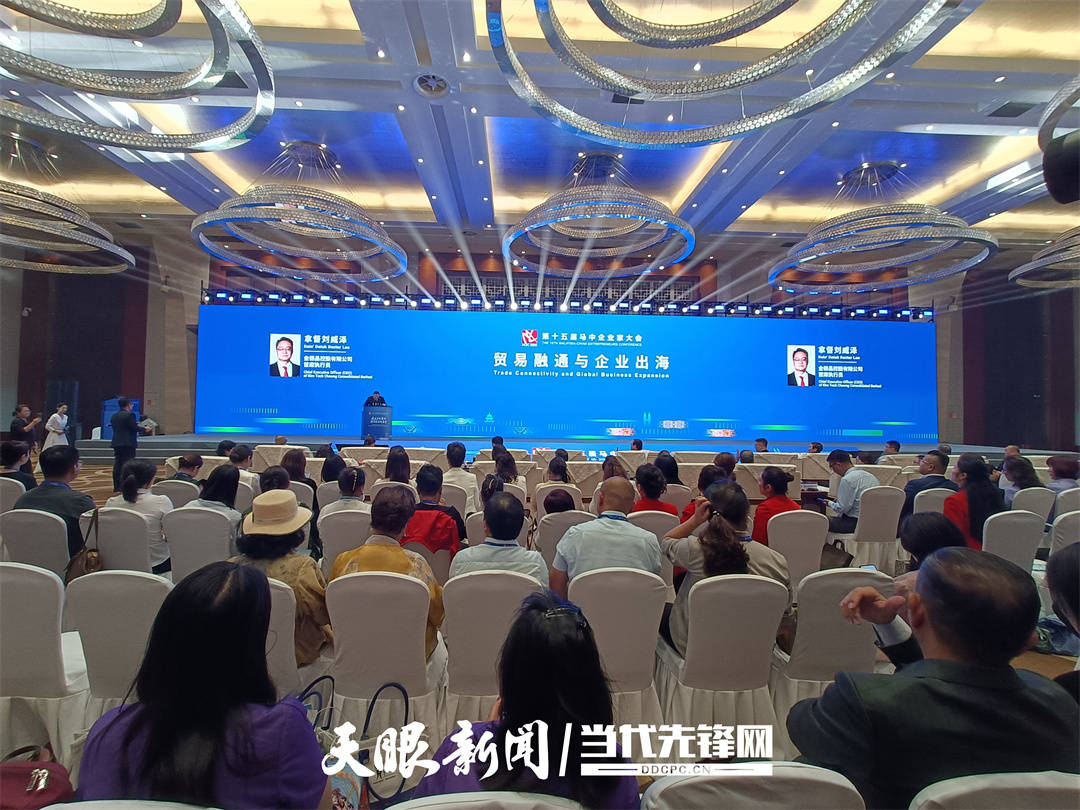
Core Insights - The importance of trade connectivity for companies aiming to enter global markets is emphasized, highlighting how it can lower operational costs and optimize resource allocation [5][6] - Companies must adapt their products to local tastes and cultures, leveraging digital technology for precise marketing and supply chain efficiency [6] - Enhanced communication and collaboration between Malaysian and Chinese enterprises is essential to facilitate trade and create a better environment for international expansion [8] Company Overview - Jindachang Holdings Group started as a simple grocery store in 1938, transitioned into fast-moving consumer goods in 1973, and was listed on the Malaysian stock exchange in 2015, serving clients in East Malaysia, Brunei, and Indonesia [3] Trade Connectivity - The deepening of economic globalization necessitates smooth trade channels, which not only reduce operational costs but also create more development opportunities for businesses [5] - Trade agreements and improved infrastructure play a crucial role in lowering market entry barriers, making it easier for companies to sell their products and services in foreign markets [5] Innovation and Sustainability - Exposure to new markets and competitors can stimulate innovation, prompting companies to develop new products and services [5] - With increasing consumer emphasis on environmental sustainability, companies are encouraged to integrate green principles into their operations to meet market expectations [6]
2025 Worldpanel消费者指数客户会 | 上海 • 8.21 锁定席位,共破增长困局!
凯度消费者指数· 2025-08-12 03:53
Core Insights - The rapid consumer goods market in China is undergoing unprecedented changes due to shifts in population structure and economic transformation, leading to challenges for brands in achieving effective growth and innovation [2][6] - The conference aims to explore how brands can leverage consumer insights to drive growth and navigate the complexities of consumer behavior and market dynamics [2][3] Group 1: Market Dynamics - The Chinese fast-moving consumer goods (FMCG) market is experiencing significant restructuring influenced by consumer segmentation and generational shifts, necessitating brands to identify stable growth paths amidst volatility [2] - Global and Chinese markets confirm that penetration rate is a core driver of brand growth, with discussions focused on how to effectively identify and enhance the dimensions that require brand focus [3] Group 2: Consumer Behavior - Consumers are increasingly shopping across multiple channels, averaging seven channels per year, highlighting the need for brands to meet both price sensitivity and convenience demands while building a collaborative growth network [5] - The challenge of product innovation in a market characterized by low growth rates requires brands to balance the quantity and quality of new products, ensuring they contribute to both short-term sales and long-term brand value [6] Group 3: Event Details - The 2025 Worldpanel Consumer Index Client Conference will feature discussions on market changes, growth opportunities, and the release of the 2025 Brand Footprint Report, showcasing brands that have successfully navigated market cycles [9] - The agenda includes insights from industry leaders on how to translate consumer insights into actionable growth strategies and decode consumer behavior across channels [9]
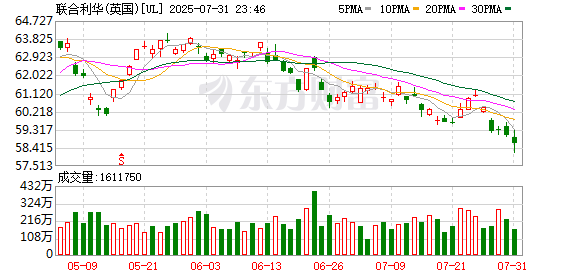
联合利华营收、利润下滑 预计下半年增长领先于上半年
Guang Zhou Ri Bao· 2025-07-31 15:46
Group 1 - The core business segments of Unilever include Beauty & Wellbeing, Personal Care, Home Care, Nutrition, and Ice Cream [1] - In the Beauty & Wellbeing segment, the underlying sales growth was 3.4% in the first half of the year, with 1.7% from volume and 2.0% from price increases, although the growth rate has slowed compared to last year [1] - Revenue for the Beauty & Wellbeing segment reached €6.5 billion (approximately ¥53.5 billion), a decline of 0.8% [1] - The Personal Care segment saw a 4.8% increase in underlying sales, with revenue also at €6.5 billion (approximately ¥53.5 billion), but a decline of 5.9% in revenue [1] Group 2 - Despite a sluggish market, growth in the second half of the year is expected to outpace the first half, driven by continued strength in developed markets and improving performance in emerging markets, particularly India, Indonesia, and China [1] - Unilever anticipates a profit margin of at least 18.5% in the second half of the year, showing significant improvement compared to the second half of 2024 [1] Group 3 - On July 31, Unilever reported its first decline in revenue for the first half of the year in nearly five years, with revenue and profit both decreasing [3] - Although underlying sales increased slightly by 3.4%, revenue fell by 3.2% year-on-year to €30.1 billion (approximately ¥247.6 billion) due to the depreciation of the dollar and weak core business sales [3] - The underlying operating profit dropped significantly by 10.6% to €5.3 billion (approximately ¥54.3 billion) [3]

2025 Worldpanel消费者指数客户会 | 上海 • 8.21 锁定席位,共破增长困局!
凯度消费者指数· 2025-07-29 03:05
Group 1 - The core viewpoint of the article highlights the challenges faced by brands in the fast-moving consumer goods (FMCG) market in China due to demographic shifts and economic transformation, leading to a "growth fog" where investments yield unclear results and new products struggle to gain traction [1][2] - The article emphasizes the importance of understanding consumer insights to drive brand growth, focusing on the need to identify key dimensions for enhancing brand penetration rates [3][6] - It discusses the necessity for brands to adapt to the multi-channel shopping behavior of consumers, who now typically engage with an average of seven shopping channels annually, balancing price sensitivity and convenience [5][6] Group 2 - The article raises questions about how product innovation can break through the homogenization of competition in the FMCG market, suggesting a need for a strategic approach to product launches that balances quantity and quality [6] - It mentions the release of the 2025 China market brand rankings based on the "Global Brand Footprint Report," which will reveal the growth strategies of leading brands that have successfully navigated market cycles [6][8] - The event aims to explore collaborative growth strategies across channels, providing insights into how brands can achieve sustainable development amidst market volatility [2][5]
中国企业加速出海步伐,尼尔森IQ研讨会揭示欧洲及亚太市场新机遇
Jin Tou Wang· 2025-07-10 08:29
Group 1: Event Overview - The "Breaking Waves: Eurasia - Consumer and Market Insights Seminar" hosted by NielsenIQ (NIQ) focused on market trends in Europe and the Asia-Pacific region, discussing consumer behavior insights, market entry strategies, and brand internationalization strategies to aid companies in overseas expansion [1] - The seminar attracted nearly 100 senior executives from Chinese enterprises and included representatives from the Ministry of Commerce, the China Chamber of Commerce for Import and Export of Foodstuffs, and the Investment Promotion Service Center of Chaoyang District, Beijing [1] Group 2: Market Insights - NIQ's data indicated a 2.9% growth in global fast-moving consumer goods (FMCG) sales as of March 2025, with Europe accounting for 36% and Asia-Pacific for 17% of the global market [2] - The European market is characterized by increased price sensitivity among consumers and a growing demand for sustainable and health-oriented products, with significant growth potential in Eastern Europe and expansion opportunities in Western Europe [2][3] Group 3: Brand Strategies - Chinese brands are gaining a foothold in the technology and durable goods sectors by offering competitively priced and high-performance products, particularly in smart home ecosystems [3] - NIQ emphasized the need for brands to adapt to local cultures and innovate to capture consumer mindshare when entering international markets, particularly targeting the X generation through omnichannel marketing and personalized experiences [4] Group 4: Internationalization of Chinese Brands - Successful case studies of Chinese brands include Huaxizi, which achieved premium positioning through cultural elements, and Bawang Tea, which met European consumer needs through functional innovation [5] - NIQ highlighted the importance of transitioning from product advantages to model advantages for Chinese brands, focusing on supply chain optimization and localized operations for rapid market expansion [5] Group 5: Future Trends and Opportunities - NIQ's latest market monitoring data revealed that emerging consumer trends and digital transformation are driving the global FMCG market's expansion, with cross-border e-commerce channels growing at an annual rate of 28% [6] - NIQ aims to support Chinese brands in accurately understanding different market dynamics and building global competitiveness, facilitating the transition from "Made in China" to "Global Brand" [6]
报告:46岁以上中老年家庭消费在显著增长
news flash· 2025-06-19 09:34
Core Insights - The report highlights a significant increase in consumption among households aged 46 and above, driven by population aging and its impact on the fast-moving consumer goods (FMCG) market, particularly in third and fourth-tier cities [1] Consumption Trends - Average spending among households aged 46 and above has seen a notable increase, with an overall average growth of approximately 2% across all city tiers [1] - Third-tier cities experienced a growth rate of 3.3%, while fourth-tier cities saw an even higher increase of 6.2% [1] E-commerce Influence - Nearly 40% of senior households have begun utilizing interest-based e-commerce platforms for purchasing FMCG products [1] - The influence of platforms like Douyin and Kuaishou on senior households is increasing [1]
年轻人对“618”大促已麻木?46岁以上中老年家庭消费却在显著增长
Di Yi Cai Jing· 2025-06-19 09:24
Group 1 - The core viewpoint of the articles highlights the increasing consumption expenditure of middle-aged and elderly households in China, driven by wealth accumulation during economic growth and changing consumption attitudes towards higher quality of life [1][2] - The average expenditure of households aged 46 and above has significantly increased, with an overall growth of approximately 2% across all city tiers, 3.3% in third-tier cities, and 6.2% in fourth-tier cities [1][2] - The report indicates that the population aged 60 and above in China has surpassed 300 million for the first time, leading to a more detailed classification of consumer groups, including "mature families" and "silver families" [2] Group 2 - Research shows that silver families exhibit diverse consumption needs, categorized into essential daily needs, health-related products, and self-care items, with a heightened focus on health as they age [3] - Nearly 40% of silver families have begun utilizing interest-based e-commerce platforms for purchasing fast-moving consumer goods, with platforms like Douyin and Kuaishou gaining influence among this demographic [3] - Brands are increasingly leveraging content marketing and live-streaming strategies on these platforms to engage middle-aged and elderly consumers, particularly by promoting health-related products to resonate emotionally and stimulate purchasing behavior [3]
2025年一季度快消品市场同比增长2.7% “平替”需求不减
Zhong Guo Jing Ying Bao· 2025-06-15 04:43
Core Insights - The report indicates that the overall sales of China's fast-moving consumer goods (FMCG) market grew by 2.7% year-on-year in Q1 2025, showing an improvement from the 0.8% growth in 2024 [1] - The growth in Q1 2025 was significantly driven by consumer spending during the Spring Festival, with various categories performing well [1][2] - The trend of consumers opting for cost-effective products continues, with a notable shift towards affordable channels and products with better price-performance ratios [1][4] Sales Performance - In Q1 2025, the sales growth rates for different FMCG categories were as follows: household care increased by 6.1%, personal care by 4.0%, packaged food by 3.2%, and beverages only by 0.5% [1][2] - The overall volume of FMCG sales increased by 5.3% in Q1 2025, while the average selling price decreased by 2.5%, indicating a shift towards higher volume sales at lower prices [3][4] Channel Dynamics - Offline retail channels, particularly self-operated platforms of retailers like Sam's Club and Hema, showed significant growth, with Sam's Club growing by 63% in Q1 2025 [2] - Online channels also saw growth, with Douyin capturing 23% of e-commerce sales, and Pinduoduo experiencing an 11% increase in Q1 2025 [2][3] Consumer Behavior - Consumers are increasingly prioritizing value for money, leading to a decline in average selling prices while still driving volume growth [4][5] - The trend of "consumption substitution" is evident, with private labels and store brands gaining market share in categories like facial tissues and personal care [4][5] Innovation and Premiumization - Certain categories, such as juice and instant coffee, are experiencing growth due to innovative products that offer health benefits or unique flavors, allowing brands to command a premium [5] - Brands that can demonstrate unique value and quality are more likely to succeed in the current market environment, as consumers are willing to pay more for products that meet their health and quality expectations [5]
2024年三四线城市消费增速超过一二线城市 贝恩:2025年“消费平替”趋势延续
Mei Ri Jing Ji Xin Wen· 2025-06-12 13:56
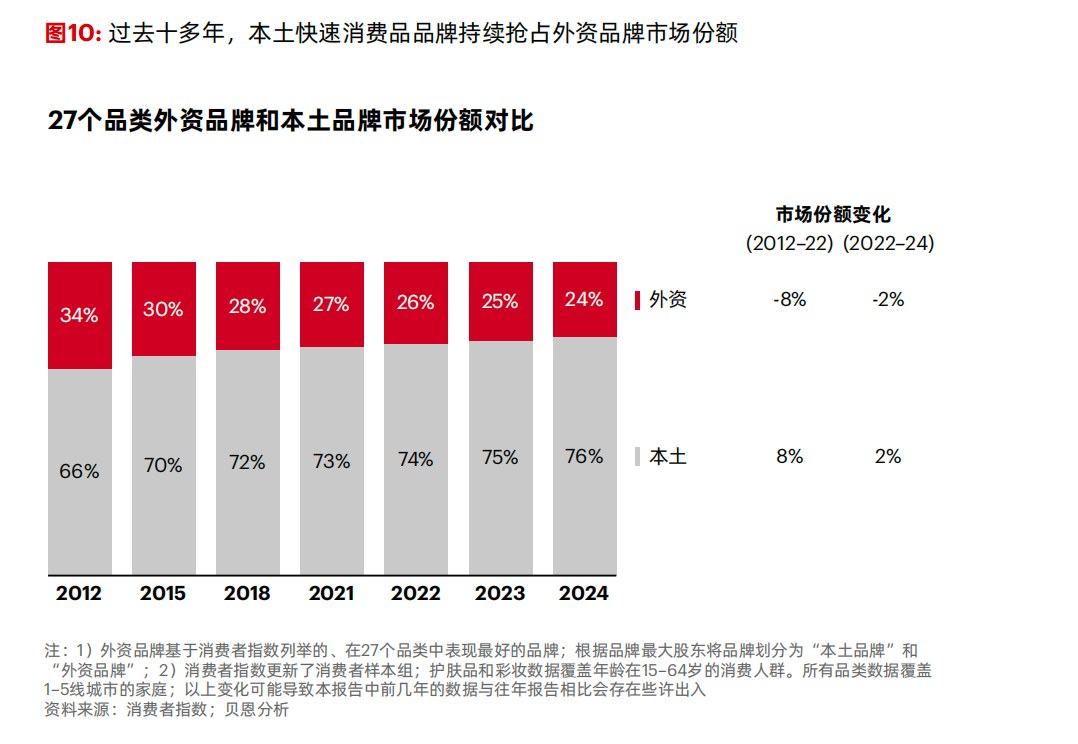
Core Insights - The report indicates a slowdown in the overall sales growth of China's fast-moving consumer goods (FMCG) market, with a projected growth of only 0.8% in 2024, driven by a 4.4% increase in volume but a 3.4% decrease in average prices [1][12] - The trend of "consumption alternatives" is prominent, with significant price reductions observed, particularly in 2024, marking the largest decline in average prices over the past four years [1][12] - The consumption growth rate in third- and fourth-tier cities is outpacing that of first- and second-tier cities, indicating a shift in market dynamics [1] Market Performance - In 2024, the community group buying platform experienced a 17.0% decline in sales, reflecting increased competition from discount stores and other emerging business models [2][6][7] - The overall market share of e-commerce and offline channels remained stable, but internal dynamics shifted, with grocery stores and supermarkets performing better than the market average, particularly in lower-tier cities [3][4] - Warehouse membership stores showed resilience with a growth rate in average purchase frequency of 1.6%, despite a 6.5% drop in average transaction value [4] Brand Dynamics - The competition among brands remains intense, with over half of the tracked categories seeing the top five brands lose market share [8] - Local brands have significantly increased their market share, reaching 76% by 2024, as they continue to outperform foreign brands [8] Consumer Behavior - The primary factor influencing household spending is product selection, with consumers increasingly seeking economical alternatives across various categories [12] - High-end products in categories like juice and coffee have seen growth due to innovation and rising consumer demand for quality [12][13] - Promotional activities have less impact on consumer purchasing behavior, as consumers are now more discerning and focused on value for money [13]