
乐事

Search documents
百事集团2025年业绩分化,北美市场承压
Jing Ji Guan Cha Wang· 2026-02-12 20:33
Group 1 - The core viewpoint of the news is that PepsiCo reported a mixed performance for Q4 and the full year of 2025, with revenue growth but a decline in net profit [1] - For the full year 2025, net revenue reached $93.925 billion, a year-on-year increase of 2.3%, while net profit attributable to PepsiCo was $8.240 billion, down 13.9% [1] - In Q4, revenue was $29.343 billion, reflecting a 5.6% year-on-year growth, exceeding market expectations, and non-GAAP core EPS was $2.26, up 15.3% year-on-year [1] Group 2 - The stock price of PepsiCo showed a fluctuation of 1.85% over the past week, with a year-to-date increase of 17.93% as of February 12, closing at $169.26 [2] - The stock experienced a seven-day consecutive rise and a monthly increase of approximately 21%, driven by better-than-expected earnings and a $10 billion buyback plan, although recent volatility indicates market concerns over pricing strategies [2] Group 3 - PepsiCo announced price reductions of up to 15% on certain snack products in the U.S. market to stimulate demand amid rising consumer price sensitivity [3] - The company is strengthening its supply chain in the Asia-Pacific region, maintaining or growing market share in China, with new production capacity projects in Xi'an supporting long-term development [3] - PepsiCo has increased its dividend for 54 consecutive years and initiated a $10 billion share buyback plan to enhance shareholder returns [3] Group 4 - Analyst opinions are divided, with some institutions attributing the stock price increase to valuation expansion rather than fundamental improvements [4] - Quant ratings suggest a "hold," with only 7 out of 23 Wall Street analysts recommending a "buy" [4] - There are warnings that the pricing strategy may trade off profit margins for a rebound in sales, necessitating close monitoring of future sales elasticity and gross margin changes [4]

1月通胀魔咒再现?特朗普关税或成众矢之的-市场参考-金十数据
Jin Shi Shu Ju· 2026-02-11 10:27
Group 1 - The January inflation data in the U.S. is expected to show a moderate month-on-month increase of 0.3%, with a year-on-year growth rate dropping to 2.5% [1] - Historical trends indicate that January inflation data often tends to be higher, which raises concerns among market participants about potential unexpected outcomes [1] - The possibility of companies passing on tariffs imposed during the Trump administration to consumers is being considered as a reason for the Federal Reserve's cautious stance on further interest rate cuts [1] Group 2 - The interpretation of January's inflation data may be complicated by statistical anomalies, as January is typically a time when companies increase prices [2] - The U.S. Bureau of Labor Statistics (BLS) adjusts CPI data for seasonal effects, but some economists believe that residual seasonality still exists, leading to an average inflation rate in January that is 0.03 percentage points higher than other months since 1985 [2] - The increase in January inflation is particularly pronounced in the service sector, where businesses are more likely to raise prices at the beginning of the year [2] Group 3 - Recent data from Adobe indicates significant price increases for online shopping in January, suggesting that retailers may be passing on higher costs to consumers [3] - Economists attribute potential price hikes in January to both tariff impacts and residual seasonality, with retailers possibly using the new year as an opportunity to adjust prices [3] - The overall inflation trend is influenced by both rising goods prices and stabilizing service prices, which may mask underlying inflationary pressures [3] Group 4 - Economic experts believe that inflation will not spiral out of control in the U.S. in 2026, as consumer sensitivity to prices is leading companies to adjust their pricing strategies [4] - Companies like PepsiCo and General Mills are responding to budget-conscious consumers by lowering prices on certain products to attract them [4] - This shift in consumer behavior indicates that businesses are becoming more aware of changing demand dynamics and are less willing to pass on price increases [4]
1月通胀魔咒再现?特朗普关税或成成众矢之的
Jin Shi Shu Ju· 2026-02-10 02:16
Group 1 - The January inflation data in the US is expected to show a moderate month-on-month increase of 0.3% in the Consumer Price Index (CPI), with a year-on-year growth rate dropping to 2.5% [1] - Historical trends indicate that January inflation data often tends to be higher, with last January's CPI increase surpassing that of any other month [1] - Some Federal Reserve officials are cautious about further interest rate cuts due to the potential for higher inflation being attributed to the passing of tariffs to consumers [1] Group 2 - The interpretation of January's inflation data may be complicated by statistical anomalies, as January is typically a time when businesses raise prices [2] - The Bureau of Labor Statistics (BLS) adjusts CPI data for seasonal effects, but many economists believe that "residual seasonality" still exists in the data [2] - A study from the Boston Federal Reserve indicates that since 1985, seasonally adjusted January inflation has averaged 0.03 percentage points higher than other months, which is significant for market implications [2] Group 3 - Signs suggest that the upcoming January inflation data may again be elevated, with Adobe reporting significant price increases in online shopping for various goods [3] - Economists note that retailers may pass on higher costs to consumers through post-holiday price adjustments, particularly in categories heavily reliant on imports [3] - The price increases attributed to tariffs and "residual seasonality" may not be mutually exclusive, as businesses could be using the opportunity to restore profit margins [3] Group 4 - Economists from Daiwa Capital Markets believe that the US will not experience runaway inflation in 2026, as consumer sensitivity to prices has become a major political issue [4] - Companies are responding to changing consumer behavior by lowering prices on popular brands to attract budget-conscious shoppers [4] - Executives are increasingly aware of the need to adjust pricing strategies in response to consumer demand shifts, indicating a more cautious approach to passing on price increases [4]
原材料价格高涨,奥利奥母公司2025财年增收不增利 可可降价后还不打算调价,原因是
Mei Ri Jing Ji Xin Wen· 2026-02-05 06:58
Core Viewpoint - The snack food industry is facing pressure from both foreign giants and local brands, with companies like Mondelez International and PepsiCo reporting revenue growth but significant declines in net profit due to high raw material costs, particularly cocoa [2][4]. Group 1: Financial Performance - Mondelez International reported a net revenue of $38.537 billion for fiscal year 2025, a 5.8% increase year-over-year, but net income fell by 46.8% to $2.451 billion due to high cocoa prices [2]. - PepsiCo's fiscal year 2025 results showed a revenue increase of 2.25% and a net profit decline of 13.97%, prompting the company to announce price cuts of nearly 15% on certain snack products [4]. Group 2: Pricing Strategies - Companies in the snack food sector, including Mondelez, have raised product prices to offset rising raw material costs, which contributed to an 8% organic net revenue growth for Mondelez in fiscal year 2025 [6]. - Recent data indicates that cocoa prices have started to decline, which may impact pricing strategies for chocolate products moving forward [6]. Group 3: Market Dynamics - The North American market is experiencing consumer pressure, with a shift towards lower-priced products and discount channels, affecting sales for both Mondelez and PepsiCo [7][8]. - Mondelez's CEO noted that the company does not plan to match PepsiCo's significant price cuts, indicating a strategic approach to pricing based on market conditions [8]. Group 4: China Market Strategy - Mondelez has made organizational adjustments in China, including the acquisition of a local frozen bakery company, which has contributed to revenue growth [9]. - The company is focusing on expanding distribution channels in China, with plans to introduce differentiated product offerings for the upcoming Chinese New Year [9][10].


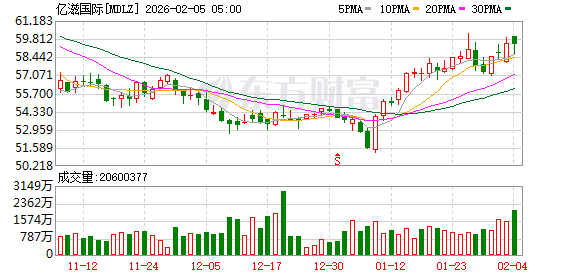
百事集团2025年赚了572亿元,美国市场产品将降价15%
第一财经· 2026-02-05 04:12
Core Viewpoint - PepsiCo reported a slight increase in annual revenue for 2025, but a significant decline in net profit, indicating challenges in managing costs and consumer demand [2][3]. Financial Performance - For the full year 2025, PepsiCo's revenue reached $93.925 billion (approximately 652.5 billion RMB), up 2% from $91.854 billion in the previous year [2]. - The net profit attributable to shareholders was $8.240 billion (approximately 57.2 billion RMB), a decrease of 14% year-over-year [2]. Quarterly Results - In Q4 2025, PepsiCo's revenue grew by 6% year-over-year, while net profit surged by 67% compared to the same quarter in the previous year [4]. Market Presence - PepsiCo operates as a multinational food and beverage company, with brands including Pepsi, Lay's, Quaker, and Gatorade. International markets contributed 44% of total revenue in 2025, with Mexico, Russia, Canada, China, the UK, Brazil, and South Africa accounting for 25% of total revenue [5]. - China ranked fifth globally in terms of revenue for PepsiCo [5]. Pricing Strategy - Prior to the earnings report, PepsiCo announced a price reduction of nearly 15% on certain snack products in the U.S. market to address consumer dissatisfaction with high prices [6]. - The CEO of PepsiCo Foods North America emphasized the importance of listening to consumer feedback regarding pricing pressures [6]. - The company noted varied performance across international markets, expressing optimism about Mexico and positive trends in China and the Middle East, while Western Europe showed signs of weakness and Brazil remained stable [6].
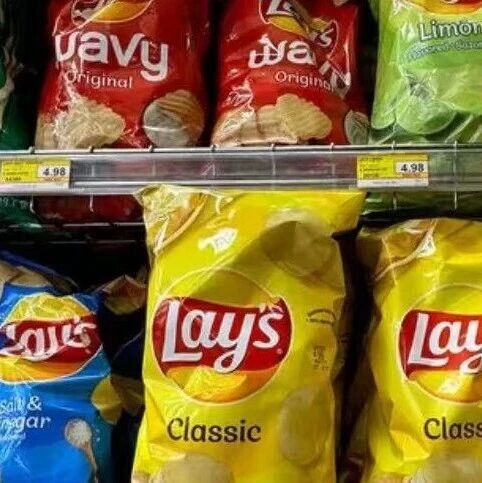
百事集团2025年赚了572亿元 美国市场产品将降价15%
Di Yi Cai Jing· 2026-02-05 03:16
Group 1 - The core viewpoint of the news is that PepsiCo reported a slight increase in annual revenue for 2025, but a significant decline in net profit, attributed to rising operating costs and decreased sales [2] - For the full year 2025, PepsiCo's total revenue reached $93.925 billion, up 2% from $91.854 billion in the previous year, while net profit decreased by 14% to $8.240 billion [2] - In Q4 2025, PepsiCo experienced a 6% year-over-year increase in revenue and a remarkable 67% increase in net profit [3] Group 2 - PepsiCo operates as a multinational food and beverage company, with brands including Pepsi, Lay's, Quaker, and Gatorade, generating 44% of its revenue from international markets in 2025 [4] - The company announced a price reduction of nearly 15% on certain snack products in the U.S. market to address consumer dissatisfaction with high prices [5] - PepsiCo's executives noted varied performance in international markets, expressing optimism about Mexico and positive trends in China and the Middle East, while Western Europe showed signs of weakness and Brazil remained stable [5]
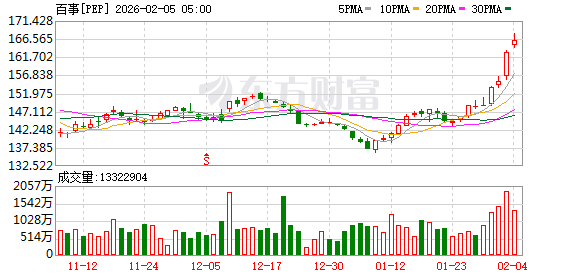
百事集团2025年赚了572亿元,美国市场产品将降价15%
Di Yi Cai Jing· 2026-02-05 03:07
Core Insights - PepsiCo reported a 2% year-over-year increase in total revenue for 2025, reaching $93.925 billion, while net income decreased by 14% to $8.240 billion due to rising operating costs and declining sales [1] - In Q4 2025, PepsiCo experienced a 6% increase in revenue and a significant 67% increase in net income compared to the same quarter the previous year [2] Group 1: Financial Performance - Total revenue for 2025 was $93.925 billion, up from $91.854 billion in the previous year, reflecting a 2% increase [1] - Net income for 2025 was $8.240 billion, down from the previous year's figure, indicating a 14% decline [1] - Q4 2025 revenue grew by 6% year-over-year, while net income surged by 67% compared to Q4 2024 [2] Group 2: Market Dynamics - PepsiCo's international business accounted for 44% of total revenue in 2025, with key markets including Mexico, Russia, Canada, China, the UK, Brazil, and South Africa contributing 25% of total revenue [3] - The company ranked fifth in global revenue from the Chinese market [3] Group 3: Pricing Strategy - PepsiCo announced a price reduction of nearly 15% on certain snack products in the U.S. market to address consumer dissatisfaction with high prices [4] - The company emphasized that while it suggested new retail prices, the final pricing decisions rest with retailers [4] - The CEO of PepsiCo Foods North America noted the importance of listening to consumer feedback regarding pricing pressures [4] Group 4: International Market Outlook - PepsiCo executives expressed optimism about the performance in Mexico and positive trends in China and the Middle East, while noting a sluggish market in Western Europe and stable conditions in Brazil [4]
百事公司砍产品、降价格,联手激进股东求新生
Huan Qiu Wang· 2025-12-09 15:12
Core Insights - PepsiCo has reached a significant agreement with Elliott Investment Management to implement a strategic overhaul, including a substantial reduction in its product line, price adjustments, and accelerated product innovation to address slowing growth and declining profitability [1][2] Group 1: Strategic Changes - The company plans to cut nearly 20% of its product offerings by early next year, reallocating the savings towards marketing investments and enhancing consumer value through competitive pricing strategies [1][2] - New product innovations will focus on health and functionality, with plans to launch items like protein-enriched snacks and products free from artificial ingredients [2][3] Group 2: Market Response - Following the announcement, PepsiCo's stock price remained stable in after-hours trading, indicating initial investor approval of the agreement [3] - The company anticipates organic revenue growth of 2% to 4% by 2026, an improvement over the 1.5% growth seen in the first nine months of the current year [3] Group 3: Industry Context - The agreement with Elliott is seen as a typical response for large consumer goods companies facing complex market conditions, highlighting the need for self-reform in the face of changing consumer preferences [4] - Analysts note that the decision to reduce nearly 20% of SKUs is painful but necessary, allowing the company to focus on core brands and improve operational efficiency [4]
营销一把手履新,百事饮料业务迎变
Bei Jing Shang Bao· 2025-10-16 15:13
Core Insights - The appointment of Jiang Haiying as the Chief Marketing Officer for Pepsi's Greater China beverage division is a significant leadership change that may impact the company's marketing strategies and operations in the region [1][3][6] Group 1: Leadership Change - Jiang Haiying, previously leading Nestlé's coffee business in China, is set to join PepsiCo, marking a strategic shift in the company's management [1][3] - Jiang has a strong track record in the fast-moving consumer goods (FMCG) sector, having successfully driven growth in Nestlé's candy, ice cream, and coffee segments [3][4] - Her experience in brand repositioning and market expansion is expected to bring valuable insights to Pepsi's operations in China [4][6] Group 2: Financial Performance - PepsiCo's international beverage business reported a net revenue of $1.291 billion and an operating profit of $436 million in the third quarter [5] - The Asia-Pacific region, including China, contributed significantly to PepsiCo's overall growth, with a 6% year-over-year organic revenue increase [5][6] - Despite strong performance in certain areas, PepsiCo faces challenges, including a 1% decline in global food and beverage volumes when excluding pricing and foreign exchange fluctuations [6] Group 3: Market Strategy - PepsiCo has implemented a new operational model that consolidates its international beverage operations, including the Chinese market, into a single management structure [5][6] - The company aims to leverage Jiang's expertise to enhance its competitive edge in the Chinese beverage market, which is increasingly competitive with the presence of local brands [6] - Analysts suggest that while Jiang's appointment may introduce fresh management perspectives, PepsiCo's performance may still be under pressure in the short term due to market dynamics [6]
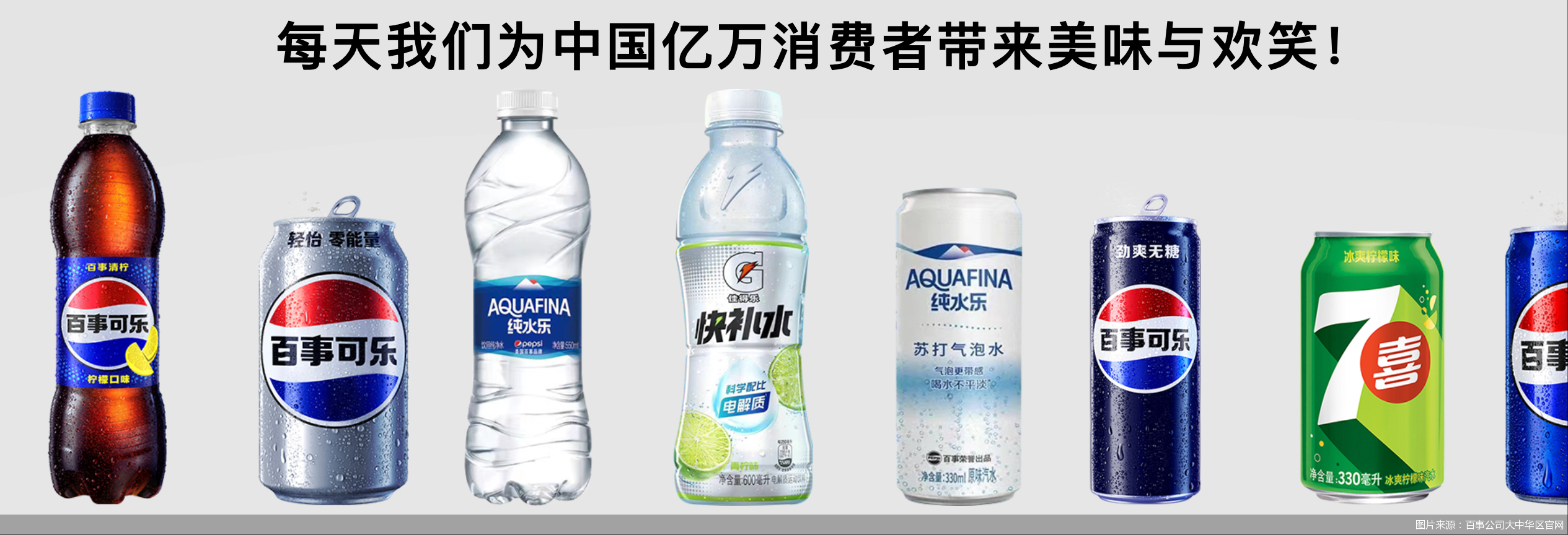
百事可乐(PEP.US)Q3业绩超预期 美国饮料板块已现复苏迹象
智通财经网· 2025-10-09 11:45
Core Insights - PepsiCo reported third-quarter earnings that exceeded Wall Street expectations, with revenue of $23.94 billion and adjusted earnings per share of $2.29, surpassing forecasts of $23.85 billion and $2.27 respectively [1] - The North American beverage segment showed a 2% growth, marking the highest growth rate in nearly two years, which offset the ongoing slowdown in the food business [1] - The acquisition of the health soda brand Poppi contributed significantly to growth, with retail sales increasing over 50% year-over-year [1] Financial Performance - Total revenue for the quarter reached $23.94 billion, slightly above the expected $23.85 billion [1] - Adjusted earnings per share were reported at $2.29, exceeding the market expectation of $2.27 [1] - The North American beverage business achieved a 2% growth, counterbalancing a 3% decline in food sales [1][2] Regional Performance - The EMEA region experienced a revenue growth of 5.5%, while Latin America saw a 4% increase, helping to mitigate the weakness in North American food sales [2] - The company anticipates low single-digit organic revenue growth for 2025, with core constant currency earnings expected to remain flat compared to the previous year [2] Management Changes - PepsiCo announced a management change, with CFO Jamie Caulfield set to retire and Steve Schmitt appointed as the new CFO effective November 10 [2] - Darren Walker will also retire from the board, with the change effective November 19 [2] Strategic Focus - The company is expanding its portfolio to include healthier, high-protein, and portion-controlled products in response to changing consumer preferences [2] - PepsiCo is facing pressures from economic uncertainties and health policy impacts [2] Investor Pressure - Elliott Investment Management holds approximately $4 billion in PepsiCo shares and is urging the company to evaluate and streamline its snack product portfolio [3]