文化

Search documents
国办:优化实施服务业经营主体贷款贴息政策
Xin Lang Cai Jing· 2026-01-29 09:28
国务院办公厅日前印发《加快培育服务消费新增长点工作方案》。其中提出,统筹利用现有资金渠道支 持发展服务消费、培育服务消费新增长点。优化实施服务业经营主体贷款贴息政策。引导金融机构加大 对服务消费新增长点领域经营主体的信贷投放力度,合理确定贷款利率水平,创新开发特色金融产品和 服务。支持符合条件的文化、旅游、教育、体育、家政等服务消费领域企业发行债券,支持符合条件的 消费基础设施项目发行基础设施领域不动产投资信托基金(REITs)。加大消费信贷支持力度,引导金 融机构与商家合作开发适合服务消费特点的产品和服务。 ...
国务院办公厅:引导金融机构加大对服务消费新增长点领域经营主体的信贷投放力度 合理确定贷款利率水平
Mei Ri Jing Ji Xin Wen· 2026-01-29 09:13
每经AI快讯,1月29日,国务院办公厅日前印发《加快培育服务消费新增长点工作方案》,其中提到, 强化财政金融支持。统筹利用现有资金渠道支持发展服务消费、培育服务消费新增长点。优化实施服务 业经营主体贷款贴息政策。引导金融机构加大对服务消费新增长点领域经营主体的信贷投放力度,合理 确定贷款利率水平,创新开发特色金融产品和服务。支持符合条件的文化、旅游、教育、体育、家政等 服务消费领域企业发行债券,支持符合条件的消费基础设施项目发行基础设施领域不动产投资信托基金 (REITs)。加大消费信贷支持力度,引导金融机构与商家合作开发适合服务消费特点的产品和服务。 ...
动能澎湃,烟台经济能级再跃升
Da Zhong Ri Bao· 2026-01-28 03:17
2025年地区生产总值突破1.1万亿元,工业总产值达到1.32万亿元 2025年,烟台大力发展现代服务业,细化14个行业65项具体措施,协同开展2批50项生产性服务业 突破事项,新增规上服务业企业138家。1-11月,规模以上服务业营业收入同比增长3.3%。10大行业门 类中,9个行业营业收入实现增长,软件和信息技术服务业营业收入增长6.9%,租赁和商务服务业增长 10.8%,文化、体育和娱乐业增长11.9%。烟台出台加力提振消费实施方案,入选国家消费新业态新模 式新场景试点城市,发放消费品以旧换新资金20亿元,拉动消费136亿元。全年实现社会消费品零售总 额4068.8亿元,增长5.8%。 对外开放迈出新步伐。举办重要招商活动20余场,引进千万美元项目30个,万华科威特股权合作到 资6.38亿美元,是全省近年来最大的单体外资项目。积极应对外部复杂环境,实施外贸骨干、新增实 绩"双百工程",组织"千企出海",全年实现外贸进出口总值5379.3亿元,增长13.7%,其中,对欧盟增 长26.7%,对共建"一带一路"国家增长13.1%。 2025年,18项重点民生实事全部完成,民生支出占比达到79.5%。社会保障更 ...
商务部新闻发言人就中英经贸合作情况答记者问:拟与英方签署贸易投资合作方面成果文件,力争打造中英经贸合作的新增长点
Zheng Quan Shi Bao Wang· 2026-01-27 07:44
人民财讯1月27日电,商务部新闻发言人就中英经贸合作情况答记者问,有记者问:英国首相斯塔默将 于1月28日至31日对中国进行正式访问,这将是英国首相时隔8年首次访华。请问双方届时在经贸领域将 有哪些活动安排,有望取得哪些成果?如何评价中英经贸关系发展现状及未来合作前景? 当前全球贸易保护主义加剧,中英均坚持自由贸易和维护多边贸易体制,双方将致力于优势互补、互利 共赢的经贸合作,推动货物和服务贸易协同发展,投资合作双向奔赴,不断拓展绿色能源、医疗健康、 创意产业、智能制造等领域合作空间。商务部愿与英方经贸主管部门一道,共同落实好两国领导人达成 的重要共识,加强经贸政策沟通,为双方企业合作创造公平、透明、法治化的营商环境,推动中英经贸 关系不断迈上新台阶。 答:中英互为重要经贸伙伴。长期以来,在两国领导人的战略引领下,中英经贸关系保持健康稳定发 展。2025年,中英双边货物贸易额达到1037亿美元,服务贸易额有望突破300亿美元,双向投资存量近 680亿美元。英国分别担任第二十五届投洽会、第四届消博会主宾国,中英两国务实合作充满活力。 据了解,届时斯塔默首相将率50余家英国大企业高管和机构代表随访,涵盖金融、医药 ...
实控人被“抓”后,祥源文旅子公司拟从低空经济产业投资基金退伙
Shen Zhen Shang Bao· 2026-01-27 05:38
上海丰豫投资低空经济产业投资基金成立于去年。2025年4月,上海丰豫计划以自有资金出资人民币 6500万元(其中计划首期投资金额为1300万元,目前已完成实缴260万元),与深圳市启赋安泰投资管 理有限公司、江苏黄海汇创私募基金管理有限公司等共同投资设立低空经济产业投资基金。 据悉,上海丰豫投资低空经济产业投资基金的初衷是,拓展公司在低空产业制造端的布局,实现从低空 应用端到制造端的延展,同时依托基金管理人的行业经验、管理和资源优势,拓展投资渠道,提升公司 综合竞争能力和抗风险能力。 1月27日,祥源文旅(600576)公告,为进一步聚焦低空文旅垂直业态,公司全资子公司上海丰豫拟从 低空经济产业投资基金退伙。低空经济产业投资基金于2026年1月26日召开全体合伙人会议,一致同意 上海丰豫从合伙企业退伙。低空经济产业投资基金应支付上海丰豫的退伙资产=该合伙人财产份额-应扣 减款项,上海丰豫退伙财产份额价值为257.15万元,全部以现金形式支付。 不过,高增长部分属于外延式并购增长。2024年以来,公司通过并购等行为扩充了并表范围。 "本次交易主要基于公司低空战略规划及投资模式的调整,为进一步聚焦对于低空文旅业态 ...

民俗盛宴启幕 敦煌浓浓年味迎客来
Xin Lang Cai Jing· 2026-01-27 02:17
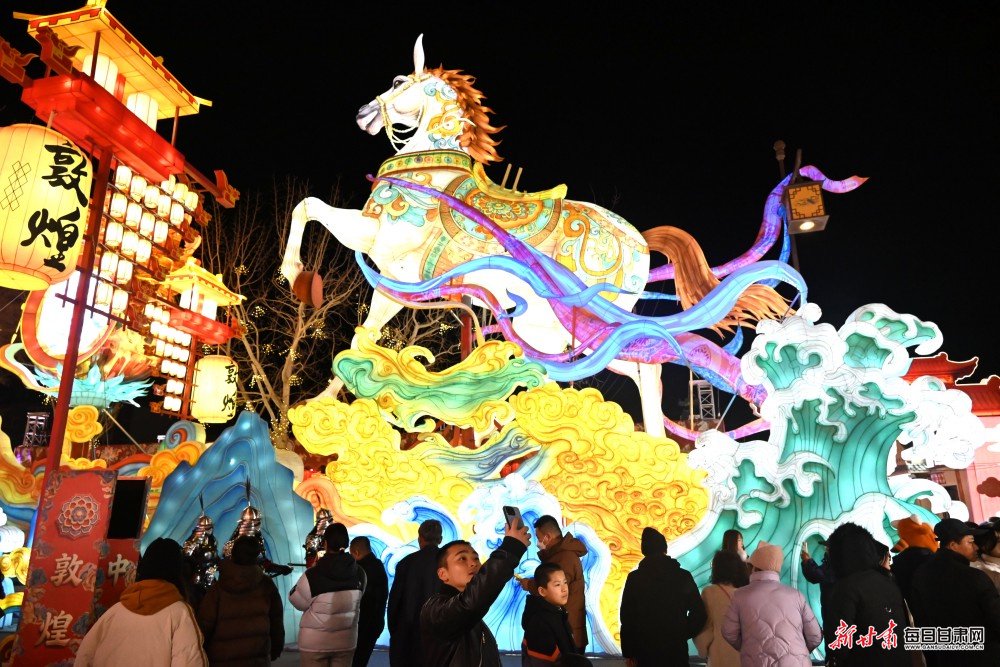
新甘肃·每日甘肃网通讯员 张晓亮 摄影报道 新春佳节临近,丝路名城敦煌处处洋溢着喜庆祥和的节日氛围。各地游客纷至沓来,走进这座千年古城,观灯会、赏民俗、购文创、品美食, 在丰富多彩的文旅活动中感受浓浓年味。 夜幕下的敦煌流光溢彩。沙洲夜市等地张灯结彩,特色花灯与城市夜景交相辉映,吸引众多游客驻足观赏、拍照留念。白天的敦煌同样热闹非 凡,社火表演、非遗展示等民俗活动轮番登场,演员们身着盛装,载歌载舞,传递着新春的祝福。 在各大景区和文博场馆,文化体验活动丰富多彩。游客走进莫高窟、敦煌市博物馆等地,近距离触摸历史文脉,感受敦煌文化的独特魅力。文 创店内,各类融入敦煌元素的纪念品备受青睐。 与此同时,敦煌特色美食飘香四溢,手抓羊肉、驴肉黄面、胡羊焖饼等风味小吃吸引着八方食客,让人们在舌尖上品味丝路风情。 随着春节的临近,敦煌市还将推出更多形式多样的文旅活动,进一步丰富节日供给,让市民和游客在这座丝路明珠城市度过一个欢乐、祥和、 有文化味的新春佳节。 责任编辑:李婧 ...

“抢跑”的委员·局长面对面,咋就这么热闹?
Mei Ri Jing Ji Xin Wen· 2026-01-26 16:53
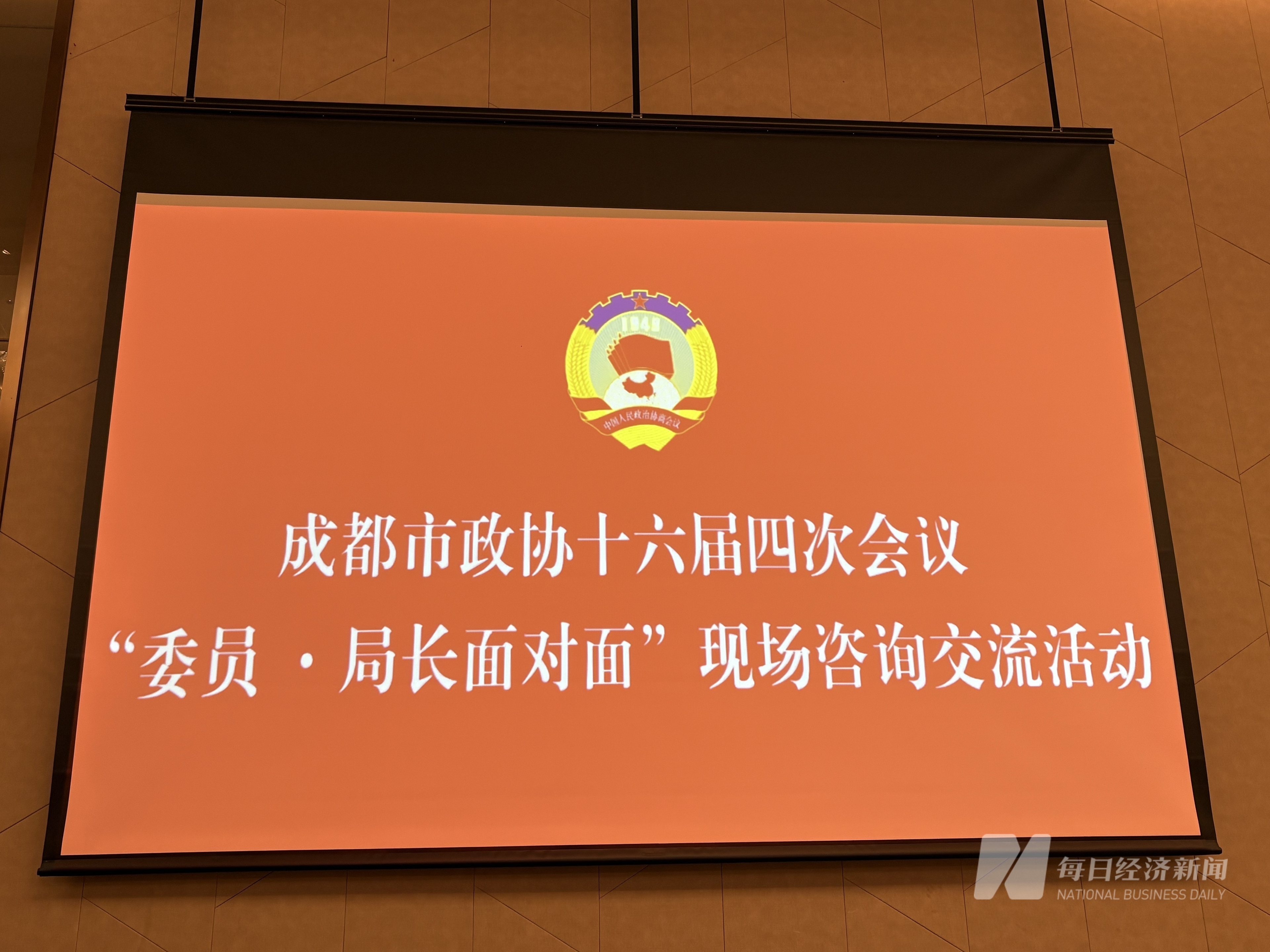
图片来源:每经记者 石普宁 摄 热度:"这种零距离,让人感到触手可及" 每经记者|石普宁 每经编辑|唐元 1月26日下午,成都非遗博览园缇沃丽酒店3楼,一场原定于14:30开启的对话,被提前的"抢跑"打破了节奏。这是政协第十六届成都市委员会第四次会议开 幕会前,"委员·局长面对面"现场咨询活动的开场。 活动现场,24个市级部门 "开门迎客",等待他们的是带着问题而来的成都市政协委员们。场子很快热络起来,现场进入了高密度的信息交换模式。在"甚至 来不及喝口水"的紧迫感下,委员们和相关职能部门你来我往,指向的大都是具体问题的解决路径。 据了解,此次活动共计265人次市政协委员参加咨询交流,咨询各类问题376个,其中372个问题当场得到解答。对于现场未能及时反馈的问题和意见,相关 部门负责人进行了登记梳理,后续将主动联系委员回复咨询。 同样具有深度的,是关于企业"出海"焦虑的及时回应。面对复杂的国际贸易形势,成都市政协委员、海瑞克(成都)隧道设备有限公司总经理白锟直奔市口 岸物流办和市商务局,提出了关于外贸环节及应对国际规则变化的现实困惑。 如果忽略门口的指引牌,这里看起来像是一个高规格的行业交流洽谈区,甚至带着" ...
热烈祝贺市两会闭幕
Su Zhou Ri Bao· 2026-01-26 00:58
Group 1 - The core message emphasizes the successful conclusion of the municipal meetings, highlighting the unity and collective effort of representatives from various sectors to discuss development strategies for the city [1] - The meetings resulted in the approval of reports and resolutions that reflect the common will of the people, aiming to harness the collective strength of Suzhou for future progress [1] Group 2 - The "14th Five-Year Plan" has seen significant achievements, with the region's GDP and industrial output reaching historic highs, indicating a robust momentum for high-quality development [2] - The "15th Five-Year Plan" aims for a GDP growth of over 5% and an industrial output exceeding 5 trillion yuan, focusing on innovation and the establishment of a modern industrial system centered on advanced manufacturing [2] - The plan emphasizes the importance of maintaining a strong foundation in the real economy and fostering high-tech innovation to enhance Suzhou's competitiveness as a "smart manufacturing city" [2] Group 3 - The meetings stress the importance of cultural empowerment in building a strong socialist cultural city, balancing heritage preservation with urban renewal [3] - Initiatives will focus on enhancing the charm and cultural appeal of the ancient city while promoting the "Jiangnan culture" brand on the international stage [3] - The commitment to prioritizing the people's well-being includes addressing urgent needs in employment, education, healthcare, and housing, ensuring that development benefits are tangible for the community [3] Group 4 - The "15th Five-Year Plan" marks a new beginning, calling for unity and commitment to implement the central government's directives and advance the modernization of Suzhou [4] - There is a strong emphasis on confidence and continuous effort to achieve significant progress in the city's development, aligning with the broader goals of the nation [4]
多元业态齐发力 大通文旅频出圈
Xin Lang Cai Jing· 2026-01-25 21:22
Core Insights - The article highlights the development of Datong County as a "Highland Ecological Tourism and Health Experience Zone," focusing on the integration of cultural and tourism resources to enhance visitor attraction and economic growth [1][8] Group 1: Cultural and Sports Activities - Datong County has successfully implemented various cultural and sports initiatives, including the "Cultural Troop into Villages" program and numerous events such as the New Year's City Ring Race and the Half Marathon, engaging over 68,000 attendees and 1,200 performers [2][3] - The county's sports events have attracted over 92,000 participants, generating more than 10.8 million yuan in local consumption, thereby promoting economic development and enhancing the county's visibility [3] Group 2: Cultural Heritage and Education - Datong County has focused on cultural heritage by organizing events like the "Long Wall Festival" and publishing a book titled "Stories of the Datong Ming Great Wall," while also launching a public WeChat account for cultural promotion [4] - The establishment of the "Three-Line Spirit Party Training Base" has been highlighted as a unique educational facility, utilizing historical artifacts to showcase the struggles of past builders [4] Group 3: Tourism and Economic Growth - The county has introduced eight new tourism routes, including forest oxygen bars and cultural tranquility lines, to boost rural tourism [7] - Datong County's tourism sector has shown significant growth, with 5.6612 million visitors recorded in 2025, a 27.3% increase year-on-year, and a total tourism revenue of 1.805 billion yuan, reflecting a 26.6% growth [8]
视频丨各地加大力度培育首发经济 持续激发消费活力
Yang Shi Xin Wen Ke Hu Duan· 2026-01-25 02:14
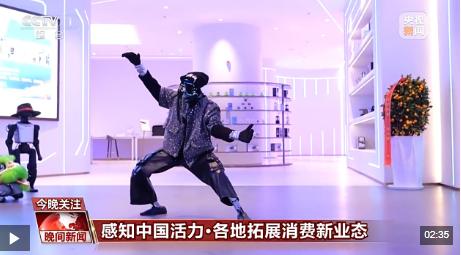
Group 1 - The new year sees various regions intensifying efforts to cultivate the "first launch economy," continuously enriching and expanding new business formats to stimulate consumer vitality [2] - Guizhou's first robot 6S store has opened in Guiyang, showcasing over a hundred cutting-edge service and educational robots, with plans to introduce more than 100 first stores this year [4] - Inner Mongolia is enhancing the development of experiential new business formats, with over 20 new brand flagship and concept stores planned in Baotou this year [6] Group 2 - Shaanxi is exploring an innovative model combining "intangible cultural heritage + shopping malls + districts," with over 80% of new trendy brand stores in Xi'an's Xiaozhai business circle [8] - Hebei is focusing on ten sectors including dining and culture, creating 28 multi-format consumption scenarios to continuously invigorate the first launch economy [10] - Shanghai is transforming traditional streets into trendy landmarks, with plans to introduce international food brands and support policies for new consumption formats and experiences [12][14]