
生态旅游

Search documents
协同发力形成绿色生产生活方式
Xin Lang Cai Jing· 2026-01-18 22:33
Core Viewpoint - The article emphasizes the importance of accelerating the formation of green production and lifestyle as a means to enhance the quality of life and promote sustainable economic development in Heilongjiang Province [1][3]. Group 1: Green Production and Lifestyle - Green production is defined as a production model focused on technological innovation, energy conservation, and carbon reduction, aiming for efficient resource utilization and sustainable environmental development [1][2]. - Green lifestyle reflects a profound change in people's consumption behaviors and social participation, promoting a green and low-carbon attitude in daily life, such as waste sorting and choosing green products [1][2]. Group 2: Interrelationship Between Green Production and Lifestyle - Green production provides the material basis and technical support for green lifestyles, making green products and services possible [2]. - Conversely, green lifestyles exert market pressure on production, encouraging enterprises to accelerate their green transformation, creating a virtuous cycle that integrates production, circulation, and consumption systems [2]. Group 3: Significance of Green Production and Lifestyle - Green development is a crucial part of the new development concept, promoting harmony between humans and nature, which is a distinctive feature of Chinese modernization [3]. - The transformation towards green lifestyles is essential for ecological civilization and the construction of a beautiful Heilongjiang, requiring public participation to enhance ecological awareness [3]. Group 4: Comprehensive Promotion of Green Development - To promote green development in Heilongjiang, it is necessary to integrate green and low-carbon concepts into all aspects of economic and social development, with a focus on systematically constructing green production and lifestyle [4]. - Continuous education and public awareness campaigns are essential to transform macro policy guidance into individual and community recognition of green values [4]. Group 5: Encouraging Green Consumption - Promoting sustainable green consumption can effectively drive the green transformation of production, with initiatives such as advocating for energy-saving and environmentally friendly consumption behaviors [5]. - Collaboration between government and enterprises is crucial to expand the supply of green products and services, utilizing subsidies and tax incentives to stimulate green consumption [5]. Group 6: Institutional Support for Green Development - Strengthening the institutional framework for green production and lifestyle is vital, including implementing strict environmental protection responsibilities and developing a robust support system for green innovation [5]. - Optimizing industrial structure and accelerating the development of green industries will facilitate low-carbon circular development, supported by market mechanisms that reward green practices [5].
福州:敖江清流滋养“绿富共赢”新图景
Xin Hua Wang· 2026-01-15 05:04
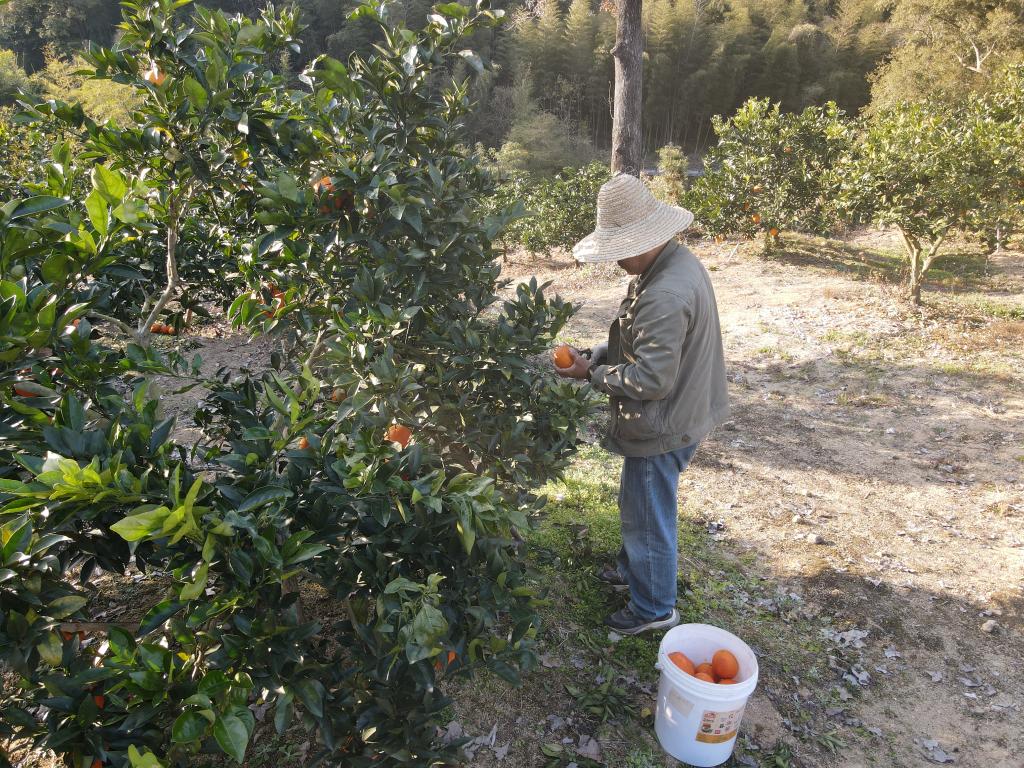
Core Viewpoint - The article highlights the transformation of the Aojiang River basin in Fuzhou, where ecological protection and economic development are harmoniously integrated, showcasing a model of "green and prosperous win-win" development [1][2]. Group 1: Ecological Protection Measures - The Aojiang River is crucial for the water supply of Fuzhou and the ecological safety of millions, prompting the Fujian provincial government to implement protective measures since 2000, including the closure of polluting industries and the construction of wastewater treatment facilities [1]. - The water quality in the Aojiang River has improved significantly, with stable water quality reaching Class III or above, and Class II water quality accounting for 64.3% [1]. Group 2: Economic Transformation in Villages - In the Jinan District's Rixi Village, the prohibition of pig farming led to a shift towards orange cultivation, specifically the "Navel Orange 52," which has become a profitable crop for the villagers [2][4]. - Rixi Village has over 1,000 acres of navel oranges, producing 1,200 tons annually with a revenue exceeding 6 million yuan, demonstrating the economic benefits of ecological conservation [4]. Group 3: Agricultural Innovations and Community Support - The establishment of a cooperative in Rixi Village has improved the efficiency of orange cultivation and sales, moving away from traditional low-price roadside selling [4]. - In Hoko Township, the ban on livestock farming has led to a boom in mushroom cultivation, with over 100 villagers engaged in this industry, significantly increasing their incomes [6]. Group 4: Ecotourism and Biodiversity - In Dongdai Town's Shantang Village, ecological restoration has fostered a "migratory bird economy," attracting over 250 species of wild birds and transforming the village into a birdwatching destination [8]. - The village plans to generate 443,600 yuan in collective income by 2025 through ecotourism initiatives, showcasing the economic potential of biodiversity [8].

让绿色成为昆明最持久的竞争力
Xin Lang Cai Jing· 2026-01-12 22:07
Group 1 - The core idea emphasizes the importance of green development as a foundation for high-quality growth in Kunming, aligning with the ecological civilization thought of Xi Jinping [1][2] - The city aims to accelerate the transition to a green low-carbon economy, enhancing its ecological advantages to boost tourism and bio-industry development [2][3] - The focus is on integrating ecological protection with economic development, promoting green production and lifestyle to create new economic growth points [2][3] Group 2 - The strategy includes a comprehensive approach to environmental protection, targeting pollution control and improving ecological quality across all regions [2] - There is a commitment to building a beautiful China by promoting green lifestyles and enhancing the quality of life for citizens through sustainable practices [3] - The long-term goal is to transform ecological advantages into developmental strengths, ensuring that green becomes a prominent theme in urban development [3]
从“生态好”走向“能转化、可持续、有支撑”
Xin Lang Cai Jing· 2026-01-12 19:03
Core Viewpoint - Qinghai is at a crucial stage of ecological civilization construction, aiming to transform its ecological advantages into institutional, market-oriented, and industrialized benefits, thereby enhancing sustainable governance and high-quality development [1] Group 1: Institutional Framework for Ecological Advantages - The focus is on establishing a rigorous institutional framework to institutionalize ecological advantages, emphasizing the importance of ecological protection as a national priority [1] - Key measures include implementing strict land use regulations, ecological protection red lines, and a natural protection area system to minimize ecological fragmentation and disorderly development [1] - The approach also involves integrated protection and systematic governance of ecosystems, transitioning from point-based restoration to comprehensive regional management [1] Group 2: Marketization of Ecological Advantages - The article highlights the need for market mechanisms and compensation systems to address the cost-benefit mismatch in ecological services, facilitating the realization of ecological product values [2] - It emphasizes the importance of ecological product value assessment and management, converting ecological contributions into measurable values for policy-making and funding allocation [2] - The development of trading mechanisms for ecological resources, such as carbon credits and water rights, is essential to create positive incentives for conservation behaviors [2] Group 3: Industrialization of Ecological Advantages - The transformation of ecological advantages into a modern industrial system is crucial, focusing on converting ecological resources into products and services while driving industrial upgrades through green constraints [3] - The establishment of a high-quality, low-impact ecological experience and education sector is proposed, leveraging national parks to create a new growth point for ecological branding [3] - The article advocates for a robust supply system for green organic agricultural products, enhancing local transformation capabilities and market credibility [3]
以民生为笔描绘青海“十五五”温暖底色
Xin Lang Cai Jing· 2026-01-12 19:03
Core Viewpoint - The 20th Central Committee's Fourth Plenary Session emphasizes improving the quality of people's lives as a primary goal for the 14th Five-Year Plan period, guiding Qinghai's development towards a modernized society that resonates with public welfare [1] Group 1: Strengthening the Foundation of People's Livelihood - Qinghai aims to enhance infrastructure and long-term guarantees to solidify the foundation for a happy life, transitioning from merely addressing shortcomings to improving quality and efficiency in public services [1][2] - Past initiatives, such as road expansions and health facility upgrades, have transformed struggling areas into model communities, highlighting the importance of infrastructure in enhancing public welfare [1][2] Group 2: Enhancing Governance Effectiveness - The focus is on improving soft power and service quality to enrich the new connotations of happiness, shifting public expectations from mere availability to quality of services [2][3] - Initiatives like the "Pomegranate Seed Home" brand in communities aim to strengthen ethnic unity and integrate traditional medicine into healthcare, promoting social harmony and health security [2][3] Group 3: Innovative Grassroots Governance - A system combining party leadership, multi-party cooperation, and digital empowerment is being developed to enhance community governance and responsiveness to public needs [3] - The establishment of a comprehensive governance platform aims to foster a community culture that embraces diversity and cooperation [3] Group 4: Activating Circular Economic Dynamics - The integration of economic development and public welfare is seen as essential, with examples of local communities achieving economic success through specialized industries [3][4] - Future strategies will focus on ensuring that development outcomes benefit public welfare and that improvements in public welfare stimulate further economic growth [3][4] Group 5: Industry Empowerment for Public Welfare - The creation of an "ecological + characteristic + brand" industry system is prioritized, with a focus on developing eco-tourism and regional public brands to enhance sales channels [4] - The aim is to transform health, stability, and talent benefits from mere guarantees into value outputs, thereby converting public welfare advantages into core competitive strengths for regional development [4]
南亮子村吃上了旅游饭
Liao Ning Ri Bao· 2026-01-11 01:28
南亮子村过去是省级贫困村,现今,村子充分利用境内的凌河第一湾湿地资源,积极探索幸福河湖 建设与生态旅游产业深度融合发展的路子,栽植荷花、风景树及其他各类花卉,搭配千屈菜等水生植 物,形成兼具观赏性与生态功能的湿地景观带,并打造出集观光采摘、特色餐饮、休闲住宿、农事体验 于一体的"依湾农家"生态旅游项目,吃上了"旅游饭"。南亮子村不仅顺利摘掉贫困村帽子,还走出了一 条"河湖美、产业兴、百姓富"的绿色发展路径。 日前,第六次全国全面推行河湖长制典型案例评选结果正式公布。"辽宁省朝阳市喀左县水泉镇南 亮子村发展农家生态旅游实践"成功入选基层河湖管护专题典型案例。 朝阳市喀喇沁左翼蒙古族自治县水泉镇南亮子村旅游产业蓬勃发展,每年吸引游客超20万人次,创 造了大量就业机会,让当地百姓实现家门口就业。截至目前,生态旅游项目实现旅游总收入2690万元, 带动村集体经济增收300万元,村民人均月增收超2000元。 ...
重庆推出首批生态文化精品线路 串联巴渝山水人文之美
Zhong Guo Xin Wen Wang· 2026-01-11 01:23
两江新区"江滩听风·科技低碳"生态文化精品线路:18公里滨江步道如一条绿色丝带,串联起江滩公 园、彩虹步道、渔人湾桥下空间等多个景观节点,打造出集休闲漫步、科普教育、都市夜景于一体的生 态走廊,让市民在繁华之中觅得一片静谧。 图为梁平双桂湖美景。重庆市生态环境局供图 近日,重庆市生态环境局和重庆市文化和旅游发展委员会共同发布"2025年重庆市首批生态文化精品线 路"。 本次发布的线路聚焦两江新区、梁平区、开州区、巫山县、酉阳土家族苗族自治县五大区域,推出五条 主题鲜明的游览线路。线路涵盖现代都市科技、历史人文传承与自然生态体验,系统串联起重庆的生态 瑰宝与文化印记,为市民和游客徐徐展开一幅"望得见山、看得见水、记得住乡愁"的巴渝画卷。 此次首批生态文化精品线路发布,旨在推动生态文化与旅游深度融合,促进生态价值向经济价值、人文 价值有效转化。从都市江岸到深山峡谷,从湿地秘境到田园村落,首批生态文化精品线路是重庆践 行"绿水青山就是金山银山"理念的生动缩影。 图为巫山神女峰美景。重庆市生态环境局供图 巫山县"三峡红叶·神女之约"生态文化精品线路:这条线路带领游客从宁江渡生态公园的古渡意蕴,到 谭家坡生态科普基地的 ...
茫崖市“红色驿站”护航生态旅游新格局
Xin Lang Cai Jing· 2026-01-10 17:26
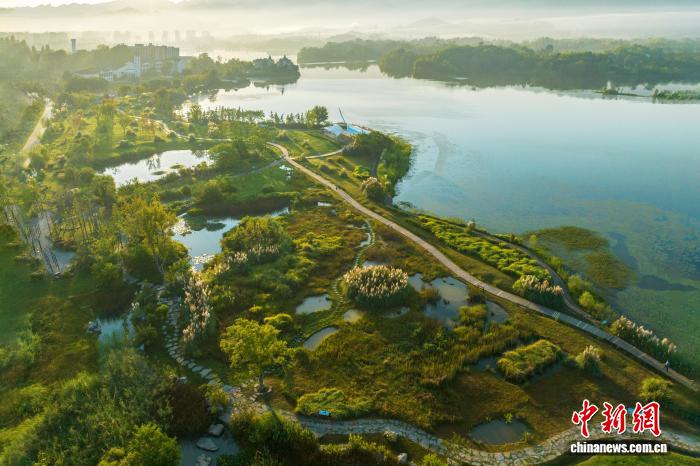
自2025年以来,海西蒙古族藏族自治州茫崖市委组织部牵头联动文旅、交通等部门及乡镇党组织,在 G315国道沿线、翡翠湖景区入口等游客聚集区和生态关键节点,科学布局建成6个功能型"红色驿站", 形成统一标识的网络化服务阵地,确保服务触角的有效延伸和持续运转,为破解旅游旺季服务保障难 题、加强流动党员管理提供实体支撑。 此外,驿站特别设立流动党员临时报到点,加强对流动党员的识别与服务,年内登记服务流动党员127 名,组织他们参与志愿服务与学习活动,增强了流动党员的归属感与责任感。通过"红色驿站"建设,茫 崖市构建起党建引领下的旅游服务与生态共治新格局,游客满意度调查中相关项好评率达95%,切实将 党的组织优势转化为高质量发展与高效能治理的实效。 (王骏龙) 茫崖市立足独特旅游资源与生态保护实际,创新打造"红色驿站"党建服务品牌,推动党建工作与生态保 护、旅游服务深度融合。驿站聚焦游客需求与治理难点,提供旅游咨询、应急救助、休憩补给、意见反 馈等服务,并组建12支以党员为骨干的志愿服务队常态轮值。2025年旅游旺季期间,为游客提供应急氧 气与药品救助,汇集并推动解决环境、秩序等问题,收到游客感谢留言500余条。驿站 ...
河北乡村振兴从“点上开花”到“面上成景”
Xin Lang Cai Jing· 2026-01-09 16:41
Core Viewpoint - Hebei Province is leveraging its unique geographical advantages and policy support to develop a new economy centered around urban agriculture and leisure tourism, promoting rural revitalization and enhancing farmers' income through innovative models like "cooperative + base + farmer" [3][4][5] Policy Support and Implementation - The provincial government has introduced targeted policies to support the integration of rural industries, ensuring that at least 10% of new construction land indicators are allocated to rural revitalization projects [6] - Financial support has been strengthened, with Hebei's Development and Reform Commission securing 46.008 billion yuan in central funding since the 14th Five-Year Plan, focusing on agriculture, forestry, and rural infrastructure [7] Collaborative Development and Resource Optimization - Under the framework of coordinated development in the Beijing-Tianjin-Hebei region, Hebei is enhancing resource complementarity and market connectivity, transitioning from a "one-way supply" model to a "mutual benefit" approach [8] - The establishment of over 50 agricultural innovation platforms in collaboration with Beijing and Tianjin institutions has facilitated the transformation of agricultural technology, significantly increasing vegetable yields [8] Tourism and Economic Impact - The investment of 1.28 billion yuan in the scenic areas of Hebei has transformed them into popular tourist destinations, attracting up to 30,000 visitors daily and significantly increasing local incomes [9] - The development of a seasonal tourism system in villages has effectively met urban consumers' leisure needs, contributing to rural economic growth [5] Agricultural Supply Chain and Market Integration - Hebei has established a "fresh vegetable direct delivery" system to Beijing, aiming for over 40% market share in 2024, ensuring stable supply for urban consumers [10] - Collaborative branding initiatives have enhanced the value of local agricultural products, allowing for significant price increases and improved market recognition [10] Talent Attraction and Skill Development - Policies aimed at attracting returning talent and enhancing local skills have been implemented, fostering a supportive environment for rural entrepreneurship and innovation [12] - The establishment of training programs and partnerships with educational institutions has improved the professional capabilities of local workers, driving agricultural productivity [12] Future Development Focus - The province plans to focus on industrial upgrades and regional collaboration, promoting the development of high-quality agricultural products and enhancing the logistics network to facilitate market access [13] - Emphasis will be placed on integrating technology into agriculture, with initiatives like smart greenhouses and the promotion of differentiated agricultural business models [13]
北京市朝阳区为通辽市留下一座“草银行”
Xin Lang Cai Jing· 2026-01-08 20:05
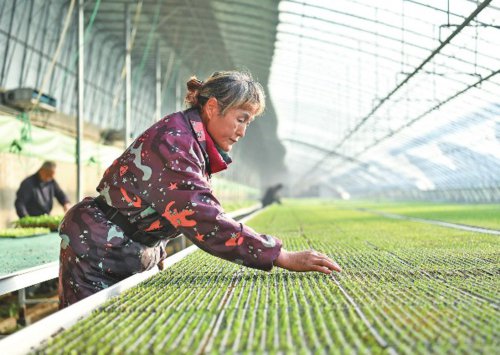
Core Viewpoint - The article highlights the successful implementation of a sustainable agricultural model in the Saihan District of Inner Mongolia, focusing on the introduction of "Zhongke grass" to combat land degradation and improve local livestock farming [2][3][4]. Group 1: Ecological and Economic Challenges - The region faces severe land degradation, with over 5,000 acres of grassland suffering from salinization and desertification, impacting local livestock farming and leading to high feed costs for farmers [2][3]. - The local economy, particularly in livestock farming, is heavily reliant on external feed sources, which increases operational costs for farmers [2][3]. Group 2: Introduction of Zhongke Grass - In 2022, a pilot project was initiated to cultivate Zhongke grass on 1,000 acres, utilizing a collaborative model involving research institutions, local government, and farmers [3]. - The grass has a long lifespan of nearly 30 years and is effective in improving saline-alkali land, while also serving as high-quality feed for livestock [2][3]. Group 3: Economic Impact and Job Creation - By 2025, the project aims to cover 40,000 acres with Zhongke grass, creating over 300 local jobs and stabilizing annual income at over 500 yuan per acre [4]. - The initiative has led to significant cost savings for farmers, reducing feed expenses from approximately 5,000 yuan to just 7 yuan per bundle for mechanical costs [3][4]. Group 4: Ecotourism Development - The restored grasslands have become a tourist attraction, with over 50,000 visitors in the summer of 2024, generating over 8 million yuan in local economic activity [4]. - The project serves as a model for integrating ecological restoration with economic development, showcasing the potential for replicable rural revitalization strategies [4][5].