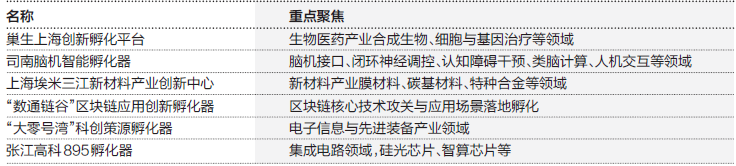
生物医药等

Search documents
回顾这五年,东莞有多“拼”!
Nan Fang Du Shi Bao· 2025-12-29 09:23
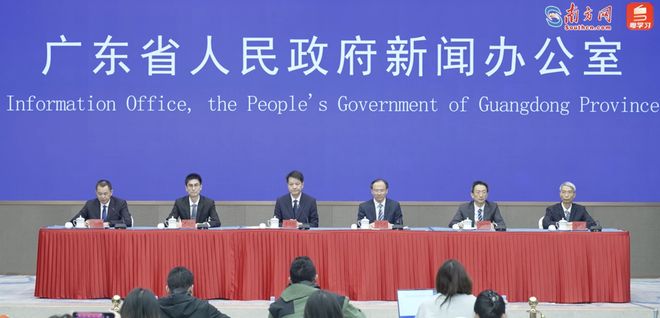
Core Viewpoint - The press conference highlighted the achievements of Dongguan during the "14th Five-Year Plan" period, showcasing its commitment to high-quality development amidst challenges, and its role as a significant player in the manufacturing sector of Guangdong and China [1][3]. Economic Performance - Dongguan's economic total surpassed 1.2 trillion yuan, with industrial added value ranking second in the province and significant growth in import and export, reaching over 1.4 trillion yuan [3]. - The city has established a modern industrial system characterized by "8+8+4" sectors, with industrial investment nearly doubling over five years and over 8,500 small enterprises upgraded to larger scales [3][4]. Technological Innovation - Dongguan has shifted from factor-driven to innovation-driven growth, significantly increasing R&D spending and the number of high-tech enterprises, with R&D expenditure reaching 4.01% of GDP [7][8]. - The city has made substantial investments in high-tech manufacturing, totaling 286.3 billion yuan, ranking second in the province, with a 76% increase this year [8]. Infrastructure and Urban Development - Dongguan has enhanced its infrastructure, integrating into the Guangdong-Hong Kong-Macao Greater Bay Area, with successful projects like the Dongguan-Humen Intercity Railway and the Hong Kong International Airport Dongguan Air Cargo Center [12][13]. - The city has also focused on urban-rural integration, with all 28 towns ranked among the top 300 in the country, and significant improvements in living standards and environmental quality [16][19]. Social Welfare and Governance - Over 200 billion yuan has been invested in social welfare, with a focus on education and healthcare, resulting in improved public services and living conditions [19]. - Dongguan has achieved notable reductions in safety incidents and crime rates, enhancing its reputation for safety and security [19]. Conclusion - The press conference served as a declaration of Dongguan's achievements and future direction, emphasizing its ability to navigate challenges and pursue high-quality development in the manufacturing sector [21].

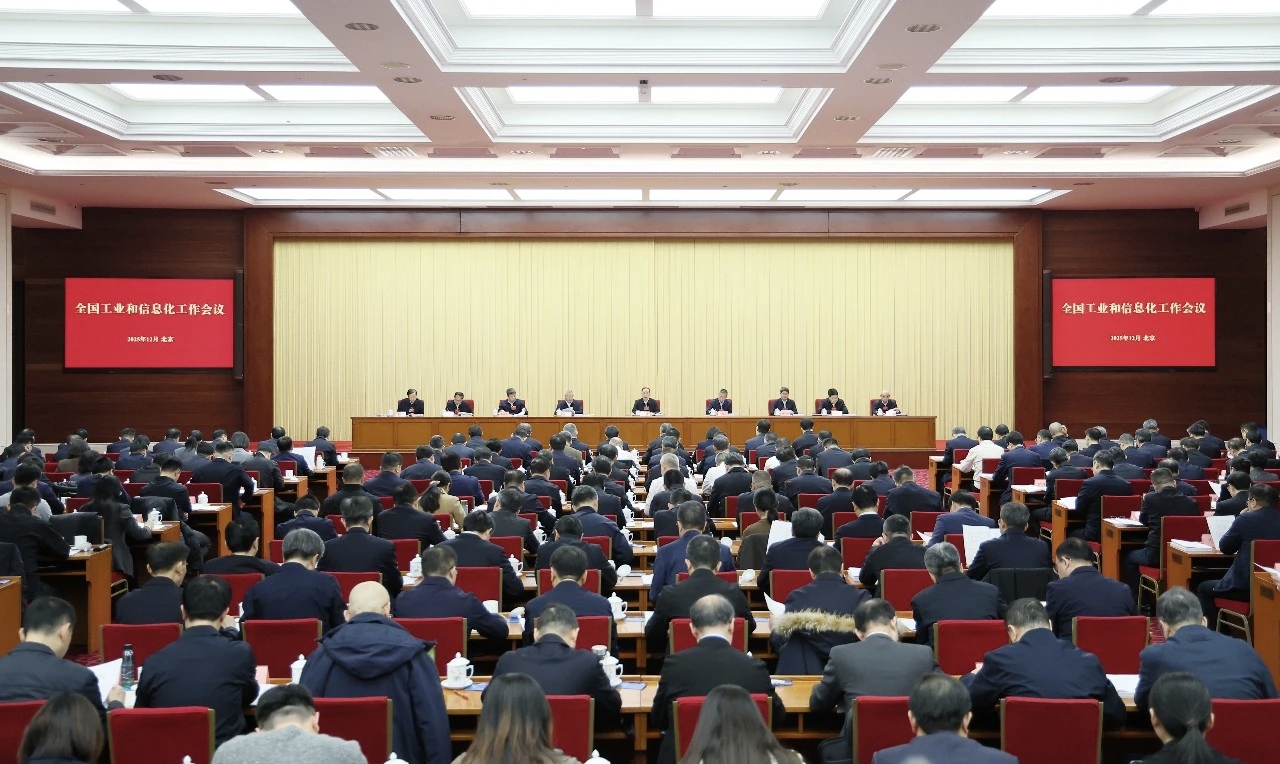
工业和信息化部部署2026年重点工作 深入整治“内卷式”竞争
Shang Hai Zheng Quan Bao· 2025-12-27 02:03
在产业结构优化方面,会议作出部署:一方面要优化提升传统产业。强化标准引领,推动设备更新、工 艺升级、数智赋能、管理创新。深入实施制造业卓越质量工程。打造一批服务型制造领军品牌。促进工 业与文旅融合发展。深入实施安全生产治本攻坚三年行动。另一方面要培育壮大新兴产业和未来产业。 打造集成电路、新型显示、新材料、航空航天、低空经济、生物医药等新兴支柱产业。支持人工智能攻 关。有序开展卫星物联网等新业务商用试验。创建首批国家新兴产业发展示范基地,建设一批创新型产 业集群。开展未来产业重点细分赛道创新任务揭榜挂帅,完善具身智能、元宇宙等的创新发展政策。加 强6G技术研发。 推进"人工智能+制造"专项行动 强创新方面,会议要求,2026年要攻克一批带动产业发展的核心技术,做强一批高水平制造业中试平 台,打造全国制造业中试服务网络。加快培育全国一体化技术市场,推进科技成果"先使用后付费"改革 试点。实施国家高新区新赛道培育行动,推动国家新型工业化示范区建设。优化国防科技工业布局。 促融合方面,会议要求,推动信息化和工业化深度融合。建设一批高质量行业数据集,形成一批重点行 业数字化转型场景图谱,创建高标准数字园区,深化中小企 ...
工业和信息化部部署2026年重点工作
Shang Hai Zheng Quan Bao· 2025-12-26 18:58
Core Insights - The national industrial and information technology work conference held on December 25-26 outlined key tasks for 2026, focusing on stabilizing growth, enhancing innovation, promoting integration, optimizing governance, and preventing risks to achieve qualitative and quantitative improvements in the industrial economy [1] Group 1: Stabilizing Growth - The primary task for 2026 is to stabilize growth in the industrial economy, with a focus on implementing a new round of ten key industry growth plans and supporting major industrial provinces [1] - There will be an emphasis on increasing the supply of green products, trendy products, and products for the elderly, while systematically cultivating a lineup of high-quality consumer goods [1] - Enhancing the resilience and safety of industrial chains is crucial for stabilizing growth, with actions planned for high-quality development of key industrial chains and promoting the development of characteristic mineral resource industries [1] Group 2: Optimizing Industrial Structure - The conference called for optimizing and upgrading traditional industries through standard guidance, equipment updates, process upgrades, digital empowerment, and management innovation [2] - There will be a focus on nurturing emerging and future industries, including integrated circuits, new displays, new materials, aerospace, low-altitude economy, and biomedicine, along with support for artificial intelligence initiatives [2] - The establishment of national emerging industry development demonstration bases and innovative industrial clusters is planned, alongside innovation tasks in future industry segments [2] Group 3: Strengthening Innovation - The goal for 2026 includes overcoming core technologies that drive industrial development and strengthening high-level manufacturing pilot platforms [3] - The creation of a national integrated technology market and the promotion of a "pay after use" reform for technological achievements are key initiatives [3] - The conference emphasized the need for deep integration of information technology and industrialization, with the establishment of high-quality industry data sets and digital transformation scenarios [3] Group 4: Optimizing Governance - The conference highlighted the need to accelerate the implementation of the "14th Five-Year" series of plans in the industrial and information technology sector and to address "involution" competition [4] - There will be a focus on enhancing the supply capacity of high-quality standards and fostering the development of "little giant" enterprises and national-level specialized industrial clusters [4] - Promoting green and low-carbon development in the industrial sector is also a priority, with initiatives for energy-saving transformations and the establishment of national green factories and industrial parks [4]
AI核心产业超万亿,工信部将完善具身智能等创新发展政策
Di Yi Cai Jing· 2025-12-26 15:24
Core Insights - The conference outlined ten key areas of focus for 2026, emphasizing the need to stabilize and enhance the industrial economy while promoting innovation and integration [1][2] Group 1: Industrial Economic Performance - From January to November, the added value of high-tech manufacturing and equipment manufacturing increased by 9.2% and 9.3% year-on-year, respectively [1] - The core AI industry surpassed 1 trillion yuan, and exports of new energy vehicles exceeded 2 million units [1] - By the end of October, the total number of 5G base stations reached 4.758 million, with 5G technology integrated into 91 out of 97 categories of the national economy [1] Group 2: Strategic Goals for 2026 - The year 2026 marks the beginning of the "14th Five-Year Plan," focusing on stabilizing growth, enhancing innovation, promoting integration, optimizing governance, and preventing risks [1][2] - Key tasks include consolidating the positive trend of the industrial economy, enhancing the resilience and security of industrial chains, and accelerating technological innovation [2] Group 3: Emerging Industries and Technological Development - The Ministry of Industry and Information Technology (MIIT) aims to cultivate emerging industries such as integrated circuits, new displays, new materials, aerospace, low-altitude economy, and biomedicine [4] - Support for AI research and development, as well as the orderly launch of new business trials in satellite IoT, is emphasized [4] - The conference highlighted the need for innovation policies in future industries, including embodied intelligence and the metaverse [4] Group 4: Industry Governance and Policy Coordination - The MIIT plans to enhance industry governance effectiveness by implementing a series of "14th Five-Year Plan" initiatives [5] - There will be a focus on addressing "involution" competition and curbing low-price, low-quality competition [5] - Strengthening the coordination of industrial policies with fiscal and financial policies is a priority, along with promoting innovative pilot policies for industry-finance cooperation [5]
工信部部署2026年重点工作,事关人工智能、低空经济
Xin Lang Cai Jing· 2025-12-26 13:54
Core Insights - The National Industrial and Information Technology Work Conference was held from December 25 to 26, focusing on the development of emerging industries and future industries, including integrated circuits, new displays, new materials, aerospace, low-altitude economy, and biomedicine, while supporting artificial intelligence initiatives [2][4] Group 1: Industrial Economic Performance - The industrial economy is expected to show steady progress, with telecommunications business volume and software business revenue projected to grow by approximately 9% and 12% year-on-year, respectively, and digital industry revenue also expected to increase by around 9% [3] - From January to November, the added value of high-tech manufacturing and equipment manufacturing industries grew by 9.2% and 9.3% year-on-year, respectively, with the core AI industry exceeding 1 trillion yuan and new energy vehicle exports surpassing 2 million units [3] Group 2: Key Focus Areas for 2026 - The year 2026 marks the beginning of the "15th Five-Year Plan," emphasizing the integration of technological and industrial innovation, and the need to stabilize growth, enhance innovation, promote integration, optimize governance, and mitigate risks [4] - Ten key areas of focus for 2026 include consolidating the positive trend of the industrial economy, enhancing industrial chain resilience, accelerating technological innovation, optimizing traditional industries, and fostering emerging and future industries [5][6] Group 3: Technological and Industrial Integration - The conference highlighted the importance of deepening the integration of information technology and industrialization, including the establishment of high-quality industry data sets and the promotion of digital transformation in key industries [6] - Initiatives to support the integration of AI and manufacturing, as well as the development of industrial internet platforms, were also emphasized [6] Group 4: Green and Sustainable Development - The promotion of green and low-carbon development in the industrial sector is a priority, with efforts to enhance energy efficiency and carbon reduction in industrial enterprises, and the establishment of standards for carbon footprint accounting [6][7] - The conference also called for the cultivation of national green factories and industrial parks, as well as the promotion of comprehensive utilization of industrial solid waste [7] Group 5: Enterprise Development and Governance - The conference aims to foster high-quality enterprises, including "little giant" companies and manufacturing champions, while addressing issues related to overdue payments to enterprises [7] - Enhancing governance efficiency in the industrial and information sectors is crucial, with a focus on curbing "involution" competition and promoting policy coordination across industries [7]
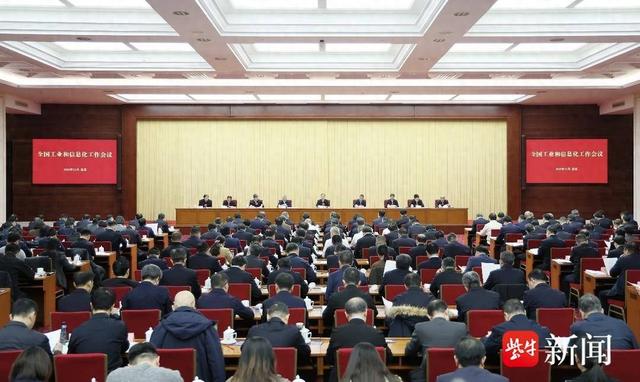
工信部重要会议,2026年这样干!
Zheng Quan Shi Bao· 2025-12-26 11:33
Core Insights - The meeting focused on deploying key tasks for 2026, emphasizing the importance of new industrialization and the implementation of the 14th Five-Year Plan while preparing for the 15th Five-Year Plan [1][6] Summary by Sections Industrial Economic Performance - In 2025, under the leadership of the central government, the industrial economy is expected to show steady progress, with telecommunications and software business revenues projected to grow by approximately 9% and 12% respectively, and digital industry revenue also expected to increase by around 9% [3] - The resilience of industrial supply chains is improving, with significant advancements in key manufacturing sectors and breakthroughs in landmark technologies and products [3] Technological Innovation and Manufacturing Upgrades - From January to November, the added value of high-tech manufacturing and equipment manufacturing increased by 9.2% and 9.3% respectively, with the core AI industry exceeding 1 trillion yuan and exports of new energy vehicles surpassing 2 million units [3] - Over 7,000 advanced and 500 excellent smart factories have been established, with over 20,000 industrial 5G private networks and more than 8,000 5G factories [3] Key Focus Areas for 2026 - The meeting outlined ten key areas for focus in 2026, including consolidating the positive trend of the industrial economy, enhancing supply chain resilience, and accelerating technological innovation [7][8] - Emphasis was placed on fostering emerging industries such as integrated circuits, new materials, and biomedicine, while also promoting the deep integration of information technology and industrialization [8][9] Industry Governance and Policy Implementation - The meeting highlighted the need for improved industry governance, including the implementation of a series of plans for the industrial and information sectors during the 15th Five-Year Plan [10] - There is a strong focus on enhancing the quality of enterprises, with initiatives to support small and medium-sized enterprises and to eliminate overdue payments to businesses [9][10] Political and Organizational Support - The meeting underscored the importance of the Party's leadership in ensuring the success of various initiatives, emphasizing the need for political construction and the enhancement of talent and organizational capabilities [11] - It called for a unified approach to implementing the central government's decisions and fostering a positive political environment [12]
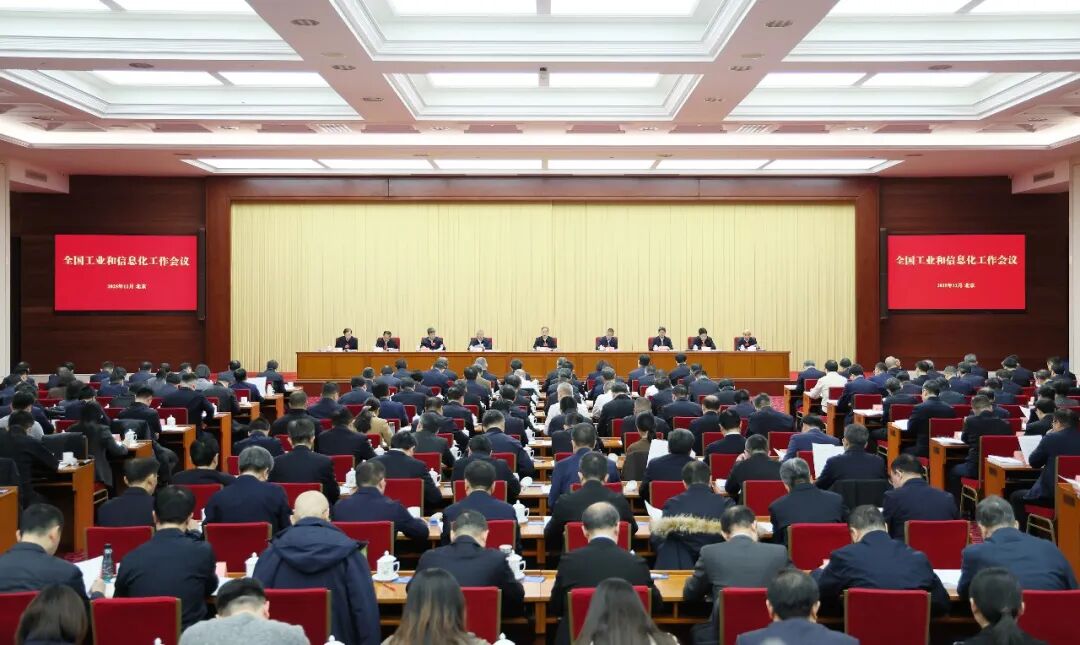
工信部:推进AI+制造专项行动,培育一批重点行业智能体
Nan Fang Du Shi Bao· 2025-12-26 08:17
Core Insights - The conference highlighted the expected growth in telecommunications and software business revenues by approximately 9% and 12% respectively for 2025, with digital industry revenue also projected to grow by around 9% [1] - The manufacturing sector is undergoing a transformation, with significant increases in high-tech and equipment manufacturing value added, and the establishment of numerous advanced smart factories and green factories [1] - The meeting outlined ten key focus areas for 2026, emphasizing the cultivation of emerging industries such as integrated circuits, new materials, and artificial intelligence [2] Group 1 - The total telecommunications business volume and software business revenue are expected to grow by 9% and 12% respectively in 2025 [1] - The value added of high-tech manufacturing and equipment manufacturing increased by 9.2% and 9.3% year-on-year [1] - The core AI industry has surpassed 1 trillion yuan, and exports of new energy vehicles have exceeded 2 million units [1] Group 2 - The conference set a focus on nurturing emerging industries, including integrated circuits, new displays, and aerospace [2] - There is a strong emphasis on the deep integration of information technology and industrialization, with initiatives to create high-quality industry data sets and digital transformation scenarios [2] - The meeting also stressed the importance of improving industry governance efficiency and curbing low-price, low-quality competition [2]
断臂求生!A股市场“保壳”大战打响
Shen Zhen Shang Bao· 2025-12-23 18:08
Core Viewpoint - The A-share market is witnessing a "shell protection" battle as multiple *ST companies are taking drastic measures to avoid delisting risks, with a deadline for compliance set for April 2026 [1][2]. Group 1: Company Actions - *ST Jinke announced the completion of its restructuring plan and applied to the Shenzhen Stock Exchange to lift the delisting risk warning [1]. - *ST Dongyi received court approval for its restructuring plan, indicating progress in its efforts to avoid delisting [1]. - *ST Nan Zhi completed a major asset sale, transferring real estate-related assets and liabilities for 1 yuan, involving 17 equity assets and 11.582 billion yuan in debt [3]. - *ST Lvkang disclosed the completion of the sale of three subsidiaries at a price of 0 yuan, effectively shedding its loss-making solar business [4]. Group 2: Financial Maneuvers - *ST Guandian reported the repayment of approximately 99.459 million yuan by its controlling shareholder, which alleviated financial pressure and improved its chances of avoiding delisting [5]. - *ST Huamei's controlling shareholder returned all occupied funds and interest totaling 156.69589 million yuan, marking a significant turning point for the company [5]. - Debt forgiveness has emerged as a quick way for *ST companies to reduce liabilities and improve net asset status, with several companies like *ST Yatai and *ST Yunwang announcing substantial debt waivers [5]. Group 3: Regulatory Environment - The regulatory environment is tightening, with *ST Huke being investigated by the China Securities Regulatory Commission during a critical period for "shell protection" [6]. - The trend towards a comprehensive registration system and normalized delisting practices is expected to reduce the availability of shell resources, making it increasingly difficult for companies to reverse long-term trends [6].
【社论】擘画“十五五”上海新蓝图
Xin Lang Cai Jing· 2025-12-23 09:30
Core Viewpoint - The Shanghai Municipal Committee has approved the development plan for the 14th Five-Year Plan, aiming to establish Shanghai as a world-class socialist modern international metropolis by 2035, marking the 14th Five-Year period as a critical phase for transformation and upgrading [1] Group 1: Economic Development - Shanghai will focus on the "Five Centers" to enhance urban capabilities, with an economic total surpassing 5 trillion yuan and maintaining the world's leading position in container throughput for 16 consecutive years [2] - The city has proposed a "2+3+6+6" modern industrial system, leading with three pioneering industries: artificial intelligence, integrated circuits, and biomedicine, supported by six key industries and six future industries [2] Group 2: Reform and Opening Up - Shanghai aims to deepen high-level reform and opening up, breaking bottlenecks and barriers, with initiatives like the Lingang New Area's negative list for cross-border data flow and the Hongqiao International Central Business District's innovative service model [3] - The city is fostering a new economic ecosystem through the concept of "super individual economy" (OPC) and reforming ownership of scientific achievements to encourage innovation [3] Group 3: Spatial Optimization - The meeting emphasized improving the spatial development pattern of the city, promoting higher quality integration in the Yangtze River Delta, with a clear spatial layout of "center radiation, dual wings flying, new city efforts, and north-south transformation" [4] - Shanghai's global innovation hub, the "Revitalization Island," will create new spaces for technological innovation, while five new cities will focus on their respective industrial niches [4] Group 4: Social Development - Shanghai is committed to enhancing the quality of life for its citizens, having completed historical urban renewal tasks and improving public health services, aiming for a "Healthy Shanghai" with increased life expectancy [5] - The city aspires to become a world-class tourism and sports city, with significant cultural landmarks like the World Expo Cultural Park and the Shanghai Grand Opera House under development [6]
上海再添6家高质量孵化器,瞄准“硬科技+未来产业”
Di Yi Cai Jing· 2025-12-18 13:11
Core Insights - In 2024, Shanghai recognized 7,237 new high-tech enterprises, averaging 20 new companies daily, with a total of 25,000 high-tech enterprises currently active [1] - The city has established a new batch of six high-quality incubators, bringing the total to 18, focusing on "hard technology" and modern industrial systems [1][2] Summary by Categories High-Quality Incubators - The newly recognized high-quality incubators include: - Sinan Brain-Machine Intelligence Incubator focusing on brain-machine interfaces and cognitive disorders [3] - Shanghai Emi Sanjiang New Materials Industry Innovation Center concentrating on new materials [3] - "Datong Chain Valley" Blockchain Application Innovation Incubator targeting blockchain technology [3] - "Big Zero Bay" Sci-Tech Innovation Incubator focusing on electronic information and advanced equipment [3] - Zhangjiang Gaoke 895 Incubator specializing in integrated circuits [3] Industry Focus - The high-quality incubators are increasingly targeting future industries, with a significant rise in enterprises related to AI models, gene therapy, quantum optics, and chip design [2] - The focus on hard technology aims to support the transformation of disruptive technological achievements and accelerate the incubation of hard tech enterprises [1][2] Government Support and Policies - The "first investment, then equity" mechanism in Baoshan district supports high-risk technology projects by providing initial funding from the government [4] - Shanghai aims to cultivate local hard-tech enterprises and create several incubation clusters by 2025, with a goal of establishing 2-3 innovation hubs with a scale of 100 billion yuan [6] Research and Development - Shanghai's investment in basic research is projected to account for 11% of total R&D expenditure, surpassing the national average of 6.91% [18] - The city published 101 papers in top-tier journals in the first half of the year, representing 31.6% of the total in mainland China [18] Future Plans - The "Big Zero Bay" incubator aims to become a globally influential innovation source by 2035, with policies to enhance technology transfer and incubation capabilities [19] - The Shanghai Municipal Education Commission is reforming technology transfer systems in universities to improve the commercialization of research outcomes [20][21]