先进制造业

Search documents
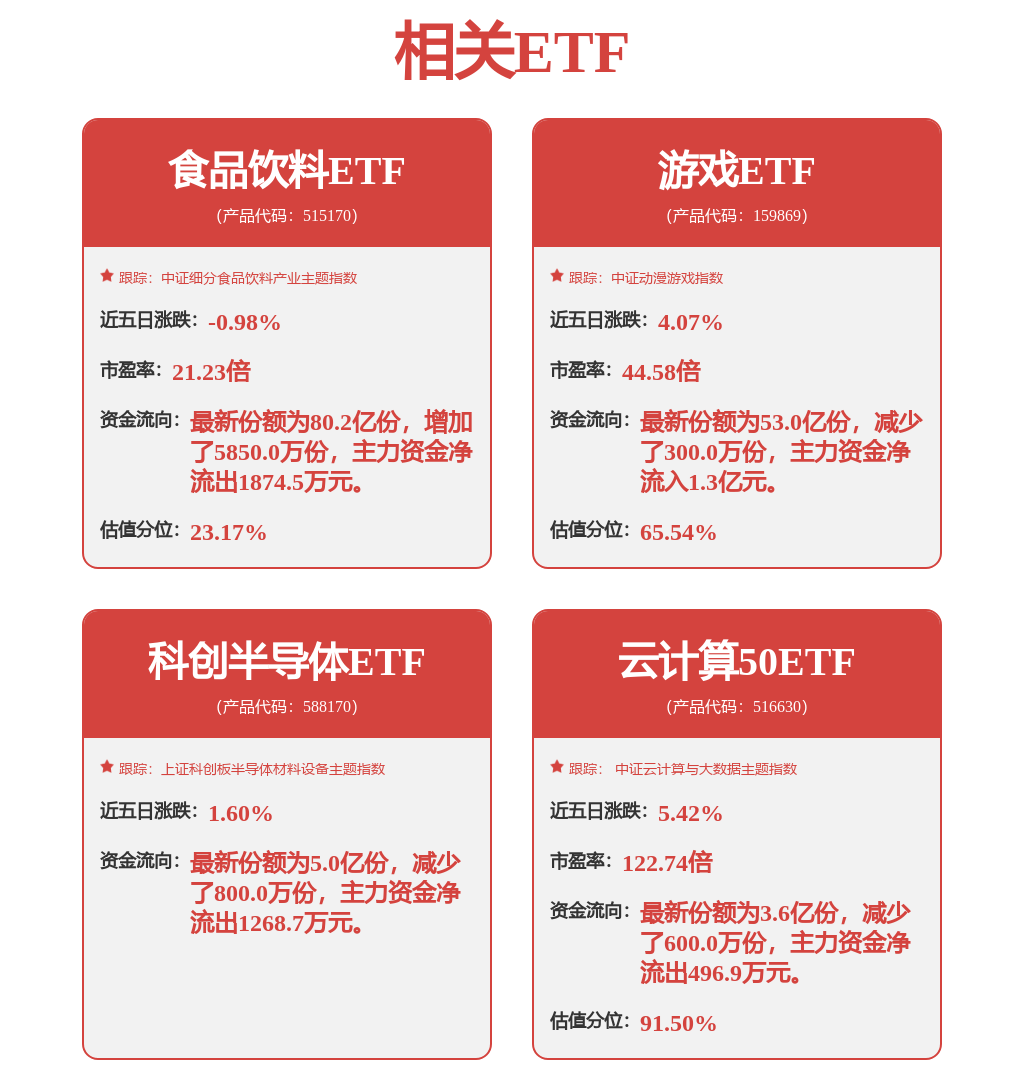
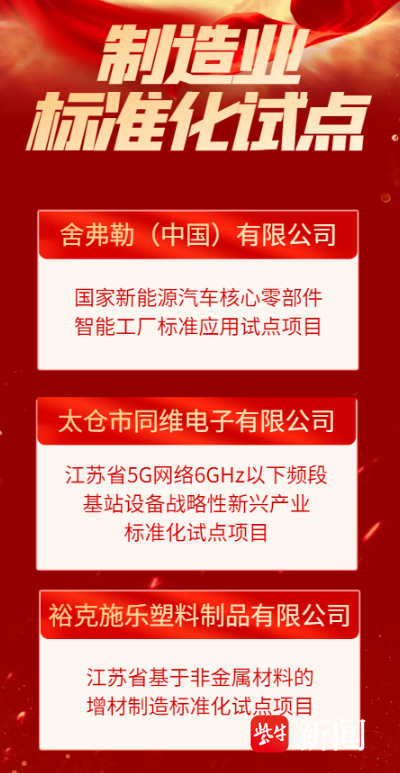
中德先进制造案例上新 太仓市三项标准化试点顺利通过验收
Yang Zi Wan Bao Wang· 2025-09-19 09:40
Core Points - Taicang City has achieved significant success in industrial standardization, with three manufacturing standardization pilot projects passing evaluation with a 100% success rate, marking a new stage in Sino-German standardization cooperation [1][10] - The pilot projects have led to the establishment of a comprehensive standard system within Sino-German enterprises, enhancing their participation in standard formulation and achieving multiple benefits in economic, social, and ecological aspects [4] Group 1 - Schaeffler (China) Co., Ltd. has developed a smart manufacturing application standard system, reducing operational costs and improving equipment utilization by 3%-5%, while also lowering average maintenance time for rotating equipment by approximately 10% [6] - During the pilot phase, Taicang Tongwei Electronics Co., Ltd. achieved a 92% conversion rate of independent intellectual property results into standards and participated in the formulation of three national standards and one industry standard [8] - Yuxisile Plastic Products (Taicang) Co., Ltd. established a standardization management committee, reducing defective product rates to 1.4 ppm and achieving a customer satisfaction rate of 98.24% [9] Group 2 - Taicang's market regulatory bureau has actively supported key Sino-German enterprises in participating in advanced manufacturing standardization pilot projects, enhancing the integration of Sino-German industrial chains [10] - In 2023, Taicang has seen the addition of three international standards, 77 national standards, 27 industry standards, and four local standards, promoting the establishment of the "Smart Manufacturing International Standard Research and Application Center" [12] - The market regulatory bureau aims to leverage Sino-German standardization innovation to deepen the implementation of industrial standardization strategies, integrating more "Taicang cases" into international and national standards [12]

中国公司掘金海外,这个国家机遇无限
Feng Huang Wang Cai Jing· 2025-09-19 08:07
Group 1 - The 42nd World Conference of the International Association of Science Parks (IASP) was held in Beijing from September 16 to 19, 2025, with participation from emerging market partners and representatives from universities, research institutions, and innovative enterprises [1] - The Middle East is becoming a new blue ocean for Chinese enterprises in manufacturing, digital economy, and local life sectors, with 90% of Chinese companies planning to expand their business in the region, and 44% having formal plans [1] - Sharjah, as a key economic hub in the Gulf region, presents extensive investment opportunities, hosting over 700 Chinese enterprises, with 472 located in the mainland and 245 in free zones [1] Group 2 - Chinese companies looking to enter the Sharjah market are advised to understand the investor-friendly legislative and investment policy environment, and to actively participate in forums and events to build partnerships and reach commercial agreements [3] - The Sharjah Chamber of Commerce is willing to provide services to Chinese investors, including support for business establishment, organization of special business meetings, training development, issuance of certificates of origin, and facilitation of exhibitions [3] - Sharjah welcomes core industries with significant competitive advantages, such as culture, tourism, education, logistics, healthcare, renewable energy, human capital and innovation technology, advanced manufacturing, and agricultural and food technology [3] Group 3 - Companies in the Middle East are seeking advanced partners in greenhouse technology and hydroponics due to the region's complex climate, which requires flexibility between traditional farming and modern cultivation techniques [3] - The CEO of WAHATALFAW highlighted the need for seasonal adaptability in agriculture, using traditional methods from October to March and modern techniques during the hot months from June to September [3] - Ahmed Salim Saeed Alshaiba Almheiri is actively seeking partnerships in China, particularly interested in core planting technologies, and has been participating in organic agriculture exchange meetings during his visits [5]
“十四五”规划收官之年 北京亮出高质量发展“家底”
Zhong Guo Qing Nian Bao· 2025-09-19 03:53
杨秀玲介绍,2021-2024年地区生产总值年均增长5.2%,"这一增速是在各种风险挑战冲击下实现 的,是在减量发展背景下取得的,为我国超大城市转型发展蹚出了一条新路子"。北京五年的经济增量 约1.4万亿,相当于新增了一个海淀区的经济总量。北京2024年人均地区生产总值3.2万美元,全员劳动 生产率44.4万元/人、居各省区市首位,万元地区生产总值能耗、水耗、碳排放等多项指标都为全国最 优水平。 北京市发展改革委副主任林剑华,用"基础策源力更加雄厚""经济支撑力更加突出""技术竞争力更 加强劲""创新引领力更加充沛"形容北京这座创新之城——在人工智能等新技术的支撑下,信息服务业 已成为北京第一大产业,信息服务业、科技服务业、先进制造业占GDP的比重由2020年的32.7%提升至 2024年的38.8%。 林剑华介绍,在北京,每天有300多家科技企业诞生,密度超越硅谷。截至2024年年底,北京市拥 有独角兽企业115家,专精特新"小巨人"企业1035家,均居全国城市首位;北京市人工智能企业数量超 2400家,约占全国一半,北京成为名副其实的"人工智能第一城"。 中青报·中青网记者 尹希宁 "各项指标进展顺利"" ...
锐意改革 惠泽民生
Ren Min Ri Bao Hai Wai Ban· 2025-09-19 03:02
Group 1: Core Insights - The 2025 Policy Address by Hong Kong Chief Executive John Lee emphasizes a comprehensive approach to reform and deployment, aiming to create a clear development blueprint for the future of Hong Kong [1][5] - The report highlights the importance of the Northern Metropolis as a key economic driver and a bridge for Hong Kong to align with national industrial development, proposing measures to enhance its competitiveness [2][5] - The government aims to improve the quality of life for citizens through various initiatives in housing, healthcare, and social welfare, reflecting a commitment to enhancing public well-being [3][5] Group 2: Economic Development Initiatives - The Policy Address outlines strategies to attract and develop advanced manufacturing, health technology, renewable energy, AI, and data science, indicating a shift towards a more sustainable and innovative economy [2][5] - The report includes plans for flexible land allocation, financial subsidies, tax reductions, and talent cultivation to support emerging industries, showcasing the government's proactive stance on economic transformation [2][5] - The establishment of the "Northern Development Committee" and the introduction of specific legislation to expedite the development of the Northern Metropolis are key components of the reform agenda [1][2] Group 3: Social Welfare and Community Engagement - The report prioritizes improving living standards, with specific measures aimed at increasing home ownership, enhancing medical services, and supporting small and medium-sized enterprises [3][5] - Initiatives such as extending tax exemptions for newborns and enhancing support for the elderly and labor sectors demonstrate a focus on social equity and community welfare [3][5] - The government engaged with over 10,100 public opinions through consultations, indicating a collaborative approach to policy-making [1][5] Group 4: Connectivity and Global Integration - The Policy Address emphasizes Hong Kong's unique position as a connector between domestic and international markets, proposing enhancements to cross-border financial platforms to expand the financial sector [4][5] - The establishment of a task force for mainland enterprises to navigate overseas markets highlights Hong Kong's role as a facilitator for international business [4][5] - The report's focus on innovation and reform is seen as a pathway to strengthen Hong Kong's global competitiveness and adaptability [4][5]
陈刚会见工业和信息化部部长李乐成
Guang Xi Ri Bao· 2025-09-19 01:12
Core Viewpoint - The meeting between the leaders of Guangxi and the Ministry of Industry and Information Technology emphasizes the importance of artificial intelligence in driving economic development and enhancing cooperation with ASEAN countries [1][2]. Group 1: Government Support and Cooperation - The Guangxi government expresses gratitude for the support from the Ministry of Industry and Information Technology in the region's development [1]. - The Ministry acknowledges Guangxi's unique geographical advantages and solid industrial foundation, highlighting the region's significant achievements in artificial intelligence development [2]. Group 2: Development Strategies - Guangxi aims to leverage artificial intelligence to enhance cooperation with ASEAN, focusing on a development path that integrates research and application [1]. - The Ministry plans to support Guangxi in advancing the non-ferrous metal industry and building a modern industrial system that reflects the region's characteristics and advantages [2]. Group 3: Future Initiatives - The 22nd China-ASEAN Expo and Investment Summit will focus on artificial intelligence, promoting its application across various industries [1]. - The Ministry will assist Guangxi in implementing the "Artificial Intelligence+" initiative to accelerate the development of the AI industry and its integration with new industrialization [2].
数据要素综合试验区建设取得初步进展
Ke Ji Ri Bao· 2025-09-18 23:54
Group 1 - The National Data Bureau announced progress in the construction of comprehensive data factor pilot zones, implementing innovative reform measures and addressing pain points in data value release [1] - In Zhejiang Province, 117 authorization agreements for public data operation have been signed, enhancing the benefits of public data resources for citizens and businesses [1] - The "Anzheng'er" AI model, trained on over 120 million de-identified medical data records, has served over 82 million times across hospitals in Zhejiang [1] Group 2 - Hunan Province has established three global "lighthouse factories," nine excellent smart factories, and 24 national smart manufacturing demonstration factories, achieving over 60% CNC rate in key processes and 75% digital management penetration [1] - Hainan Province is developing a national breeding service platform that integrates research, production, sales, and technology exchange, aiming to create a national seed industry research data trading system [2] - The National Data Bureau plans to support pilot zones in exploring new methods for market-oriented data value realization and enhancing collaborative efforts to address challenges [2]
新华全媒+丨广西推动中国—东盟产业链供应链加速融合共进
Xin Hua Wang· 2025-09-18 01:48
Core Insights - The article highlights the accelerated integration of the China-ASEAN industrial and supply chains, particularly through the Guangxi region, which serves as a key gateway for trade and collaboration with ASEAN countries [1][2]. Group 1: Trade and Economic Data - In the first eight months of this year, China's imports and exports with ASEAN reached 4.93 trillion yuan, marking a year-on-year increase of 9.7% [1]. - The Western Land-Sea New Corridor has seen a significant increase in container shipments, with over 1 million TEUs sent this year, representing a 72.5% year-on-year growth [2]. Group 2: Infrastructure and Logistics Development - Guangxi has established a comprehensive transportation network, including over 80 domestic and international container shipping routes from Beibu Gulf Port, and 13 international road freight routes confirmed with Vietnam [3]. - The region is enhancing its logistics capabilities by expanding the scale of the Western Land-Sea New Corridor's sea-rail intermodal services and increasing the frequency of cross-border train services with Vietnam [3]. Group 3: Industrial Development Initiatives - Guangxi is focusing on high-quality development of key manufacturing industry chains, aiming to create interconnected industrial networks and clusters that leverage its position as a bridgehead for cooperation with ASEAN [4]. - The region has attracted over 200 leading enterprises, including BYD, by strategically planning its industrial layout and targeting specific sectors [2].
制造业高质量发展的理论贡献与实践路径
Jing Ji Ri Bao· 2025-09-17 22:31
Core Viewpoint - The manufacturing industry is crucial for national economic stability and security, with a focus on transitioning from a manufacturing powerhouse to a manufacturing stronghold through high-quality development [1][2][3] Group 1: Manufacturing Industry's Role - Manufacturing is emphasized as the foundation of national strength and modernization, with a need to address the challenges of key technology bottlenecks and supply chain resilience [1][2] - The industry is tasked with promoting employment, common prosperity, and ecological harmony through technological innovation and green transformation [1][3] Group 2: Strategic Directions - The direction for transformation includes high-end, intelligent, and green development, with a focus on breaking technology monopolies and enhancing value [2][4] - The integration of development and security is highlighted as a method for upgrading the manufacturing sector, ensuring both industrial safety and ecological protection [4][10] Group 3: Theoretical Framework - Advanced theoretical guidance is essential for high-quality development, rooted in Marxist political economy and addressing contemporary challenges [3][5] - The people-centered development approach prioritizes improving living standards and promoting employment as core objectives of manufacturing growth [3][5] Group 4: Unique Development Path - China's manufacturing development is characterized by a "parallel advancement" model, integrating industrialization, informatization, and intelligentization simultaneously [8][9] - This approach has allowed China to achieve significant advancements in manufacturing capabilities in a shorter time frame compared to developed nations [7][8] Group 5: Global Impact and Cooperation - China's manufacturing high-quality development serves as a response to global industrial challenges, promoting cooperation and shared benefits through technology transfer and capacity building [9][10] - The focus on green technology innovation reflects a commitment to sustainable development, contrasting with traditional industrial practices that prioritize short-term gains over environmental considerations [10][12] Group 6: Systematic Transformation - The synergy of high-end, intelligent, and green development is essential for a comprehensive transformation of the manufacturing sector, emphasizing the need for technological breakthroughs and institutional innovation [12][13] - The establishment of a robust digital infrastructure and the promotion of green factories are critical for achieving sustainable growth and enhancing competitiveness [12][13]
港澳平:李家超施政报告展现香港昂扬奋发气象
Zhong Guo Xin Wen Wang· 2025-09-17 14:10
Core Viewpoint - The article emphasizes that Chief Executive John Lee's fourth policy address reflects a proactive and responsible approach, showcasing a united effort in Hong Kong society to create a better future [1][2]. Summary by Relevant Sections Government Initiatives - The Hong Kong government has made significant progress in various construction projects over the past year, driven by extensive consultations to gather public opinions [1]. - The new policy address highlights a clearer and more robust approach to reform, development, and improving people's livelihoods, with innovative measures and a commitment to governance efficiency [2]. Economic Development - The report outlines a clear direction for industrial development, promoting advanced manufacturing, health technology, new energy, AI, and data science through flexible land grants, tax incentives, funding support, and talent cultivation [2]. - The establishment of the "Northern Metropolis Development Committee" and the introduction of dedicated legislation aim to accelerate the development of the Northern Metropolis area, demonstrating a strong will for reform [2]. Social Welfare - Improving the quality of life is emphasized as the ultimate goal of governance, with a focus on policies related to housing, transportation, healthcare, social welfare, labor protection, and community care [2]. - The report articulates a vision for better housing for citizens, higher incomes for workers, improved care for the elderly, and better development opportunities for youth [2]. Future Outlook - There is a strong belief that under John Lee's leadership, the government and various sectors of Hong Kong society will continue to adapt and strive for progress, turning ambitious plans into reality [3].
打通产业链卡点堵点,东莞人大建立专题台账“问诊”制造业
2 1 Shi Ji Jing Ji Bao Dao· 2025-09-16 05:18
Core Viewpoint - Dongguan is accelerating the construction of a modern industrial system, focusing on the integration of artificial intelligence and traditional industries, while addressing existing challenges through systematic analysis and targeted recommendations [1][2][3]. Group 1: Industrial Development Strategy - Dongguan has developed a structured "8+8+4" modern industrial system, transitioning from a "world factory" to a "strong city in scientific and technological manufacturing" [2][3]. - The city is promoting the deep integration of technological and industrial innovation, enhancing traditional industries' transformation and fostering the development of strategic emerging industries [2][3]. Group 2: Economic Performance and Challenges - Since the beginning of the 14th Five-Year Plan, Dongguan's industrial scale has significantly increased, with projected industrial output value and added value exceeding 2.5 trillion and 500 billion respectively by 2024 [3]. - Despite progress, challenges remain, including an incomplete industrial system, unbalanced industrial structure, and difficulties in transitioning from old to new growth drivers [3][4]. Group 3: Focus Areas for Improvement - The Dongguan Municipal People's Congress has identified six key areas for development: artificial intelligence and robotics, traditional industry integration, emerging industry growth, service industry enhancement, deep integration of technology and industry, and optimizing the business environment [4][5]. - Recommendations include promoting intelligent transformation, strengthening key industries, and enhancing the integration of AI with manufacturing processes [4][5].