文旅产业

Search documents
上百亿待兑付!140亿富豪的资本局,崩了 || 深度
Sou Hu Cai Jing· 2025-12-10 09:24
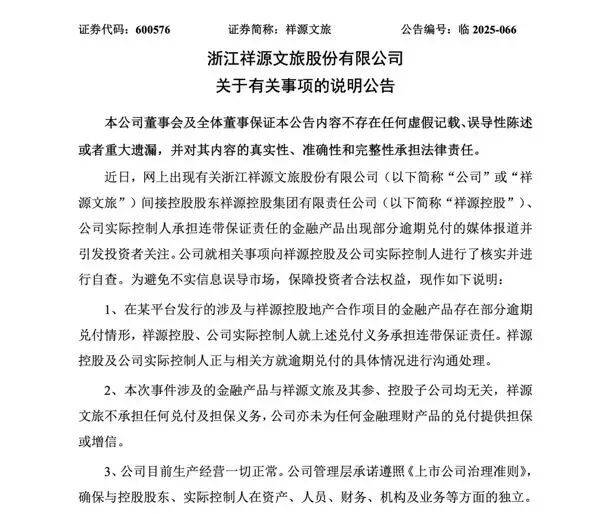
Core Viewpoint - Xiangyuan Cultural Tourism confirmed overdue payments on financial products guaranteed by its actual controller, Yu Faxiang, while distancing itself from any liability related to these products [1][4][11]. Group 1: Company Announcements - On December 7, Xiangyuan Cultural Tourism, along with two other listed companies, issued urgent announcements to clarify their positions regarding overdue financial products linked to Xiangyuan Holdings [7][8]. - The announcements stated that the overdue financial products are unrelated to the listed companies and that they do not bear any repayment or guarantee obligations [9][10]. - The companies emphasized that their operations remain normal and independent, aiming to isolate themselves from the risks associated with the overdue payments [11]. Group 2: Financial Crisis Background - The crisis began in late November, with reports of overdue payments on various financial products linked to Xiangyuan Holdings, affecting hundreds of investors and potentially involving over 100 billion yuan in unpaid funds [6][12]. - By December 3, a significant number of these products failed to make scheduled payments, leading to widespread concern among investors [6][7]. - The overdue products are primarily tied to real estate projects under Xiangyuan Holdings, indicating a broader financial strain within the group [6][12]. Group 3: Market Reaction - Following the announcements, the stock prices of Xiangyuan Cultural Tourism, Jiaojian Co., and Haichang Ocean Park dropped significantly, with declines of 14.23%, 16.32%, and 27.54% respectively [11][29]. - The market's reaction reflects deep concerns about the potential transmission of financial risks from the controlling shareholder to the listed companies [4][11]. Group 4: Financial Structure and Risks - The financial products in question involve complex arrangements where Xiangyuan Holdings has transferred receivables to affiliated entities, which then issue financial products to the public [12][13]. - Yu Faxiang, as the actual controller, provided guarantees for these products, raising questions about the sustainability of this financial structure amid liquidity challenges [14][28]. - The underlying issue stems from the real estate sector's downturn, which has historically been the main revenue source for the group, now facing cash flow problems [28][29]. Group 5: Broader Implications - The crisis highlights the risks associated with the "Xiangyuan system," where significant off-balance-sheet debts pose a threat to the stability of the listed companies [29]. - Regulatory bodies are reportedly investigating the financial products and the associated risks, indicating potential repercussions for the involved parties [14][29].

东方“村BA”:开放海南的活力切片
Hai Nan Ri Bao· 2025-12-10 01:57
Core Insights - The 2025 Hainan Oriental Basketball Super League ("Village BA") has evolved from a grassroots sports event into a vibrant window for observing rural revitalization and the open spirit of Hainan Free Trade Port [1][8] - The event emphasizes community engagement, maintaining a low barrier to entry and high participation, making it accessible to all demographics, including farmers, youth, and women [2][3] Group 1: Event Characteristics - The event has seen significant growth, with over 4.1 billion total online exposures and more than 63 million attendees, generating a tourism revenue of over 3.46 billion yuan [3][4] - The introduction of various competitions, including youth and women's events, has broadened participation and engagement across different age groups and genders [2][3] Group 2: Cultural and Economic Impact - "Village BA" serves as a platform for cultural exchange, featuring teams from different regions and countries, thus enhancing cross-regional and international dialogue [5][6] - The event has integrated local cultural elements and tourism, creating new consumption scenarios that benefit local economies and promote regional products [6][7] Group 3: Open Development - The event reflects a broader narrative of openness, with international participation and local industrial development complementing each other, showcasing the dual drive of cultural and industrial openness [7][8] - "Village BA" is positioned as a model for rural development, demonstrating how rural areas can leverage their cultural roots and creativity to engage with the wider world [8]
文旅投融资新机遇与新空间
Sou Hu Cai Jing· 2025-12-10 00:01
Core Insights - The national cultural tourism investment and financing market is experiencing a surge, characterized by a concentration of projects and emerging opportunities, with significant capital movements and policy support driving the transformation from "sightseeing" to "immersive experiences" in the industry [1] Group 1: Key Regional Projects - Major urban clusters are becoming the main battleground for cultural tourism investment, with landmark projects driving regional industrial upgrades. In the Guangdong-Hong Kong-Macao Greater Bay Area, the Nanhai Art Center project has a total investment of 2.018 billion, aiming to become a cultural landmark [2] - In the Yangtze River Delta, the sixth Yangtze River Delta Cultural Expo concluded with a transaction amount of 14.9 billion, highlighting the investment hotspot of "culture + technology" [2] - In the Beijing-Tianjin-Hebei region, four key projects were signed with a total investment of nearly 10 billion, including the first Ferrari World entertainment complex in Asia [3] Group 2: Capital Operations - Cultural tourism enterprises are optimizing their capital structures through IPOs, bond issuances, and equity acquisitions. Shaanxi Tourism received approval for an IPO to raise 1.555 billion for project development [4] - Salt City Cultural Tourism issued a 500 million bond to strengthen its financial reserves, while Luoyang Cultural Tourism successfully issued a 500 million high-growth industry bond [4] - Song City Performing Arts plans to acquire 100% equity of Hangzhou Song City for 963 million in cash to enhance operational efficiency [4] Group 3: Unique Regional IP Development - Regions like Northwest, Northeast, and Southwest are leveraging unique natural and cultural resources to launch distinctive projects, transitioning the industry from "sightseeing" to "experiential" tourism. The Xinjiang 577 Golden Sands Mountain Resort project has a total investment of 100 million, aiming to attract over 300,000 visitors annually [5] - In Northeast China, 14 financial institutions provided a total credit of 1.852 billion to support the ice and snow economy [5] - In Southwest China, Sichuan launched 480 cultural tourism projects worth 570 billion, including a theme park at the Chengdu Panda Base [5] Group 4: Policy and Model Innovations - The government is optimizing the investment environment for cultural tourism, with the expansion of REITs to include urban renewal facilities and hotels, enhancing financing channels [6] - Collaborative efforts between government and enterprises are being established, such as the partnership between Tianjin Dongjiang Comprehensive Bonded Zone and Tianjin Port Group to create a cultural tourism brand [6] - The Guangxi Cultural Tourism Conference focused on "cultural tourism + health care," showcasing over 270 smart tourism achievements [6] Conclusion - The combination of capital operations and policy innovations is providing solid support for the development of the cultural tourism industry, which is expected to evolve towards high-quality, immersive, and cross-regional experiences, injecting more vitality into economic growth [7]
600亿浙商大富豪的瓜
Sou Hu Cai Jing· 2025-12-09 11:12
Core Viewpoint - A financial product related to fixed income has collapsed, causing significant issues for investors who are unable to withdraw their funds, with the scale of affected products estimated between 140 billion to over 200 billion [2][4]. Group 1: Product and Financing Details - The financing parties and guarantors are linked to Xiangyuan Holdings and entrepreneur Yu Faxiang, with most funds directed towards Xiangyuan's real estate business [4]. - The financial product "Shenglei Shaoxing" offers a 4.6% annual return, backed by Xiangyuan Holdings and Yu Faxiang, with underlying assets being accounts receivable from a factoring company [4]. - The financial structure involves interconnected parties creating products where funds' flow becomes difficult to track, leading to potential mismanagement [6]. Group 2: Company and Market Context - Xiangyuan Holdings is heavily involved with the Zhejiang Financial Asset Exchange, which has not faced repayment issues until now, but is now facing significant challenges [6][8]. - The real estate market has seen a downturn, with sales dropping significantly, impacting Xiangyuan's ability to generate revenue from its projects [9]. - Xiangyuan has developed approximately 10 million square meters of real estate, but the current market conditions have led to unsold properties and overdue bills [10][16]. Group 3: Financial Strain and Future Outlook - The yield of 4-5% for investors is lower than Xiangyuan's financing costs of 8-9%, indicating a financial strain [12]. - The company has multiple financial products tied to the same underlying assets, complicating its financial obligations [14]. - Following the collapse, three listed companies associated with Xiangyuan quickly distanced themselves from repayment obligations, leading to a decline in their stock prices [20].
汕头“潮·湃”文旅时尚周获国家级消费创新案例
Sou Hu Cai Jing· 2025-12-09 11:05
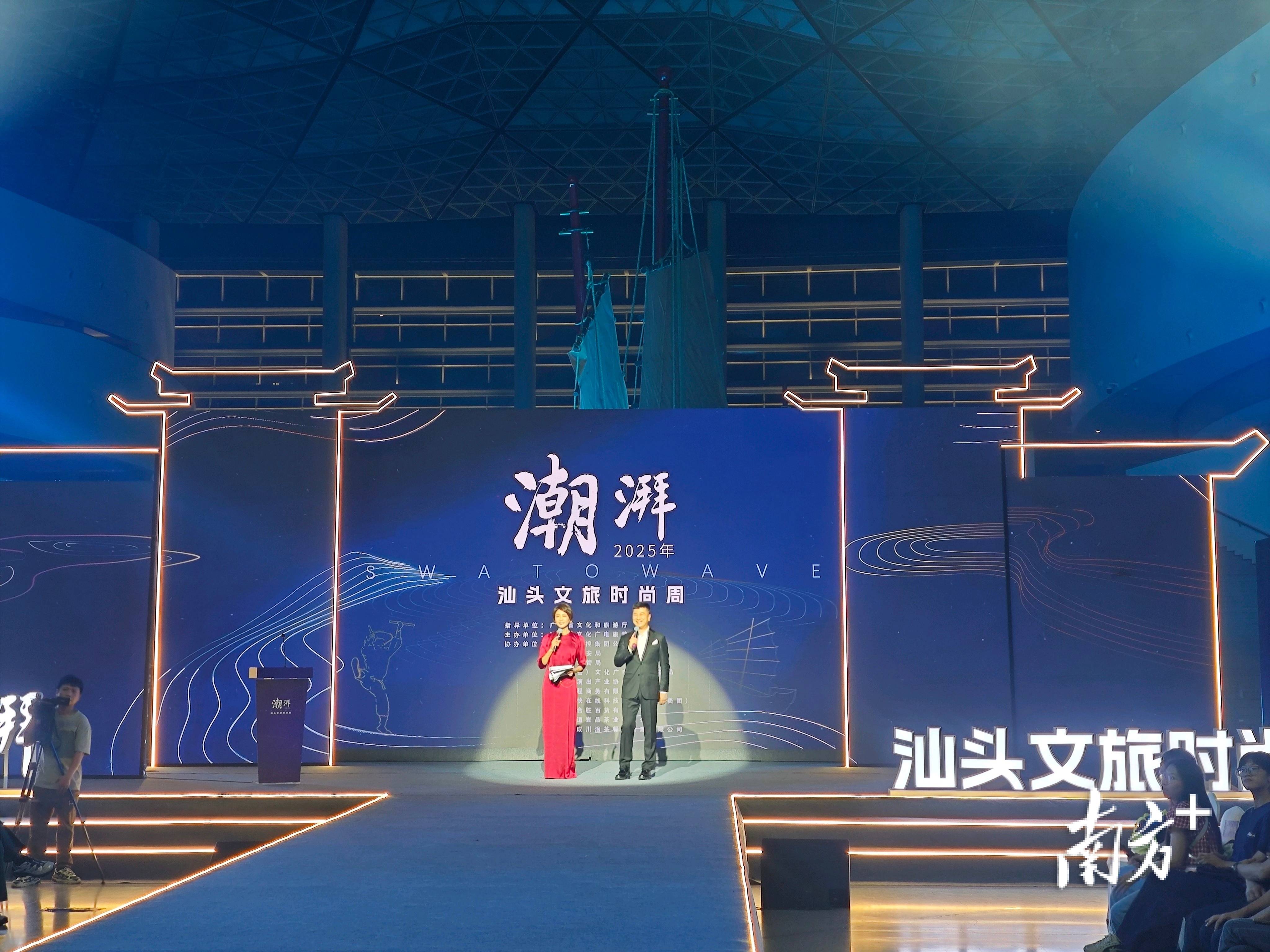
日前,由人民网主办的"2025国民消费大会"在北京举行。大会现场举行了"2025国民消费创新案例"年度榜单颁奖仪式。本次榜单从全国近300个报名征集案 例中,挑选出了73个具有代表性,涵盖消费全产业链创新实践以及为行业提供可借鉴的优秀示范样本。 南方+记者 陈斐仪 连续三年获评国家级消费创新案例,既是对汕头文旅发展路径的充分肯定,也是对"以文塑旅、以旅彰文"实践成效的高度认可。汕头将继续深耕潮汕文化底 蕴,融合当代时尚表达,持续激发文旅消费潜力,推动城市品牌向更高质量迈进。 其中,由汕头市文化广电旅游体育局推荐报送的《"潮·湃"文旅时尚周全域联动构建多元消费场景》案例入选。这是汕头文旅实践案例继2023、2024年之后 再次登上该榜单,彰显了汕头在文旅融合与消费创新领域的持续影响力与示范价值。 and and A 988 C . A BOLL COLL 8 酒用 今年暑假,"潮·湃"汕头文旅时尚周以"传统与时尚共生、文旅与产业共融"为理念,打造了一场覆盖全城的文旅消费盛宴。活动不仅将英歌舞、潮绣、嵌瓷 等非遗元素创新融入时尚展演,更通过"主会场+分会场"联动机制,在全市范围内构建了茶宴空间、全民音乐会、非遗市 ...
奥雅股份:以“IP+AI+数字艺术”赋能亲子文旅和乡村振兴等场景
Zheng Quan Ri Bao Zhi Sheng· 2025-12-09 09:37
证券日报网讯 12月9日,奥雅股份在互动平台回答投资者提问时表示,在国家数字经济政策引领下,公 司2022年对原广东浮法玻璃厂原料筒仓全面改造,打造成全新的数字艺术展馆、元宇宙体验中心,以其 前卫的概念、极具创意的数字艺术内容、全方位的沉浸感为观众带来新体验,展现数字艺术魅力,也为 元宇宙推动文旅产业发展提供新场景、新思路。公司以"IP+AI+数字艺术"赋能亲子文旅和乡村振兴等 场景,提升沉浸感和交互性,重构虚实共生空间。 (编辑 姚尧) ...
茂名:综合枢纽“联”动未来
Ren Min Wang· 2025-12-09 09:19
Core Viewpoint - The opening of the Guang-Zhan high-speed railway marks a significant opportunity for Maoming to enhance its urban capabilities and reshape its development pattern, integrating into the Guangdong-Hong Kong-Macao Greater Bay Area's "one-hour living circle" [1] Group 1: Transportation and Connectivity - The completion of the Guang-Zhan high-speed railway will reduce travel time from Maoming to Guangzhou to approximately 70 minutes, facilitating deeper integration with the Greater Bay Area [1] - Maoming's transportation network has undergone significant improvements, creating a multi-dimensional traffic pattern that enhances internal circulation and external connectivity [5][6] - The establishment of a high-efficiency transportation logistics hub is essential for regional linkage, with ongoing projects to improve road networks and port facilities [5][6] Group 2: Urban Development Strategy - Maoming is positioned to transition from a "transportation corridor" to a "comprehensive hub," driven by profound changes in transportation, location, and industrial layout [3] - The city aims to construct three major hubs: transportation logistics, industry, and information, to promote efficient resource flow and regional collaboration [4][8] - The city's strategic location allows it to serve as a critical link for the expansion of the Greater Bay Area and the integration with the Hainan Free Trade Port [2][12] Group 3: Industrial Growth and Diversification - Maoming is diversifying its industrial base beyond the petrochemical sector, focusing on new materials and zero-carbon industries to enhance its economic strength [7] - The city is also developing its tourism sector, aiming to transform from an industrial hub to a cultural and tourism center, with several major projects underway [7] - The construction of a high-level industrial hub is crucial for attracting upstream and downstream industries, thereby enhancing regional industrial synergy [7] Group 4: Information and Digital Economy - The development of a high-integration information hub is a forward-looking initiative, focusing on digital economy growth and data resource integration [8] - Key projects, such as the establishment of a 5G edge computing center, are set to support the digital transformation of regional industries [8] Group 5: Regional Integration and Collaboration - Maoming is actively seeking to expand its integration with the Greater Bay Area by identifying collaborative opportunities in various sectors, including finance, tourism, and logistics [10][12] - The city is leveraging its agricultural products to enhance market access to the Greater Bay Area, aiming to become a key supplier of quality produce [10] - Collaborative efforts with neighboring regions, such as Guangxi and Hainan, are being pursued to strengthen service capabilities and resource sharing [12][13]
600亿资产爆雷!3个上市公司都兜不住“祥源系”
Sou Hu Cai Jing· 2025-12-09 03:58
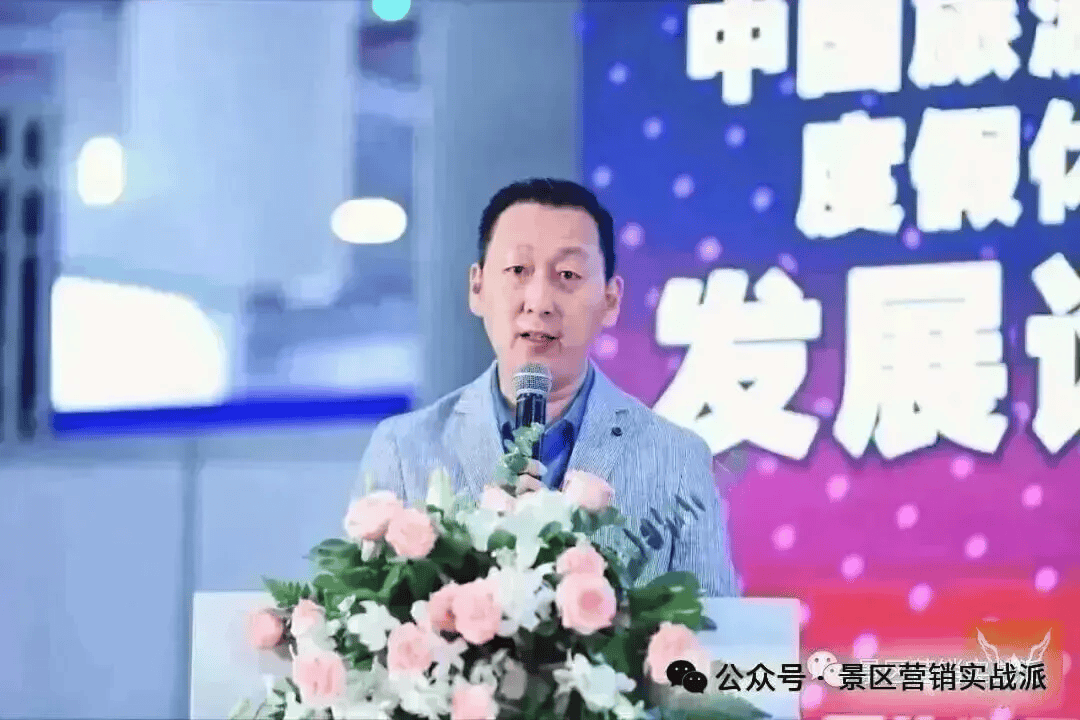
最近很多企业面临巨大的资金/债务兑付危机,特别是高杠杆的企业,哪怕是上市公司,面临的地产经济不景气,一旦兑付不了,就容易爆雷! 原来的地产大佬:万科,原定于12月15日到期的20亿元中期票据展期方案,计划将兑付推迟至2026年12月。简单来说,就是万科没钱还了,要拖一年时间 了! 万科的大股东:深地铁,挤牙膏式的200亿,已经为万科续命了几年,现在也无能为力,表示:把万科交给市场,爱咋滴就咋的。 现在又有 浙江金融资产交易中心股份有限公司爆雷, 违约产品的增信主体均为"祥源控股及其实控人俞发祥",底层资产多投向祥源控股的地产项目! 祥源控股的实控人,今年54岁的俞发祥,自地产行业起家。1992年,海南房地产行业爆发,俞发祥抓住机会南下海南,成立了祥源控股前身伟翔装饰,后在 海口、深圳、绍兴等地开发建设了多个房地产项目。2008年后,俞发祥又开始涉足文旅行业,目前共投资布局了50余个文旅项目。在2025年胡润百富榜中, 俞发祥以145亿元身价登上榜单第465位。 此次俞发祥与祥源控股陷入兑付危机,源于地产业务拖累。据媒体报道,祥源控股执行总裁沈保山在浙金中心回答投资者疑问时表示,"目前集团资产600多 亿元,负 ...

高质量发展看亮点·读数丨从税费数据看经济发展亮点
Ren Min Ri Bao· 2025-12-09 01:49
Core Insights - The overall economic operation in China is stable and improving, with manufacturing playing a crucial role, maintaining a tax revenue share of around 30% [2][3] - High-tech industries have shown significant growth, with sales revenue increasing by 14.7% year-on-year, particularly in smart equipment manufacturing, which grew by 28.2% [2][3] Group 1: Manufacturing Sector Performance - High-tech industries are experiencing rapid growth, with high-tech service revenue up by 17.2% and high-tech manufacturing revenue up by 11.1% [4] - The manufacturing sector is undergoing a transformation towards high-end, intelligent, and green development, with equipment manufacturing sales up by 8.3% and automation equipment purchases up by 14.2% [3][4] - Traditional industries are also enhancing their quality, with R&D investment from key tax source enterprises increasing by 12.3% [4] Group 2: Consumer Market Dynamics - Consumption is being stimulated by policies such as the trade-in program, with retail sales in mobile communication devices and home appliances increasing by 20.3% and 26.5% respectively [5] - The tourism and cultural sectors are thriving, with sales in cultural performances and film screenings up by 15.6% and 19.1% [6] - The number of travelers benefiting from tax refunds has surged by 285%, with tax refund sales and amounts increasing by 98.8% [6][7] Group 3: Taxation and Service Reforms - Cross-regional tax service reforms have been implemented, allowing for a significant increase in the handling of cross-regional tax matters, with a nearly fourfold increase in transactions [8][9] - The proportion of inter-provincial trade sales in total national sales revenue has reached 41.1%, reflecting improved efficiency in tax services [8] - Over 7,000 domestic and foreign platforms are complying with tax information reporting obligations, leading to a 12.7% increase in tax payments [9]
祥源系三公司紧急公告撇清实控人担保逾期风波
Sou Hu Cai Jing· 2025-12-09 01:30
Core Viewpoint - The recent credit crisis involving Xiangyuan Cultural Tourism (600576.SH) and its related companies has raised significant concerns in the capital market, leading to urgent clarifications from the companies to distance themselves from the financial products linked to their actual controller, Yu Faxiang [3][5][9]. Group 1: Company Announcements - On December 7, Xiangyuan Cultural Tourism confirmed that financial products guaranteed by its actual controller Yu Faxiang had experienced overdue payments, but stated that these products were unrelated to the company and that it bore no repayment or guarantee obligations [3][9]. - On the same day, related companies, including Jiaojian Co. (603815.SH) and Haichang Ocean Park (2255.HK), issued similar statements to clarify their positions and mitigate market concerns [5][9]. - The announcements emphasized that the companies' operations remained normal and independent, aiming to isolate the risks associated with the actual controller [9]. Group 2: Market Reaction - Following the crisis rumors, the stock prices of Xiangyuan Cultural Tourism, Jiaojian Co., and Haichang Ocean Park fell significantly, with declines of 14.23%, 16.32%, and 27.54% respectively from December 3 to December 8 [9]. - The market's reaction reflects deep concerns about the potential transmission of risks from the controlling shareholder to the listed companies [5][9]. Group 3: Financial Product Crisis - Reports indicated that overdue financial products linked to Xiangyuan Holdings had not been paid as expected, with investors estimating the total amount of unpaid funds to exceed 10 billion yuan, involving hundreds of products [7][9]. - The overdue products were primarily associated with various financial asset income rights issued by companies under Xiangyuan Holdings, indicating a broader liquidity issue within the group [6][10]. Group 4: Background of Xiangyuan Holdings - Xiangyuan Holdings, controlled by Yu Faxiang, has been involved in complex financial operations, including transferring receivables to affiliated entities to raise funds through public offerings [10][12]. - Despite a recent "AA+" credit rating from Hangzhou United Credit Rating Co., the company faces significant debt pressures and liquidity challenges, particularly in its real estate sector [13][15]. - The company's shift towards the cultural tourism sector has not compensated for the cash flow issues stemming from its real estate operations, which historically provided the bulk of its revenue [22].