电商平台

Search documents
淘宝搜索改了
Sou Hu Cai Jing· 2025-10-03 07:56
Core Viewpoint - Taobao has launched the "AI Find Low Price" feature, which allows users to upload or take a picture of a product and receive price comparisons within three seconds, addressing consumer issues of information overload and choice anxiety [2][12][13]. Summary by Sections Feature Overview - The "AI Find Low Price" feature utilizes AI technology to compare over 2,000 similar products, providing users with low-price options, official product recommendations, and high-cost performance alternatives [2][7][12]. - The process is simplified to two steps: taking a photo and clicking a button, significantly reducing user effort compared to traditional manual searching [12][13]. User Experience - The feature has shown significant advantages in terms of ease of use, response speed, and practical results, with a test showing a total time of four seconds from taking a photo to receiving price comparison results [12][13]. - The AI system not only provides price data but also explains the reasons behind price differences, enhancing user understanding of product value [12][13]. Category Performance - Different product categories exhibit varying levels of effectiveness with the AI feature: - **Apparel**: The experience is mixed, with significant price variation and quality concerns in women's clothing, while men's clothing shows smoother performance with clear recommendations [16][25][30]. - **Digital Products**: The feature performs well, offering reliable recommendations from official stores and highlighting price advantages [40][41]. - **Personal Care**: This category excels, quickly directing users to low-priced, high-volume products, although caution is advised regarding non-official store recommendations [50][58]. - **Daily Goods**: The feature effectively categorizes products by material and price, enhancing shopping efficiency [62][63]. Market Implications - The launch of "AI Find Low Price" marks a significant advancement in Taobao's AI capabilities, establishing a foundation for future AI-driven shopping features [13][67]. - The competitive landscape in e-commerce is intensifying, with global platforms exploring AI integration, but Taobao's focus on price transparency sets it apart [68].


Lazada与天猫系统打通 “品牌化”突围东南亚电商战局
Zhong Guo Jing Ying Bao· 2025-09-30 23:14
Core Insights - Alibaba's Lazada is enhancing its cross-border e-commerce capabilities by integrating with Tmall, allowing merchants to easily enter five Southeast Asian markets with minimal costs through the "One-Click Easy Overseas" initiative [1][4] - The Southeast Asian e-commerce market reached $128.4 billion, with Shopee, Lazada, and TikTok Shop holding over 80% market share, indicating a competitive landscape [2] - Lazada's strategy focuses on brand-centric development, leveraging Alibaba's extensive merchant network to enhance brand visibility and sales in the region [3][5] Group 1: "One-Click Easy Overseas" Initiative - The initiative allows Tmall merchants to seamlessly set up stores on Lazada, with real-time synchronization of inventory, marketing, and customer service managed by Lazada [1][4] - Merchants only need to supply goods to a domestic warehouse, while Lazada handles international logistics, customer service, and returns [4][5] - This model aims to reduce the operational burden on merchants, making it easier for them to enter the Southeast Asian market [4] Group 2: Market Position and Strategy - Lazada has been focusing on brand development since 2018, launching LazMall to cater to higher-end consumer goods, which has become a core part of its strategy [2][3] - The platform aims to capture the growing demand for quality products among the 150 million middle-class consumers in Southeast Asia, where e-commerce penetration remains low [3] - Lazada's approach includes not only facilitating Chinese brands' entry but also importing global brands to meet local market needs [3][5] Group 3: Competitive Landscape - The competitive landscape in Southeast Asia is intensifying with new players like TikTok and Temu, but Lazada's brand-focused strategy is seen as a key advantage [2][3] - Alibaba's various e-commerce platforms, including Taobao and AliExpress, are also accelerating their overseas initiatives, indicating a broader strategy to enhance global market presence [6] - Lazada differentiates itself by focusing specifically on the Southeast Asian market, providing tailored support and insights for brands looking to expand [6]

新疆包邮,有何重大意义?
3 6 Ke· 2025-09-30 07:30
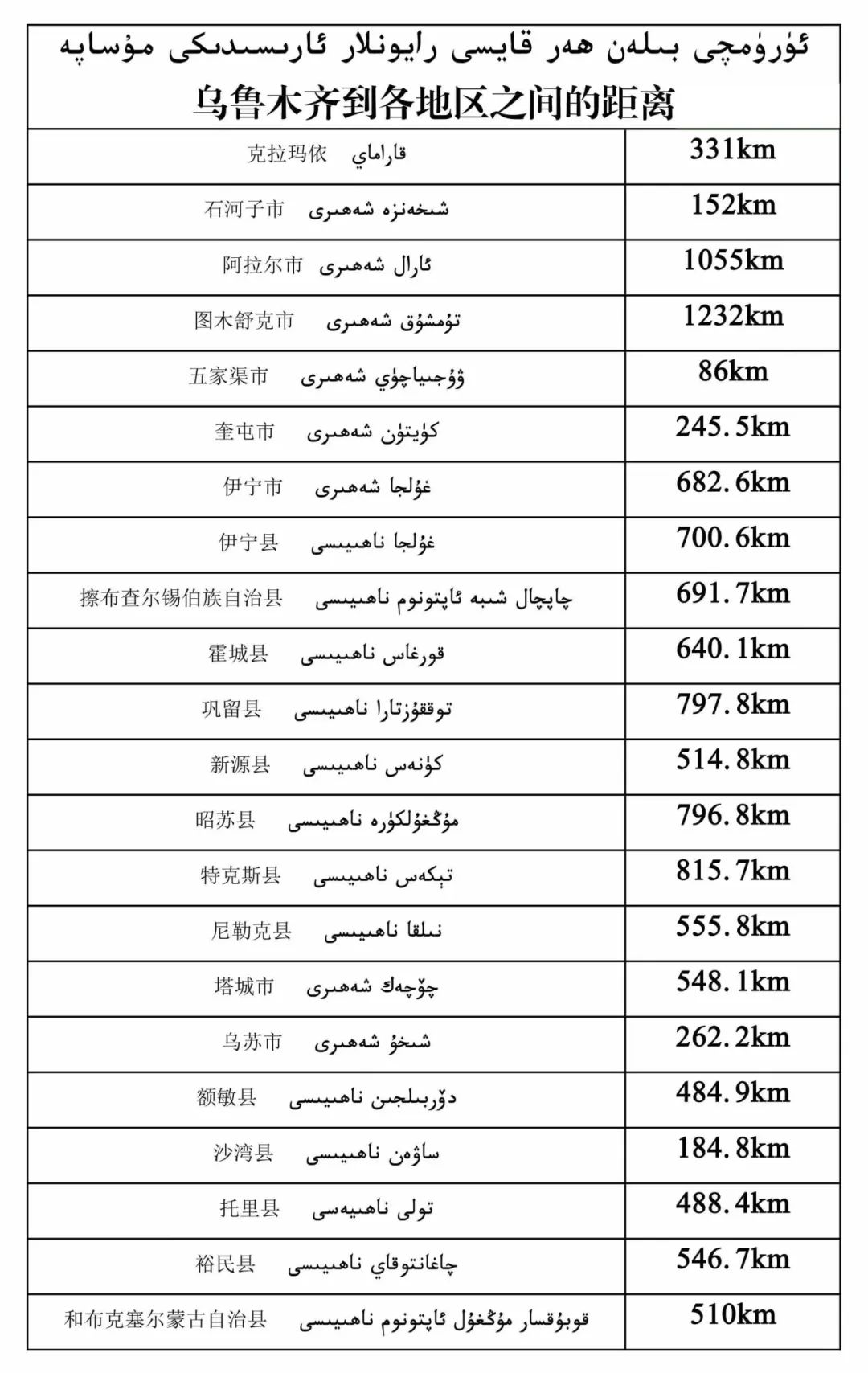
Core Viewpoint - The introduction of free shipping services to Xinjiang by major e-commerce platforms in 2024 is a significant development that benefits e-commerce platforms, merchants, and consumers alike. This change addresses long-standing logistical challenges faced by consumers in Xinjiang, making online shopping more accessible and affordable. Group 1: Logistics and Infrastructure - Xinjiang's vast area and sparse population have historically made it difficult for e-commerce to offer free shipping, with distances from Urumqi to other regions ranging from 37.9 km to 1775 km [1][7] - The logistics framework in Xinjiang is improving, with a new layout of logistics nodes centered around Urumqi and supported by various transportation corridors, enhancing the efficiency of deliveries [10][12] - The establishment of numerous logistics and e-commerce service centers has increased the coverage of delivery services, contributing to reduced logistics costs [10][12] Group 2: E-commerce Growth - The volume of express deliveries in Xinjiang has surged, with 3.05 billion packages delivered in 2023, marking an 88.1% increase year-on-year, and generating revenue of 6.204 billion yuan, a 77.89% increase [12] - E-commerce platforms are innovating their shipping methods, such as Pinduoduo's centralized shipping service, which significantly reduces shipping costs for consumers in Xinjiang [14][16] Group 3: Merchant Concerns - Despite the benefits of free shipping, some merchants express concerns about being forced into participation in shipping programs without their consent, which they feel undermines their autonomy [19][21] - Merchants are also worried about the potential for increased costs associated with returns and refunds due to the high shipping fees to Xinjiang, which could lead to financial losses [22][23] Group 4: Future Prospects - The launch of the "Xinjiang Free Shipping" channel on platforms like Taobao aims to provide a wide range of products to consumers in Xinjiang, enhancing their shopping experience [28] - The free shipping initiative is expected to stimulate demand for online shopping in Xinjiang, potentially leading to a reduction in logistics costs and improved market interaction between Xinjiang and other regions [32]

电商税新政全面实施!慧策旺店通最全解读与避险指南来了
Sou Hu Cai Jing· 2025-09-29 12:55
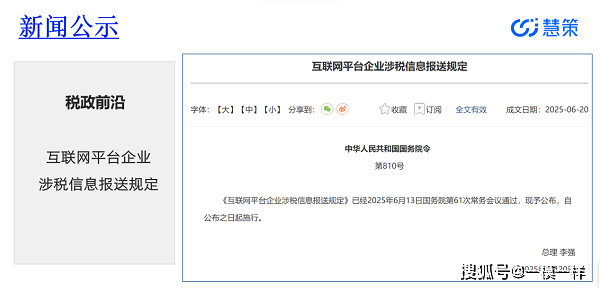
Core Points - The first round of e-commerce tax reporting will officially start in October 2025, with comprehensive support provided to merchants for compliance with new regulations [1][2] - The regulations require internet platform enterprises to report tax-related information to tax authorities, including identity and income information of platform operators and employees [3][5] - The implementation of the regulations will occur in phases, with key milestones including pilot programs and data interface establishment between tax authorities and platforms [8][10][11] Regulatory Content Summary - The regulations apply to internet platform enterprises such as Taobao, JD.com, and Pinduoduo, which must report tax-related information [3][4] - Reporting content includes identity information (e.g., names, tax identification numbers) and income information (e.g., total sales, service income) [5] - Initial reporting is required within 30 days of business commencement, with periodic reporting every quarter [5] Implementation Timeline - The preparation phase will run from December 2024 to May 2025, including the release of a draft for public consultation [9] - The data interface between tax authorities and platforms will be established by June 2025, with the first reporting phase occurring from July to October 2025 [10][11] Platform Responsibilities and Penalties - Platforms are responsible for verifying the authenticity and completeness of reported information, with penalties for non-compliance ranging from 20,000 to 500,000 yuan [12][13] - Platforms must ensure data security and may face severe penalties for failing to report or for fraudulent reporting [13] Risks for E-commerce Merchants - Key risks include data discrepancies between reported and self-declared income, inconsistent reporting standards, and insufficient data traceability [14][16] - Merchants must maintain comprehensive records to support their income declarations and mitigate potential tax liabilities [16] Solutions and Value Proposition - The company offers a solution that integrates data across the entire supply chain, automating tax-related information collection and ensuring accurate reporting [17][20] - The solution enables detailed tracking of orders and financial data, facilitating compliance with tax regulations and improving operational efficiency [17][20] Client Case Study - A leading beauty brand, Proya, utilized the company's solutions to manage multi-platform data, ensuring compliance with the new regulations while optimizing financial processes [48][50] Compliance Recommendations - Companies are advised to conduct self-assessments, unify reporting standards, maintain comprehensive records, and leverage digital tools to enhance compliance efficiency [51][54]
提前开打、促销方式做减法“双11”竞争逻辑生变
Bei Jing Shang Bao· 2025-09-29 07:25
Core Insights - The major e-commerce platforms have initiated their "Double 11" promotional activities earlier this year, with a notable shift towards simplified promotional methods, allowing consumers to purchase directly without waiting for pre-sale periods [1][4][5] - The competition among platforms is evolving from "traffic harvesting" to "value creation," reflecting a change in consumer behavior towards more rational purchasing decisions [1][4][5] Simplified Promotional Methods - JD.com has launched its "Double 11" campaign starting from October 9, with a total duration of 37 days, offering direct discounts without the need for bundling purchases [2][4] - Other platforms, such as Douyin, have also adopted similar strategies, with their promotional activities starting from October 9 and lasting until November 11, emphasizing direct price reductions [2][3] - Tmall's approach is more conservative, beginning its activities on October 15, but still incorporates simplified discount methods, indicating a consensus in the industry towards less complex promotions [3][4] Shift in Consumer Behavior - The trend of earlier start times and simplified promotions reflects a keen understanding of changing consumer behaviors, with a growing focus on product value and price-performance ratios [3][4] - Consumers are increasingly favoring straightforward shopping experiences, moving away from complicated promotional rules and pre-sale waiting periods [3][4] New Requirements for Merchants - The simplified promotional methods impose new demands on merchants, requiring them to manage costs effectively while providing competitive pricing [4] - The shift towards direct and transparent promotions signifies a transition in platform competition from short-term sales spikes to sustainable value creation [4][5] Industry Maturity - As "Double 11" enters its 17th year, the e-commerce promotional landscape is maturing, with competition shifting from price wars to a focus on user experience, service quality, and supply chain efficiency [5] - Platforms that fail to adapt to the trend of simplified promotions risk losing market share and consumer recognition [5]

抢跑“双11”:多平台定档10.9 消费节继续“减法革命”
2 1 Shi Ji Jing Ji Bao Dao· 2025-09-29 06:50
Core Insights - This year's "Double 11" shopping festival is starting earlier than in previous years, with JD.com launching sales on October 9, marking the earliest start in history [1][3][5] - The overall trend in the e-commerce sector is moving towards a "reduction revolution" in promotional strategies, simplifying the shopping experience for consumers [2][7][9] Group 1: Timeline Changes - JD.com is the first major platform to initiate "Double 11" sales right after the National Day holiday, a shift from the traditional November start [1][6] - The evolution of "Double 11" has seen its start date progressively move earlier, with significant changes noted since its inception in 2009 [5][6] - In 2024, both JD.com and Tmall will start their promotions on October 14, further pushing the timeline forward [5][6] Group 2: Promotional Strategy Simplification - The complexity of promotional rules has decreased, moving from intricate discount structures to simpler, more direct pricing strategies [7][9] - JD.com has introduced "official direct discounts" and "immediate sales," while Tmall and Douyin are adopting similar straightforward discount models [7][9] - The focus has shifted from maximizing transaction volume through complex rules to enhancing consumer experience and certainty in purchases [7][10] Group 3: Consumer Behavior and Market Dynamics - The early launch of "Double 11" aims to smooth out consumer demand over a longer period, reducing pressure on logistics and after-sales services [9][10] - E-commerce platforms are now competing not just on price but also on supply chain efficiency, user experience, and service quality [10] - Tmall has decided to reintroduce a pre-sale model for high-ticket items, reflecting different strategies based on consumer decision-making processes [8][10]
天猫品牌出海东南亚,为什么第一步是Lazada?
36氪· 2025-09-28 09:32
Core Viewpoint - Lazada is focusing on "branding" as its highest strategy, leveraging Alibaba's organizational benefits to integrate domestic and international operations, aiming to enhance brand presence in Southeast Asia [5][6][7]. Group 1: Strategic Direction - Lazada has been integrating local and international brands since its acquisition by Alibaba in 2018, introducing initiatives like LazMall and the "Double 11" shopping festival [5][6]. - The company aims to tap into the growing middle-class market in Southeast Asia, which currently has 150 million consumers, by positioning itself as a platform for quality and branded products [6][11]. - The integration with Tmall allows for a "system-level" connection, enabling merchants to mirror their Tmall stores on Lazada, thus facilitating cross-border business with lower costs [6][14][15]. Group 2: Market Opportunities - The demand for quality products among Southeast Asian consumers is rising, with Lazada identifying "quality users" as a key demographic [6][11]. - Short-tail categories, such as consumer electronics and beauty products, are seen as having significant opportunities for growth due to local supply gaps [20][21]. - Brands that focus on emotional value, like Pop Mart, are gaining traction, and Lazada is actively engaging in marketing strategies to connect these brands with local consumers [22][23]. Group 3: Operational Enhancements - Lazada offers various operational models to assist brands in entering the Southeast Asian market, including a "one-click light export" option for Tmall merchants [24]. - The platform emphasizes the importance of local insights and intelligent full-chain support to help brands navigate the complexities of local operations [17][25]. - The company is committed to evolving its approach to ensure that brands not only enter the market but also adapt their products to meet local consumer needs [25].

好评如潮,共创共赢——DCF智能商城的创新实践
Jin Tou Wang· 2025-09-28 08:05
Core Insights - The DCF Smart Mall emphasizes "truth" as the lifeblood of the platform and "innovation" as its growth driver, aiming for a growth curve that is scalable and measurable based on a foundation of compliance and trust. Group 1: Traceability and Trust - The platform ensures traceability of products, particularly agricultural specialties, by integrating a traceable code system that allows consumers to access key information from production to logistics [3] - Merchants must undergo qualification reviews, quality commitments, and delivery capability assessments to ensure trustworthiness, with a health score based on negative feedback and repurchase rates [4] - The platform provides verifiable services, including 24/7 customer support and clear timelines for after-sales compensation, with shared responsibility between the platform and merchants [5] Group 2: Technology as a Service - The platform utilizes intelligent product selection and recommendations based on historical sales, price elasticity, local supply and demand, and seasonal factors, offering personalized suggestions to users [6] - An AI content factory generates compliant short video templates, live scripts, and product detail pages, employing A/B testing to create a content growth loop [7] - Inventory strategies involve a three-tier system of stores, front warehouses, and central warehouses, ensuring timely delivery of hot-selling and perishable items [8] Group 3: Industry Methodology - The platform collaborates with local associations to establish product standards, enhancing the quality and consistency of offerings [9] - It promotes regional public brands alongside corporate sub-brands, leveraging festive marketing and geographical narratives to drive sales [9] - The platform integrates online and offline channels, creating a rhythm of regular new product launches and themed promotions [9] Group 4: Value Creation for Stakeholders - Consumers benefit from a seamless purchasing experience characterized by quality assurance, timely delivery, and after-sales support, alongside engaging content and interaction [10] - Merchants experience low customer acquisition costs, high repurchase rates, and stable cash flow, with real-time insights transforming their operations from experience-based to data-driven [11] - The platform generates revenue primarily through technology and service fees, supplemented by brand services and value-added tools, creating a diversified and stable cash flow [12] Group 5: Risk Management and Reputation - The platform implements daily and weekly reviews of order anomalies, feedback, and logistics issues to maintain operational integrity [13] - A triad of merchant health, product quality, and logistics stability metrics triggers assessments and corrective actions, with severe violations leading to strict penalties [14] - Transparency is prioritized through the publication of monthly and quarterly governance reports, disclosing key governance metrics and improvement progress for social oversight [15] Group 6: Growth Trajectory and Three-Year Plan - The platform has established a closed loop of "industry belt - warehouse network - stores" across multiple provinces, with key products ranking among the top in their categories [16] - The three-year goals include achieving full coverage of core agricultural areas, opening ecological interfaces to share technology and operational capabilities, and initiating cross-border pilot projects to explore market expansion [16] - The company aims to leverage technology to fulfill commitments, solidify trust through compliance, and amplify value through ecosystem collaboration, striving for a fairer, more efficient, and sustainable future in distribution [16]
天猫品牌出海东南亚,为什么第一步是Lazada?
3 6 Ke· 2025-09-28 07:53
Core Viewpoint - Lazada is focusing on "branding" as its highest strategy to compete in the Southeast Asian e-commerce market, leveraging organizational synergies from Alibaba's e-commerce group to enhance both domestic and international operations [1][2]. Group 1: Strategic Direction - Lazada's strategy is to integrate with Tmall, allowing merchants to mirror their Tmall stores on Lazada, thus facilitating low-cost cross-border operations while maintaining domestic sales [3][8]. - The company aims to tap into the growing middle-class market in Southeast Asia, which currently has 150 million consumers, by targeting "quality users" who seek branded products [2][6]. Group 2: Brand Integration and Market Position - The integration with Tmall allows for streamlined inventory management, marketing, and pricing, enhancing Lazada's ability to offer competitive pricing and brand recognition to Southeast Asian consumers [3][8]. - Lazada is positioned as the highest in average order value and brand penetration among Southeast Asian e-commerce platforms, indicating a strong market presence [6]. Group 3: Product Strategy and Market Opportunities - Short-tail product categories, such as consumer electronics and beauty products, are prioritized for initial market entry due to their standardization and scalability [15]. - The company recognizes specific local consumer needs, such as the demand for high-quality outdoor products and beauty items tailored to Southeast Asian climates, as significant market opportunities [14][18]. Group 4: Brand Collaboration and Consumer Engagement - Lazada collaborates with brands like Pop Mart to enhance consumer engagement through events that connect products with emotional value, thereby strengthening brand loyalty [16]. - The platform aims to provide localized marketing support to help brands establish emotional connections with consumers in the region [16][17].
“双11”前与天猫完成系统打通 Lazada能否撬开东南亚电商市场新局面?
Mei Ri Jing Ji Xin Wen· 2025-09-26 12:44
Core Viewpoint - Lazada has upgraded its brand strategy by integrating with Tmall, allowing Tmall brands to easily enter five Southeast Asian markets, enhancing its competitive position in the region [1][5][6]. Group 1: Strategic Integration - Lazada has launched the "One-Click Easy Overseas" project, enabling Tmall brands to access markets in Malaysia, Singapore, Thailand, Vietnam, and the Philippines without significant barriers [1][2]. - The integration allows Tmall merchants to mirror their stores on Lazada, with synchronized product listings, inventory, and marketing efforts [1][2][4]. - This strategic move is part of Lazada's ongoing brand strategy upgrade, focusing on quality user experience and service [4][5]. Group 2: Market Context - Southeast Asia's e-commerce market is growing, with a projected GMV of $128.4 billion in 2024, reflecting a 12% year-on-year increase [6][7]. - Lazada faces significant competition, particularly from Shopee, which holds a 51% GMV share in Thailand compared to Lazada's 25% [7]. - The region's e-commerce penetration remains low, indicating potential for growth, especially as consumer demand for branded products increases [5][6]. Group 3: Brand Strategy and Trends - The shift towards brand-focused strategies is becoming essential in Southeast Asia, as low-price strategies are losing effectiveness [8]. - The introduction of a VAT on low-priced imports in Thailand signals a move towards fair competition, further emphasizing the need for brands to establish trust and quality [8]. - Industry experts suggest that brand globalization aligns with current trade policies, making it a viable path for Chinese companies [8][9].