
农业种植

Search documents
新疆要崛起了!绿电狂飙65.7%,未来或将决定中国能源自主命运!
Sou Hu Cai Jing· 2025-09-29 09:17
Core Insights - The evolution from self-sufficient economies to commodity-based economies varies significantly among nations, influenced by their historical approaches to resource acquisition and economic organization [1][4]. Group 1: Historical Economic Models - Traditional China exemplified an agrarian civilization focused on self-sufficiency, with local governance by gentry and minimal state intervention [4][9]. - In contrast, modern Europe expanded through colonialism, prioritizing profit and resource extraction, leading to a profit-driven production model [4][5]. Group 2: Impact of Division of Labor - The initial division of labor, based on gender and age, evolved into specialized roles in agriculture and craftsmanship, facilitating trade and the development of a comprehensive social division of labor [2][5]. - The Roman model of large estate farming contrasted with China's "屯田" (tuntian) system, which emphasized sustainable agricultural practices and long-term territorial stability [5][7]. Group 3: Modern Development in Xinjiang - Xinjiang is implementing a unique development strategy starting from agriculture, overcoming challenges like water scarcity through ecological engineering, resulting in significant environmental recovery and agricultural productivity [10][13]. - The region's agricultural output is projected to reach 46.6 billion jin in 2024, with a notable increase in specialty crops and a burgeoning renewable energy sector, particularly in solar power [10][13]. - Xinjiang's approach combines ancient agricultural traditions with modern innovations, aiming for sustainable development without reliance on resource exploitation [10][13].


五七空战后遗症?印度泄洪害惨巴铁,中国派出两架运-20紧急支援
Sou Hu Cai Jing· 2025-09-29 06:30
Core Points - The article highlights China's humanitarian assistance to Pakistan in response to severe flooding, showcasing China's role as a responsible global power [1][3][4] - The flooding in Pakistan has resulted in significant humanitarian crises, with over 15.4 million people affected and more than 900 fatalities reported [3][4] - The article discusses the complex causes of the flooding, including abnormal monsoon activity, glacial melting, and inadequate cross-border water management with India [4] Group 1: Humanitarian Assistance - Two Chinese Air Force Y-20 transport aircraft delivered emergency relief supplies, including tents and blankets, to Pakistan [1] - This is not the first time the Y-20 has participated in international humanitarian missions, having previously assisted countries like Thailand, Sri Lanka, and Tonga [3] Group 2: Impact of Flooding - The flooding has affected an area of 160,000 square kilometers, equivalent to the size of Shandong Province, and has destroyed approximately 900,000 homes [3][4] - Agricultural losses are severe, with over 220,000 hectares of rice crops affected, leading to significant economic impacts for farmers [3][4] Group 3: Underlying Causes - Meteorological experts attribute the flooding to an unusually active monsoon season, prolonged heavy rainfall, and glacial melt [4] - The article notes that India's water management practices, particularly during the flooding, exacerbated the situation by failing to adequately share information with Pakistan [4]

美国豆农的血泪教训:天量大豆烂在地里,背后真相更残酷!
Sou Hu Cai Jing· 2025-09-29 03:26
Core Insights - The article highlights the severe crisis faced by U.S. soybean farmers due to a significant drop in demand from China, which has shifted its imports to Brazil, leading to a drastic decline in soybean prices and increased production costs [1][4][7]. Group 1: Market Dynamics - Since May, China has not purchased any U.S. soybeans, while it imported 66 million tons from Brazil from January to August, marking a significant shift in sourcing [1]. - Soybean prices have plummeted by 23% compared to the same period last year, while production costs have risen by 15% due to tariffs, resulting in substantial losses for farmers [4]. Group 2: Agricultural Competitiveness - The decline in U.S. agricultural competitiveness is attributed to factors such as aging soil and inadequate market diversification strategies among U.S. farmers [7]. - Brazilian soybeans are favored for their lower prices and higher protein content, benefiting from younger, more fertile soil and better climate conditions compared to U.S. farmland [7]. Group 3: Strategic Agricultural Practices - China has been focusing on improving soil health and agricultural quality through initiatives like soil testing and fertilization strategies, which are seen as crucial for enhancing agricultural competitiveness [9][11]. - The shift towards data-driven agricultural practices is reshaping the competitive landscape, emphasizing the importance of soil health and scientific approaches to farming [11]. Group 4: Future Outlook - The future of agriculture is expected to focus on quality and technology rather than just price, with producers who prioritize soil health and scientific farming practices gaining market power [11]. - The article suggests that the agricultural market will increasingly favor participants who respect scientific methods, value data, and prepare for future challenges [11].

山西吉县苹果“保险+期货”县域覆盖项目启动
Qi Huo Ri Bao Wang· 2025-09-28 16:16
Core Viewpoint - The launch of the "Insurance + Futures" project for apples in Jixian County, Shanxi Province, represents a significant integration of financial tools with the local agricultural industry, aiming to enhance the quality development of the apple industry and support rural revitalization [1][2]. Policy Support and Industry Foundation - Shanxi Province prioritizes the establishment of a risk protection system for specialty agricultural products as a key strategy for rural revitalization, transitioning agricultural insurance from "cost protection" to "price protection" and "income protection" [2]. - The provincial government provides premium subsidies for eligible projects, creating a funding model that involves provincial guidance, county-level support, and market operations [2]. Insurance Company Initiatives - Pacific Insurance has developed targeted insurance plans based on the growth cycle of apples and market trends, offering compensation if the average futures closing price falls below a predetermined target price during the harvest season [3]. - The insurance premium is supported by provincial, municipal, and county finances, covering 80% of the cost, significantly reducing the financial burden on farmers [3]. Futures Market Engagement - Galaxy Futures, in collaboration with other futures companies, has established a specialized team to connect the futures market with local farmers, conducting extensive research in over 20 orchards [4]. - The project is expected to provide risk protection for 29,300 acres of orchards and over 2,000 farmers, amounting to 385 million yuan in risk coverage [4]. Innovative Risk Management - The project employs a "risk transfer + touchpoint lock-in" model, where insurance products are developed to protect farmers' income while allowing insurance companies to manage risks through futures and options [5]. - Training sessions have been conducted to help farmers understand the insurance model, making it more accessible and relatable [5]. Agricultural Impact - Jixian County, known as "China's Apple Town," has an apple planting area of 300,000 acres and an annual output of 250,000 tons, with a market value exceeding 1.5 billion yuan [7]. - The volatility in apple prices, influenced by market supply and demand, has historically posed challenges for farmers, but the new insurance model provides a safety net, encouraging investment in production [7]. Compliance and Sustainability - The Zhengzhou Commodity Exchange emphasizes the importance of compliance, transparency, and sustainability in the project, ensuring that farmers' participation and data are reliable [8]. - The exchange has supported 250 "Insurance + Futures" projects over the past decade, with a total premium support of 810 million yuan [8]. Conclusion - The collaborative efforts among government, insurance companies, futures markets, and farmers are transforming the apple industry in Jixian County, enhancing financial security and contributing to rural revitalization [9].
新疆拌面为啥“权威”?
Jin Rong Shi Bao· 2025-09-28 11:26
Core Insights - The article emphasizes the significance of "banmian" (mixed noodles) in Xinjiang cuisine, highlighting its status as a staple food for locals, contrasting with the more commonly recognized dishes like lamb skewers and big plate chicken [2][5] - The quality of local ingredients, particularly the wheat from the region, is crucial for the success of banmian, showcasing the unique agricultural practices in Xinjiang [2][3] Group 1: Local Cuisine and Ingredients - Banmian is considered a daily fast food for locals, characterized by its chewy noodles that are rich in meat and vegetable flavors [2] - The success of banmian relies heavily on local ingredients, including high-quality meat, vegetables, and especially wheat, which is essential for the noodle's texture [2][3] - The region of Qitai County in Xinjiang is noted for its unique agricultural system that combines animal husbandry and dry farming, contributing to the distinct taste of local flour [2] Group 2: Agricultural Development and Financial Support - The "Yaozhanzai" brand from Yaozhanzai Village is recognized for its high-quality wheat and has developed a range of organic products, gaining certifications from China, the EU, the US, and Japan [3][4] - Financial institutions are actively supporting the agricultural sector in Xinjiang, providing loans and services to enhance the wheat production and processing industry [4] - The integration of financial support throughout the wheat industry chain, from cultivation to processing, is crucial for ensuring the stability and quality of wheat production [4][5]
山西省吉县苹果“保险+期货”县域覆盖项目启动
Zheng Quan Ri Bao Wang· 2025-09-28 11:02
Core Viewpoint - The launch of the "Insurance + Futures" project for apples in Jixian County, Shanxi Province, signifies a deep integration of financial tools with the local agricultural industry, aiming to enhance the high-quality development of the apple sector and support rural revitalization [1] Group 1: Policy Support and Financial Mechanism - Shanxi Province prioritizes the establishment of a risk protection system for specialty agricultural products as a key strategy for rural revitalization, with a focus on transitioning agricultural insurance from "cost protection" to "price protection" and "income protection" [2] - The provincial government provides premium subsidies for eligible projects, requiring local fiscal support to create a funding model that combines provincial guidance with local implementation [2] - The financial support aims to leverage market mechanisms to attract more financial resources, ensuring farmers have reliable safety nets against market fluctuations [2] Group 2: Insurance Product Design and Implementation - Pacific Insurance has developed a targeted insurance plan based on the growth cycle of Jixian apples and market trends, linking compensation to the average closing price of apple futures during the harvest season [3] - The insurance plan includes a "touch protection + excess subsidy" model, allowing farmers to choose coverage based on their needs, with 80% of the premium supported by government and market entities, significantly reducing farmers' financial burden [3] - An online insurance platform, "E Agricultural Insurance," has been established to streamline the process for farmers, enabling them to manage insurance transactions conveniently [3] Group 3: Futures Market Engagement - Galaxy Futures, in collaboration with other futures companies, plays a crucial role in connecting the futures market with local farmers, having conducted extensive field research to understand farmers' concerns [4] - The project is the only "Insurance + Futures" initiative supported by the Zhengzhou Commodity Exchange in Shanxi, expected to provide risk coverage for 46,900 tons of apples across 29,300 acres and 2,000 farmers, amounting to 385 million yuan in risk protection [4] Group 4: Training and Awareness - To ensure farmers understand the new insurance model, Galaxy Futures and Pacific Insurance have conducted multiple training sessions, using straightforward examples to explain the benefits of the "Insurance + Futures" approach [5] - The Zhengzhou Commodity Exchange emphasizes the importance of transparency and sustainability in the project, requiring accurate data reporting and risk management practices [6] Group 5: Future Outlook - The Zhengzhou Commodity Exchange aims to summarize and promote the successful experiences from the Jixian project, with a goal of replicating this model in other regions [6] - The project marks the tenth year of the "Insurance + Futures" initiative by the Zhengzhou Commodity Exchange, which has supported 250 projects and provided 810 million yuan in premiums across 16 provinces [6]
合规建设激发三秦企业发展动能
Zhong Guo Jing Ji Wang· 2025-09-27 07:49
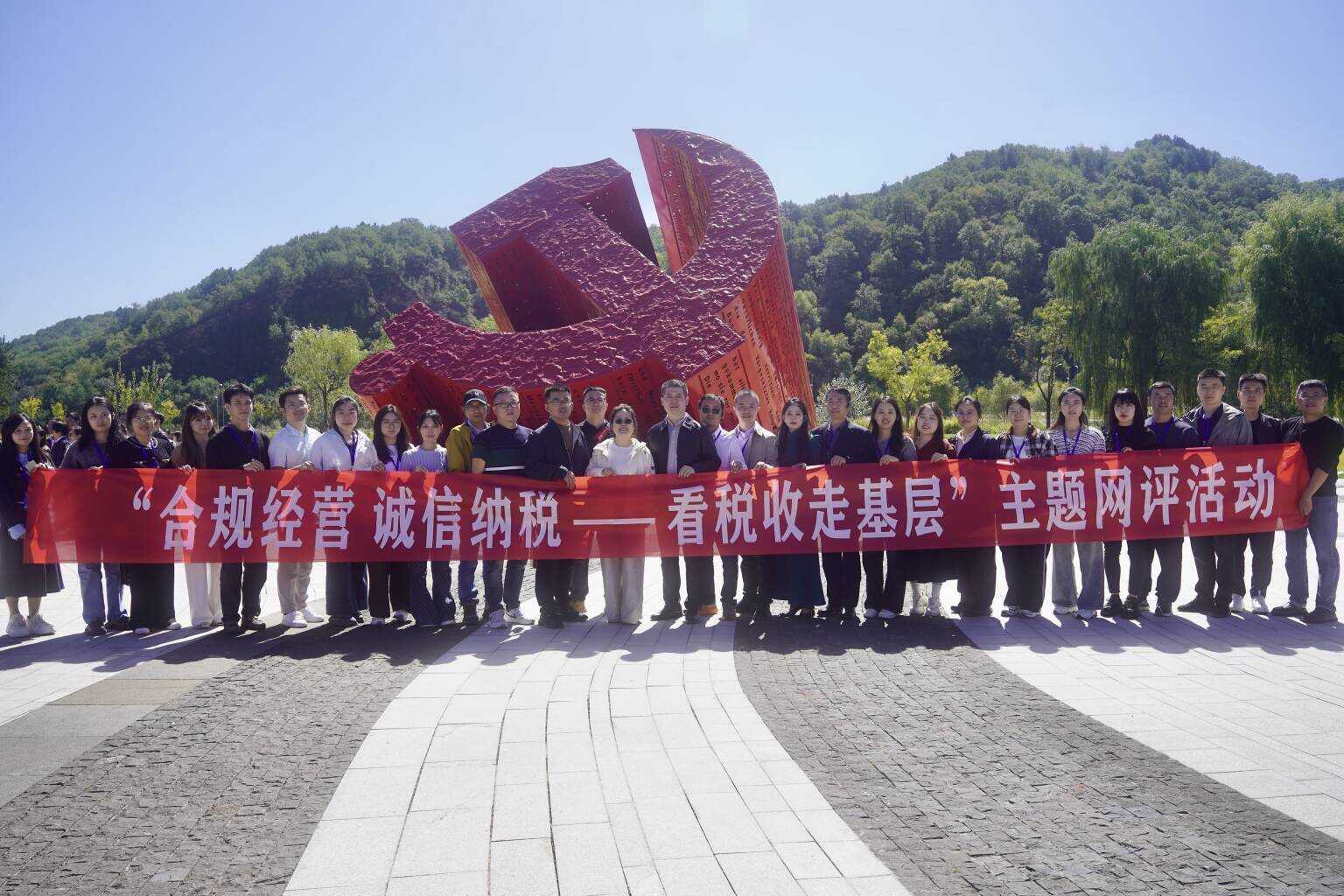
Core Insights - The event "Compliance Operation and Honest Taxation" highlighted the importance of tax compliance in driving high-quality development for enterprises in Shaanxi province [1][3][11] Group 1: Compliance as a Foundation - Enterprises across various industries view tax compliance as a core aspect of their management, implementing digital contract management platforms and internal tax management manuals to establish comprehensive risk control mechanisms [3] - Companies are shifting from reactive measures to proactive prevention by adopting tiered review systems and regular "tax health checks" [3] Group 2: Credit as a Key Asset - High tax credit ratings provide significant advantages for enterprises in supply chain cooperation, government procurement, and international market expansion, with notable examples including successful participation in the "Belt and Road" logistics projects [5] - In the first eight months of the year, 199,500 enterprises in Shaanxi secured over 150 billion yuan in bank loans based on their tax credit, reflecting a 6.5% year-on-year increase [5] Group 3: Collaboration for a Healthy Tax Ecosystem - The concept of "collaboration" emerged as a recurring theme, with enterprises actively engaging in policy interpretation and risk warning alongside tax authorities [7] - Innovative tax service features such as "smart tax guidance" and "quick processing" enhance compliance efficiency and foster a fair tax environment [7] Group 4: Internalizing Compliance - The historical context of tax collection in the Shaanxi region emphasizes the principle of serving the public, with a focus on embedding compliance and integrity into corporate culture [9][11] - The transformation of "compliance operation" from an external requirement to an internalized corporate action reflects a growing recognition of "honest taxation" as an intangible asset in market competition [11]
中国最大的省,又升级了
虎嗅APP· 2025-09-26 14:56
Core Viewpoint - Xinjiang, as China's largest province by land area, is being positioned as a crucial hub for the Silk Road Economic Belt, enhancing its role in domestic and international dual circulation [5][30]. Economic Growth - Xinjiang's GDP has surged from 900 billion to over 2 trillion, with an average annual growth rate of 7% over the past decade, placing it in the first tier of economic growth [9][11]. - The province's foreign trade has seen significant growth, with imports and exports reaching 356.3 billion yuan from January to August this year, a year-on-year increase of 25.4%, surpassing provinces like Hunan and Shaanxi [13][15]. Key Economic Drivers - The three main factors driving Xinjiang's economic rise are: 1. **Foreign Trade**: Benefiting from geopolitical shifts, Xinjiang has become a major player in foreign trade, with a notable increase in trade volume over the past three years [12][15]. 2. **Energy Resources**: Xinjiang is a key area for energy production, leading the nation in oil and gas output, and ranking high in coal and renewable energy installations [17][18]. 3. **Agricultural Development**: The province has transformed into a significant agricultural hub, with a projected grain output of 46.6 billion jin in 2024, ranking 13th nationally, and achieving the highest grain yield per mu [20]. Strategic Positioning - Xinjiang is being redefined as a strategic point for national security and economic development, with five strategic roles outlined in the new planning: a gateway for Eurasian trade, a strategic support point for new development patterns, a national energy resource base, a key supplier of high-quality agricultural products, and a strategic security barrier [30][31]. Infrastructure Development - Major infrastructure projects are underway, including the new Tibet-Xinjiang railway and the Duku Highway, which will enhance connectivity and economic integration [32][38]. - Xinjiang is also expanding its airport network, with plans for 33 new civil airports, significantly increasing its transportation capacity [39][42].

中国银行山东省分行:金融活水润沃土,守护乡村好“丰”景
Qi Lu Wan Bao· 2025-09-26 09:05
Core Viewpoint - The Shandong Branch of Bank of China has significantly increased its agricultural loan support, contributing to rural revitalization and food security in Shandong Province, with a focus on innovative financial products tailored for local agricultural needs [1][3][5]. Agricultural Loan Support - As of the end of August, the agricultural loan balance of Shandong Branch exceeded 170 billion yuan, with an increase of over 23 billion yuan in the current year [1]. - The bank has provided nearly 10 billion yuan in loans specifically for key agricultural sectors, with an increase of over 1.8 billion yuan since the beginning of the year [3]. Financial Services for Key Industries - The bank actively supports leading enterprises in key sectors such as grain, soybeans, and oil, providing comprehensive financial services across the entire industry chain [3]. - The introduction of the "Rudang Huinong Loan" has provided timely financial support to agricultural enterprises facing short-term liquidity issues, exemplified by a 2 million yuan credit to Shandong Shunfeng Agricultural Development Co., Ltd [4]. Innovative Financial Products - Shandong Branch has developed and promoted various financial products tailored to local agricultural characteristics, such as "Zhaoyuan Peanut Loan" and "Anqiu Ginger Loan," achieving significant results with a total of nearly 26 billion yuan in inclusive agricultural loans [6][10]. - The "Anqiu Ginger Loan" has been particularly successful, providing over 36 million yuan in credit to nearly 30 ginger industry clients within four months of its launch [8]. Customer-Centric Approach - The bank has demonstrated a proactive approach in understanding and addressing the financial needs of local agricultural businesses, as seen in the case of a ginger processing company that received 3 million yuan in loans to meet increased demand [7][11]. - The bank's efforts in providing timely financial solutions have helped local farmers improve their production conditions and product quality, contributing to the overall agricultural development in the region [11].

新赛股份董事、总经理陈建江因工作调整辞职
Xin Lang Cai Jing· 2025-09-26 08:26
Core Viewpoint - The resignation of Chen Jianjiang, the general manager of Xinjiang Sailimu Modern Agriculture Co., Ltd. (Xin Sai Co.), is a significant leadership change that will not affect the normal operation of the board or the company's development [1] Group 1 - Chen Jianjiang submitted his resignation due to work adjustments and will no longer hold any positions within the company or its subsidiaries [1] - His resignation is effective immediately upon submission and he did not hold any shares in the company [1] - The company expressed gratitude for his contributions and plans to complete the board member election and general manager appointment promptly [1]
