
生物制造

Search documents
上海,重磅发布!
证券时报· 2025-10-11 04:50
Core Viewpoint - Shanghai aims to accelerate the cultivation of future industries and breakthrough disruptive technologies by 2027, with a goal of establishing around 20 leading enterprises in future industry ecosystems by 2030 [1][3]. Summary by Relevant Sections Future Industry Development - Shanghai will focus on developing fields such as cell and gene therapy, brain-machine interfaces, biomanufacturing, and embodied intelligence, while also accelerating the cultivation of fourth-generation semiconductors, silicon photonics, 6G, and brain-like intelligence [3][7]. - The city plans to systematically layout and build future industry clusters, with a focus on six major directions: future manufacturing, future information, future materials, future energy, future space, and future health [7]. Measures and Support - The "Several Measures" document outlines 15 initiatives across six areas to enhance future industry cultivation, including financial support for innovative products and scene construction tasks, with funding up to 30% of contract amounts and a maximum of 2 million yuan [7][9]. - Shanghai has already launched several cultivation plans in areas like brain-machine interfaces and quantum computing, establishing high-quality incubators and a future industry fund with a total scale of approximately 15 billion yuan [9][14]. Investment and Financial Ecosystem - The future industry fund aims to create a multi-source investment system led by government funding, supported by enterprises and financial institutions, with a focus on early-stage quality projects and long-term value [14][15]. - As of October 10, 2023, the future industry fund has made investment decisions on 18 strategic sub-funds, with a proposed investment amount of 2.215 billion yuan, and has focused on nine key strategic projects with an investment of 399 million yuan [15]. Cluster Development - Shanghai is planning to create national-level future industry pilot zones and has initiated the construction of several future industry clusters in areas like Pudong and Minhang, with support of up to 2 million yuan for qualifying cluster construction entities [11][12]. - The brain-machine interface future industry cluster is being developed to become a global innovation hub, focusing on clinical trials and incubation of disruptive technologies [12].

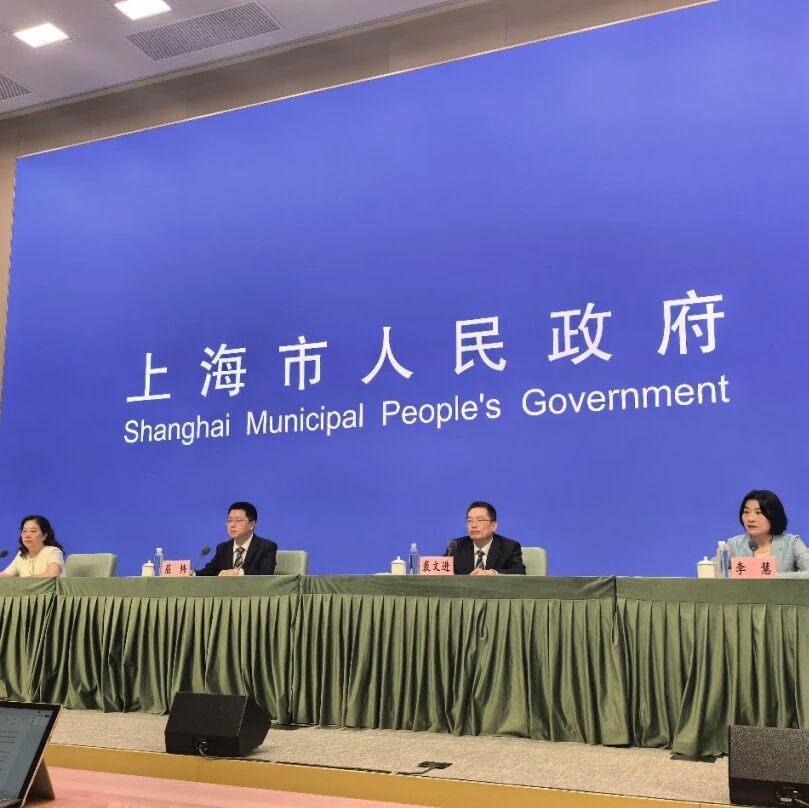
利好来了,上海重磅发布
Zheng Quan Shi Bao· 2025-10-11 04:32
Core Insights - Shanghai Municipal Government has issued measures to accelerate the innovation of frontier technologies and the cultivation of future industries, focusing on areas such as brain-machine interfaces, embodied intelligence, and fourth-generation semiconductors [1][2][3] Group 1: Future Industry Development - The measures emphasize the development of future manufacturing, information, materials, energy, space, and health sectors, aiming to rationally plan and cultivate future industries based on industrial foundations and resource endowments [2][3] - Key areas for support include cell and gene therapy, brain-machine interfaces, biological manufacturing, and embodied intelligence, with a focus on reducing costs, improving accessibility, and building industrial ecosystems [2][4] Group 2: Technological Innovation and Research - The initiative aims to accelerate the cultivation of fourth-generation semiconductors, silicon-based optoelectronics, sixth-generation mobile communications, and brain-like intelligence, emphasizing product design optimization and market value verification [2][3] - There is a focus on quantum technology, controllable nuclear fusion, and regenerative medicine, with support for tackling technical challenges and validating the feasibility of product development [2][3] Group 3: Financial Support and Investment - The measures propose a multi-level financial support system, leveraging government funding to guide enterprise investment and support from financial institutions [6] - Future industry funds will play a guiding role, utilizing a "direct investment + sub-fund investment" model to create an investment incubation ecosystem for disruptive technology innovation [6] Group 4: Ecosystem and Enterprise Support - The initiative supports the cultivation of leading technology enterprises that focus on future industries, providing special support for those with significant innovation input and industry influence [4] - A gradient cultivation system for innovative enterprises will be established, supporting small and medium-sized technology enterprises and high-growth technology companies [4] Group 5: Application and Demonstration - The measures encourage the development of experimental verification scenarios and demonstration applications to drive future technology iterations and product maturity [5] - Government procurement policies will support the large-scale application of innovative products, with financial backing for eligible projects [5]
首创!我国科学家实现海水中二氧化碳变生物塑料,可拓展多种生物制造产品
合成生物学与绿色生物制造· 2025-10-10 07:41
Core Viewpoint - The article discusses the development of an "artificial ocean carbon cycling system" that integrates electrocatalysis and biocatalysis to capture CO₂ from seawater and convert it into valuable chemical products, addressing both climate change and the need for sustainable materials [2][4][5]. Group 1: Research and Development - The research team from Shenzhen Advanced Institute of Technology and University of Electronic Science and Technology has developed a system that captures CO₂ from seawater and converts it into intermediates for biomanufacturing [2][4]. - The system aims to provide a new pathway for utilizing ocean carbon sinks, contributing to the national "dual carbon" goals and the development of a green low-carbon materials industry [4][5]. Group 2: Technical Innovations - The "artificial ocean carbon cycling system" creates a complete chain from "seawater CO₂ capture" to "material and molecular output," utilizing a collaborative approach of electrocatalysis and synthetic biology [5]. - A new electrolysis device was designed to operate continuously in natural seawater for over 500 hours, achieving a CO₂ capture efficiency of over 70% at a cost of approximately $229.9 per ton [8]. Group 3: Biochemical Processes - The research includes the development of a "supercell" that efficiently utilizes formic acid, derived from captured CO₂, to produce biodegradable plastic monomers [10]. - The engineered bacteria can convert formic acid into succinic acid and lactic acid, which are core monomers for biodegradable plastics [10]. Group 4: Industrial Applications - The research team has successfully synthesized fully biodegradable PBS and PLA from the produced monomers, demonstrating the potential for industrial applications [11]. - Future plans include establishing integrated "green factories" along coastal areas to continuously capture CO₂ and convert it into green plastic materials, contributing to a sustainable production model [11].
长盛基金杨衡:结构性行情关注“守”与“攻”两大主线
Zhong Zheng Wang· 2025-10-09 13:29
Core Viewpoint - The future A-share market is expected to experience a systematic and steady upward trend characterized by oscillation and structural differentiation rather than a rapid and comprehensive surge [1] Market Outlook - The market is likely to face pressure from previous trapped positions at key points, leading to normal and healthy fluctuations and corrections [1] - Each quality correction is seen as a consolidation of the bottom, accumulating energy for the next phase of growth [1] Investment Strategy - Stock selection will be more important than market timing, with future opportunities becoming highly differentiated rather than a broad market rally [1] - Funds are expected to continue flowing towards assets that align with national strategies, trends of the times, and high-quality development requirements [1] Key Investment Themes - Two main themes to focus on: - Defensive: High dividend and "China Special Valuation" assets serve as market stabilizers, providing stable cash flow returns suitable for conservative allocation [1] - Offensive: Technology growth sectors represented by AI and new productive forces are seen as the hope for China's economic transformation and future growth, particularly in segments with technological breakthroughs and realizable applications [1]
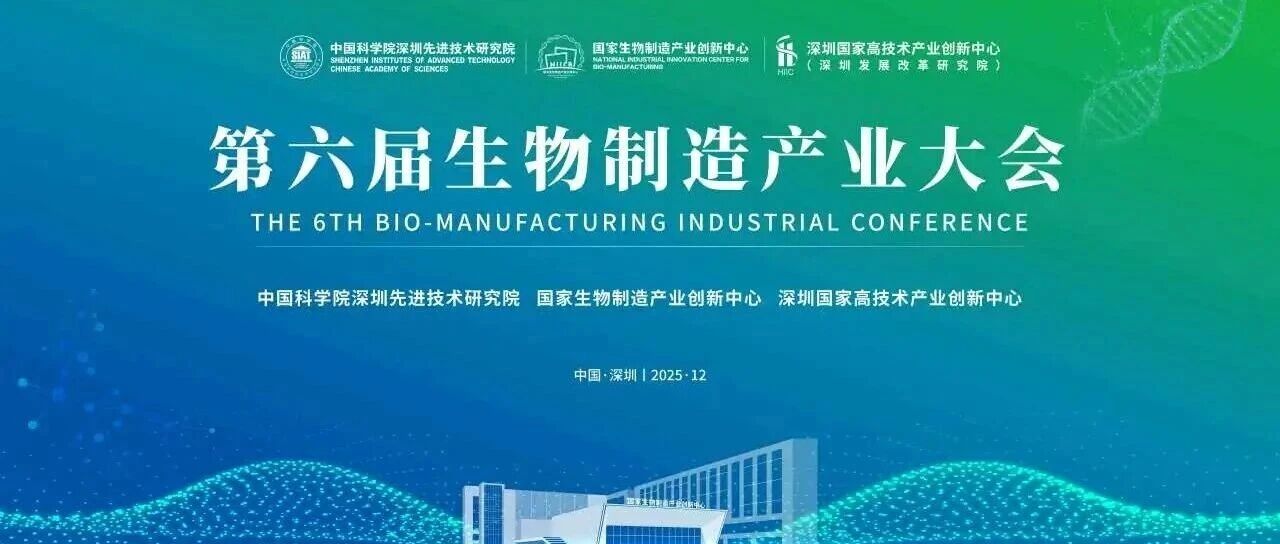
超“月”想象 · 六聚鹏城丨第六届生物制造产业大会将于12月2日重磅启幕
合成生物学与绿色生物制造· 2025-10-09 07:47
Core Viewpoint - The Sixth Biomanufacturing Industry Conference aims to promote synthetic biology and biomanufacturing, enhancing industry innovation and collaboration to support high-quality development in the sector [2][4]. Group 1: Conference Overview - The conference will take place on December 2, 2025, at the Shenzhen Guangming Cultural and Art Center [2]. - It is organized by several key institutions, including the Chinese Society of Biotechnology and the Shenzhen Municipal Government, to foster a robust ecosystem for biomanufacturing [4]. Group 2: Policy and Development - The conference will release the "Regulations on Promoting Innovation and Development of the Synthetic Biology Industry," providing strategic guidance for industry growth and collaboration among academia, research, and capital [4]. - New policies will clarify support paths for industry cultivation, creating a stable environment for development [4]. Group 3: Key Achievements - A series of significant platforms will be unveiled at the conference, including the Future Food Cooperation Center and the Shenzhen Synthetic Biology Industry Base, marking a new phase in the biomanufacturing infrastructure [5][6]. - The "China Biomanufacturing Industry White Paper" and the National Biomanufacturing Insight System will also be launched, enhancing service platform systems [6]. Group 4: Innovation and Collaboration - The conference will feature the first batch of enterprises entering the National Biomanufacturing Innovation Center and showcase the "Top 10 New Products of 2025," promoting collaboration among industry, academia, and research [7]. - A special session on "Biomanufacturing + Artificial Intelligence" will be introduced to align with national initiatives, fostering new productive forces in the industry [8]. Group 5: Agenda Highlights - The agenda includes a series of high-profile events such as policy releases, major platform unveilings, and strategic dialogues, aimed at enhancing the conference's authority and visibility [10][11]. - Evening sessions will feature project roadshows, showcasing emerging forces in the biomanufacturing industry [12].
刚刚!欧莱雅投的中国合成生物新贵又拿了数千万融资
合成生物学与绿色生物制造· 2025-09-30 03:09
Core Viewpoint - The article highlights the successful B+ round financing of the innovative company "未名拾光" (Unnamed Light), which focuses on bioactive raw materials, emphasizing its growth trajectory and the strategic use of AI in its operations [2][4]. Financing Overview - "未名拾光" has completed multiple financing rounds since its establishment in 2021, with the latest B+ round raising several million RMB, following significant investments from major players like 欧莱雅 (L'Oréal) and 纳爱斯集团 (Nais Group) [2][3]. - The company has raised funds in six rounds, with notable amounts including approximately 500 million RMB in the Pre-A round and nearly 1 billion RMB in the A round [3]. Technology and Innovation - The company has developed an "AI + synthetic bio" platform for material innovation, focusing on applications from daily care to medical uses, enhancing product design and production efficiency [4][5]. - The AI engine leverages tools like AlphaFold to improve R&D efficiency, achieving a fivefold increase in development speed for innovative raw materials [5]. Production Capabilities - "未名拾光" employs a dual-cell factory model, utilizing both microbial and plant cell factories to produce various protein products, including peptides and collagen [6]. - The company has successfully induced callus tissue from over 80 rare plant species, with three extracts already registered as new cosmetic raw materials, showcasing industry-leading technology transfer efficiency [6]. Business Model - The company operates under a "self-research + CRDMO" model, focusing on both independent innovation and collaboration with downstream brands for new raw material development [8]. - The approach includes reverse development based on customer needs, particularly in the extraction of rare plant materials, and the creation of specialized collagen types for targeted applications [8]. Future Outlook - The completion of the B+ round financing marks a significant milestone for "未名拾光," indicating a new phase of technological, market, and production capacity development, which is expected to invigorate the industry [8].
华恒生物递表港交所 L-丙氨酸及L-缬氨酸的市场份额分别位居全球第一
Zhi Tong Cai Jing· 2025-09-30 02:55
Core Viewpoint - Anhui Huaheng Biotechnology Co., Ltd. (Huaheng Bio) has submitted an application for listing on the Hong Kong Stock Exchange, with Huatai International as the sole sponsor [1]. Company Overview - Huaheng Bio is a pioneer in synthetic biology, focusing on the research, large-scale production, and commercialization of bio-based products through biomanufacturing technology. The company has established a leading position in the industry over the past 20 years [3]. - The company is recognized as one of the most comprehensive enterprises in the commercialization of bio-based products through synthetic biology, being the first globally to industrialize the anaerobic fermentation of a series of amino acids, including L-Alanine and L-Valine. By 2024, it is projected to hold the largest market share for L-Alanine and L-Valine globally [3]. Product Portfolio - As of June 30, 2025, Huaheng Bio has established stable long-term partnerships with over 768 customers across 85 countries in Asia, Europe, and the Americas. Its main bio-based products include amino acids (primarily alanine series, L-Valine, tryptophan, arginine), vitamins (D-Calcium Pantothenate, D-Pantothenol, inositol), and other bio-based products (1,3-propanediol, succinic acid, malic acid, arbutin) [4]. - The company employs two green manufacturing technology platforms: fermentation and enzyme catalysis, focusing on microbial cell factories and enzyme-based production processes to reduce pollution, lower energy consumption, and minimize carbon footprints [4]. Market Potential - The global bio-based products market is expected to grow from $22.8 billion in 2020 to $42.1 billion by 2024, with a compound annual growth rate (CAGR) of 16.6%. It is projected to further increase to $80.1 billion by 2030 and $109.1 billion by 2035, with CAGRs of 11.3% and 6.4% respectively [5]. - Companies with green manufacturing capabilities, large-scale production technologies, and collaborative advantages in the supply chain are anticipated to experience unprecedented growth opportunities in this market [5]. Financial Performance - The company reported revenues of approximately RMB 1.419 billion, RMB 1.938 billion, RMB 2.178 billion, and RMB 1.489 billion for the years 2022, 2023, 2024, and the first half of 2025, respectively. The corresponding profits for these periods were approximately RMB 319 million, RMB 447 million, RMB 185 million, and RMB 109 million [5][7].

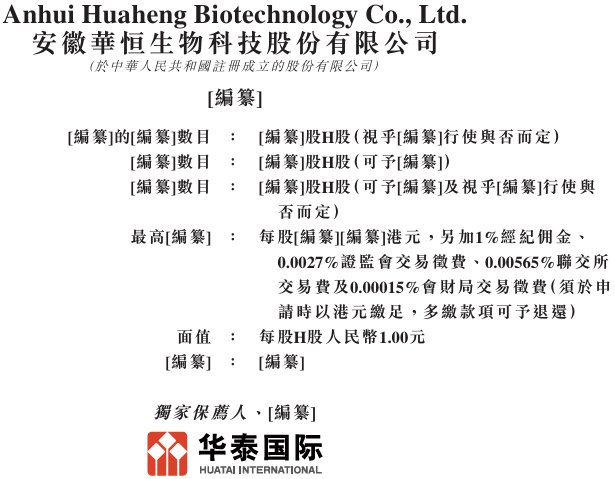
新股消息 | 华恒生物(688639.SH)递表港交所 L-丙氨酸及L-缬氨酸的市场份额分别位居全球第一
智通财经网· 2025-09-30 02:51
Core Viewpoint - Anhui Huaheng Biotechnology Co., Ltd. has submitted a listing application to the Hong Kong Stock Exchange, with Huatai International as the sole sponsor [1]. Company Overview - Huaheng Biotechnology is a pioneer in synthetic biology, focusing on the research, large-scale production, and commercialization of bio-based products through biomanufacturing technology [3]. - The company has established an industry-leading position in research and development, technology innovation, and mass production capabilities over the past twenty years in the biomanufacturing field [3]. - According to Frost & Sullivan, Huaheng is one of the most comprehensive companies globally in commercializing bio-based products through synthetic biology [3]. Product Portfolio - The company's bio-based products include amino acids (mainly L-alanine and L-valine), vitamins (such as D-calcium pantothenate and D-panthenol), and other bio-based products like 1,3-propanediol and succinic acid [4]. - These products are widely used across various industries, including animal nutrition, personal care, food and beverage, advanced materials, and plant nutrition [4]. - Huaheng employs fermentation and enzyme catalysis as its two main green manufacturing technology platforms, focusing on microbial cell factories and enzyme-based production processes [4]. Market Potential - The global bio-based products market is projected to grow from USD 22.8 billion in 2020 to USD 42.1 billion by 2024, with a compound annual growth rate (CAGR) of 16.6% [5]. - The market is expected to further increase to USD 80.1 billion by 2030 and USD 109.1 billion by 2035, with CAGRs of 11.3% from 2024 to 2030 and 6.4% from 2030 to 2035 [5]. - Companies with green manufacturing capabilities, large-scale production technologies, and collaborative advantages in the supply chain are anticipated to experience unprecedented growth opportunities in this context [5]. Financial Performance - The company's revenue for the years 2022, 2023, 2024, and the first half of 2025 was approximately RMB 1.419 billion, RMB 1.938 billion, RMB 2.178 billion, and RMB 1.489 billion, respectively [5]. - The corresponding profits for the same periods were about RMB 319 million, RMB 447 million, RMB 185 million, and RMB 109 million [5]. - The gross profit margins for these years were 38.7%, 40.4%, 24.8%, and 23.5%, respectively, indicating fluctuations in profitability [7].
中国跻身全球第二大生物药市场
Zhong Guo Chan Ye Jing Ji Xin Xi Wang· 2025-09-29 00:42
Core Insights - China's bio-economy is showing a positive trend, with significant advancements in CAR-T cell therapy, original drug production, and brain-machine interface medical devices, positioning the country as the second-largest biopharmaceutical market globally [1][2] Industry Overview - The global bio-manufacturing industry is receiving heightened attention from major economies, with increased funding for genetic and cell engineering research, biomass utilization, and bio-based product development [2] - The number of CAR-T clinical research centers worldwide has grown to 2069 in 2024, a 60% increase from 1297 in 2020, with China hosting 388 centers, ranking second globally [2] - China has achieved a record high in the proportion of self-developed new drugs, with 93 new drugs approved by the National Medical Products Administration in 2024, marking a five-year peak [2] Research and Development - In 2024, China published over 20,000 SCI papers in the medical equipment field, leading globally in research output [3] - The bio-economy in China is characterized by a robust industrial foundation, with significant growth in the pharmaceutical and chemical sectors driven by advancements in synthetic biology and high-throughput screening technologies [3] Industry Transformation - The bio-industry is transitioning from "quantitative accumulation" to "qualitative leap," focusing on core technology breakthroughs, product quality upgrades, and enhancing supply chain resilience [4] - Notable innovations include the approval of the world's first "rice-derived" human serum albumin injection and the launch of the world's first 5.0T whole-body MRI system [4] Future Prospects - Innovations in synthetic biology and gene editing are driving rapid growth in bio-manufacturing, outpacing GDP growth, and positioning the bio-economy as a crucial sector in the future global economy [5]
朗坤科技HMOs母乳低聚糖试产双主营增长可期
Xin Lang Cai Jing· 2025-09-28 16:10
Core Viewpoint - The company, Langkun Technology, has made significant progress in its HMO (Human Milk Oligosaccharides) project, which is now in the trial production phase, marking a substantial breakthrough in synthetic biology manufacturing [1] Group 1: HMO Project Development - The company's wholly-owned subsidiary, Langjian Biotechnology, has entered trial production for its first phase of HMO with an annual production capacity of 260 tons [1] - The second phase, with an expected annual capacity of 740 tons, is projected to commence production in 2026, bringing total capacity to 1,000 tons per year [1] - Langkun Technology has become the first domestic company approved for LNnT (Lactose-N-Tetraose) as a food additive, indicating a potential to disrupt the market dominated by foreign companies [1] - The future applications of HMOs extend beyond infant formula to health supplements and functional foods, suggesting a higher market ceiling [1] - The success of the HMO project validates the company's capability in producing high-end products using synthetic biology technology, which can be applied to develop other high-value products [1] Group 2: Traditional Business and Market Impact - The company's traditional business focuses on the harmless treatment and resource utilization of organic solid waste, including food waste and urban household waste [2] - The upcoming National Day and Mid-Autumn Festival holidays are expected to increase the volume of restaurant and household waste, positively impacting the company's short-term revenue [2] - Despite a 4.31% year-on-year decline in main revenue to 855 million yuan in the first half of 2025, the company reported a 22.36% increase in net profit attributable to shareholders, indicating strong profitability [1]