咖啡与茶饮

Search documents
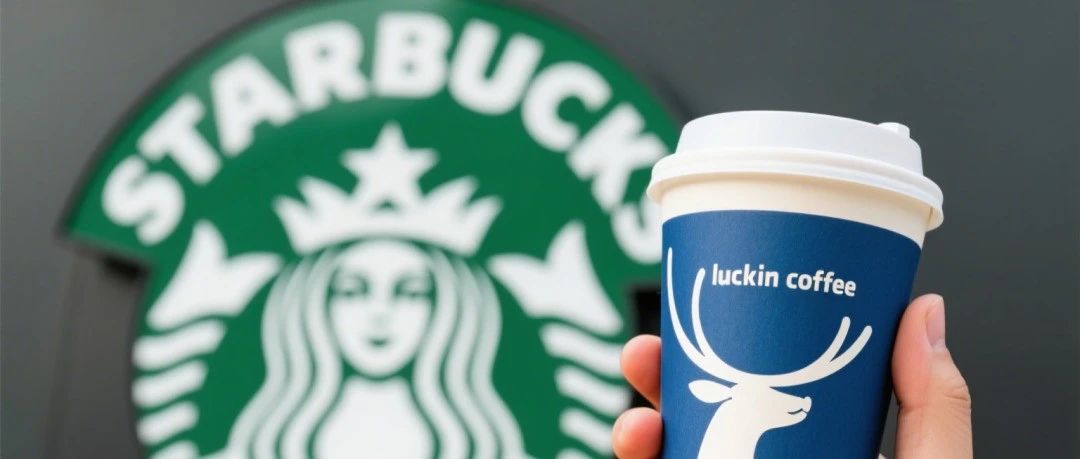
茶咖日报|挑战传统巨头,瑞幸咖啡纽约首店开业
Guan Cha Zhe Wang· 2025-07-01 10:58
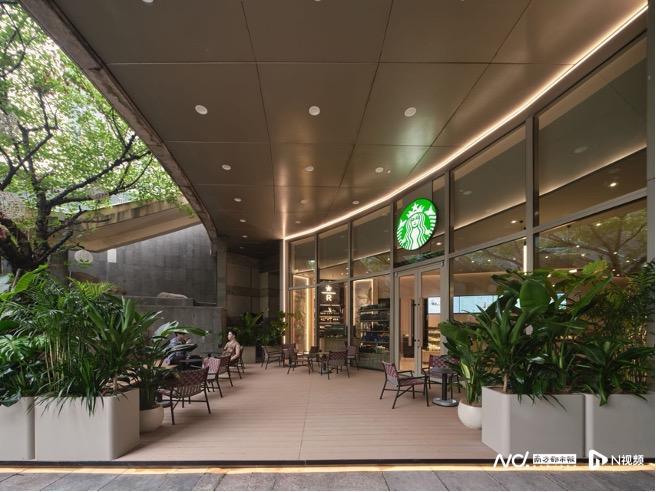
Group 1: Luckin Coffee's Expansion - Luckin Coffee opened its first two stores in New York City, marking a significant step in its international strategy [1] - The stores are strategically located near New York University and the Empire State Building, targeting Chinese students, tourists, and white-collar workers [1] - The opening day featured a promotional price of $1.99 per cup, focusing on popular products like the coconut latte and utilizing a cashier-less self-service model to enhance the digital experience [1] Group 2: Starbucks' Store Renovation - Starbucks plans to renovate 1,000 stores in the U.S. next year, which represents 10% of its self-operated locations, to create a more comfortable environment for customers [2] - The renovations will include modern designs with comfortable seating, power outlets, and a focus on creating a "third space" that feels more like a hotel lobby than a fast-food restaurant [2] - The company has already started the renovation project in the Hamptons area, showcasing a modern aesthetic with natural elements and electronic menus [2] Group 3: JDE Peet's Innovation Factory - JDE Peet's has opened a global coffee research and innovation factory in Joure, Netherlands, with an investment of €5 million [3] - The factory aims to shorten product time-to-market and facilitate the rapid introduction of high-quality coffee products [3] - It serves as a center for prototype design, testing new technologies, and enhancing flavor, quality, and sustainability, while also being a collaborative learning space for global employees [3] Group 4: Agricultural Development in Tea Industry - The Ministry of Agriculture and Rural Affairs is responding to suggestions for promoting the healthy development of the new-style tea beverage industry and deepening the integration of the tea industry [3] - The ministry has established a comprehensive standard system covering the entire tea industry chain and is promoting upgrades towards standardization, intelligence, and branding through various initiatives [3] - Key areas of focus include improving industry standards, quality safety supervision, supply chain innovation, brand building, and rural revitalization [3]




星巴克中国待价而沽的筹码是什么
Hu Xiu· 2025-06-28 00:30
Group 1 - Hillhouse Capital has shown interest in acquiring Starbucks' China business, which is valued at approximately $5 to $6 billion, with the transaction expected to continue until 2026 [1] - Starbucks believes in the significant growth opportunities in the Chinese market and is evaluating the best ways to capture future growth, focusing on revitalizing its business in China [2][3] - Starbucks' global CEO, Brian Niccol, mentioned that there is considerable interest from potential investors regarding the sale of minority stakes in Starbucks China, highlighting the brand's value and the coffee market's growth [2][3] Group 2 - Starbucks China recently announced a price reduction for non-coffee products, which reflects a cautious approach to pricing while maintaining its premium coffee positioning [3][9] - The company aims to expand its store count from 8,000 to 20,000, with strategies to attract consumers in lower-tier markets [4][17] - The non-coffee product price adjustments are intended to enhance performance and broaden the brand's price range, thereby increasing transaction volumes [14][20] Group 3 - Starbucks China has experienced a decline in same-store sales for ten consecutive quarters, but recent data shows a 4% increase in transaction volume despite a 4% decrease in average ticket price [15][16] - The company is focusing on the lower-tier market, where membership sales are growing at twice the rate of higher-tier cities, indicating significant potential [17][18] - The dual product strategy of coffee and non-coffee beverages is becoming increasingly common in the industry, with competitors also expanding their offerings [18][19] Group 4 - The current market dynamics suggest that Starbucks must balance its high-end brand positioning with the need to appeal to a broader consumer base [21][22] - The coffee industry has seen a downward trend in pricing, prompting Starbucks to consider potential changes in its pricing strategy to remain competitive [23]
降价换增长,星巴克加码“非咖”市场
东京烘焙职业人· 2025-06-27 09:48
Core Viewpoint - Starbucks has implemented a significant price reduction on non-coffee beverages for the first time in its 26-year history in China, aiming to capture the afternoon tea market and respond to intense competition in the coffee sector [5][6][23]. Group 1: Pricing Strategy - Starting June 10, Starbucks China reduced prices on several non-coffee beverages by 2-6 yuan, with many products now priced in the 20 yuan range, the lowest being 23 yuan [3][5]. - This price reduction is part of a broader strategy to attract consumers during the afternoon tea segment, which aligns with the company's "morning coffee, afternoon non-coffee" consumption pattern [8][10]. Group 2: Market Context - The coffee market in China has seen explosive growth over the past decade, with the total number of coffee shops expected to exceed 200,000 by 2024, but competition has intensified, leading to a high closure rate of stores [6][8]. - Starbucks faced a decline in same-store sales and overall revenue, with a reported revenue of 21.06 billion yuan in the 2024 fiscal year, down 1.4% year-on-year, and a 6% decline in same-store sales in the first quarter of the 2025 fiscal year [8][12]. Group 3: Strategic Goals - The price reduction aims to achieve three main objectives: activate the afternoon tea consumption scene, penetrate lower-tier markets, and stimulate the existing member base of 140 million users [10][11][12]. - By lowering prices, Starbucks hopes to attract younger consumers and those in lower-tier markets who prefer sweeter beverages, thereby lowering the barrier for first-time customers [10][11]. Group 4: Competitive Advantages - Starbucks leverages its customizable experience as a competitive barrier, allowing consumers to create unique beverage combinations, which enhances brand engagement and social sharing [17][18]. - The company has also focused on local IP collaborations and unique store designs to resonate with younger consumers, enhancing the cultural experience associated with its products [17][18]. Group 5: Challenges Ahead - The price reduction may compress profit margins and increase operational costs, as non-coffee beverages require more complex preparation and service standards compared to standard coffee [20][21]. - Starbucks must also overcome consumer perceptions that associate the brand primarily with coffee and business settings, requiring time to cultivate new consumption habits for non-coffee products [21][23]. Group 6: Future Outlook - The combination of price cuts and new product launches tied to popular IPs is expected to drive traffic and sales in the short term, particularly during the summer season [25][29]. - However, for long-term success in the non-coffee market, Starbucks needs to address challenges related to agile innovation and pricing strategies to maintain brand value while appealing to price-sensitive consumers [27][28][29].
高瓴资本想收购星巴克中国区业务?回应来了:没考虑完全出售
Nan Fang Du Shi Bao· 2025-06-24 08:23
Core Viewpoint - Starbucks has confirmed that it is not considering a complete sale of its China business, emphasizing the growth opportunities in the Chinese market and its focus on revitalizing growth in this region [1][3]. Group 1: Acquisition Rumors - Recent reports indicated that Hillhouse Capital expressed interest in acquiring Starbucks' China operations, but Starbucks has denied any plans for a complete sale [3]. - Previous rumors suggested that Starbucks was exploring various options for its China business, including potential equity sales and partnerships, but the company has not made definitive statements regarding these options [3][8]. Group 2: Financial Performance - Starbucks' global net revenue for Q2 reached $8.8 billion, a 2% year-over-year increase, but same-store sales declined by 1%, indicating ongoing performance pressures [4]. - In China, Q2 revenue was $740 million, up 5% year-over-year, with a 4% increase in same-store transactions, contrasting with a 4% decline in the previous year [4]. - For the fiscal year 2024, Starbucks China is projected to generate $2.958 billion in revenue, a 1.4% decrease year-over-year, while same-store sales are expected to drop by 8% [5]. Group 3: Market Competition - Starbucks faces significant competition from local brands like Luckin Coffee and Kudi Coffee, which are engaging in aggressive pricing strategies [6]. - Luckin Coffee reported Q1 2025 revenue of 8.865 billion yuan, surpassing Starbucks China's latest quarterly revenue, with a year-over-year growth rate of 41.2% [6]. - Kudi Coffee has also been successful with its pricing strategy, achieving profitability since May 2024 [6]. Group 4: Strategic Adjustments - Starbucks management has expressed a commitment to maintaining stable pricing despite competitive pressures, although recent price reductions for non-coffee beverages suggest a shift towards local consumer preferences [7]. - The new CEO, Brian Niccol, has initiated a "Return to Starbucks" strategy aimed at revitalizing performance, which includes menu simplification and potential reallocation of resources away from China to North America [8]. - There are ongoing discussions with over 20 institutions regarding potential partnerships or equity sales in Starbucks' China operations, although no decisions have been made [8].
高瓴资本参与竞购星巴克中国业务
news flash· 2025-06-23 04:50
Group 1 - Hillhouse Capital has expressed interest in acquiring Starbucks' China business, participating in a reverse management roadshow [1] - Other investment firms such as Carlyle Group and Xincheng Capital also participated in the roadshow [1] - The estimated valuation of Starbucks' China business is between $5 billion to $6 billion, with Goldman Sachs serving as the exclusive financial advisor for the transaction [1] Group 2 - Starbucks is projected to achieve a net revenue of $3 billion in China in 2024, operating 7,685 stores [1] - The company faces intense competition from local brands such as Luckin Coffee and Mixue Ice Cream [1] - The transaction is expected to continue until 2026, with the deal structure yet to be finalized [1]
星巴克官宣降价后,我们去门店看了看
财联社· 2025-06-21 02:40
Core Viewpoint - Starbucks has initiated a price reduction on several non-coffee beverages, which has led to mixed sales performance across its stores, indicating a strategic move to penetrate lower-tier markets while facing challenges in boosting overall sales without reducing coffee prices [1][5]. Group 1: Sales Performance - Some Starbucks locations have reported a significant increase in sales following the price cuts, with certain non-coffee drinks like the Ice Shaken Red Plum Blackcurrant and Tea Latte experiencing high demand, leading to stock shortages [2][3]. - In contrast, other stores have not observed a notable change in sales, with coffee products remaining the primary revenue source for these locations [2][3]. Group 2: Pricing Strategy - The price reduction, which is the first in 25 years, affects dozens of non-coffee beverages with price cuts ranging from 2 to 6 yuan, and the actual discount can be more substantial when combined with promotional offers [2][5]. - For example, the price of a large Red Tea Latte has decreased from 35 yuan to 29 yuan, and with additional discounts, customers can pay as little as 20.3 yuan [2]. Group 3: Market Challenges - Analysts suggest that without a corresponding price reduction on coffee products, the overall impact on Starbucks' sales will be limited, as non-coffee beverages are not the company's strong suit [5]. - The competitive landscape is intensifying, with brands like Bawang Chaji offering similar "third space" experiences and appealing to consumers who may not prefer coffee, posing a challenge to Starbucks [5]. Group 4: Financial Performance - Starbucks China is at a critical stage of performance improvement, reporting approximately $740 million in revenue for Q2 of fiscal year 2025, a 5% year-over-year increase, with comparable store transactions up by 4% [6]. - In contrast, the first quarter of fiscal year 2025 showed a slight revenue increase of 1% but a 6% decline in same-store sales, highlighting the volatility in performance [6].
星巴克的腰,终于被“穷鬼年轻人”压弯了
商业洞察· 2025-06-20 09:24
Core Viewpoint - Starbucks China has announced its first large-scale price reduction in over 20 years, aiming to enhance its competitiveness in the non-coffee beverage market while facing increasing pressure from local competitors [4][5][12]. Group 1: Price Reduction Strategy - Starting June 10, Starbucks will reduce prices on several key products, including Frappuccinos, iced teas, and tea lattes, with an average price drop of around 5 yuan [5][20]. - Despite the price cuts, the response from consumers has been lukewarm, with many expressing disappointment and feeling that the reductions were insufficient [9][12]. - The price reduction comes after Starbucks has experienced ten consecutive quarters of declining sales, indicating that pricing has become a significant weakness for the brand [12][13]. Group 2: Competitive Landscape - The coffee market in first and second-tier cities is nearing saturation, while third and fourth-tier cities are seeing significant growth, with coffee orders in these areas increasing by over 250% year-on-year [26][29]. - Competitors like Kudi Coffee and Luckin Coffee are aggressively pursuing market share with low-price strategies, further pressuring Starbucks to adapt [23][30]. - The emergence of brands like Bawang Chaji, which has successfully positioned itself as a competitor to Starbucks, highlights the increasing competition in the beverage market [30][32]. Group 3: Market Positioning and Consumer Behavior - Bawang Chaji has adopted a strategy that closely mirrors Starbucks, targeting prime locations and offering a similar customer experience, but at lower prices [44][56]. - The brand has achieved impressive sales figures, with a single product generating over 10 billion yuan in revenue, showcasing its rapid growth and market acceptance [50][59]. - Starbucks faces challenges in maintaining its "third space" concept as local brands offer similar amenities at more affordable prices, leading to a shift in consumer preferences [77][81]. Group 4: Future Strategies - To regain market share, Starbucks must rethink its approach beyond mere price reductions and consider strategic partnerships, similar to competitors who have successfully leveraged alliances for growth [66][72]. - The company needs to enhance its value proposition and customer experience to compete effectively in a market that has become increasingly price-sensitive and competitive [81][83].
25年来首次降价 星巴克打响中国市场保卫战
Sou Hu Cai Jing· 2025-06-19 04:06
Core Insights - Starbucks China has implemented a price reduction on several non-coffee beverages, marking the first official price adjustment in its 25-year history in China, with reductions ranging from 2 to 6 yuan [2][3] - The price cuts are seen as a strategic response to increasing competition from local brands like Luckin Coffee and Heytea, which have been expanding rapidly and offering lower prices [2][4] Pricing Strategy - The price reduction focuses on non-coffee drinks, reflecting a deep market consideration as consumer preferences evolve towards a more diverse beverage market [3][4] - Starbucks aims to capture market share in the non-coffee segment during peak tea consumption seasons, leveraging psychological pricing to enhance perceived value [4][8] Market Performance - In the 2024 fiscal year, Starbucks China reported revenues of $2.958 billion, a 1.4% year-over-year decline, with the fourth quarter showing a 7% year-over-year drop [8][9] - The company has experienced a continuous decline in average transaction value for ten consecutive quarters, with a notable drop of 9% to 4% in recent quarters [9][10] Competitive Landscape - Local competitors like Luckin Coffee have shown significant growth, with a 41.2% year-over-year increase in total net revenue for the first quarter of 2025, widening the performance gap with Starbucks [9][10] - Starbucks is facing challenges not only in China but also globally, with a 1% decline in same-store sales in North America, which contributes nearly 70% of its revenue [9][10] Strategic Adjustments - Starbucks has made several strategic moves, including appointing a Chief Growth Officer to enhance product innovation and marketing strategies in response to slowing growth [12][13] - The company is also exploring potential partnerships and investments to optimize its operations and enhance its market position in China [10][11] Digital Transformation - Starbucks is collaborating with Microsoft Azure to launch an AI assistant aimed at improving operational efficiency in stores, which is part of a broader digital transformation strategy [18][19] - The company has received positive market reactions, with RBC Capital raising its target price for Starbucks shares, reflecting confidence in its digital initiatives [19][20]

星巴克,从王者到学徒
首席商业评论· 2025-06-19 04:02
以下文章来源于华商韬略 ,作者华商韬略 华商韬略 . 聚焦标杆与热点、解构趋势与韬略 不再像自己,但也不像瑞幸。 作者:陈乐高 来源:华商韬略出品(ID:hstl8888) 这是入华25年来,星巴克第一次直接大规模降价。 6月10日,星巴克对旗下星冰乐、冰摇茶、茶拿铁三大非咖系列产品,做了一轮价格下调,调整后,多款饮 品价格回到了20元以下。 忘掉自己 这一切背后的动因,是中国市场剧烈震荡的业绩。 2024财年,星巴克中国营业收入约210.55亿元,同比下降1.4%,同店销售额同比下降8%,而这还是中国市 场调整后反弹的结果。 事实上改变早已开始,在最近五六年,除了门口的绿色美人鱼商标,星巴克亲手摘掉的金科玉律,远不止 于此。 第三空间,是星巴克极力打造的一种体验。在它看来,生活在大城市快节奏生活中的人,在家庭和职场 外,还应该有一个获得松弛感的栖息之所。 为了这个体验,星巴克管住的不止是三明治,还有家具材质、屋顶灯光、店内音乐,甚至是店员和顾客的 交流方式。 但随着互联网商业时代的到来,空间的传统被打破了。 2019年,星巴克推出了主打"在线点,到店取"的"啡快"服务,又很快全面接入阿里巴巴的商业平台。 当 ...
比降价更拿捏年轻人的,是星巴克的「隐性价值感」
后浪研究所· 2025-06-18 13:08
Core Viewpoint - Starbucks has successfully created an emotional connection with young consumers, making it a preferred destination despite its higher prices, especially with recent price reductions on popular beverages [1][3][28]. Group 1: Pricing Strategy - Starting June 17, Starbucks reduced prices on key beverage categories, with some drinks now costing as low as 23 yuan, averaging a 5 yuan decrease for large sizes [1][2]. - This pricing strategy, while not as impactful as promotional events like "Crazy Thursday," has still generated significant interest among young consumers [2][3]. Group 2: Emotional Value and Experience - Starbucks provides an "implicit value" that resonates with young people, transforming the act of purchasing a drink into a means of emotional rejuvenation during their busy days [3][4]. - The café serves as a "second space" where young individuals can escape their daily routines, offering a familiar and comforting environment that enhances their emotional well-being [12][21][28]. Group 3: Customization and Engagement - The introduction of customizable drinks has turned beverage selection into a playful experience, allowing consumers to create unique combinations and share them on social media [7][8]. - Recent innovations like the "True Flavor No Sugar" system have further expanded customization options, appealing to health-conscious consumers [8][10]. Group 4: Collaborative Marketing and Cultural Relevance - Collaborations with popular culture, such as the recent partnership with the animated film "Zootopia," have successfully attracted young consumers by tapping into their nostalgia and emotional connections [5][13][20]. - The integration of music and cultural references into marketing campaigns has deepened the emotional ties between Starbucks and its young audience, making the brand a part of their social identity [16][20]. Group 5: Community and Social Interaction - Starbucks has become a social hub where young people gather for various purposes, from casual meetups to work sessions, fostering a sense of community [21][25][30]. - The café's atmosphere encourages deep conversations and connections, serving as a "mental stabilizer" during uncertain times [27][30].