
消费服务

Search documents
华安证券联席首席策略分析师刘超:2026年A股投资应紧扣AI与涨价双主线
Mei Ri Jing Ji Xin Wen· 2025-12-25 14:54
Core Viewpoint - The transition from liquidity-driven valuation expansion to a profit recovery cycle is expected to reshape the narrative of China's economic growth and capital markets in 2026, supported by structural changes in consumption, precise policy support, and widespread profit recovery [1] Consumption Growth - Investment and exports are anticipated to stabilize or face mild pressure in 2026, while internal structural changes in consumption will be crucial for economic resilience [2] - Consumption is entering a slow upward trajectory, with policy support shifting focus from goods to services [2] - The expected consumption growth rate for 2026 is around 4%, slightly slowing from 2025, but with a significant transformation in growth dynamics [2] - The recovery in consumption reflects a structural shift from goods to services, with sectors like health, education, cultural tourism, and information services receiving more systematic support, making the consumption growth base more diverse and sustainable [2] Profit Recovery - Broad profit recovery among enterprises will provide a solid foundation for the market, with price improvements being one of the few bright spots driving nominal GDP significantly upward [3] - The overall profit growth rate for the entire A-share market is projected to increase from 8.2% in 2025 to 10.3% in 2026, indicating a notable increase in growth momentum [3] - The ChiNext and STAR Market are expected to see profit growth rates of 31.7% and 34.3%, respectively, with the former having a larger profit scale [3] - The marginal improvement in profit growth is attributed to a new industrial prosperity cycle led by AI and endogenous profit recovery among companies [3] Market Valuation - The current valuation landscape shows that major indices and most styles are nearing historical peak valuation levels, while the ChiNext and consumer styles still have room for growth [4] Investment Themes - The core investment strategy for A-shares in 2026 focuses on two main themes: the new growth cycle in technology industries and the price increase chain based on supply-demand logic [5] - The AI industry chain is identified as the strongest technology theme, with profitability growth concentrated in the computing power segment, particularly in domestic computing power chains [6] - The storage industry is facing structural supply-demand contradictions, with AI driving long-term demand growth, while the energy storage chain benefits from increased computing power consumption [6] - Export-oriented sectors, such as engineering machinery and defense industries, are also significant components of the price increase logic [6]

美媒:西方品牌需要更多了解中国
Xin Lang Cai Jing· 2025-12-24 22:54
Core Insights - China has maintained an open attitude towards Western consumer brands, but these brands still have much to learn about Chinese consumers [1][2] - Multinational brands previously viewed China as a growth engine requiring only time and scale, but this assumption is now being challenged [1] Group 1: Market Dynamics - Global companies in retail, food, and consumer services are struggling to keep pace with the evolving preferences of Chinese consumers, who are becoming more price-sensitive and favoring localized tastes [1] - The success of local competitors is attributed to operational agility rather than brand building, with efficient supply chains and rapid store deployment tailored to local demands [1] Group 2: Competitive Landscape - Unlike in the past, local Chinese competitors are not solely relying on low prices; they are more data-driven and can implement changes quickly, such as launching new products or offering short-term discounts [2] - Foreign brands are often hindered by global decision-making processes, which delay product changes and pricing adjustments, allowing local competitors to seize market opportunities [2] Group 3: Strategic Adjustments - There is a growing trend among multinational companies to reassess their operations in China, with many considering local partnerships or investments to enhance their market understanding and operational speed [2] - The importance of adapting to local consumer preferences is becoming evident across various sectors, from fast food to sports retail and medical devices, as global companies face challenges in a rapidly evolving market [2]
宏观策略 | 破局谋新,迈向新平衡——2026年度宏观策略展望(基本面篇)
Xin Lang Cai Jing· 2025-12-22 07:03
Group 1: Macroeconomic Trends Impacting China's Economy in 2026 - The external environment is expected to stabilize from high volatility, with trade policy uncertainty likely past its peak and geopolitical relations moving towards orderly confrontation [1][11][12] - The growth momentum is anticipated to experience a historic shift, with the "three new economies" (new industries, new business formats, new models) expected to surpass the real estate economy in GDP contribution for the first time [1][23][24] - Inflation is projected to rise moderately from around -1% to near 0%, supported by consumption stimulus and low base effects [1][33][36] - The financial cycle is expected to continue its downward trend, with significant risk prevention tasks remaining [1][38][39] Group 2: Economic Fundamentals - The global economy is forecasted to enter a "persistent low growth" phase in 2026, with inflation risks still present despite a moderate decline [2][51][52] - Domestic nominal GDP is expected to grow around 5%, with real GDP growth also projected at approximately 5% [3][40] - Consumption is anticipated to lead the recovery, with retail sales expected to grow by about 4.5% [3][40] - Investment is expected to stabilize, with infrastructure investment projected to grow moderately due to policy support [3][40] - Exports are expected to grow between 3-5%, facing both opportunities and challenges [4][40] Group 3: Policy Outlook - Fiscal policy is expected to maintain a stable overall tone, with a focus on optimizing structure and reform measures [5][6] - Monetary policy may see slight reductions in interest rates and reserve requirements, with a focus on fiscal coordination [6][39] Group 4: Asset Allocation Outlook - The market is expected to be in a complex transition period, with a defensive strategy recommended [7][10] - The stock market is likely to shift from valuation-driven to profit-driven, with a focus on technology, high-quality overseas expansion, and sectors benefiting from anti-involution policies [7][10] - The bond market is expected to experience wide fluctuations, while commodity markets will continue to show structural differentiation [7][10]


兴业证券:A股本轮躁动行情有哪些潜在启动信号?
智通财经网· 2025-12-21 12:49
Core Viewpoint - The report from Industrial Securities indicates that the A-share market typically exhibits a balanced style from December to January, with large-cap, low-valuation, and cyclical styles being relatively dominant. This is influenced by expectations of strengthened growth policies and the preferences of major institutional investors for large-cap and dividend styles as the year ends and begins [1][4]. Market Dynamics - As the Spring Festival approaches, the market style shifts towards small-cap and technology growth sectors, driven by liquidity and risk appetite [1][19]. - The report emphasizes the importance of high prosperity sectors for investment, particularly those with a projected net profit growth rate exceeding 30% in 2026, including AI industry trends, advantageous manufacturing, "anti-involution," and structural recovery in domestic demand [1][20]. High Prosperity Sectors - **AI Industry Trends**: Focus on hardware (communication equipment, components, semiconductor industry chain, consumer electronics) and software applications (IT services, software development, gaming, advertising) [1][20]. - **Advantageous Manufacturing**: Includes the new energy industry chain (lithium batteries, lithium mines, wind power equipment, new energy vehicles), military industry (ground equipment, aerospace equipment, military electronics), machinery (robots, machine tools), and pharmaceuticals (innovative drugs) [1][20]. - **"Anti-Involution"**: Covers sectors such as steel, building materials (cement, glass fiber, renovation materials, plastics), chemicals (chemical raw materials, chemical fibers, rubber), new energy (photovoltaics, silicon materials), and aviation airports [2][20]. - **Structural Recovery in Domestic Demand**: Encompasses service consumption (film and television, education, retail, e-commerce, hotel catering, tourism, hospitals), new consumption (snack foods, cultural and entertainment products), and home textiles [3][20]. Market Conditions and Signals - The report notes that the recent increase in market volatility reflects a series of significant domestic and international events impacting liquidity and fundamental expectations. The conclusion of the policy verification window is expected to provide a solid foundation for a potential market rally [4][8]. - Historical patterns suggest that market rallies often begin following the resolution of uncertainty, the implementation of easing policies, or the validation of positive economic data [9][18]. Investment Strategy - The report advises focusing on sectors that benefit from the current favorable conditions, including cyclical sectors and those aligned with domestic recovery trends. The emphasis is on sectors that are likely to experience valuation recovery due to supportive policies and improving economic fundamentals [19][23]. - Technology growth is highlighted as a critical driver for the upcoming market rally, with a favorable environment for investments in technology sectors as liquidity expectations improve [25].

港股十倍股集中涌现 “红底股”数量已增至46只
Yang Zi Wan Bao Wang· 2025-12-21 04:50
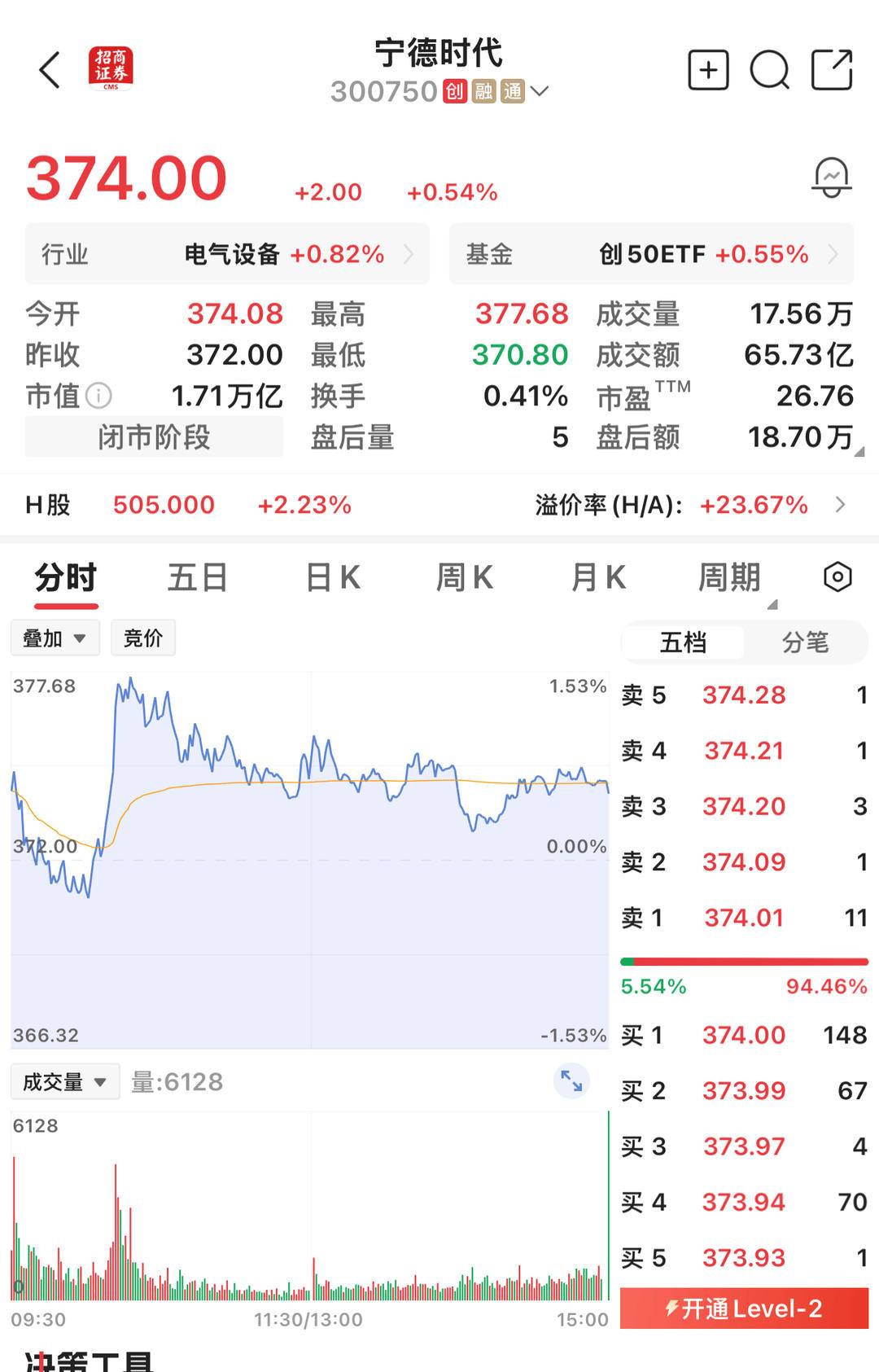
Group 1 - Ningde Times (300750) has a market capitalization of 1.71 trillion yuan [2] - The Hong Kong stock market has seen a significant valuation recovery this year, leading to numerous investment opportunities and a notable increase in stocks with over 10x gains [2] - A total of 380 Hong Kong stocks have doubled in price this year, with 13 stocks experiencing gains exceeding 10 times [2] Group 2 - The leading stock in Hong Kong this year is Guangdong-Hong Kong-Macau Holdings, which has accelerated its investment in the AI sector [3] - The "red bottom stocks" in the Hong Kong market, defined as stocks priced over 100 Hong Kong dollars, have increased in number, reflecting market enthusiasm [3][4] - As of December 19, 2025, the number of "red bottom stocks" has risen to 46, nearly doubling from the previous year [3] Group 3 - New listings this year include 20 stocks priced over 100 Hong Kong dollars, such as Ningde Times and Mixue Group [4] - The latest addition to the "red bottom stocks" is Xidi Zhijia, which focuses on intelligent driving for commercial vehicles [4] - The distribution of "red bottom stocks" is primarily in sectors like consumer services, technology, pharmaceuticals, and high-end manufacturing, indicating strong core competitiveness [4]

2026年中国经济为何强调"内需主导"?三大转变透露什么信号?
Sou Hu Cai Jing· 2025-12-19 09:02
Group 1 - The core point of the article highlights the apparent contradiction between China's record foreign trade surplus and the emphasis on domestic demand as a priority for economic transformation by 2026 [1][3][6] Group 2 - In the first eleven months, China's total import and export volume reached 41.21 trillion yuan, with a notable 18.9% decline in exports to the U.S., amounting to a gap of 89.76 billion USD, which was offset by increased exports to ASEAN and Europe [3] - The contribution rate of final consumption expenditure to economic growth reached 53.5%, an increase of 9 percentage points from the previous year, driven by targeted central policies [4] - The new housing policy aimed at converting existing housing into affordable housing is expected to stimulate both the real estate market and consumer spending among low- to middle-income groups [5] Group 3 - The three strategic shifts identified are from reliance on foreign trade to a focus on domestic demand, from goods consumption to service consumption, and from incremental development to stock operation, all pointing towards high-quality development [6]

中央财办最新发声
第一财经· 2025-12-16 13:48
Core Viewpoint - The article discusses the outcomes and future directions of China's economic policies as outlined in the Central Economic Work Conference, emphasizing the resilience and potential of the economy despite existing challenges [2][3]. Economic Performance and Outlook - The expected economic growth for 2025 is around 5%, with a total economic output projected to reach approximately 140 trillion yuan [2]. - Employment remains stable, and foreign trade is expected to grow rapidly, with significant diversification in exports [2]. - The construction of a modern industrial system is progressing, with advancements in technology and innovation, particularly in AI, biomedicine, and robotics [2]. - Reforms and opening-up measures are advancing, with a focus on building a unified national market and addressing "involution" in competition [2]. - Risk mitigation in key areas has shown positive progress, including the orderly replacement of local government hidden debts and the completion of housing delivery tasks [2]. Challenges and Responses - The article highlights ongoing challenges such as external environmental changes, weak domestic demand, and risks in key sectors [3]. - Despite these challenges, the long-term supportive conditions for economic growth remain unchanged, including the advantages of the socialist system and a large market [3]. Macroeconomic Policies - The government plans to continue implementing proactive fiscal and monetary policies to support economic recovery [5][8]. - Fiscal policy will focus on maintaining necessary deficits and debt levels while enhancing the precision and effectiveness of spending [6][7]. - Monetary policy will aim to stabilize economic growth and ensure reasonable price recovery, utilizing various tools to maintain liquidity [8]. Domestic Demand and Investment - Expanding domestic demand is a top priority, with a focus on boosting consumption and investment [9][10]. - The contribution of domestic demand to economic growth reached 71% in the first three quarters of the year [9]. - Strategies will include enhancing consumer purchasing power and promoting new consumption patterns, particularly in services [9][10]. Regional Development and Coordination - The article outlines plans for regional coordination and development, emphasizing the importance of balanced growth across different areas [18][19]. - Support for major economic provinces is highlighted, with a focus on innovation and the development of new industries [20]. Green Transition and Employment - The government is committed to a comprehensive green transition, with specific measures to achieve carbon peak and neutrality goals [21][22]. - Employment policies will prioritize stability and quality, with targeted support for key groups such as graduates and migrant workers [23][24][25]. Real Estate Market Stability - The real estate market is expected to stabilize, with a focus on meeting both rigid and improvement housing demands [26][27][28]. - Measures will include encouraging the transformation of real estate companies and promoting a new development model for the sector [28][29].

商务部、央行、金融监管总局三部门发文:加强商务和金融协同,更大力度提振消费
Jin Rong Jie· 2025-12-15 07:48
Core Viewpoint - The Ministry of Commerce, the People's Bank of China, and the Financial Regulatory Administration have jointly issued a notice to enhance collaboration between commerce and finance, aiming to boost consumption through targeted policies and measures [1][2]. Group 1: Policy Measures - The notice outlines three main areas and eleven specific policy measures to strengthen the synergy between commerce and finance [1]. - The first area focuses on deepening collaboration between the commerce and finance systems, encouraging local departments to improve communication and cooperation mechanisms, and detailing implementation guidelines [1]. - The second area emphasizes increasing financial support in key consumption sectors, urging financial institutions to optimize products and services to better align with consumer needs and promote new consumption models [1]. - The third area aims to expand cooperation among government, financial institutions, and enterprises, promoting diverse consumption activities and ensuring effective policy implementation [1]. Group 2: Implementation and Monitoring - The notice stresses the importance of coordinated efforts, policy alignment, and leveraging strengths among departments to effectively stimulate consumption [2]. - It encourages local departments and financial institutions to refine financial support measures based on actual conditions to unlock consumption potential [2]. - There is a call for ongoing tracking and guidance, with an emphasis on sharing progress and promoting successful practices [2].
杭州再出新举措助力经济发展
Mei Ri Shang Bao· 2025-12-12 02:34
Core Viewpoint - The "Draft Policy on Promoting High-Quality Economic Development (2026 Edition)" aims to enhance economic growth through various strategic initiatives, focusing on technology innovation, talent acquisition, and service industry development [1][2]. Group 1: Technology Innovation - The draft emphasizes the importance of technology innovation as a key driver for high-quality development, with plans to strengthen the role of enterprises in technological innovation [1]. - The "Run Seed Plan" will support the high-quality development of technology-based startups, creating a gradient cultivation mechanism for technology enterprises [1]. - Efforts will be made to streamline the transfer and transformation of technological achievements, including the establishment of technology transfer centers and pilot verification platforms [1]. Group 2: Talent Acquisition - The "West Lake Pearl" project will be implemented to attract top talent in artificial intelligence, visual intelligence, and integrated circuits [2]. - There will be an emphasis on "enterprise recognition, government acknowledgment" to enhance talent authorization and support for key industries and emerging technology companies [2]. Group 3: Service Industry Development - The draft proposes to accelerate the cultivation of new consumption models and scenarios, including the issuance of consumption vouchers to stimulate spending in supermarkets, restaurants, and events [2]. - Plans include hosting 75 national-level sports events and over 2,000 various types of events to promote consumption [2]. - Support for the construction of international aviation hubs and low-altitude economy development will be provided, including the establishment of new international routes and the expansion of cross-border e-commerce [2].
解读中央经济会议精神
2025-12-12 02:19
Summary of Key Points from the Conference Call Industry and Company Overview - The conference call primarily discusses the macroeconomic policies and their implications for various sectors, particularly focusing on the real estate market, investment strategies, and monetary and fiscal policies in China. Core Insights and Arguments 1. **Macroeconomic Policy Shift**: The central economic work conference emphasizes a transition from extraordinary counter-cyclical adjustments to normalized management, focusing on cross-cycle adjustments, indicating a paradigm shift in policy [1][9]. 2. **Real Estate Market Measures**: Specific measures for the real estate market include controlling new supply, reducing inventory, and improving supply quality. The reform of the housing provident fund system is highlighted, aiming to stabilize the market [1][3][4]. 3. **Investment Focus**: The conference stresses the need to stabilize investment, particularly in infrastructure projects, urban renewal, and quality housing construction, to counteract the decline in investment growth [1][2][7]. 4. **Monetary Policy Outlook**: While the possibility of reserve requirement ratio (RRR) cuts and interest rate reductions is mentioned, the emphasis is on flexible and efficient application, suggesting limited room for significant cuts [1][6][10]. 5. **Fiscal Policy Projections**: Fiscal policy is expected to maintain necessary deficits, with a projected increase in fiscal spending of 6% to 7% in 2025, primarily to support infrastructure and consumption [1][2][5]. 6. **Future Demand Drivers**: Potential demand growth is anticipated in real estate, infrastructure, urban renewal, service industry openings, high-end service exports, manufacturing exports, and consumer spending [1][7]. 7. **Economic Work Background for 2026**: The economic work for 2026 is based on a long-term positive outlook, despite external challenges and domestic supply-demand conflicts, emphasizing the importance of tapping into economic potential [1][8]. 8. **Supply-Side Structural Reforms**: The focus on supply-side structural reforms is reiterated, aiming to optimize supply and activate existing resources, indicating a strategic shift from previous years [1][11]. 9. **Risk Prevention Measures**: Risk prevention priorities have shifted, with a reduced emphasis on risk management compared to previous years, reflecting a more optimistic view on internal and external risks [1][12]. 10. **A-Share Market Strategy**: The A-share market strategy is characterized by a moderate tone, with expectations of a spring market rally potentially starting in mid-December, focusing on domestic demand and technology sectors [1][18][19]. Other Important but Possibly Overlooked Content 1. **Debt and Fiscal Discipline**: The conference highlights the importance of maintaining fiscal discipline, with local debt levels set at 4.9 trillion, ensuring effective use of funds [1][5][13]. 2. **Consumer Expectations**: There is a cautious approach towards consumer spending, with expectations for a more conservative outlook compared to previous plans [1][14]. 3. **Investment in People and Goods**: The integration of investments in goods and people is emphasized as crucial for addressing current economic conditions [1][8]. 4. **Market Environment Stability**: The conference aims to create a stable macroeconomic environment, which is deemed beneficial for stock selection and alpha opportunities [1][23]. 5. **Sector-Specific Recommendations**: Recommendations for growth sectors include aviation equipment, AI chains, and power equipment, while cyclical sectors like chemicals and energy metals are also highlighted [1][20][21]. This summary encapsulates the key points discussed in the conference call, providing insights into the macroeconomic landscape and sector-specific strategies moving forward.