
咖啡

Search documents
Next couple months will be negative for crude oil and energy stocks, says Fundstrat's Mark Newton
Youtube· 2025-11-12 20:30
Oil Market - The oil market is currently driven by supply and demand dynamics, with OPEC+ shifting from a deficit to a surplus situation [2] - A significant decline in oil prices is anticipated, with projections suggesting crude could drop into the 40s, which may negatively impact the energy sector in the coming months [3][4] - Despite short-term declines, long-term demand for oil is expected to persist for the next 25 years, indicating a continued need for fossil fuels [2][5] Energy Sector - The energy sector has been the top performer over the past week, month, and three months, outperforming technology [3] - Lower crude oil prices could lead to reduced gasoline prices in the U.S., potentially benefiting consumers and helping to combat inflation [4] Pharmaceutical Sector - The pharmaceutical sector is characterized as defensive, with strong performance noted over the past month, suggesting continued positive momentum [6] - Long-term charts for healthcare are not as favorable, but a defensive bounce is expected to continue into December [7] Commodity Market - Coffee prices have shown strength, with the Bloomberg commodity index reaching its highest level in over three years [9] - Recent comments regarding tariff reductions on coffee have caused short-term volatility, with coffee prices dropping about 5% [9] - Other commodities, including soybeans and grains, are also showing positive signs, indicating potential investment opportunities [10] Market Trends - There is a need for broader participation across sectors beyond technology for sustained market health [12] - Current market trends remain intact, but a lack of buying interest could pose challenges in the early part of the next year [13]


热门中概股下挫 腾讯音乐跌超11% 百度、阿里跌超2% 油价跳水
2 1 Shi Ji Jing Ji Bao Dao· 2025-11-12 15:51
Group 1: Market Performance - The Dow Jones increased by 0.97%, closing at 48,392.55, while the S&P 500 rose by 0.21% to 6,860.80. In contrast, the Nasdaq saw a slight decline of 0.11%, ending at 23,442.20 [1] - Semiconductor stocks were notably active, with AMD's stock price rising by up to 8%. The company projected an overall revenue growth of approximately 35% annually over the next three to five years, with AI chip business growth potentially reaching 80% annually [1] Group 2: Individual Stock Movements - Coffee-related stocks experienced significant movements, with Dutch Bros rising nearly 6% and Starbucks increasing by nearly 2%. On the other hand, ONON (On Running) surged over 23% following better-than-expected Q3 results [2] - Popular Chinese concept stocks mostly declined, with the Nasdaq Golden Dragon China Index dropping about 1.5%. Tencent Music fell over 11% after announcing its Q3 results, while Baidu decreased nearly 3% [2][3] Group 3: Commodity Prices - International oil prices continued to decline, with WTI crude oil dropping over 3% and Brent crude oil falling more than 2.8%. This shift was attributed to higher-than-expected U.S. oil production and increased supply from OPEC, leading to a change in OPEC's outlook from a supply shortage to a surplus for Q3 [4] - Gold prices surged, reaching $4,150 per ounce, with a daily increase of about 0.7%. Silver also saw significant gains, with spot silver and New York futures rising approximately 2.5% and 3%, respectively [4] - Copper prices on the LME expanded their gains, increasing by about 1%, with a cumulative rise of over 6% for October. Goldman Sachs recently stated that copper will become the "new oil" in the AI era due to its essential role in data center power transmission [4]


热门中概股下挫,腾讯音乐跌约10%,百度、阿里跌超2%,油价跳水
2 1 Shi Ji Jing Ji Bao Dao· 2025-11-12 15:49
Market Overview - The three major U.S. stock indices opened higher but showed divergence, with the Dow Jones rising nearly 1% while the Nasdaq Composite dipped about 0.1% [1][2]. Sector Performance - The semiconductor sector was notably active, with AMD's stock price increasing by 10%. The company projected an overall revenue growth of approximately 35% annually over the next three to five years, with its AI chip business potentially growing at an annual rate of 80% [2]. - Other semiconductor companies such as NXP Semiconductors, Texas Instruments, and Skyworks Solutions also saw significant gains [2]. - Coffee-related stocks experienced movements, with Dutch Bros rising nearly 6% and Starbucks increasing by about 2% [2]. - On the footwear front, On Running (ONON.US) surged over 23% following better-than-expected Q3 earnings [2]. Chinese Stocks - Most popular Chinese stocks declined, with the Nasdaq Golden Dragon China Index dropping approximately 1.5%. Tencent Music fell about 10% after its Q3 earnings report, while other companies like Yipeng Energy, NIO, Baidu, and Alibaba also experienced declines [2][3]. Commodity Market - Oil prices accelerated their decline, with WTI crude oil dropping over 3% and Brent crude oil falling more than 2.8%. This shift was attributed to higher-than-expected U.S. oil production and increased supply from OPEC, leading to a revised outlook of oversupply in the global oil market for Q3 [5][6]. - Gold prices reached $4,150, marking an increase of approximately 0.7% for the day, while silver prices also saw gains [6]. Copper Market - LME copper prices increased by about 1%, with a cumulative rise of over 6% for October. Goldman Sachs highlighted copper's potential as the "new oil" in the AI era, emphasizing its critical role in data center power transmission [7].

热门中概股下挫,腾讯音乐跌约10%,百度、阿里跌超2%,油价跳水
21世纪经济报道· 2025-11-12 15:43
Market Overview - The U.S. stock market opened higher, with the Dow Jones index rising nearly 1%, while the Nasdaq Composite index experienced a slight decline of about 0.1% [1] Semiconductor Sector - The semiconductor sector showed strong performance, with AMD's stock price increasing by 10%. The company projects an overall revenue growth of approximately 35% annually over the next three to five years, with its AI chip business potentially growing at an annual rate of 80% [2] - Other semiconductor companies such as NXP Semiconductors, Texas Instruments, and Skyworks Solutions also saw significant gains [2] Coffee and Footwear Stocks - Coffee-related stocks experienced notable movements, with Dutch Bros rising nearly 6% and Starbucks increasing by about 2% [2] - Footwear company On Running (ONON.US) surged over 23% following better-than-expected Q3 earnings [2] Chinese Concept Stocks - Most popular Chinese concept stocks declined, with the Nasdaq Golden Dragon China Index dropping approximately 1.5%. Tencent Music fell about 10% after announcing its Q3 results, while other companies like Yipeng Energy, NIO, Baidu, and Alibaba also saw declines ranging from 2% to over 6% [2] Oil and Gold Prices - Oil prices accelerated their decline, with WTI crude oil dropping over 3% and Brent crude oil falling more than 2.8%. This was attributed to higher-than-expected U.S. oil production and increased supply from OPEC, leading to a shift in OPEC's outlook from supply shortage to surplus for Q3 [5] - Spot gold prices touched $4,150, reflecting an increase of about 0.7% for the day, while silver prices rose approximately 2.5% [6] Copper Market - LME copper prices increased by about 1%, with a cumulative rise of over 6% in October. Goldman Sachs recently stated that copper could become the "new oil" in the AI era due to its essential role in data center power transmission [6]

星巴克、汉堡王……“洋品牌”的中国剧本彻底变了
3 6 Ke· 2025-11-12 11:51
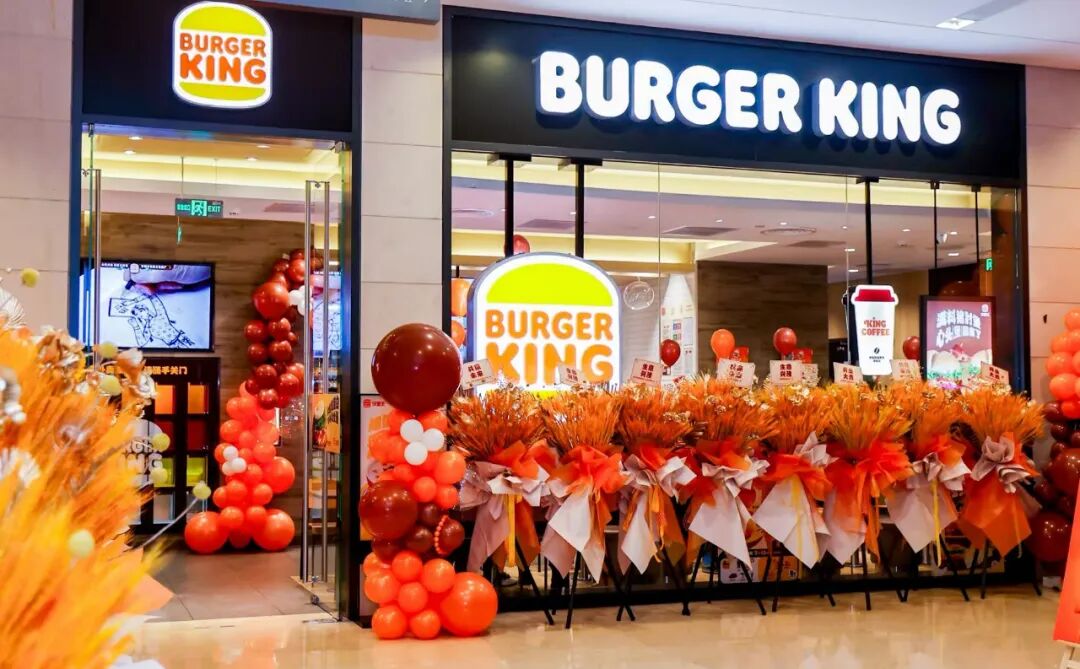
Core Insights - The article discusses the trend of foreign brands in China, particularly in the food and beverage sector, shifting towards local partnerships and ownership structures to adapt to the competitive market landscape [1][3][4]. Group 1: Strategic Partnerships - CPE Yuanfeng has announced a strategic partnership with Burger King to establish a joint venture, injecting $350 million to support expansion and operations in China, with CPE holding approximately 83% of the equity [1]. - Starbucks has formed a joint venture with Boyu Capital, where Boyu will invest around $4 billion for up to 60% equity, while Starbucks retains 40% and continues to own the brand and intellectual property [3][19]. - These moves reflect a broader trend of foreign brands in China seeking local control to navigate the evolving market dynamics [3][18]. Group 2: Market Challenges - Foreign brands like Starbucks and Burger King are facing significant challenges from local competitors, with Starbucks' market share dropping to 14%, while Luckin Coffee holds 35% and Koolearn 18% [7]. - The traditional business models of these foreign brands, such as Starbucks' direct operation and premium pricing, are being undermined by local brands offering lower prices and innovative marketing strategies [5][10]. - Burger King's performance in China has been lackluster, with a significant reduction in store numbers and low average sales per store compared to competitors [8][11]. Group 3: Localization Efforts - The article highlights the difficulties foreign brands have in adapting to the Chinese market, with Burger King's product offerings and marketing strategies failing to resonate with local consumers [10][11]. - Starbucks is also struggling with its "third space" concept as consumer preferences shift towards more affordable coffee options and faster service [11][13]. - Both brands are now looking to leverage local partnerships to enhance their operational efficiency and product relevance in the Chinese market [19][20]. Group 4: Future Growth Plans - CPE Yuanfeng aims to expand Burger King's store count in China from approximately 1,250 to over 4,000 by 2035, indicating a strong growth ambition [20]. - Boyu Capital plans to implement a mixed model of franchising and direct operation for Starbucks, focusing on expanding into lower-tier markets while maintaining brand integrity in major cities [19][20]. - The article suggests that foreign brands must adapt to the unique demands of the Chinese market, which requires agility in decision-making and responsiveness to consumer trends [20].
【投融资动态】极萃创新天使轮融资,投资方为XBOTPARK基金、松禾资本等
Sou Hu Cai Jing· 2025-11-12 11:30
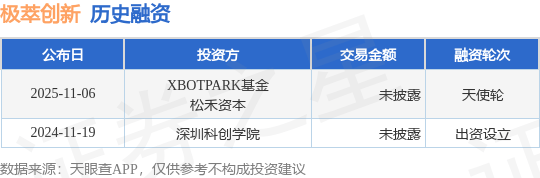
证券之星消息,根据天眼查APP于11月6日公布的信息整理,极萃创新(深圳)科技有限公司天使轮融 资,融资额未披露,参与投资的机构包括XBOTPARK基金,松禾资本。 极萃创新深入研究咖啡萃取原理,致力于为消费者和行业提供更高效智能的精品冷萃咖啡体验。 数据来源:天眼查APP 以上内容为证券之星据公开信息整理,由AI算法生成(网信算备310104345710301240019号),不构成 投资建议。 | 公布日 | 投资方 | 交易金额 | 融资轮次 | | --- | --- | --- | --- | | 2025-11-06 | XBOTPARK基金 | 未披露 | 天使轮 | | | 松禾资本 | | | | 2024-11-19 | 深圳科创学院 | 未披露 | 出资设立 | ...
「咖啡启蒙者」光环褪色,雀巢咖啡要赢得中国年轻消费者有多难? | 声动早咖啡
声动活泼· 2025-11-12 10:05
Core Viewpoint - Nestlé, once a leader in the instant coffee market in China, is now facing challenges in attracting young consumers, necessitating a strategy to rejuvenate its brand and appeal to this demographic [2][8]. Company Overview - Nestlé, a Swiss food and beverage giant, has a diverse portfolio that includes coffee, dairy products, confectionery, beverages, and pet food, with over 2,000 brands operating in more than 100 countries [4]. - The company originated from a baby food product developed in the 1860s by pharmacist Henri Nestlé, which aimed to reduce infant mortality rates in Switzerland [4]. Coffee Business Development - Nestlé's instant coffee, Nescafé, was created in 1930 using spray-drying technology to address surplus coffee production in Brazil, becoming a staple for U.S. troops during WWII and gaining popularity post-war [5]. - The coffee segment has become a core part of Nestlé's business, with Nescafé generating approximately $10 billion in annual sales, accounting for 36% of the company's coffee business revenue [5][9]. - In 2018, Nescafé held over 70% market share in China's instant coffee market, significantly outpacing its closest competitor, Maxwell [5]. Market Trends and Challenges - The instant coffee market in China is currently valued at approximately 78 billion yuan, representing nearly half of the national coffee market, but has seen a slight decline of 1.5% year-on-year [9]. - The rise of fresh coffee consumption and changing health perceptions among consumers have led to a preference for low-sugar, no-cream instant black coffee, impacting traditional instant coffee sales [9]. - Competitors like Luckin Coffee and Starbucks have become more prominent in the minds of young consumers, overshadowing Nestlé's historical presence in the market [7][9]. Product Innovation and Strategy - In response to market changes, Nestlé has introduced new products, including upgraded classic series, zero-sugar options, and beverages like sparkling Americano, while also diversifying into various formats such as drip coffee and ready-to-drink products [9][10]. - Despite these innovations, Nestlé faces challenges in reshaping consumer perceptions, as many still associate the brand primarily with sugary instant coffee [10]. Distribution and Sales Dynamics - Nestlé has traditionally employed a "deep distribution" model, requiring distributors to purchase in bulk, which has led to inventory issues and financial pressures amid slowing consumer demand [11][12]. - Recent shifts in strategy aim to transition from a distribution-driven model to one focused on actual consumer sales, indicating a need for better engagement with end consumers [12].

星巴克40亿出售中国店铺,8000家门店大调整,低价产品冲击业绩
Sou Hu Cai Jing· 2025-11-12 05:12
Core Viewpoint - Starbucks has partnered with Boyu Capital, selling a 60% stake in its China business for $2.4 billion, while retaining 40% ownership and control over brand standards, indicating a strategic shift towards aggressive expansion and local operational management [1][5][11]. Group 1: Partnership Details - Boyu Capital acquired a 60% stake in Starbucks' China operations, with Starbucks retaining 40% to maintain brand control [3][5]. - The valuation of Starbucks' China business exceeds $13 billion, factoring in future brand licensing revenues over the next decade [5]. - The joint venture aims to expand the number of stores from approximately 8,000 to 20,000, significantly increasing the footprint in the market [5][19]. Group 2: Market Context - Starbucks has faced increased competition from lower-priced coffee brands like Luckin and Kudi, prompting a need for strategic changes [9][11]. - The brand's previous image as a premium choice has been challenged, leading to a shift in consumer preferences towards value [9][21]. - The North American headquarters is experiencing performance declines, limiting resources and focus on the Chinese market [11]. Group 3: Operational Strategy - Boyu Capital's local market expertise and channels are expected to enhance Starbucks' operational efficiency and speed in the Chinese market [11][15]. - Starbucks has begun implementing promotional strategies, such as price reductions and loyalty programs, to attract price-sensitive consumers while maintaining a premium image [13][19]. - The partnership may lead to rapid expansion into smaller cities and emerging regions, with a focus on increasing store numbers [15][19]. Group 4: Quality Control Concerns - The partnership raises concerns about potential cost-cutting measures that could impact service quality and product consistency [15][17]. - Maintaining a balance between rapid expansion and quality control is crucial for Starbucks' long-term success in China [23][25]. - The joint venture's success will depend on effective coordination and execution to avoid market backlash from any missteps [19][25].

上海伟哲咖啡有限公司成立 注册资本100万人民币
Sou Hu Cai Jing· 2025-11-11 21:47
天眼查App显示,近日,上海伟哲咖啡有限公司成立,法定代表人为施春艳,注册资本100万人民币, 经营范围为一般项目:食品销售(仅销售预包装食品);互联网销售(除销售需要许可的商品);食用 农产品零售;食用农产品批发;农副产品销售;体育用品及器材零售;文具用品零售;母婴用品销售; 办公用品销售;工艺美术品及收藏品零售(象牙及其制品除外);办公设备销售;化妆品零售;日用百 货销售;化妆品批发;针纺织品销售;服装服饰零售;家用电器销售;会议及展览服务;专业设计服 务;品牌管理;企业管理咨询;组织文化艺术交流活动;信息咨询服务(不含许可类信息咨询服务); 咨询策划服务;货物进出口;技术进出口。(除依法须经批准的项目外,凭营业执照依法自主开展经营 活动)。 ...
咖啡豆价格狂飙,打工人的“续命水”会涨价吗?
Ge Long Hui· 2025-11-11 12:43
Core Insights - The global coffee market is experiencing a significant price surge, with Arabica coffee futures reaching historical highs, driven by supply constraints and increasing demand [1][2][3] - In contrast, the Chinese coffee market is witnessing a price war among brands, leading to a drastic reduction in consumer prices despite rising raw material costs [4][5][6] Group 1: Market Dynamics - As of November 8, 2023, Arabica coffee futures are priced at 388.38 cents per pound, having increased by 4.94% in the first week of November [1] - The price of coffee futures has risen over 70% from 188.5 cents per pound at the beginning of January 2023 to a peak of 336.4 cents per pound in December 2022, surpassing the growth rate of gold during the same period [1][2] - The USDA projects a 7.5% decrease in global Arabica coffee production for the 2025/26 season compared to the historical peak of 6.3 million tons in 2018/2019 [2] Group 2: Supply Chain and Production Issues - Weather conditions in major coffee-producing countries, particularly Brazil, have led to reduced production forecasts, contributing to the rise in coffee futures prices [2] - The International Coffee Organization has warned of systemic risks to global coffee production due to climate change [2] Group 3: Consumer Market Trends in China - The Chinese coffee market is projected to reach a scale of 313.3 billion yuan in 2024, reflecting an 18.1% growth year-on-year, with per capita consumption increasing significantly [3][8] - The number of coffee shops in China has doubled over the past three years, with major cities nearing the density of mature coffee markets like New York and Tokyo [3] Group 4: Price Competition and Brand Strategies - A price war has emerged in the Chinese coffee market, with brands like Luckin Coffee and Kudi Coffee offering products at prices as low as 6 yuan to 9.9 yuan, leading to a significant shift in consumer expectations [4][5][6] - Many coffee brands are facing pressure to maintain market share through aggressive pricing strategies, which may not be sustainable in the long term [9][10] Group 5: Future Outlook and Industry Transformation - Experts predict a shift from price competition to value competition, emphasizing product quality and consumer experience as key differentiators in the market [10][12] - The coffee industry in China is expected to undergo significant consolidation, with weaker brands likely to exit the market in the coming 12-18 months [10][12]