烘焙

Search documents
【书籍专题 · 面包大全 】大阪烧
东京烘焙职业人· 2025-06-26 07:19
本食谱摘选自《面包大全》 3 以温度30℃、湿度75%,发酵 2 再抹上番茄酱。 40分钟,发酵好后,表面刷上蛋 液。 5 然后放上紫甘蓝。 6 接着放上培根肉。 7 最后挤上沙拉酱。 8 放入烤箱,以上火200℃、下火 190℃, 烘烤15分, 出炉后对折, 在表面再挤上沙拉酱。 月度好文: 1、 海底捞面包开业了!个位数的性价比,要靠"穷鬼友好面包"再圈一波粉? 2、 144小时中国游,蜂拥而来的歪果仁最爱吃的面包竟然是这个... 3、 【独家专访】靠一只"黑麦小鸟圈",这家苏州面包店飞出了烘焙圈! 4、 10万家烘焙店闭店潮下,那些持续盈利的店铺做对了什么?我们走访了100位主理人 烘焙职人专访: |行业前辈: 史见孟 | 庄鸿铭 | 吴武宪 | 林育玮 | 林永志 | 曹继桐 | 干文华 | 黎国雄 | 陈聪敏 |比赛冠军: 蔡叶昭 | 龚鑫 | 林业强 | 于鹏 | 张政海 | 鲁胚枝 | 冯英杰 | 吕浩然 | 王记 | 周振山 | 田孝清 | 于鹏 | 李骏飞 | 刘欣茹 | 武子靖 | 张佳辉 5 、 "脱氢乙酸钠"下线后,关于"配料表"的竞争才刚刚开始 6、 让烘焙师又爱又恨的隔夜冷藏法最全 ...


被这家烘焙品牌萌到了!一口面包一口治愈
东京烘焙职业人· 2025-06-26 07:19
餐饮视觉研究室原创编辑 ID:cysjstudio 图片来源: GT里里 (侵删) 在烘焙品牌越卷越"高级感"的当下,YUMIRA 反其道而行,以"快乐松软"为核心,将亲切感、可爱感、互动 感一网打尽。品牌LOGO用三片爱心吐司构成温柔识别,搭配红蓝主色制造高识别度的视觉冲击。包装系统围 绕"早餐场景"展开,从牛奶贴纸到纸托盘,全是可感知的治愈细节。它不只卖面包,更在售卖一种"早起也值 得期待"的心情。 GTSY STUDIO DESIGN YUMIRA BREAD BRAND YUHIRA BREAD & YUHIRA BREAD MA YUHIRA BREAD ® UNIRF YUHIRA UNIRA : 1 Light Chevered Manak l Light DOUG 155 Checkered Natural Yorkill Ause Sread is a pan fo consore the light and ary daily light on the red and white checkend staff. We believe that baking in a geets regoc ...
上海甜点界 “新贵” 再次刷新!LV上海巨型地标“路易号”今天开业
东京烘焙职业人· 2025-06-26 07:19
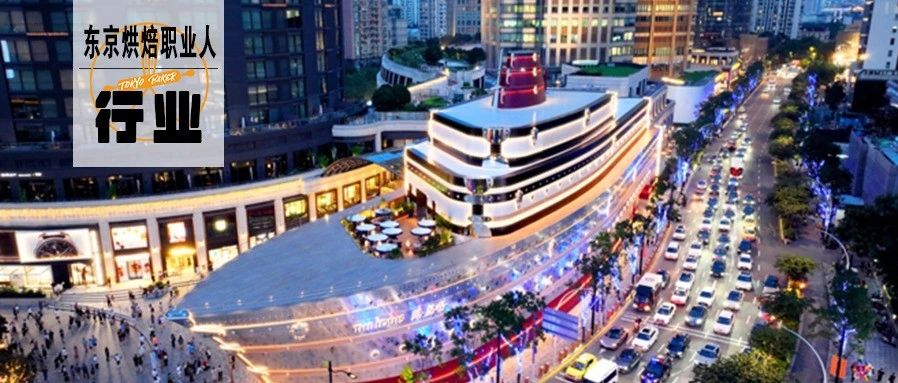
Core Viewpoint - Louis Vuitton (LV) is expanding its brand presence into the baking industry through the opening of its flagship store in Shanghai, which features a café named Le Café Louis Vuitton, marking a significant shift in luxury branding strategies [2][4][33]. Group 1: LV's New Flagship Store - The flagship store in Shanghai is designed to resemble a giant sailing ship, inspired by 19th-century craftsmanship, and includes a retail space, a café, and a 1200 square meter immersive exhibition area [2]. - Le Café Louis Vuitton offers a menu filled with aesthetically pleasing desserts and light meals, creating a sophisticated yet comfortable atmosphere for customers [4]. Group 2: Strategic Move into Baking - LV's entry into the baking sector has been in the making since 2020, with previous openings in Osaka and Paris, showcasing a commitment to high-end desserts [6]. - The café experience is meticulously crafted, with attention to detail in packaging, seating, and menu design, redefining the luxury brand experience [8]. Group 3: Competitive Landscape - Other luxury brands like Gucci, Tiffany & Co., and Dior are also entering the dessert market, indicating a trend where luxury brands seek to engage consumers through everyday experiences [11][12]. - The competition among luxury brands in the dessert space highlights a shift from merely selling products to creating immersive lifestyle experiences [12][15]. Group 4: Emotional Value and Consumer Engagement - Desserts serve as an effective medium for luxury brands to connect with younger consumers, offering a more accessible entry point into the brand experience [18][19]. - The café experience encourages longer customer engagement, allowing for deeper brand interaction and storytelling [23][24]. Group 5: Redefining Baking and Brand Narratives - The rise of luxury brands in the baking industry signals a transformation where desserts become a cultural symbol and a means of brand expression [34][35]. - The focus is shifting from traditional baking to creating visually appealing and narratively rich dessert experiences that resonate with consumers [27][31].
立高食品: 立高食品股份有限公司向不特定对象发行可转换公司债券2024年度受托管理事务报告
Zheng Quan Zhi Xing· 2025-06-25 16:36
Core Viewpoint - The report provides an overview of the issuance and management of convertible bonds by Lihigh Food Co., Ltd., detailing the financial performance, bond characteristics, and management responsibilities of the trustee, CITIC JianTou Securities Co., Ltd. [2][5][12] Group 1: Bond Overview - The convertible bond code is 123179, and it is referred to as Lihigh Convertible Bond, with a total issuance scale of 9.5 billion yuan [4][10]. - The bond has a term of 6 years, with an initial coupon rate of 0.30%, which will be adjusted to 0.80% starting from March 7, 2026, and further to 1.50% from March 7, 2027 [4][10]. - The bond is unsecured and has a credit rating of AA- for both the issuer and the bond itself, with a stable outlook [5][6]. Group 2: Financial Performance - For the fiscal year 2024, Lihigh Food reported total assets of 437,843.26 million yuan, a 11.14% increase from 393,968.09 million yuan in 2023 [9]. - Total liabilities rose by 24.05% to 180,241.10 million yuan, while total equity increased by 3.59% to 257,602.15 million yuan [9]. - Operating revenue for 2024 was 383,537.90 million yuan, reflecting a 9.61% growth compared to 349,909.70 million yuan in 2023 [9]. Group 3: Use of Proceeds - The proceeds from the bond issuance are allocated for the construction of the Lihigh Food headquarters base (Phase I) and to supplement working capital [10]. - The use of funds has remained consistent with the original plan, and the special account for managing these funds is operating normally [10][12]. Group 4: Debt Servicing and Management - The issuer has successfully completed interest payments on March 7, 2024, for the previous year, with no defaults reported [13]. - The trustee has actively monitored the issuer's credit status and compliance with bond obligations, ensuring the protection of bondholders' rights [5][12]. - There have been no significant changes in the issuer's debt servicing capacity or credit enhancement measures during the reporting period [11][12].

零售商为什么都盯上了烘焙?
Xin Lang Cai Jing· 2025-06-25 13:40
Core Insights - The connection between baking and supermarkets has become increasingly close, with new products like the green bean cake and Swiss roll gaining significant attention and sales [1][2] - Supermarkets are shifting focus from fresh produce to baked goods as a key differentiator in a competitive market [2][3] Industry Trends - In 2023, major supermarkets like Daitunfa upgraded their private labels to emphasize fresh and handmade products, leading to rapid sales growth [3] - The baking sector has seen explosive growth, with companies like Lihigh Foods reporting a revenue increase of 9.61% year-on-year, and a net profit surge of 266.94% [4][5] Market Dynamics - Traditional bakeries are struggling, with notable closures and declines in market share as supermarkets capture a larger portion of the baking market [5][6] - Supermarkets are leveraging competitive pricing and quality to attract consumers, with products priced significantly lower than specialty bakeries [7][9] Consumer Behavior - The rise of social media platforms like Xiaohongshu has amplified the visibility of popular baked goods, driving consumer interest and sales [17][19] - Supermarkets are utilizing creative marketing strategies to engage consumers, such as limited-time offers and themed products [19][21] Product Development - Successful baked goods often result from collaboration between supermarkets and suppliers, focusing on consumer preferences and market trends [20][21] - Innovations in product offerings, such as healthier ingredients and unique presentations, are becoming increasingly important in attracting consumers [21][22]
DQ冰淇淋开出定制蛋糕门店
news flash· 2025-06-25 12:25
继DQ(Dairy Queen,冰雪皇后)去年推出同时供应汉堡和冰淇淋的门店后,近日,DQ开出了南京首家手 工定制蛋糕店。面对当下消费者的多元化需求,以及冰淇淋赛道的竞争压力,DQ品牌的产品类型和门 店模型都在逐渐增多。眼下,DQ共有三种门店模型。分别是常规的"冰淇淋店""冰淇淋与定制蛋糕 店"以及热食"冰淇淋与汉堡店"。近日,在接受采访时,CFB集团(DQ是CFB集团旗下品牌)首席执行官 许惟抡表示:"虽然所有DQ冰淇淋店都卖蛋糕,但是南京这家手工蛋糕店提供60款以上不同蛋糕产品, 且在门店现场配备专业的裱花师。该门店接到订单以后现场制作,可以根据现场需求提供祝福语。"(第 一财经) ...
41年老字号,宣布停业!昔日“冰皮月饼”始祖:逼于无奈,深表歉意
Nan Fang Du Shi Bao· 2025-06-25 11:10
Core Points - The company, 大班面包西饼, has announced its closure after 41 years of operation due to unforeseen and irresistible challenges [1] - The company was well-known for its innovative "snow skin mooncake," which gained popularity in Hong Kong and mainland China [2] - At its peak, the company operated approximately 28 stores across Hong Kong, becoming a familiar baking brand [3] Company History - 大班面包西饼 was founded in 1984 by 郭鸿钧, who introduced the "snow skin mooncake" five years later, leading to a trend in the market [2] - In 2021, the 郭鸿钧 family fully exited the company, which was acquired by a new shareholder group led by 廖志强, who aimed to reform the brand and rejuvenate its image [4] Recent Developments - In 2025, reports emerged that over 100 employees had their salaries delayed, prompting assistance requests to the Hong Kong hotel and catering industry association [5] - The Labor Department is actively providing support to affected employees and may investigate potential violations of employment regulations [5]
【独家专访】对话蛋挞超级大单品背后的创始人:全球蛋挞未来最大B端品牌也许是我们
东京烘焙职业人· 2025-06-25 08:30
Core Insights - Zhongbei Egg Tart is a key player in the egg tart market, focusing on high-quality products and innovation, aiming to become a benchmark in the tart category [1][4][42] - The company has a unique product development model that combines scientific research with baking applications, creating a strong competitive advantage in the Chinese baking industry [3][43] Market Position - The retail scale of the egg tart market in China is nearly 30 billion, with Zhongbei holding over 70% market share in the high-end segment [4][8] - Zhongbei's annual production capacity has surpassed 1 billion tarts, indicating a strong operational scale [8] Target Market and Strategy - Zhongbei focuses on a specific market segment, targeting clients who prioritize product quality and supply chain stability, rather than competing on price [9][12] - The company has established partnerships with major brands, providing them with high-quality egg tarts that significantly boost their sales [13][16] Product Quality and Innovation - Zhongbei emphasizes high-quality raw materials, using imported wheat flour, butter, and New Zealand milk, which contributes to higher production costs but ensures superior product quality [19][20] - The company has developed unique tart liquids and introduced innovative products like recoverable frozen egg tarts, showcasing its commitment to R&D [21][22][24] R&D and Competitive Edge - Zhongbei invests over 3% of its sales in R&D, positioning itself in the top tier of the industry for research investment [24] - The company maintains a two-generation technology reserve, allowing for rapid product iteration and innovation, with an average of 18 months for new product launches [26] Future Outlook - The company plans to expand its product offerings and explore new applications, such as collaborations with beverage brands and incorporating functional ingredients [27][34] - Zhongbei aims to enter international markets, starting with South Korea and Singapore, by 2025, reflecting its ambition to globalize its brand [42] Business Model and Distribution - Zhongbei has established its own cold chain logistics system to ensure product quality during distribution, prioritizing efficient delivery methods [29][30] - The company is exploring flexible cooperation models with distributors to adapt to changing market dynamics [31][32]

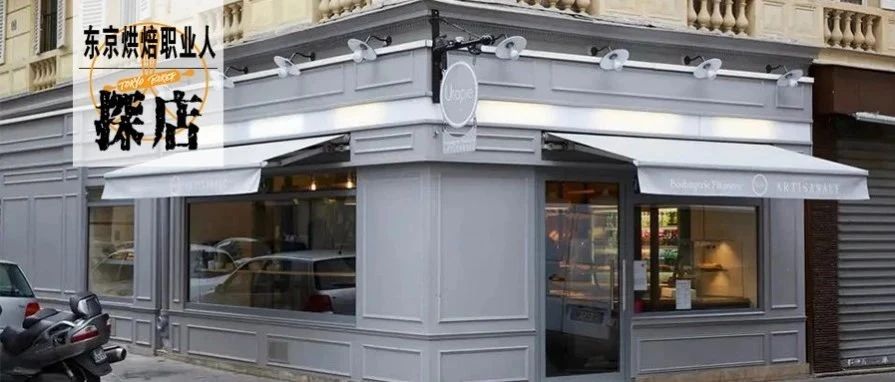
【法国探店】开业不到一年就被评为法国最佳面包店?这是什么乌托邦烘焙店啊......
东京烘焙职业人· 2025-06-24 06:35
Core Viewpoint - The article highlights the significance of artisanal bakeries in Paris, particularly focusing on the UTOPIE bakery, which emphasizes creativity, quality, and the use of organic ingredients in its products [3][12][30]. Group 1: UTOPIE Bakery Overview - UTOPIE was established in 2015 by two friends, Erwan Blanché and Sébastien Bruno, after they gained experience at the renowned La Durée pastry shop [6][7][9]. - The bakery quickly gained recognition, being awarded the title of "Best Bakery in France" by M6 television within its first year of operation [10][14]. - UTOPIE's philosophy revolves around minimal marketing and a focus on product quality, using natural ingredients and minimal additives [12][30]. Group 2: Product Offerings - UTOPIE offers a variety of unique breads, including a "Weekend Bread" series that features a different limited-edition bread each weekend, attracting long queues of customers [32]. - Popular products include traditional baguettes made with natural leaven, rustic country bread, and a unique croissant that emphasizes a balance between texture and flavor [35][40][46]. - The bakery also incorporates Asian elements into its products, such as black sesame and matcha, showcasing a blend of cultural influences [52]. Group 3: Brand Philosophy and Community Engagement - UTOPIE promotes a philosophy of sharing and handmade production, aiming to provide high-quality products to all customers [26][60]. - The bakery's commitment to quality is reflected in its continuous search for inspiration and innovation, ensuring that all products maintain a high standard [30][66].
消费领域投融资周报(6月16日-6月22日):华之杰上市
Sou Hu Cai Jing· 2025-06-23 08:45
Core Insights - A total of 192 financing events were disclosed in the week of June 16-22, 2025, involving 143 domestic companies and 49 foreign companies, with a total financing amount of approximately 232.776 billion RMB [2] - The medical health sector had the highest number of financing events, while the low-carbon sector had the highest financing amount [2] Domestic Consumption Sector - In the domestic consumption sector, there was 1 company listed, 3 companies acquired, and 17 companies received funding, totaling approximately 28.94 billion RMB [2] - Huazhi Jie, based in Jiangsu, is an electric tools and accessories supplier that went public [2] - Baizhicui, a medical skincare brand based in Shanghai, was acquired by Judydoll [2] - Yushun, a liquid crystal display research service provider based in Hunan, was acquired by Huanuo Xingkong [2] - Shanghai Sen Cai Trading, a bag trading service provider based in Shanghai, was acquired by Guangzhou Caige [2] - Hangzhou Beikang International completed a Pre-IPO financing of 575 million RMB, ranking in the top 5 for this year's Pre-IPO financing [2] - Zhou Li Fu Jewelry completed a Pre-IPO financing of 524 million RMB, ranking in the top 20 for this year's Pre-IPO financing [2] Domestic Financing Events - Several companies completed significant financing rounds, including: - Lingxin Qiaoshou, a smart platform developer based in Beijing, completed a multi-million RMB A round financing [3] - Zhidai Technology, a health food supplier based in Beijing, completed a multi-million RMB A round financing [3] - New Huo Zhan, a frozen food F2B supply chain service provider based in Beijing, completed a multi-million RMB A round financing [3] - Chasing Planets, a new education service platform based in Beijing, completed an A round financing [3] - Simaier, a chain milk tea brand based in Tianjin, completed a 30 million RMB angel round financing, ranking in the top 20 for this year's angel round financing [3] Foreign Consumption Sector - In the foreign consumption sector, there was 1 company acquired and 2 companies received funding, totaling approximately 9.328 billion RMB [4] - Livensa Living, a student housing service provider based in Spain, was acquired by a Canadian pension fund [5] - IFBH, a ready-to-drink beverage and food provider based in Thailand, completed a Pre-IPO financing of 39.5 million USD, ranking in the top 50 for this year's Pre-IPO financing [5] - Knowunity, a digital learning platform provider based in Germany, completed a B round financing of 220 million RMB, ranking in the top 50 for this year's B round financing [6]