国际贸易

Search documents
重振世人对多边贸易体系信心
Jing Ji Ri Bao· 2025-08-19 22:07
Group 1 - The World Trade Organization (WTO) has lowered its global goods trade growth forecast for 2026 from 2.5% to 1.8%, indicating increasing damage from U.S. tariff measures on the global trade system [1] - The U.S. has imposed differentiated tariffs ranging from 10% to 50% on 69 trading partners, raising the trade-weighted average tariff rate to 20.11% as of August 7 [1] - The imposition of tariffs violates WTO principles, leading to systemic risks in global trade rules and increasing uncertainty and fragmentation [1] Group 2 - The unilateral approach of the U.S. in trade negotiations has led to market access agreements that favor U.S. industries while harming global trade governance [2] - Developing countries bear the heaviest burden from these tariff measures, with 32 landlocked developing countries facing marginalization in value chains due to high transportation costs and tariffs [2] - The current multilateral trade system is at a crossroads, with rising trade restrictions potentially leading to further trade contraction and exacerbating economic disparities [2] Group 3 - Urgent reforms are needed for the WTO's dispute resolution mechanism, including the selection of appellate judges and maintaining a two-tier structure for dispute resolution [3] - Emerging economies are encouraged to build diversified supply chain networks to mitigate risks and enhance resilience through regional resource integration [3] - Strengthening the core position of the multilateral trade system is essential, advocating for inclusive rule reforms and ensuring that global development benefits are shared equitably [3]
从“神庙收据”到数字钱包,国际贸易与离岸金融的共生密码
Di Yi Cai Jing· 2025-08-19 12:01
Group 1 - The core relationship between international trade and offshore finance is essential for overcoming geographical and institutional boundaries, relying on special financial arrangements [1][10] - International trade, cross-border trade, and offshore trade are three key concepts that form a multi-layered structure of global trade [2][3] - Offshore trade is characterized by transactions that do not physically enter the trading parties' countries, highlighting China's pivotal role in the global supply chain [3][4] Group 2 - The integration of offshore finance tools such as settlement, financing, and insurance is crucial for supporting international trade [5][6] - Offshore settlement platforms significantly reduce transaction costs and time, with 80% of bulk commodities settled through offshore accounts, saving 20% to 40% in international trade costs [6][8] - Offshore financing provides essential liquidity for emerging market SMEs, with significant savings on interest rates compared to local banks [6][7] Group 3 - The evolution of offshore finance is deeply rooted in the dynamics of international trade, with funds, demand, and flow acting as vital nutrients for its growth [8][9] - The successful integration of international trade and offshore finance in the US and UK serves as a benchmark for creating a closed-loop system that enhances trade efficiency [9][10] - China's initiatives, such as the Shanghai Free Trade Zone and digital RMB, are redefining the boundaries of offshore finance and trade [10][11] Group 4 - Future trends in international trade and offshore finance will focus on green trade, technological advancements, and inclusive services, with innovations like carbon finance and blockchain technology enhancing efficiency [11][12] - The regulatory landscape is evolving to address potential risks associated with offshore finance, emphasizing the importance of real-time monitoring and data integration [12][13]


趁火打劫、不当得利?白宫终于给出对印度商品加收25%关税的原因
Sou Hu Cai Jing· 2025-08-19 08:32
Core Viewpoint - The U.S. government has imposed a 25% tariff on Indian goods, raising the total tariff to 50%, citing India's opportunistic purchase of Russian oil amid the Ukraine conflict as the reason for this "secondary sanction" measure [1][7]. Group 1: U.S. Perspective on India's Actions - White House trade advisor Peter Navarro characterized India's reliance on Russian oil as "opportunistic," noting that India was not a significant buyer of Russian energy before the Ukraine conflict but dramatically increased purchases afterward [4][10]. - Navarro emphasized that India's actions undermine global efforts to isolate the Russian economy, as the country has become a key market for Russian oil, with imports now accounting for 37% of India's total oil imports, making it the second-largest buyer after China [4][5]. - The U.S. views India's role as not just a buyer but as a "payment and transit center" for Russian oil, converting sanctioned oil into high-value exports and providing Russia with much-needed dollars [5][7]. Group 2: India's Response and Geopolitical Implications - India has strongly reacted to the U.S. tariffs, arguing that it is being treated unfairly and highlighting the double standards of the West, as the U.S., Europe, and China have also been purchasing Russian energy without facing similar consequences [8][10]. - The U.S. acknowledges past purchases by these countries but distinguishes them from India's actions, viewing India's significant increase in purchases post-sanctions as unacceptable opportunism [10][12]. - The ongoing trade tensions have raised concerns about India's diplomatic alignment, especially as it engages with both Russia and China, leading to fears in the U.S. regarding the sale of advanced military equipment to India [12].
【环球财经】巴西财政部长:巴美关税谈判陷入僵局
Xin Hua Cai Jing· 2025-08-19 05:31
美国目前对巴西输美产品加征40%从价关税,大部分巴西输美产品面临的关税税率高达50%。此前,美 国总统特朗普在社交媒体发文,要求巴西政府停止对博索纳罗的司法调查。巴西总统卢拉就此回应说, 巴西的司法程序不容任何干涉或威胁,国家机构的独立性不容侵犯。 (文章来源:新华财经) 新华财经圣保罗8月18日电 巴西财政部长费尔南多·阿达18日在圣保罗出席活动时表示,巴西和美国的关 税谈判陷入僵局。 阿达说,美方将贸易问题与巴西前总统博索纳罗司法案件挂钩,试图强加一种在巴西宪法框架下无法实 现的解决方案。"这个要求不可能实现,我们已经陷入僵局。" 他表示,巴美贸易规模近年来显著下降,未来可能进一步下滑。 ...
全球顶级展会都选TA!中国五金展CIHS与法国维易集团达成战略合作
Sou Hu Cai Jing· 2025-08-18 10:22
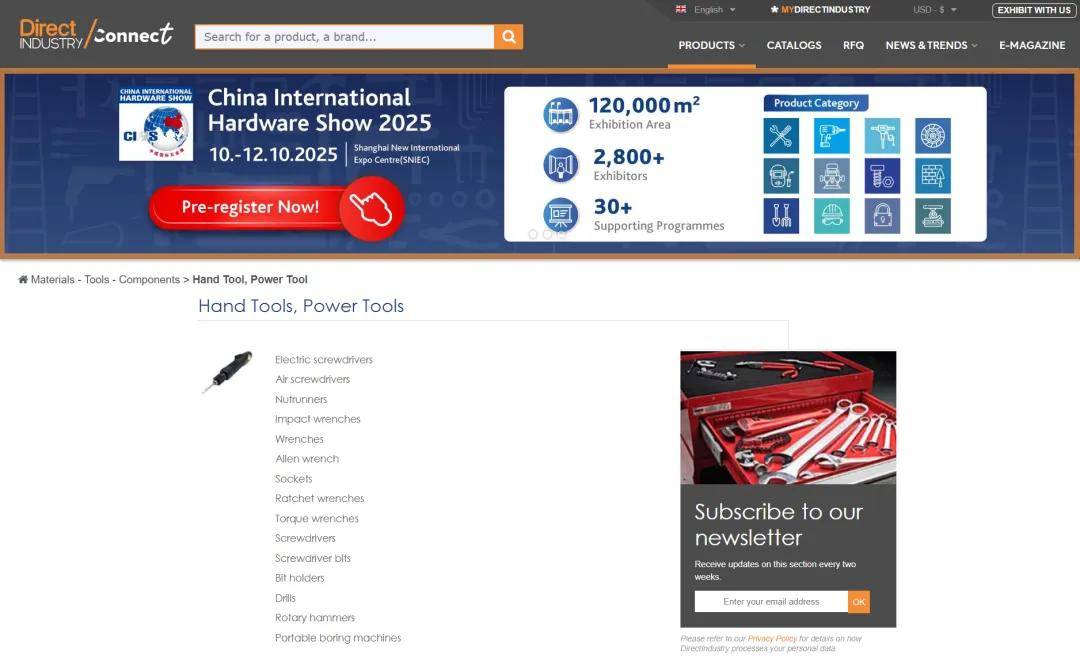
Group 1 - VirtualExpo's flagship platform, DirectIndustry, has formed a strategic partnership with the leading hardware exhibition in Asia, the China International Hardware Show (CIHS) [1][4] - The collaboration aims to achieve mutual benefits through resource sharing, integrating online and offline resources, and empowering the global industrial ecosystem [4] - VirtualExpo has already gained recognition from top global exhibitions, including being selected as the official media partner for the Hannover Messe, the largest international industrial fair [4] Group 2 - The 136th Canton Fair will feature over 28,000 exhibitors and showcase more than one million new products, with half of them being green products characterized by low carbon emissions [32][33] - The Canton Fair has optimized its online capabilities to enhance supplier-buyer matchmaking and improve connections between suppliers and buyers [33] - The Health & Medicine sector of the Canton Fair will take place from October 31 to November 4, featuring over 1,000 exhibitors and thousands of new products [35]
“普”泽千企 “惠”润万家——泰安银行业聚焦重点领域绘就普惠金融“安澜”新图景
Qi Lu Wan Bao· 2025-08-18 09:48
Core Viewpoint - The banking sector in Tai'an is actively promoting high-quality economic development through various financial services and initiatives, particularly focusing on inclusive finance and support for small and micro enterprises, foreign trade, consumption, and rural revitalization [1][14][25]. Group 1: Inclusive Finance and Support for Small Enterprises - As of June 2025, the outstanding loans for inclusive small and micro enterprises in Tai'an reached 101.46 billion yuan, a growth of 13.13% compared to the beginning of the year, exceeding the overall loan growth rate by 6.84 percentage points [1]. - The Tai'an Financial Regulatory Bureau has implemented targeted financial services for small and micro enterprises, including the "Anlan" brand initiative, focusing on key areas such as foreign trade, consumption, technology, private enterprises, and rural revitalization [1][25]. - A total of 165,824 loans amounting to 166.61 billion yuan have been issued to private enterprises, reflecting a growth of 7.47% since the beginning of the year [25]. Group 2: Support for Foreign Trade Enterprises - The Tai'an Financial Regulatory Bureau has launched a special action to support foreign trade enterprises, resulting in loans of 5.959 billion yuan issued to 479 foreign trade enterprises, with an average loan interest rate of 3.94%, which is 0.18 percentage points lower than the average rate for small and micro enterprises [2][6]. - The cross-border loan product introduced by the Industrial and Commercial Bank of China has facilitated quick financing for foreign trade enterprises, exemplified by a loan of 1.9 million yuan approved within three days for a company facing collateral shortages [6][10]. Group 3: Consumption and Rural Revitalization - As of June 2025, the balance of consumption loans (excluding credit card business) in the region reached 22.185 billion yuan, marking a 4% increase since the beginning of the year [14]. - The Tai'an banking sector has provided 3.5 million yuan in loans to 24 households in Yushan Village to support the development of rural tourism, enhancing the quality and service of local homestays [17][33]. - The Tai'an banking industry has issued 1.951 trillion yuan in agricultural loans, with inclusive agricultural loans reaching 497.9 billion yuan, reflecting a growth of 4.14% since the beginning of the year [33]. Group 4: Innovation and Technology Support - By June 2025, banks in the region have provided financing services to 3,096 technology enterprises, with a total loan balance of 66.041 billion yuan, including 35.741 billion yuan to 2,006 "specialized, refined, and innovative" small and medium enterprises [18][20]. - The Industrial and Commercial Bank of China has issued a 10 million yuan "Science and Technology Innovation Loan" to a leading automotive parts supplier to support its technological upgrades [20][23]. Group 5: Major Projects and Financial Collaboration - A consortium led by Qingdao Bank has approved a credit limit of 980 million yuan for a major energy investment project, with 89.09 million yuan already disbursed [24]. - The Tai'an banking sector has tailored financial solutions for various enterprises, including a 30 million yuan loan to support the construction of a food oil processing project [28].
全球瞭望|南非媒体:美关税政策是将贸易当作胁迫工具
Xin Hua She· 2025-08-18 08:37
Core Viewpoint - The article argues that the U.S. tariff policy undermines the principles of international trade order and uses trade as a coercive tool, urging global South countries to seek multilateral cooperation opportunities [1] Trade Policy Impact - The U.S. imposes a 30% tariff on South African goods, despite South Africa accounting for only 0.25% of total U.S. imports [1] - The high tariffs on South African exports are attributed to power dynamics rather than economic or trade factors [1] Multilateralism and Cooperation - The article highlights that the frequent use of tariffs by the U.S. sets a dangerous precedent, leading to the collapse of multilateralism as trade becomes a tool of coercion rather than cooperation [1] - South Africa and other nations have historically viewed Western markets as stable and rule-based, but the current U.S. approach is arbitrary [1] Regional Trade Relations - South African President Ramaphosa supports expanding trade relations with Africa, Asia, and the Middle East [1] - The African Continental Free Trade Agreement is expected to integrate Africa into a market valued at $3.4 trillion [1]
王毅外长一句话,让印度下定决心“反水”,特朗普好日子到头了?
Sou Hu Cai Jing· 2025-08-18 05:08
Core Viewpoint - The article discusses Indian Prime Minister Modi's upcoming visit to China, highlighting a shift in India's foreign policy as it seeks new strategic partnerships amid rising tensions with the U.S. due to increased tariffs on Indian imports [1][5][15]. Group 1: U.S.-India Relations - The U.S. has imposed a 50% tariff on Indian imports, reflecting dissatisfaction with India's cooperation in certain diplomatic areas, particularly its continued purchase of Russian oil [5][6]. - This tariff has significantly reduced India's exports to the U.S., causing economic fluctuations within India [6]. - Modi's realization that merely appeasing the U.S. may not yield substantial benefits has led to a strategic pivot towards China [8]. Group 2: India-China Relations - Modi's visit to China is seen as a strategic adjustment, aiming to enhance India's autonomy in the U.S.-China rivalry [8][15]. - Recent statements from Chinese officials indicate a willingness to promote stable and healthy development of Sino-Indian relations, providing Modi with confidence for his visit [3][10]. - If successful, Modi's visit could improve bilateral relations and create opportunities for cooperation, especially following tensions from the 2020 border conflict [12]. Group 3: Economic Implications - The deepening economic ties between China and India, with China exporting machinery and chemicals to India while India supplies agricultural products and pharmaceuticals, suggest a mutually beneficial relationship [13]. - Strengthening these ties could reduce India's dependence on the U.S. and enhance its negotiating power in international affairs [13]. - A potential move by India towards "de-dollarization" could further challenge U.S. economic dominance and create instability in the global financial system [15].
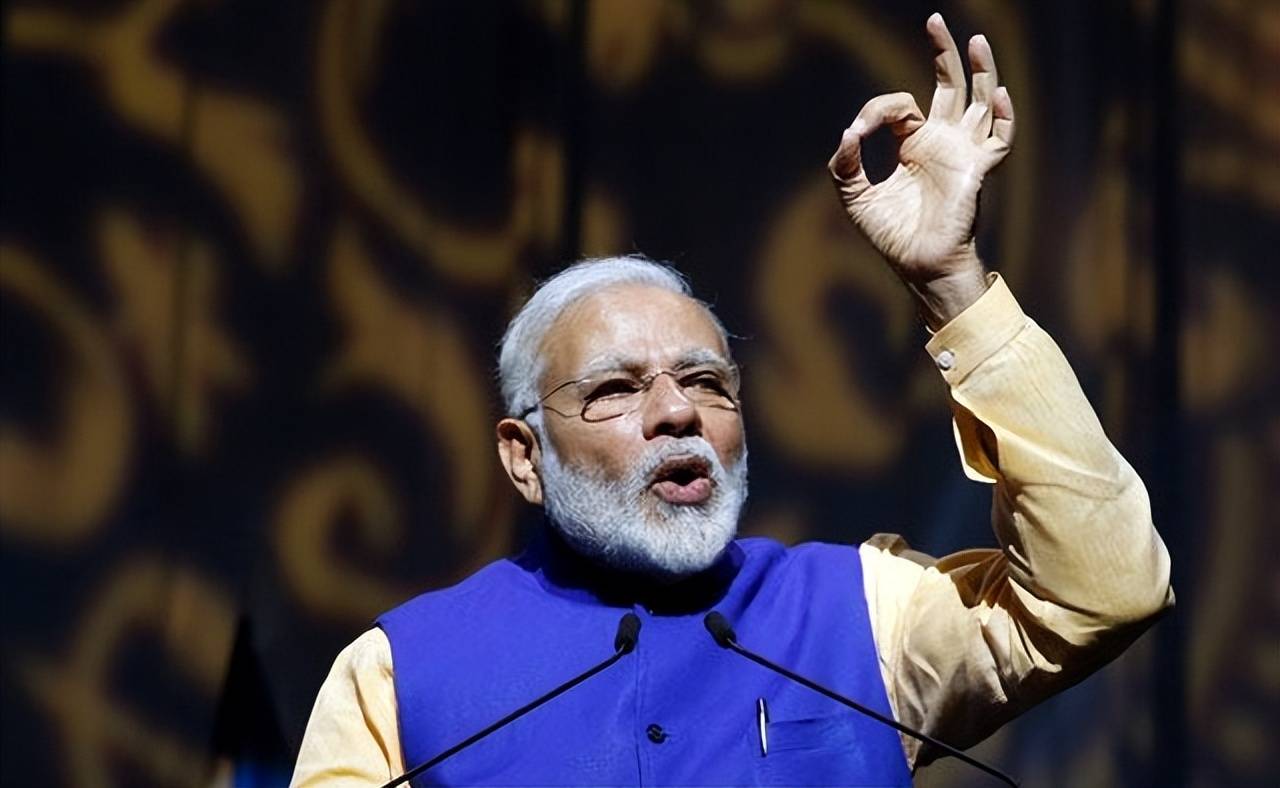
美国代表团取消赴印谈判,50%关税已经避无可避?
Feng Huang Wang· 2025-08-18 01:24
Group 1 - The planned visit of the U.S. trade negotiation team to New Delhi from August 25 to 29 has been canceled, leading to uncertainty regarding the bilateral trade agreement negotiations [1][2] - The cancellation comes as the U.S. imposes a 25% uniform tariff on Indian exports and an additional 25% tariff as a penalty for India's purchase of Russian oil, effective August 27 [2] - The proposed round of negotiations for the bilateral trade agreement is now likely to be postponed to a later date, with both parties still in contact but without a finalized schedule [2] Group 2 - India is described as a very important trade partner for the U.S., with ongoing discussions about the bilateral trade agreement taking place through various channels [3] - The U.S. is India's largest export partner, with Indian exports to the U.S. accounting for nearly 20% of its total exports, valued at $86.51 billion in the last fiscal year ending March 2025 [3]
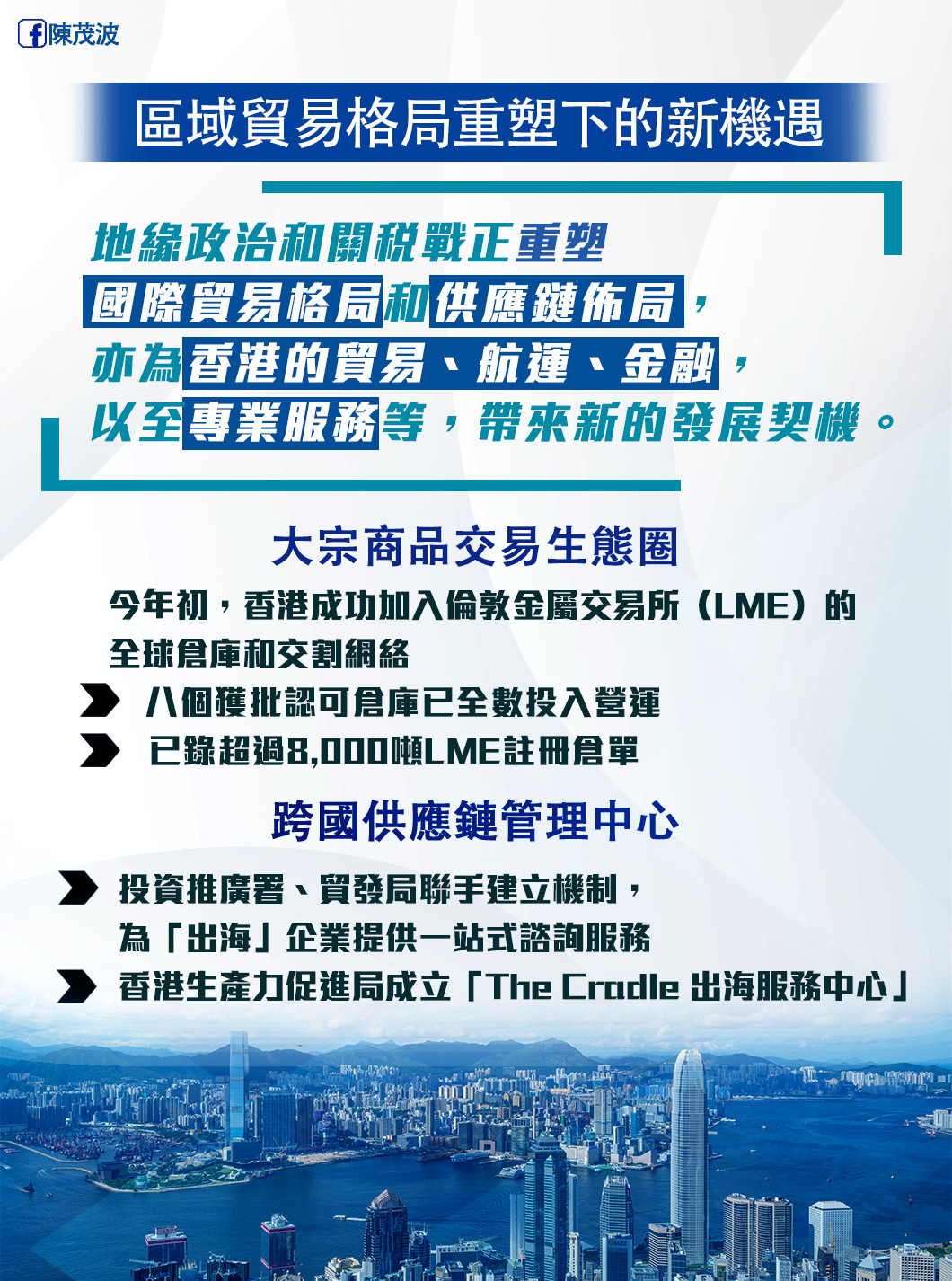
陈茂波:贸易形态重塑 会为香港的贸易、航运、金融以至专业服务等带来新发展契机
智通财经网· 2025-08-17 22:45
Group 1 - The core viewpoint emphasizes that geopolitical changes and tariff wars are reshaping international trade patterns and supply chain configurations, leading to significant growth in Hong Kong's trade, particularly with ASEAN countries [1][7][11] - In the first half of the year, Hong Kong's exports to Vietnam and Malaysia increased by over 50% and 30% respectively, while imports from these countries grew by approximately 70% and 30% [1][7] - ASEAN's share of Hong Kong's total trade rose from 12.1% in 2021 to 14.8% in the first half of this year, indicating a deepening regional trade cooperation [1][7] Group 2 - The integration of supply chains and the restructuring of trade forms present new development opportunities for Hong Kong's trade, shipping, finance, and professional services [1][8] - The establishment of a "bulk commodity trading ecosystem" is underway, with Hong Kong successfully joining the London Metal Exchange's global warehouse and delivery network, enhancing its role in the global metal trading market [8][9] - Since becoming an LME delivery point in January, eight approved warehouses have commenced operations, with over 8,000 tons of LME registered warrants supporting contract deliveries by early August [9] Group 3 - Hong Kong is positioning itself as a multinational supply chain management center, attracting mainland enterprises looking to expand internationally, particularly in the "Global South" and "Belt and Road" regions [10][11] - The government is collaborating with various agencies to provide one-stop consulting services for enterprises aiming to utilize Hong Kong as a launchpad for international expansion [10][11] - The establishment of "The Cradle Outbound Service Center" aims to support mainland tech companies in overcoming challenges related to international market entry, such as technology standards and intellectual property protection [10]