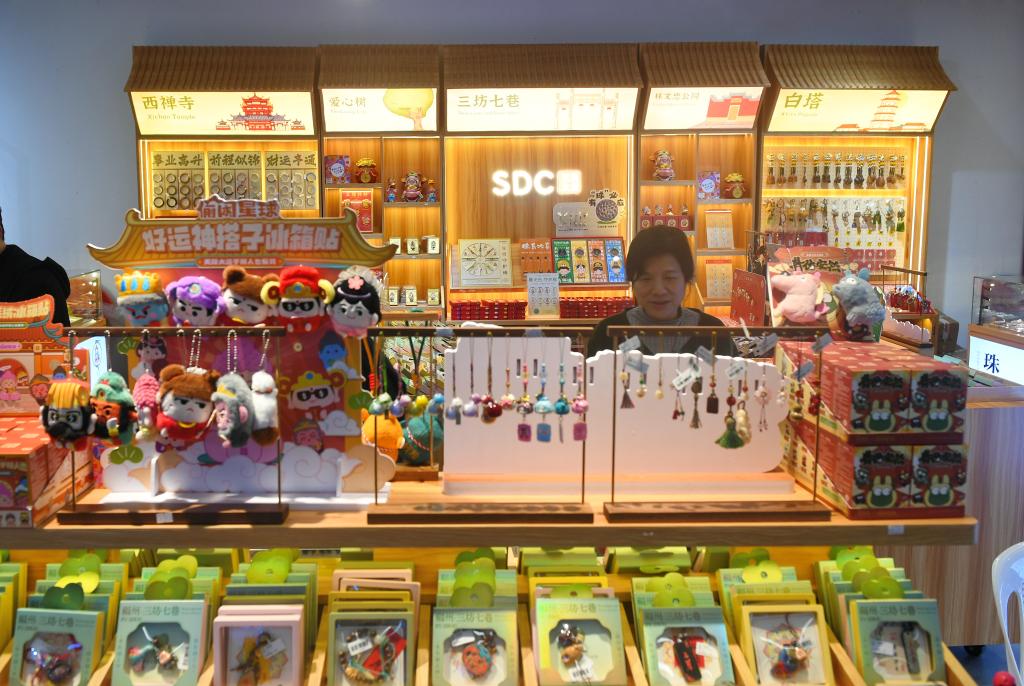
潮玩

Search documents
泡泡玛特,斥资2.51亿港元回购
Zhong Guo Ji Jin Bao· 2026-01-19 14:50
Group 1 - The core point of the article is that Pop Mart has initiated a share buyback program, spending approximately HKD 251 million to repurchase 1.4 million shares after experiencing a significant decline in stock price over the past five months [2][3] - The share buyback occurred at a price range of HKD 177.7 to HKD 181.2 per share, indicating the company's confidence in its valuation despite recent market fluctuations [2] - Following a peak of HKD 339.8 per share in late August 2025, Pop Mart's stock has seen a decline of over 43%, with its market capitalization shrinking from over HKD 400 billion to HKD 242.8 billion [3] Group 2 - Analyst Jeff Zhang from Morningstar noted that Pop Mart's domestic revenue growth may slow in Q4 2025, with some Labubu products facing inventory buildup, suggesting a waning interest in older products [2] - Despite concerns over short-term revenue fluctuations, the fair value estimate for Pop Mart remains at HKD 280, indicating that the current valuation may be attractive for investors [2]



泡泡玛特,斥资2.51亿港元回购
中国基金报· 2026-01-19 14:37
Core Viewpoint - The company, Pop Mart, has initiated a share buyback program worth approximately HKD 251 million to repurchase 1.4 million shares after experiencing a significant decline in stock price over the past five months [2][3]. Group 1: Share Buyback Details - On January 19, Pop Mart announced the repurchase of shares at a price range of HKD 177.7 to HKD 181.2 per share [3]. - The stock price has dropped over 43% from its peak of HKD 339.8 in late August 2025, leading to a market capitalization reduction from over HKD 400 billion to HKD 242.8 billion [3]. Group 2: Market Analysis - Analyst Jeff Zhang from Morningstar indicated that Pop Mart's domestic revenue growth may slow down in Q4 2025, with some Labubu products facing inventory buildup in specific retail stores, suggesting a waning interest in older products [3]. - Despite these concerns, Zhang maintains a fair value estimate of HKD 280 for Pop Mart, arguing that the recent stock price decline has made the valuation attractive and that market worries about short-term revenue fluctuations are excessive [3].
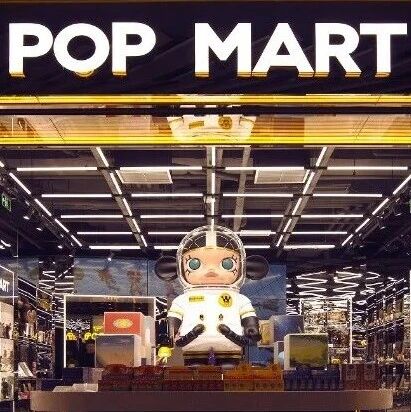
北交所新消费产业研究系列(五):情绪为核+消费新生,中国情绪经济有望重塑万亿消费生态
Hua Yuan Zheng Quan· 2026-01-19 14:02
Group 1: Emotional Economy - The emotional economy in China is projected to exceed 20 trillion yuan by 2024, with a significant growth trajectory expected to continue, reaching approximately 45 trillion yuan by 2029 [2][23][26] - Emotional consumption is characterized by a willingness to pay for emotional value, with over 60% of consumers viewing it as an effective way to relieve stress, and nearly half recognizing it as a means to alleviate emotions [8][20][23] - The emotional economy encompasses various sectors, including trendy toys, pets, emotional health, cultural entertainment, stress relief products, and fragrances, indicating a multi-faceted development landscape [2][24] Group 2: Trendy Toy Economy - The trendy toy market is shifting from functional to emotional consumption, with a projected CAGR of 21% from 2025 to 2030 [2][31] - The retail sales of trendy toys in China are expected to grow from 20.7 billion yuan in 2019 to 58.7 billion yuan in 2024, reflecting a compound annual growth rate of 23.2% [2][37] - The growth of the trendy toy industry is driven by increasing emotional consumption, with these products becoming vehicles for personal identity and cultural belonging [2][37] Group 3: Pet Economy - The pet economy in China is anticipated to surpass 1 trillion yuan by 2027, driven by emotional attachment and companionship needs [2][56] - The pet industry is experiencing steady growth, with the market size expected to reach 701.3 billion yuan in 2024, reflecting an 18.3% year-on-year increase [2][64] - Pet food remains the dominant segment, accounting for 52.8% of the pet consumption market in 2024, with a notable increase in the average spending per pet owner expected in the coming years [2][64][68] Group 4: Fragrance Economy - The fragrance market in China is projected to grow at a CAGR of 15% from 2018 to 2024, with the market size expected to reach approximately 32.9 billion yuan by 2025 [2][81][86] - Emotional benefits are prioritized over functional needs in fragrance consumption, with 59.7% of consumers purchasing fragrances to enhance their emotional experience [2][81][92] - The fragrance market is characterized by a blend of online and offline channels, with online sales expected to grow significantly, reflecting a shift in consumer purchasing behavior [2][88]
第一批免签去土耳其的中产,已经破产了
36氪· 2026-01-19 13:47
Core Viewpoint - Turkey has recently waived visa requirements for Chinese tourists, leading to a surge in travel interest and related searches, but the cost of living and travel expenses in Turkey have significantly increased, making it less affordable than before [5][7][75]. Group 1: Travel Interest and Search Trends - Following the announcement of visa-free travel for Chinese citizens, travel-related searches surged, with Qunar seeing a 3.2 times increase and Tongcheng experiencing a 235% rise compared to the previous day [7]. - Many travelers have shifted their plans from traditional family visits during the Spring Festival to exploring attractions like Cappadocia and Istanbul [8]. Group 2: Cost of Living and Travel Expenses - Prices in Turkey have escalated dramatically, with a can of Coca-Cola priced at 210 Turkish Lira (approximately 33.9 RMB) and a simple salad costing around 500 RMB [12][41]. - The cost of dining out has also increased, with meals at fast-food chains like McDonald's reaching 210 Lira and Starbucks drinks costing around 203 Lira [23][25]. - The overall cost of tourism in Turkey has risen by 100% in less than six months, with significant price hikes in entrance fees to popular attractions [75][81]. Group 3: Currency and Economic Factors - The Turkish Lira has depreciated significantly, with the exchange rate changing from 7.4 Lira per USD in early 2021 to 43 Lira per USD currently, leading to increased prices for tourists [88]. - Many businesses have started quoting prices in Euros or USD to mitigate currency risk, making travel expenses comparable to those in major European cities [92]. Group 4: Tourism Industry Impact - The tourism sector is crucial for Turkey's economy, projected to contribute approximately 5.2 trillion Lira (around 12% of GDP) by 2025, supporting over 3.3 million jobs [123][124]. - Despite rising costs, Turkey remains an attractive destination due to its unique cultural and natural offerings, which continue to draw tourists [128][130].

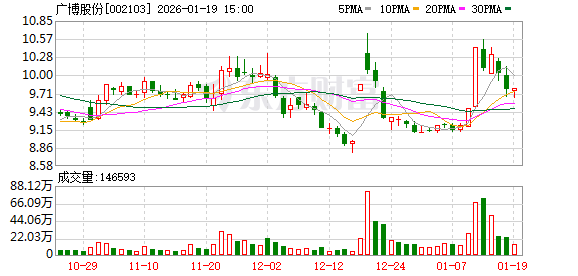
广博股份:公司始终密切关注文创、潮玩业务的发展动向
Zheng Quan Ri Bao· 2026-01-19 13:13
Group 1 - The company, Guangbo Co., Ltd., is closely monitoring the development trends in the cultural and creative industries as well as the trendy toy sector [2]

泡泡玛特:斥资2.51亿港元回购140万股
Jin Rong Jie· 2026-01-19 11:04
Core Viewpoint - Pop Mart announced a share buyback plan, intending to repurchase 1.4 million shares at a total cost of HKD 251 million, with a per-share buyback price ranging from HKD 177.7 to HKD 181.2 [1] Group 1 - The company plans to execute the buyback on January 19, 2026 [1] - The total expenditure for the buyback is set at HKD 251 million [1] - The number of shares to be repurchased is 1.4 million [1]
泡泡玛特1月19日斥资2.51亿港元回购140万股
Zhi Tong Cai Jing· 2026-01-19 10:35
Group 1 - The company, Pop Mart (09992), announced a share buyback plan, intending to repurchase 1.4 million shares at a total cost of HKD 251 million [1] - The buyback price per share is set between HKD 177.7 and HKD 181.2 [1]
中泰国际每日晨讯-20260119
ZHONGTAI INTERNATIONAL SECURITIES· 2026-01-19 09:51
Market Overview - The Hang Seng Index closed at 26,845 points, down 0.3%, while the Hang Seng China Enterprises Index fell 0.5% to 9,221 points[1] - Total turnover in the Hong Kong market was HKD 255.1 billion, a decrease of 12.2% from HKD 290.5 billion the previous Thursday[1] - Blue-chip stocks like Techtronic Industries (669 HK) and Li Ning (2331 HK) rose by 4.9% and 4.3%, respectively, while Pop Mart (9992 HK) and Alibaba Health (241 HK) fell by 5.6% and 5.2%[1] Economic Indicators - The U.S. NAHB housing market index for January was reported at 37, below last week's 39 and market expectations of 40[3] Sector Performance - In the automotive sector, AI-related stocks surged, with Cao Cao Chuxing (2643 HK) and Hesai (2525 HK) rising by 10.9% and 5.6% respectively[4] - The heavy truck sector benefited from a subsidy policy, with China National Heavy Duty Truck Group (3808 HK) and Weichai Power (2338 HK) increasing by 3%-4%[4] - Pop Mart faced allegations of labor exploitation, leading to a 5.6% drop in its stock price, marking a cumulative decline of 48% from its peak[4] Energy Sector Developments - The electricity equipment sector showed strong performance, with stocks like Dongfang Electric (1072 HK) and Harbin Electric (1133 HK) rising by 4.9% and 5.8% respectively[5] - The State Grid announced an expected fixed asset investment of RMB 4 trillion during the 14th Five-Year Plan, a 40% increase from the previous plan[5]
“犒赏经济”走红
Xin Hua She· 2026-01-19 08:53
Group 1 - The concept of "Reward Economy" has emerged in China, characterized by consumers purchasing non-essential items or experiences to gain immediate pleasure and self-affirmation in response to work and life pressures [2][3] - The rise of the "Reward Economy" reflects a shift in consumer values from functional utility to emotional value, indicating a transition from "buying useful" to "buying happiness" [3][6] - The development of the "Reward Economy" is a manifestation of China's growing consumer potential, with experiential rewards becoming a significant new trend in consumption [5][6] Group 2 - The潮玩 (trendy toy) market is a major driving force behind the "Reward Economy," with predictions indicating that the market size will reach 110.1 billion yuan by 2026 [6] - Various industries are adapting to emotional consumption demands by transforming products and services towards personalization, IP integration, and experiential offerings [6] - The rise of the "Reward Economy" highlights the resilience and vitality of the Chinese economy, showcasing an upgrade in consumer concepts that will empower domestic demand expansion and industrial upgrading [6]
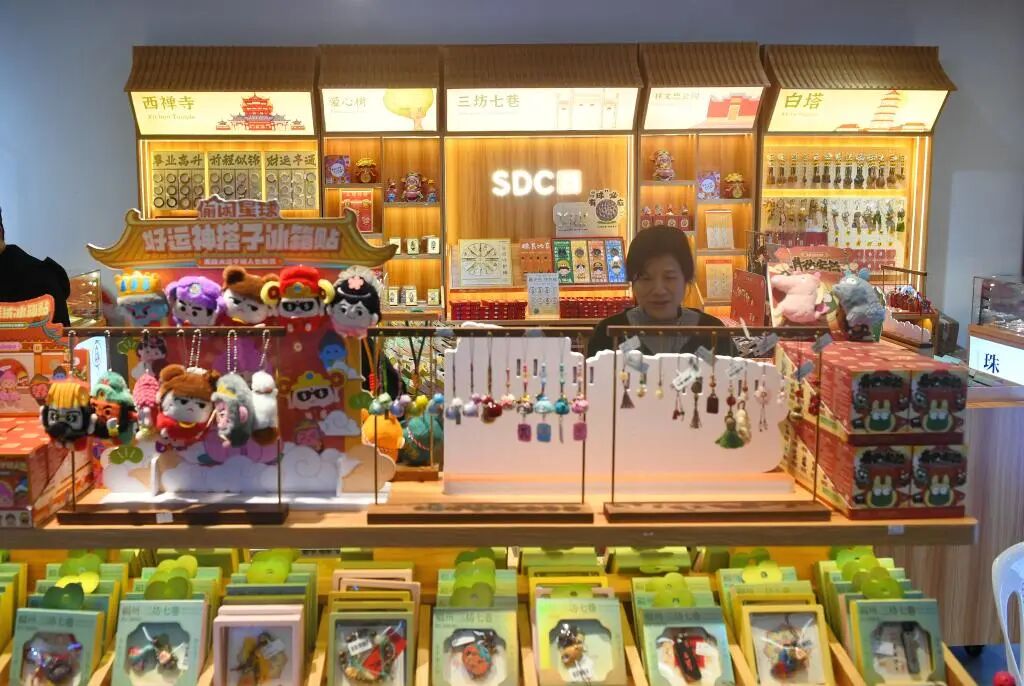
从“必需”到“悦己”:中国兴起“犒赏”消费新势力
Xin Hua Wang· 2026-01-19 04:10
Group 1 - The concept of "reward economy" is emerging in China, where consumers purchase non-essential items or experiences to gain immediate pleasure and self-affirmation in response to work and life pressures [2][3] - The rise of the "reward economy" reflects a shift in consumer values from functional utility to emotional value, indicating a transition from "buying useful" to "buying happiness" [3][5] - Experience-based rewards, such as DIY workshops and themed exhibitions, are becoming a significant trend in consumer behavior, particularly among younger demographics [5][7] Group 2 - The "reward economy" is indicative of the continuous release of China's consumption potential, with experiential rewards gaining popularity in various shopping districts [5][7] - The潮玩 (trendy toy) market is a major driver of the "reward economy," with predictions indicating that the market size will reach 110.1 billion yuan by 2026 [7] - Companies are increasingly focusing on emotional consumption needs, transforming products and services to be more personalized, IP-driven, and experiential, thereby enhancing consumer engagement [7]