
水产养殖

Search documents
秀出科技硬实力!茂南罗非鱼企业亮相2025农业绿色发展论坛
Nan Fang Nong Cun Bao· 2025-10-27 10:00
Core Viewpoint - The 2025 Agricultural Development Forum and the Third China Agricultural Green Technology Industry Conference were held in Nanjing, focusing on promoting agricultural green transformation and sharing innovative technologies in the sector [2][7][10]. Group 1: Event Overview - The forum featured one main forum, eleven sub-forums, and an agricultural green technology exhibition, inviting experts and representatives to discuss topics such as land resource protection and smart agriculture [8][9]. - The event aimed to accelerate the comprehensive green transformation of agriculture and strengthen cooperation among government, industry, academia, and research [11][10]. Group 2: Company Participation - Guangdong Jingtang Agricultural Technology Co., Ltd. represented the Maonan tilapia industry park, showcasing advanced ecological breeding technologies at the exhibition [4][17]. - The company focuses on a full industry chain for tilapia, including seedling, breeding, processing, and cold chain logistics, and has developed technologies such as tailwater recycling and hanging water breeding [14][15]. Group 3: Industry Development - The Maonan District has been promoting the tilapia industry park, supporting the growth of processing companies, and has established a complete industry chain including breeding, slicing, and deep processing [26][27]. - The tilapia output value in Maonan District increased by 7.75% year-on-year in the first three quarters of 2025, indicating a positive trend in production and quality due to the promotion of advanced ecological breeding technologies [32][33].


金秋多彩“丰”景有“智”也有“质” 科技赋能撑起农户“钱袋子”
Yang Shi Wang· 2025-10-27 06:45
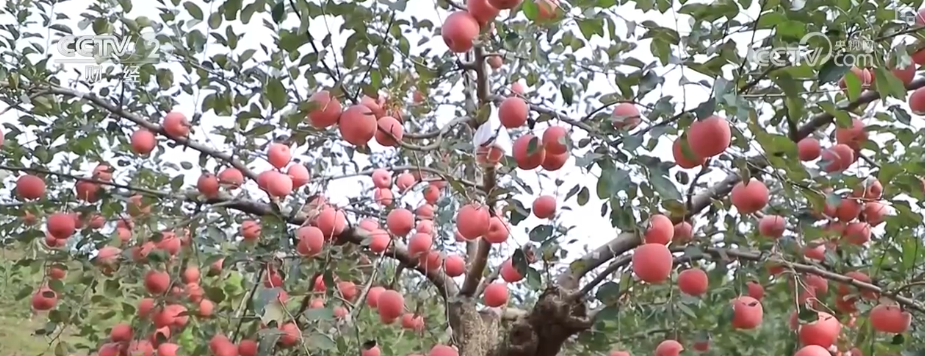
Apple Industry - In Yantai, Shandong, 380,000 acres of apples are maturing, with farmers busy harvesting [1] - The "Yuanfu Red" variety in Longshan Gaojia Village has a higher fruit quality rate compared to ordinary varieties due to its thick waxy leaf layer, despite slightly lower coloring this year due to early October rains [3] - The total apple planting area in the region has reached 379,900 acres, with a stable production of around 1.3 million tons and a value exceeding 10 billion yuan [7] Seaweed Industry - In Fuding, Fujian, the seaweed seeding season is underway, with farmers actively preparing for the seeding process [8] - The optimal water temperature for seaweed growth is between 20 to 25 degrees Celsius, allowing for the first harvest within 45 days after seeding, with a total of five harvests expected until February of the following year [12] - The total seaweed farming area in Fuding is projected to reach 22,000 acres by 2025, with an estimated industry chain value of 2.4 billion yuan [14] Desert Aquaculture - In the Hetian region of Xinjiang, large-scale aquaculture of various water products has been successfully implemented through saline-alkali land transformation [15] - The peak season for crab harvesting is currently ongoing, with an average daily catch of around 500 kilograms [17] - The aquaculture area in Hetian County has reached 3,800 acres, with total water product output exceeding 1,000 tons in the first half of 2025 [26]
品蟹宴、捕鱼乐、果菜香!共享金秋丰收喜悦 多地特色田园体验点燃乡村文旅消费热
Yang Shi Wang· 2025-10-27 04:01
Group 1: Crab Industry in Hubei - The "Crab King and Queen Competition" in Hanchuan City, Hubei, showcases the local river crabs, highlighting their large size and excellent taste [2] - The competition featured over 1,000 river crabs, with the winners being 386 grams for the "Crab King" and 313 grams for the "Crab Queen" [2] - The event attracted nearly 20,000 visitors, generating over 20 million yuan in online and offline sales, with the crab farming area reaching 327,400 acres and an expected annual production of over 60,000 tons [4] Group 2: Fish Industry in Jiangxi - In Yichun City, Jiangxi, the ecological fish harvesting season has begun, with local activities designed to engage tourists in fishing experiences and tasting events [6] - The fishing event included interactive activities such as fishing competitions and hands-on fish-catching experiences for participants of all ages [8] - A full fish banquet featuring dishes made from ecological fish attracted thousands of visitors, showcasing local culinary traditions [10] Group 3: Fruit Culinary Culture in Yunnan - Yunnan's unique "fruit banquet" culture is highlighted by the seasonal harvest of jackfruit in Yuanjiang County, where chefs create diverse dishes using the fruit [12] - The jackfruit is not only popular among locals but also serves as a creative ingredient in various culinary preparations, enhancing home dining experiences [14] - Different cooking methods, such as quick stir-frying and slow braising, showcase the versatility of jackfruit in local cuisine [14]
沙漠边缘养螃蟹 新疆如何做到“海鲜”大丰收?
Yang Shi Xin Wen Ke Hu Duan· 2025-10-27 01:22
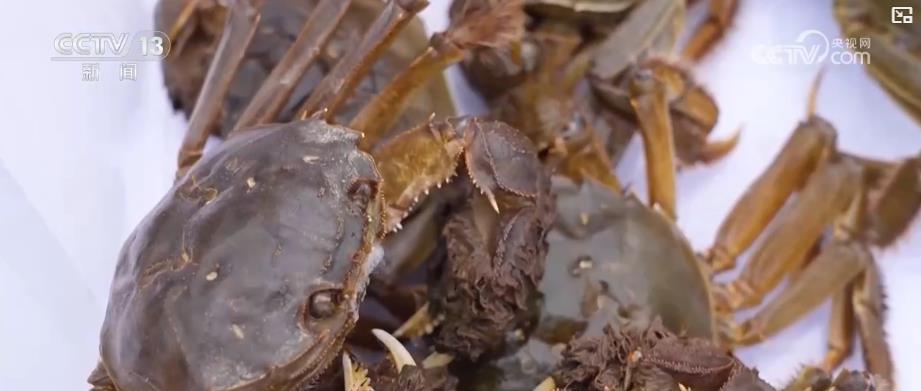
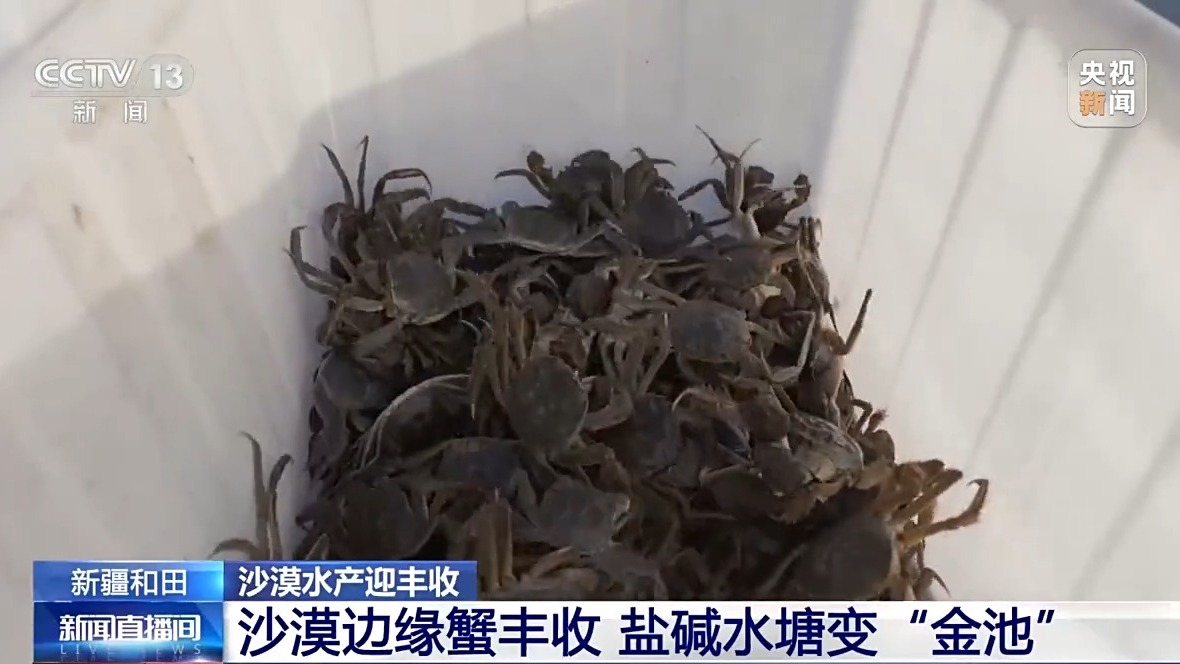
Core Insights - The Xinjiang Hotan region has successfully developed a unique aquaculture industry by utilizing saline-alkali land for crab farming, contributing to rural revitalization [1][3]. Group 1: Aquaculture Development - The crab farming in the desert area has reached a peak harvesting period, with an average daily catch of approximately 500 kilograms, and a total expected yield of 40 tons for the year [3]. - The aquaculture area in Hotan County has expanded to 3,800 acres, with total aquatic product output exceeding 1,000 tons in the first half of the year [8]. Group 2: Technological Innovations - Techniques such as salinity reduction, alkalinity removal, and the use of probiotics have been implemented to effectively control the pH levels of the water, which is crucial for crab growth [5][6]. - The optimal pH level for crab farming in the saline-alkali land is maintained between 8.0 and 8.2, which is higher than that in other regions [6].
南农晨读丨南雄收稻啦!
Nan Fang Nong Cun Bao· 2025-10-27 00:32
Group 1 - Guangdong Province reported 868 new local cases of Chikungunya fever from October 19 to October 25, 2025, with no severe cases or deaths reported [5][6][8] - The distribution of cases includes 199 in Jiangmen, 130 in Foshan, 124 in Guangzhou, and 102 in Shenzhen, among others [6][7][8] Group 2 - The "Eat Hard Kindergarten" in Henan has gained popularity for its unique approach to labor education, where children engage in hands-on activities like cooking and farming instead of traditional learning [9][10][12] - Videos of children participating in these activities have gone viral, highlighting the charm and value of labor education [11][12] Group 3 - The second Chaozhou Food Culture Week and 2025 Chaozhou Olive Culture Week have been launched, featuring popular products like dried scallops and squid, which are well-received by consumers [13][14][19] - The event has seen strong sales, with new products like olive fruit vinegar and sugar-free concentrated olive juice gaining popularity among Hong Kong customers [18][19][20] Group 4 - Zhanjiang is recognized as a major fishing area in South China, with a significant aquaculture area of 1.162 million acres, accounting for 16% of the province's total [40] - The city is pushing for modern marine ranching development, achieving notable progress in aquaculture breeding, deep-sea farming, and seafood processing [41] Group 5 - The Guangdong pig industry faces challenges with a "volume increase and price drop" scenario, leading to declining breeding profits amid a supply-demand imbalance [44][45] - The industry is experiencing structural contradictions, with a strong primary sector but weak secondary and tertiary sectors, complicating the transition [44][45] - Consumer changes are driving industry upgrades, with the pre-made food sector growing over 20% annually, while traditional pork products struggle to meet the evolving demands of younger consumers [46][47][48]
从不毛之地到“致富水塘”:沙漠边缘创生态奇迹,特色养殖成富民新产业
Yang Shi Wang· 2025-10-26 11:59
Core Insights - The Xinjiang Hotan region has achieved breakthroughs in aquaculture despite harsh natural conditions, particularly through the large-scale farming of crabs in saline-alkali land [1][5] - The region has also successfully introduced the farming of bass and crayfish this year, showcasing the potential for diverse aquaculture in desert areas [5][7] Aquaculture Development - The crab harvesting peak is currently ongoing, with an average daily catch of approximately 500 kilograms, and a total expected yield of 40 tons for the year [5] - The aquaculture area in Hotan County has reached 3,800 acres, with total aquatic product output exceeding 1,000 tons in the first half of the year [7] Technological Innovations - Techniques such as salt reduction, alkalinity removal, and the use of probiotics have been implemented to effectively control the pH levels of the aquaculture water, enabling successful crab farming in desert conditions [7] - The technical team, led by Yang Jingzhu, has accumulated significant experience in crab farming technology in saline-alkali environments [5][7]

金秋中国丰收图景:山楂红、苹果甜、紫菜鲜,特色产业拓宽乡村振兴路
Yang Shi Wang· 2025-10-26 11:46
Group 1: Hawthorn Industry in Hebei - Hebei Jinzhou has 13,000 acres of hawthorn that have been harvested, with local farmers actively picking and supplying the market [1] - The region has adopted a "cooperative + base + farmer" model, introducing superior varieties and modern planting techniques to extend market supply periods and mitigate price fluctuations [3] - Jinzhou's annual hawthorn production exceeds 30,000 tons, contributing to an average annual income increase of over 15,000 yuan per farmer [5] Group 2: Apple Industry in Gansu - Gansu Tianshui is a major apple production area, currently in the critical harvesting period, with recent rainfall affecting the harvest [7] - Local authorities have mobilized over 300 agricultural transport vehicles and formed three drone transport teams to assist farmers in harvesting and transporting apples [9] - Tianshui's apple planting area reaches 1.31 million acres, with an annual production exceeding 3 million tons and a total industry chain output value of 15.6 billion yuan [9] Group 3: Seaweed Industry in Fujian - Fujian Fuding is entering the peak season for seaweed seeding, with farmers actively preparing for the planting process [10] - The optimal water temperature for seaweed growth is between 20 to 25 degrees Celsius, allowing for multiple harvests from October to February [14] - Fuding's seaweed farming area is approximately 22,000 acres, with an expected total industry chain output value of 2.4 billion yuan [16]
螃蟹、鲈鱼开始批量上市!新疆和田水产品半年产量超1000吨
Sou Hu Cai Jing· 2025-10-26 11:21
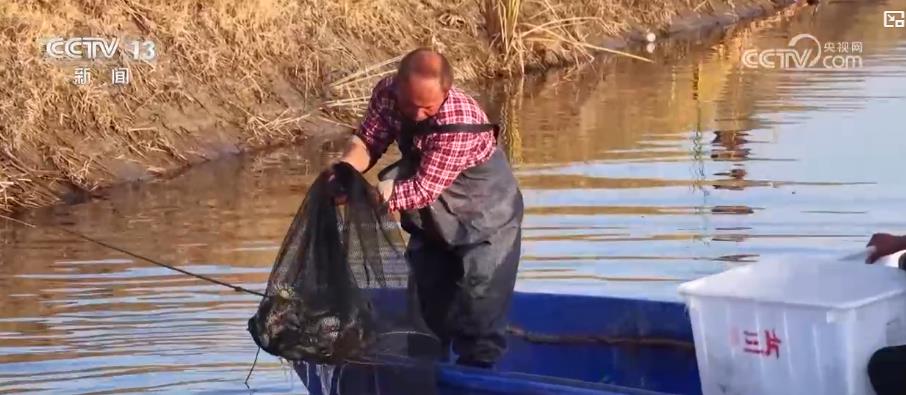
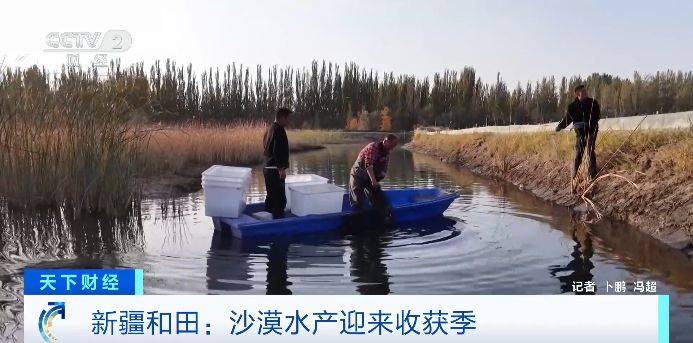
Core Viewpoint - The Xinjiang Hotan region has successfully developed a unique "desert seafood" aquaculture industry through the transformation of saline-alkali land, enabling large-scale cultivation of various aquatic products such as crabs and bass. Group 1: Aquaculture Development - The aquaculture base in Hotan County has seen the successful cultivation of crabs, bass, and other aquatic products, marking a rapid development of the local "desert seafood" industry [9][11]. - The crab farming season has reached its peak, with an average daily catch of approximately 500 kilograms [3]. - The total aquaculture area in Hotan County has reached 3,800 acres, with over 1,000 tons of aquatic products produced in the first half of the year [15]. Group 2: Production and Yield - The expected crab production for this year is around 40 tons, while bass production is estimated at about 30 tons, with total production potentially exceeding 70 tons [13]. - The crabs were released into the ponds in March and have grown for seven months, now ready for harvest [5]. - The local farmers have utilized scientific water diversion and land improvement techniques to transform previously barren land into a high-quality aquaculture base [5][9]. Group 3: Technical Innovations - The main challenge in raising crabs in saline-alkali land is managing the pH level of the water, which has been stabilized using techniques such as salt reduction, alkalinity removal, and the use of probiotics [7][11]. - The successful management of water quality has enabled the large-scale farming of various aquatic species in this unique environment [11].
科技点沙成“金”产出“大经济” 多样化“沙漠海鲜”撑起养殖户“钱袋子”
Yang Shi Wang· 2025-10-26 07:26
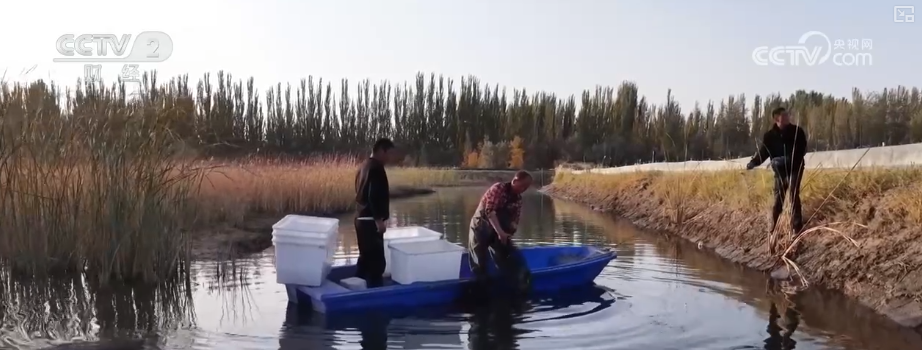
Core Insights - The Xinjiang Hotan region has successfully implemented large-scale aquaculture of various aquatic products through saline-alkali land transformation technology, particularly in the desert edge [1][11] - The region is currently experiencing a peak in crab harvesting, with an average daily catch of around 500 kilograms [3] - The aquaculture base has achieved a total water area of 3,800 acres, with an expected total aquatic product output exceeding 1,000 tons in the first half of 2025 [15] Aquaculture Development - The crabs were introduced to the ponds in March 2025 and have grown for seven months, now entering the harvesting season [5] - The successful cultivation of crabs, bass, and lobsters in the saline-alkali desert has led to the rapid development of a unique "desert seafood" industry [11] - The use of techniques such as salt reduction, alkalinity removal, and beneficial bacteria regulation has stabilized the water pH to suitable levels for aquatic growth [13] Technical Challenges - The primary challenge in raising crabs in saline-alkali land is managing the water's pH level, which must be adjusted to between 8.0 and 8.2 for optimal crab growth [9][7] - The expected crab production for 2025 is around 40 tons, with bass production estimated at 30 tons and blue lobsters at a few tons, leading to a total expected output of over 70 tons [13]
人民财评:螃蟹是用来吃的 不是用来“炒”的
Ren Min Wang· 2025-10-25 11:14
Core Viewpoint - The market for hairy crabs in China is experiencing significant growth, but issues related to crab card redemption and quality are causing consumer dissatisfaction [1][2]. Group 1: Market Overview - The production of hairy crabs in China has been on the rise since 2016, reaching a historical high of over 7 billion crabs in 2023 [1]. - Crab cards, which are prepaid vouchers for purchasing crabs, have become popular among consumers for their convenience and the ability to secure sales for merchants [1]. Group 2: Consumer Issues - Consumers are facing difficulties in redeeming crab cards, with reports of delays and poor-quality crabs, including dead crabs and discrepancies in size [2]. - Some merchants are exceeding their operational capacity, leading to issues such as substandard products and misrepresentation of crab quality [2]. Group 3: Regulatory Recommendations - To address the market chaos surrounding crab cards, it is suggested to implement stronger regulations, including binding crab cards to actual crabs and requiring issuers to deposit a guarantee [3]. - The focus should be on ensuring that crab cards serve their intended purpose as a consumption voucher rather than becoming a speculative trading instrument [3].