网约车

Search documents
滴滴携手万科物业送福利 打车优惠便利到“家”
Cai Jing Wang· 2025-09-30 13:59
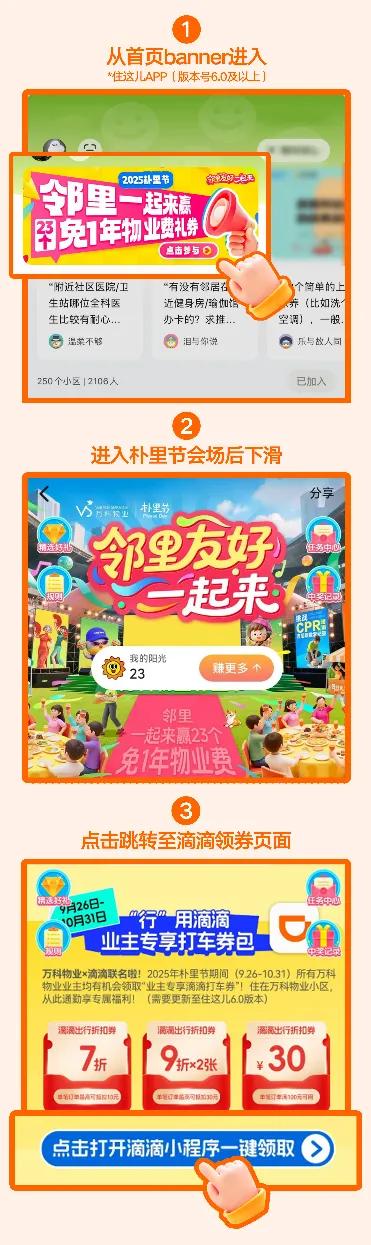
Core Insights - Didi has partnered with Vanke Property to enhance user experience in ride-hailing by offering exclusive discounts through the Vanke Property app, aiming to create a modern community lifestyle focused on user convenience [1][2] Group 1: Partnership Details - The collaboration allows users to access a coupon package through the "Live Here" app, with discounts up to 100 yuan, including a 70% off coupon and several other discount options [1][2] - The promotional period runs from September 26 to October 31, providing various discount coupons for users to utilize [1] Group 2: User Engagement and Community Activities - Vanke Property's app has integrated over 4,100 communities and serves 15.69 million registered users, offering essential services and value-added features [2] - During the "Puli Festival," a community event, Didi will engage users by explaining the ride-hailing process for elderly users, enhancing accessibility [2][4] Group 3: Service Expansion - Didi has established ride-hailing stations in multiple Vanke communities in cities like Kunming, Harbin, and Jilin, facilitating easier pick-up and drop-off for users [4][7] - The company plans to collaborate with more partners to provide diverse and efficient lifestyle services, aiming to enhance user convenience and experience [7]


打车像点单?实测滴滴AI助手,打车也能“私人订制”了
量子位· 2025-09-30 12:22
Core Viewpoint - The article discusses the transformative impact of AI on the ride-hailing experience through the introduction of "Xiaodi," a new intelligent assistant by Didi, which allows users to actively choose their ride preferences rather than passively waiting for a match [1][49]. Group 1: Xiaodi's Features - Xiaodi changes the traditional ride-hailing logic by enabling users to specify their preferences, such as vehicle type, air quality, and other personalized requirements [1][20]. - Users can interact with Xiaodi through voice or text to communicate multiple needs, enhancing the customization of their ride experience [20][23]. - The interface of Xiaodi resembles a chatbot, providing a more engaging and interactive experience compared to traditional ride-hailing apps [10][12]. Group 2: User Experience - The article highlights a seamless user experience where Xiaodi not only finds suitable vehicles but also provides detailed information about each option, including model, distance, estimated arrival time, and price [16][18]. - Users can track their ride history and expenses easily, making it particularly beneficial for business travelers [31][32]. - Xiaodi can assist in planning cost-effective travel routes even when not using a ride-hailing service, showcasing its versatility [29][31]. Group 3: MCP Service - Didi has launched the MCP service, allowing developers to integrate Xiaodi's capabilities into their applications, thus broadening the potential for personalized ride-hailing experiences [34][48]. - The MCP service offers different versions (Beta, Pro, Pro+) catering to various user needs, from simple experiences to comprehensive enterprise solutions [46][48]. - The rapid iteration and updates of the MCP service indicate a commitment to enhancing the AI-driven ride-hailing ecosystem [48]. Group 4: Industry Implications - The introduction of AI in ride-hailing not only benefits passengers but also enhances the visibility and earnings of drivers who provide better services [50]. - Didi's extensive experience and technological foundation in the ride-hailing sector enable it to implement AI solutions effectively, setting a precedent for future developments in the industry [51][52]. - The article suggests that as data accumulates, the AI models will become more sophisticated, continuously improving user experiences in ride-hailing [52].

中国2035年新NDC目标公布,企业应该做好什么准备?
2 1 Shi Ji Jing Ji Bao Dao· 2025-09-30 09:35
Group 1: New NDC Goals - China's new Nationally Determined Contribution (NDC) targets a 7%-10% reduction in greenhouse gas emissions from peak levels by 2035, with a focus on achieving better results [1][2] - Specific goals include non-fossil energy consumption exceeding 30% of total energy consumption, wind and solar power capacity reaching 360 million kilowatts, and significant increases in forest carbon storage [1][3] Group 2: Corporate Responsibilities - Companies are seen as essential units in carbon reduction efforts, needing to assess their carbon emissions and implement effective reduction measures [2][5] - The transition from intensity control to total emissions reduction marks a historic shift in China's NDC approach [2][3] Group 3: Renewable Energy Development - The renewable energy sector, particularly wind and solar, is crucial for achieving the 2035 NDC goals, with a need for a 200% increase in installed capacity [6][7] - As of the end of 2024, China's wind and solar power capacity is expected to reach approximately 1.4 billion kilowatts, necessitating an additional 2.2 billion kilowatts by 2035 [7] Group 4: Carbon Management and Data - Establishing a comprehensive and transparent greenhouse gas emissions data system is critical for precise emissions reduction [5][9] - Companies like Didi are implementing carbon management tools to track emissions and identify reduction opportunities [10] Group 5: Industry Collaboration and Innovation - The wind power industry is encouraged to focus on high-quality development and innovative business models to enhance competitiveness and efficiency [11] - Cross-industry innovations, such as exploring hydrogen energy, are also being pursued to expand emission reduction pathways [10]

2025年港股通炒作乱象:药捷安康入通后股价高台跳水 被动资金推涨超2倍后闪崩54% 散户与基...
Xin Lang Cai Jing· 2025-09-30 09:05
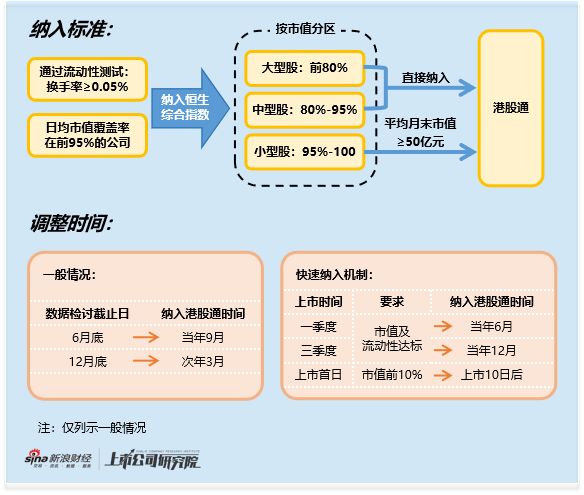
Core Insights - The Hong Kong Stock Connect market is undergoing normalization adjustments, with 67 stocks added and 61 removed by the end of September 2025, raising concerns about the assessment period and subsequent price volatility of newly listed stocks [1][2] Group 1: Stock Inclusion Rules - Stocks must achieve an average daily market capitalization covering the top 95% in the Hong Kong market and pass liquidity tests to be included in the Hang Seng Composite Index [1] - Large and medium-sized stocks can be directly included in the Stock Connect, while small stocks must meet an additional requirement of an average month-end market capitalization of at least 5 billion HKD [1][2] Group 2: Market Manipulation Concerns - Companies with low market capitalization and small float are targeted for speculation due to their "easily manipulable" nature, leading to two types of market activities: collusion between companies and funds, and passive speculation by market funds [4] - The cases of Yaojie Ankang and Cao Cao Chuxing exemplify these speculative activities, where funds leveraged the inclusion in Stock Connect for profit [4] Group 3: Yaojie Ankang Case - Yaojie Ankang, a clinical-stage biopharmaceutical company, raised only 200 million HKD during its IPO, the smallest in the medical sector for 2025, and had a highly concentrated shareholding structure [5] - After being included in the Stock Connect on September 8, 2025, the stock price surged due to passive fund inflows, but subsequently plummeted by 54% in a single day, trapping retail investors [6][5] Group 4: Cao Cao Chuxing Case - Cao Cao Chuxing faced weak institutional demand during its IPO, leading to a reliance on retail investors to fill the gap [7] - Following its inclusion in the Stock Connect, the stock price initially surged by 143% but then fell sharply, indicating potential market manipulation [9][10] Group 5: Trading Data Insights - Trading data revealed that Citibank was the largest net buyer before the inclusion, but quickly became the largest net seller afterward, suggesting a strategy of accumulating shares before the inclusion and selling to retail investors post-inclusion [10][12]
2025年港股通炒作乱象:曹操出行稳市期后遭神秘资金拉涨143% 入通即暴跌 或存资金操纵痕迹
Xin Lang Zheng Quan· 2025-09-30 09:01
Core Insights - The Hong Kong Stock Connect market is undergoing normalization adjustments, with 67 stocks included and 61 stocks removed as of September 30, 2025, raising concerns about the assessment period and subsequent price volatility of newly listed stocks [1] Group 1: Inclusion Rules - Stocks must achieve a daily average market capitalization covering the top 95% in the Hong Kong market and pass liquidity tests to be included in the Hang Seng Composite Index [2] - The Hang Seng Composite Index categorizes stocks into large, medium, and small caps, with small caps needing an average month-end market capitalization of at least 5 billion HKD for inclusion in the Stock Connect [2] Group 2: Adjustment Timing - Regular adjustments occur at the end of June and December, with qualifying stocks added to the index and Stock Connect in September and March of the following year [3] - A fast-track mechanism allows newly listed companies to be included in the index and Stock Connect if they meet market capitalization and liquidity criteria shortly after listing [3] Group 3: Market Manipulation Concerns - Companies with low market capitalization and small float are targeted for speculation, with two types of funds involved: those colluding with companies for shareholder exits and those speculating based on index inclusion expectations [5] - The cases of Yaojie Ankang and Cao Cao Chuxing exemplify these speculative activities, where stock prices surged due to passive fund inflows and subsequently crashed [5] Group 4: Yaojie Ankang Case Study - Yaojie Ankang, a clinical-stage biopharmaceutical company, raised only 200 million HKD in its IPO, the smallest in the medical sector for 2025, and had a highly concentrated shareholding structure [6] - After being included in the Stock Connect on September 8, 2025, the stock price surged over 200% due to passive fund inflows but later plummeted by 54% in a single day, indicating a lack of fundamental support for the price increase [7][8] Group 5: Cao Cao Chuxing Case Study - Cao Cao Chuxing, a ride-hailing platform, faced weak institutional demand during its IPO, leading to a significant drop in its stock price on the first day [9] - Following its inclusion in the Stock Connect, the stock price initially rose by 143% but then fell sharply, suggesting potential market manipulation as funds sold off after retail investors entered the market [10]
2025年港股通炒作乱象:药捷安康入通后股价高台跳水 被动资金推涨超2倍后闪崩54% 散户与基民双陷套牢
Xin Lang Zheng Quan· 2025-09-30 08:58
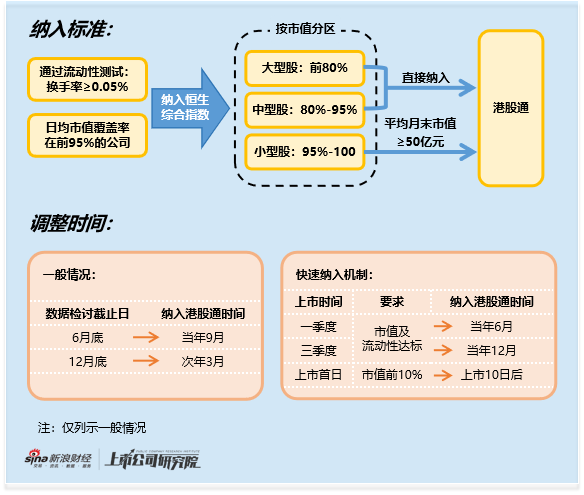
Core Insights - The Hong Kong Stock Connect market is undergoing normalization adjustments, with 67 stocks included and 61 stocks removed as of September 30, 2025, raising concerns about the assessment cycle and subsequent price volatility of newly listed stocks [1][6]. Inclusion Rules - Stocks must meet specific criteria to be included in the Hong Kong Stock Connect, including a daily average market capitalization covering the top 95% in the Hong Kong market and passing liquidity tests [2]. Adjustment Timeline - The review dates for adjustments are typically at the end of June and December, with eligible stocks being added to the Hang Seng Composite Index and the Stock Connect in September and March of the following year [3]. Market Manipulation Concerns - Smaller companies with low market capitalization are often targeted for manipulation due to their susceptibility to price movements with minimal capital, leading to two types of speculative activities: collusion between companies and funds, and passive speculation based on index inclusion expectations [5]. Case Study:药捷安康 - After its inclusion in the Stock Connect,药捷安康's stock price surged over 200% before plummeting 54% due to a lack of fundamental support, indicating that speculative trading led to significant losses for retail investors [6][8]. Case Study:曹操出行 - 曹操出行 experienced a 143% price increase post-stabilization period, followed by a sharp decline after its inclusion in the Stock Connect, suggesting potential market manipulation as institutional demand was weak during its IPO [9][10]. Trading Data Insights - Trading data revealed a pattern of accumulation before inclusion and rapid selling afterward, indicating a strategy to profit from retail investors entering the market post-inclusion [10][12].
出行高峰将至,国庆假期顺风车订单预计超1亿单
第一财经· 2025-09-30 08:04
Core Viewpoint - The upcoming National Day and Mid-Autumn Festival holidays are expected to drive a significant increase in travel demand, with various transportation platforms predicting record passenger numbers and usage rates during this period [3][4]. Transportation Industry Insights - On September 30, the Yangtze River Delta railway is expected to send 3.65 million passengers, an increase of 213,000 passengers or over 6% compared to the same day in 2024 [3]. - The national railway is projected to transport 219 million passengers from September 29 to October 10, with October 1 anticipated to be the peak travel day [3]. - Highways are expected to experience increased traffic pressure starting from 4 PM on September 30, with a small peak in travel expected between 9 PM and 1 AM [3]. Ride-Hailing and Carpooling Trends - Haibo anticipates 60 million orders for its carpooling service from September 30 to October 8, with the overall industry demand exceeding 100 million orders [4]. - Didi expects a significant rise in ride-hailing demand starting September 26, with peak demand on September 30, potentially doubling compared to regular days [4]. - The second peak for ride-hailing is predicted for the Mid-Autumn Festival, with a 50% increase in demand compared to the days before the holiday [4]. Rental Car Market - Didi forecasts a 148% year-on-year increase in rental car bookings during the holiday, with 70% of these being for out-of-town rentals [5]. Food and Beverage Sector Impact - The travel surge is also boosting food and beverage sales at transportation hubs, with search volumes for food options at major train stations like Shanghai and Beijing increasing by over 70% week-on-week as the holiday approaches [5].
滴滴海外出行新上线澳大利亚、新西兰、埃及,已在12个国家超1000个城市开通服务
Xin Lang Ke Ji· 2025-09-30 05:45
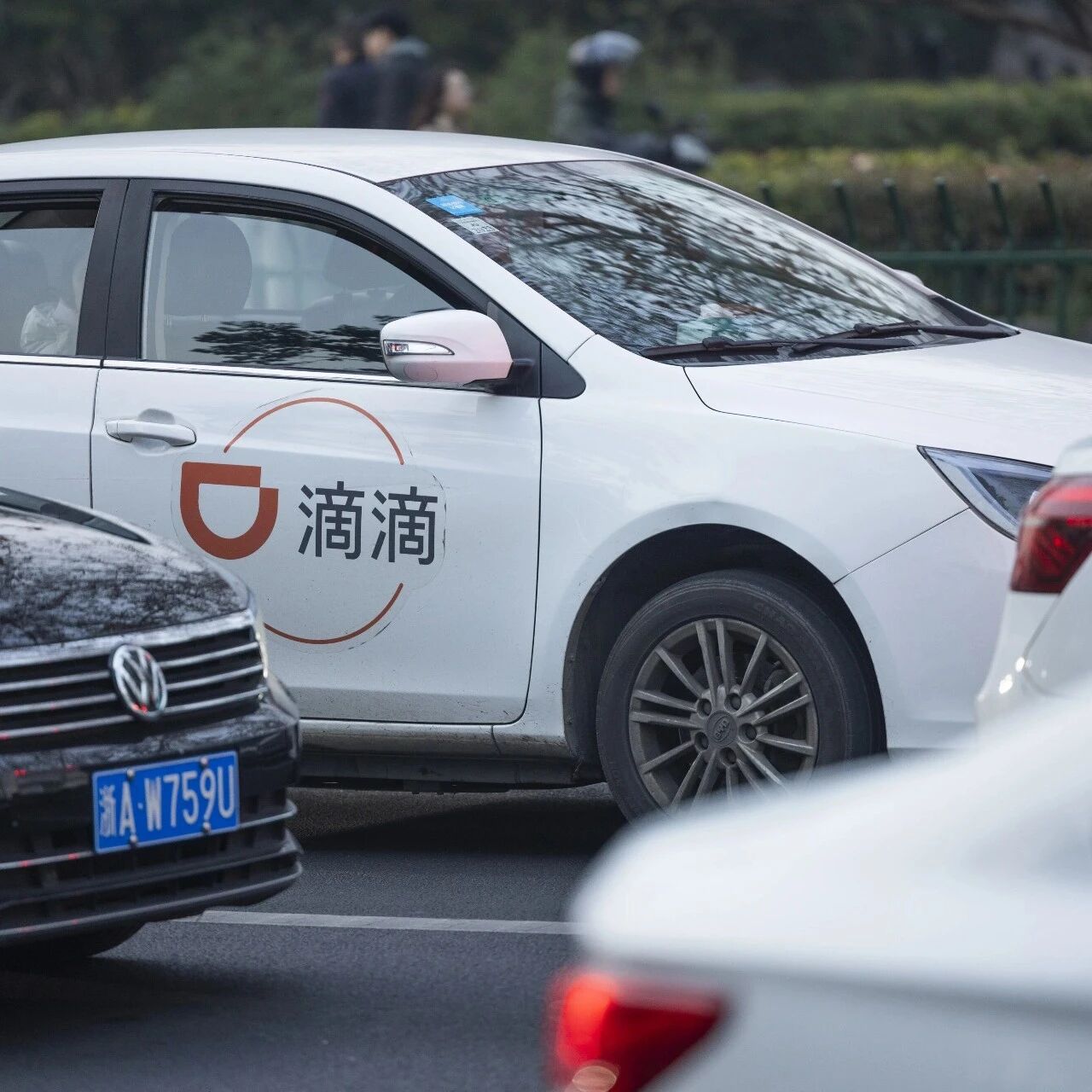
考虑到部分用户在海外使用打车服务时,因"人生地不熟",可能会出现司乘碰面困难的问题。滴滴海外 出行在新加坡、越南、印度尼西亚、马来西亚、柬埔寨、泰国、菲律宾7个国家新增消息页面发送照片 功能。乘客在滴滴App消息页面点击"拍照"按钮,即可给司机发送自己所在具体位置的照片,方便司机 更快找到乘客。 目前,滴滴海外出行已在澳大利亚、新西兰、埃及、新加坡、韩国、日本、越南、印度尼西亚、马来西 亚、柬埔寨、泰国、菲律宾共12个国家,超1000个城市开通服务。滴滴数据显示,新开通服务的国家 中,前往悉尼、墨尔本、开罗与奥克兰的用户出行热度较高。 责任编辑:杨赐 新浪科技讯 9月30日下午消息,为满足即将到来的"十一"长假用户出国漫游的需求,滴滴App的海外中 文打车服务"滴滴海外出行"新上线澳大利亚、新西兰、埃及,将中文打车服务延伸到大洋洲和非洲。此 外,"滴滴海外出行"在新加坡、泰国等7个国家新增发送照片功能,帮助乘客更快找到司机。 ...

盛威时代IPO:关联交易扮演重要角色 营收三年接近翻倍却只是赚“吆喝”?
Mei Ri Jing Ji Xin Wen· 2025-09-29 12:21
Core Viewpoint - Shengwei Times Technology Co., Ltd. is pursuing an IPO in Hong Kong, with significant expansion in its ride-hailing services at the cost of short-term profits, leading to negative gross margins in 2024 [1][3]. Group 1: Business Expansion - The ride-hailing service is the primary business segment, contributing over 85% of total revenue during the reporting period [2]. - Gross Transaction Value (GTV) for ride-hailing services increased from 718 million yuan in 2022 to 1.521 billion yuan in 2024, with a 27.04% year-on-year growth in the first half of 2025 [2]. - The number of orders rose from 32.7 million in 2022 to 70.3 million in 2024, with a 40.45% year-on-year increase in the first half of 2025 [2]. Group 2: Profitability Challenges - The average net commission rate for ride-hailing services dropped from 2.9% in 2022 to -0.2% in 2024, with a slight recovery to 0.4% in the first half of 2025 [3]. - Direct profit per order fell from 0.6 yuan in 2022 to a loss of 0.1 yuan in 2024, improving to 0.1 yuan in the first half of 2025 [3]. - Administrative penalties related to ride-hailing services totaled approximately 1.6 million yuan, 2.4 million yuan, 2.4 million yuan, and 2.1 million yuan for the years 2022 to 2025 [3]. Group 3: Related Party Transactions - Related party transactions play a significant role in Shengwei Times' operations, with a substantial portion of ride-hailing revenue generated through Alibaba's Gaode platform [4][5]. - GTV from Gaode accounted for 92.9%, 89.5%, 93.9%, and 94.5% of total ride-hailing GTV during the reporting period [4]. - Revenue from Gaode represented 92.8%, 89.2%, 93.6%, and 94.4% of total ride-hailing revenue during the same period [4]. Group 4: Financial Performance - Revenue for Shengwei Times was 816 million yuan, 1.207 billion yuan, 1.594 billion yuan, and 903 million yuan over the reporting period, with losses of 499 million yuan, 482 million yuan, 426 million yuan, and 90 million yuan [8]. - The gross margin for the company was 6.6%, 7.1%, 3.5%, and 4.1% during the reporting period, with the ride-hailing service's gross margin at 2.9%, 1.2%, -0.2%, and 0.5% [8]. - The platform fees accounted for approximately 10% of the revenue costs, primarily paid to aggregation platforms for customer traffic and SaaS services [9].
数百万网约车司机,给平台出了一道平衡难题
吴晓波频道· 2025-09-29 00:29
Core Viewpoint - The ride-hailing industry has evolved from merely transporting passengers to becoming a super infrastructure that reassembles "scattered time, vehicles, and labor" into a cohesive employment reservoir, significantly impacting various demographics and employment patterns [2][6]. Group 1: Employment Dynamics - As of 2024, the number of licensed ride-hailing drivers in China reached 7.483 million, a 159% increase from 2020 [2]. - The average age of ride-hailing drivers is around 40 years, with a notable trend of increasing participation from middle-aged and female drivers [6]. - Approximately 80% of drivers face cash flow pressures, and over 1.05 million female drivers rely solely on ride-hailing income [6][10]. Group 2: Income and Economic Impact - The average monthly income for ride-hailing drivers is 7,623 yuan, with those in first-tier cities earning an average of 11,557 yuan per month [8]. - The ride-hailing industry serves as a buffer for employment, particularly for those affected by industrial upgrades, with nearly 70% of surveyed drivers coming from traditional blue-collar sectors [6][10]. Group 3: Platform Dynamics and Challenges - The growth of drivers has outpaced the increase in ride-hailing demand, with a 38.3% rise in average monthly orders compared to the 159% increase in driver numbers since 2020 [27]. - The average daily order volume for ride-hailing drivers in cities like Suzhou and Zhuhai is low, leading to reduced earnings for many drivers [27]. - The platform's commission structure is a significant concern for drivers, with an average commission of 15.3% reported, although many drivers overestimate their commission rates [14][17]. Group 4: Future Directions and Strategies - The industry may not return to previous high-earning conditions due to increased competition and a larger number of drivers [28]. - Future strategies may involve refined operations, such as improving order efficiency and diversifying service offerings to meet consumer demands [30][35]. - Platforms are increasingly focusing on enhancing labor welfare and transparency to build trust with drivers, including initiatives like the "Transparent Bill" feature [35][36].