证券交易所

Search documents
下跌,放量!
Zhong Guo Ji Jin Bao· 2025-09-18 10:32
Market Overview - The Hang Seng Index fell by 1.35% to 26,544.85 points, while the Hang Seng Technology Index decreased by 0.99% to 6,271.22 points, and the Hang Seng China Enterprises Index dropped by 1.46% to 9,456.52 points [2][3] - The total market turnover reached 413.31 billion HKD, marking the highest level since April 8 of this year [2] Individual Stock Performance - Alibaba's stock had a turnover of 33.704 billion HKD, closing down by 1.98% [4][6] - Tencent Holdings recorded a turnover of 19.433 billion HKD, down by 2.95%, with a recent buyback of 839,000 shares [4] - Semiconductor stocks, particularly Huahong Semiconductor, saw gains, with Huahong rising over 8% to reach a new high [3] Notable Stock Movements - Pop Mart experienced a significant increase, closing up by 4.62% at 267.2 HKD per share, with a turnover of 6.074 billion HKD [8] - SMIC (Semiconductor Manufacturing International Corporation) rose by 2.66%, with a turnover of 17.235 billion HKD [4][11] Industry Insights - Morgan Stanley's report indicated a cautious sentiment towards Pop Mart, but they maintain a positive outlook, suggesting that increased supply could enhance customer experience and demand [10] - The global top ten foundry companies are projected to have a combined revenue of 41.718 billion HKD in Q2 2025, reflecting a quarter-on-quarter growth of 14.6% [11][13] - SMIC's gross margin improved by 8 percentage points year-on-year, with revenue growth of 23.14% expected in the first half of 2025 [13]





李家超第四份施政报告:香港机遇大于挑战
3 6 Ke· 2025-09-18 01:56
Group 1: Policy Focus - The Chief Executive of Hong Kong, John Lee, emphasized that "benefiting people's livelihood" is a key focus of the new policy report, aiming to enhance long-term economic competitiveness and improve citizens' happiness and sense of gain [2][11] - The report outlines nine key areas related to citizens' daily lives, with housing being the top priority, including accelerated construction of public housing and innovative "simple public housing" initiatives [2][3] Group 2: Northern Metropolis Development - The Northern Metropolis is highlighted as strategically important, occupying one-third of Hong Kong's land, with plans to accelerate its development and attract industries and major projects [4][6] - A new "Northern Metropolis Development Committee" will be established to streamline administrative processes and introduce competitive practices for land management [5][6] Group 3: Housing and Land Policies - The government plans to allow the transfer of unused plot ratios from redevelopment projects to other areas, aiming to optimize land use and facilitate urban renewal [3][6] - A pilot program will permit property owners to offset land compensation costs by returning land to the government, with specific compensation rates set for different land classifications [6][7] Group 4: Financial Market Initiatives - The report proposes exploring the reduction of the stock settlement cycle to T+1, with consultations planned for the first half of next year [9] - The government aims to optimize the "New Capital Investor Entry Scheme" by lowering the residential transaction threshold to HKD 30 million, enhancing the scheme's attractiveness to investors [10]
李家超:试验跨境交易结算路径,共建大湾区碳市场生态圈
Nan Fang Du Shi Bao· 2025-09-17 07:54
Group 1 - The Chief Executive of Hong Kong, John Lee, presented the 2025 Policy Address on September 17, highlighting the launch of the international carbon trading platform CoreClimate by the Hong Kong Stock Exchange in 2022, which is the only platform globally that settles voluntary carbon credits in Hong Kong dollars and Renminbi [2] - Future plans include strengthening pilot cooperation with the Greater Bay Area carbon market to test cross-border trading settlement paths and to jointly build a carbon market ecosystem within the region [2] - Hong Kong will collaborate with relevant regulatory bodies and institutions in mainland China to study the country's participation in the international carbon market, including setting voluntary carbon credit standards and methods, as well as the registration, trading, and settlement of carbon reduction amounts [2]

李家超:港交所将吸引更多东南亚发行人在港第二上市
Zhong Guo Xin Wen Wang· 2025-09-17 06:49
Group 1 - The Hong Kong Stock Exchange (HKEX) aims to attract more Southeast Asian issuers for secondary listings in Hong Kong [1] - HKEX will deepen cooperation with exchanges in Southeast Asia to facilitate this initiative [1] - The Hong Kong government encourages asset companies to issue products locally to enhance market access to Hong Kong [1] Group 2 - The Hong Kong government plans to actively seek the establishment of an Asian Infrastructure Investment Bank office in Hong Kong [3] - The government will coordinate training for personnel from Belt and Road Initiative countries through its "Belt and Road" office [3] - A sustainable green development training center will be established in 2026 to provide training for Belt and Road personnel, supported by a funding of 100 million HKD from the Hong Kong Jockey Club [3]
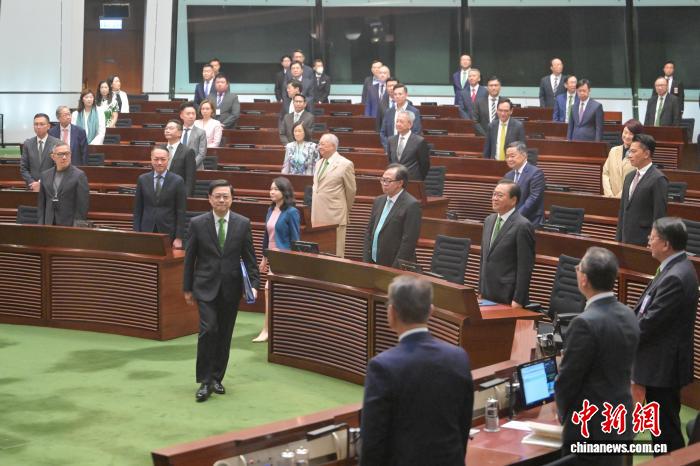
李家超:香港将与大湾区内交易所合作开拓大宗商品交易及碳交易等新业务
Zheng Quan Shi Bao Wang· 2025-09-17 04:04
Core Viewpoint - Hong Kong will collaborate with exchanges in the Greater Bay Area to develop new businesses in bulk commodity trading and carbon trading [1] Group 1: Collaboration and Market Development - The Hong Kong Stock Exchange (HKEX) is the controlling shareholder of the Qianhai Joint Trading Center and will continue to strengthen cooperation between the two regions [1] - The development of an offshore soybean spot market is a key focus for HKEX [1] - HKEX's carbon market, Core Climate, will conduct research on cross-border trading settlement with pilot carbon markets in the Greater Bay Area [1]

香港交易所(0388.HK):港交所8月跟踪 海外流动性有望进一步提升 预计港股ADT延续强劲表现
Ge Long Hui· 2025-09-15 19:50
Group 1: Market Performance - In August, the Hong Kong stock market experienced an overall increase, with the Hang Seng Index and Hang Seng Tech rising by 25.0% and 27.0% respectively compared to the end of 2024 [1] - The monthly average daily turnover (ADT) for the Hong Kong Stock Exchange reached HKD 279.1 billion, reflecting a month-on-month increase of 6.2% and a year-on-year increase of 192.1% [1] - Northbound trading ADT was HKD 322.8 billion, with month-on-month and year-on-year increases of 45.2% and 204.9% respectively, while southbound trading ADT was HKD 155.2 billion, with increases of 7.4% and 448.3% [1] Group 2: Derivatives Market - In August, the average daily volume (ADV) for futures was 627,000 contracts, showing month-on-month and year-on-year increases of 9.6% and 5.3% respectively [1] - The ADV for options was 962,000 contracts, with month-on-month and year-on-year increases of 2.1% and 34.5% [1] - As of the end of August, the ADT for structured products such as bull and bear certificates and derivative warrants was HKD 17.5 billion, reflecting increases of 11.9% and 58.6% year-on-year [1] Group 3: Initial Public Offerings (IPOs) - In August, there were 6 new IPOs in Hong Kong, with a total scale of HKD 5.4 billion, representing a month-on-month decrease of 73% but a year-on-year increase of 189% [2] - The number of newly listed derivative warrants and bull and bear certificates was 941 and 2,386 respectively, with year-on-year increases of 75% and 40% [2] Group 4: Investment Income and Economic Environment - As of the end of August, the HIBOR rates for 6 months, 1 month, overnight, and the US overnight bank funding rate were 3.27%, 3.30%, 4.00%, and 4.33% respectively, with month-on-month increases across the board [2] - The domestic economic environment showed signs of recovery, with the manufacturing PMI at 49.40%, indicating a slight improvement [3] - The overseas economic outlook suggests a strengthening of interest rate cut expectations, with the Federal Reserve expected to cut rates by 25 basis points in September 2025 [3] Group 5: Valuation and Future Outlook - As of the end of August, the company's price-to-earnings (PE) ratio was 37.02x, positioned at the 52nd percentile historically since 2016, indicating potential value for investors [4] - The company is expected to achieve revenues of HKD 30.3 billion, HKD 33.2 billion, and HKD 35.6 billion for the years 2025 to 2027, with corresponding net profits of HKD 19.4 billion, HKD 20.6 billion, and HKD 22.3 billion [4] - The projected PE ratios for 2025, 2026, and 2027 are 29.3x, 27.7x, and 25.4x respectively, suggesting a favorable investment opportunity [4]
London Stock Exchange Debuts Blockchain Platform for Private Funds
FinanceFeeds· 2025-09-15 14:26
Core Insights - The London Stock Exchange Group (LSEG) has launched its Digital Markets Infrastructure (DMI) platform, a blockchain-powered system for private funds, developed in collaboration with Microsoft [1][5] - The DMI platform aims to enhance liquidity and operational efficiency in the private markets, which are valued at over £1.2 trillion in the UK [4][7] Group 1: Platform Features and Clients - The DMI platform supports the entire lifecycle of digital assets, including issuance, tokenization, distribution, investment, and post-trade settlement [1] - Initial clients onboarded include MembersCap, Archax, and EJF Capital, with MembersCap's MCM Fund 1 executing the first transaction on the platform [2][5] - The platform's design integrates blockchain with traditional finance, utilizing LSEG's existing products for improved investor access [2] Group 2: Market Impact and Future Plans - The DMI platform is expected to broaden distribution, enhance capital-raising efforts, and improve liquidity for professional investors and asset managers [4][7] - LSEG plans to expand the DMI to other asset classes, with pilot transactions already in progress [8] - UK regulators have established frameworks for digital securities, facilitating secondary market liquidity and tax exemptions [8]

新交所黄耀龙:优化二次上市框架,配合中资企业走向国际市场
Sou Hu Cai Jing· 2025-09-15 11:40
Core Viewpoint - Singapore Exchange (SGX) aims to be a gateway for Chinese enterprises to globalize, with over 100 Chinese companies already utilizing SGX to access international markets [1] Group 1: SGX's Role and Strategy - SGX's Executive Vice President and Head of Equities, Loh Boon Chye, highlighted that many Chinese companies are not only pursuing IPOs on SGX but are also engaging in secondary listings to attract international investors [1] - The secondary listing framework allows companies to adhere to the rules of their primary listing location, facilitating the integration of secondary listings into their internationalization strategies [1] Group 2: Support for Chinese Companies - SGX has optimized its secondary listing framework, expanding its applicability to companies listed on Shanghai and Shenzhen stock exchanges, thereby supporting their global business development, particularly in Southeast Asia [1] - In addition to international investors, Southeast Asian institutional and family investors are significant factors driving A-share companies to choose SGX for secondary listings [1] - The funds raised in Singapore dollars or the stocks issued can be used as currency for acquiring international assets, enhancing the influence of Chinese brands in Southeast Asia [1]
纳斯达克证券代币化提案:SEC审批概率、时间线与全球资本市场重构
Sou Hu Cai Jing· 2025-09-15 11:13
Group 1 - Nasdaq's proposal to the SEC marks a significant shift from the "electronic bookkeeping era" to the "on-chain settlement era" in global capital markets [3] - The proposal aims to allow stocks and ETFs to trade in both traditional digital and tokenized forms, potentially rewriting the rules of global capital flow and efficiency [3][4] - The core objectives of the proposal include enhancing efficiency with T+0 real-time settlement, expanding trading hours to 24/7, and lowering barriers for small investors through tokenization [4] Group 2 - The technical design of the proposal focuses on compatibility with traditional systems while embedding blockchain technology, ensuring that tokenized securities share the same rights as traditional securities [5] - The regulatory framework does not break existing rules but integrates blockchain tools within the traditional system, maintaining compliance with AML and KYC processes [5] Group 3 - Institutional investors have shown positive feedback towards the proposal, with major firms like Goldman Sachs and Morgan Stanley initiating tokenized securities trading simulations [6] - A survey indicated that 62% of U.S. retail investors are willing to try tokenized stock trading, attracted by real-time settlement and 24/7 trading capabilities [6] Group 4 - The SEC's historical approval logic has shifted from risk-averse prohibition to compliance-guided openness, as evidenced by the approval of Bitcoin ETFs after a lengthy denial period [9][10] - The SEC's 2025 policy shift under new leadership has created a favorable regulatory environment for Nasdaq's proposal, emphasizing support for tokenization as a natural evolution of financial innovation [11][12] Group 5 - The approval timeline for Nasdaq's proposal is projected to conclude by mid-2026, with a high probability of approval exceeding 80% based on current policy support and market demand [15][8] - The anticipated impact on global capital markets includes a significant increase in trading volume and liquidity, with estimates suggesting a potential daily trading volume exceeding $3 billion upon launch [16][17] Group 6 - The tokenization of securities is expected to reinforce the dominance of the U.S. dollar in global capital flows, with the use of dollar-pegged stablecoins facilitating cross-border transactions [19] - Global exchanges are likely to engage in a digitalization race, with Nasdaq's initiative prompting other markets, such as Hong Kong and the EU, to accelerate their own tokenization efforts [20] Group 7 - Emerging markets may face increased capital outflow pressures as tokenization lowers barriers for investors seeking to access U.S. markets, potentially exacerbating regulatory challenges [22] - Developed countries will experience competitive pressures in their capital markets, necessitating rapid advancements in their own tokenization processes to retain investor interest [23] Group 8 - The impact on China's capital markets includes potential capital outflow risks and intensified competition for technology company listings, as U.S. tokenization may attract Chinese firms seeking better financing opportunities [24][25] - Hong Kong's capital markets may face challenges in maintaining their status as an international financial hub, with the risk of capital diversion to tokenized U.S. securities [28][29]


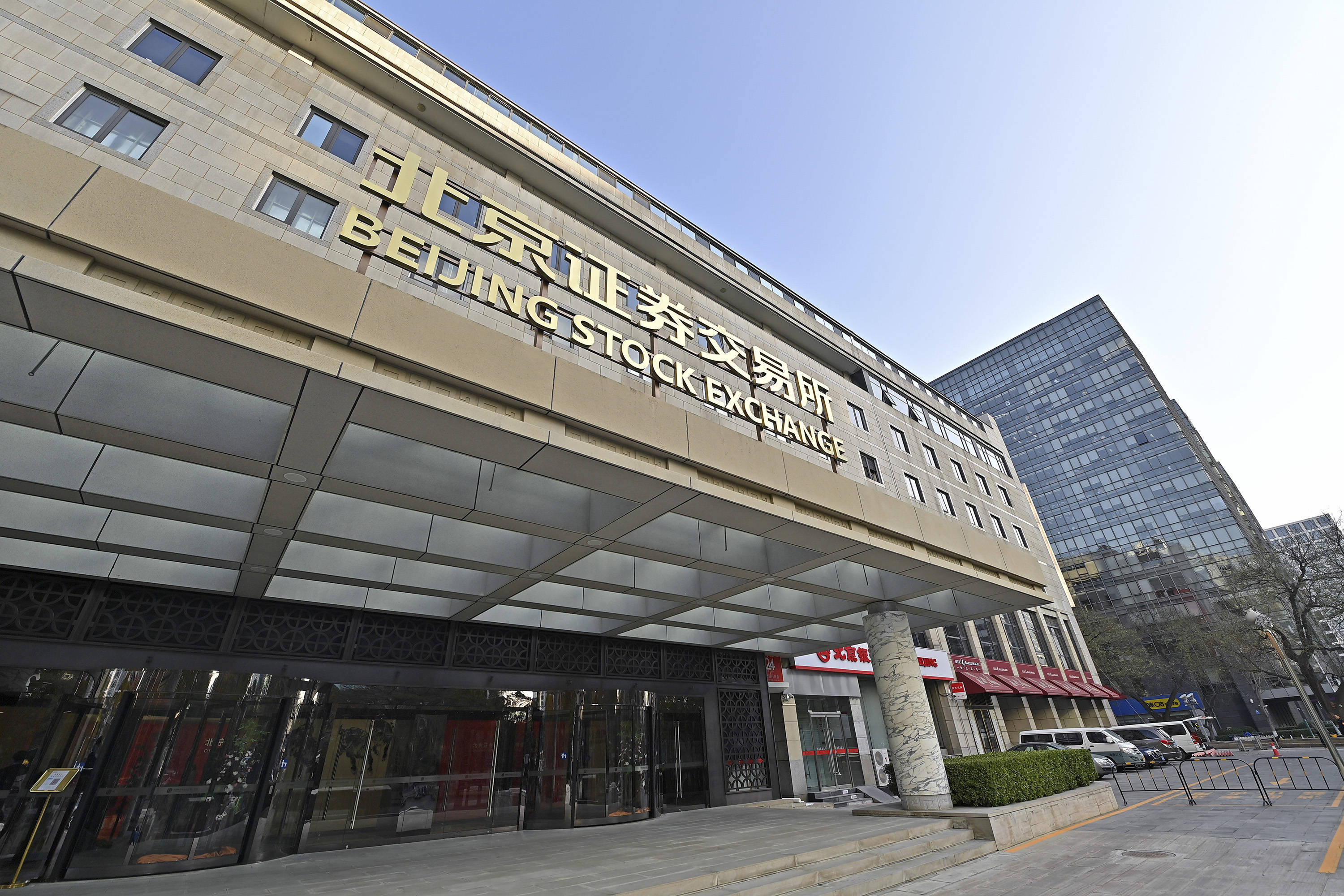
北交所10月9日起全面使用“920”新代码
Sou Hu Cai Jing· 2025-09-15 07:01
Core Viewpoint - The Beijing Stock Exchange (BSE) will fully implement the "920" new code for existing listed companies starting from October 9, 2025, enhancing the identification and recognition of companies listed on the exchange [1][8]. Group 1: Implementation Details - The transition to the "920" code is part of a phased approach, with preparations having been underway since November 17, 2023, and the first phase involving new listings starting from April 22, 2024 [5][6]. - The BSE has conducted multiple network tests to ensure readiness for the code switch, which is now confirmed for October 9, 2025 [7]. Group 2: Benefits of the New Code - The introduction of the "920" code aims to eliminate confusion caused by the previous codes from the New Third Board, thereby improving the recognition of BSE-listed companies and differentiating them from New Third Board entities [8][9]. - The unified "920" code is expected to strengthen the BSE's identity as a platform for innovative small and medium-sized enterprises, potentially attracting more quality companies to the exchange [1][9]. Group 3: Market Impact - The transition to the "920" code is seen as a significant step in establishing the BSE's market position, facilitating a shift from niche to mainstream trading, and enhancing brand recognition [9]. - The continuity of the identity of listed companies and investor rights will be maintained during the transition, ensuring a smooth operational process for market participants [9].