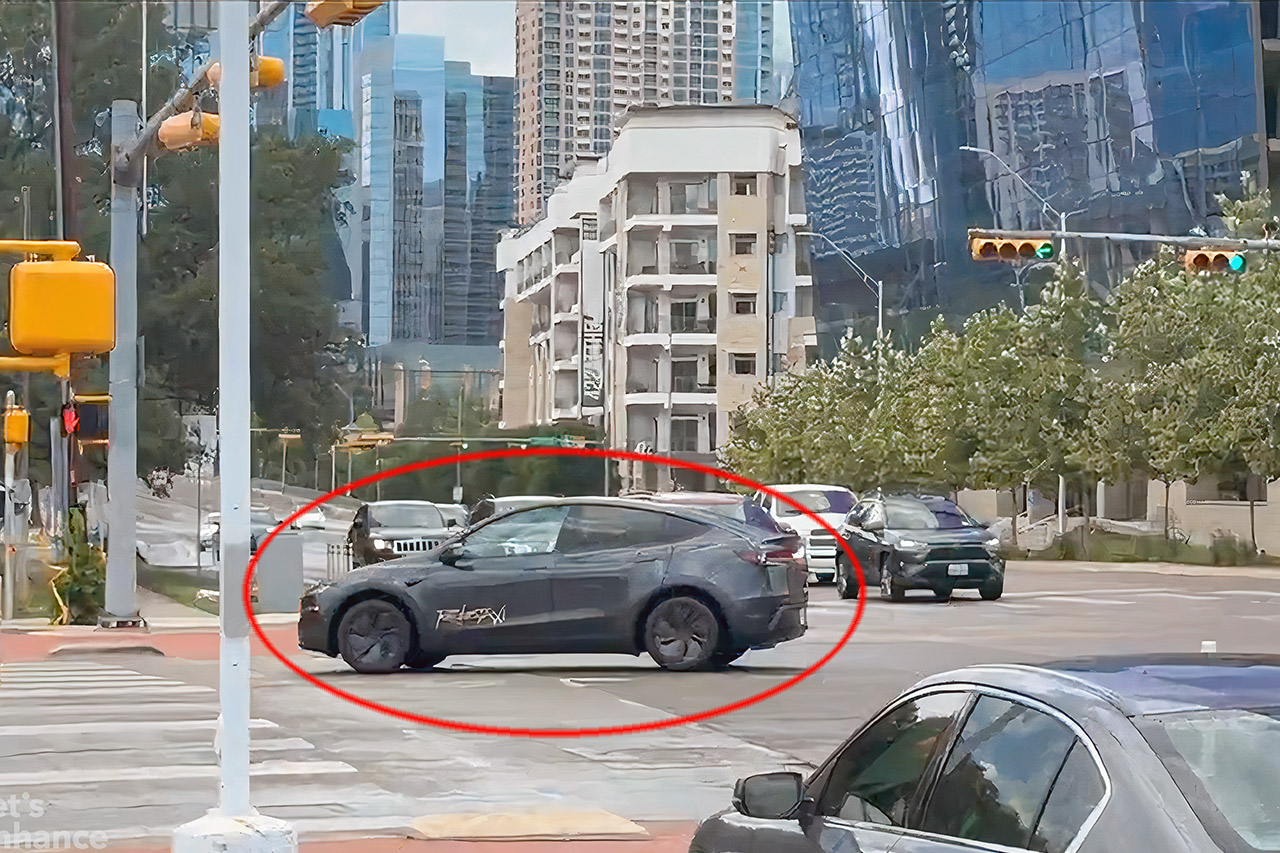
自动驾驶出租车

Search documents
Robotaxi商业化拐点渐近,万亿蓝海市场可期
2025-07-16 06:13
Summary of the Conference Call Industry Overview - The discussion primarily revolves around the **Robotaxi** industry, focusing on developments in both **North America** and **China** [1][2][3]. Key Points and Arguments 1. **Commercialization Acceleration**: - Both North America and China are experiencing significant acceleration in the commercialization of Robotaxis. For instance, Waymo's fleet increased from approximately 700 to 1500 vehicles in just over six months, with plans to add another 2000 vehicles next year [2]. - In China, Xiaoma's seventh-generation solution has reduced costs to 270,000 RMB, indicating a potential for achieving operational breakeven with a projected fleet of 1000 vehicles this year [3]. 2. **Impact of Tesla**: - Tesla is expected to be a major catalyst for the industry, with projections of tens of thousands of vehicles being added to the market next year. This could significantly raise the visibility and scale of the Robotaxi sector [4]. 3. **Partnerships and Global Expansion**: - Companies like Xiaoma and WeRide are forming partnerships with global platforms such as Uber, which has invested $100 million in WeRide. This collaboration is aimed at expanding operations into regions like the Middle East and Southeast Asia [5]. 4. **Market Dynamics**: - The differentiation in stock performance between Xiaoma and WeRide post-April 23 is attributed to Xiaoma's strong product launch versus WeRide's IPO lock-up expiration [6]. - Waymo's commercial operations are leading in North America, with a focus on high-cost, fully equipped vehicles [7]. 5. **Safety and Technology**: - The safety of Robotaxis is emphasized as a critical factor for market entry, with data showing that the insurance costs for Xiaoma's vehicles have dropped to half that of human drivers, indicating superior safety metrics [9]. 6. **Market Size and Potential**: - The domestic market for ride-hailing and taxis is estimated at around 500 billion RMB, with potential growth to 1.6 trillion RMB by 2035. The Robotaxi segment could capture a significant share of this market [12][13]. 7. **Competitive Landscape**: - The competitive landscape is characterized by a few key players in the Robotaxi space, primarily in China and the U.S. The transition from L2 to L4 automation is challenging, with only a few companies currently capable of achieving this [14][16]. 8. **Investment Recommendations**: - The recommendation is to focus on leading companies in the Robotaxi sector, particularly in the U.S. and China, as they are expected to benefit from Tesla's advancements and the overall market growth [19][20]. Other Important Insights - The discussion highlights the importance of partnerships between Robotaxi operators and traditional automotive manufacturers to leverage existing production capabilities and market reach [15]. - The potential for a significant market shift towards Robotaxis is noted, with expectations that they will replace a substantial portion of traditional ride-hailing and taxi services [12][13]. - Risks associated with the industry include technological challenges and the potential for commercialization to fall short of expectations [20].

智联汽车系列深度之38暨机器人系列深度之29:Robotaxi的加速渗透元年
Shenwan Hongyuan Securities· 2025-07-01 04:41
Investment Rating - The report indicates a positive outlook for the Robotaxi industry, suggesting that 2025 may be the year of accelerated penetration for Robotaxis [3][4]. Core Insights - The report highlights that Waymo has gained significant market share in San Francisco, with its share increasing from 0% to 27% within 20 months, surpassing Lyft [4][8]. - The commercial model of Robotaxi is characterized as a three-party profit-sharing system, involving technology companies, vehicle manufacturers, and ride-hailing platforms [17][20]. - The report outlines a structured framework for analyzing the commercial development trajectory of Robotaxis, focusing on five key elements: commercial model, policy planning, technical path, operational costs, and market perception [16][39]. Summary by Sections Industry Stage - The Robotaxi industry is currently in a stable recovery phase, with expectations for significant growth in the coming years [10][42]. Commercialization Analysis Framework - The report employs a five-element framework to assess the development trajectory of Robotaxis, which includes commercial model, policy planning, technical path, operational costs, and market perception [3][16]. Quantitative Analysis - The UE model is utilized to quantify the profitability elasticity of Robotaxi operations, emphasizing the importance of daily revenue generation [4][24]. Relevant Companies - Key players in the Robotaxi sector include WeRide (focusing on global expansion) and Pony.ai (emphasizing domestic scaling) [4][25].
定制车卡位Robotaxi,剖析曹操出行的长期主义
Tai Mei Ti A P P· 2025-07-01 02:12
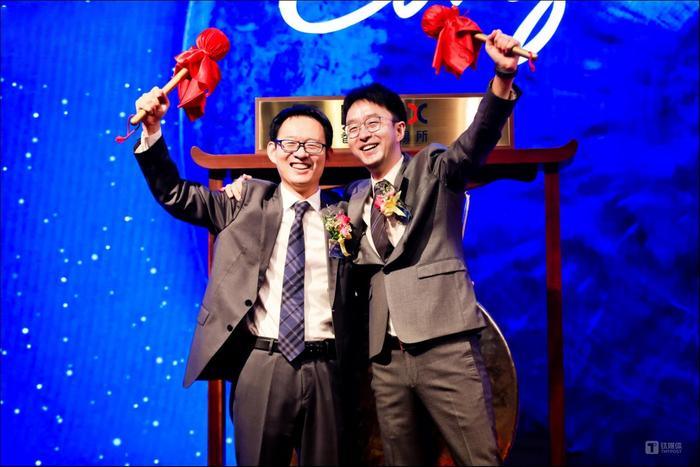
Core Viewpoint - Caocao Mobility has officially listed on the Hong Kong Stock Exchange, becoming the largest technology mobility platform in the market, backed by major industry players like Mercedes-Benz and Guoxuan High-Tech, which highlights its differentiated value proposition in the customized vehicle ecosystem and Robotaxi strategy [1][3]. Market Dynamics and Industry Challenges - Despite the initial stock price volatility post-listing, the overall market sentiment and profitability expectations in the mobility sector have influenced this fluctuation [3][4]. - The Hang Seng Tech Index has experienced a downturn since mid-March 2023, impacting investor sentiment and market performance [3]. - The Chinese mobility market is projected to grow from 6.895 trillion yuan in 2022 to 8 trillion yuan in 2024, with a compound annual growth rate of 5.4% from 2025 to 2029, yet challenges such as "economies of scale" and high fixed costs persist [4][5]. Business Model and Competitive Advantage - Caocao Mobility is leveraging its integration with Geely Group to build a customized vehicle ecosystem, which is expected to enhance its long-term value proposition [5][7]. - The company has developed two customized vehicles, the Maple Leaf 80V and Caocao 60, which focus on cost efficiency and passenger experience, leading to a significant reduction in total cost of ownership (TCO) by 36.4% compared to typical electric vehicles [7][8]. - The average gross margin is projected to improve from 5.8% in 2023 to 8.5% in Q1 2025, driven by the increasing share of customized vehicle orders [7][10]. Driver and User Engagement - Caocao Mobility has successfully increased driver earnings, with average hourly income rising from 30.9 yuan in 2022 to 35.7 yuan in 2024, outperforming industry averages [9]. - The company has been recognized for its service quality, achieving a significantly lower accident rate compared to industry norms, which enhances user retention and loyalty [9]. Future Growth and Strategic Focus - The company plans to allocate 48% of its IPO proceeds towards upgrading customized vehicles, developing Robotaxi technology, and expanding geographically, indicating a strategic focus on creating a closed-loop ecosystem of customized vehicles, autonomous driving, and mobility services [10][11]. - The anticipated growth of the Robotaxi market in China, projected to reach a trillion yuan by 2030, positions Caocao Mobility favorably for future expansion and valuation enhancement [10][11].

Robotaxi爆发年,自动驾驶将迎GPT时刻?
3 6 Ke· 2025-06-30 23:59
Core Viewpoint - The Robotaxi market is rapidly evolving, with Tesla recently launching its Robotaxi service, but it faces significant competition from established players like Baidu's Apollo and Waymo, which have stronger commercialization capabilities [1][3][5]. Group 1: Tesla's Robotaxi Launch - Tesla officially launched its Robotaxi service on June 22, starting with a limited trial of 10 Model Y vehicles in Austin, Texas, carrying paying passengers [1]. - The initial operation is not fully autonomous, as a safety driver is present in the passenger seat, which contrasts with public expectations [3]. - Despite some operational challenges and mixed reviews, the market remains optimistic about Tesla's Robotaxi prospects, reflected in an 8% stock price increase following the announcement [3]. Group 2: Competitive Landscape - The global Robotaxi market is led by Baidu's Apollo and Waymo, with Tesla lagging in terms of commercialization [3][5]. - New entrants like Cao Cao Mobility and Hello have also begun to establish their presence in the Robotaxi space, indicating a growing competitive landscape [5][21]. - Goldman Sachs projects the global Robotaxi market could reach $40 to $45.7 billion by 2030, with a compound annual growth rate (CAGR) exceeding 60% [5]. Group 3: Technological and Operational Insights - The three major players—Baidu's Apollo, Tesla, and Waymo—each follow different technological paths, with Baidu focusing on a large model for L4 autonomous driving, Tesla utilizing a vision-based FSD system, and Waymo employing a sensor fusion approach [8][10]. - Baidu's Apollo has achieved over 11 million rides by May 2025, while Waymo has reached 10 million rides, showcasing their advanced commercialization efforts compared to Tesla's nascent stage [13]. Group 4: Future Projections and Market Dynamics - The year 2025 is seen as a critical milestone for market competition, with companies accelerating their commercialization strategies [5][24]. - The Robotaxi sector is viewed as a testing ground for L4 autonomous driving technology, providing valuable data for further advancements [24]. - The Chinese Robotaxi market is expected to grow from approximately $5.4 million in 2025 to $12 billion by 2030, significantly outpacing the U.S. market growth [27].

Robotaxi行业专题解
2025-06-30 01:02
Summary of Robotaxi Industry Conference Call Industry Overview - The Robotaxi industry is currently experiencing significant developments, particularly with companies like Tesla, Pony.ai, and Baidu's Apollo Go leading the charge in autonomous vehicle technology and deployment strategies [1][2][3][4][5]. Key Points and Arguments Tesla's RoboTaxi Operations - Tesla's RoboTaxi in Austin has an average takeover rate of approximately 30 kilometers per trip, significantly higher than Waymo [1] - The pricing for Tesla's RoboTaxi service is set at $4.2 per trip, with plans to expand to a fleet of 1,000 vehicles within six months and enter markets like California by the end of 2025 [1][4] - The company faces challenges including technology reliability, regulatory approvals from NHTSA, and competition from established players like Waymo [1][5] - Tesla's pure vision-based FSD system struggles in extreme weather and nighttime conditions, and the company does not plan to introduce LiDAR technology due to the complexity and time required for model retraining [3] Baidu's Apollo Go - Baidu's Apollo Go has deployed nearly 500 vehicles in Wuhan, capturing about 1% of the city's ride-hailing market with an average daily order volume of around 3,000 [9][10] - The service primarily operates in suburban areas, offering discounts that make it attractive to price-sensitive users [9] - Baidu aims to expand its fleet to 1,000 vehicles in Wuhan by the end of 2025, but faces challenges such as operational losses and the need to balance vehicle numbers with order volumes [11][12] Pony.ai's Developments - Pony.ai has launched its seventh-generation vehicle, with a fleet of over 100 vehicles operating in cities like Guangzhou, Beijing, Shenzhen, and Shanghai, planning to expand to over 500 vehicles by the end of 2025 [2][13] - The company is transitioning from a traditional Robots approach to an end-to-end technology model, moving away from the Word world model [2][13] Industry Challenges and Future Outlook - The Robotaxi industry is expected to enter a technology convergence phase by 2027-2028, where achieving a 5% market share in a city could establish a dominant position [2][17] - Long-term penetration rates could reach 20%-25% in supportive policy environments, with Robotaxi services potentially replacing a significant portion of human drivers [17] - The industry faces regulatory hurdles, with varying attitudes towards RoboTaxi operations across states, particularly in California, Texas, and Arizona [6][16] Communication and Safety Measures - The industry is addressing communication disruptions through optimized remote communication systems and redundant systems for vehicle control [8] - Safety measures for vehicles without steering wheels rely heavily on remote monitoring and intervention systems, which pose risks if communication fails [8] Competitive Landscape - The competitive landscape includes both state-owned enterprises and market-driven companies, each with distinct advantages in technology and operational efficiency [18] - Internet companies excel in consumer-facing operations, while state-owned enterprises have better access to government projects and support [18] Conclusion - The Robotaxi industry is poised for growth, driven by technological advancements and evolving regulatory frameworks. Companies must navigate operational challenges and competition while enhancing safety and efficiency to capture market share [23].

特斯拉Robotaxi“上路”近一周,马斯克给无人驾驶出租车行业带来了什么?
Sou Hu Cai Jing· 2025-06-27 10:17
Group 1 - Tesla's Robotaxi service officially launched in Austin, Texas, with a limited initial deployment of around 10 Model Y vehicles [3][20] - Passengers will pay a fixed fee of $4.20 for rides, reflecting Elon Musk's characteristic humor [3] - The service operates in a restricted area from 6 AM to midnight, with a human safety officer present in each vehicle [3][11] Group 2 - Initial user feedback on the Robotaxi experience has been largely positive, highlighting smooth driving and effective handling of various scenarios [6][11] - Despite positive feedback, there have been incidents of malfunction, including a vehicle failing to brake in time and another instance of driving in the wrong lane [11][12][15] - Musk predicts that by the end of 2026, there will be hundreds of thousands of Tesla vehicles operating autonomously in the U.S. [11][20] Group 3 - Tesla's Robotaxi initiative is seen as a potential solution to declining electric vehicle deliveries, which fell by 13% in Q1 2025 [20] - Analysts suggest that the autonomous taxi strategy is a strategic shift for Tesla to maintain its competitive edge amid increasing competition [20] - Following the announcement of the Robotaxi service, Tesla's stock price rose by 9%, reflecting investor optimism [20] Group 4 - The global autonomous taxi market is experiencing rapid growth, with 2025 anticipated as a pivotal year for commercialization [21][24] - In China, companies like Baidu and Didi are also advancing in the Robotaxi space, with Baidu's service showing a 75% year-over-year increase in ride offerings [21][22] - The competition in the autonomous taxi sector is intensifying, with various companies adopting different technological approaches, such as Tesla's pure vision system versus Waymo's multi-sensor fusion method [23][24]
马斯克首发Robotaxi收割掌声,萝卜快跑也值得被看见
Xin Lang Cai Jing· 2025-06-25 02:43
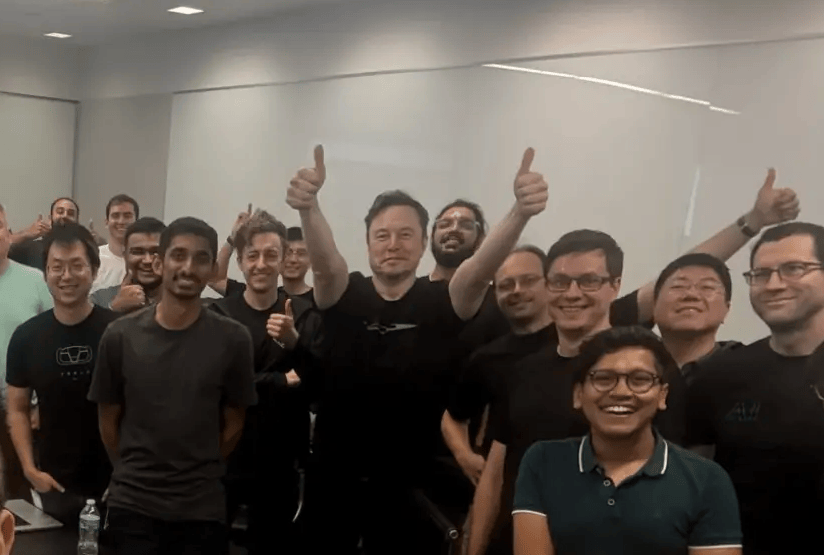
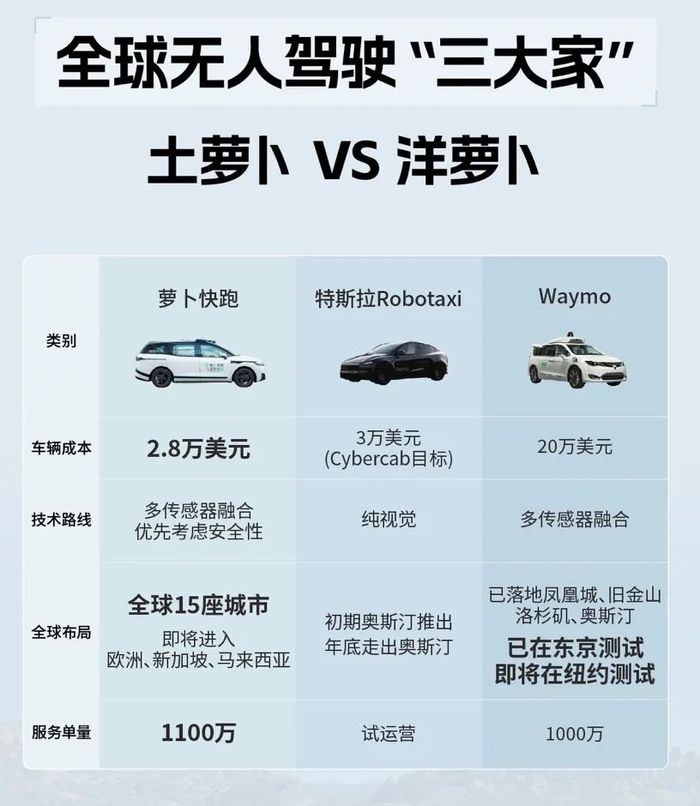
Core Viewpoint - Tesla's Robotaxi service has officially launched in Austin, Texas, with the first batch of Model Y vehicles, although the initial performance has raised concerns about safety and operational limitations [1][2]. Group 1: Industry Competition - The global autonomous driving industry is now dominated by three major players: Tesla, Waymo, and RoboTaxi, with competition intensifying across borders [3][4]. - RoboTaxi has successfully launched in 15 cities globally and has completed over 11 million rides, outperforming Waymo's 10 million rides, despite facing skepticism from some users [3][4]. - Tesla aims to deploy over 100,000 Robotaxis by the end of next year, while Waymo plans to double its production capacity by the end of 2026 [4][5]. Group 2: Safety and Technology - RoboTaxi and Waymo have demonstrated superior safety records, with accident rates significantly lower than human drivers, while Tesla's reliance on a pure vision-based system may expose it to risks in adverse weather conditions [6][8]. - RoboTaxi's vehicle cost is approximately $28,000, significantly lower than Waymo's $200,000, which gives it a competitive edge in terms of operational costs [8]. Group 3: Market Potential and Regulatory Environment - The global Robotaxi market is projected to reach RMB 834.9 billion by 2030, with China expected to become the largest market, accounting for about 58.5% of the global autonomous driving service market [9][12]. - Regulatory environments in the U.S. are more favorable for Robotaxi operations compared to China, where strict regulations limit operational hours and areas for autonomous vehicles [13][14]. Group 4: Future Outlook - The competition among the three major players is not just a corporate battle but also a reflection of the technological and economic rivalry between China and the U.S. [14]. - There is a call for greater public acceptance and regulatory support to facilitate the growth of the Robotaxi market, emphasizing the need for patience and understanding towards local innovations [12][14].
历经9年特斯拉Robotaxi终落地,或成马斯克最大“印钞机”,中国Robotaxi商业化进程提速
Hua Xia Shi Bao· 2025-06-24 10:13
Core Viewpoint - Tesla's Robotaxi service has officially launched in Austin, Texas, marking a significant milestone in the development of autonomous driving technology, relying solely on cameras and AI algorithms rather than lidar [2][3][4]. Group 1: Service Launch and Operations - The Robotaxi service began on June 22, 2023, in a designated area of approximately 77.7 square kilometers, avoiding complex intersections [3]. - The service operates daily from 6 AM to midnight and excludes operation during adverse weather conditions [3]. - Initially, the service is invitation-only, with about 20 participants primarily consisting of Tesla employees and Powerwall users [3]. Group 2: Safety and Technology - Each Robotaxi is equipped with a safety monitor in the front passenger seat, and vehicles can be remotely controlled in emergencies [3][4]. - The service utilizes a unique visual-based approach, employing eight cameras to create a visual occupancy network, which is a cost-effective alternative to lidar systems [4][5]. Group 3: Data and Learning - Robotaxi vehicles can accumulate over 12 hours of real-world data daily, significantly enhancing the training of Tesla's Full Self-Driving (FSD) system [4][5]. - Tesla's existing fleet of over 6 million vehicles generates 1.6 billion frames of image data daily, contributing to the training of the largest autonomous driving neural network globally [5]. Group 4: Business Model and Market Potential - The pricing of $4.2 per ride is strategically lower than competitors like Uber, aiming to cultivate user habits rather than immediate revenue [5][6]. - Analysts estimate that operating 100,000 Robotaxis could generate $8 billion in annual revenue, with a gross margin exceeding 30% [6]. Group 5: Regulatory and Competitive Landscape - The Robotaxi initiative serves as leverage for Tesla in advocating for regulatory changes, aligning with Texas regulations on autonomous vehicles [6]. - In contrast to Tesla's approach, Chinese companies are rapidly advancing in the Robotaxi market, with projections indicating a market size of 2.93 trillion yuan by 2030 [7][8]. Group 6: Technological Differences - Chinese firms are adopting a multi-sensor fusion approach for better performance in adverse weather, while Tesla's visual-only method remains untested in extreme conditions [9]. - The competition in the Robotaxi space is intensifying, with various companies exploring different technological pathways and regulatory frameworks [9].
特斯拉Robotaxi仅上线了一个“半成品”?
第一财经· 2025-06-24 02:45
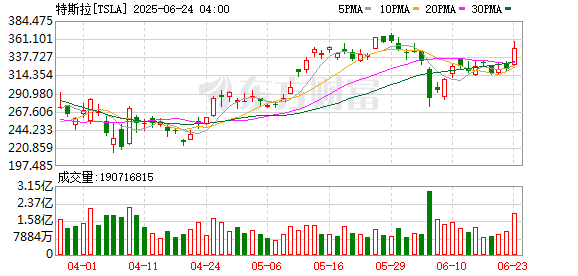
Core Viewpoint - Tesla officially launched its Robotaxi service in Austin, Texas, on June 22, 2025, with a fixed fare of $4.2 per ride, marking a significant step in its long-term vision for autonomous ride-sharing [1][2]. Group 1: Launch Details - The initial rollout includes approximately 10 refreshed Model Y vehicles, with the anticipated Cybercab not yet available [1]. - The service is currently invitation-only, primarily for tech bloggers and Tesla investors, rather than being open to the general public [1][2]. - The Robotaxi service is not fully autonomous, as a safety driver is present in the passenger seat, and the operational area is limited to the southern part of Austin, running from 6 AM to midnight [2]. Group 2: Market Comparison - Compared to Baidu's "LuoBo Kuaipao" and Waymo's Robotaxi services, Tesla's offering does not present a groundbreaking advancement [2]. - Waymo has completed 10 million rides, while Baidu's service has surpassed 11 million rides as of May 2025, indicating strong competition in the market [2]. Group 3: Technological Advantages - Tesla's Robotaxi utilizes a vision-based, end-to-end model that avoids the high costs associated with lidar sensors, allowing for broader deployment in approved areas [3]. - Elon Musk has criticized other companies' reliance on high-definition maps, suggesting that Tesla's universal solution is more adaptable and scalable [3]. Group 4: Business Model and Profitability - Tesla envisions a business model combining elements of Airbnb and Uber, where it acts as a platform service provider, taking a commission from each Robotaxi ride while the majority of revenue goes to vehicle owners [3]. - For Tesla-owned vehicles, a model similar to Uber's will be implemented [3]. Group 5: Future Market Potential - The profitability of the Robotaxi service hinges on scaling, which is influenced by safety and regulatory approvals [4]. - The market for Robotaxi is expected to grow rapidly over the next decade, with projections indicating that by 2030, the market size in China could reach approximately 500 billion yuan, with a penetration rate exceeding 30% [4]. - Domestic Robotaxi fleet sizes are forecasted to reach 100,000 and 3 million vehicles by 2026 and 2030, respectively, with market share increasing from 0.2% to 75% in the shared mobility sector [4]. Group 6: Market Reaction - Despite the optimistic outlook for the Robotaxi service, the market reaction to Tesla's launch has been muted, with a slight pre-market increase of 0.86% in Tesla's stock price as of June 23, 2025 [4].
收费4.2美元,特斯拉Robotaxi来了
Zhong Guo Qi Che Bao Wang· 2025-06-24 01:20
Core Insights - Tesla's Robotaxi service has officially launched in Austin, Texas, marking the first time the company has transported paying passengers without human drivers [1][3] - The service charges a fixed fee of $4.2 per ride and is currently available to a select group of users [1][3] - CEO Elon Musk believes this business is crucial for Tesla's financial outlook and has ambitious plans for scaling the Robotaxi fleet [4] Group 1: Service Launch and Operations - The Robotaxi service was in development for nearly a decade and began pilot operations on June 22, 2023 [1] - The initial fleet consists of 10 to 20 modified Model Y vehicles equipped with Tesla's Full Self-Driving (FSD) software and visual perception systems [3] - The service operates daily from 6 AM to midnight in a specific area of South Austin, avoiding complex intersections for safety [3] Group 2: Safety Measures - Each Robotaxi is equipped with a safety operator in the passenger seat, who can intervene in emergencies [4] - The vehicles also feature biometric sensors to monitor passenger health and alert authorities if necessary [4] - A professional team is responsible for remote monitoring to ensure operational safety during the pilot phase [4] Group 3: Future Expansion Plans - Musk aims to expand the Robotaxi fleet to 1,000 vehicles within a few months and over 1 million by the end of 2026 [4] - Analysts from Morgan Stanley and Morningstar suggest that large-scale deployment may not occur until around 2028, indicating Musk's timeline may be overly optimistic [4] Group 4: Regulatory Environment - Texas was chosen for the pilot due to its relaxed regulatory environment compared to California, allowing for easier operation of autonomous vehicles [6] - Local laws prevent municipal interference in autonomous vehicle regulation, provided safety and insurance requirements are met [6] - The global regulatory landscape for autonomous driving is still evolving, with ongoing investigations into Tesla's safety performance [6] Group 5: Competitive Landscape and Market Potential - Tesla's Robotaxi faces competition from companies like Waymo and Zoox, with Waymo already operating over 1,500 vehicles and providing more than 250,000 rides weekly [7] - The global Robotaxi market is projected to grow significantly, from $84 million in 2023 to $68.75 billion by 2035, indicating substantial growth potential [7] - In China, the market is expected to expand from $54 million in 2025 to $4.7 billion by 2035, highlighting a promising decade for Robotaxi development [7]