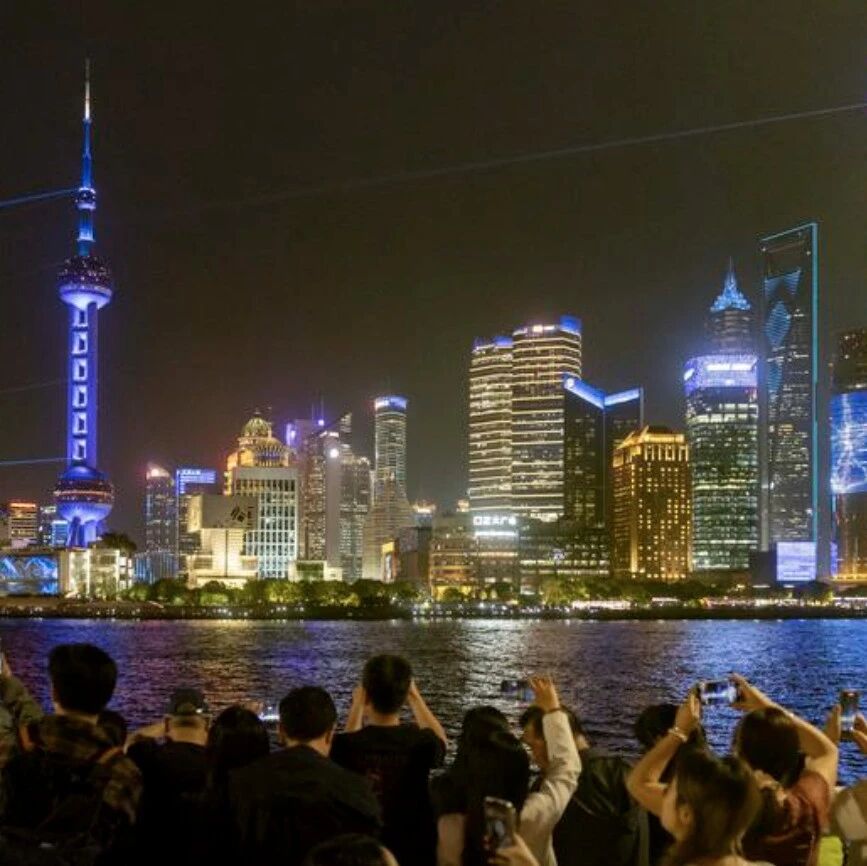
高端装备

Search documents
国研中心产业经济研究部副部长李燕:全面推动我国制造业由大到强的“质变”
Xin Lang Cai Jing· 2026-02-06 11:26
Core Viewpoint - The article emphasizes the necessity and urgency of transforming China's manufacturing industry from large to strong during the "14th Five-Year Plan" period, focusing on enhancing core capabilities and modernizing the industrial system to support high-quality economic development [1][21]. Group 1: Importance of Transformation - The transformation from large to strong in manufacturing is essential for achieving a stable economic structure, where advanced manufacturing plays a crucial role in national competitiveness and innovation [2][22]. - By 2024, China's per capita GDP is projected to be around $13,000, necessitating a doubling of GDP by 2035 to meet the goal of becoming a moderately developed country [2][22]. - The shift towards high-value, technology-intensive manufacturing is critical for driving industrial upgrades and achieving sustainable economic growth [2][22]. Group 2: Current Progress and Achievements - From 2020 to 2024, China's manufacturing value added increased from 26.6 trillion yuan to 33.6 trillion yuan, highlighting significant growth [8][28]. - The digitalization and green transformation of manufacturing have become new growth engines, with the digital design tool adoption rate rising from 71.5% to 82% during the same period [8][28]. - The structure of the manufacturing industry has been optimized, with high-tech manufacturing value added growing at an annual rate of 8.7% [8][28]. Group 3: Challenges and Constraints - Despite progress, challenges remain, including low R&D investment and insufficient original innovation capabilities among manufacturing enterprises [9][29]. - Key areas such as high-end machinery and core software still face technological bottlenecks that need to be addressed for further advancement [9][29]. - The industry must overcome issues of homogenization and intense competition to enhance productivity and income levels [9][29]. Group 4: Recommendations for Transformation - Building a modern industrial system centered on advanced manufacturing is crucial for supporting high-quality economic circulation [10][31]. - Promoting the integration of traditional, emerging, and future industries is necessary for achieving quality upgrades and fostering new pillar industries [10][31]. - Enhancing the role of enterprises in innovation and establishing collaborative innovation platforms are essential for achieving breakthroughs in core technologies [12][33]. Group 5: Policy and Institutional Support - Strengthening the education and talent integration system is vital for fostering a skilled workforce that can drive manufacturing excellence [19][40]. - Implementing financial support policies for new industrialization and enhancing quality standards will encourage high-quality development in manufacturing [20][41]. - Promoting a culture of quality and innovation within the manufacturing sector is necessary to attract young talent and improve overall industry competitiveness [20][41].

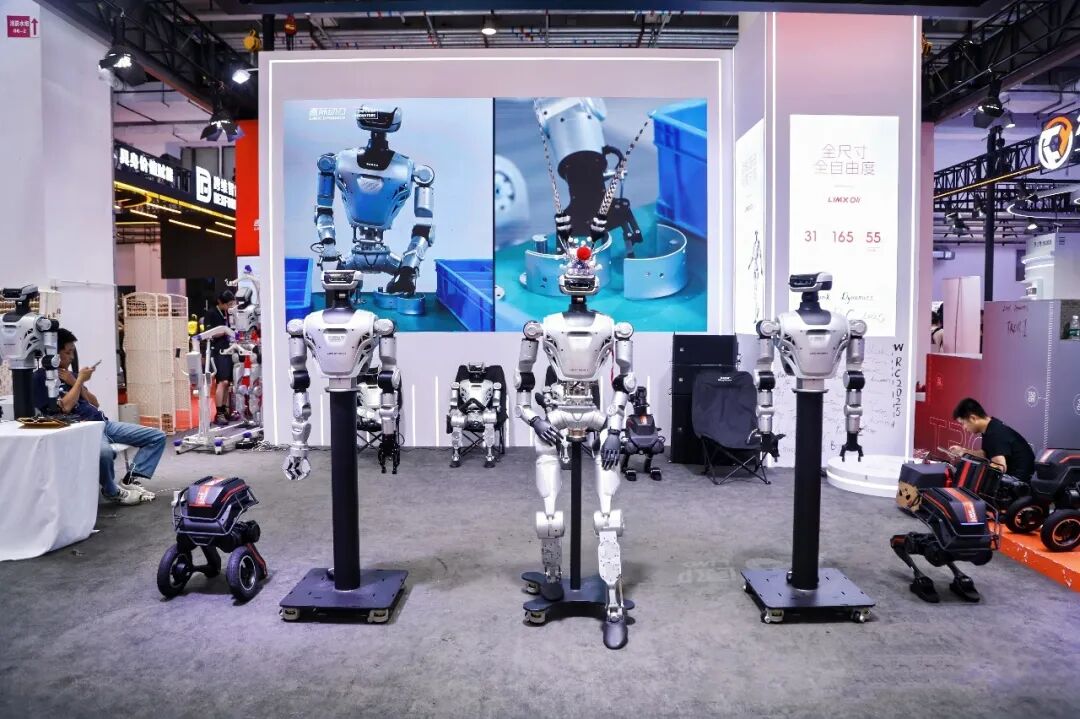
山东将在高端装备等领域开展语料库揭榜挂帅
Da Zhong Ri Bao· 2026-02-06 01:06
项目验收时语料库数据量不低于10万条 山东将在高端装备等领域开展语料库揭榜挂帅 记者从省工信厅了解到,围绕高端装备、烟草制品业、农副食品加工业、家具制造业、木材加工、 皮革毛皮羽毛及其制品和制鞋业、仪器仪表制造业、废弃资源综合利用业等行业,山东将开展语料库揭 榜挂帅项目申报,重点推进行业关键数据技术攻关、行业数据语料标准研制、高质量行业语料库打造、 语料应用场景落地等。 重点行业语料库揭榜挂帅项目,聚焦工业制造重点行业的基础理论研究、产品研发设计、生产管理 运行、过程质量检测等关键环节和特定场景的知识语料汇聚,基于结构化数据、非结构化数据和半结构 化数据,通过清洗、去噪和统一格式,用于支持自然语言处理、计算机视觉、机器学习、深度学习等任 务,满足行业大模型或场景大模型开发、训练和微调需求的高质量语料库。项目验收时行业相关语料库 数据量不低于10万条,具有较高的数据质量、领域覆盖程度、潜在价值和应用成效,项目验收时应通过 第三方测评;同时,山东鼓励各行业语料库项目加快语料资源优化整合,积极开放公共语料。(记者 付玉婷) ...
广东一条街道,GDP突破千亿
2 1 Shi Ji Jing Ji Bao Dao· 2026-02-05 15:15
为什么是桂城?一条街道的千亿密码 目前,全国仅有6个GDP千亿镇,广东独占三席。若将视野扩展至街道,珠三角的阵容更为强大:深圳 的粤海、坂田、新安街道,广州的冼村街道,早已是名声在外的"千亿强者"。桂城的特殊在于,它诞生 于地级市,并以服务业为主导实现了千亿跨越,填补了类型空白。 桂城拥有大体量的生产性服务业,第三产业贡献了近七成的经济总量与增长动能。三产、二产和一产的 占比为69.8:30.0:0.2。桂城与其他广东千亿街道的不同,其生产性服务业成为主要的增长引擎,金融 业、信息技术服务、商务服务、科研技术服务等现代服务业板块发展迅猛。顺丰佛山总部、凯捷数据、 毕马威等一批服务业龙头在此集聚,构筑起服务佛山乃至大湾区的专业能力。 驱动桂城迈过千亿门槛的另一关键动力,是其前瞻布局的"总部经济"。2023年,桂城官方明确打造佛山 总部经济集聚区。同年,海天集团、宏旺控股、江博士总部等19个项目竣工封顶,伟邦科技、广东乐居 等9个企业总部顺利投产,数量创近年之最。目前,桂城已汇聚超过500家总部企业。这些企业总部带来 的不仅是GDP贡献,更是决策功能、研发中心、资本控制和高端人才的集聚,这正是桂城深层竞争力的 体 ...
新城崛起!青岛胶东临空经济示范区平度片区五年蝶变
Qi Lu Wan Bao· 2026-02-05 14:28
Core Viewpoint - The Qingdao Jiaodong Airport Economic Demonstration Zone in the Pingdu area has entered a "high-speed era" with the completion of the Shenhai Expressway expansion, marking significant progress in high-quality development of the air economy over the past five years [1] Group 1: Development Strategy - In 2021, Pingdu City established leadership groups and development centers to seize opportunities following the operational transition of Qingdao Jiaodong International Airport, aiming to create a high-quality growth engine [2] - A "1+3+N" collaborative system was initiated to ensure coordinated development, focusing on a closed-loop mechanism where resources follow projects and services align with industries [2] - A comprehensive planning system was developed with an investment of 25 million yuan for urban design and multiple municipal and industrial plans to guide spatial layout and optimize industrial positioning [2] Group 2: Infrastructure Support - Over 3 billion yuan has been invested in building a "five horizontal and eight vertical" road network, enhancing public service infrastructure including water supply, electricity, and gas [3] - The water supply capacity has reached 40,000 tons per day, with a 110kV substation providing 126 MVA of power, and sewage treatment capacity at 20,000 tons per day [3] - External transportation connections have improved significantly, with projects enabling quick access to the highway network and the airport, facilitating efficient coordination between air transport, industry, and urban development [3] Group 3: Functional Upgrades - The Pingdu area has developed logistics parks and incubators, attracting logistics companies and providing services for over 200 small and medium enterprises [4] - Educational institutions have been introduced to cultivate high-skilled talent, with an annual output of 10,000 skilled workers [4] - A cultural tourism complex has been built with an investment of 1.63 billion yuan, expected to attract over 1 million visitors annually, integrating various aspects of rural revitalization [4] Group 4: Industrial Development - The Pingdu area focuses on advanced manufacturing, particularly in smart home appliances, high-end equipment, and new materials, with significant projects and enterprises established [5] - Major companies like Hisense and China Steel Research have set up operations, creating a complete ecosystem for smart home appliances and new materials [5] - A total of 25 projects have been attracted with over 40 billion yuan in total investment, fostering a positive cycle of project development [6] Group 5: Collaborative Growth - The Pingdu area is actively engaging with high-level platforms to enhance development, signing strategic cooperation agreements to promote integrated development with neighboring cities [7] - Infrastructure projects are being coordinated to ensure mutual progress, fostering a collaborative environment for resource sharing and complementary advantages [7] - The Pingdu area is becoming a crucial hub for people, logistics, and capital flows in the Jiaodong Peninsula, driving regional high-quality development [7]
GDP突破千亿,“超级街道”在广东诞生
2 1 Shi Ji Jing Ji Bao Dao· 2026-02-05 12:53
2017年,佛山狮山镇成为全国首个GDP破千亿的镇;2022年,同属佛山的北滘镇紧随其后;2024年,东 莞长安镇正式突破千亿元;2025年桂城接棒加入。 与其他三个镇不同的是,桂城是一个地级市的街道。在行政区划中,街道与镇虽属同级,但街道往往设 立于城市化水平更高的核心区域。 "千亿GDP"对一个省份的经济大盘而言或许不算突出,但从基层行政单元来看,"千亿镇街"无疑是观察 区域经济活力的高价值样本。 为什么是桂城?一条街道的千亿密码 目前,全国仅有6个GDP千亿镇,广东独占三席。若将视野扩展至街道,珠三角的阵容更为强大:深圳 的粤海、坂田、新安街道,广州的冼村街道,早已是名声在外的"千亿强者"。桂城的特殊在于,它诞生 于地级市,并以服务业为主导实现了千亿跨越,填补了类型空白。 桂城拥有大体量的生产性服务业,第三产业贡献了近七成的经济总量与增长动能。三产、二产和一产的 占比为69.8:30.0:0.2。桂城与其他广东千亿街道的不同,其生产性服务业成为主要的增长引擎,金融 业、信息技术服务、商务服务、科研技术服务等现代服务业板块发展迅猛。顺丰佛山总部、凯捷数据、 毕马威等一批服务业龙头在此集聚,构筑起服务佛山乃 ...
湖北推动工业发展提质增效
Zhong Guo Xin Wen Wang· 2026-02-05 09:19
Core Insights - Hubei province aims to enhance industrial quality and efficiency, targeting a 6.9% growth in industrial added value by 2025, exceeding the national average by 1 percentage point [1] - The province's five pillar industries, including optoelectronic information and automotive manufacturing, are expected to surpass 1 trillion yuan, while six advantageous industries will exceed 500 billion yuan [1] - Hubei plans to implement 4,082 industrial technological transformation projects, with industrial investment projected to grow by 6.6% [1] Group 1: Industrial Development - Hubei is focusing on optimizing its industrial system and promoting transformation and upgrading to create new advantages [1] - The automotive sector is projected to produce 820,000 vehicles by 2025, with new energy vehicles accounting for 45% of total production [1] - The province is advancing strategic emerging industries, including humanoid robots and 6G innovation, with the AI industry expected to maintain over 20% growth [1] Group 2: Technological Integration - Hubei is promoting the integration of science and industry, with two manufacturing pilot platforms achieving national-level status, ranking third in the country and first in Central China [3] - The province is developing a digital economy, focusing on new infrastructure such as communication networks and industrial internet, with 188,000 5G base stations built [3] - By 2025, Hubei aims to add 3,023 innovative small and medium-sized enterprises, bringing the total to 13,314, and increase the number of specialized and innovative SMEs to 7,187 [3]
君行健资本落地两支基金
Sou Hu Cai Jing· 2026-02-05 06:32
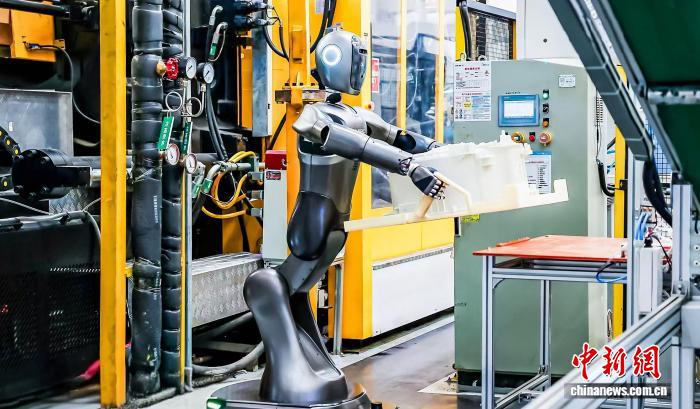
投资界2月5日消息,近日,湖南君行健创业投资有限公司(简称 "君行健资本")旗下青岛君行健泰创 业投资基金合伙企业(有限合伙)完成中国证券投资基金业协会备案、青岛追光致远创业投资基金合伙 企业(有限合伙)顺利完成扩募,标志着君行健资本在生物医疗与先进制造两大核心赛道的布局再提 速,管理基金矩阵进一步扩容至 8 支。 自2021年成立以来,君行健资本已构建起 "基金募资 - 项目投资 - 投后赋能 - 退出增值" 的全周期服务体 系,管理资金规模超 6亿元,投资版图覆盖20余家优质企业,其中多家已迈入资本化关键阶段。 此次双基金备案落地,既是君行健资本管理能力的重要印证,更是布局硬科技与大健康赛道的战略升 级:依托已投企业生态,实现"基金 - 项目 - 产业" 联动,为被投企业嫁接供应链、客户与资本市场资 源。立足湖南、辐射全国,重点关注华中、长三角、珠三角等创新高地,兼顾技术先进性与商业化潜 力。以 5-10 年长期视角布局,聚焦能真正解决产业痛点、创造社会价值的创新企业。 君行健泰基金:生物医疗领域的 "价值发现者"。聚焦生物医药、医疗器械、医药研发服务等前沿方 向,深度布局创新诊疗技术与高端医疗器械赛道, ...
灌溉创新“金种子” ,首支专属基金服务南口国重基地
Bei Jing Ri Bao Ke Hu Duan· 2026-02-04 11:07
昌平区与清华大学共建的南口全国重点实验室基地(南口国重基地)项目再传新进展。记者2月4日从未 来科学城集团获悉,首支专注服务该基地硬科技成果转化的基金近日成立,将灌溉有潜力的创新"金种 子",助力这些创新项目拔节生长。目前,南口国重基地一期、二期已基本完工,今年将整体建成。 清华大学南口国重基地是昌平区与清华大学以城市更新方式在南口镇建设的重点项目,通过对北京保温 瓶工业公司、北京平板玻璃集团公司、北京市汽车钢圈总厂"三大厂"老旧厂区进行系统性改造,集中承 接清华大学14个以上全国重点实验室。 来源:北京日报客户端 在基地项目推进的同时,相关软件配套也在积极搭建。为给有潜力的成果转化项目带来真金白银的支 持,北京清启未来全重成果转化种子基金近日发布。作为昌平区首支专注服务南口国重早期硬科技成果 转化种子基金,该基金由未来科学城集团和启迪之星创投共同发起,是昌平区打通科技成果转化堵点、 赋能硬科技发展的重要举措。基金将重点投向集成电路与先进材料、低碳能源与智能运载、智能制造与 高端装备三大领域,同时适度布局具身智能、合成生物、6G通信等前沿方向,实现当前优势产业赋能 与未来产业培育双向发力。 近年来,昌平区积极 ...
首期200亿,湖北社保科创基金落地
Sou Hu Cai Jing· 2026-02-04 06:51
Group 1 - The core viewpoint of the article is the establishment of the Hubei Social Security Science and Technology Equity Investment Fund, which aims to support strategic national initiatives and foster technological innovation in Hubei province [1] - The fund has a first-phase scale of 20 billion yuan, making it the first social security science and technology fund in Central and Western China [1] - The fund will focus on key industries such as optoelectronic information, automotive manufacturing, life health, and high-end equipment, aiming to upgrade traditional industries and cultivate emerging sectors [1] Group 2 - The fund is a collaborative effort involving the National Social Security Fund Council, Hubei Province, Wuhan City, and China Construction Bank [1] - It aims to create a long-term capital investment that balances policy objectives with investment returns, contributing to Hubei's goal of becoming a nationally influential hub for technological innovation [1] - The fund's strategy includes a three-pronged approach: upgrading traditional industries, nurturing emerging industries, and planning for future industries [1]
持续提升“五个中心”能级,上海拿出了施工图
第一财经· 2026-02-04 06:35
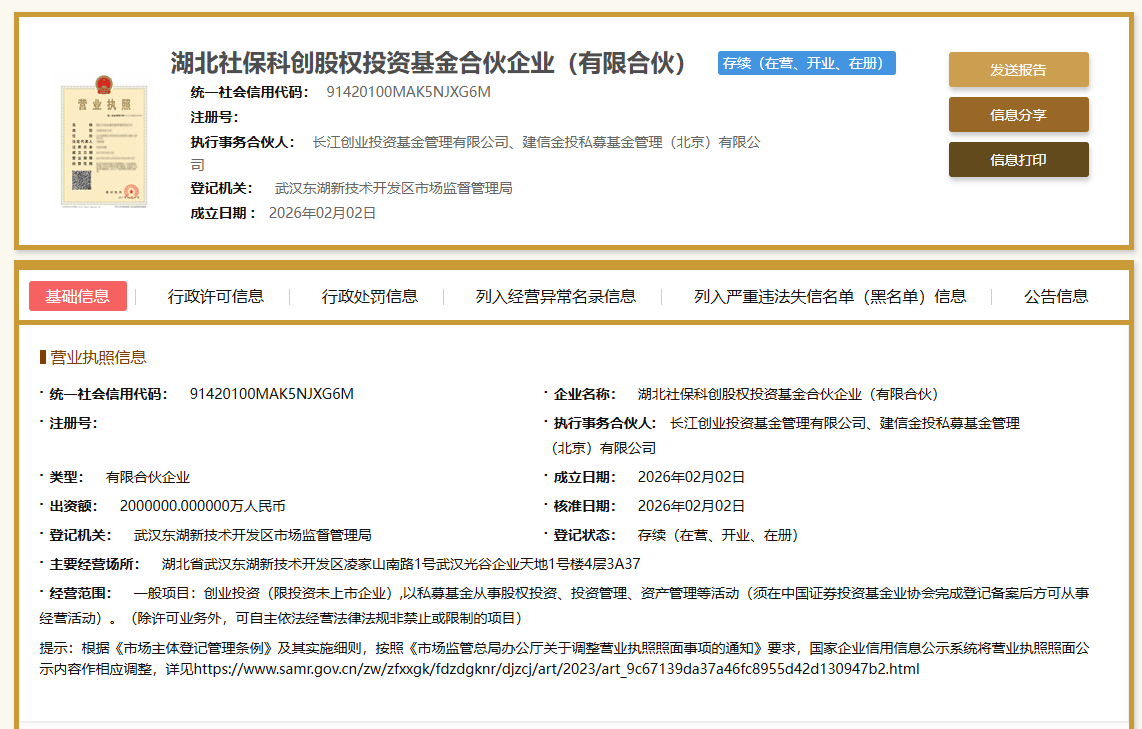
Core Viewpoint - Shanghai aims to achieve a GDP growth rate of around 5% for 2025, with a focus on enhancing its status as an international economic, financial, trade, shipping, and technological innovation center [3][5][12]. Group 1: Economic Goals and Projections - The main expected economic targets for Shanghai in 2025 include a GDP growth of approximately 5%, a 2% increase in local public budget revenue, and R&D expenditure reaching 4.6% of GDP [3][12]. - The "15th Five-Year Plan" outlines an average annual GDP growth target of around 5%, with potential growth levels estimated between 4.6% and 5.2% [3][12]. Group 2: Development of the "Five Centers" - The report emphasizes the continuous enhancement of the "Five Centers," which include international economic, financial, trade, shipping, and technological innovation centers [5][7]. - Specific initiatives include supporting industries such as smart connected vehicles, marine economy, low-altitude economy, aerospace, and satellite internet [5][11]. Group 3: New Quality Productivity - The focus is on integrating technological and industrial innovation to foster new quality productivity, including accelerating the application of major technological achievements and promoting intelligent, green, and integrated industrial development [9][10]. - Shanghai's R&D expenditure as a percentage of GDP reached approximately 4.5% in 2025, with significant growth in key industries like integrated circuits, biomedicine, and artificial intelligence [9][10]. Group 4: Modern Industrial System - The "2+3+6+6" modern industrial system aims to establish a world-class high-end industrial cluster, with a focus on traditional industry transformation and the development of three leading industries: integrated circuits, biomedicine, and artificial intelligence [10][13]. - By 2030, the plan targets that the total output value of strategic emerging industries will account for over 50% of the total industrial output value [12][13]. Group 5: Future Industry Layout - The report highlights the importance of forward-looking layouts in future industries, including quantum technology, brain-computer interfaces, and bio-manufacturing, to enhance Shanghai's competitive edge [14][12]. - The establishment of a reasonable investment mechanism for manufacturing and the promotion of collaboration between industry, academia, and research in emerging fields are emphasized [14][13].