Mobile Phones

Search documents
贾国龙的“我不认”与诺基亚的“我们没做错什么”
Sou Hu Cai Jing· 2026-01-17 00:17
Core Viewpoint - The recent turmoil surrounding Xibei's prepared dishes has been reignited by CEO Jia Guolong's emotional response, revealing the company's dire situation as it plans to close 102 stores, accounting for 30% of its total, and faces a 50% year-on-year decline in business [1][6][12] Group 1: Company Situation - Xibei is planning to close 102 stores in the first quarter of 2026, affecting approximately 4,000 employees, which represents 30% of its total store count [6] - The company has experienced a significant drop in profits, with a 50% year-on-year decline in store business as of January 2026 [5][12] - Despite efforts to adapt, including a nearly 20% price reduction on over 30 dishes and an average salary increase of 500 yuan for frontline employees, consumer response has not improved [5][8] Group 2: Public Relations and Consumer Perception - Jia Guolong's insistence that Xibei has not made mistakes and his emotional outbursts have not garnered public sympathy, leading to widespread criticism on social media [10][12] - The initial criticism from a consumer regarding the taste of prepared dishes escalated into a brand trust crisis due to Jia's aggressive response, which was perceived as a failure to engage in effective public relations [11][12] - The core issue is not the concept of prepared dishes itself but rather the mismatch between high pricing and consumer expectations for value, highlighting a disconnect between Xibei's positioning and market trends [16][17]

荣耀CEO李健入选“2025年度手机行业六大杰出人物”
Sou Hu Cai Jing· 2026-01-16 04:16
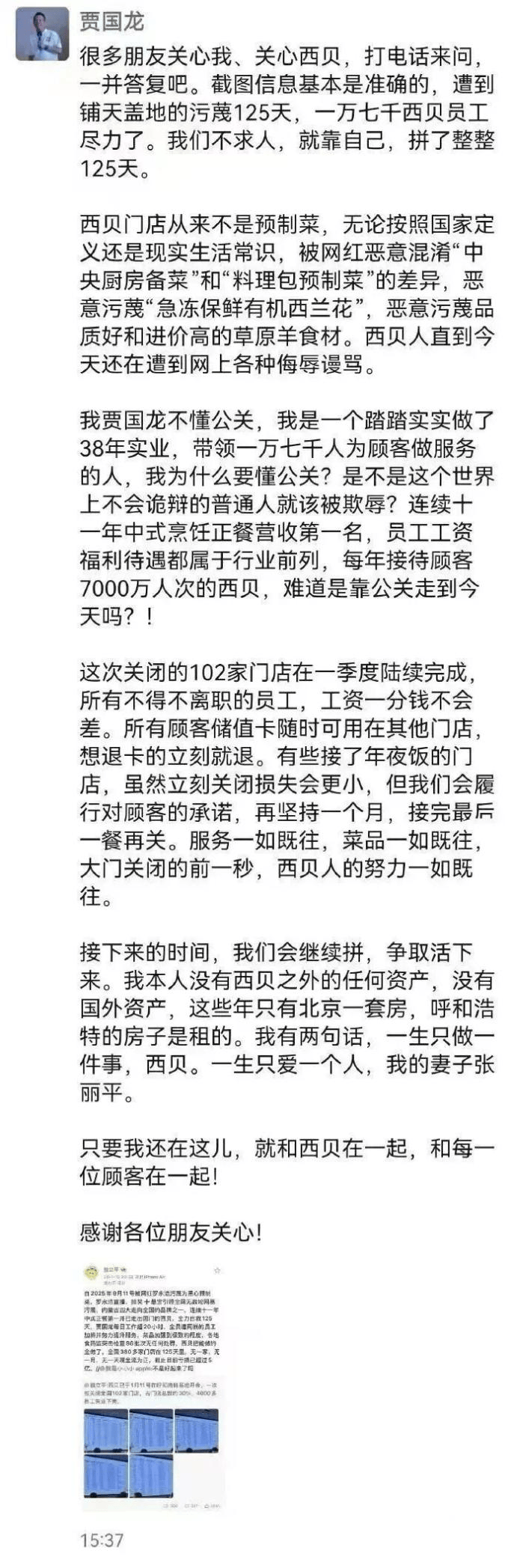
"2025年度手机行业六大杰出人物"榜单围绕专业能力、业绩表现、行业影响力等维度综合评选得出。 李健,1973年生,毕业于西安电子科技大学通信工程学院信息工程专业,现任荣耀终端股份有限公司 CEO。2001年加入华为,历任尼日利亚代表处代表、西非地区部总裁、东北欧地区部总裁、人力资源委 员会成员、美洲片区总裁、欧洲片区总裁等职。2017年起进入华为监事会,担任干部管理团队成员、 ICT基础设施业务管理委员会成员。2021年加入新荣耀,任董事、副董事长、人力资源部总裁等职。 2025年1月17日接任荣耀CEO。 2025年,李健带领荣耀实现海外销量首次破50%,全面启动阿尔法战略。 | 序号 | 姓名 | 职务 | | --- | --- | --- | | T | 竺兆江 | 传音总经理 | | 2 .. 019 | 15 李大成 | 三星大中华区总裁 | | 3 | 李健 | 荣耀CEO | | 4 | 陈明永 | OPPO总裁 | | 5 | 余承矢 | 华为终端BG董事长 | | 6 % | 沈炜 | vivo总裁兼首席执行官 | | | 榜单说明:排名不分先后,围绕专业能力、业绩表现、行业影响力 | ...
华为终端BG董事长余承东入选“2025年度手机行业六大杰出人物”
Sou Hu Cai Jing· 2026-01-16 04:10
Core Insights - The "2025 Outstanding Figures in the Mobile Industry" list was released, featuring Huawei's terminal BG chairman Yu Chengdong as a notable figure [2] - The selection criteria for the list included professional capability, performance, and industry influence [2] Group 1 - Yu Chengdong, born in 1969 and a graduate of Tsinghua University, has held various significant positions at Huawei since joining in 1993 [2] - His roles have included 3G product director, vice president of wireless product marketing, and CEO of the terminal BG [2] - In 2025, under Yu's leadership, Huawei is set to launch the HarmonyOS intelligent framework, enhancing its all-scenario ecosystem [3]
红魔手机姜超:所有跟进风扇的友商都欠红魔一句感谢
Feng Huang Wang· 2026-01-15 07:21
Core Viewpoint - The gaming phone industry needs to reform its marketing practices, as highlighted by the General Manager of Red Magic, Jiang Chao, who emphasizes the importance of acknowledging the contributions of predecessors in fan technology development [1] Group 1: Industry Insights - Red Magic has been a pioneer in fan technology for gaming phones, and its efforts over the past few years have significantly advanced the industry, preventing competitors from lagging behind [1] - The upcoming release of the Red Magic 11 Air on November 20 is notable for being the only phone in the industry with an integrated active cooling fan [1]

6大趋势详解:谁说手机行业没有新东西了?
3 6 Ke· 2026-01-14 07:14
Group 1 - The core message of the articles highlights the ongoing transformation in the smartphone industry, driven by AI and new technologies, which poses a challenge to traditional smartphone growth as major companies shift focus towards AI-integrated devices [2][4][5] - Major brands like Honor, Samsung, and Infinix are introducing innovative products such as the AI-integrated ROBOT PHONE, a foldable OLED panel, and a smartphone with global satellite communication capabilities, respectively [2][4] - The global smartphone market is experiencing sluggish growth, with Apple, Samsung, and Xiaomi maintaining the top three positions, while Apple shows a strong recovery, surpassing Samsung for the first time in 14 years [5][7][8] Group 2 - Apple's resurgence is attributed to competitive product offerings and pricing strategies, with the iPhone 16e and iPhone 17 series performing well in the market, particularly in China where sales surged by 37% in October [7][8] - Samsung's stability is also linked to its pricing strategy, with a 7% decrease in average selling price and the introduction of high-value A-series products [10] - The Chinese smartphone market is characterized by volatility, with frequent shifts among the top five brands, and a notable decline in overall shipment volumes in the second quarter [13][15] Group 3 - The mid-range smartphone market is expanding, driven by consumer demand for high-quality, cost-effective products, with significant sales reported for models priced between 2000-2999 yuan [16][18] - High-end smartphones face challenges due to innovation stagnation, leading to a focus on system development and unique user experiences, with brands like Huawei and Xiaomi investing in proprietary operating systems [22][24] - AI is becoming a critical component in high-end smartphones, with brands leveraging AI to enhance ecosystem connectivity and user experience, as seen in Huawei's HarmonyOS and OPPO's AI features [27][30] Group 4 - Marketing strategies in the smartphone industry are evolving, with brands facing challenges in traditional marketing approaches, leading to a shift towards more relatable and engaging campaigns [33][36] - Instant retail is gaining traction, with brands like Apple and others adopting rapid delivery services to meet consumer demand for immediate gratification, significantly impacting sales during major shopping events [40][41] - The smartphone industry is undergoing significant changes, with AI, self-developed systems, and innovative marketing strategies driving a more dynamic and competitive landscape [45]


预算分配不均、IP 执念难放:小米公关危机的“内部答案”
3 6 Ke· 2026-01-13 08:05
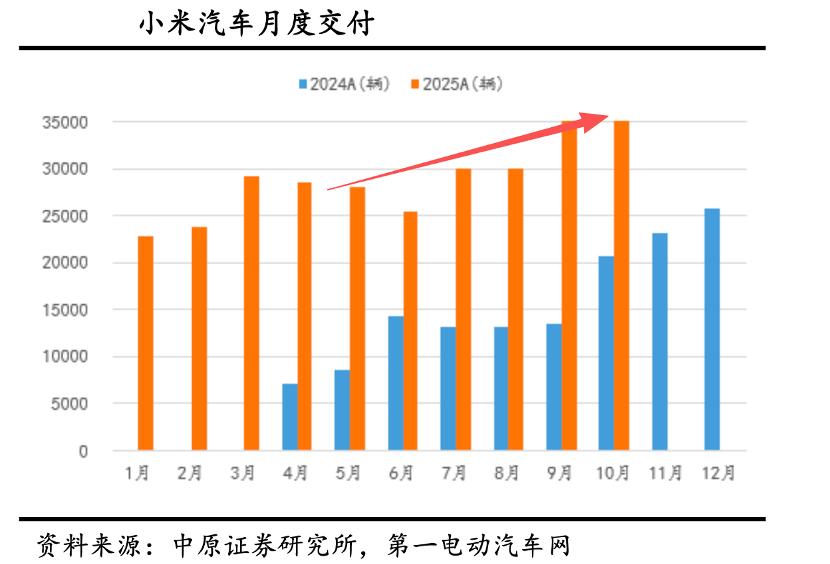
小米舆情危机的根在内部预算机制 小米在2025年中之后屡次遭遇公关危机,多次霸屏热搜,这几乎成了家常便饭。元旦过后,其与某知名KOL的"试图 合作"又是掀起一股舆论旋风,从一年前意气风发,国货希望的明星企业,几乎沦为要靠"自证"来消弭危机。 过去大半年时间里,自媒体和各类专家拥挤在"教雷军做公关"赛道,很是热心帮小米解决问题。我们并非是公关和传 播学专家,本文重点也并非教雷总做公关,而是希望从企业管理角度探讨小米陷入舆论危机的根源。 本文核心观点: 其一,小米舆情危机根源在于内部预算的分配机制,汽车和手机业务内部权重扭转,引来外部环境动荡; 其二,事实证明企业家IP的打造不仅有传播高效的优点,更有引发舆情反转的弊端,这是雷军需要调整的; 其三,小米的危机,不在热搜,在账本 媒体热衷于谈论小米舆情,其潜台词为"糟糕的舆论环境必然会投射在销量上",但现实往往并非如此简单,在不太友 好的舆论环境下,小米汽车2025年交付了45万辆(年初计划为35万)。 且6月之后小米汽车月交付量更是呈逐月递增的态势,许多人教雷军做营销时候恰恰忽略略"学生"已经取得的成绩。 这又让许多人凌乱了,难道舆情跟企业实际经营脱钩了吗? 小米 ...
内存太贵了?国产手机从淘汰8GB到重回8GB
Guan Cha Zhe Wang· 2026-01-10 08:49
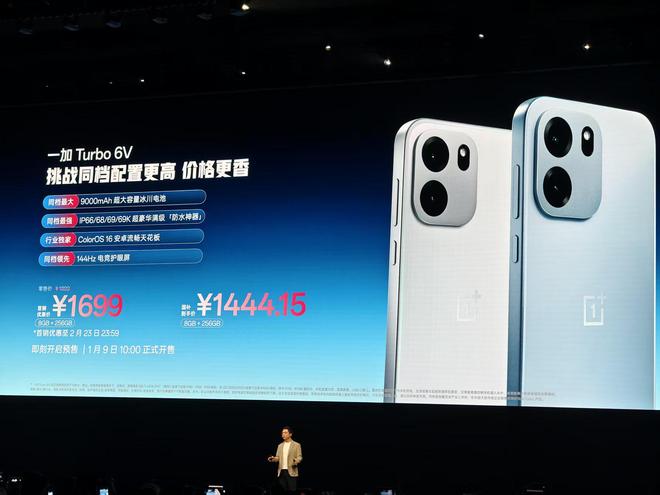
Group 1 - OnePlus has launched the Turbo 6 series smartphones, priced starting at 1699 yuan, marking its entry into the 1000-2000 yuan segment after the digital and Ace series [1] - The Turbo 6 series features notable specifications, including the fourth-generation Snapdragon 8s chip, a 9000mAh battery, and a unique 165Hz gaming experience [1] - The introduction of the 8GB+256GB version of the Turbo 6V highlights the pressure on OnePlus to maintain competitive pricing amid rising memory costs [1][5] Group 2 - The memory price surge is affecting multiple industries, with DRAM prices expected to rise by 55%-60% and NAND flash prices by 33%-38% in Q1 2026 [3] - Major companies like Samsung and SK Hynix are planning significant price increases for server DRAM, which will impact the pricing strategies of PC and smartphone manufacturers [3] - The trend of reducing specifications or delaying upgrades is becoming necessary for balancing costs in the smartphone and laptop markets [4] Group 3 - The merger of realme back into OPPO will impact OnePlus's product strategy, as realme will operate under the same umbrella, potentially leading to resource optimization [8][9] - OnePlus is expected to focus on the domestic and select overseas online markets, while realme and OPPO will handle other international markets [8] - The integration aims to streamline operations and reduce overlap in product lines, which has been a challenge in the competitive smartphone market [9][10]
realme确认回归,OPPO与子品牌进入“组团作战”新阶段
3 6 Ke· 2026-01-09 12:44
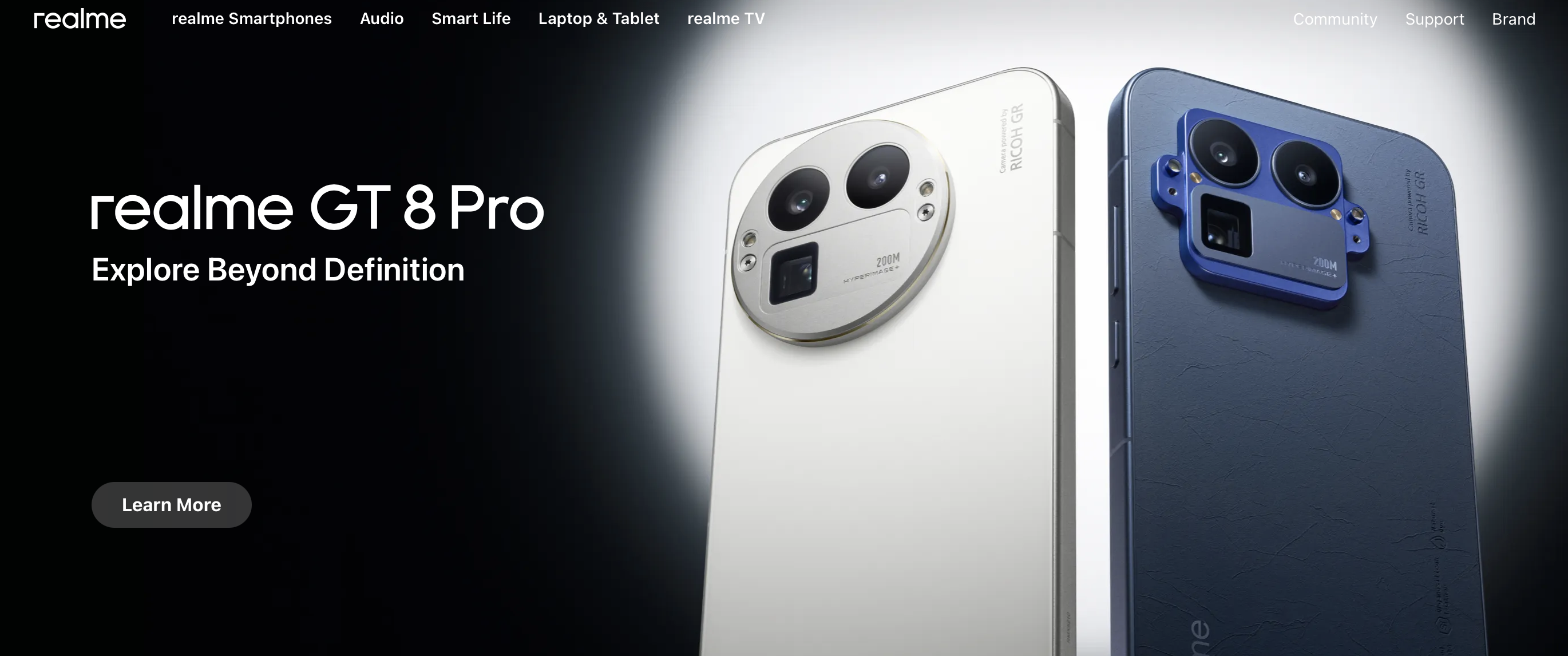
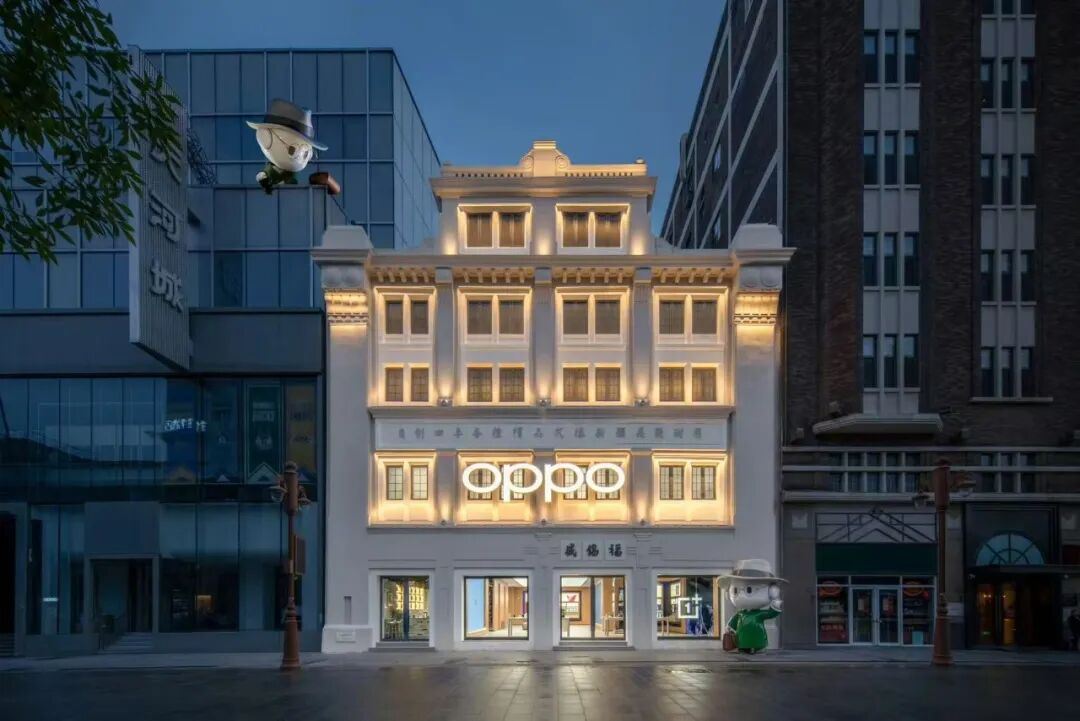
Core Viewpoint - The mobile brand realme, which has been independent for nearly eight years, has decided to return to OPPO as a sub-brand to enhance resource integration and collaboration in a competitive market environment [1][7][22]. Group 1: Strategic Shift - Realme will operate under OPPO, allowing for a unified approach with OPPO and OnePlus to provide innovative and differentiated products and services to global users [1][2]. - The decision reflects a broader trend in the industry where brands are consolidating to combat market saturation and internal competition [2][15]. Group 2: Market Context - The smartphone market in China has shown signs of saturation, with a reported decline in shipments since 2017, and only a slight growth of 0.9% expected in 2025 [7][18]. - Realme's return to OPPO comes at a time when the competition is intensifying, and the need for a strong supply chain and after-sales service is critical for its growth [4][18]. Group 3: Historical Performance - Realme was established in May 2018 as a sub-brand of OPPO and quickly gained traction, becoming the fourth largest smartphone brand in India by Q4 2018 [9][10]. - The brand achieved over 200 million global sales by November 2023 and aims to reach 300 million by August 2025 [10][12]. Group 4: Operational Challenges - The integration of realme into OPPO's ecosystem may dilute its unique brand identity and market positioning, which has been characterized by a focus on youth and internet-driven marketing [4][28]. - Realme faces the challenge of maintaining its distinctiveness while collaborating with OPPO and OnePlus, especially as their product lines may overlap [29][30]. Group 5: Future Outlook - The collaboration aims to enhance market competitiveness across different segments, with OPPO leveraging realme's established presence in overseas markets, particularly in India [22][27]. - The success of this integration will depend on how well realme can retain its unique characteristics while complementing OPPO's offerings [30][34].
豆包手机引发热议 AI端侧迎来“首个吃螃蟹者”
Shang Hai Zheng Quan Bao· 2026-01-07 17:52
Core Insights - The launch of the AI assistant phone by Doubao and ZTE Nubia is seen as a significant shift in the AI industry, marking the beginning of a new era in smart devices [1][2] - Experts believe that this innovation could lead to a rapid growth in related sectors such as chip manufacturing and cloud computing, driven by the need for enhanced computing power [2][4] Industry Trends - The introduction of the AI assistant phone signifies a competitive race for transformation within the industry, prompting all players to engage in this emerging market [4] - The product is expected to redefine the business model for smartphone manufacturers, shifting from a one-time hardware sale to ongoing service revenue opportunities [5] Consumer Impact - The success of AI assistant devices will ultimately depend on consumer acceptance, similar to past technological shifts where user preference dictated market leaders [3][4] - The integration of AI into mobile systems is anticipated to enhance user experience and operational efficiency, making it a compelling offering for consumers [2][3]

realme回归OPPO:一场“迟到”的收缩
Di Yi Cai Jing· 2026-01-07 10:38
Core Viewpoint - OPPO is undergoing organizational adjustments, with realme returning as a sub-brand to consolidate resources and expand in global markets, amidst a challenging market environment affecting mid-tier smartphone brands [2][4][10]. Group 1: Organizational Changes - OPPO's organizational structure has fluctuated between centralization and decentralization over the past few years [1][9]. - Realme, previously independent, is now set to return to OPPO, with the aim of resource consolidation and global market expansion [4][10]. - Li Bingzhong has been appointed as the Senior Vice President of OPPO, overseeing the operations of OnePlus and realme, reporting directly to OPPO's founder [4][10]. Group 2: Market Environment - The smartphone market is experiencing direct impacts from rising supply chain costs, particularly in storage, accelerating the industry's adjustment cycle [3][10]. - Realme's growth in overseas markets has slowed, facing competition from brands like Transsion in the ultra-low-end market [10][11]. - The competitive landscape is shifting from broad market coverage to tighter organizational efficiency, cost control, and higher product success rates [11]. Group 3: Brand Positioning and Strategy - Realme's return to OPPO is framed as a move to enhance collaboration and resource integration, although specific adjustments have not been publicly detailed [10]. - OnePlus has transitioned from a highly independent brand to a role within OPPO's system, focusing on performance and mid-range products, but risks diluting its brand identity [10][11]. - The overlapping product lines among OPPO, realme, and OnePlus in the 2000 to 3000 yuan price range have led to resource friction, necessitating clearer brand differentiation [9][10].