
软件

Search documents
华尔街见闻早餐FM-Radio | 2026年2月7日
Hua Er Jie Jian Wen· 2026-02-06 23:31
Market Overview - US consumer confidence reaches a six-month high, driving a rebound in US stocks, with the S&P 500 rising nearly 2%, marking its best single-day gain since May last year [2] - Nvidia's CEO Huang Renxun states that AI demand is extremely high, leading to a 7% surge in Nvidia's stock and a 5.7% increase in chip stocks [2] - Bitcoin price skyrockets by 11%, returning to $70,000, while Ethereum also rises by 11%, surpassing $2,000 [2] - US Treasury yields rise across the board, with the 10-year yield increasing by nearly 3 basis points [2] Key Developments in China - The People's Bank of China and eight other departments prohibit domestic entities from issuing virtual currencies abroad without approval [4][16] - The State Council emphasizes the need to effectively utilize central budget investments and special bonds to stimulate economic growth [17] - Domestic AI computing power milestone achieved with the launch of the largest domestic AI computing pool by Sugon [18] International Affairs - Progress in US-Iran nuclear negotiations, with both sides agreeing to "maintain dialogue" despite ongoing disputes over specific terms [6][20] - Concerns arise over the massive $650 billion investment by tech giants, with Nvidia's CEO defending the sustainability of high spending due to strong AI demand [21] Company-Specific News - Amazon's stock drops 5.6% post-earnings, despite a 40% increase in AWS backlog to $244 billion, as the market reacts negatively to projected capital expenditures of $200 billion by 2026 [34] - Stellantis announces a €22 billion write-down and plans to withdraw from electric vehicle projects, indicating a significant shift in strategy due to cost pressures and demand slowdown [35]


美股轮动新潮流:“抗AI”类股成避风港,科技股被“抛弃”
Hua Er Jie Jian Wen· 2026-02-06 21:38
Core Viewpoint - The U.S. stock market is experiencing significant sector rotation as investors shift focus from technology stocks, which are facing pressure due to concerns over AI disruption, to sectors with "anti-AI" characteristics that are less likely to be affected by AI technology [1][2]. Sector Performance - The S&P 500 index has seen a cumulative decline of approximately 2% over four days, with software stocks leading the decline at 9.9%, while the information technology sector has dropped 3.9%. In contrast, housing builders, transportation companies, and heavy machinery manufacturers have recorded strong gains, with respective increases of about 6.1%, 4.8%, and 4.0% [1]. - The consumer staples sector has also performed well, with a cumulative increase of 5.2% over the same period, potentially marking its best weekly performance since 2022 [1]. Anti-AI Sector Rise - Investors are increasingly turning to sectors characterized as "anti-AI," which include companies with tangible business operations that are not easily replaceable by AI. Housing builders and construction product manufacturers are seen as prime examples of this trend [3]. - Analysts note that the core activities of these sectors—manufacturing, distribution, and assembly—are not tasks that AI can easily replace. The housing construction index has risen over 10% since 2026, contrasting sharply with the S&P 500's less than 0.8% increase [3]. Industrial and Chemical Stocks - Industrial manufacturers and transportation companies have also shown strong performance, achieving their best weekly results since May 2025. Companies like Deere & Co. and FedEx Corp. have seen increased investment due to declining interest rates and resilient U.S. economic data [3]. - The consumer staples and chemical sectors are also viewed as "anti-AI" companies. The consumer staples sector, including Dollar General Corp. and Dollar Tree Inc., has performed the best among S&P 500 sectors this week [4]. Market Dynamics - The shift in investor focus from technology stocks to more traditional sectors indicates a significant change in market dynamics, as many technology companies are perceived to be at risk of falling behind in the ongoing economic transformation driven by AI [2]. - Bank of America strategists have warned that the attractiveness of tech giants is waning, suggesting that small and mid-cap stocks may be better bets ahead of the midterm elections [5]. Capital Expenditure Trends - Bank of America estimates that large tech companies' capital expenditures in AI this year will reach approximately $670 billion, accounting for 96% of their cash flow, compared to just 40% in 2023 [6]. - The dominance of the "Big Tech" companies is facing significant threats as they no longer possess the best balance sheets or the largest stock buyback programs [7].
2月7日收盘:美股收高,道指首次突破5万点关口
Xin Lang Cai Jing· 2026-02-06 21:09
周五,道指最高上涨至50169.65点,史上首次突破5万点大关,创盘中历史新高。道指盘中首次突破 40000点是在2025年5月16日。 尽管周五出现反弹,标普500指数本周仍预计下跌0.3%,纳斯达克指数本周仍下跌约2%。与此同时,30 只成分股的道指本周迄今上涨2%,受益于部分资金转向一些经济周期型股票,尽管整体市场受到科技 股抛售的拖累。 英伟达和博通是周五美股市场的两大核心领涨股,二者均在本周早些时候大幅下跌后之后,周五涨幅均 超7%。 随着投资者重新考虑一些价格已跌至较低水平的股票,甲骨文和Palantir Technologies等其他股票也出现 反弹。甲骨文上涨3%,Palantir上涨4%。 然而,一些关键软件股如ServiceNow——由于市场对人工智能颠覆软件的担忧,它一直是科技股抛售的 中心——周五仍然表现疲软。 来源:环球市场播报 北京时间2月7日凌晨,美股周五大幅收高,道指大涨超过1200点,史上突破50000点大关。科技股在经 历了连续数日的大规模抛售后反弹,同时比特币在曾一度暴跌超50%后也大幅走高,帮助股指在近期下 跌之后回升。 道指涨1206.95点,涨幅为2.47%,报50 ...
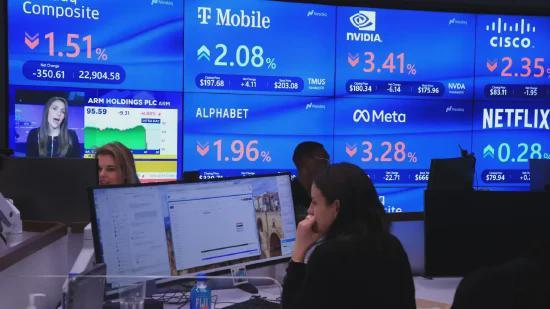
科技股回调之际 交易员追逐“抗AI”股票
Xin Lang Cai Jing· 2026-02-06 17:57
Group 1 - The core viewpoint of the article highlights a shift in investor sentiment towards companies that cannot be easily replicated by artificial intelligence (AI), as technology stocks face declines [1] - The S&P 500 index has dropped by 0.9% this week, primarily due to concerns over AI disrupting business models, particularly in the software sector [1] - In contrast, sectors such as residential construction, transportation, and heavy machinery manufacturing have seen strong gains, with the consumer staples sector rising by 5.2%, marking its best weekly performance since 2022 [1] Group 2 - The Dow Jones Industrial Average has outperformed both the S&P 500 and the tech-heavy Nasdaq 100, indicating a preference for traditional economic giants over tech stocks [1] - This trend contradicts the logic that has driven the U.S. stock market bull run over the past three years, where tech stocks were seen as the main market drivers due to expectations of economic transformation through AI [1] - Investors are rotating towards "anti-AI" sectors, which possess tangible, real-world attributes, as noted by JonesTrading's chief market strategist Michael O'Rourke, suggesting that dull industries may now hold unprecedented appeal [1]
午盘:道指逼近50000点大关
Xin Lang Cai Jing· 2026-02-06 17:01
Market Overview - US stock market saw a significant rise, with the Dow Jones approaching the 50,000 points mark, driven by a rebound in technology stocks and Bitcoin surpassing $70,000 [1][6] - The Dow Jones increased by 956.87 points (1.96%) to close at 49,865.59 points, while the Nasdaq rose by 345.80 points (1.53%) to 22,886.39 points, and the S&P 500 gained 98.75 points (1.45%) to reach 6,897.15 points [3][8] Company Performance - Amazon reported earnings per share slightly below analyst expectations and projected capital expenditures of $200 billion for the year, leading to a significant drop in its stock price [3][8] - Reddit exceeded earnings expectations and provided strong guidance, announcing a stock buyback plan [3][8] - Despite Amazon's poor performance, other tech stocks rebounded, with Nvidia rising by 2% and Microsoft increasing by over 1%, although both companies experienced nearly double-digit percentage declines earlier in the week [9] Cryptocurrency Market - Bitcoin experienced a sharp decline of 16% overnight, dropping below $61,000, but rebounded by 4% to recover above $66,000 during Friday morning [9] Sector Analysis - The software sector continued to decline, with the iShares Expanded Tech-Software Sector ETF (IGV) falling by 5%, marking a total decline of over 11% for the week, potentially heading for its largest weekly drop since 2008 due to concerns over AI's impact on the industry [4][9] - Analysts expressed concerns that new AI models from startups like Anthropic could render many software services obsolete, threatening company profits [4][10] Market Sentiment - The market is experiencing a broader risk-off sentiment, with major indices showing declines, indicating a cautious approach among traders [11] - The upcoming release of key economic data, including the January non-farm payroll report and the CPI report, has been delayed, which may lead to further market volatility [11]




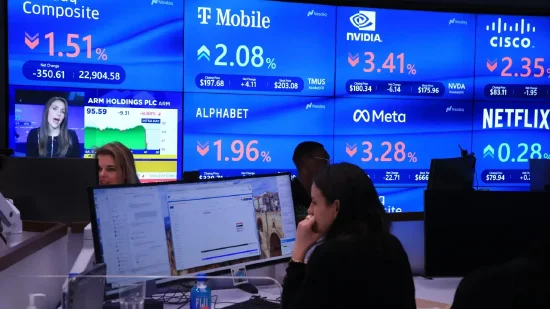
全线暴跌!凌晨超43万人爆仓,美股、黄金、白银、比特币、石油集体重挫
Sou Hu Cai Jing· 2026-02-06 16:33
Group 1: Cryptocurrency Market Collapse - The cryptocurrency market experienced a significant crash, with Bitcoin's price plummeting from over $70,000 to $63,860.8, marking a daily drop of 12.81% and a total decline of over 48% since its peak in October 2024 [3] - The total market capitalization of Bitcoin halved from its peak of $2.48 trillion to $1.27 trillion, with over 43,000 traders facing liquidation, resulting in total losses of approximately $2.069 billion [3] - Ethereum dropped by 13.1%, XRP fell over 22%, and other cryptocurrencies like SOL and Dogecoin also saw declines exceeding 14% [3] Group 2: Traditional Financial Markets Impact - The traditional financial markets were not spared, with major U.S. stock indices falling over 1%, and the Nasdaq index experiencing a 1.59% drop, marking its worst three-day decline since April of the previous year [4][5] - Major tech stocks such as Amazon and Microsoft saw declines exceeding 4%, while Nvidia dropped over 1%, reflecting a broader sell-off in the tech sector [5] - Concerns arose from the introduction of a new AI model by Anthropic, which led investors to worry about the potential disruption to traditional software and financial services companies [5] Group 3: Economic Indicators and Employment Data - The U.S. labor market showed signs of distress, with employers announcing 108,435 layoffs in January 2026, the highest number for that month since the global financial crisis [6] - Initial jobless claims increased beyond market expectations, and job vacancies fell to their lowest level since September 2020, indicating a cooling labor market [8] - The disconnect between job losses and GDP growth, which remained around 4%, raised concerns about the long-term implications for the economy [6] Group 4: Precious Metals and Commodities - Precious metals also faced significant declines, with silver prices dropping over 19% and gold prices falling more than 3%, following a historical sell-off [8] - The Chicago Mercantile Exchange raised margin requirements for gold and silver futures to control market volatility, which could force leveraged traders to liquidate positions [8] Group 5: Investor Sentiment and Market Fear - A "crisis of confidence" spread from the cryptocurrency sector to the broader financial market, with the CNN Fear and Greed Index plummeting to 10, indicating extreme fear among investors [11] - The proportion of individual investors expecting a market downturn surged to 68%, the highest level since December 2008, reflecting widespread pessimism across both institutional and retail investors [12]

部分美国软件类股票跌幅扩大
Jin Rong Jie· 2026-02-06 15:38
Group 1 - Thomson Reuters listed stocks declined by 3% [1] - ServiceNow experienced a drop of 2.3% [1] - Adobe's stock fell by 0.9% [1] - Salesforce saw a decrease of 0.6% [1]
从“软件末日论”到坏账阴霾 私募信贷与BDC正在遭遇“连坐式”恐慌抛售
智通财经网· 2026-02-06 14:21
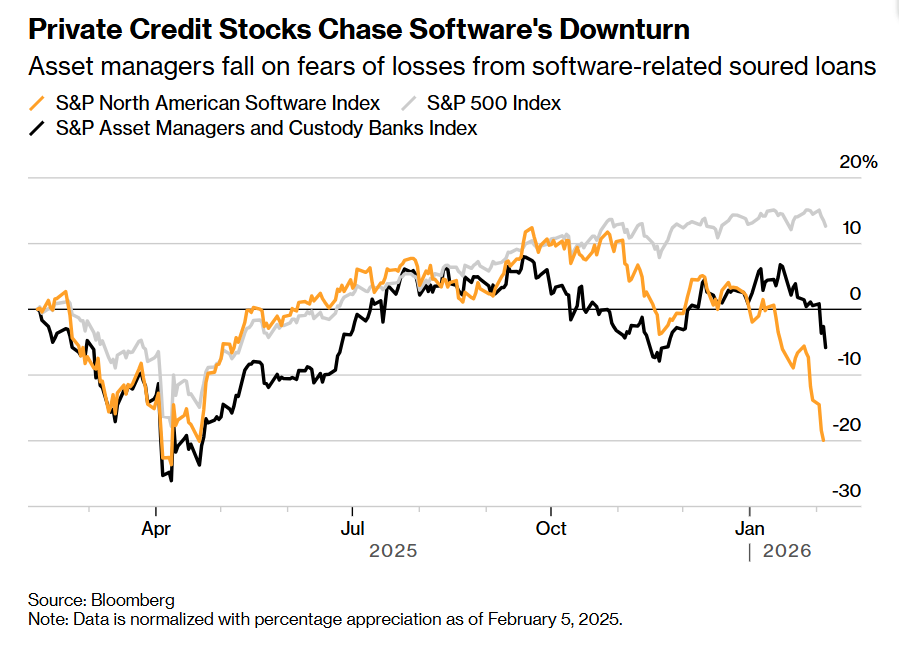
"软件类股票的抛售,带动了持有它们的金融公司,尤其是那些带杠杆的金融公司们的股票抛售。"Nationwide首席市场策略师马 克·哈克特(Mark Hackett)表示。"这轮抛售的强度被交易过于拥挤且多头势力退场的特性进一步放大。" 软件股暴跌,BDC与私募信贷类金融公司股价随之暴跌 以科技股为主的纳斯达克100指数本周势将录得自4月初以来最差单周表现;当时,美国总统唐纳德·特朗普(Donald Trump)推出的 大范围关税在全球市场引发混乱。这一冲击也蔓延至市场其他领域,金融板块中的部分领域遭受重创。一个资产管理公司指标 本周下跌逾6%,景顺全球上市私募股权ETF(Invesco Global Listed Private Equity ETF)下跌超过7%,两者都势将录得自4月以来最 差单周表现。与此同时,VanEck BDC Income ETF本周下跌5.6%,这将是其自10月以来最大周跌幅。 智通财经APP获悉,本周始于科技板块的全球股市暴跌,正迅速吞噬那些大规模投资并向被认为面临人工智能发展风险的软件 制造商们放贷的私募信贷类金融公司。另类资产管理公司、投资银行以及商业发展公司(BDC)都在遭 ...
一周热榜精选:AI冲击波下硅谷蒸发万亿,美伊核谈判转战阿曼
Jin Shi Shu Ju· 2026-02-06 13:29
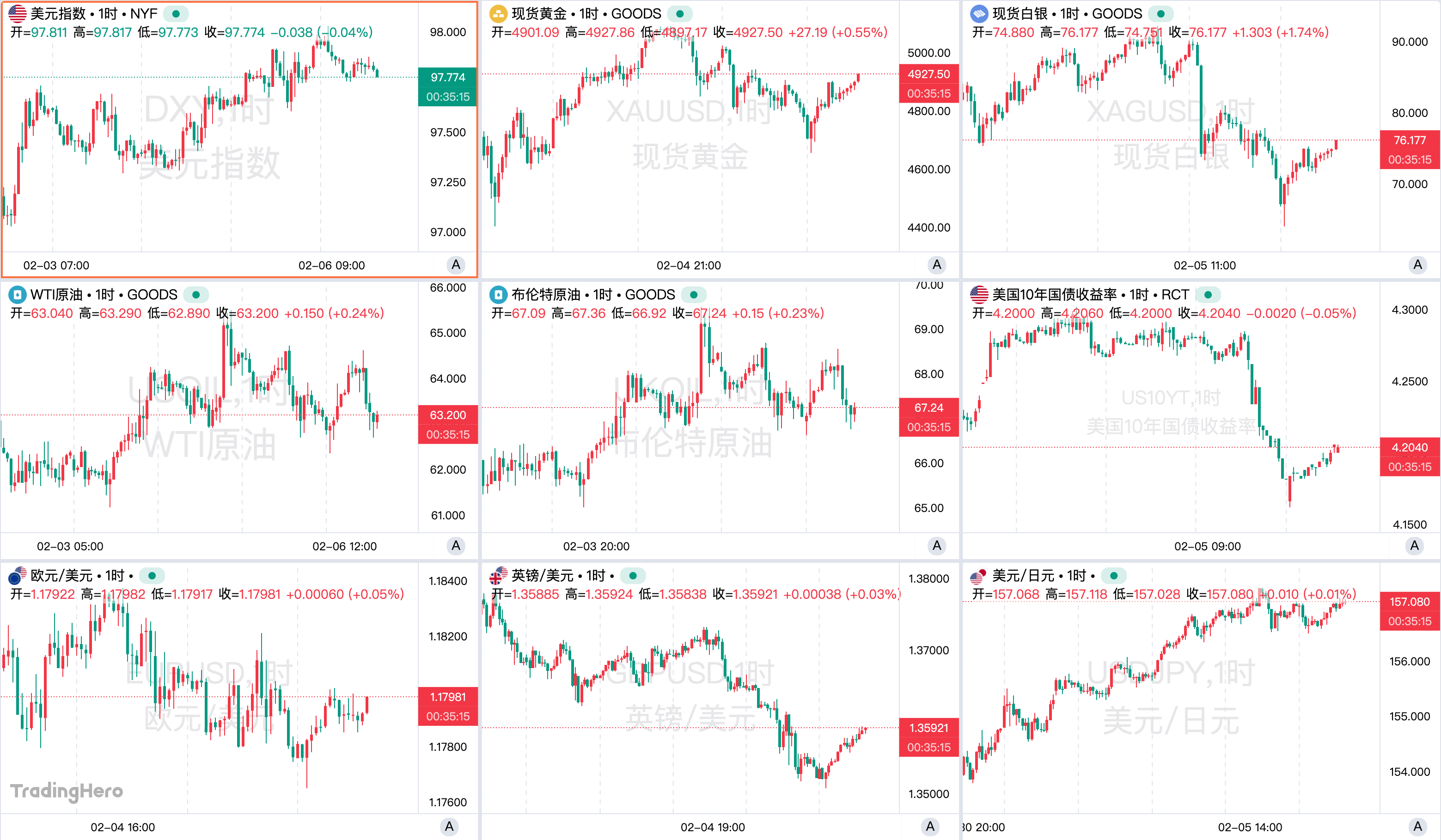
Market Overview - The US dollar index showed a strong fluctuation throughout the week, driven by expectations of potential Fed leadership changes and positive manufacturing data [1] - Precious metals experienced extreme volatility, with significant sell-offs followed by sharp rebounds, indicating ongoing structural selling pressure [1] - Non-US currencies saw the Japanese yen weaken due to interest rate differentials, while the Australian dollar remained strong supported by risk appetite and rate hikes [1] Oil Market - International oil prices trended weakly, influenced by easing US-Iran relations and geopolitical tensions, leading to a downward shift in oil price levels [2] - The tech sector in the US stock market faced significant declines, with the Nasdaq dropping approximately 4% and tech stocks losing over $1 trillion in market value [2] Investment Bank Insights - Goldman Sachs noted that Western capital flows dominated the gold market in January, with upward price risks anticipated [5] - Morgan Stanley highlighted that under strong central bank demand, gold prices could reach $6,300 per ounce by the end of 2026 [5] - The outlook for the gold bull market remains positive, although its eventual conclusion appears clearer [5] Major Events - The US non-farm payroll report and CPI data have been postponed due to a government shutdown, with employment indicators showing weak signals [6][7] - A significant increase in planned layoffs in January was reported, with a year-on-year rise of 118%, indicating a cooling labor market [7] US-Iran Nuclear Negotiations - US-Iran nuclear talks have resumed in Oman, focusing solely on nuclear issues, with both sides maintaining a non-direct dialogue [11][12] - The US government has issued security warnings for its citizens in Iran, urging immediate departure [13] US-India Trade Agreement - A significant trade agreement between the US and India was reached, reducing tariffs on Indian goods from 50% to 18% in exchange for India lowering trade barriers and adjusting energy procurement [14][15] - India plans to procure over $500 billion in US products, marking a substantial easing of trade tensions [15] Key Mineral Alliance - The US, EU, and Japan announced the formation of a critical mineral supply chain alliance, aiming to stabilize and secure the global supply chain [17] - The US plans to initiate a strategic critical mineral reserve project to support manufacturers [17] SpaceX Acquisition - SpaceX announced the acquisition of AI startup xAI, aiming to integrate AI with its space operations, potentially increasing its valuation to $1.25 trillion [18] - The long-term vision includes establishing a permanent base on the moon to manufacture satellites [19] Software Sector Concerns - A panic sell-off in the software sector has emerged due to fears that AI could disrupt traditional software business models, leading to significant market value losses [20] - Major tech executives have countered these fears, emphasizing the potential for AI to enhance rather than replace existing software tools [21] Central Bank Policy Divergence - The Reserve Bank of Australia raised interest rates by 25 basis points, while the Bank of England and European Central Bank opted to maintain their rates [22][23] - The ECB's decision reflects a stable economic growth outlook in the Eurozone, with inflation near target levels [23] AI Regulation in WeChat - WeChat has tightened regulations on AI product promotions, limiting the sharing of promotional links and codes, impacting the marketing strategies of major AI companies [24]
美股前瞻02.06:就业疲软引发AI恐慌蔓延,抛售广度显著扩大
East Money Securities· 2026-02-06 13:08
Market Overview - The recent report indicates that the U.S. private sector added only 22,000 jobs in January, significantly below market expectations, while initial jobless claims rose to 231,000, exceeding both market forecasts and previous values, indicating a cooling labor market [1] - Job vacancies in December fell to the lowest level since 2020, and the number of layoffs reached the highest level for January since the severe recession in 2009, contributing to a pessimistic market sentiment [1] - The Nasdaq experienced its worst three-day sell-off since April of the previous year, with the S&P 500 seeing declines in 318 of its stocks, reflecting a broad market sell-off [1] Core Insights - The report analyzes the recent market downturn, attributing it to the lack of significant inflation despite prolonged tariff impacts, which supports the Federal Reserve's decision to lower interest rates [2] - The optimistic narrative surrounding the economic foundation and the rise of AI infrastructure has shifted due to frequent negative events, leading to concerns about the potential disruption of traditional industries and the value of hardware [2] - The report outlines three key viewpoints regarding the current state of the U.S. stock market: 1. The long-term trend of AI may continue, but it has entered a phase of elimination, necessitating attention to the intensifying competition [2] 2. Economic resilience is expected to support corporate profits, with a focus on how AI productivity will impact economic structure [2] 3. The Federal Reserve is likely to continue lowering interest rates, with attention on the monetary policy trajectory under the hawkish nomination of Walsh [2]