啤酒

Search documents
蓝盒子(轩博精酿)正式上市递表 ,精酿资本化正式拉开序幕
Sou Hu Cai Jing· 2026-01-12 07:25
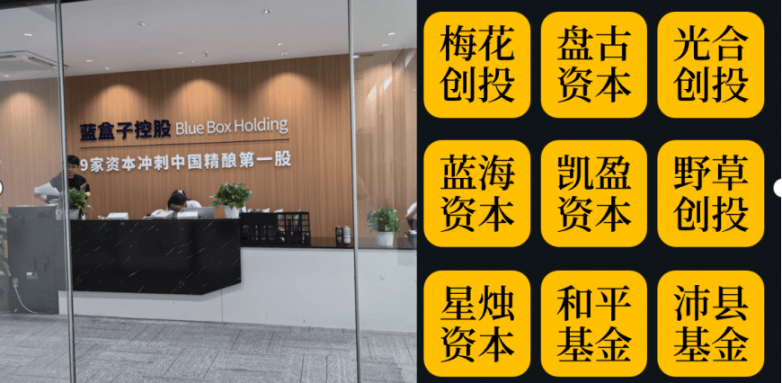
蓝盒子公司早在2023年底,引入上市国内律所北京德恒,美国律所摩根路易斯,美国审计所WWC等知名上市 辅导机构,启动美股上市辅导工作,并与2025年12月以(中国精酿第一股)的定位,引入券商,顺利完成了向 美国证监会上市递表,和中国证券会上市备案递交,正式启动中国精酿产业资本化序幕。 做为中国精酿产业的领导者和主要推动者,蓝盒子基于此次IPO上市计划,会持续募集大量资金,计划推动以 下几个方向布局,推动中国精酿行业普及做大。 1、上市完成,以中国精酿第一股上市公司势能,3年完成全国2000个县市代理网络的搭建,覆盖100万个各地 网点终端,推动企业未来5年高速增长 来源:黄冈新闻网 因抓住了中国啤酒消费升级的结构红利,精酿替换存量工业啤酒大势下,蓝盒子公司(轩博精酿)这几年获得 了飞快发展。 短短3年时间,在线付费用户就超过820万,一举成为(沙利文国际)出具的中国精酿在线销量第一的行业地 位,成为各路资本争向投资的明星项目。 先后获得第一轮:蓝海众力资本和凯盈资本的投资,第二轮:获得了梅花创投、盘古资本投资,第三轮:获得 了野草资本和星烛基金的投资,第四轮:获得了广东和平县政府产业基金的投资,第五轮:获得了 ...

花旗:升青岛啤酒股份目标价至76.1港元 维持“买入”评级
Zhi Tong Cai Jing· 2026-01-12 06:44
Core Viewpoint - Citigroup has revised down its core net profit forecasts for Qingdao Beer (600600) for 2025 and 2026 by 2% and 3% respectively, and has also lowered its revenue forecast by 1% [1] Group 1 - The valuation benchmark has been adjusted to the 2026 enterprise value/EBITDA [1] - The target price for Qingdao Beer has been increased from HKD 75.2 to HKD 76.1 based on a 12x estimated enterprise value/EBITDA multiple [1] - The "Buy" rating for Qingdao Beer has been maintained [1]

西部证券:把握消费行业底部机会 重视“红利+”配置方向
智通财经网· 2026-01-12 02:56
Core Viewpoint - The market is expected to gradually refocus on the consumer sector due to the recovery of high-end consumption and certain mass-market products, along with the implementation of national subsidy policies and funding demands for "high-cut low" strategies [1] Group 1: Market Trends - High-end consumption, including luxury goods and gambling, shows improvement in demand, while some mass consumer goods like beer and dairy products are experiencing governance and structural enhancements [3] - The long-term policy encouragement and low interest rate environment are expected to boost equity allocation dynamics, particularly in high-dividend, stable performance stocks with valuation advantages [1][2] Group 2: Investment Opportunities - Companies with strong global competitive power, particularly in the white goods sector, are enhancing their operational models and supply chains, which is expected to positively impact overall performance [2] - The selected consumer sector stocks have an average dividend yield of over 5% and a projected PE ratio of 13X for 2026, indicating potential for long-term investment [4]





科研成果加速跃上生产线 青岛啤酒两大科技成果通过专家鉴定
Jin Rong Jie· 2026-01-10 17:39
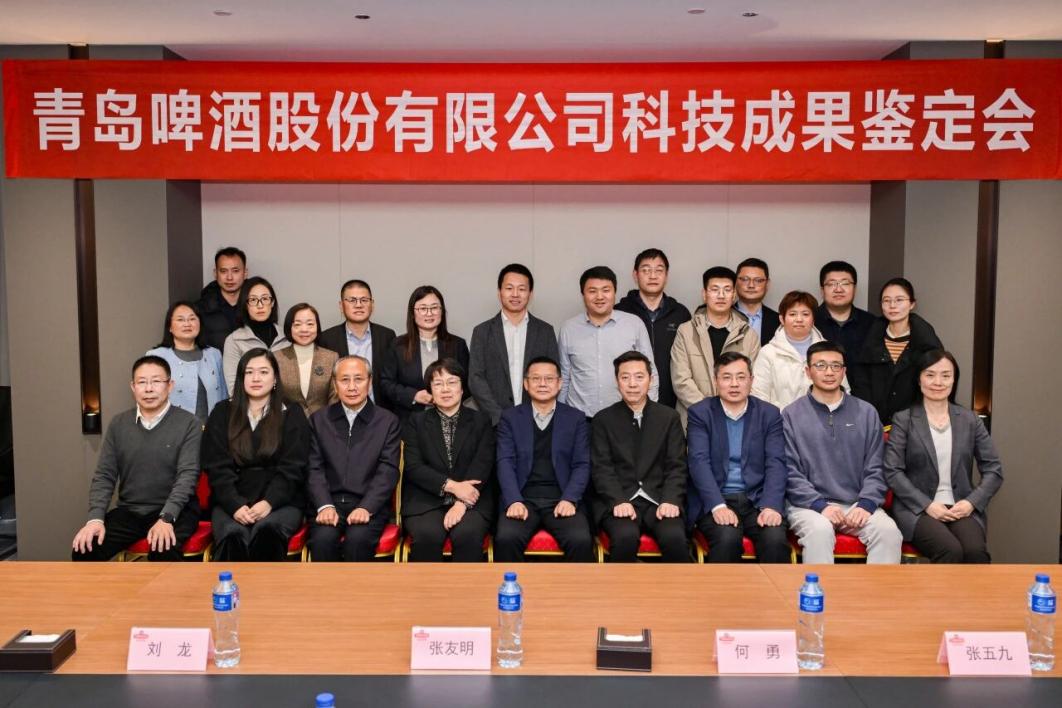
Core Viewpoint - Qingdao Beer has achieved international leading levels in two major technological innovations, marking a significant step in its research and development system that focuses on consumer demand and technological innovation [1][3][5]. Group 1: Technological Innovations - The two recognized technological achievements are "Fresh Beer Full Lifecycle Preservation and Digital Supply Chain System Creation" and "High-Value Green Bio-Manufacturing Key Technologies and Industrialization of Beer By-Products" [1]. - The preservation technology aims to maintain the freshness and flavor of beer throughout its lifecycle, utilizing a digital supply chain for real-time monitoring and optimization [8][9]. - The high-value utilization of brewing by-products, such as saccharification residues and yeast, demonstrates Qingdao Beer's commitment to resource efficiency and sustainability [10][12]. Group 2: Industry Leadership - Qingdao Beer is recognized as a benchmark in the Chinese beer industry, with a history of technological innovation that includes the establishment of the only national key laboratory for beer bio-fermentation [5]. - The company has received the National Science and Technology Progress Award four times, showcasing its leadership in core technologies related to fermentation, flavor control, and green low-carbon practices [5]. - The recent advancements reflect Qingdao Beer's strategic integration of technology and industry innovation, reinforcing its position as a leader in the market [3][10]. Group 3: Market Impact - The innovations are expected to enhance supply chain efficiency and resilience, providing a new paradigm for the industry [9]. - The transition from brewing by-products to high-value functional food ingredients illustrates the company's vision for a sustainable and innovative industry [10][12]. - Qingdao Beer is actively expanding its industrial boundaries into the bio-manufacturing sector, contributing to the "10+1" innovative industrial system in Qingdao [12].
侯孝海“勇闯”正大:啤酒老将再战消费品市场
Xin Lang Cai Jing· 2026-01-10 10:22
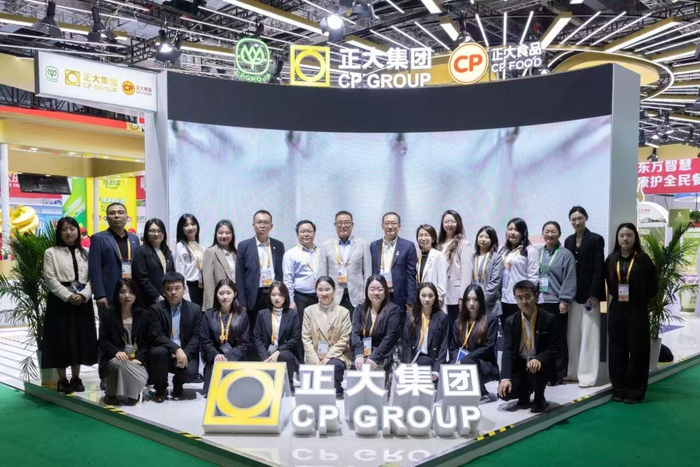
Core Viewpoint - The appointment of Hou Xiaohai as COO of Charoen Pokphand Group (CP Group) in China marks a strategic move to enhance the company's operations in various sectors, including feed, breeding, and food processing, leveraging his extensive experience from his previous role at China Resources Beer [1][2]. Group 1: Company Overview - Charoen Pokphand Group, founded in 1921 by Thai-Chinese businessman Chey That, has a significant presence in the Chinese market, being the first foreign enterprise to enter mainland China after the reform and opening-up [2]. - The company operates across more than ten sectors, including agriculture, food, telecommunications, finance, real estate, pharmaceuticals, and machinery, with a projected global sales revenue of $102.2 billion in 2024 [2]. Group 2: Strategic Developments - Hou Xiaohai will oversee the integration of marketing for CP Group's consumer products, which include eggs, pork, chicken, and feed, indicating a focus on key business segments [2]. - Recent strategic partnerships include a collaboration with China Resources Wanjia to enhance the egg supply chain, and a significant investment of approximately 1.4 billion yuan in a full industry chain project for egg production in Minqing County [4]. - CP Group is expanding its pork and chicken production capabilities, with a new project in Sichuan aiming for an annual output of 180,000 tons of feed and a sales revenue of 3 billion yuan upon full operation [4]. Group 3: Market Positioning and Future Plans - The company is also exploring opportunities in the coffee market, with plans to integrate resources for coffee bean processing in Hainan and Yunnan, aiming to connect China with Southeast Asian trade [5]. - CP Group is set to establish 300 dedicated food stores by 2026, enhancing its "farm-to-table" supply chain strategy [6]. - The company faces challenges in adapting to the evolving consumer landscape, particularly among younger demographics, necessitating a more agile approach to market engagement [7]. Group 4: Leadership and Experience - Hou Xiaohai's extensive experience in brand integration and market operations at China Resources Beer is expected to be instrumental in replicating successful strategies within CP Group's diverse consumer product lines [9].

西方营销模式正在失效,中国市场进入“本土规则”时代
Sou Hu Cai Jing· 2026-01-09 15:40
Core Insights - The global floor cleaning robot industry is witnessing a significant shift, with the acquisition of iRobot by its Chinese manufacturing partner, marking the end of an era for the former industry leader [2] - Local brands in China are rapidly gaining market share, forcing international brands like Starbucks, Nike, and Adidas to adapt or face decline [2] - A survey indicates that 85.79% of consumers prefer domestic trendy brands, highlighting the rise of local brands in various consumer sectors [2] Industry Trends - The traditional Western marketing models are becoming ineffective in the Chinese market, as local brands redefine the rules of engagement [4][7] - The previous reliance on mass advertising and standardized marketing strategies is being replaced by personalized and emotionally resonant approaches [9][10] - The emergence of new consumer behaviors emphasizes the importance of emotional connections and personalized experiences over traditional functional marketing [10][11] Brand Strategies - Successful local brands like Qingdao White Beer are leveraging cultural symbols and emotional narratives to resonate with consumers [19][21] - Qingdao White Beer has effectively created immersive experiences that connect with local culture, enhancing brand visibility and consumer engagement [21][22] - The focus has shifted from merely selling products to creating emotional experiences that align with consumers' lifestyles and values [22]




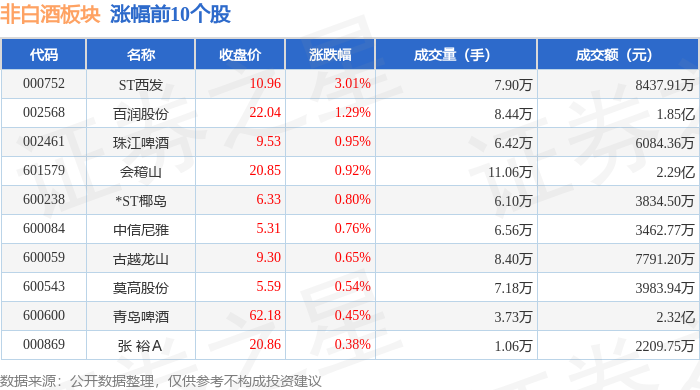
非白酒板块1月9日涨0.6%,ST西发领涨,主力资金净流出9000.71万元
Zheng Xing Xing Ye Ri Bao· 2026-01-09 08:54
Market Overview - The non-liquor sector increased by 0.6% compared to the previous trading day, with ST Xifa leading the gains [1] - The Shanghai Composite Index closed at 4120.43, up by 0.92%, while the Shenzhen Component Index closed at 14120.15, up by 1.15% [1] Stock Performance - ST Xifa (000752) closed at 10.96, with a rise of 3.01% and a trading volume of 79,000 shares, amounting to a transaction value of 84.38 million yuan [1] - Other notable performers include: - Zhirun Co. (002568) at 22.04, up 1.29% with a transaction value of 185 million yuan [1] - Pearl River Beer (002461) at 9.53, up 0.95% with a transaction value of 60.84 million yuan [1] - Huakai Mountain (601579) at 20.85, up 0.92% with a transaction value of 229 million yuan [1] Capital Flow - The non-liquor sector experienced a net outflow of 90.01 million yuan from institutional investors, while retail investors saw a net inflow of 86.62 million yuan [2] - The capital flow for individual stocks shows: - Yansheng Mingru (600600) had a net inflow of 7.66 million yuan from institutional investors [3] - ST Yedao (600238) saw a net inflow of 1.10 million yuan from retail investors [3] - Gu Yue Long Shan (600059) had a significant retail net inflow of 12.94 million yuan despite a net outflow from institutional investors [3]

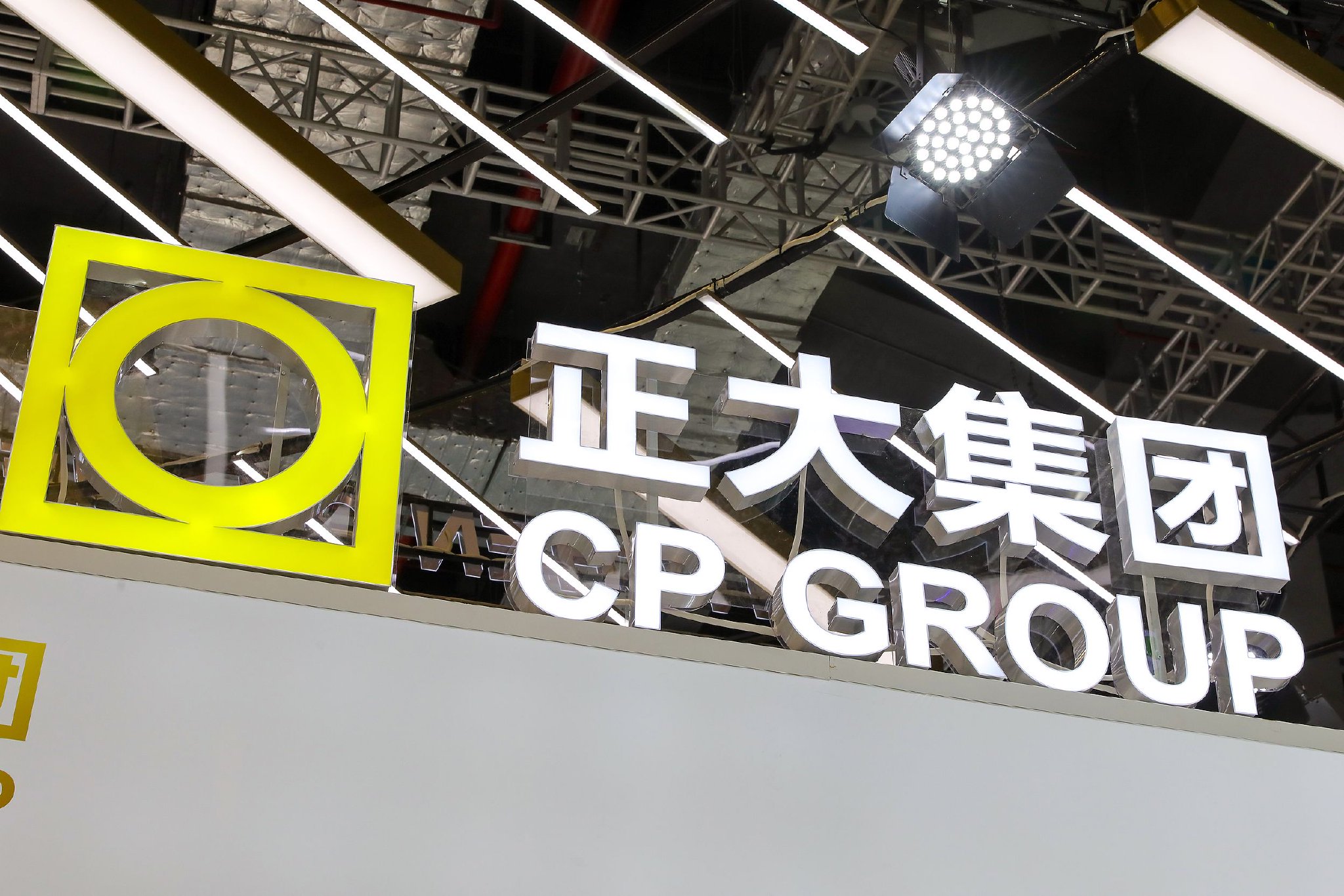
华润啤酒前掌门侯孝海“跨界”加入正大集团,任中国区COO
Xin Lang Cai Jing· 2026-01-09 07:14
Core Insights - The article discusses the appointment of Hou Xiaohai, former chairman of China Resources Beer, as the Chief Operating Officer (COO) of Charoen Pokphand Group (CP Group) in China, focusing on the integration of consumer goods marketing and operations [1][2] Group 1: Company Transition - Hou Xiaohai has officially joined CP Group after stepping down from his role at China Resources Beer, where he served as CEO and later as chairman [1] - His departure from China Resources Beer was announced in June 2025, citing a desire to focus more on personal arrangements, with no disagreements reported with the board [1][2] Group 2: Background and Achievements - Hou Xiaohai has a strong background in the fast-moving consumer goods sector, having joined China Resources Beer in 2001 and leading significant strategic transformations, including the "3+3+3" nine-year strategy [2] - Under his leadership, China Resources Beer saw revenue growth exceeding 10 billion yuan, with net profit increasing from 1.329 billion yuan to 4.759 billion yuan, and achieving a gross margin of 42.6% in 2024, the highest in five years [2] Group 3: CP Group Overview - CP Group, founded in 1921, has evolved into a multinational conglomerate with operations in agriculture, food, retail, telecommunications, and more, employing over 460,000 people globally [3] - The company reported global sales of 102.2 billion USD in 2024, indicating its extensive reach and diversified business model [3] Group 4: Future Implications - Analysts suggest that Hou Xiaohai's experience in brand management and operational scaling in the fast-moving consumer goods sector aligns well with CP Group's core business, potentially leading to significant changes in its consumer goods integration [3]
华润啤酒前掌门侯孝海“跨界”加入正大集团,将任中国区COO
Xin Lang Cai Jing· 2026-01-09 07:05
Core Viewpoint - The former chairman of China Resources Beer, Hou Xiaohai, has officially joined Charoen Pokphand Group (CP Group) as the Chief Operating Officer (COO) for the China region, focusing on market and marketing integration for the group's consumer goods sector, including eggs, pork, chicken, food, and feed products [1][5]. Group 1: Company Transition - Hou Xiaohai's transition to CP Group comes over six months after he stepped down from his key role at China Resources Beer, where he had served as CEO and chairman [1][5]. - His departure from China Resources Beer was announced in June 2025, citing a desire to spend more time on personal arrangements, effective after the board meeting on June 27 [1][5]. Group 2: Achievements at China Resources Beer - During his tenure at China Resources Beer, Hou led a strategic transformation known as the "3+3+3" nine-year strategy, shifting the company from scale expansion to high-quality development [3][7]. - Under his leadership, the company's revenue increased by over 10 billion yuan, with net profit rising from 1.329 billion yuan to 4.759 billion yuan, and a gross margin reaching 42.6% in 2024, the highest in five years [3][7]. Group 3: CP Group Overview - CP Group, founded in 1921 by Thai-Chinese brothers, has evolved from a single business into a diversified multinational corporation with core operations in agriculture, food, and retail, among other sectors [4][8]. - The group operates in over 100 countries and regions globally, employing more than 460,000 people, with projected global sales of 102.2 billion USD in 2024 [4][8]. - Analysts believe that Hou's experience in fast-moving consumer goods will align well with CP Group's core business, potentially leading to significant changes in its consumer goods integration [4][8].
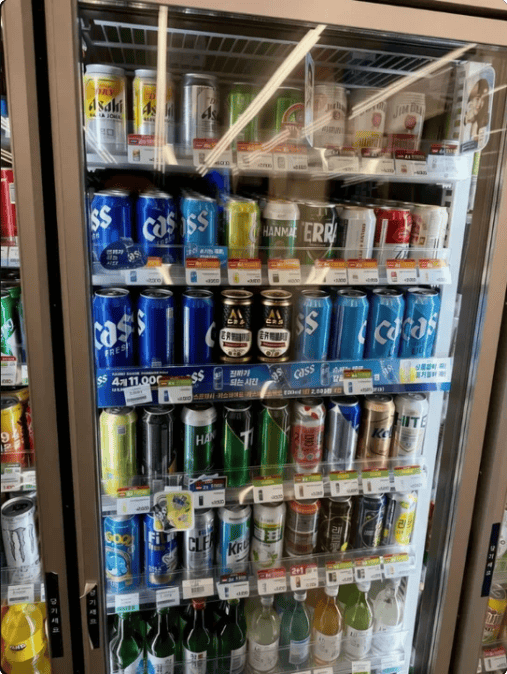
迈巴赫投资有限公司旗下巴赤赤啤酒正式登陆韩国市场——在韩国主流超市渠道成功上架
Sou Hu Cai Jing· 2026-01-09 06:56
(韩国·首尔)近日,迈巴赫投资有限公司宣布,其旗下品牌 "巴赤赤啤酒"已正式进入韩国市场,并成 功在多家韩国本地主流超市渠道上架销售。这标志着巴赤赤啤酒在国际化布局上迈出了重要一步,也体 现了中国高端精酿品牌在海外市场的持续影响力。 迈巴赫投资有限公司由创始人楚灼华、陈言溪联合创立,始终致力于高品质酒类产品的研发、品牌打造 及国际市场拓展。巴赤赤啤酒秉承"严选原料、精工酿造"的理念,融合现代精酿工艺与成熟品质管理体 系,凭借稳定口感与高端定位,在国内市场已建立良好口碑。 此次巴赤赤啤酒进入韩国市场,产品以罐装精酿啤酒形式亮相,正式陈列于韩国超市酒水冷藏专区,与 多款国际知名啤酒品牌同台销售,获得渠道方与消费者的积极关注。相关负责人表示,韩国消费者对啤 酒品质、口感层次及品牌调性要求较高,而巴赤赤啤酒在风味表现与包装设计上的综合实力,为其顺利 进入当地市场提供了有力支撑。 迈巴赫投资有限公司创始人表示:"韩国是亚洲重要的消费市场之一,此次成功上架不仅是巴赤赤啤酒 国际化战略的重要成果,也为后续拓展更多海外市场积累了宝贵经验。未来,公司将持续优化产品结 构,深化品牌国际传播,让更多海外消费者了解并认可中国精酿品牌 ...