智能网联汽车

Search documents
广联数科新增多项发明专利授权,持续构筑汽车智能网联技术壁垒
Ge Long Hui· 2025-09-01 04:13
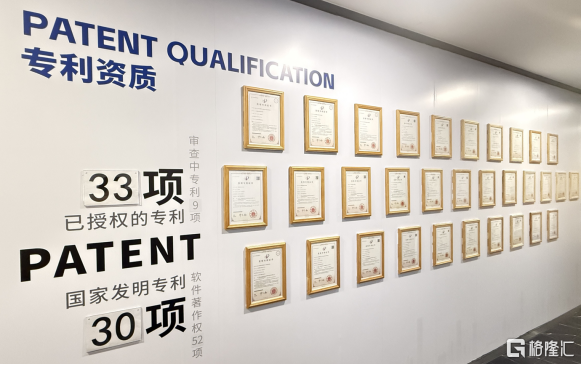
Group 1 - The company has successfully obtained 6 new national invention patents, bringing the total to 30 patents as of August 29, showcasing its R&D strength and innovation capability in the core technology field of intelligent connected vehicles [1][3] - The newly added patents cover key application scenarios in the intelligent connected vehicle industry, including vehicle safety management, battery health monitoring, collision detection, user analysis, driving risk warning, and data processing, which strengthens the company's technological moat and supports business expansion [1] Group 2 - The rapid development of China's intelligent connected vehicle industry and breakthroughs in artificial intelligence technology since 2025 have accelerated the commercialization of data throughout the vehicle lifecycle, forming a gradually developing data application ecosystem [2] - The company is increasing R&D investment to leverage AI technology in various innovative application scenarios, including digital light modification, digital rights, digital maintenance, used car trading, digital financial services, and battery testing, to build core competitiveness [2] - In the "smart mobility" business segment, the company is transforming the perception of vehicles from purely consumer assets to investment assets, utilizing its access to millions of vehicle owners and its technological advantages to create a smart connected vehicle asset RWA service platform, aiming to establish a second growth curve [2]

“智驾平权”加速到来 智能网联汽车产业基础迎来“攻坚”阶段
Mei Ri Jing Ji Xin Wen· 2025-08-31 06:40
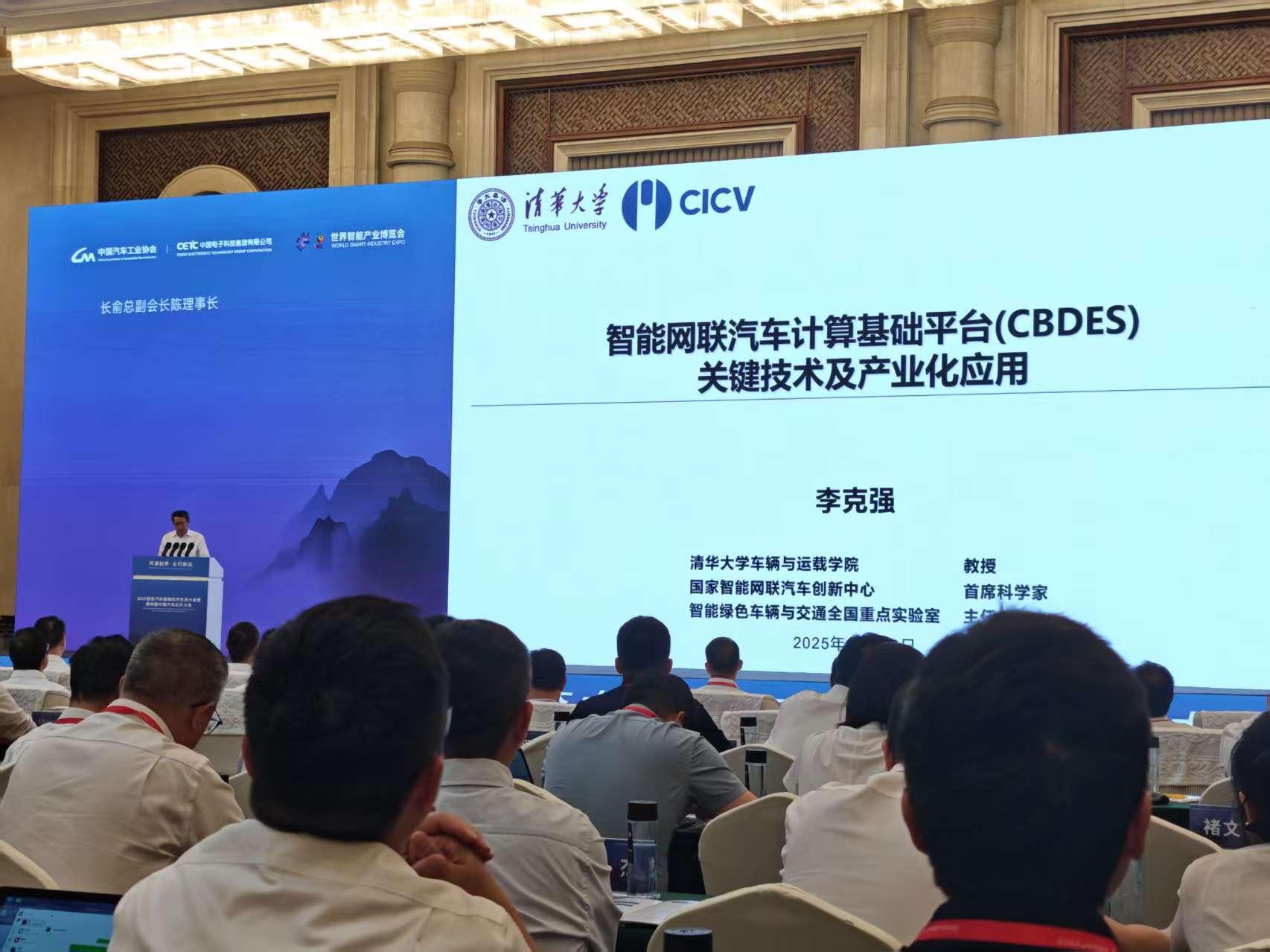
Core Insights - The era of "intelligent driving equality" is accelerating, with a focus on core industry foundations such as operating systems and chips entering a critical phase [1] - The development of intelligent connected vehicles in China faces challenges, including the need for breakthroughs in core technologies and the establishment of a complete data system [2][3] - The consensus in the industry is shifting towards open-source solutions for vehicle software systems, although there are risks of ecological fragmentation [2][6] Industry Developments - The 2025 Intelligent Vehicle Basic Software Ecological Conference and the Fourth China Automotive Chip Conference were held in Chongqing, highlighting the importance of integrated development of software and hardware [1] - As of 2025, Changan Automobile plans to stop developing non-intelligent new products and aims to launch 35 smart vehicles in the next three years, with full scene L3 autonomous driving by 2026 and L4 by 2028 [3] - The open-source movement is gaining traction, with companies like Li Auto and Dongfeng Motor launching their own open-source operating systems [6] Challenges and Recommendations - Current issues in the intelligent connected vehicle sector include insufficient safety reliability, incomplete data systems, and a lack of a profitable business model [2][3] - Experts suggest that leading companies should adopt a long-term perspective, integrate vehicle-grade chips and basic software, and promote the establishment of technical standards [3][7] - The focus should be on creating a unified operating system baseline and developing a collaborative ecosystem to avoid fragmentation [7]



政策加速AI应用与商业化落地
Zhao Yin Guo Ji· 2025-08-29 07:06
Investment Rating - The report suggests a positive investment outlook for the AI sector, particularly in areas such as AI cloud services, semiconductor supply chains, and smart automotive applications [1][14][15]. Core Insights - The report emphasizes the acceleration of AI applications and commercialization driven by government policies, with specific targets set for 2027, 2030, and 2035 regarding the integration of AI into various sectors [5][6][15]. - Key investment opportunities are identified in the internet and software sectors, semiconductor industry, and smart automotive sector, with specific companies highlighted as potential beneficiaries [1][2][10][14]. Internet and Software Sector - The report highlights the importance of AI cloud services, recommending investment in leading companies such as Baidu, Alibaba, Tencent, and SenseTime, which are well-positioned in AI computing resources and operational capabilities [1][10][12]. - It notes the expected growth in AI applications within entertainment and e-commerce, with companies like Tencent, Alibaba, and Kuaishou being key players due to their strong AI capabilities and application scenarios [1][10][11]. - The report also points to the integration of AI in education and healthcare, with companies like New Oriental and Alibaba Health being recognized for their advancements in AI-driven solutions [10][11][12]. Semiconductor Industry - The report identifies three main investment themes: the computing power supply chain, opportunities under the theme of self-sufficiency, and emerging application areas for semiconductors [1][14][19]. - It emphasizes the expected increase in demand for high-performance computing chips, storage chips, and specialized acceleration chips due to the growing AI applications [17][19]. - Key semiconductor companies such as Zhongji Xuchuang, Shengyi Technology, and Horizon Robotics are highlighted as potential beneficiaries of the AI-driven growth in the semiconductor sector [1][19][20]. Smart Automotive Sector - The report predicts a significant increase in the penetration rate of L2+ level autonomous driving vehicles, with expectations of surpassing 50% by 2026 [2][14]. - It highlights the synergy between the automotive and robotics industries, suggesting that leading automotive companies are well-positioned to leverage advancements in AI for both sectors [2][14]. - Companies like Xpeng, Li Auto, and BYD are identified as key players in the smart automotive supply chain, benefiting from the integration of AI technologies [1][2][14].





国家发改委:未来1-2年是人工智能落地的关键窗口期
智通财经网· 2025-08-29 03:35
Core Viewpoint - The National Development and Reform Commission (NDRC) emphasizes the importance of the "Artificial Intelligence +" initiative, aiming for significant integration of AI across six key sectors by 2027, with a target application penetration rate exceeding 70% for new intelligent terminals and systems [1][11]. Group 1: AI Integration and Economic Impact - By 2027, the initiative aims for AI to be widely integrated into six key sectors, enhancing public governance and establishing a robust AI cooperation framework [1][11]. - The "Artificial Intelligence +" initiative is expected to transform consumer behavior from merely having products to prioritizing quality, enhancing service consumption across various sectors such as entertainment, e-commerce, and healthcare [1][17]. - The initiative will foster new consumption patterns through the proliferation of smart devices and applications, creating a comprehensive intelligent interaction environment [1][17]. Group 2: Policy Framework and Implementation - The NDRC has established a collaborative mechanism involving 42 departments to ensure effective implementation of the "Artificial Intelligence +" initiative, focusing on coordinated efforts and information sharing [2][5]. - The initiative outlines four key principles: collaborative action, localized strategies, sector-specific policies, and open sharing of resources [2][5]. - The NDRC plans to develop specific implementation plans for various sectors, ensuring a unified policy approach to support AI integration [14]. Group 3: Global Cooperation and Standards - The "Artificial Intelligence +" initiative introduces a global cooperation aspect, aiming to share AI advancements and address global challenges collaboratively [9]. - The NDRC emphasizes the importance of establishing standards for AI applications to facilitate interoperability and enhance collaborative efforts across sectors [14]. Group 4: Societal Benefits and Quality of Life - The initiative aims to improve work environments and reduce labor risks through AI applications in high-risk industries, enhancing overall worker safety [17]. - AI is expected to revolutionize education by providing personalized learning experiences and improving access to quality educational resources, particularly in underdeveloped areas [17]. - The initiative will enhance the quality of life through improved healthcare services, smart home technologies, and cultural content creation, ultimately benefiting the general public [17][18].
鸿泉物联上半年净利润扭亏为盈 乘用车产品持续规模化量产
Zheng Quan Shi Bao Wang· 2025-08-29 02:40
Core Viewpoint - Hongquan Wulian reported a turnaround in net profit for the first half of 2025, achieving a revenue of 334 million yuan, a year-on-year increase of 37.21% [1] Group 1: Financial Performance - The company achieved operating revenue of 334 million yuan, up 37.21% year-on-year [1] - Net profit attributable to shareholders reached 33.44 million yuan, with a non-recurring net profit of 26.88 million yuan, marking a return to profitability [1] - Revenue from smart connected products was 180 million yuan, a year-on-year increase of 15.37% [1] - Revenue from smart cockpit products surged to 63.33 million yuan, up 156.93% year-on-year [1] - Revenue from controller products reached 44.61 million yuan, reflecting a growth of 63.94% year-on-year [1] Group 2: Business Development - The company has achieved large-scale production of connected terminals and controllers for passenger vehicles, securing multiple new clients and projects [1] - The controller business has established close ties with well-known Tier 1 suppliers and OEMs, with several versions of thermal management controllers, seat controllers, massage controllers, and vehicle refrigerator controllers entering stable mass production [1] - The smart connected business has completed the development of eCall and NG eCall products, obtaining the EU eCall certification from the Luxembourg Ministry of Transport [1] Group 3: Future Outlook - In the second half of the year, the company aims to ensure timely development and high-quality production and delivery of passenger vehicle controller projects [2] - The company plans to stabilize mass production of overseas eCall for major clients and deepen cooperation with existing passenger vehicle customers [2] - The company is focusing on the development and certification of related products in response to domestic eCall policy implementation, while also pursuing new project opportunities in connected terminals, smart cockpits, and body controllers [2] - The strategic layout in the two-wheeler and specialty vehicle sectors is showing initial results, with stable partnerships with key clients like Chunfeng Power and Qianjiang Motorcycle [2]
汽车产业加速营在宝安区燕罗产业园开营 抢抓智能网联汽车新机遇
Shen Zhen Shang Bao· 2025-08-28 23:16
Group 1 - The smart connected vehicle industry is becoming a significant force in driving technological innovation, reshaping the industrial landscape, and promoting economic growth [1] - The Bao'an District has established a dedicated office for the new energy vehicle industry, highlighting its commitment to this sector [1] - Bao'an District's smart connected new energy vehicle industry cluster includes 867 enterprises, accounting for approximately one-third of the city's total, making it the largest in the city [1] Group 2 - The Yanluo Smart Connected Vehicle Industrial Park is a modernized park developed by Bao Investment Group, which is rapidly attracting enterprises and aims to become a benchmark industrial park in the Greater Bay Area [2] - The park has successfully introduced 16 companies, with a factory area utilization rate of 63%, including 4 "little giant" enterprises and 10 specialized and innovative enterprises [2] - The park has been awarded the title of "Member Unit of the Shenzhen-Hong Kong-Macao Angel Investor Alliance" and officially recognized as a Shenzhen Industrial Investment Cooperation Base [2]
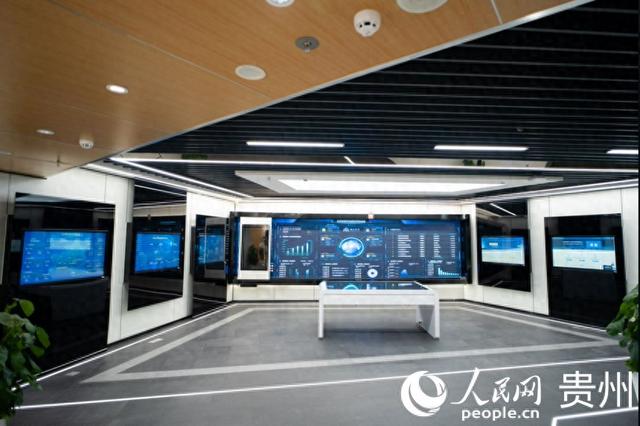
【2025数博会】观山湖区:产业集聚助力数字经济腾飞
Sou Hu Cai Jing· 2025-08-28 08:47
Core Insights - The 2025 China International Big Data Industry Expo opened on August 28, showcasing the vibrant development of the digital economy in Guanshanhu District, which focuses on integrating big data with the real economy [1][3] - Guanshanhu District aims to enhance its digital economy through industrial clustering, project promotion, and investment attraction, with significant revenue growth reported in the internet and software sectors [1][3][4] Industry Development - Guanshanhu District's big data development management bureau is implementing a high-standard "14th Five-Year" special plan to optimize the software and information technology service industry while nurturing new sectors like artificial intelligence and data annotation [3][4] - The district has established a digital industry ecosystem that encourages collaboration between leading enterprises and SMEs, effectively reducing operational costs and enhancing resource allocation efficiency [3][4] Financial Performance - In the first half of 2025, revenue from large-scale internet-related service enterprises reached approximately 9.92 billion yuan, while software and information technology service enterprises generated about 48.46 billion yuan [3][4] - The district has successfully assisted companies like Guizhou Rongchuang Zhiyun Information Technology Co., Ltd. in achieving regulatory compliance and revenue growth [3] Infrastructure and Support - The Guizhou Network Audiovisual Industry Park has been recognized as a key base for the integration of audiovisual development, attracting 45 enterprises and forming a complete industrial chain ecosystem [4] - The district has facilitated over 10 million yuan in financing solutions for various enterprises and supported job placements for over 60 individuals across five big data companies [4] Digital Transformation - Guanshanhu District is advancing the integration of digital and real economies through initiatives like the "Ten Thousand Enterprises Integration" action, which has led to the development of over 20 digital application scenarios [6][8] - Zhong'an Technology Group has implemented a digital transformation strategy that has resulted in a 15% reduction in operational costs and a 39.09% compound growth in main business revenue [7][8] Talent and Innovation - The district is enhancing its talent cultivation and innovation environment by collaborating with educational institutions and hosting innovation competitions to attract skilled professionals [10][11] - The "Hongling Zhipin" platform, developed by Guizhou Youblan Technology Co., Ltd., has become a significant online recruitment tool, helping over 100,000 job seekers find employment [10][11] Digital Culture and Rural Revitalization - The Xiaolan Mountain Digital Cultural Industry Ecological Village is a national pilot project that integrates technology, culture, and ecology, attracting 45 enterprises and creating a vibrant industrial cluster [12][13][14] - The project promotes a collaborative model between government and enterprises, enhancing infrastructure and providing employment opportunities for local residents [14][15]

促进和规范数据跨境流动,将对智能汽车进出口有何影响?
Zhong Guo Qi Che Bao Wang· 2025-08-28 06:30
Core Viewpoint - Data has become a "gold mine" and a hotspot for investment in the smart connected vehicle sector, with recent government signals promoting and regulating cross-border data flow, which is expected to benefit the import and export of smart vehicles [3][5]. Group 1: Data Generation and Importance - Smart connected vehicles generate massive amounts of data daily, reaching terabytes (TB), including various types of information such as facial expressions, actions, voice data, and vehicle location [4]. - The increasing import of smart vehicles like Tesla and the growing export of Chinese smart vehicles highlight the need for effective cross-border data flow management [5]. Group 2: Regulatory Framework - China has established a policy framework for cross-border data flow, including the implementation of the Data Security Law and the Personal Information Protection Law, which provide a legal basis for data management in the smart vehicle sector [5][6]. - The upcoming regulations, such as the "Automotive Data Export Safety Guidelines (2025 Edition)" and the "Regulations on Promoting and Regulating Cross-Border Data Flow," indicate a move towards more specialized and detailed data governance [6][12]. Group 3: Global Data Governance Challenges - Different countries have varying data governance models, with the EU's GDPR imposing strict data localization requirements, presenting challenges for Chinese smart vehicle companies operating in the EU market [7]. - The need for compliance with international regulations is pushing foreign brands in China to adapt their data management strategies, as seen with Tesla's establishment of a local data center [9]. Group 4: Technological Innovations and Compliance - Technological innovations such as privacy computing and federated learning are becoming key drivers for improving compliance efficiency in cross-border data flow [10]. - Emerging technologies like dynamic de-identification and intelligent encryption are expected to become standard practices for ensuring data security during cross-border transmission [11]. Group 5: Industry Self-Regulation and Future Outlook - Industry self-regulation is crucial for enhancing compliance levels in cross-border data flow, with proposed management systems focusing on pre-assessment, real-time monitoring, and post-audit processes [11]. - The promotion and regulation of cross-border data flow are seen as guiding principles for healthy industry development, encouraging companies to integrate compliance capabilities into their export strategies [12].

娄山观 | 乘“数”而上向新黔行
Huan Qiu Wang· 2025-08-28 05:58
Core Insights - The article highlights the successful application of AI technology in traffic management in Guiyang, showcasing the evolution of data technology from exploration to practical application over the past decade [1][4] - The upcoming 2025 Big Data Expo aims to foster innovation and collaboration among industry leaders, with a focus on enhancing productivity and exploring new possibilities in the data sector [1][15] Group 1: Industry Development - Guiyang's Big Data Exchange has attracted 1,011 data vendors, facilitating easier data transactions and marking significant progress in the industrialization of data [4] - The integration of new technologies like large model simulation and 5G has led to a 15% increase in product qualification rates and a 57% reduction in defect rates at Guizhou Tire Co., demonstrating the impact of digital transformation in traditional industries [5][6] Group 2: Technological Innovations - The "39AI General Practitioner" developed by Langma Information in Guiyang utilizes large language models to provide health consultations and treatment suggestions, enhancing healthcare accessibility for citizens [10] - The "Gui Ren Zhi Ban" AI assistant streamlines administrative processes, allowing citizens to complete tasks like health insurance registration efficiently, showcasing the integration of AI in public services [10][13] Group 3: Future Prospects - The 2025 Big Data Expo is set to feature 26 planned exchange activities, attracting around 8,000 participants and over 300 industry experts to discuss key industry standards and case studies [15] - The expo will include a 60,000 square meter exhibition area divided into six thematic halls, featuring innovations from major companies like Huawei and Intel, aiming to position the event as a leading industry benchmark [15]
济南市市场监管局与济南高新区共建三大中心
Qi Lu Wan Bao Wang· 2025-08-28 03:26
Group 1 - The signing of cooperation agreements between Jinan High-tech Zone Management Committee and various inspection and testing institutions aims to establish three major centers: a quality inspection and testing center for laser processing equipment, a precision processing and "dual carbon" measurement testing collaborative innovation center for intelligent connected vehicles, and a special equipment inspection and testing research center for hydrogen energy industry storage and transportation [1][3] - The quality infrastructure is emphasized as a cornerstone for industrial development, integrating elements such as measurement, standards, certification, and inspection testing, which are crucial for supporting technological innovation, improving production efficiency, and driving industrial transformation [3] - The three centers will focus on key areas: tackling high-end equipment testing challenges in the laser industry, promoting green low-carbon technology in the automotive sector, and enhancing energy security in the hydrogen energy sector, marking a significant step for Jinan in supporting national strategies and leading industrial transformation [3]