农业种植

Search documents
苏垦农发(601952.SH):上半年净利润2.13亿元,同比下降27.71%
Ge Long Hui· 2025-08-20 10:36
格隆汇8月20日丨苏垦农发(601952.SH)公布2025年半年度报告,报告期实现营业收入45.88亿元,同比下降9.26%;归属于上市公司股东的净利润2.13亿元,同比下降27.71%;归属于上市 ...

500万亩黑土地将获“精准呵护”
Ren Min Ri Bao· 2025-08-19 22:46
Core Viewpoint - The implementation plan for the "Liaoning Province 2025 Provincial Black Land Protection Project" has been officially released, aiming to protect 5 million acres of black land in typical black soil areas and establish demonstration zones with fertile soil and stable production capacity [1] Group 1: Project Objectives - The project focuses on implementing straw returning, compost returning, cultivating thick arable layers, monitoring and evaluation, and data integration [1] - Specific measures for straw returning will vary based on water-heat conditions, terrain, farming practices, and agricultural mechanization levels [1] Group 2: Technical Measures - For dry land, techniques such as crushing and turning straw back, mixing straw, shallow tillage, and covering will be adopted [1] - For paddy fields, methods like autumn wet plowing, autumn burying, and spring stubble turning will be promoted [1] Group 3: Capacity Building - Liaoning will enhance technical integration and guidance, increasing training for grassroots agricultural technicians and new agricultural operators [1] - The plan includes interpreting black land protection regulations and policies, cultivating local "soil experts," and improving comprehensive technical models for black land protection [1]
热浪“烤”验全球!近10年我国年平均高温日数增多25%
Mei Ri Jing Ji Xin Wen· 2025-08-19 15:09
Core Viewpoint - The article discusses the normalization of heatwaves globally, emphasizing their impact on human health, economic security, and ecological systems, driven primarily by human-induced greenhouse gas emissions [2]. Economic Impact of High Temperatures - Extreme heat has led to significant labor hour and income losses, with direct impacts on production systems, including industrial power restrictions and increased logistics costs due to lower water levels [3]. - Indirect effects include supply chain disruptions, rising energy costs, and food inflation due to agricultural losses [3]. Tourism Sector Changes - Historical data indicates that for every 1°C increase in temperature, tourist arrivals decrease by approximately 8.1%, leading to a 6% drop in tourism revenue [4]. - High temperatures are shifting consumer preferences from sightseeing to wellness tourism, a trend likely to persist as extreme heat events become more frequent [4]. Renewable Energy Demand - The surge in electricity demand during heatwaves is stimulating the growth of renewable energy installations, particularly solar power, which aligns with peak electricity usage during sunny periods [7]. - The integration of meteorological data with industrial operations is crucial for optimizing energy supply and demand during extreme heat events [5][6]. Regional Challenges and Opportunities - Coastal regions face challenges such as increased temperature control costs in high-end manufacturing, while opportunities exist in developing smart energy networks and heat-resistant materials [9]. - The central and western agricultural regions must address irrigation shortages and crop yield reductions, with potential growth in solar agriculture and climate-resilient crops [9]. Infrastructure and Policy Recommendations - Recommendations for urban planning include creating green spaces, enhancing building energy efficiency, and developing smart grids to manage electricity resources effectively [10]. - In agriculture, promoting efficient irrigation techniques and developing heat-resistant crop varieties are essential strategies to mitigate the impacts of extreme heat [10]. Learning from Global Practices - Successful international practices include Cambodia's drought-resistant crop initiatives and Spain's weather index insurance for crops, which could be adapted to improve resilience in China [11][13]. - The EU's push for renewable energy transition serves as a model for reducing reliance on fossil fuels [12][14].
农文旅商联动援疆 这些变化正在发生
Di Yi Cai Jing· 2025-08-19 14:32
Core Insights - The article highlights the integration of agriculture, culture, and tourism in the Xinjiang region, particularly in the Kashgar area, to promote rural revitalization and economic development [1][6][9] Group 1: Agricultural Development - The introduction of new crops, such as asparagus, by Jiangxi Guokang Agricultural Group in the Akto County has diversified local agriculture, which previously focused on corn and wheat [2][3] - A 10-year land transfer contract has been established, with a rental increase from 600 yuan per mu in the first three years to 1300 yuan by the tenth year, ensuring stable income for local farmers [3] - The local agricultural model emphasizes government-enterprise cooperation, providing around 250 job opportunities in asparagus cultivation [3] Group 2: Processing and Supply Chain - The establishment of the "Yuejia New Mei Industry Park" has improved the cold storage and logistics for local fruit products, significantly reducing delivery times and costs [4] - The introduction of companies like JD Logistics has streamlined the supply chain, reducing waste and logistics costs by 12% [4] - The focus on deep processing of agricultural products aims to enhance value addition and market reach, particularly in high-demand areas like the Guangdong-Hong Kong-Macao Greater Bay Area [5] Group 3: Tourism Integration - The development of eco-tourism around fig cultivation in Atushi City has attracted significant tourist traffic, with local farmers benefiting from increased income through hospitality services [6][7] - The "fig+" model combines agriculture with cultural tourism, aiming to create a vibrant rural economy and improve living standards for local residents [7][8] - The establishment of the "Lujingqing" edible fungus ecological technology demonstration park has created a multifunctional space for production, tourism, and education, promoting local economic development [8][9]
热浪“烤”验全球,近10年我国年平均高温日数增多25%!高温对经济的搅动作用越发强烈,国家气候中心六位专家详解高温经济学
Mei Ri Jing Ji Xin Wen· 2025-08-19 02:08
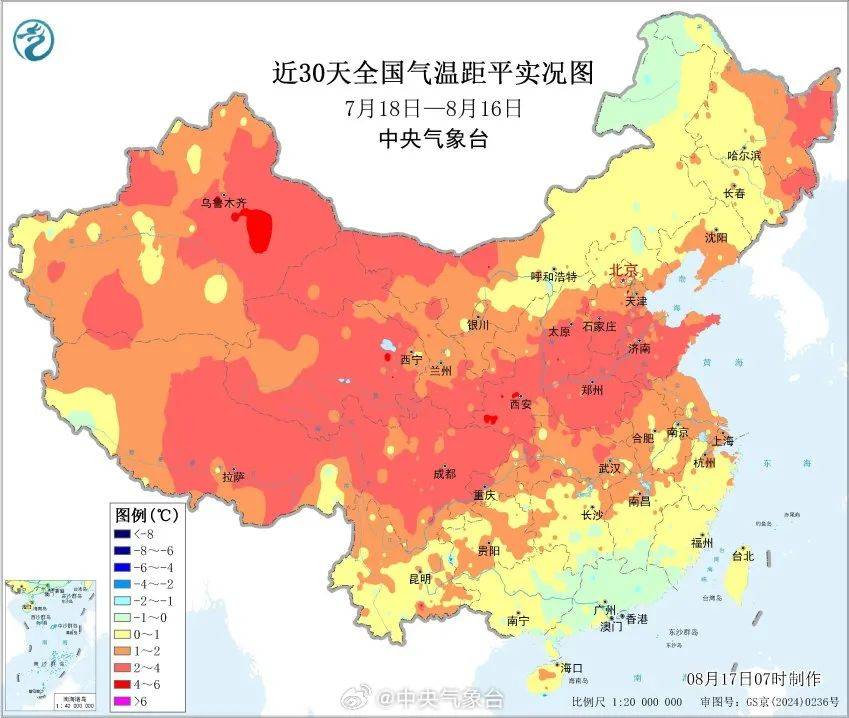
Group 1: Climate Change and Heat Waves - The normalization of heat waves is an undeniable fact, threatening human health, economic security, and ecological systems [3] - Human activities since the Industrial Revolution are the main drivers of extreme temperature changes globally, as confirmed by the IPCC's sixth assessment report [3] - In China, the average number of high-temperature days has increased by 25% over the past decade, with extreme heat events evolving into continuous compound disasters [3] Group 2: Economic Impacts of High Temperatures - Global warming has led to significant labor work hour and income losses due to extreme heat, with direct impacts on production systems, including industrial power cuts and increased logistics costs [4] - Historical data indicates that for every 1°C increase in temperature, tourist arrivals decrease by approximately 8.1%, leading to a 6% reduction in tourism revenue [4][6] - High temperatures are reshaping tourism consumption preferences from sightseeing to summer wellness experiences, a trend likely to become more pronounced [6] Group 3: Energy Sector Response - Extreme heat has increased electricity demand, prompting the need for a collaborative forecasting mechanism between climate and energy departments to manage peak loads effectively [8][9] - The pressure from high temperatures has accelerated the development of renewable energy sectors, particularly solar power, which aligns well with peak electricity demand during hot periods [10] - The integration of meteorological data with industrial data can help create predictive models for industry productivity and losses during extreme heat [7] Group 4: Adaptation Strategies - Coastal regions face challenges such as increased temperature control costs in high-end manufacturing, but can leverage digital technology to develop smart energy networks [12] - Agricultural sectors in arid regions should focus on promoting drought-resistant crops and efficient irrigation technologies to mitigate the impacts of extreme heat [13][18] - Successful international experiences, such as weather index insurance in Spain and drought-resistant crop programs in Cambodia, can provide valuable lessons for China's adaptation strategies [16][18]

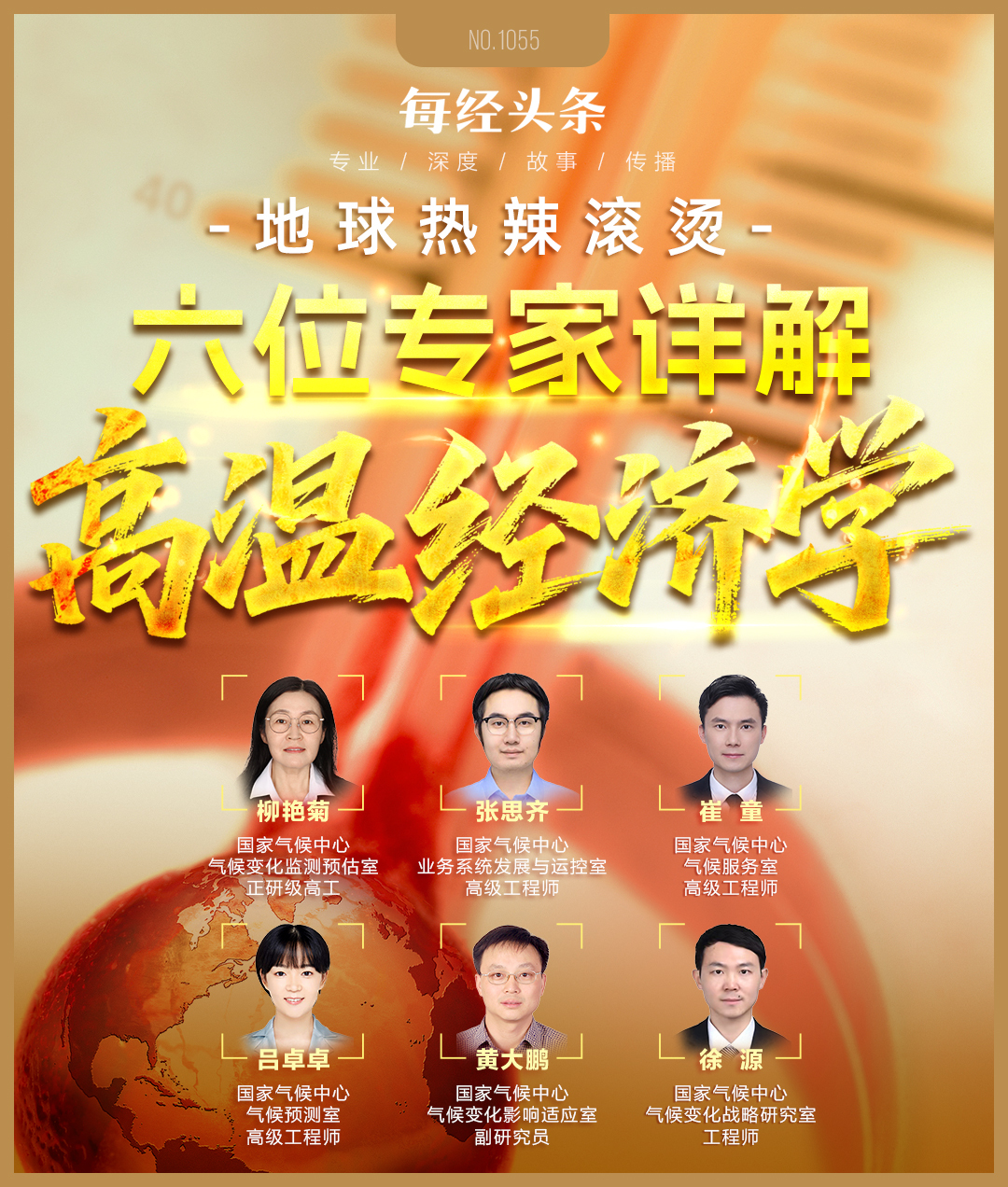
高温经济学
Hu Xiu· 2025-08-19 00:21
Group 1 - The phenomenon of heatwaves has become a normalized trend globally, posing threats to human health, economic security, and ecological systems [3][7] - Human activities, particularly greenhouse gas emissions since the Industrial Revolution, are identified as the primary drivers of extreme temperature changes [4][5] - In China, the average number of high-temperature days has increased by 25% over the past decade, with extreme heat events evolving into continuous compound disasters [6][24] Group 2 - High temperatures have led to significant income losses globally, with potential labor hours and income losses reaching new highs [8] - Direct impacts of extreme heat on the economy include physical shocks to production systems, such as industrial power restrictions and increased logistics costs due to lower water levels [9][10] - Indirect impacts manifest through supply chain disruptions and rising food inflation due to agricultural losses and transportation issues [10][11] Group 3 - The tourism industry is experiencing shifts, with a decrease in visitors to traditional scenic spots and an increase in demand for summer retreat destinations, as temperatures rise [13][15] - Historical data indicates that for every 1°C increase in temperature, tourist arrivals decrease by approximately 8.1%, leading to a 6% reduction in tourism revenue [13] Group 4 - The extreme heat has stimulated demand for renewable energy installations, particularly solar power, as high temperatures coincide with peak electricity demand [22] - Collaborative mechanisms between climate and energy departments are being established to predict and manage electricity demand during heatwaves [18][19] - The pressure from high temperatures is accelerating the development of smart energy networks and the adoption of heat-resistant materials in coastal regions [25][21] Group 5 - Different regions in China face unique challenges and opportunities in responding to high temperatures, with coastal areas focusing on high-tech solutions and the central and western regions addressing agricultural water shortages [24][26] - Infrastructure improvements, such as urban planning and agricultural adaptations, are essential to mitigate the impacts of extreme heat on economic development [27][29] - Learning from international experiences, China can enhance its agricultural resilience through drought-resistant crop varieties and innovative insurance mechanisms [31][36]
热浪“烤”验全球,高温对经济有哪些影响?
Hu Xiu· 2025-08-18 13:04
Group 1: Global Heatwave Trends - The phenomenon of heatwaves becoming a normalized trend is undeniable, posing threats to human health, economic security, and ecological systems [3][4][5] - In the past decade, the average number of high-temperature days in China has increased by 25%, with extreme heat events evolving into continuous compound disasters [6][7] Group 2: Economic Impacts of High Temperatures - High temperatures have led to unprecedented potential labor hours and income losses globally, with direct impacts on production systems, including industrial power restrictions and increased logistics costs [8][9] - Indirect effects include disruptions in supply chains, rising energy prices, and food inflation due to agricultural yield reductions [10][11] Group 3: Tourism Sector Adjustments - Historical data indicates that for every 1°C increase in temperature, tourist arrivals decrease by approximately 8.1%, leading to a 6% reduction in tourism revenue [13] - High temperatures are reshaping global tourism preferences, shifting consumer behavior from sightseeing to wellness and cooling tourism [15] Group 4: Renewable Energy Demand Surge - Extreme heat has significantly increased electricity demand, prompting a surge in renewable energy installations, particularly solar power, which aligns with peak electricity usage during hot periods [22][21] - Collaborative efforts between climate and energy departments are enhancing predictive models for electricity load management during heatwaves [18][19] Group 5: Regional Economic Opportunities and Challenges - Coastal regions face challenges such as increased temperature control costs in high-end manufacturing, while opportunities exist in developing smart energy networks and heat-resistant materials [24] - The central and western agricultural regions confront irrigation shortages and crop yield declines, but can capitalize on promoting photovoltaic agriculture and climate-adaptive crops [25] Group 6: Infrastructure and Policy Recommendations - Recommendations for climate-adaptive infrastructure include urban planning, agricultural water management, and public health measures to mitigate extreme heat impacts [26][28] - Successful international experiences suggest the need for innovative agricultural insurance mechanisms and renewable energy transitions to enhance resilience against climate risks [30][32]
“普”泽千企 “惠”润万家——泰安银行业聚焦重点领域绘就普惠金融“安澜”新图景
Qi Lu Wan Bao· 2025-08-18 09:48
Core Viewpoint - The banking sector in Tai'an is actively promoting high-quality economic development through various financial services and initiatives, particularly focusing on inclusive finance and support for small and micro enterprises, foreign trade, consumption, and rural revitalization [1][14][25]. Group 1: Inclusive Finance and Support for Small Enterprises - As of June 2025, the outstanding loans for inclusive small and micro enterprises in Tai'an reached 101.46 billion yuan, a growth of 13.13% compared to the beginning of the year, exceeding the overall loan growth rate by 6.84 percentage points [1]. - The Tai'an Financial Regulatory Bureau has implemented targeted financial services for small and micro enterprises, including the "Anlan" brand initiative, focusing on key areas such as foreign trade, consumption, technology, private enterprises, and rural revitalization [1][25]. - A total of 165,824 loans amounting to 166.61 billion yuan have been issued to private enterprises, reflecting a growth of 7.47% since the beginning of the year [25]. Group 2: Support for Foreign Trade Enterprises - The Tai'an Financial Regulatory Bureau has launched a special action to support foreign trade enterprises, resulting in loans of 5.959 billion yuan issued to 479 foreign trade enterprises, with an average loan interest rate of 3.94%, which is 0.18 percentage points lower than the average rate for small and micro enterprises [2][6]. - The cross-border loan product introduced by the Industrial and Commercial Bank of China has facilitated quick financing for foreign trade enterprises, exemplified by a loan of 1.9 million yuan approved within three days for a company facing collateral shortages [6][10]. Group 3: Consumption and Rural Revitalization - As of June 2025, the balance of consumption loans (excluding credit card business) in the region reached 22.185 billion yuan, marking a 4% increase since the beginning of the year [14]. - The Tai'an banking sector has provided 3.5 million yuan in loans to 24 households in Yushan Village to support the development of rural tourism, enhancing the quality and service of local homestays [17][33]. - The Tai'an banking industry has issued 1.951 trillion yuan in agricultural loans, with inclusive agricultural loans reaching 497.9 billion yuan, reflecting a growth of 4.14% since the beginning of the year [33]. Group 4: Innovation and Technology Support - By June 2025, banks in the region have provided financing services to 3,096 technology enterprises, with a total loan balance of 66.041 billion yuan, including 35.741 billion yuan to 2,006 "specialized, refined, and innovative" small and medium enterprises [18][20]. - The Industrial and Commercial Bank of China has issued a 10 million yuan "Science and Technology Innovation Loan" to a leading automotive parts supplier to support its technological upgrades [20][23]. Group 5: Major Projects and Financial Collaboration - A consortium led by Qingdao Bank has approved a credit limit of 980 million yuan for a major energy investment project, with 89.09 million yuan already disbursed [24]. - The Tai'an banking sector has tailored financial solutions for various enterprises, including a 30 million yuan loan to support the construction of a food oil processing project [28].
产村融合绘就农旅新“丰”光!云浮云城区乡村振兴“多点开花”
Nan Fang Nong Cun Bao· 2025-08-18 05:01
Core Viewpoint - The article highlights the integration of agriculture and tourism in Yunfu City, particularly in Yun District, showcasing the development of traditional Chinese medicine (South medicine) and flower industries as key drivers for rural revitalization and economic growth [1]. Group 1: South Medicine Industry Development - Yun District is recognized as an important area for the modern South medicine experimental zone in Guangdong Province, benefiting from favorable climate and soil conditions for the growth of South medicine [7][8]. - The district has established 18 standardized South medicine planting demonstration bases, becoming the largest seedling breeding base and processing hub for South medicine in Guangdong [9][10]. - The transformation of previously abandoned land into productive South medicine industrial parks has significantly increased local farmers' incomes, with an average annual increase of 27,600 yuan per household [18]. Group 2: Flower Industry Growth - The flower industry in Yun District has seen substantial growth, with companies like Ailifu Agriculture Co., Ltd. implementing innovative profit-sharing models that have led to an average annual income increase of over 40,000 yuan for local farmers [35][36]. - Ailifu has developed a 300-acre flower planting base, producing 17 million fresh-cut flowers annually, and is exploring new planting models to further expand the industry [38][40]. - The provincial flower industry park is expected to generate over 100 million yuan in annual output value and create approximately 300 jobs upon completion [45][46]. Group 3: Integration of Agriculture and Tourism - The flourishing South medicine and flower industries have laid a solid foundation for rural prosperity and have spurred the development of a health tourism industry in Yun District [51][52]. - Ailifu is planning to create immersive agricultural experiences and develop a family-friendly flower-themed park, which is expected to attract hundreds of visitors daily [61][62]. - The district has established various cultural and agricultural facilities to promote the integration of primary, secondary, and tertiary industries, enhancing the overall economic landscape [64][66]. Group 4: Cultural Heritage and Agricultural Innovation - The historical village of Shui Dong has leveraged its cultural heritage to develop a sustainable agricultural model, achieving an annual vegetable output value of 8 million yuan [83]. - The introduction of companies like Xiaoniu Paofa has facilitated a cooperative model that ensures farmers' income stability while promoting local agricultural products [86][87]. - The combination of agricultural activities with tourism has attracted numerous visitors, boosting local hospitality and food sectors [88][90].

亚盛集团上市28周年:归母净利润累计增长57.43%,市值较峰值蒸发79.48%
Sou Hu Cai Jing· 2025-08-18 01:20
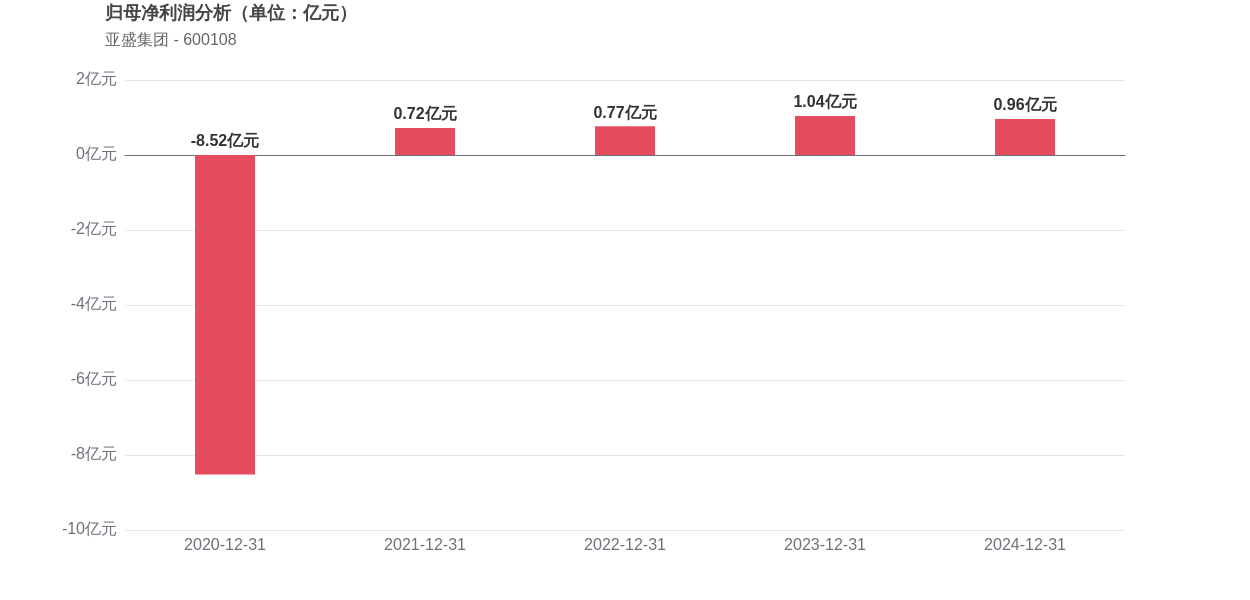
利润角度分析,2020年亚盛集团实现归母净利润-8.52亿元,2024年0.96亿元。公司已从亏损状态转为盈利。 亚盛集团的主营业务包括农业高科技产业化。其核心产品主要分为其他业务,马铃薯等。 亚盛集团上市的1997年,当年实现归母净利润0.61亿元。截至最新完整财年的2024年,公司实现0.96亿元的归母净利润,近年累计增长了57.43%。这28年 间,亚盛集团有1年出现亏损,归母净利润增长的年份达到13年,占比高达48.15%。 营收角度分析,亚盛集团2020年实现营收31.32亿元,2024年达到41.92亿元。营收保持稳定增长态势。 亚盛集团自1997年8月18日上市至今,已迎来28周年。从上市首日收盘价为8.49元、市值12.73亿元,到如今市值达到58.21亿元。 从上市首日至今,亚盛集团的市值实现了3.57倍的增长。2015年6月12日,亚盛集团的市值巅峰达到283.67亿元,股价也顺应升至14.57元。而至8月15日收 盘,亚盛集团的股价为2.99元,市值为58.21亿元,相比峰值时期市值减少225.45亿元,市值蒸发了79.48%。 ...