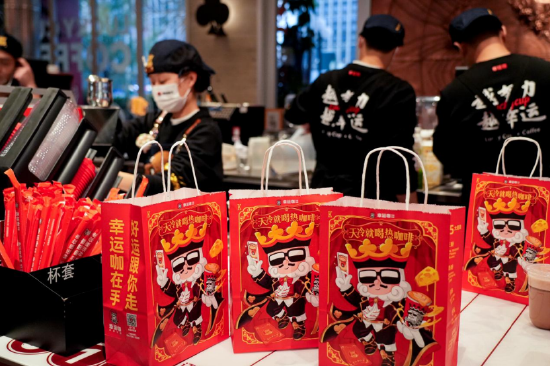
咖啡

Search documents
一杯现磨咖啡只要2.9元,消解“高端象征”
Mei Ri Jing Ji Xin Wen· 2025-11-02 03:19
Core Insights - The coffee market in China is experiencing a significant price drop, with prices for freshly brewed coffee falling to as low as 2.9 yuan per cup, challenging the previous price point of 9.9 yuan set by brands like Luckin Coffee and Kudi [1][4] - The trend indicates that coffee is becoming a daily staple for consumers, moving away from its previous status as a premium product [2][3] Price Dynamics - The recent promotional campaign by the tea brand Guming offered coffee at 2.9 yuan per cup, leading to a surge in consumer interest and social media buzz [2] - TAIJUAN COFFEE has also entered the market with competitive pricing, offering American coffee at 3.9 yuan and espresso at 2.9 yuan [2] - The price of coffee has been driven down by intense competition and promotional strategies, with some consumers reporting prices as low as 0.99 yuan per cup through group buying [3] Market Competition - The competitive landscape is shifting, with brands like Guming and TAIJUAN COFFEE challenging established players like Luckin and Kudi, which previously dominated the 9.9 yuan price point [4][5] - Industry experts suggest that the 9.9 yuan price point is now seen as a low-margin strategy, with costs for coffee beans and other inputs rising, making it difficult for brands to sustain profitability at this level [4][6] Consumer Behavior - Consumers are increasingly prioritizing price over brand prestige, with many expressing surprise at the affordability of freshly brewed coffee compared to traditional breakfast items [2][3] - The perception of coffee as a daily necessity is growing, particularly among working-class individuals who consume multiple cups per day [3] Sustainability of Low Prices - Analysts warn that the current low pricing strategy may not be sustainable without ongoing platform subsidies, as rising costs for coffee beans and other materials are putting pressure on profit margins [6][7] - The future of low-priced coffee may depend on efficient supply chains and the ability to leverage low-cost domestic coffee production [7]
“硬刚”瑞幸、库迪,一杯现磨咖啡只要2.9元,业内人士:9.9元/杯仅留微利!消解“高端象征”,消费者:比煎饼果子还便宜
Mei Ri Jing Ji Xin Wen· 2025-11-01 15:04
Core Insights - The coffee market in China is experiencing a significant price drop, with prices for a cup of coffee falling to as low as 2.9 yuan, driven by aggressive promotional strategies from brands like Gu Ming and TAIJUAN COFFEE [1][3][4] Price Trends - Luckin Coffee and Kudi previously set a price point of 9.9 yuan per cup, but the competition has intensified, leading to prices as low as 1.9 yuan for delivery and 2.9 yuan in-store [1][3][4] - Gu Ming launched a two-week promotion offering coffee at 2.9 yuan, distributing 2 million coupons, which quickly gained popularity on social media [6][4] - TAIJUAN COFFEE opened in Shanghai with prices starting at 3.9 yuan for American coffee, indicating a shift towards lower pricing strategies in the market [6][4] Market Dynamics - The concept of coffee is shifting from a luxury item to a daily staple, with consumers now prioritizing price over brand prestige [4][7] - The competitive landscape is changing, with brands like Gu Ming and TAIJUAN COFFEE challenging established players like Luckin and Kudi, which previously dominated the 9.9 yuan price segment [9][11] Supply Chain and Sustainability - The current low prices are unsustainable without platform subsidies, as rising global coffee bean costs and other operational expenses make it difficult for brands to maintain profitability at these price points [11][12] - The future stability of coffee prices may rely on improved supply chain efficiencies and local sourcing of coffee beans, as seen with brands like Luckin and Starbucks [12][11] Consumer Behavior - Consumers are increasingly drawn to low-priced coffee options, with some reporting that a cup of coffee is now cheaper than traditional breakfast items [4][7] - The trend indicates a broader acceptance of coffee as an everyday beverage among the working population, further driving demand for affordable options [7][9]



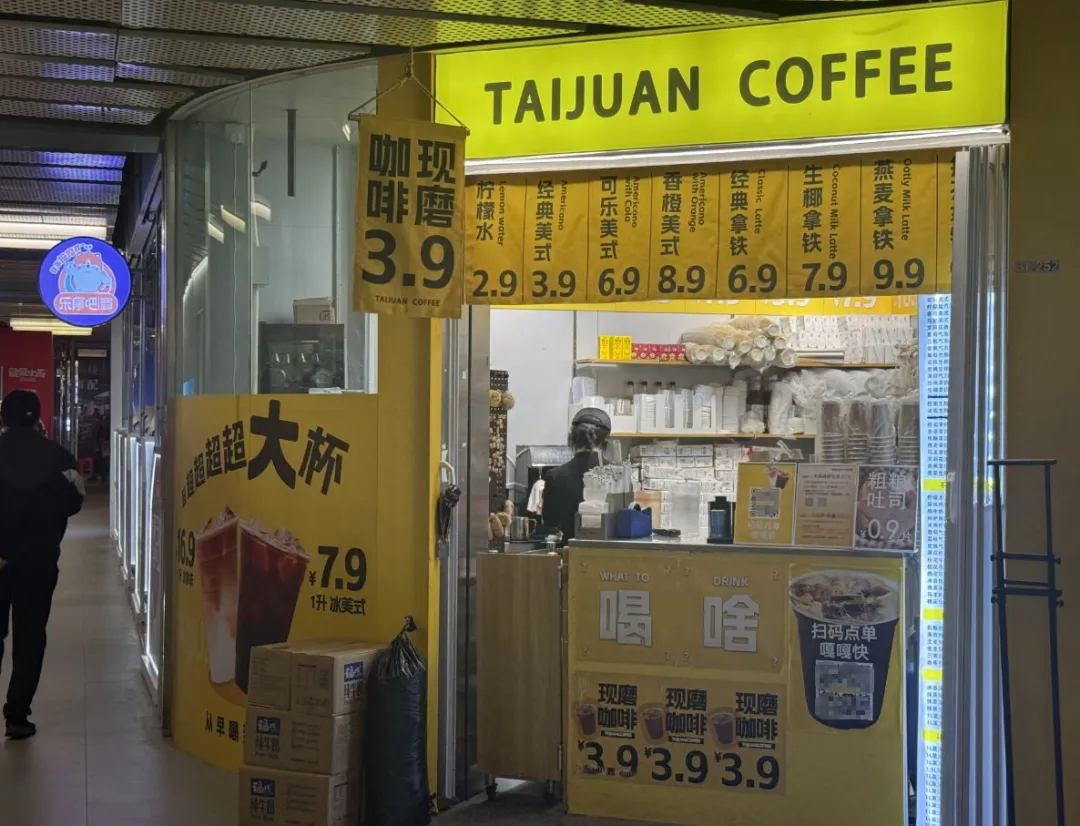
一杯现磨咖啡0.99元 咖啡市场真的“太卷”了
Mei Ri Jing Ji Xin Wen· 2025-11-01 07:25
Core Insights - The emergence of "Tai Juan Coffee" in Beijing, originally from Shanghai, highlights a trend of low-priced coffee offerings in urban areas [1] - The price of American coffee sets a new low at 0.99 yuan per cup, indicating a significant shift in consumer pricing expectations [1] - The menu includes a variety of products beyond just American coffee, such as matcha lattes and baked goods, suggesting a diversification strategy [1] Industry Trends - The ongoing price competition in the coffee market has led to a growing consumer acceptance and reliance on low-priced coffee options [1] - The concept of coffee becoming a staple commodity ("口粮化") reflects changing consumer behavior and market dynamics [1] - Experts suggest that establishing a sustainable business model within the 5 to 10 yuan price range will be crucial for the future competitive landscape of the coffee industry [1]
云南冻干咖啡有限公司成立 注册资本100万人民币
Sou Hu Cai Jing· 2025-11-01 04:41
Core Insights - Yunnan Freeze-Dried Coffee Co., Ltd. has been established with a registered capital of 1 million RMB, indicating a new player in the coffee industry [1] Company Overview - The legal representative of the company is Qiang Hao, suggesting a centralized leadership structure [1] - The company is involved in various business activities including food production, sales, and internet sales, indicating a diversified operational strategy [1] Business Scope - The company’s licensed activities include food production, beverage production, and health food production, which align with current consumer trends towards health and wellness [1] - General business activities encompass a wide range of services such as technical consulting, agricultural product sales, and internet sales, showcasing the company's broad market engagement [1] - The company is also involved in coffee bean cultivation and the manufacturing of specialized equipment for food and beverage production, indicating vertical integration within the coffee supply chain [1]
星巴克下沉千县开店超8000家,平价咖啡迎来新机遇
Shang Hai Zheng Quan Bao· 2025-11-01 00:39
Core Insights - Starbucks China reported significantly better-than-expected financial results for Q4 and the full year of FY2025, with a revenue of $831.6 million for Q4, a 6% year-on-year increase, and a total revenue of $3.105 billion for FY2025, up 5% year-on-year [1][2] - The competition in the domestic coffee market has intensified, with a shift from coffee being a "social attribute" to a "daily attribute," creating new opportunities for affordable coffee brands [1][4] Starbucks' Performance - Starbucks has successfully expanded into lower-tier markets, opening 8,011 stores in 1,091 county-level cities by the end of FY2025 [1] - The company has implemented significant price reductions on popular products, marking its largest price adjustment in 26 years in China, which has contributed to its strong performance amid a broader industry downturn [2] Luckin Coffee's Growth - Luckin Coffee, under the Moutai Group, has rapidly expanded its presence in first-tier markets, with over 1,000 stores and a total exceeding 9,000 stores nationwide, aiming for a target of 10,000 stores [2][3] - The introduction of new products, such as the "Lucky Latte Season" series, has driven significant sales, with the "Coconut Latte" alone generating over $300 million in sales and exceeding 30 million cups sold this year [3] Market Trends - The coffee consumption landscape is shifting, with younger consumers increasingly favoring affordable yet quality options, indicating a potential mainstream trend for budget coffee brands [4] - The competition is evolving from incremental growth to a focus on existing market share, with brands needing to emphasize cost control, supply chain management, and brand development to succeed [4]
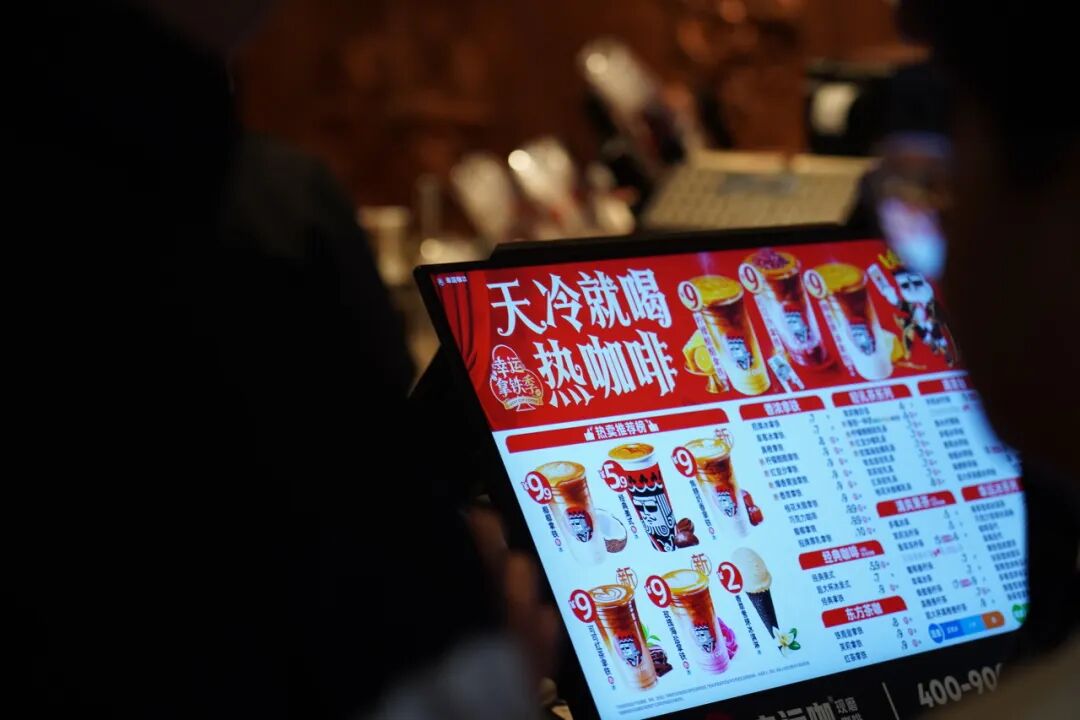
2026年河南郑州咖啡展会
Sou Hu Cai Jing· 2025-10-31 14:02
Market Overview - The Chinese coffee market is experiencing rapid growth, with the industry scale expected to exceed 313.3 billion yuan in 2024, representing an 18.1% year-on-year increase, making China the most dynamic coffee consumption market globally [6] - The consumer demographic is expanding, with individuals aged 20-40 accounting for over 80% of coffee drinkers, and the per capita annual coffee consumption reaching 22.24 cups, a growth of over 30% from the previous year [6] Competitive Landscape - The competition in the coffee market has spread from first-tier cities to a broader range, with distinct consumption characteristics in different cities. Shanghai remains the top consumer city, followed by Beijing, with Hangzhou surpassing Guangzhou and Shenzhen to rank third [8] - In first-tier and new first-tier cities, brands focus on quality and experience, with Starbucks and %Arabica emphasizing cultural atmospheres [8] Supply Chain Dynamics - The import value of coffee beans in China is projected to reach 6.92 billion yuan in 2024, nearly tripling since 2020. Domestic coffee production is also rising, with Yunnan becoming a key cultivation area, covering over 1.2 million acres and producing over 140,000 tons annually [9] - The local coffee variety, Baoshan small-grain coffee, is gaining international recognition, meeting both domestic and export demands [9] Consumer Trends - The trend of establishing boutique coffee shops is rising, with consumers prioritizing brand identity and diverse experiences. Second and third-tier cities are becoming the main battleground for brand expansion, with companies like Luckin and Manner focusing on high-density store coverage and competitive pricing [10] - Emerging cities like Chengdu, Hangzhou, Nanjing, and Chongqing are showing significant sales growth, with Chengdu's sales growth rate reaching 8.0% in the past two years [12] Online and Offline Integration - The coffee consumption ecosystem is driven by both online and offline channels, with online coffee-related stores on platforms like Taobao and Tmall increasing by 25.7% year-on-year, totaling nearly 100,000 stores in 2024 [12] - The online market is particularly strong in second-tier cities, while lower-tier cities represent a significant growth opportunity due to their large population base [12] Innovation and Trends - The coffee industry is undergoing comprehensive innovation, with health-conscious products gaining traction, including low-caffeine coffee and functional products with added dietary fiber and probiotics, with "zero sugar, zero calorie" coffee growing at a rate of 300% [15] - Localized innovations are emerging, such as the introduction of coconut lattes and jasmine tea coffee, catering to Chinese consumer preferences [15] - The "coffee+" model is expanding, integrating coffee with various sectors like tourism, office spaces, and entertainment, meeting the social and entertainment needs of younger consumers [15]
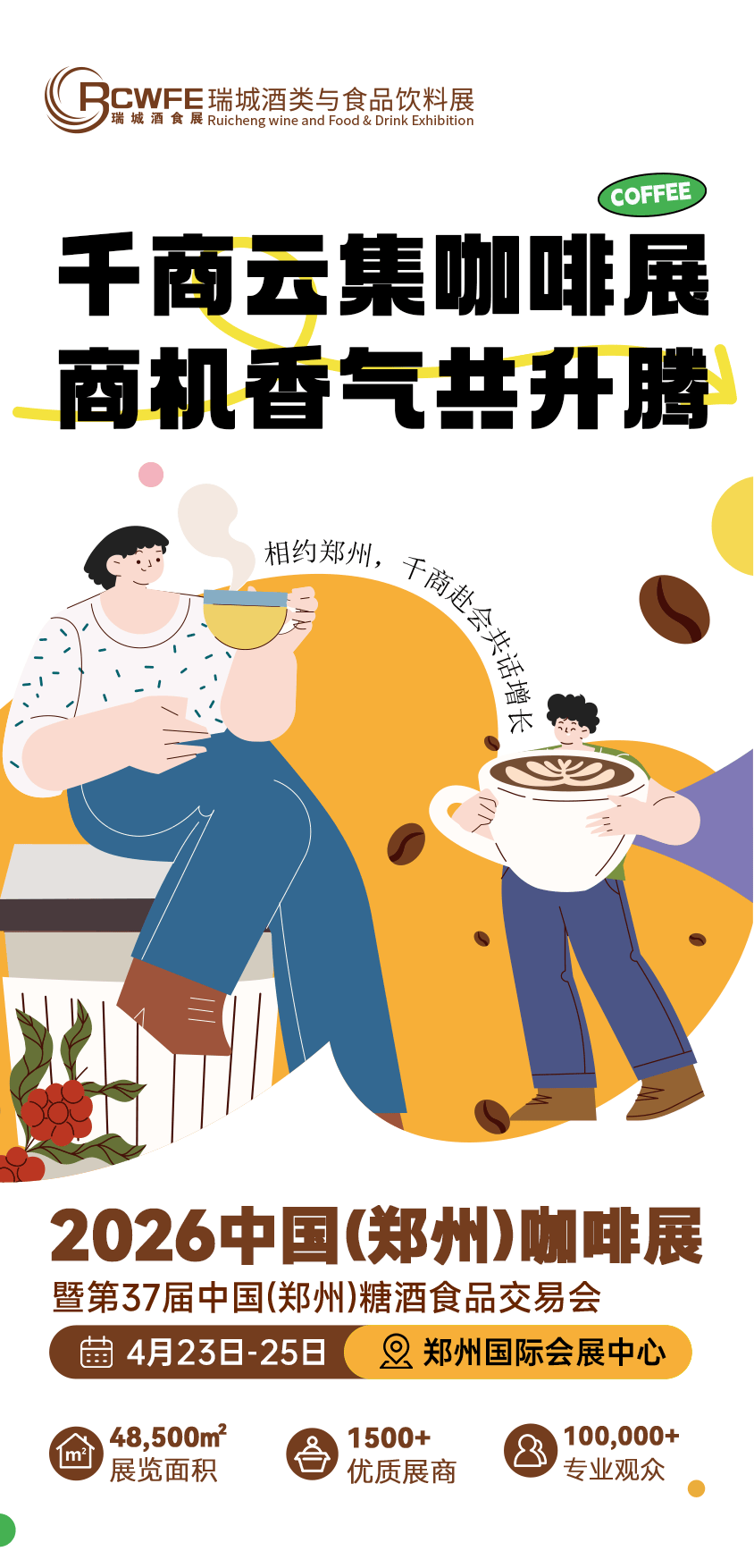
买下年入220亿的星巴克中国,是笔好生意吗
凤凰网财经· 2025-10-31 12:34
Core Viewpoint - Starbucks China is increasingly seen as a promising investment opportunity, with significant growth in revenue and store profitability, despite facing competition from local brands like Luckin Coffee [2][3][21]. Group 1: Financial Performance - In Q4 of fiscal year 2025, Starbucks China's revenue grew by 6% year-on-year to $831.6 million (approximately RMB 5.913 billion), while the full fiscal year revenue increased by 5% to $3.105 billion (approximately RMB 22.077 billion) [2]. - The operating profit margin for Starbucks China has remained in double digits, with operating profit and margin improving for four consecutive quarters [3]. - Same-store sales in Starbucks China increased by 2% year-on-year, with transaction volume rising by 9%, although the average ticket price fell by 7% [12]. Group 2: Growth Strategies - The core driver of growth in Starbucks China is price adjustments, with significant price reductions on key products leading to a doubling of sales for iced tea and continued growth for tea lattes [8][9]. - Promotional activities and product innovations, particularly in the tea latte series, have contributed to sales growth, with a record single-day sales achieved through seasonal promotions [9][10]. - The delivery service "Star Express" has also seen record sales, benefiting from the competitive landscape of food delivery [10]. Group 3: Market Position and Competition - Starbucks China is currently in the process of selling equity stakes, with potential valuations exceeding $4 billion, and possibly over $10 billion when including franchise fees [17][20]. - Competitors like Luckin Coffee are rapidly expanding, with a 47.1% year-on-year revenue growth and a total of 26,206 stores, significantly outpacing Starbucks [22][23]. - The domestic coffee market is becoming increasingly competitive, with brands like Kudi Coffee also expanding rapidly and achieving profitability [25][26]. Group 4: Operational Changes - Starbucks is shifting towards a more localized operational model by granting more autonomy to its Chinese team, which is seen as essential for adapting to the local market [13][14]. - The company is exploring partnerships with local investors to enhance its market presence, indicating a strategic pivot towards greater localization [15][17]. - However, there are concerns about maintaining Starbucks' cultural identity amidst these changes, as the company navigates the complexities of the Chinese market [27][28].

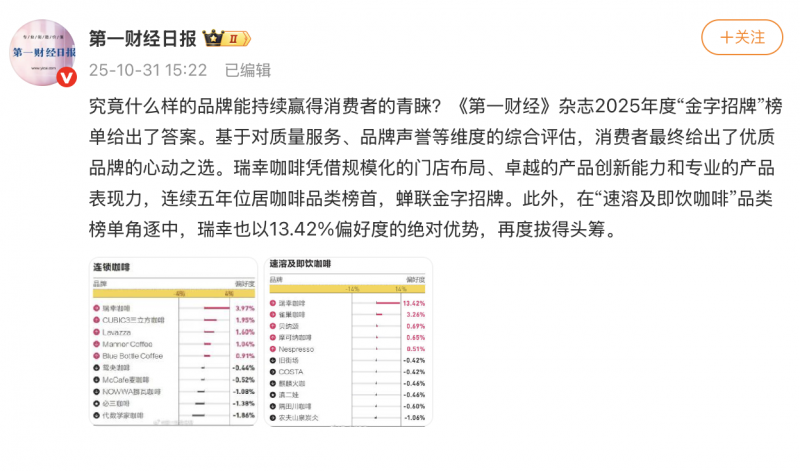
瑞幸咖啡蝉联《第一财经》杂志“金字招牌”,连续五年位居咖啡品类第一
Cai Fu Zai Xian· 2025-10-31 10:07
Core Insights - Luckin Coffee has been awarded the "Golden Signboard" honor by Caixin magazine for three consecutive years, highlighting its strong market position and brand recognition in the competitive coffee sector [1][3] - In the instant and ready-to-drink coffee category, Luckin Coffee leads with a preference rate of 13.42%, significantly ahead of the second place at 3.26%, demonstrating its dominance in consumer preference [1][2] Company Performance - As of the end of Q2 2025, Luckin Coffee has expanded its store count to over 26,000, indicating a robust growth strategy and market penetration [5] - The company has also made strides in international expansion, opening its first stores in New York in June 2025, marking a significant step in its global strategy [5] - Luckin Coffee has accumulated over 380 million transaction customers, setting a new record for user scale, which reflects its successful customer engagement and retention strategies [5] Brand Recognition - The "Golden Signboard" award is based on consumer preference surveys and requires brands to rank first in their category for three consecutive years, underscoring the high level of consumer trust and satisfaction with Luckin Coffee [3] - The recognition serves as a testament to Luckin Coffee's market satisfaction and brand reputation, reinforcing its position as a leading player in the Chinese coffee market [3]
买下年入220亿的星巴克中国,是笔好生意吗
21世纪经济报道· 2025-10-31 09:14
Core Viewpoint - Starbucks China is increasingly seen as a promising investment target, with significant growth potential and strategic changes underway [1][4]. Financial Performance - In Q4 of FY2025, Starbucks China reported a revenue increase of 6% year-on-year to $831.6 million (approximately RMB 5.913 billion) [1]. - For the entire FY2025, revenue grew by 5% to $3.105 billion (approximately RMB 22.077 billion) [1]. - The operating profit margin for Starbucks China remains in double digits, with operating profit and margin improving for four consecutive quarters [1]. Growth Strategies - The core driver of growth in Starbucks China is price adjustments, with significant price reductions on key products starting June 10 [6]. - Promotions and product innovations, particularly in the tea latte series, have contributed to sales growth [6]. - The launch of limited-time products during seasonal events has led to record daily sales [6]. - The delivery service "Zhuan Xing Song" has achieved historical highs in sales across various time frames [6]. Market Position and Competition - Same-store sales increased by 2% year-on-year, with transaction volume up by 9%, although average transaction value declined by 7% [7]. - Starbucks has opened 8,011 stores across 1,091 county-level cities, maintaining high profitability for new stores [7]. - The competitive landscape is intensifying, with Luckin Coffee reporting a 47.1% revenue increase and expanding its store count significantly [11][12]. Strategic Partnerships and Future Outlook - Starbucks is in the process of selling a stake in its China operations, with potential valuations exceeding $4 billion, and possibly over $10 billion when including franchise fees [8][9]. - The company aims to retain a significant portion of its stake in the Chinese market while seeking strategic partners [9]. - The cultural and operational identity of Starbucks may be challenged as it seeks to adapt to the local market [12].

平价咖啡将诞生新万店品牌,咖啡市场进入“质价比”时代?
Xin Lang Ke Ji· 2025-10-31 08:04
Core Insights - The Chinese fresh coffee market is undergoing a significant transformation, shifting from a "brand premium" focus to a "quality-price ratio" emphasis, particularly in first-tier cities [1][3] - Starbucks is facing unprecedented competition from affordable coffee brands like Luckin Coffee, Kudi, and others, which are gaining dominance in this emerging market [1][3] Market Dynamics - The Chinese coffee market is projected to exceed 500 billion yuan by 2030, driven by three key industry variables: the entry of tea brands lowering coffee prices, low market concentration, and evolving consumer perceptions [3][5] - Consumers are increasingly willing to pay for quality rather than brand, leading to a trend where price equality becomes essential [3][5] Competitive Landscape - Starbucks' average price per cup is around 30 yuan, while competitors like Luckin Coffee and Kudi offer prices ranging from 4.5 to 16 yuan, creating a significant price gap that challenges Starbucks' competitive advantage [3][4] - Brands like Luckin Coffee have successfully attracted younger consumers by offering "low-price, high-quality" products, reshaping consumer perceptions of coffee pricing [3][4] Brand Performance - Luckin Coffee's "Coconut Latte" has achieved sales exceeding 300 million yuan, with over 30 million cups sold, showcasing its strong market presence [4] - The brand has expanded rapidly, with over 9,000 stores, doubling its scale since the beginning of the year, and has opened its first overseas store in Malaysia [4][5] Consumer Behavior - There is a notable shift in consumer behavior, with many opting for affordable coffee options, indicating a change in the perception of coffee consumption from a luxury to a daily necessity [5][6] - The demand for reasonably priced, quality coffee is consistent across different market segments, suggesting that the "high-quality, low-price" model has long-term potential [5][6] Supply Chain and Operational Efficiency - Luckin Coffee's competitive edge lies in its supply chain management, which includes significant production capacity and cost control, allowing it to maintain quality at lower prices [6] - The brand's operational model serves as a blueprint for the coffee industry, emphasizing the importance of supply chain foundations, product-market fit, and targeted expansion [6]