金融租赁

Search documents
北银金租董事长“疑似失联” 其电话处于无人接听状态
news flash· 2025-07-07 04:53
近日,记者从知情人士处获悉,北银金融租赁有限公司现任董事长孔海涛"疑似失联"。记者随即多次尝 试电话联系孔海涛两个常用手机号码,均处于无人接听状态。记者同时致电北银金租及控股股东北京银 行,均未获得明确答复。公开资料显示,孔海涛现任北银金融租赁有限公司董事、董事长,为北银金租 第三任董事长。此前,曾有传言"失联"的北银金租首任董事长闫冰竹因严重违纪违法于2024年被查。 (第一财经) ...
非银金融行业周报:6月新开户同比高增,头部券商受益于港股高景气-20250706
KAIYUAN SECURITIES· 2025-07-06 10:58
非银金融 2025 年 07 月 06 日 投资评级:看好(维持) 行业走势图 数据来源:聚源 -19% 0% 19% 38% 58% 77% 2024-07 2024-11 2025-03 非银金融 沪深300 相关研究报告 《稳定币主题催化券商板块上涨,中 报 有 望 延 续 高 景 气 — 行 业 周 报 》 -2025.6.29 《券商中报向好叠加公募欠配,看好 板块机会—行业点评报告》-2025.6.25 《规范分红险分红水平,券商分类评 价 新 规 突 出 功 能 性 — 行 业 周 报 》 -2025.6.22 6 月新开户同比高增,头部券商受益于港股高景气 ——行业周报 高超(分析师) 卢崑(分析师) gaochao1@kysec.cn 证书编号:S0790520050001 lukun@kysec.cn 证书编号:S0790524040002 周观点:6 月新开户同比高增,头部券商受益于港股高景气 6月上交所新开户人数同比高增,交易量高增、债市和股市向好、海外业务充分 受益于港股市场高景气,预计上市券商中报业绩延续一季度以来的同比高增,关 注后续业绩预告、稳定币等主题催化,继续看好券商板块机 ...
★金融政策打出组合拳 释放稳市场稳预期强烈信号
Zheng Quan Shi Bao· 2025-07-03 01:56
Group 1 - The core viewpoint of the news is the announcement of a comprehensive financial policy package by the People's Bank of China, the National Financial Regulatory Administration, and the China Securities Regulatory Commission to stabilize the market and expectations [1] - The implementation of a moderately loose monetary policy includes a 0.5 percentage point reduction in the reserve requirement ratio, aimed at enhancing liquidity and credit supply in specific sectors [1][2] - The reduction in the reserve requirement ratio for auto finance and financial leasing companies from 5% to 0% is expected to lower their funding costs and improve credit supply capabilities [2] Group 2 - The People's Bank of China has introduced measures to lower policy interest rates, including a 0.1 percentage point reduction in the 7-day reverse repurchase rate, which is expected to lead to a similar decrease in the Loan Prime Rate (LPR) [2] - The central bank's support for capital markets includes optimizing two monetary policy tools with a total quota of 800 billion yuan, allowing for more flexible use of funds [3] - The Central Huijin Investment Company is emphasized as a key player in maintaining capital market stability, with the central bank providing sufficient support for its operations [3] Group 3 - The expansion of pilot programs for insurance funds to invest long-term is set to inject an additional 60 billion yuan into the market, alongside adjustments to solvency regulations to encourage more stock investments [4] - The focus on increasing the scale and proportion of long-term funds entering the market is highlighted, with initiatives to promote high-quality development of public funds [4] - The roadmap for capital market reforms includes measures to enhance the stability and adaptability of the market, with a focus on supporting technological innovation and improving the investment environment for foreign entities [5]
中资离岸债周报 | 上周中骏集团控股订立重组支持协议,深圳龙光控股发送境内债券重组议案
Sou Hu Cai Jing· 2025-06-30 12:36
Group 1 - The iBoxx China USD bond investment-grade index rose by 0.59% and the speculative-grade index increased by 1.25% [2] - The People's Bank of China and six departments issued guidelines to support consumption and stabilize economic expectations, emphasizing the importance of monetary policy and fiscal policy coordination [2] - The manufacturing PMI for June was reported at 49.7%, while the non-manufacturing PMI was at 50.5%, indicating a slight recovery in economic activity [3] Group 2 - The issuance scale of offshore bonds decreased in the primary market, while the secondary market saw slight increases in investment-grade and high-yield bond indices [3] - The energy futures prices dropped due to easing tensions in the Middle East, affecting related bonds in the petrochemical sector [4] - The real estate high-yield bond index showed a slight increase, with companies like Vanke completing significant bond repayments [4] Group 3 - Zhongjun Group signed a restructuring support agreement to restructure $2.271 billion in debt [5] - Shenzhen Longguang Holdings sent a restructuring proposal to creditors for 21 company bonds and asset-backed securities [5] - CIFI Holdings announced that its offshore debt restructuring plan was approved by the court [5] Group 4 - The U.S. core PCE price index rose by 2.7% year-on-year, slightly above market expectations, while personal consumption expenditures fell by 0.3% month-on-month [6] - The Hong Kong government reopened existing 3-year and 5-year government bonds, with issuance sizes of HKD 1.25 billion each [9] - The National Development Bank successfully issued dual-currency bonds in the international market, achieving a high subscription rate [9] Group 5 - S&P restored the credit rating of China Great Wall Asset Management to "BBB" with a stable outlook after a capital injection [15] - Moody's upgraded Shanghai Electric's rating to "Baa2" with a positive outlook, expecting improved leverage ratios [16] - New World Development secured written commitments from all banks for a HKD 87.5 billion refinancing [29]


非银金融行业周报:稳定币主题催化券商板块上涨,中报有望延续高景气-20250629
KAIYUAN SECURITIES· 2025-06-29 10:01
Investment Rating - The industry investment rating is "Overweight" (maintained) [1] Core Viewpoints - The report highlights that the stablecoin theme has catalyzed a significant increase in the brokerage sector, with a notable 7.62% rise in the brokerage sector this week. The trading volume has shown a substantial increase, with daily average stock fund transaction amounting to 1.80 trillion, up 23.1% month-on-month. The brokerage sector is expected to maintain high prosperity in the mid-year reports, supported by low valuations and institutional underweighting [5][6] - The report emphasizes three main stock selection themes: retail brokers with strong earnings elasticity, Hong Kong Exchanges benefiting from IPO expansion and increased activity, and financial technology targets [5] Summary by Sections Non-Bank Financial Sector - The report indicates that the non-bank financial sector is experiencing a positive trend, with a focus on the brokerage segment due to improved trading activity and favorable macroeconomic conditions [5][6] - The insurance sector has shown improvement in premium growth, with life insurance premiums reaching 24,473 billion, up 3.72% year-on-year, and property insurance premiums at 6,129 billion, up 3.98% [6] Recommended and Beneficiary Stocks - Recommended stock combinations include Jiangsu Jinzheng, Hong Kong Exchanges, China Pacific Insurance, and others such as Dongfang Securities and China Life Insurance [7][8] - Beneficiary stocks highlighted in the report include Guosen Securities, CICC, and others [8]
美年健康: 关于公司及下属子公司提供担保的进展公告
Zheng Quan Zhi Xing· 2025-06-27 16:26
Summary of Key Points Core Viewpoint The company, Meinian Health Industry Holdings Co., Ltd., has approved a total guarantee limit of up to RMB 4.9 billion for financing in 2025, which includes various subsidiaries and specific contracts with banks for joint liability guarantees. Group 1: Guarantee Overview - The company and its subsidiaries have been authorized to provide a cumulative guarantee limit of up to RMB 4.9 billion for financing in 2025 [1] - A contract was signed with Huaxia Bank for a joint liability guarantee of RMB 10 million for Guangzhou Meinian Health Medical Outpatient Department [1] Group 2: Specific Contracts and Amounts - Contracts were signed with Ningbo Bank for guarantees of RMB 10 million each for two subsidiaries, and with Leshan Commercial Bank for RMB 7 million for Chengdu Jinniu Meinian [2] - Additional contracts with Guangfa Bank provided guarantees totaling RMB 1.62 million for three subsidiaries in Shanghai [2] Group 3: Internal Adjustments and Financial Health - The company can adjust the guarantee amounts among subsidiaries based on operational needs, with specific adjustments noted for subsidiaries with over 70% debt-to-asset ratios [4][5] - The financial health of the subsidiaries is generally stable, with no subsidiaries listed as dishonest executors [6][8][9][10][12][14][18][21][24][25][27][29] Group 4: Financial Metrics of Subsidiaries - Recent financial metrics for subsidiaries show total assets ranging from approximately RMB 39 million to over RMB 16 billion, with varying levels of liabilities and net assets [7][8][10][13][17][22][24][30] - The subsidiaries have reported revenues and profits, with some showing significant growth while others are operating at a loss [10][12][23][30] Group 5: Company Structure and Ownership - Meinian Health directly or indirectly holds 100% equity in several subsidiaries, including Wuhan Meinian, Dongguan Meizhao, and others, indicating a strong control over its operational entities [8][9][10][12][14][18][20][22][24][30] - The company is actively managing its subsidiaries to ensure compliance and financial stability, with a focus on health services and related sectors [1][2][3][4][5][6]

浙商银行:拟对控股子公司增资最高不超过10.2亿元
news flash· 2025-06-27 09:29
Core Viewpoint - Zhejiang Zheshang Bank announced a capital increase for Zhejiang Zheshang Financial Leasing Co., Ltd., with a maximum investment of 1.02 billion RMB, following the decision made in the fifth temporary meeting of the seventh board of directors on June 27, 2025 [1] Group 1: Company Actions - The company approved a proposal for a capital increase in Zhejiang Zheshang Financial Leasing Co., Ltd. [1] - The related party, Zhejiang Jin Kong, voluntarily waived its subscription rights for this capital increase [1] Group 2: Financial Performance - As of the end of 2024, Zhejiang Zheshang Financial Leasing had total assets amounting to 78.327 billion RMB [1] - The company reported an operating income of 2.361 billion RMB and a net profit of 1.034 billion RMB for the year 2024 [1]
沪农商行:一江金融水 “三重”生态共潮生
21世纪经济报道· 2025-06-26 05:52
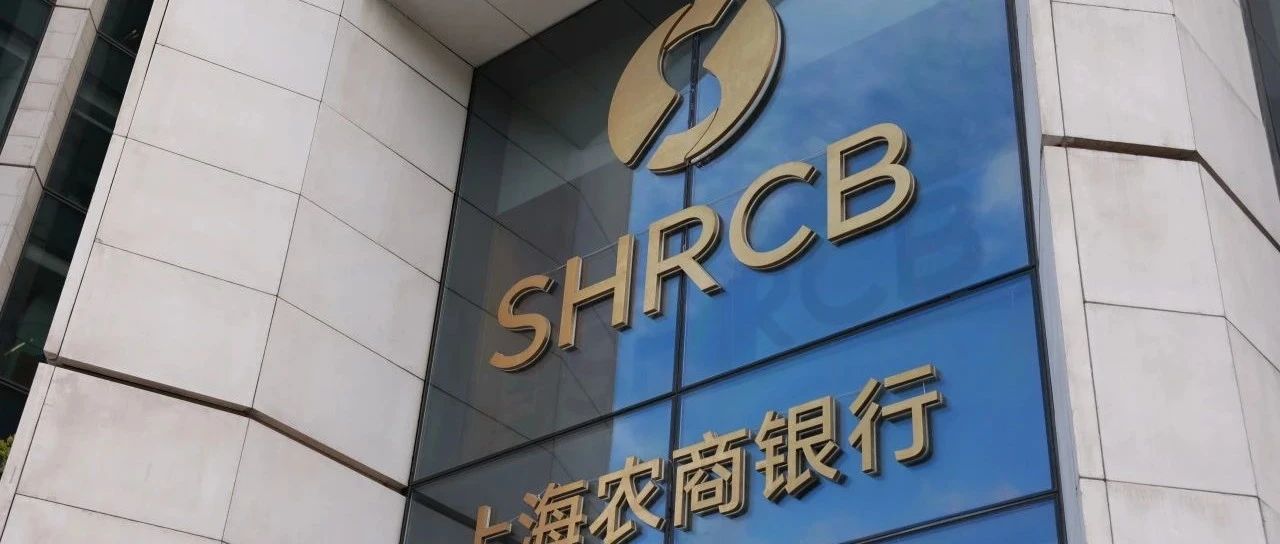
Core Viewpoint - The article emphasizes the transformation of Shanghai Rural Commercial Bank into a key player in green finance, aligning with national strategies for carbon neutrality and regional integration in the Yangtze River Delta, while fostering innovation and collaboration across various sectors [1][2][4]. Green Finance Development - Shanghai Rural Commercial Bank has established a comprehensive green finance system, integrating top-level design and organizational structure into its strategic development plan, aiming to become the most environmentally friendly bank in the Yangtze River Delta [2]. - The bank has initiated a green finance business management system, utilizing big data for intelligent identification of green projects and precise assessment of environmental benefits [2]. - By the end of Q1 2025, the bank's green financing scale is expected to exceed 1.2 trillion yuan, with an annual compound growth rate of over 60% in green credit over the past three years, leading the national rural financial institutions [3]. Value Co-Creation - The bank actively integrates local experience with green finance and ESG principles, supporting rural green revitalization projects that significantly reduce carbon emissions and promote sustainable agriculture [3]. - Innovative green financial products have been launched, including the first chemical industry transformation loan and various ESG-focused loans, addressing comprehensive financial needs for ecological restoration and green carbon reduction [3]. Collaborative Ecosystem - Shanghai Rural Commercial Bank has signed the UNEP FI's Responsible Banking Principles, launching the "Green Xin Tong Zhou" brand to promote a collaborative approach to sustainable development [4]. - The bank's "Xin Ecosystem" initiative aims to create a collaborative financial ecosystem by integrating various stakeholders, enhancing resource allocation, and addressing climate and ecological challenges [4][10]. Innovation in Technology Finance - The bank has developed a comprehensive support system for technology enterprises, providing loans to nearly 4,500 tech firms, with a total loan amount exceeding 1.2 trillion yuan, significantly supporting small and medium-sized enterprises [8][9]. - The "Xin Dong Neng" strategy has evolved to offer a full-cycle, multi-dimensional service model, enhancing collaboration with government and financial institutions to foster innovation [9][10]. Regional Integration - Shanghai Rural Commercial Bank has taken significant steps in regional integration by establishing branches in the Yangtze River Delta and investing in local banks, aligning with national development strategies [11][12]. - The bank's subsidiary, Changjiang United Financial Leasing, focuses on modern manufacturing and green leasing, contributing to the development of a modern industrial system [12].
聚力服务国家战略 助推实体经济高质量发展——越秀资本参展第十四届金交会
Zheng Quan Shi Bao Wang· 2025-06-26 05:34
Core Viewpoint - The article highlights the achievements and strategic focus of Guangzhou Yuexiu Capital Holdings Group Co., Ltd. at the 14th China (Guangzhou) International Financial Trading Expo, emphasizing its commitment to supporting the real economy and promoting high-quality development through diversified financial services [1] Group 1: Company Overview - Guangzhou Yuexiu Capital was established in 2000 and is listed on the Shenzhen Stock Exchange under the stock code "000987.SZ" [4] - The company has formed a "3+1" core industry structure, focusing on financing leasing, non-performing asset management, and investment management, along with strategic investment in CITIC Securities [1][4] - Yuexiu Capital has received an AAA rating from China Chengxin Credit Rating Group since 2018 and is the second-largest shareholder of CITIC Securities [4] Group 2: Financial Services and Achievements - The company has invested over 2.7 trillion yuan since its inception, with more than 1.4 trillion yuan allocated to green projects, accounting for over 50% of its green business revenue [4] - Yuexiu Capital has developed a dual platform for green asset "development and operation" and "investment management," with cumulative investments in green finance exceeding 154 billion yuan [2] - The company has served over 528,000 households through distributed photovoltaic installations, with a cumulative installed capacity of 14.89 GW [2] Group 3: Awards and Recognition - Yuexiu Leasing, a subsidiary of Yuexiu Capital, received multiple awards, including "Guangdong Green Finance Reform Innovation Promotion Case" and "2024 'Points to Gold' Digital Finance Excellent Unit" [3] - The recognition reflects the company's commitment to green transformation and digital finance innovation, enhancing operational efficiency and promoting the growth of green finance [3] Group 4: Strategic Focus - The company aims to deepen its financial services to support national strategies such as carbon neutrality, technological self-reliance, and rural revitalization [1][2] - Yuexiu Capital is committed to expanding inclusive financial services, having invested 89.5 billion yuan to serve over 553,000 small and micro enterprises [2]

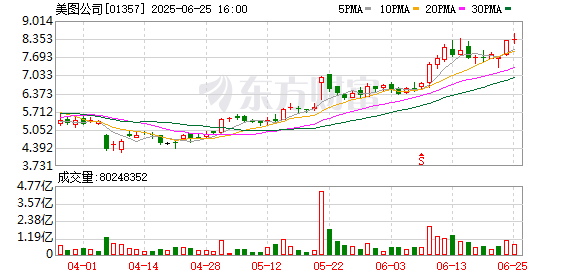
美图创始人蔡文胜出手!瞄准Web3、数字资产领域
2 1 Shi Ji Jing Ji Bao Dao· 2025-06-25 08:41
Core Viewpoint - China Financial Leasing's stock surged upon resuming trading, reflecting investor interest following a significant equity transfer and strategic plans for future investments in technology and digital assets [2] Group 1: Company Overview - China Financial Leasing resumed trading on June 25, opening with a 646% increase, reaching a high of 2.50 HKD per share before stabilizing at 1.16 HKD [2] - The company announced the transfer of 34.96% equity, involving 121 million shares for approximately 46.08 million HKD [2] - The acquirer, Longling Capital Ltd, is required to make a conditional cash offer at 0.38 HKD per share, a 13.43% premium over the last closing price of 0.335 HKD [2] Group 2: Strategic Intentions - Longling Capital aims to maintain the listing of shares on the Hong Kong Stock Exchange and establish an asset management platform focused on investing in technology incubation companies in Hong Kong [2] - The investment strategy will emphasize sectors such as artificial intelligence, Web3, and digital asset financial products, with the goal of creating a world-class investment holding group [2] Group 3: Key Individual - Cai Wensheng, founder of Meitu and the largest shareholder, is the chairman of Longling Capital and has a notable history in internet entrepreneurship and investment [3][4] - Cai has been involved in various successful investments and is recognized for his rapid decision-making in investment opportunities [4] Group 4: Previous Investment Performance - Meitu's investments in cryptocurrencies faced challenges, leading to significant impairment losses in 2022 and 2023, with reported losses of approximately 86.6 million RMB and 198.2 million RMB for Ethereum and Bitcoin, respectively [5] - Following a recovery in cryptocurrency prices, Meitu sold its holdings in late 2024, realizing a profit of approximately 79.63 million USD, which will be partially distributed as special dividends [6]