
农机制造

Search documents
丰华股份股价上涨1.79% 证券简称将变更为鑫源智造
Jin Rong Jie· 2025-08-19 17:47
Group 1 - The latest stock price of Fenghua Co., Ltd. is 13.64 yuan, an increase of 0.24 yuan or 1.79% from the previous trading day's closing price [1] - The opening price for the day was 13.30 yuan, with a highest point of 13.75 yuan and a lowest point of 13.12 yuan, with a trading volume of 104,515 hands and a transaction amount of 141 million yuan [1] - The company specializes in the production and sales of magnesium-aluminum alloy automotive parts and has expanded its business scope after Dongfang Xinyuan Group took over in August 2024 [1] Group 2 - As of the first quarter of 2025, the revenue from Xinyuan agricultural machinery accounted for 79.80% of the company's total revenue [1] - Starting from August 22, 2025, the company's stock name will change from "Fenghua Co., Ltd." to "Xinyuan Intelligent Manufacturing" [1] - The company has completed the business license change, with its full name changing from "Chongqing Fenghua (Group) Co., Ltd." to "Chongqing Xinyuan Intelligent Manufacturing Technology Co., Ltd." [1] Group 3 - On August 19, 2025, the net inflow of main funds was 441,100 yuan, accounting for 0.01% of the circulating market value [1] - Over the past five days, the net outflow of main funds was 18.63 million yuan, accounting for 0.61% of the circulating market value [1]

特朗普要求被拒绝,中国将订单转交他国,美国 2200 万吨库存销不掉
Sou Hu Cai Jing· 2025-08-17 10:35
Core Viewpoint - The article discusses the impact of U.S. tariffs on soybean imports from China, highlighting a significant shift in China's sourcing from the U.S. to Brazil due to price competitiveness and trade policies [1][3][29]. Group 1: U.S.-China Soybean Trade Dynamics - Trump has urged China to increase soybean orders from the U.S. by four times, but recent reports indicate that China has sourced all its September and October soybean needs from Brazil and other South American countries, leaving U.S. suppliers empty-handed [3][5]. - The U.S. soybean import tariff to China has reached 23%, making U.S. soybeans significantly more expensive compared to Brazilian soybeans, which are approximately 200 yuan per ton cheaper [5][12]. - China's soybean imports from the U.S. have drastically decreased from 30 million tons in 2016 to an estimated 22.13 million tons in 2024, while imports from Brazil surged from 11.65 million tons to 74.65 million tons in the same period [7][25]. Group 2: Competitive Advantages of Brazilian Soybeans - Brazilian soybeans are favored due to lower production costs and stable supply, enhanced by a currency swap agreement with China that allows transactions without using U.S. dollars [10][12]. - Brazil's soybean production exceeds 160 million tons annually, ensuring a reliable supply to meet China's demands, while U.S. soybean quality has declined, failing to meet the increasing demand for high-protein soybeans in China [10][12]. - The efficiency of Brazilian ports has improved significantly, with a 48% increase in the number of vessels unloading Brazilian soybeans at Ningbo-Zhoushan port compared to the previous year [12]. Group 3: Economic Impact on U.S. Farmers - The U.S. soybean export value to China is projected to drop by at least several billion dollars due to the current trade dynamics, with soybean prices falling from $13-$15 per bushel in 2023 to around $9 [14][20]. - The financial strain on U.S. farmers is evident, with many facing bankruptcy risks and significant losses in income, affecting local economies reliant on agricultural revenue [16][18]. - The increase in tariffs has led to a rise in costs for agricultural machinery and fertilizers, further exacerbating the financial challenges faced by U.S. farmers [20][22]. Group 4: China's Strategic Shift in Soybean Sourcing - China is diversifying its soybean import sources to enhance food security, with projections indicating that by 2024, 71% of its soybean imports will come from Brazil, while only 21% will be from the U.S. [25][27]. - The Chinese government is also investing in domestic soybean production, aiming to increase output from 20.65 million tons in 2024 to 23 million tons by 2025 through various initiatives [25][27]. - The development of non-GMO soybean futures by the Dalian Commodity Exchange positions China as a global pricing center for non-GMO soybeans, reflecting a strategic move to gain control over its agricultural supply chain [27][29].


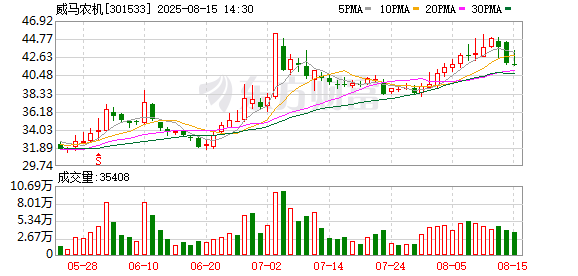
威马农机:公司在泰国全资子公司诺威斯动力设备有限公司建设生产基地,目前进展顺利,已经在组织相关生产
Mei Ri Jing Ji Xin Wen· 2025-08-15 06:29
Group 1 - The company is constructing a production base in Thailand through its wholly-owned subsidiary, Norvis Power Equipment Co., Ltd, and the progress is reported to be smooth [2] - The Thai factory is expected to meet local content requirements, which is crucial for the company's expansion into overseas markets [2] - Southeast Asia is identified as a significant market for the company's business expansion, and the Thai factory will enhance the depth of market penetration in this region [2]
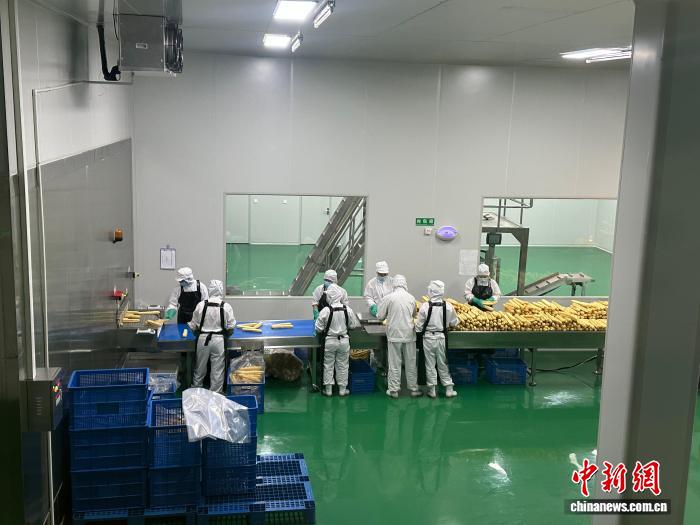
山东民营企业深耕“责任田” 扎根实业书写“担当答卷”
Zhong Guo Xin Wen Wang· 2025-08-14 19:25
Group 1 - The "Double Cooperative Model" initiated by the village party branch encourages farmers to invest land, transforming small plots into larger, more efficient farming areas [2] - Jin Feng Agricultural Service Company provides comprehensive services from agricultural supplies to mechanized farming and post-harvest sales, enhancing productivity and reducing costs [2] - The village's land management strategy has improved efficiency, reduced debt, and increased income for farmers, with a guaranteed minimum income of 800 RMB per mu and potential year-end dividends [1][2] Group 2 - Fada Flour Group emphasizes quality control by sourcing wheat from local farmers within a ten-kilometer radius, ensuring high standards from field to processing [3] - The company has implemented strict sealing measures for transportation vehicles to minimize losses during the wheat transport process, reducing breakage rates from 0.3% to 0.2% [5] - The reduction in breakage rate translates to significant savings, equating to approximately 3,000 tons of wheat annually, which corresponds to the yield from around 6,000 to 7,000 mu of farmland [5] Group 3 - Shandong Wuzheng Group is innovating traditional agricultural practices with modern machinery, achieving a 25% reduction in fuel consumption with their hybrid CVT tractors [5] - The company has invested nearly 300 million RMB in green development projects, including energy-saving technology upgrades, contributing to reduced carbon emissions [5] - The private sector in Shandong is showing robust growth, with a reported increase in the private economy's value added by 5.7% year-on-year, accounting for 50.7% of the province's GDP [6]
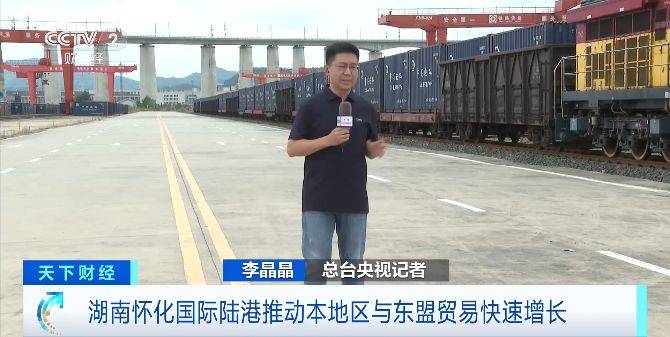
湖南怀化国际陆港推动本地区与东盟贸易快速增长
Sou Hu Cai Jing· 2025-08-07 11:34
Core Viewpoint - The Hunan Huaihua region has become the most convenient international corridor connecting ASEAN for Hunan and the central region, serving as the only ASEAN cargo aggregation center in Hunan, with significant growth in import and export activities in the first half of the year [1] Group 1: Transportation and Logistics - 70% of the cargo through the Western Land-Sea New Corridor is transported via Huaihua to ASEAN, with a fixed train service known as "scheduled train" facilitating international freight [3] - A scheduled freight train carrying 50 containers, loaded with over 500 tons of goods including fertilizers and auto parts, can reach Vientiane, Laos in three days, while returning with local products [3][5] Group 2: Import and Export Growth - The establishment of a "point-to-point" cooperation mechanism among customs in Huaihua, Yunnan, and Guangxi has led to a rapid increase in the import of high-quality agricultural products from ASEAN, with over 40,000 tons of cassava starch imported in the first half of the year [5] - A total of 816 standard containers of imported fruits were transported, valued at 37.78 million yuan, including durians, longans, and bananas from Southeast Asia, enhancing domestic consumer choices [7] Group 3: Cost and Efficiency Improvements - The transportation of small agricultural machinery from Hunan to Laos via Huaihua International Land Port has seen a significant reduction in transit time, now taking only five days instead of the previous 25 days, while costs have decreased from 32,000 yuan to 17,000 yuan for a fully loaded 40-foot container [11]
“你追我赶” 各地经济增长动能足
Ren Min Ri Bao Hai Wai Ban· 2025-08-01 01:47
Economic Overview - The economic performance report for the first half of the year shows that all provinces in China achieved positive GDP growth, with most provinces exceeding a 5% growth rate [2][3] - Major economic provinces like Guangdong and Jiangsu lead the GDP rankings, with Guangdong's GDP reaching 68,725.4 billion yuan and Jiangsu's at 66,967.8 billion yuan [3] Growth Rates - Tibet, Gansu, and Hubei are leading the nation with GDP growth rates above 6%, specifically 7.2%, 6.3%, and 6.2% respectively [6] - Several provinces in the central region, including Hubei, Henan, Hunan, Anhui, and Jiangxi, reported GDP growth rates exceeding 5.6% [6] Regional Economic Dynamics - The competition for economic ranking among provinces is intensifying, particularly between Sichuan and Henan, with GDP figures of 31,918.2 billion yuan and 31,683.8 billion yuan respectively [4][3] - The western provinces, including Tibet, Gansu, Ningxia, and Xinjiang, are experiencing rapid economic growth, with Xinjiang's import and export value exceeding 280.8 billion yuan, a 28% increase year-on-year [7] Investment and Consumption Trends - Investment in high-tech manufacturing is active in regions like Hubei and Anhui, indicating a trend towards accelerated industrial upgrading [8] - Various provinces are focusing on stimulating domestic consumption through innovative strategies and optimizing the consumption environment [8] Foreign Trade Developments - Western provinces are enhancing their foreign trade capabilities, with a total import and export value of 2.12 trillion yuan in the first half of the year, marking a 10.4% year-on-year increase [7] - Policies are being implemented to support foreign trade enterprises in expanding into diverse international markets [9]
山城怀化何以成功打造国际陆港
Sou Hu Cai Jing· 2025-07-30 00:11
Core Insights - Hunan Huaihua is leveraging the construction of the Western Land-Sea New Corridor to enhance its international land port, driving high-quality development through the growth of port-related industries such as luggage and bamboo products [1][8] Trade Growth - In 2024, Huaihua's trade with ASEAN is expected to grow by 28.9% year-on-year, marking three consecutive years of leading foreign trade growth in Hunan Province [1] - From 2022 to 2024, Huaihua's import and export volume with other RCEP member countries is projected to grow at an annual rate of 87.23% [1] Logistics and Transportation - Huaihua International Land Port has seen a 31% year-on-year increase in the number of trains dispatched, totaling 601 in the first half of the year [1] - The cost of transporting a 40-foot container of agricultural machinery has decreased from 32,000 yuan to approximately 17,000 yuan due to the establishment of regular train services [4] - A new "scatter to gather" rail transport method has improved transport efficiency by 50% and reduced logistics costs by 30% for chemical products shipped to Vietnam [4] Industrial Development - Huaihua has attracted 172 enterprises in the luggage industry, achieving a production value exceeding 4 billion yuan within two years [7] - The luggage export value reached 260 million yuan in the first half of the year, reflecting an 80.2% year-on-year increase [7] Policy and Infrastructure - The implementation of a tax refund policy for exports has significantly shortened the refund period by 5-10 days, enhancing operational efficiency for local businesses [9] - The Huaihua International Land Port Multi-Modal Transport Center, with a capacity of 100,000 TEUs annually, is set to open in October [10] - New measures from Changsha Customs aim to promote seamless connections between various transport modes, supporting the development of Huaihua as an ASEAN cargo hub [10]
河北宁晋大陆村镇:“以新焕新”推动农机产业提质增效
Zhong Guo Chan Ye Jing Ji Xin Xi Wang· 2025-07-29 08:48
Core Viewpoint - Agricultural mechanization is a key indicator of agricultural modernization and plays a crucial role in promoting high-quality agricultural development in Dalu Village, Ningjin County, Hebei Province [1] Group 1: Industrial Cluster Development - Dalu Village is the core area of the agricultural machinery manufacturing industry cluster in Ningjin County, housing over 790 agricultural machinery manufacturing enterprises, contributing to a robust internal and expanding external market cycle [2] - The revenue of the enterprises in Dalu Village reached 12 billion yuan, with a year-on-year growth of 17.6% [2] - Notable market shares include 65% for rotary tillers and 31% for the 4LF-550 reversible plow, indicating strong competitiveness in the agricultural machinery sector [2] Group 2: Innovation-Driven Development - Dalu Village emphasizes innovation as a driver for development, establishing six industry-university-research cooperation bases with universities to tackle technical challenges and enhance product practicality [3][4] - The county has introduced 15 measures to support technological innovation, leading to the development of high-end products like Beidou navigation seeders and film recovery machines [4] - The village has nurtured one national-level "little giant" enterprise and 18 provincial-level specialized enterprises, showcasing its commitment to innovation and high-tech development [4] Group 3: Exhibition Platform Expansion - Dalu Village actively utilizes exhibitions to enhance brand visibility and market reach, with the recent agricultural machinery exhibition attracting over 620 enterprises and generating a transaction volume of 250 million yuan [5][6] - Participation in domestic and international exhibitions has significantly increased the recognition and competitiveness of Dalu Village's agricultural machinery brands [6] - The village aims to continue its focus on the agricultural machinery sector, aspiring to become a nationally recognized hub for agricultural machinery [6]
丰华股份拟更名“鑫源智造” 重庆百亿富豪龚大兴走上前台
Jing Ji Guan Cha Wang· 2025-07-28 10:16
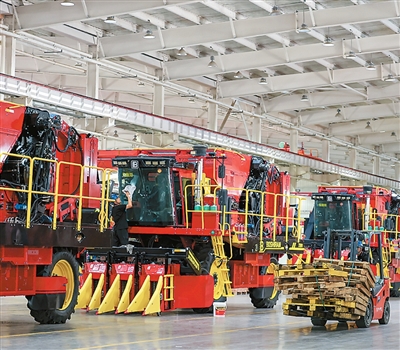
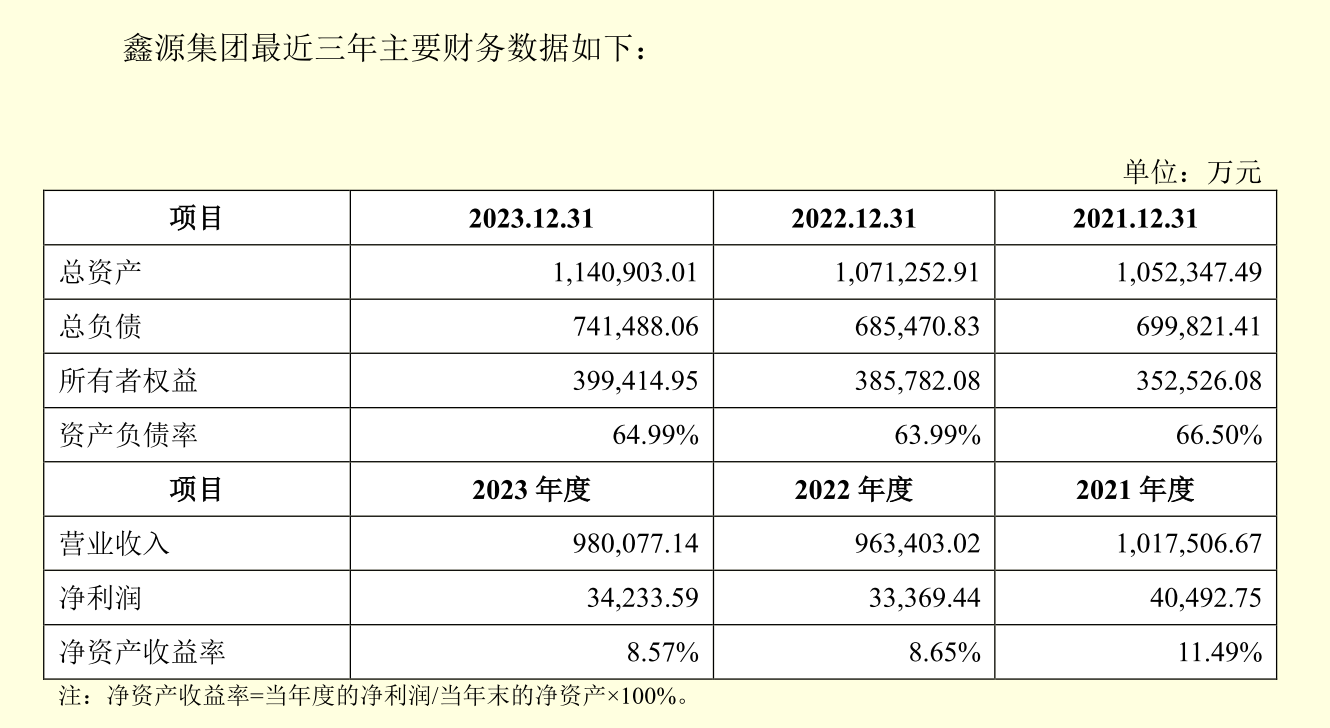
Core Viewpoint - Fenghua Co., Ltd. plans to change its name to Chongqing Xinyuan Intelligent Manufacturing Technology Co., Ltd. during its upcoming shareholder meeting on July 31, 2025, following a significant change in its ownership structure and business focus [1]. Group 1: Company Ownership and Structure - Fenghua Co., Ltd. was previously controlled by the Chongqing-based Longxin Group, which underwent bankruptcy restructuring, leading to Oriental Xinyuan Group acquiring a 29.99% stake in Fenghua for 745 million yuan [1]. - After acquiring Fenghua, Oriental Xinyuan transferred 51% of its subsidiary Xinyuan Agricultural Machinery to Fenghua, diversifying its business into the agricultural machinery sector [1]. - Xinyuan Agricultural Machinery reported revenue exceeding 470 million yuan in 2023, while Fenghua's revenue was approximately 150 million yuan, indicating a significant boost from the new asset [1]. Group 2: Key Figures and Financial Performance - Oriental Xinyuan's total assets increased from 105 billion yuan in 2021 to 114 billion yuan in 2023, while its revenue fluctuated from 101 billion yuan in 2021 to 98 billion yuan in 2023 [3]. - The company's net profit showed a slight decline from 4.05 billion yuan in 2021 to 3.42 billion yuan in 2023 [3]. - As of December 31, 2023, Oriental Xinyuan reported total assets of approximately 1.14 billion yuan, total liabilities of about 741 million yuan, and equity of around 399 million yuan, with a debt-to-asset ratio of 64.99% [4]. Group 3: Market Position and Future Prospects - The SWM brand, acquired by Oriental Xinyuan, has seen declining sales, with only 7,589 units sold in 2024, ranking 91st among all brands, and further dropping to 2,780 units in 2025 [5]. - Fenghua's management acknowledges the need for significant improvements in its traditional business structure to adapt to the current market environment and is exploring various projects for industrial enhancement [5].
在河南 遇见上合丨洛阳:现代农机的智慧引领者
He Nan Ri Bao· 2025-07-26 23:34
Core Insights - The event highlighted the advancements in agricultural technology, particularly focusing on the capabilities of the "Dongfanghong" brand, which is recognized for its reliable quality and performance [1][2] - The "Dongfanghong" brand is associated with modern agricultural practices, showcasing products like the LF2204 unmanned tractor that features all-weather operation, automatic obstacle avoidance, and precise sowing [1] - The company operates with over 8,000 employees under an 8-hour work system, indicating a significant workforce dedicated to agricultural machinery production [2] Company Overview - "Dongfanghong" is positioned as a leader in agricultural machinery, with a comprehensive range of equipment that covers all stages of farming, including plowing, planting, managing, and harvesting [2] - The company is perceived as a "wisdom cradle" for modern agriculture, reflecting its innovative approach and technological advancements in the industry [2] Visitor Insights - International guests, such as journalists from Egypt, expressed admiration for the technological innovations and the historical significance of the "Dongfanghong" brand, indicating its global recognition [1] - The engagement of foreign visitors with the products suggests a growing interest in China's agricultural technology on the international stage [1][2]
