服装制造

Search documents
爱沙尼亚2025年12月工业生产者价格指数同比下降0.5%
Shang Wu Bu Wang Zhan· 2026-01-21 15:42
Group 1 - The core viewpoint indicates that Estonia's industrial producer price index decreased by 0.5% year-on-year and 1.1% month-on-month in December 2025 [1] - The mining sector saw a price index increase of 2.6% year-on-year, while the manufacturing sector's price index remained unchanged [1] - The energy production price index, including electricity, decreased by 8.2% year-on-year [1] Group 2 - In the manufacturing sector, clothing manufacturing prices increased by 7.1% year-on-year, while prices for basic pharmaceuticals and drug formulations rose by 5.2% [1] - Wood and wood products processing prices increased by 4.0% year-on-year, and food production prices rose by 0.9% [1] - Conversely, prices for coke and petroleum products decreased by 20.9%, basic metals manufacturing prices fell by 11.7%, paper and paper products manufacturing prices dropped by 6.5%, and machinery repair and installation prices decreased by 3.6% year-on-year [1] Group 3 - In December, Estonia's export price index decreased by 0.3% year-on-year, while the import price index fell by 0.7% [2]
“屋顶绿电站”助力服装制造业降本减排
Ke Ji Ri Bao· 2026-01-20 10:54
Core Viewpoint - The establishment of rooftop solar power stations by Trina Solar is helping the garment manufacturing industry reduce costs and emissions through renewable energy solutions [1] Group 1: Cost Reduction and Emission Savings - The rooftop solar power station at Hongxing Erke's Quanzhou industrial area has a total installed capacity of 2.67 MW, expected to save 840 tons of standard coal and reduce carbon dioxide emissions by 2,300 tons annually, equivalent to planting 25,000 trees [1] - The project utilizes a "self-consumption and surplus electricity grid connection" model, significantly lowering industrial electricity costs and allowing more funds to be allocated to product research and quality improvement [1] Group 2: Technological Resilience and Industry Adoption - The climate characteristics of South China, including high temperatures, humidity, and frequent typhoons, demand higher stability from distributed photovoltaic components [1] - Trina Solar's high-power components are designed to withstand extreme environmental impacts such as typhoons and salt spray, while also providing high generation efficiency to meet factory electricity needs [1] - The rooftop solar power station at Hongxing Erke has become a unique attraction for other manufacturing enterprises in South China, indicating a growing trend towards transformation and upgrading through distributed photovoltaic projects [1]

晶苑国际拟3040万美元收购埃及土地
Zhi Tong Cai Jing· 2026-01-20 08:43
Core Viewpoint - Crystal Egypt Industries, a wholly-owned subsidiary of Crystal International (02232), has signed a land reservation agreement for a plot in New October City, Egypt, for a purchase price of $30.4 million, pending local government approval [1] Group 1: Acquisition Details - The land reservation is for a site in the New October Industrial Zone, covering approximately 800,000 square meters [1] - The acquisition cost will be funded through the company's internal resources [1] Group 2: Strategic Intent - The company plans to use the land to build production facilities and supporting infrastructure to expand its apparel and fabric business in Egypt [1] - Establishing production capacity in Egypt is expected to help mitigate geopolitical risks and provide more flexible and reliable production solutions for global customers [1] - The move is also aimed at effectively responding to potential changes in trade policies [1]
从供应链赋能到产业生态繁荣,SHEIN如何“投资于人”?
Di Yi Cai Jing Zi Xun· 2026-01-20 04:48
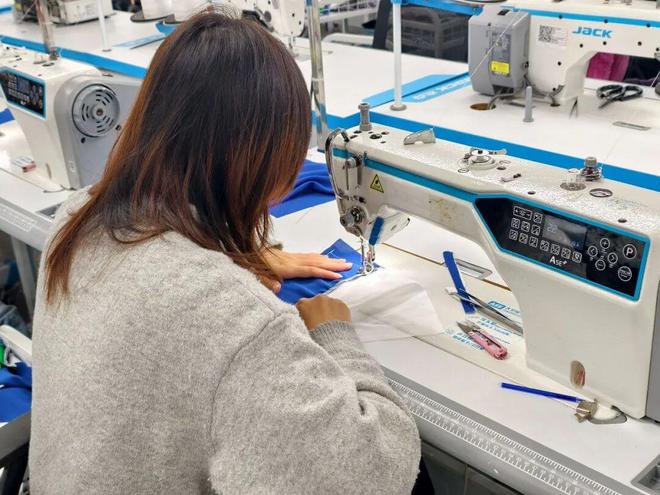
Core Insights - SHEIN is enhancing its investment in human capital and supply chain, focusing on systematic and ecological training initiatives to address the talent gap in the fashion industry [1][3][10] Group 1: Training Initiatives - In 2025, SHEIN conducted nearly 600 supplier training sessions, covering approximately 37,000 business transactions and certifying skills in six job categories [1] - SHEIN, in collaboration with the Guangdong Provincial Federation of Trade Unions, is offering "zero-based" employment support training for sewing workers and garment pattern makers, expanding its talent cultivation efforts beyond the supply chain [1][4] - The training programs are designed to create a "training-evaluation-employment" closed-loop system, establishing a comprehensive talent development framework [6][8] Group 2: Industry Impact - The textile and apparel industry in China produces over 70 billion garments annually, employing more than 20 million people, yet faces significant talent shortages due to weak training systems and a mismatch between educational outcomes and industry needs [3][4] - SHEIN's training initiatives are not only improving supplier capabilities but also addressing broader industry challenges by creating a talent reservoir through partnerships with educational institutions and community programs [3][5][10] Group 3: Technological and Operational Improvements - SHEIN's training has led to a 50% reduction in defect rates among suppliers in specific industry clusters, showcasing the effectiveness of its targeted training approach [5] - The company is establishing a garment manufacturing innovation research center in Guangzhou, integrating on-demand production with lean manufacturing practices [4][5] Group 4: Future Directions - SHEIN is actively working on enhancing industry standards, including the introduction of new job classifications such as "garment quality inspector" and hosting skill competitions to foster talent development [7] - The company aims to create a sustainable employment ecosystem by connecting training outcomes directly to job placements within its supply chain network [8][10]

从供应链赋能到产业生态繁荣,SHEIN如何“投资于人”?
第一财经· 2026-01-20 04:41
Core Viewpoint - SHEIN is enhancing its investment in human capital and supply chain, focusing on systematic and ecological training to address the talent gap in the apparel industry [1][5][13] Group 1: Investment in Human Capital - In 2025, SHEIN conducted nearly 600 supplier training sessions, covering approximately 37,000 businesses and certifying skills in six job categories [1] - SHEIN is collaborating with the Guangdong Provincial Federation of Trade Unions to provide zero-basic employment support training for sewing workers and garment pattern makers [1][5] - The company is expanding its talent cultivation efforts beyond the supply chain to include educational institutions and the broader community [5][10] Group 2: Training and Employment Initiatives - SHEIN's training programs are designed to create a "training-evaluation-employment" closed-loop system, establishing industry standards and talent certification [9][10] - The training covers various aspects, including management, practical skills, and technical improvements, and is offered in both online and offline formats [10] - SHEIN's training initiatives have led to significant improvements in product quality among suppliers, with a reported 50% reduction in defect rates following targeted training [7][10] Group 3: Addressing Industry Challenges - The textile and apparel industry in China faces a talent crisis, with over 20 million jobs directly linked to the sector, highlighting the need for effective training systems [5][11] - SHEIN's approach aims to bridge the gap between educational outcomes and industry requirements, ensuring that graduates possess the skills needed by employers [10][11] - The company is actively involved in promoting high-quality employment and addressing structural employment issues within the industry [13]

靠扒“脏”数据,这家公司干到估值数亿
虎嗅APP· 2026-01-17 13:44
Core Viewpoint - The article discusses how a Chinese startup, Qingdao Vector Spiral, is leveraging artificial intelligence (AI) to transform the traditional garment manufacturing industry, addressing communication issues across the entire supply chain and aiming to enhance productivity through AI integration [5][10]. Group 1: Industry Challenges and Opportunities - The garment industry is characterized by fragmentation, with many small workshops and a lack of structured data, making it difficult to implement digital transformation effectively [7][19]. - Traditional 3D technology in garment design is costly and lacks the creative and generative capabilities that AI offers, which can lead to more efficient and innovative design processes [8][20]. - The startup has developed the largest database in the garment industry and holds the only vertical model registration for the sector, indicating a significant competitive advantage [7][10]. Group 2: AI Implementation and Data Strategy - The company faced challenges in data collection due to the lack of structured data in the industry, necessitating manual data gathering and cleaning processes to create a comprehensive dataset for AI training [11][23]. - By establishing a "four-in-one" data structure that links fabric, design, production, and final product images, the company aims to overcome previous digital transformation failures [11][12]. - The total data volume has exceeded 200 million raw image data points, showcasing the scale of their data engineering efforts [24]. Group 3: Market Entry and Growth Strategy - The company initially targeted the Japanese market for its AI applications due to less competition and higher data quality, successfully acquiring hundreds of clients [30][31]. - Following success in Japan, the company is expanding into the Chinese market, focusing on production enterprises and adapting to complex local demands [32][36]. - The company has established a strong market presence, claiming to have the highest market share among large garment production groups in China [32]. Group 4: Future Developments and Business Model - The company plans to evolve its business model from SaaS to a "technology middle platform" that can standardize non-standard demands into technical components for faster delivery [38]. - Future offerings include "digital labor" that aims to replace traditional roles with AI-driven solutions, thereby optimizing labor costs in the garment industry [39][40]. - The company anticipates significant revenue growth, projecting a threefold increase annually based on enhanced technology capabilities and market expansion [43][44].
加美全面评估双边关系 确定2026年合作优先领域
Shang Wu Bu Wang Zhan· 2026-01-16 16:10
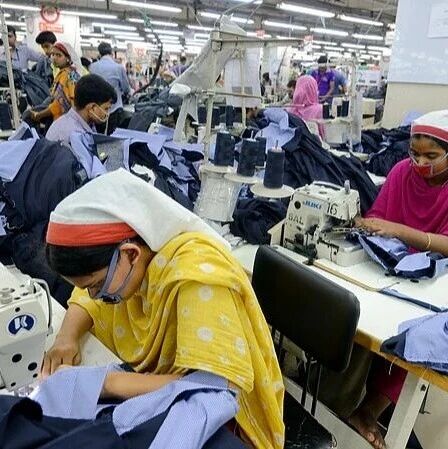
Core Insights - Ghana and the United States held a high-level meeting to assess bilateral relations and set priorities for cooperation in 2026, focusing on deepening economic ties and long-term strategic alignment [1] Group 1: Review of 2025 Cooperation Progress - Ghana acknowledged significant achievements in bilateral relations in 2025, indicating a positive development trend based on mutual respect and collaborative growth [2] Group 2: Visa Facilitation and Tariff Reductions - Ghana has maintained its exemption from U.S. visa sanctions and related bond requirements, facilitating travel, study, and business for its citizens [3] - The U.S. has eliminated a 15% tariff on various unprocessed and semi-processed agricultural products from Ghana, which is expected to enhance the competitiveness of Ghanaian agricultural products [3] Group 3: AGOA Extension and Industrial Development - The U.S. House of Representatives has passed a bill to extend the African Growth and Opportunity Act (AGOA) for three years, awaiting Senate approval, which is anticipated to boost Ghana's garment manufacturing sector and create more jobs in export-oriented light industries [4] Group 4: World Cup Visa Arrangements and Judicial Cooperation - The U.S. has committed to optimizing the visa application process for the 2026 World Cup, with specific measures to be announced soon [5] - Both countries reviewed progress in law enforcement and judicial cooperation, including extradition cases, and expressed intentions to continue enhancing collaboration [5] Group 5: Trade Environment and Future Cooperation Outlook - Ghana emphasized the improving business environment, which is conducive to expanding bilateral trade [6] - Ghana plans to officially initiate trade agreement negotiations with the U.S. in 2026 and is set to launch a new major public health cooperation project [6]
2026(第6届)服装招标采购评价推介活动第二期情况通报
Sou Hu Wang· 2026-01-16 10:28
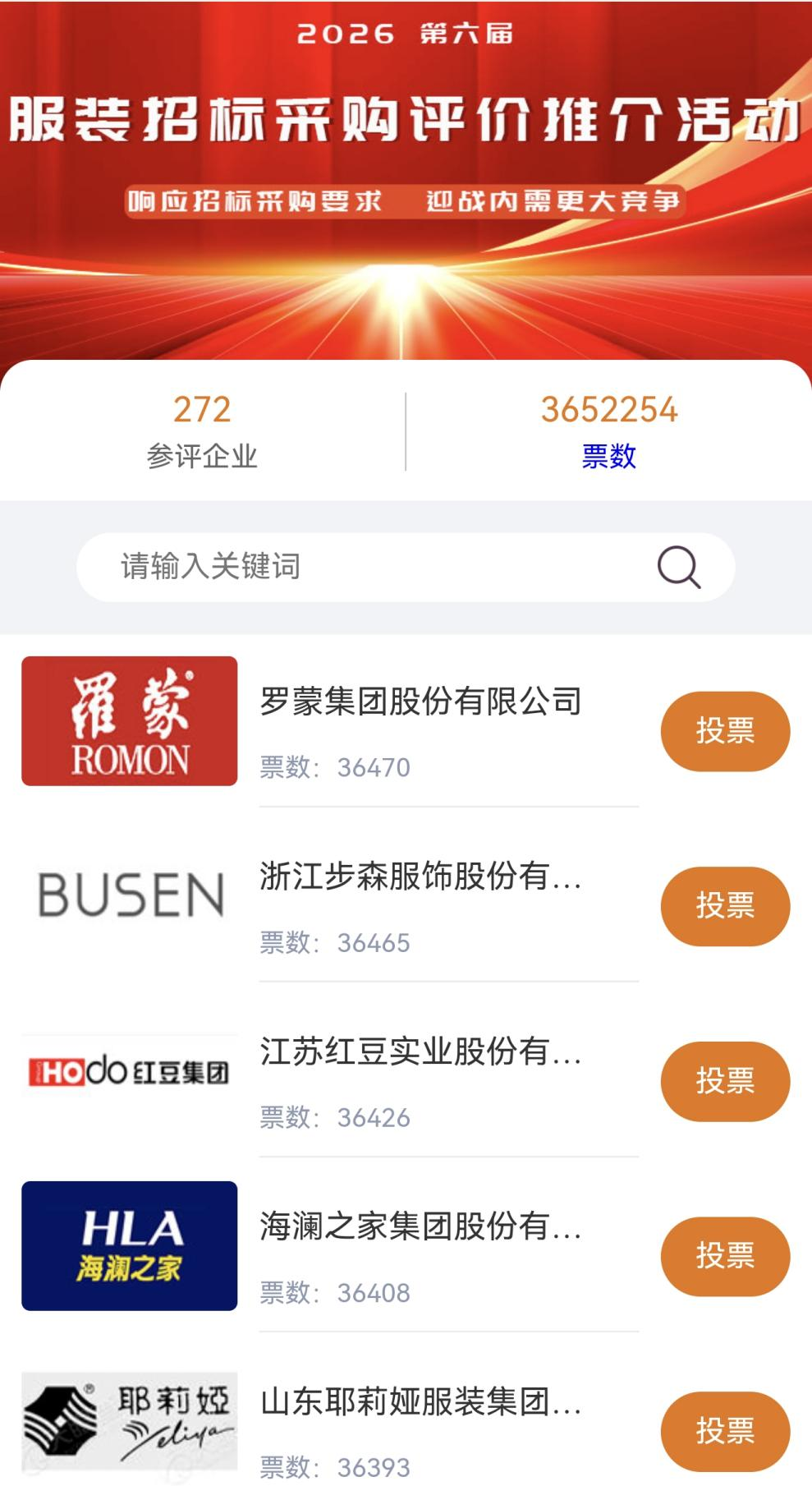
Industry Overview - The current competition in the Chinese apparel brand market is characterized by a "multi-layered, fast iteration" complex landscape, with traditional boundaries being continuously broken [1] - The competition landscape is diversified, consisting of several core camps: international fast fashion giants (e.g., Uniqlo, ZARA), domestic casual brands (e.g., HLA, Peacebird), sports functional brands (e.g., Anta, Li Ning), high-end design and luxury brands, and numerous online-native brands (e.g., SHEIN, Bosie) [1] - The focus of competition has shifted from channel scale to a deep contest of "brand value + flexible supply chain + digital retail," emphasizing brand culture narrative, consumer emotional connection, data-driven supply chain speed, and conversion efficiency in omnichannel marketing [1] - The industry faces "pressure from both ends," with the high-end market pursuing spiritual value and the mass market focusing on extreme cost performance, while new opportunities are emerging in sustainable fashion, technological materials, and gender-neutral dressing [1] Company Highlights - **Romon Group Co., Ltd.**: Founded in 1984, it is a leading enterprise in the Chinese apparel industry, known for men's suits and has diversified into leisurewear and women's clothing, while also engaging in real estate and international trade [6] - **Jiangsu Busen Garments Co., Ltd.**: A well-known company in the men's clothing sector, focusing on high-quality business attire and maintaining a strong market presence through continuous channel optimization and product innovation [7] - **Jiangsu Hongdou Industrial Co., Ltd.**: Established in 1995, it emphasizes innovation and digital transformation, with a strong brand culture and a commitment to high-quality products across various clothing lines [8] - **HLA Group Co., Ltd.**: A leading fashion enterprise in the A-share market, known for its unique "platform + brand" business model and strong supply chain management, aiming for digital transformation and brand upgrades [9] - **Shandong Yeliya Garment Group Co., Ltd.**: Specializes in professional and high-end custom clothing, known for its complete industry chain and high-quality service in various sectors [10] - **Shandong Ru Yi Technology Group**: A globally recognized innovative textile enterprise with a focus on high-end, technological, and brand-oriented strategies, boasting a complete textile and apparel industry chain [11] - **Jihua 3502 Garment Co., Ltd.**: A leading company in the production of professional uniforms and military supplies, known for its high-quality standards and significant role in national defense [12] - **Beijing Dahuatian Tan Garment Co., Ltd.**: Focuses on industry uniforms and high-end custom clothing, maintaining a strong reputation for quality and service [13] - **EVE Group Co., Ltd.**: A prominent fashion brand group that emphasizes high-end men's clothing and innovative marketing strategies, integrating traditional craftsmanship with modern fashion [14] - **Fuzhou Chunhui Garment Co., Ltd.**: A modern apparel enterprise specializing in knitwear and casual clothing, known for its efficient supply chain and quality control processes [15]


报喜鸟获评CDP气候变化B级
Zheng Quan Ri Bao Wang· 2026-01-16 04:45
Core Viewpoint - Baoxiniang Holdings Co., Ltd. has achieved a B rating in the CDP climate change questionnaire for 2025, marking its first participation in this assessment, reflecting its systematic practices in climate governance, carbon emission management, and information disclosure [1] Group 1: CDP Rating and Climate Strategy - The CDP rating evaluates companies on climate governance, emission reduction strategies, emission accounting, and climate risk management, with high disclosure requirements [1] - Baoxiniang has been actively promoting its "dual carbon" strategy, focusing on energy optimization, refined carbon management, and collaborative emission reduction in the supply chain [1] - The company has received national-level honors such as the green factory award, showcasing its commitment to sustainable development [1] Group 2: Initiatives and Governance - Baoxiniang has officially joined the Science Based Targets initiative (SBTi) to establish medium- and long-term emission reduction pathways aligned with the Paris Agreement's 1.5°C target [1] - A sustainability committee has been established under the board of directors to integrate ESG strategies and climate risk management into the entire decision-making and management process [1]

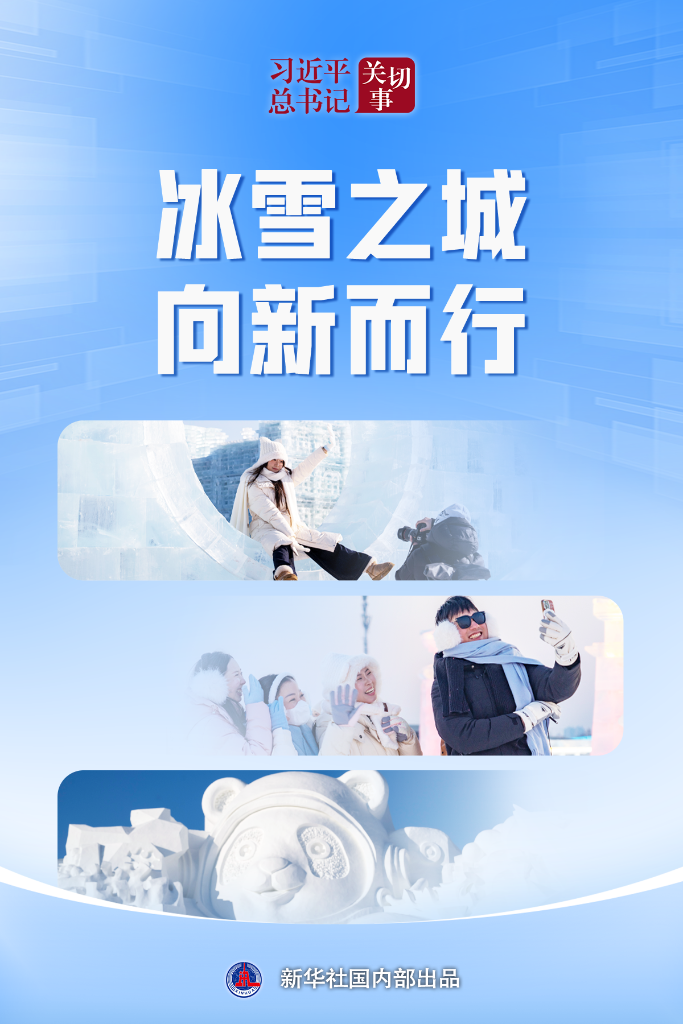
习近平总书记关切事|冰雪之城 向新而行
Xin Hua She· 2026-01-15 09:35
Core Viewpoint - Harbin is leveraging its ice and snow resources to develop a high-quality ice and snow economy, integrating it into local life improvements, industrial upgrades, and international openness, as emphasized by President Xi Jinping [3][6][18]. Group 1: Ice and Snow Tourism - Harbin Ice and Snow World has seen a record usage of over 400,000 cubic meters of ice and snow this season, aided by new automated ice block production equipment that triples efficiency [6]. - Last winter season, Harbin attracted over 90 million domestic and international tourists, generating total spending exceeding 137.2 billion yuan [8]. - The city is focusing on innovative tourism models, such as "ice and snow + research," "ice and snow + events," and "ice and snow + technology," to enhance the winter tourism experience [8]. Group 2: Ice and Snow Equipment Industry - The introduction of advanced materials, such as aerospace-grade carbon fiber, is enabling local companies to produce high-quality ice and snow equipment, previously dominated by foreign brands [10][13]. - The collaboration between local firms and research institutions is fostering innovation in the ice and snow equipment sector, aiming to overcome technological bottlenecks [10][14]. Group 3: Economic Impact - The total scale of Harbin's ice and snow economy has surpassed 160 billion yuan, accounting for approximately one-sixth of the national output [16]. - The city plans to cultivate five key industrial chains related to ice and snow facilities and equipment over the next five years, aiming to build a billion-level industrial cluster [16]. Group 4: International Engagement - Harbin is positioning itself as a hub for international ice and snow culture and economy, hosting events like the 2026 Harbin International Ice and Snow Economy Expo to attract global attention [18][21]. - The city is enhancing its global image and cultural exchange through initiatives like the ice sculpture of Belgium's "Little Julien," showcasing its commitment to international collaboration [18].