运动用品

Search documents
匹克员工称发工资后才得知被降薪,泉州人社局回应;此前董事长称降薪员工占比不到10%
Sou Hu Cai Jing· 2025-09-18 11:39
Core Viewpoint - Fujian Peak Group has implemented significant salary cuts for employees without prior written notice or agreement, leading to employee dissatisfaction and potential legal scrutiny [1][2]. Group 1: Salary Cuts Details - Employees reported salary reductions of 10% for those earning between 5,000 to 10,000 yuan, 20% for those earning between 10,000 to 20,000 yuan, and 30% for those earning over 20,000 yuan, with a drastic 50% cut for direct sales staff [2]. - The chairman of Peak Group stated that less than 10% of employees were affected by the salary cuts, claiming it was not a blanket reduction but targeted at high-salary positions [2]. Group 2: Company Background - Peak Group, founded in 1989 and headquartered in Quanzhou, Fujian Province, specializes in the design, development, manufacturing, distribution, and promotion of "PEAK" branded sports products, including footwear, apparel, and accessories [6]. - The company has a history of charitable contributions, including a donation of 10 million yuan in 2023 for disaster relief in Gansu and 8 million yuan in 2025 for earthquake relief in Tibet [6].

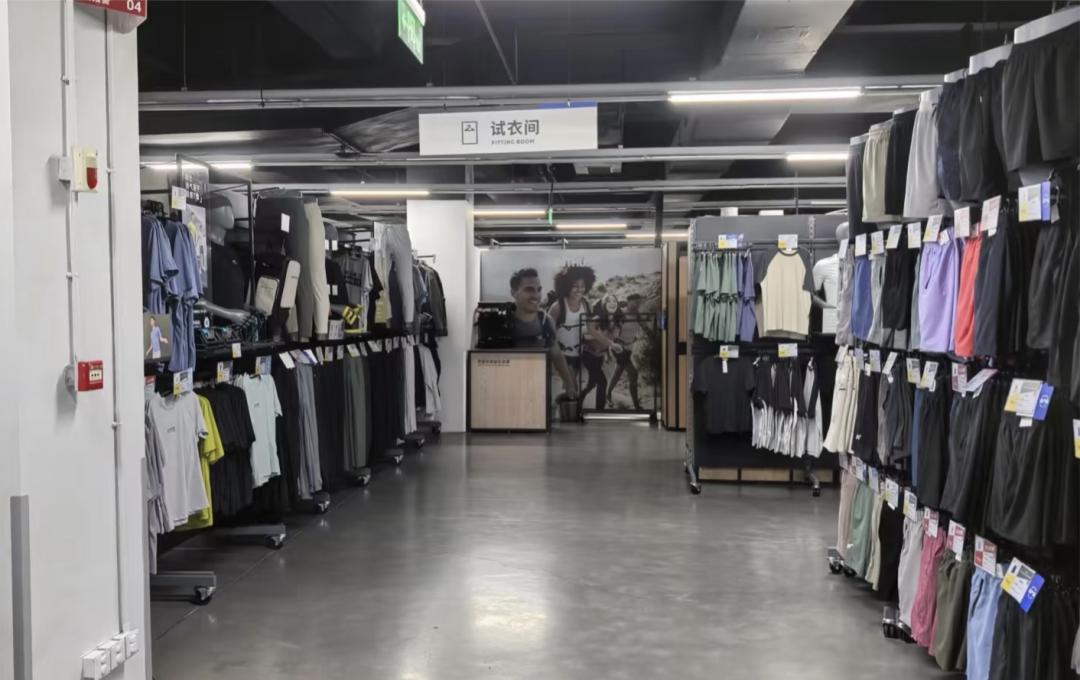
暴跌15%!穷鬼买不起,中产不买账,这家运动巨头要“卖股”了?
Xin Lang Cai Jing· 2025-09-18 06:35
Core Viewpoint - Decathlon, once a dominant player in the Chinese sports retail market, is experiencing a decline in popularity and profitability due to increased competition and a shift in consumer preferences towards brands like Lululemon and Salomon [3][5][15]. Group 1: Market Position and Strategy - Decathlon's initial success in China was driven by its "high quality, low price" strategy, which resonated with urban young professionals and families seeking affordable sports gear [5][7]. - The company has faced challenges as competitors have emerged with more targeted pricing strategies, eroding Decathlon's market share in the entry-level sports segment [3][15]. - In 2024, Decathlon's net profit fell by 15.5% to €787 million, raising concerns about its profitability amidst a changing market landscape [9][11]. Group 2: Competitive Landscape - Competitors like Lululemon and Camel have gained traction, with Lululemon becoming a staple for middle-class consumers, further complicating Decathlon's market position [15][19]. - Decathlon's attempts to shift towards higher-end products have not resonated with its core consumer base, which primarily values affordability [25][40]. - The brand's identity as a "value leader" is at risk as it struggles to balance price increases with maintaining quality and consumer trust [19][36]. Group 3: Consumer Perception and Brand Narrative - The brand's recent price hikes have led to consumer backlash, with many feeling betrayed as Decathlon's value proposition diminishes [19][38]. - Decathlon's marketing efforts have focused on sustainability, but this narrative has not effectively connected with its primary consumer demographic, which prioritizes value over environmental concerns [43][45]. - The company is attempting to revitalize its image by reintroducing affordable products and leveraging nostalgic marketing strategies, such as the "urea bag" campaign, to reconnect with consumers [50][55]. Group 4: Future Outlook - Decathlon is exploring options to sell approximately 30% of its Chinese subsidiary as part of a significant capital restructuring effort [37]. - The company aims to enhance product quality and align its offerings with consumer expectations to regain market share and consumer loyalty [40][58]. - There is a focus on optimizing the supply chain and deepening market penetration to better meet the evolving needs of Chinese consumers in the next 20 years [58][60].

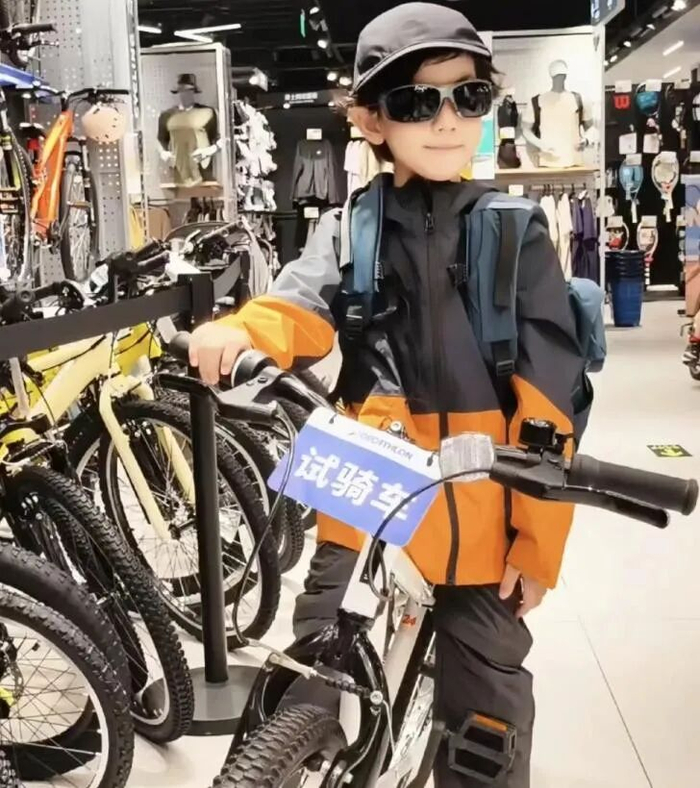
穷鬼买不起,中产不买账,这家运动巨头要“卖股”了?
创业邦· 2025-09-18 03:09
Core Viewpoint - Decathlon, once a dominant player in the Chinese sports retail market, is facing significant challenges as it loses its appeal among consumers, particularly in the face of rising competition and changing consumer preferences [7][9][10]. Group 1: Market Position and Strategy - Decathlon initially gained popularity in China with its "high quality, low price" strategy, appealing to urban young professionals and families seeking affordable sports gear [11][14]. - The company's unique in-store experience allowed customers to try various sports equipment, enhancing its attractiveness [14]. - However, the low-profit margin associated with this strategy has led to a decline in net profit, which fell by 15.5% to €787 million in 2024 [16]. Group 2: Competitive Landscape - Competitors like Lululemon and Salomon have emerged, capturing market share with more targeted pricing strategies and appealing brand narratives [21][22]. - Lululemon, in particular, has positioned itself as a must-have brand for the middle class, showcasing a strong growth trajectory with a 94% increase in net profit to €300 million in Q2 2025 [16]. Group 3: Pricing and Consumer Perception - Decathlon's decision to raise prices in an attempt to improve profitability has led to consumer backlash, as many feel betrayed by the loss of the brand's core value proposition of affordability [18][20]. - The brand's shift towards a higher-end market has not resonated with its traditional consumer base, who still associate Decathlon with low-cost sports gear [35][36]. Group 4: Brand Narrative and Consumer Engagement - Decathlon's attempts to pivot towards a more premium offering have been met with skepticism, as consumers still view it as the "IKEA of sports" rather than a high-end brand [35][36]. - The brand's environmental messaging has not effectively connected with its core audience, who prioritize value and quality over sustainability narratives [60][62]. Group 5: Future Outlook - Despite current challenges, Decathlon is exploring ways to reconnect with its consumer base, including a return to its low-price strategy and leveraging its supply chain to offer affordable products [65][73]. - The company aims to deepen its understanding of the Chinese market and consumer needs to regain its position as a leading sports retailer [77][80].

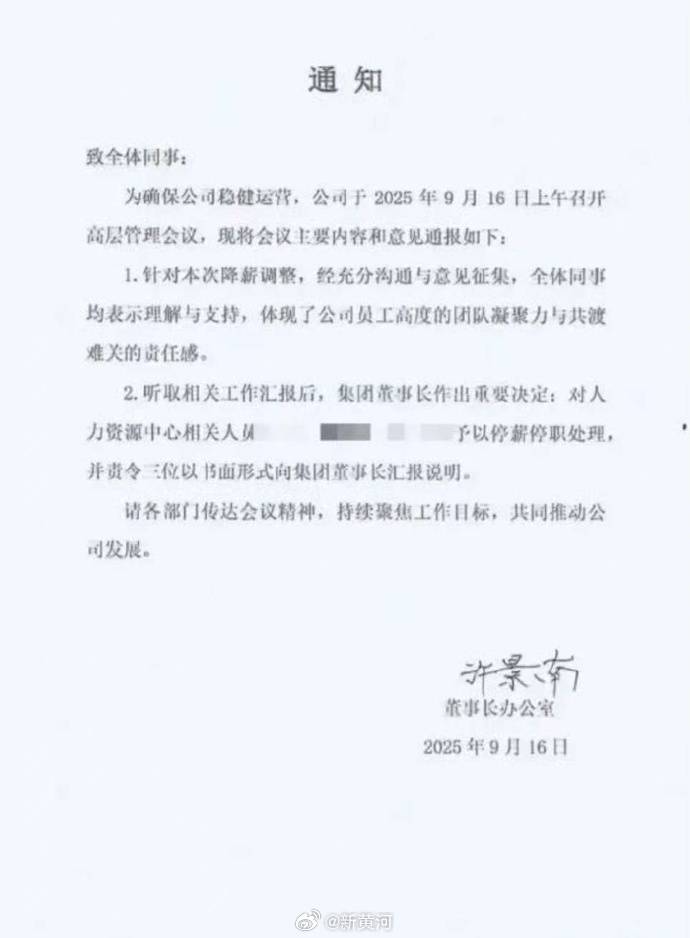
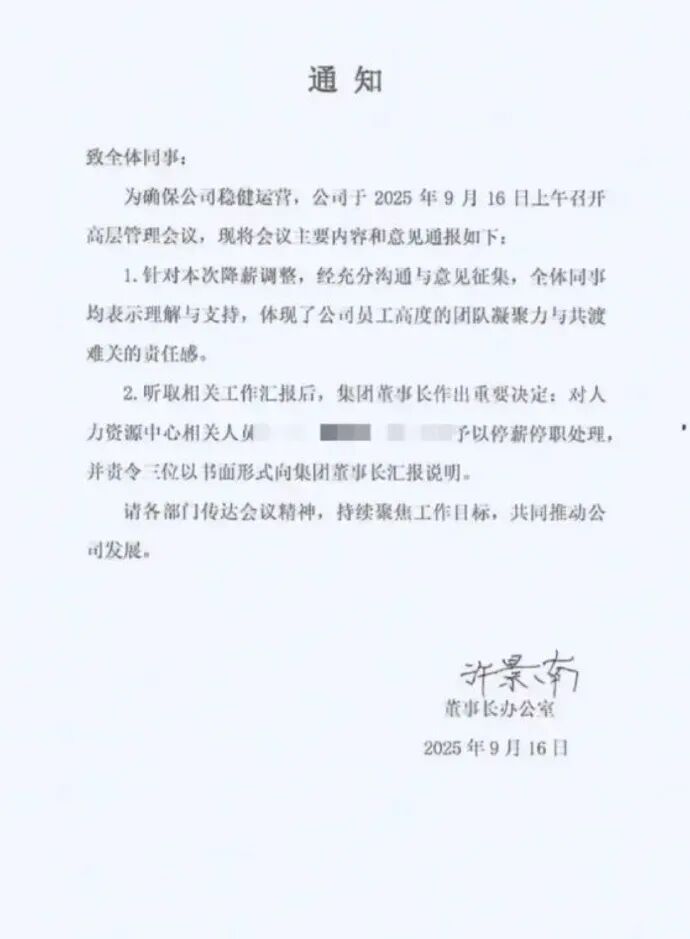
匹克被曝大幅降薪,董事长称:已向工会和公安备案,前七月内销直营业务亏损1.3亿元!员工:发薪日前4天才知道
Mei Ri Jing Ji Xin Wen· 2025-09-17 10:36
Group 1 - The core issue is the salary reduction at Peak, with a minimum wage guarantee of 3000 yuan, affecting various employee salary brackets by different percentages [1][3][5] - Salary reductions are structured as follows: 10% for salaries between 5000-10000 yuan, 20% for 10000-20000 yuan, and 30% for salaries above 20000 yuan; employees in direct sales offices face a 50% reduction, while store employees remain unaffected [1][5][7] - The chairman, Xu Jingnan, indicated that the salary adjustments are targeted at high-salary positions and loss-making departments, with the overall reduction being less than 10% [5][7] Group 2 - Xu Jingnan emphasized that employees earning below 3000 yuan will have their salaries supplemented to that amount, ensuring their livelihoods are not impacted [7] - The company reported a cumulative loss of over 130 million yuan in its direct sales sector from January to July, which is a significant factor behind the salary adjustments [7] - Peak's external sales business has shown growth, with over 200,000 pairs sold from January to August 2025, and the company aims for external sales to exceed 10 billion yuan and internal sales to reach 20 billion yuan in the next decade [7][9]
昂跑(ONON):从小众到领跑,昂跑做对了什么?
Huafu Securities· 2025-09-12 13:22
Investment Rating - The industry investment rating is "Outperform" (maintained) [1] Core Viewpoints - The report highlights the rapid growth of the Swiss brand On, which has increased its revenue from 270 million Swiss francs in 2019 to 2.32 billion Swiss francs by 2024, achieving a compound annual growth rate (CAGR) of 54% [2][19] - The brand's market share in the U.S. has significantly increased from 0.2% in 2019 to 1.7% in 2024, indicating strong competitive positioning [25] - On's sales channels are balanced between wholesale and direct-to-consumer (DTC), with 59% of sales from wholesale and 41% from DTC as of 2024 [37] Summary by Sections Company Overview - On was founded in 2010 by former triathlon world champion Olivier Bernhard and has innovatively integrated rubber hose prototypes into running shoe designs, launching products with CloudTec® cushioning technology [2][10] - The brand has expanded globally, entering the U.S. and Japan in 2013 and China in 2018, with a strong focus on the Asia-Pacific region, which is expected to grow by 84% from 2021 to 2024 [19][25] Financial Performance - Revenue growth from 2019 to 2024 is attributed to the brand's global expansion strategy, with the Americas contributing 1.48 billion Swiss francs in 2024, accounting for 64% of total revenue [25] - The gross margin has improved from 54% in 2019 to 61% in 2024, while operating profit margins (OPM) are expected to stabilize between 7% and 10% from 2022 to 2024 [19][11] Product Strategy - On's product line is heavily focused on footwear, which accounted for over 95% of revenue in 2024, with plans to expand its apparel segment significantly in the coming years [62] - The brand's innovative technologies, such as CloudTec® and LightSpray™, are central to its product development, enhancing performance and sustainability [65][64] Marketing and Brand Positioning - On has engaged high-profile athletes, including Roger Federer, to enhance brand visibility and credibility, while also leveraging social media and community engagement in China [3][19] - The brand's marketing strategy includes a focus on professional athletes and community-driven initiatives to penetrate the core consumer base in emerging markets [3][19] Channel Strategy - The company has established a robust wholesale network with 10,500 retail partners globally, while also developing its DTC channels through e-commerce and owned retail stores [29][36] - In China, On has opened multiple retail locations, including a flagship store in Chengdu, aiming to increase its market share significantly [46][47]

lululemon做鞋的脚步,需要加快
3 6 Ke· 2025-09-12 02:45
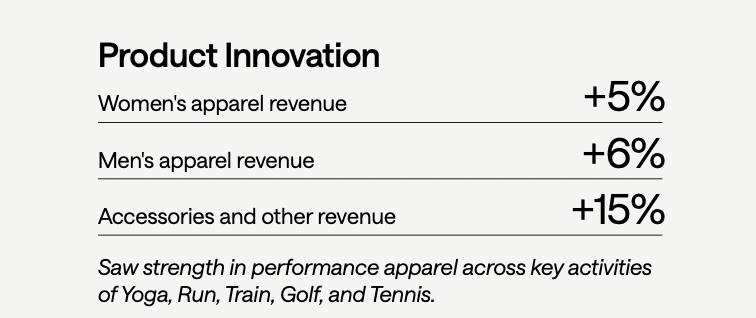
Group 1 - Lululemon's stock is under pressure due to second-quarter earnings not meeting market expectations, with a current market capitalization of less than $20 billion, indicating a significant undervaluation [1] - The company's price-to-earnings (PE) ratio stands at 11.19, which is considerably lower than competitors like On Running (86.39) and Nike (34.38), suggesting that market concerns may be overstated [1] - Lululemon needs to communicate a new growth narrative to the capital market, with a focus on expanding its footwear segment, which is seen as a potential growth driver [1][2] Group 2 - Lululemon is facing growth challenges in the U.S. market, relying heavily on international markets like China, where store openings in major cities are nearing saturation [2] - The company's men's apparel revenue grew by 6.4%, but this segment has not significantly changed its contribution to overall business, while the footwear and accessories segment saw a 15% growth [2][3] - The footwear category is expected to help Lululemon tap into new markets, with consumer demand for stylish athletic shoes rising [3][4] Group 3 - Lululemon's footwear offerings, including the recently launched men's shoe series, aim to establish a second growth curve for the brand [4][11] - The company is enhancing its product matrix to align with changing consumer preferences, having introduced several new women's running shoes since entering the footwear market [3][11] - The footwear segment not only opens new markets but also strengthens Lululemon's brand positioning, as functional footwear can enhance the brand's professional image [11][12] Group 4 - The footwear business has higher research and development barriers, which can create competitive advantages for Lululemon against local brands and cheaper alternatives [12] - Consumers are increasingly looking for value in high-end sports products, with a focus on performance and functionality, which Lululemon's footwear can provide [12] - Lululemon's pricing strategy for women's shoes is competitive, with prices ranging from 500 to 1080 RMB, making it more appealing compared to brands like On Running and HOKA [12] Group 5 - The necessity for Lululemon to expand its footwear line is underscored by the success of other major sports brands, where footwear constitutes a significant portion of their revenue [13][19] - The company has made substantial investments in footwear development, including hiring experienced personnel from leading brands and establishing a design center in Portland [19] - Despite these efforts, the footwear segment currently contributes minimally to overall revenue, indicating a need for accelerated growth in this area [19][20] Group 6 - Lululemon faces competition from established brands like Nike and Adidas, which have built strong reputations in footwear, making it challenging for Lululemon to establish itself in this space [20] - Emerging brands like Alo Yoga and Gymshark are also entering the footwear market, intensifying competition for Lululemon [18][22] - Lululemon has set an ambitious sales target of $12.5 billion by the end of 2026, necessitating a focus on footwear to alleviate growth concerns from the capital market [24]
特步入驻京东秒送 超 2500 家门店爆款最快9分钟送达
Zhong Jin Zai Xian· 2025-09-10 07:33
Group 1 - Xtep officially joined JD's express delivery service, with over 2,500 offline stores offering a full range of products for a fast shopping experience [1] - The trend in sports consumption is becoming more diversified and personalized, with a significant increase in demand for convenience in shopping [3] - Recent sales data from JD's express delivery shows a notable increase in sports apparel and footwear sales, with sports apparel sales up 275% year-on-year and sports footwear sales up 266% [3] Group 2 - The State Council recently issued guidelines to enhance the sports industry, aiming to cultivate world-class sports enterprises and expand the sports industry scale to over 7 trillion yuan by 2030 [5] - Xtep's partnership with JD's express delivery not only meets immediate consumer needs but also signals a transformation in the sports goods industry [5] - By leveraging JD's express delivery capabilities, Xtep can quickly deliver products to consumers, enhancing both online and offline shopping experiences [7] Group 3 - Xtep's revenue reached nearly 7 billion yuan in the first half of 2025, and it has become the top brand in terms of wear rate in major domestic marathon events [7] - Consumers can purchase a variety of Xtep products, including professional racing shoes and casual running shoes, through JD's express delivery [7] - Promotions are available for consumers on JD's app until September 30, offering discounts on purchases [7] Group 4 - JD's express delivery has attracted various domestic and international brands, and it plans to continue expanding its brand partnerships to enhance product offerings and consumer convenience [9]

迪卡侬的十字路口:中产看不上,穷鬼穿不起
创业邦· 2025-08-30 03:19
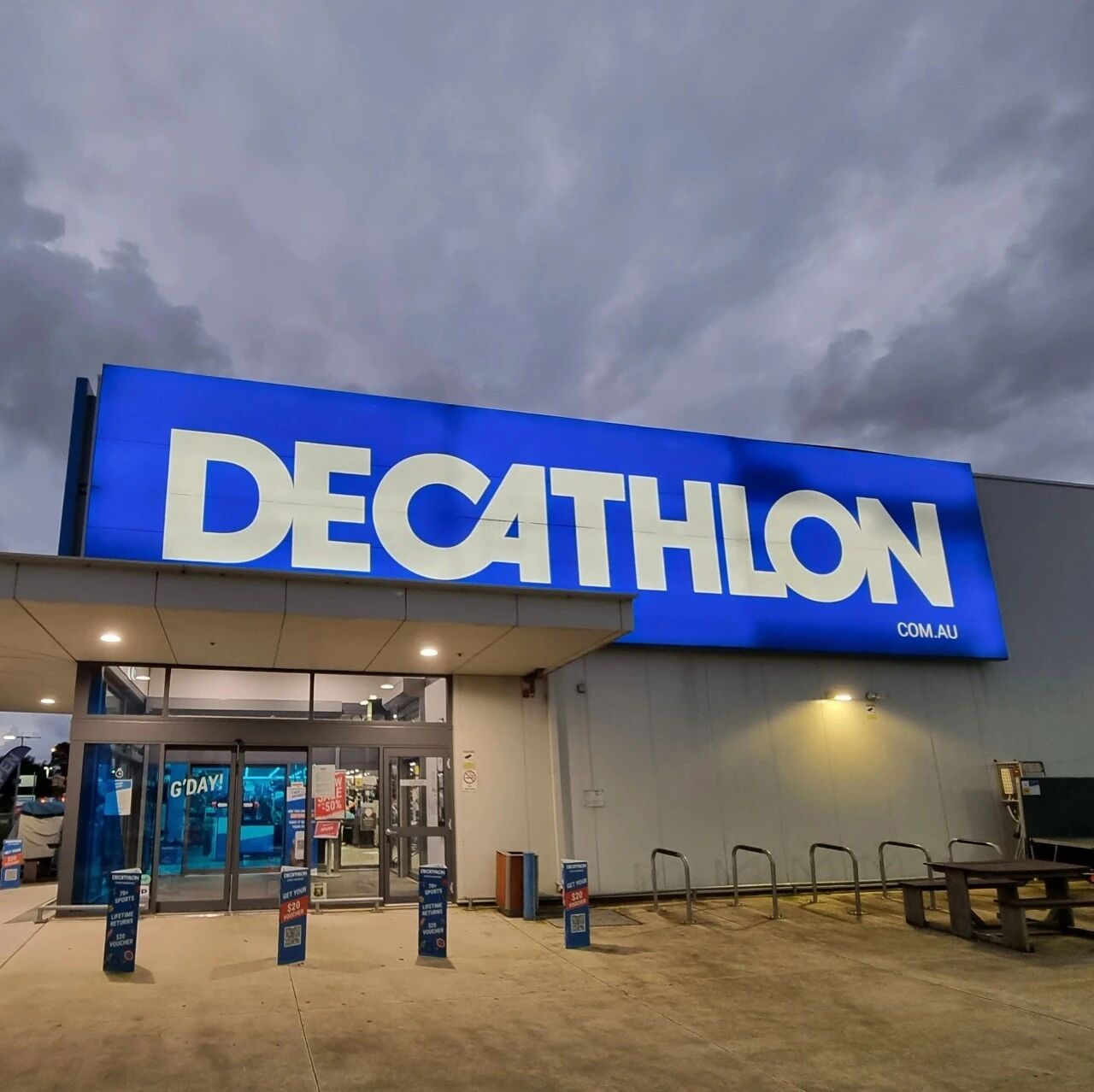
Core Viewpoint - Decathlon, once known as an affordable sports paradise, has undergone significant price increases, leading to a loss of its original appeal to price-sensitive consumers while failing to attract higher-end customers [5][8][28]. Group 1: Price Increases and Consumer Sentiment - Between 2022 and 2024, the average selling price of Decathlon products rose from 128.81 yuan to 196.32 yuan, marking a 52% increase [9]. - Classic products have seen notable price hikes, such as a 20L backpack increasing from 49.9 yuan to 89.9 yuan and a fleece jacket from 249 yuan to 499 yuan [13]. - Consumers express feelings of betrayal as the perceived value of products has not improved alongside price increases, leading to hesitation in purchasing [11][18]. Group 2: Market Position and Competition - Decathlon's price increases have positioned it as a less favorable option compared to other brands, with consumers questioning why they should choose Decathlon over brands like Lululemon or local alternatives [18][20]. - The outdoor sports market has seen a general price increase, with many brands successfully raising prices while maintaining consumer interest, unlike Decathlon [19]. - The number of new brands in the outdoor sports sector has doubled, indicating increased competition for Decathlon in the mid-range market [20]. Group 3: Brand Strategy and Identity Crisis - Decathlon has attempted to reposition itself as a multi-domain professional sports brand, but this strategy has not resonated well with consumers [26][27]. - The company has faced a significant drop in profit, with a 15.5% decrease year-on-year, indicating that price increases have not translated into brand premium [27]. - The brand's identity has become fragmented, with a mix of low-priced and high-priced items leading to confusion among consumers about its market position [28][29]. Group 4: Consumer Experience and Brand Perception - The shift towards higher prices has alienated Decathlon's original customer base, who valued the brand for its affordability and practicality [37]. - The lack of emotional connection and storytelling in the brand's transition to higher pricing has resulted in a failure to engage both existing and potential customers [35][38]. - Recent marketing efforts, such as the introduction of a free urea bag, have garnered positive attention, suggesting a potential return to the brand's roots of practicality and value [42][47].
匹克球为什么在中国流行起来了?| 声动早咖啡
声动活泼· 2025-08-29 09:03
Core Insights - The popularity of pickleball has surged in urban sports circles, with a reported 800% year-on-year increase in related orders since July, according to Meituan data [2][3] - The global pickleball industry is currently valued at 15 billion RMB and is projected to exceed 60 billion RMB by 2034 [3] Group 1: Characteristics and Appeal of Pickleball - Pickleball combines elements from badminton, tennis, and table tennis, making it more accessible for beginners, with typical paddles weighing around 200 grams [3][4] - The sport is easy to learn, requiring only a few hours of practice for newcomers to play effectively, and has a smaller court size compared to tennis, making it suitable for people with varying fitness levels [3][4] - The cost of entry is low, with beginner paddles priced around 100 RMB, making it more affordable than tennis [4] Group 2: Demographics and Market Trends - Initially perceived as a sport for older adults, pickleball gained popularity during the pandemic as people sought outdoor activities, leading to a younger demographic embracing the sport [5][6] - Celebrities like Taylor Swift and Bill Gates have contributed to the sport's visibility, associating it with a vibrant and active lifestyle [6] - The sport is becoming a trendy choice among urban professionals, fulfilling the need for social and recreational activities after work [4][6] Group 3: Challenges in the Chinese Market - Despite its global popularity, pickleball faces challenges in China, including a lack of a mature commercialization path and limited spectator appeal due to low intensity and short distances [7][8] - The market size for traditional sports like tennis and badminton in China exceeds 30 billion RMB, while pickleball's market is still relatively small [7] - The penetration of pickleball in schools and youth sports is low, and there is a lack of a structured professional system compared to established sports like table tennis and badminton [7][8]

讨好中产的迪卡侬,反被穷鬼抛弃
3 6 Ke· 2025-08-24 01:12
Core Viewpoint - Decathlon is facing challenges in the Chinese market, with reports suggesting the company is considering selling a 30% stake in its Chinese operations for an estimated €1-1.5 billion, indicating a decline in market performance [1][3]. Financial Performance - In 2024, Decathlon's revenue increased, but net profit decreased by 15.5% compared to the previous year, signaling a troubling trend for the company [3]. - The average price of Decathlon products rose from ¥128.81 in 2022 to ¥196.32 in 2024, with some items, like hiking backpacks, seeing prices double [7][19]. Market Position and Brand Evolution - Decathlon, once known as a budget-friendly option for sports enthusiasts, has shifted towards a more mid-range market positioning, appealing to new middle-class consumers [10][12]. - The company has expanded its product offerings significantly, with a 40% increase in average SKU in outdoor categories and a 200% increase in cycling products [17]. Competitive Landscape - Decathlon's attempt to enter the high-end market with its VAN RYSEL brand has not yielded the expected results, as it struggles to gain recognition among established premium brands [26][29]. - The rise of local competitors, such as 361°, which has successfully targeted the entry-level market, poses a significant threat to Decathlon's traditional customer base [41][45]. Strategic Challenges - Decathlon's rapid shift towards mid-range and high-end products may have been premature, as consumer perception has not aligned with the brand's new positioning [34][36]. - The company faces challenges in maintaining its reputation for affordability while attempting to elevate its brand image, leading to a potential disconnect with its core customer base [45][49].