水产养殖

Search documents
明阳智能等新设牧渔公司,含水产养殖业务
Qi Cha Cha· 2025-09-15 06:10
Core Viewpoint - The establishment of Guangdong Feihai Aquaculture Co., Ltd. indicates a growing interest in the aquaculture sector, particularly in the context of smart agriculture and food sales [1] Company Summary - Guangdong Feihai Aquaculture Co., Ltd. has been recently established with a registered capital of 10 million yuan [1] - The company is involved in various activities including aquaculture, seed production, internet sales of food, smart agricultural management, and wholesale and retail of aquatic products [1] - The ownership structure includes Zhongshan Agricultural Investment Development Co., Ltd. and Mingyang Smart Energy's wholly-owned subsidiary Mingyang Marine Fisheries (Guangdong) Co., Ltd. [1]

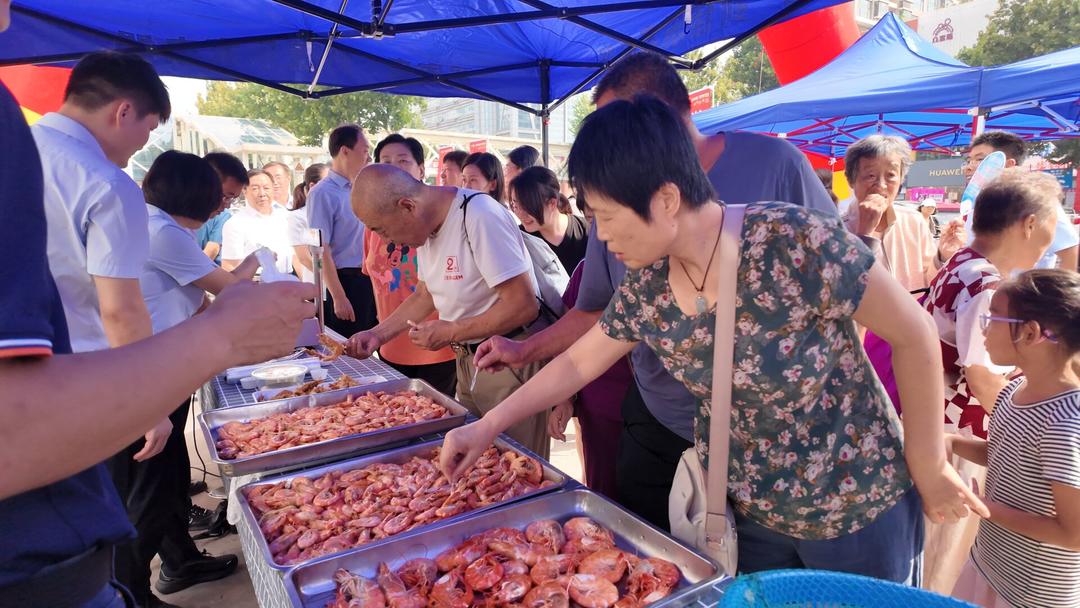
潍坊市海渔局举办无抗活虾推介活动,对虾产业迈入无抗新台阶
Qi Lu Wan Bao Wang· 2025-09-15 06:04
Core Viewpoint - The event in Weifang marks a significant step towards the high-quality development of the shrimp industry, focusing on promoting safe, healthy, and high-quality antibiotic-free shrimp products [1][3]. Industry Overview - The South American white shrimp has been cultivated in Weifang for over 20 years, benefiting from local high-quality brine and suitable temperatures, leading to quality upgrades through the efforts of local enterprises [3]. - The promotion of antibiotic-free aquaculture is essential for addressing potential antibiotic residue risks, ensuring food safety, and enhancing the international competitiveness of China's aquatic products [5]. Company Initiatives - Shandong Hengxing Aquaculture Development Co., Ltd. emphasizes a prevention-first approach, integrating disease prevention techniques to ensure that live shrimp are free from antibiotics and pathogens [3][5]. - The company is committed to food safety, adhering to quality standards and regulations, and implementing a traceability system to ensure consumer confidence [5]. Event Highlights - The promotional event featured various activities, including showcasing high-quality antibiotic-free shrimp products and sharing core technologies and management experiences from aquaculture representatives [7]. - The event provided opportunities for direct negotiations and partnerships between antibiotic-free shrimp producers and major supermarket buyers, enhancing market connections [7]. - Future plans include strengthening policy guidance and technical support for antibiotic-free aquaculture standards, improving market supervision, and building brands to ensure more "reliable shrimp" reach consumers [7].

水产品价格坚挺,水产饲料有望维持高增
GOLDEN SUN SECURITIES· 2025-09-14 08:14
Investment Rating - The industry rating is "Maintain Overweight" [4] Core Views - The prices of aquatic products have generally increased in the first half of the year, and the growth rate of aquatic feed is expected to remain high in the second half. The production of aquatic feed is mainly related to fish prices and weather factors. The wholesale prices of the four major fish species remain high, with year-to-date price increases for carp, silver carp, grass carp, and crucian carp being 4.78%, 6.99%, 9.37%, and 7.00% respectively. Special fish prices have also seen significant increases, with year-to-date price increases for spotted catfish, live fish, California bass, and bullfrogs being 18.67%, 6.76%, 24.24%, and 22.81% respectively [1][11][12] Summary by Sections Aquaculture - The breeding volume of various special aquatic products has increased in recent years, particularly for frogs and catfish, with five-year compound growth rates of 17.5% and 11.3% respectively. Other species such as bass and mandarin fish have growth rates of 8.7% and 7.4%, while South American white shrimp has a growth rate of 4.8%. For 2024, the breeding volumes are projected to be 595,500 tons for live fish, 539,800 tons for mandarin fish, 938,500 tons for bass, and 840,100 tons for South American white shrimp [2][12] Swine Farming - The national price for lean meat pigs is 13.22 yuan/kg, down 3.4% from last week. Current valuations are still relatively low, and attention is drawn to leading companies with cost-effectiveness and high growth potential, including Muyuan Foods, Wens Foodstuff Group, Dekang Agriculture, and others [2][13] Poultry Farming - The price of broiler chickens is 7.02 yuan/kg, down 2.1% from last week, while the average price of chicken products is 8.65 yuan/kg, down 0.6%. The price of broiler chicks is 3.25 yuan each, down 4.4% from last week. There is a focus on potential price reversals following sentiment recovery, with recommendations for companies such as Yisheng Livestock, Shengnong Development, and others [3][13] Crop and Agricultural Products - The approval of genetically modified varieties is set to enter commercial sales after the public announcement period. The subsequent confirmation of actual transaction prices, profit distribution, and new season seed expansion will gradually clarify the growth potential of industry companies [3][13] Supporting Industries - The volatility of agricultural product prices has increased, and livestock prices have not yet entered a stable prosperity cycle. Leading feed companies are expected to replace smaller companies due to their advantages in procurement, scale, and capital. Attention is drawn to companies like Haida Group and Hewei Group [3][13]
砥砺奋进七十载 天山南北谱华章丨大漠小城的交通“蝶变”
Yang Shi Xin Wen Ke Hu Duan· 2025-09-14 07:54
Core Points - The article highlights the significant transformation in transportation infrastructure in the Uytian County of Xinjiang, which has greatly improved accessibility and connectivity to major cities like Beijing [1][4][22] - The development of airports, railways, and highways has facilitated not only passenger travel but also the logistics of local agricultural products, enhancing economic opportunities for the region [7][9][28] Transportation Infrastructure - Uytian County has seen the opening of the Wanfang Airport in 2020, the completion of the He-Ruo Railway in 2022, and the establishment of a comprehensive highway network, significantly reducing travel time [4][22] - The travel time from Uytian to Urumqi is now 2 hours, and from Urumqi to Beijing is 4 hours, showcasing the drastic reduction in travel duration compared to previous methods [2][5] Economic Impact - The improved transportation has enabled local agricultural products such as roses, walnuts, and jujubes to be sold nationwide, transforming the local economy [7][28] - The logistics for fresh seafood have also improved, with cold chain transportation ensuring product freshness from the farms to the markets [9][28] Future Developments - The construction of the Uwei Expressway is set to connect southern and northern Xinjiang, expected to save transportation costs significantly for local businesses [13][18] - The overall railway mileage in Xinjiang has reached 9,557 kilometers, covering over 80% of county-level administrative regions, while the number of airports has reached 28, the highest in the country [22][28]
“百姓餐桌”物丰、量足、价稳 节前消费市场供销两旺
Yang Shi Wang· 2025-09-14 06:54
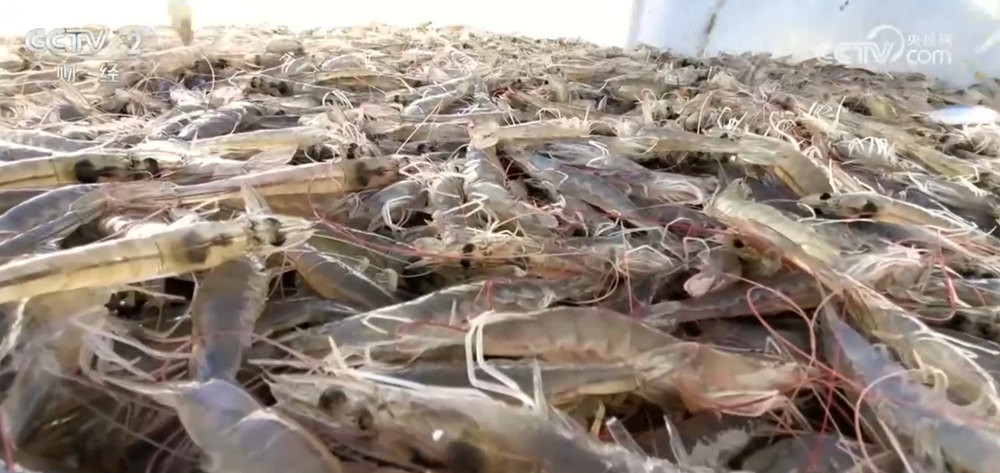
Aquaculture Industry - In Heilongjiang Province, the successful cultivation of "South American white shrimp" in cold water conditions has resulted in a harvest exceeding 100,000 pounds [1] - The shrimp produced in Qinghua Lake are of high quality, characterized by "thin shells and thick meat," with a standard measurement indicating approximately 20 shrimp per pound [5] Agriculture Sector - In Jiangsu Province, the harvest of lotus root and water chestnut is underway, with farmers capitalizing on the pre-Mid-Autumn Festival and National Day sales peak [6] - The lotus root planting area in Jiangsu is nearly 1,000 acres, yielding over 2 million pounds annually, with the harvesting period extending until March of the following year [6] - This year, the water chestnut harvest is particularly abundant, with yields of 2,500 to 3,000 pounds per acre, primarily sold to Suzhou and Wuxi [8] - In Xin Qiao Town, the average daily harvest of water chestnuts is around 5,000 pounds during the second round of picking [9] Mooncake Market - As the Mid-Autumn Festival approaches, the mooncake market in Jiangsu is heating up, with a mix of traditional flavors and innovative products gaining popularity [10] - Creative mooncakes featuring national style elements are appealing to younger consumers, enhancing both aesthetic and cultural value [13] - Many mooncake shops are introducing low-sugar and low-oil options, promoting a "light burden" label for traditional mooncakes [16] - A notable increase in mooncake sales has been observed, driven by a combination of online and offline marketing strategies [16]
“循环水”养出“富民蟹” 黄河口大闸蟹开捕
Xin Hua Wang· 2025-09-14 02:17
Core Viewpoint - The Yellow River Delta hairy crabs have officially entered the market, marking a significant development in the industry with the first export to Thailand, showcasing the growth from local catch to a large-scale industry valued at 1.1 billion yuan [1] Group 1: Industry Development - The Yellow River Delta has become an ideal location for crab farming due to its unique geographical and ecological conditions, allowing for earlier market availability compared to southern crabs by 15 to 20 days [1] - The production scale has increased significantly, with one company expecting a yield of over 160,000 pounds from 6,300 acres of crab farming, setting a new record [1] - The industry has transitioned from traditional fishing to standardized and large-scale farming practices, enhancing productivity and efficiency [3] Group 2: Environmental and Resource Management - Efficient water resource management is critical, with previous water usage at 1,000 cubic meters per acre being reduced by nearly 50% through the implementation of a "four pools and three dams" system for wastewater recycling [2] - The new ecological farming model improves water quality and creates a stable environment for crab growth, ensuring high-quality products without compromising on sustainability [2] Group 3: Economic Impact - The booming crab industry has created significant employment opportunities, with nearly 6,000 local residents benefiting from jobs related to crab processing and packaging [3] - The average annual income for surrounding communities has increased by over 10,000 yuan, with crab farmers earning an average of 76,000 yuan per year [3]
加州鲈鱼与澳洲银鲈“安家”屯昌
Hai Nan Ri Bao· 2025-09-14 01:20
Core Insights - The fish farming industry in Tunchang, Hainan, is expanding with the introduction of California and Australian bass, aiming for an annual output of 200,000 fish [1][2] Group 1: Industry Development - The fish farming base covers over 10 acres and employs a collaborative model involving government, enterprises, village collectives, and farmers [1] - The farm has already released 100,000 fish fry into 50+ partitioned pools, with each fish currently weighing around 0.2 pounds, expected to reach approximately 1 pound in four months [1][2] - The local climate in Tunchang is suitable for the growth of these fish, and the farm has partnered with local universities and research institutions to implement eco-friendly practices [2] Group 2: Economic Impact - The fish farming initiative is expected to create job opportunities for local farmers, with workers earning over 4,000 yuan monthly from daily tasks such as feeding fish and cleaning ponds [2] - The farm's waste, including fish excrement, is processed and repurposed as fertilizer for local crops, enhancing agricultural productivity [2] Group 3: Future Plans - The company plans to experiment with an ecological mixed farming model by introducing Macrobrachium rosenbergii (giant river prawn) alongside the bass, which will help in waste reduction and water quality improvement [2]
今年黄河口大闸蟹正式开捕,并首次出口国外
Da Zhong Ri Bao· 2025-09-14 00:47
Core Insights - The Yellow River Delta hairy crabs officially began harvesting on September 13, marking the first export to Thailand, indicating a significant milestone for the industry [2] - The industry has evolved from traditional wild harvesting to a large-scale farming operation with an annual output value reaching 1.1 billion yuan [2] - The unique geographical and ecological conditions of the Yellow River Delta contribute to the early maturation of the crabs, allowing them to be available 15 to 20 days earlier than southern varieties [2] Industry Development - The company has cultivated 6,300 acres of hairy crabs this year, expecting a production of over 1.6 million pounds, setting a new record [2] - The implementation of a "four pools and three dams" system has reduced water usage by nearly 50%, showcasing a commitment to sustainable practices [3] - The introduction of a composite purification system for wastewater has improved water quality and created a stable ecological environment for crab growth [3] Economic Impact - The standardized and systematic approach to crab farming has led to an average yield of 260 pounds per acre, generating approximately 15,000 yuan per acre [4] - The booming crab industry has created nearly 6,000 local jobs, significantly benefiting the community [4] - On average, local residents have seen an increase in annual income exceeding 10,000 yuan, with crab farmers earning an average of 76,000 yuan [4]
荆楚大地奏响特色产业大合唱
Jing Ji Ri Bao· 2025-09-13 22:10
Core Insights - The article highlights the rapid development of characteristic industries in Hubei, particularly focusing on the small lobster industry in Qianjiang City and the mushroom industry in Suizhou, showcasing how local resources and policies are leveraged for economic growth [1][2][3]. Group 1: Small Lobster Industry - Qianjiang City has developed a comprehensive small lobster industry chain, achieving a total industrial output value of 87 billion yuan and creating 220,000 jobs [2]. - The city has diversified its product offerings, introducing various flavors of small lobsters, which have become a significant brand for the region [1][2]. Group 2: Mushroom Industry - Suizhou's mushroom industry has seen a transformation, with local farmers benefiting from favorable climate conditions and a strong cultivation tradition [2][3]. - A training program has been implemented to enhance the skills of mushroom farmers, with 12,000 farmers trained since 2023, focusing on modern scientific cultivation techniques [3]. Group 3: Clothing Industry in Tianmen - Tianmen has attracted many individuals to return and start businesses in the clothing sector, with 7,000 clothing enterprises established and an annual transaction volume exceeding 50 billion yuan [4]. - The local government has introduced various support policies, including a 200 million yuan special fund and rental discounts, to encourage entrepreneurship [4]. Group 4: Tea Industry in Yichang - The tea industry in Wufeng Tujia Autonomous County is undergoing upgrades through technological innovation and the integration of tourism, enhancing the value of tea products [5]. - The county is promoting a "tea + tourism" model, transforming tea plantations into tourist attractions and cultural landmarks [5]. Group 5: Future Prospects - Hubei aims to strengthen county-level characteristic industry clusters over the next three years, enhancing regional competitiveness and fostering the growth of local brands into industry landmarks [5].
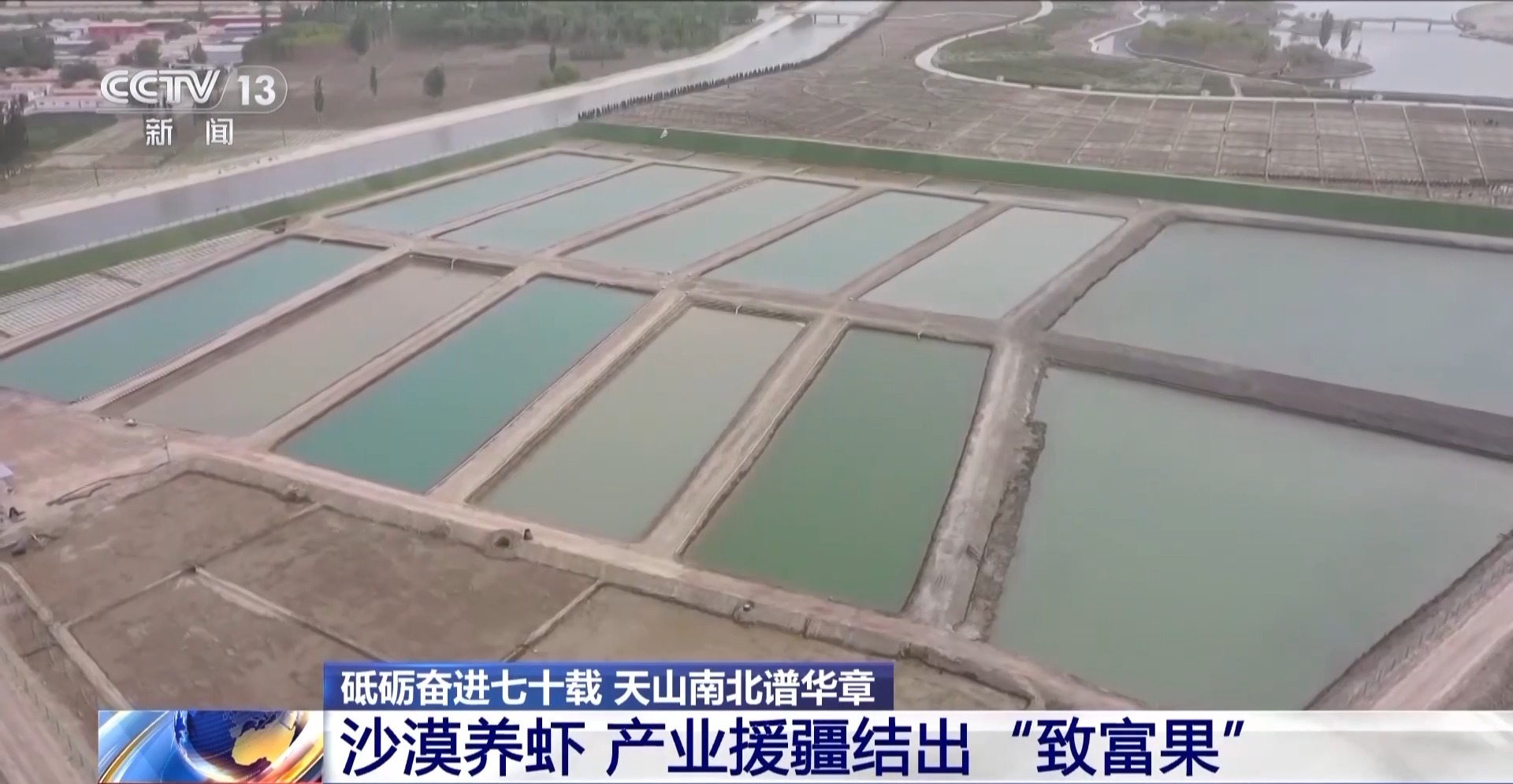
砥砺奋进七十载 天山南北谱华章丨沙漠里养虾让百姓的日子越过越红火
Yang Shi Xin Wen Ke Hu Duan· 2025-09-13 12:50
Group 1: Aquaculture Development - The introduction of Australian freshwater lobster farming in the Taklamakan Desert region has transformed the local economy, with 90% of the land previously barren now supporting aquaculture [1][3] - Initial challenges included low survival rates of lobster larvae, with only 10% surviving due to harsh water conditions, but after two years of research and adjustments, survival rates significantly improved, leading to high demand for the product [5][7] - The aquaculture project has expanded to 160 acres, involving over 100 local residents, contributing to improved livelihoods and economic conditions in the area [7][9] Group 2: Medical and Educational Aid - Medical teams from various provinces have established facilities and provided urgent medical care, significantly reducing emergency response times in remote areas [12][14] - Educational initiatives have been launched, including new school facilities and innovative teaching methods, enhancing the quality of education for local students [18][20] - The overall investment in aid programs has exceeded 200 billion yuan, with a focus on improving living standards, healthcare, and education in Xinjiang [20]