饮料

Search documents
华彬集团连续5年出席企业家博鳌论坛,战马六个新口味首次亮相
Bei Ke Cai Jing· 2025-12-08 09:31
Core Insights - The 2025 Boao Forum for Entrepreneurs, themed "Linking the World, Leading the Future: New Opportunities in the 14th Five-Year Plan," was held in Boao, Hainan, showcasing the comprehensive strength of the Wahaha Group in integrating into the new development pattern [1] - Wahaha Group's brands, including China Red Bull, Warrior, and VOSS, actively participated in various core agendas and activities during the forum, emphasizing their commitment to high-quality development [1][3] Group 1: Product Innovation and Market Response - Wahaha Group launched an upgraded Warrior energy drink series at the forum, introducing six new sugar-free flavors to meet the diverse health and taste preferences of the new generation of consumers [4][12] - The new packaging and flavors of Warrior reflect a shift towards health-conscious and personalized products, addressing the emotional value that consumers seek in their purchases [7][12] - Warrior's innovative product matrix is supported by solid research and development capabilities, including unique formulations that differentiate it in the market [7][12] Group 2: Marketing and Consumer Engagement - Warrior has integrated marketing strategies that resonate with younger consumers, focusing on immersive experiences through sponsorships and events in key areas like esports and basketball [12][14] - The brand's approach includes a seamless online and offline integration, enhancing its presence in the lives of young consumers and creating a relatable brand narrative [12][14] Group 3: Corporate Philosophy and Industry Trends - Wahaha Group's president emphasized the importance of understanding consumer emotional value as the market undergoes structural changes, shifting focus from products to services and experiences [12][13] - The company aims to align its development with national strategies and global trends, advocating for a collaborative ecosystem that fosters mutual growth among industry partners [14][15] Group 4: Cultural Exchange and Social Responsibility - The Wahaha Cultural Foundation is engaged in cultural exchange initiatives, promoting a two-way dialogue between cultures and enhancing the understanding of Chinese heritage abroad [17][19] - The foundation's projects, such as the construction of a traditional Chinese architectural landmark in Thailand, exemplify its commitment to cultural preservation and exchange [17][19]


华彬集团出席企业家博鳌论坛:战马推新品、VOSS再成官方指定用水
Jing Ji Guan Cha Wang· 2025-12-08 08:41
Group 1 - The core focus of the news is on the revitalization of the War Horse energy drink brand by Wahaha Group, which includes a visual refresh of the classic red can and the launch of six new sugar-free flavored energy drinks [1] - The marketing strategy emphasizes a deep understanding of the lifestyle and values of the younger demographic, highlighting the shift towards health, personalization, and emotional connection in consumer preferences [1][3] - A significant 42% of consumers purchase beverages for emotional reasons such as "pleasing oneself," indicating the importance of emotional value in product offerings [1] Group 2 - Wahaha Group's War Horse brand has established a competitive edge through innovative product formulations, including the use of instant coffee powder and D-ribose, creating a differentiated market position [2] - The brand has effectively targeted key demographics such as esports and basketball enthusiasts through sponsorships and immersive marketing experiences, integrating online and offline service scenarios [2] - VOSS, another brand under Wahaha Group, has maintained its high-end positioning in the Chinese market by focusing on sustainable development and quality, aiming to build a premium health drinking ecosystem [2] Group 3 - The Chinese consumer market is undergoing a structural transformation, shifting focus from products to services and experiences, with a growing emphasis on emotional value [3] - Wahaha Group is committed to innovation and aligning with national demands and industry trends, aiming to play a constructive role in the evolving beverage market [3] - The company plans to increase investments in digital factories and promote smart manufacturing and green production to enhance industry quality [3]
如何看待高成长与经典价值?柏基“传奇基金经理”詹姆斯·安德森2019年深度撰文︱重阳荐文
重阳投资· 2025-12-08 07:33
Core Viewpoint - The article discusses the evolving perspectives on growth and value investing, highlighting the need to reassess traditional investment principles in light of modern economic realities and the success of high-growth companies [5][6][7]. Group 1: Growth vs. Value - There is an acknowledged and widening divergence between growth and value investing, with traditional value principles struggling to account for the sustained high growth of companies like Microsoft, Google, and Amazon [7][8]. - The underlying economic structure has shifted, suggesting that reliance on historical value metrics may no longer be sufficient for investment success [7][8]. - Despite the differences, there are fundamental commonalities between growth and value investing, particularly in the importance of honest long-term cash flow estimation and risk management [8][9]. Group 2: Historical Context and Evolution - Historically, there has been a lack of literature supporting growth investing compared to the extensive documentation of value investing, which has created a bias in the investment community [13][14]. - The belief that "value will ultimately prevail" remains entrenched, despite evidence that growth strategies have outperformed passive indices over the long term [14][15]. - The past decade has seen a significant deviation from Graham's observations, with high-growth stocks yielding substantial returns, contrary to his predictions [18][19]. Group 3: Case Studies - Microsoft serves as a prime example of a company that has achieved remarkable long-term growth, with revenue increasing from $60 billion in 2008 to $110 billion in 2018, showcasing a compound annual growth rate of 24% [20]. - Google also exemplifies this trend, with its revenue growing from $21.8 billion in 2008 to $136.8 billion in 2018, reflecting the potential of high-growth companies to deliver exceptional returns [21]. - The article contrasts Coca-Cola's stagnation in stock value over the past 20 years with Facebook's growth trajectory, suggesting that the latter may align more closely with modern investment principles [70][75]. Group 4: Future Investment Landscape - The future of investing will likely be shaped by structural changes in the global economy, necessitating a shift in focus from short-term financial metrics to long-term transformative trends [40][41]. - The concept of "creative destruction" is becoming increasingly relevant, indicating that traditional investment strategies may need to adapt to a rapidly changing economic environment [41][42]. - Companies that can leverage network effects and platform positions may exhibit "super-linear growth," challenging traditional value investment assumptions [61][62].





百事中国高管再调整 水井坊前“公关一号位”火线加盟
Xi Niu Cai Jing· 2025-12-08 06:45
Core Insights - PepsiCo has appointed Hong Zonghua as the new Vice President of Corporate Affairs for the Asia-Pacific region, transitioning from his previous role as Chief Public Relations Officer at Shui Jing Fang [2] - Hong's extensive experience in public relations and government affairs within the consumer sector is seen as a key factor for his selection by PepsiCo [2] - This appointment marks a significant elevation in responsibility, as Hong will now oversee corporate affairs across the entire Asia-Pacific region, compared to his previous focus on China [2] Summary by Sections - **New Appointment**: Hong Zonghua has officially joined PepsiCo (China) Ltd. as the Vice President of Corporate Affairs for the Asia-Pacific region, after a tenure at Shui Jing Fang [2] - **Background and Experience**: Hong has a strong background with major multinational companies such as Walmart and Mars, and his experience in cross-cultural and cross-enterprise management is highly regarded [2] - **Role Challenges**: Hong is currently in the process of acclimating to his new role, with a focus on leveraging his experience in government relations, brand building, and sustainability from the liquor industry to benefit PepsiCo's diverse operations in the Asia-Pacific [2] - **Market Implications**: The industry will be observing how Hong's leadership will impact PepsiCo's performance in the competitive Asia-Pacific beverage market [2]


太古可口可乐中国区总裁传将离任,高管更迭的风吹至饮料行业?
Sou Hu Cai Jing· 2025-12-08 05:55
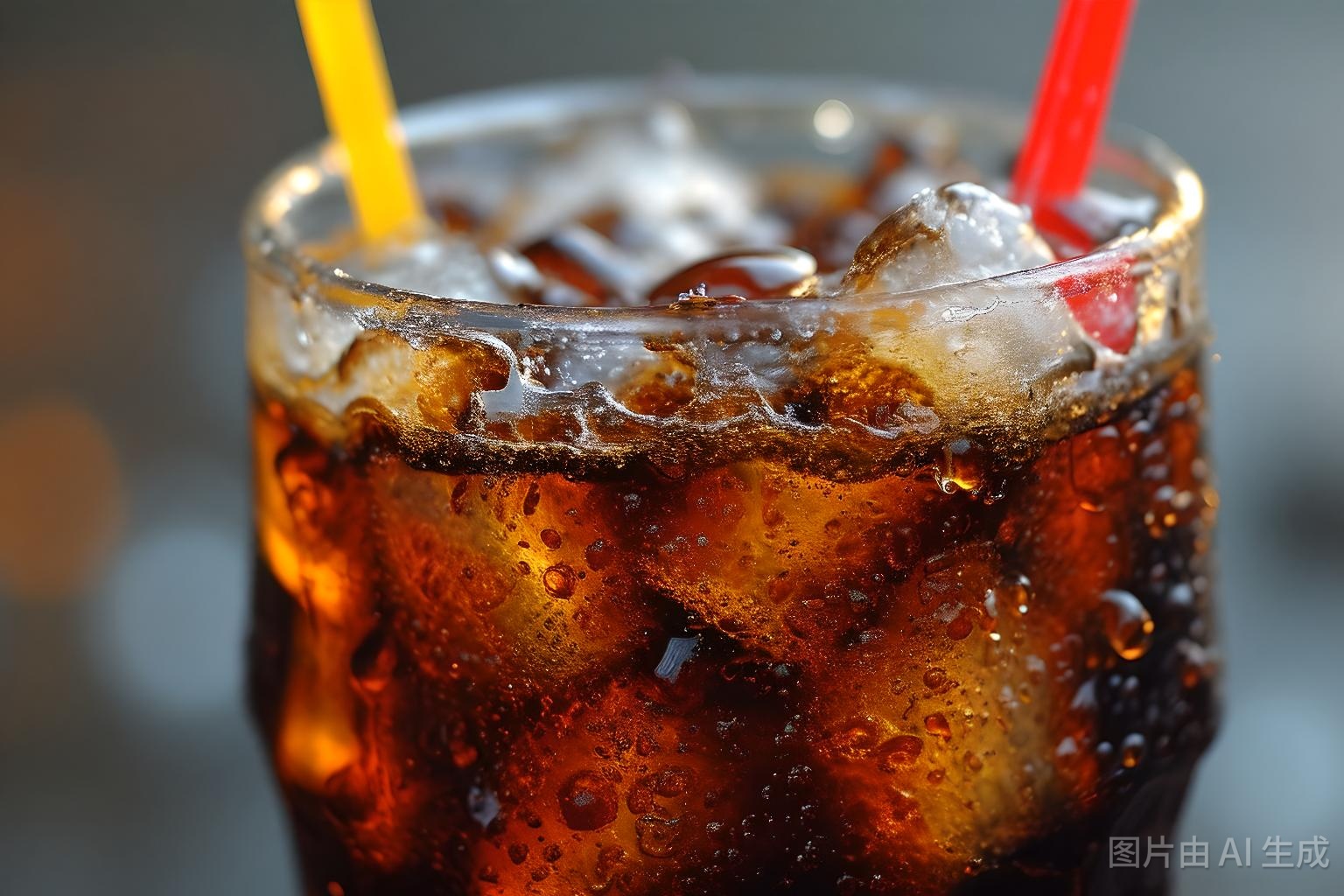
Group 1 - The internal announcement regarding the resignation of the president of Swire Coca-Cola China has been circulated, with the president, Zhang Jian, set to leave by the end of March 2026, to be succeeded by Jin Yi, the current head of Southeast Asia, Hong Kong, and Taiwan markets [1] - The food and beverage industry is experiencing a wave of executive changes, with notable departures in the beer and liquor sectors, indicating a potential shift in leadership dynamics within the beverage industry [3] - In the first three quarters of 2025, the food and beverage sector showed a clear divergence in performance, with emerging categories like electrolyte drinks and snacks growing rapidly, while traditional segments such as carbonated drinks and beer maintained low growth rates [3] Group 2 - Swire Coca-Cola is accelerating adjustments to its product and channel structure in response to competition and health trends, focusing on expanding its low-sugar and no-sugar product offerings [4] - The latest financial report indicates that Swire Coca-Cola's recurring profit for the first half of 2025 was HKD 861 million, a slight decrease of 2% year-on-year, with mainland China being the core growth driver, showing an 8% profit increase [4] - Despite facing challenges from the rapid rise of local brands and increasing consumer demand for healthier and personalized products, the new president's strategies for overcoming these challenges remain to be seen [4]
“护城河”理论过时了:“共识平原”时代到来|狮也咨询《思想领袖系列》
Sou Hu Cai Jing· 2025-12-07 13:16
Core Argument - The article argues that the "moat" theory, which has dominated business strategy for the past three decades, is becoming obsolete as the world transitions to a new strategic paradigm called the "consensus plain" [2][3][5]. Group 1: The Decline of the Moat Theory - The moat theory, introduced by Warren Buffett in 1993, emphasized the importance of having a strong competitive advantage to protect investment returns from competitors [2]. - Historical examples illustrate how established companies like Coca-Cola, Kodak, and Walmart have seen their competitive advantages eroded by new entrants that leverage changing consumer preferences and technological advancements [3][5]. - The moat's effectiveness is diminishing as the business landscape shifts from a closed castle model to an open value network model, leading to a strategic paradigm shift [5]. Group 2: Characteristics of the Moat - The moat consists of three essential elements: scarcity, control, and isolation, which were relevant during the industrial era characterized by limited resources [9]. - Brand moats rely on monopolizing consumer perception through significant advertising investments [9]. - Patent moats utilize legal protections to create exclusive advantages based on technological scarcity [9]. - Scale moats achieve cost advantages through high production volumes, allowing companies to dominate pricing [9]. Group 3: Forces Eroding the Moat - Three converging forces are dismantling the moat: the abundance of resources, the networked nature of value creation, and the fluidity of consumer consensus [12][10]. - The abundance of resources, facilitated by cloud computing and open-source movements, has transformed previously scarce resources into accessible infrastructures [12]. - Value is increasingly generated within interconnected ecosystems rather than solely within individual companies, diminishing the relevance of traditional moats [12]. - Consumer loyalty is shifting from static brand recognition to dynamic engagement with values and narratives, making traditional brand moats vulnerable [12]. Group 4: The Consensus Plain Strategy - The "consensus plain" strategy emerges as a new approach when moat logic fails, characterized by an open value creation and exchange environment [13]. - The consensus plain is defined by a shared vision and collaborative rules, attracting participants who contribute to its value [15]. - A strong consensus plain consists of three layers: narrative consensus (the overarching story), rule consensus (operational guidelines), and value consensus (how value is shared) [16]. Group 5: Constructing the Consensus Plain - Building a consensus plain involves a four-step foundational method: identifying value vacuums, crafting a compelling narrative, designing initial rules, and initiating a "cold start flywheel" [22][23]. - Identifying areas with unmet needs is crucial for establishing a consensus plain, as demonstrated by Pinduoduo's focus on price-sensitive consumers [24]. - A powerful narrative serves as the gravitational force for the consensus plain, as seen in Huawei's vision for a unified operating system [29]. - Initial rules must be simple and transparent, facilitating participation and collaboration, as exemplified by BYD's open supply chain model [30]. Group 6: The Evolution of Rules in the Consensus Plain - The power lies in the continuous definition and evolution of rules within the consensus plain, requiring companies to transition from product managers to civilization architects [36]. - Rule definition grants significant commercial power, as illustrated by NVIDIA's dominance through its CUDA ecosystem [37]. - Rules must evolve to maintain vitality and balance, necessitating gradual experimentation and community governance [40]. Group 7: Interactions Between Consensus Plains - As multiple consensus plains coexist, competition and cooperation create a complex landscape, leading to various relationships such as absorption, bridging, and confrontation [50][51]. - The collaboration between national-level and regional plains exemplifies how different levels can resonate and enhance overall value creation [55].
月销6000被抢断货,全网吐槽“又贵又难喝”!打工人为何疯抢抗炎神饮
21世纪经济报道· 2025-12-07 08:28
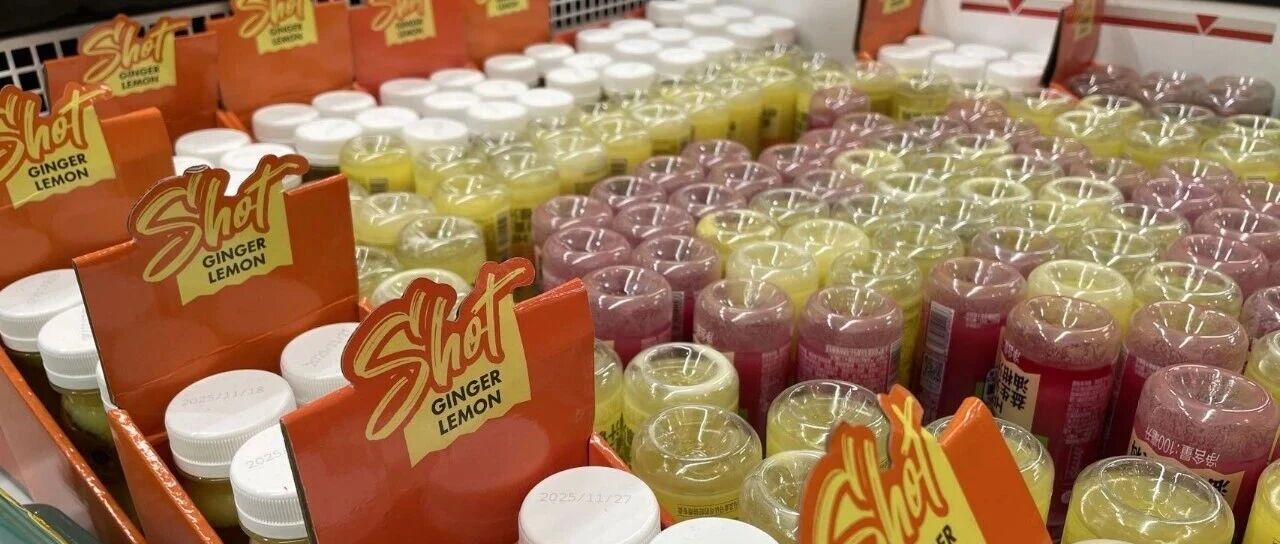
Core Viewpoint - The article discusses the rising popularity of turmeric drinks among young consumers, highlighting their health claims and the paradox of high prices and mixed taste reviews [1][4][14]. Group 1: Market Trends - Turmeric drinks are becoming a trendy health product, with significant sales growth; for instance, sales increased 14 times since the Double Eleven shopping festival [4]. - The hashtag TurmericDrink has garnered over 12.47 million views on Xiaohongshu and 6.175 million on Douyin, indicating strong social media engagement [4]. - Various brands are entering the turmeric drink market, with prices generally high; for example, So Acai's 50ml turmeric drink is priced at 16.7 yuan [5]. Group 2: Pricing and Sugar Content - The price of turmeric drinks varies significantly, with some brands charging as much as 16.7 yuan for 50ml, while others like Box Horse offer 100ml for 8.9 yuan [5][8]. - Many turmeric drinks contain high sugar levels; for instance, a 100ml serving of Sam's turmeric lemon drink contains 32g of sugar, which is a concern for health-conscious consumers [10][11]. Group 3: Health Perception and Consumer Behavior - Young consumers are increasingly focused on health, with 66.2% expressing concern about their health status, yet rating it only 6.65 out of 10 [16]. - The marketing of turmeric drinks emphasizes their natural ingredients and health benefits, appealing to young consumers' desire for wellness [16]. - Emotional stress and anxiety are driving young people to invest in health products, with an average annual spending of 3,250.7 yuan on health-related items [17].
周观点:年底关注渠道反馈,餐供龙头率先复苏-20251207
GOLDEN SUN SECURITIES· 2025-12-07 08:24
Investment Rating - The report maintains an "Increase" rating for the food and beverage industry, indicating a positive outlook for selected stocks and sectors within the industry [4]. Core Insights - The white liquor sector is showing signs of recovery, with Shanxi Fenjiu focusing on national expansion, youth engagement, and internationalization strategies for 2026. The company is optimizing inventory and enhancing market capacity, which is expected to support growth [2]. - In the beverage sector, companies like Nongfu Spring are planning to strengthen their water and tea product lines while introducing new products. The beer segment is diversifying with new flavors to cater to changing consumer preferences [3]. - The report highlights the potential for growth in consumer staples, with companies like Three Squirrels expanding into a full-category strategy and Mengniu Dairy leading in deep processing innovations [7]. Summary by Sections White Liquor - Shanxi Fenjiu's 2026 marketing strategy focuses on nationalization, youth engagement, and precise consumer service. The company is targeting key markets and optimizing inventory to enhance growth potential [2]. - The white liquor industry is characterized by bottoming out in sales, clearing financial reports, and low expectations, suggesting a favorable environment for quality asset allocation [2]. Beer and Beverage - The beer sector is witnessing the launch of new products like Jin Xing Beer’s winter flavor, reflecting a shift in consumption patterns towards home and outdoor settings [3]. - Nongfu Spring's strategy for 2026 includes strengthening its core water products and expanding its tea offerings, indicating a focus on product diversification and market penetration [3]. Consumer Staples - Three Squirrels is advancing its full-category strategy with the opening of flagship stores, emphasizing community engagement and a wide range of products [7]. - Mengniu Dairy is enhancing its product line with deep processing innovations, which are expected to drive demand and improve the utilization of raw milk [7]. - The frozen food sector is recovering, with companies like Anjuke benefiting from new product launches and channel optimizations, indicating a positive market response [7].






8.9元抗炎神饮被年轻人抢断货!网友吐槽“又贵又难喝”
2 1 Shi Ji Jing Ji Bao Dao· 2025-12-07 02:16
Core Insights - The rising popularity of turmeric drinks among young consumers is attributed to their perceived health benefits, particularly anti-inflammatory properties, despite concerns over taste and high sugar content [1][10][11] Group 1: Market Trends - Turmeric drinks have become a trending product, with significant online engagement, including over 12.47 million views on Xiaohongshu and 6.175 million on Douyin [2] - Sales of turmeric drinks surged by 14 times compared to September since the Double Eleven shopping festival began [2] - Various brands are entering the turmeric drink market, with prices generally high, such as 16.7 yuan for a 50ml bottle from So Acai and 8.9 yuan for a 100ml bottle from Hema [2][4] Group 2: Consumer Behavior - Young consumers are willing to purchase turmeric drinks despite their high prices and challenging flavors, indicating a strong health consciousness [4][10] - A report indicates that 66.2% of young people are concerned about their health, yet they rate their overall health at only 6.65 out of 10, highlighting a gap between concern and satisfaction [10] - Emotional crises and anxiety are driving 63.1% of young people to invest in health management, with an average annual spending of 3,250.7 yuan on health products [13] Group 3: Product Characteristics - Turmeric drinks are marketed as "superfoods" due to their antioxidant and anti-inflammatory properties, with claims that they can address various health issues [11] - The sugar content in these drinks is notably high, with some brands containing up to 32g of sugar per 100ml, raising concerns about health implications [5][6] - The effectiveness of turmeric drinks for anti-inflammatory purposes is debated, as the required dosage of curcumin for health benefits is significantly higher than what is typically found in these beverages [8]
海澜之家“玩票”,跨界投资饮用水赛道,分析师:不看好
Sou Hu Cai Jing· 2025-12-06 09:09
Core Viewpoint - Haier's expansion into the beverage industry through the establishment of Jiangyin Hailan Water Beverage Co., Ltd. is seen as a strategic move to diversify and meet internal demands, although the competitive landscape poses significant challenges for market entry [1][3][5]. Company Overview - Jiangyin Hailan Water Beverage Co., Ltd. is a wholly-owned subsidiary of Hailan Home, with a registered capital of 5 million yuan, focusing on the manufacturing of beverages and related products [3][4]. - The company aims to leverage its extensive network of over 7,200 stores to enhance customer service and reduce costs [4][6]. Financial Performance - Hailan Home reported a revenue of 15.599 billion yuan for the first three quarters of the year, reflecting a year-on-year growth of 2.23%, while net profit decreased by 2.37% to 1.862 billion yuan [1][5][6]. - The company's sales expenses have significantly increased, reaching 3.524 billion yuan in the first three quarters, compared to 2.403 billion yuan in 2020 [6]. Market Challenges - The beverage market is characterized by intense competition, with established players dominating the landscape, making it difficult for new entrants like Hailan Water to gain market share quickly [5][6]. - Analysts express skepticism about Hailan's ability to compete effectively due to challenges in brand recognition, channel distribution, and supply chain management [5][6]. Strategic Insights - The move into the beverage sector is viewed as a low-risk diversification strategy, allowing Hailan to experiment with new business models without significant financial commitment [4][5]. - Hailan's reliance on a strong marketing strategy and extensive store network has been a key driver of its sales, but this approach may lead to long-term challenges in product innovation and market relevance [6].