维他鸭屎香柠檬茶

Search documents
老牌饮料的转型挑战,维他奶上半财年营收承压下滑6%
Xi Niu Cai Jing· 2025-12-02 02:22
Core Viewpoint - Vitasoy International Holdings Limited reported a decline in overall revenue for the first half of the fiscal year 2025/26, primarily due to weak performance in traditional retail channels in mainland China, despite some growth in emerging channels [2][3]. Group 1: Financial Performance - Total revenue for the six months ending September 30, 2025, was HKD 3.227 billion, a decrease of 6% from HKD 3.443 billion in the same period last year [2]. - Profit attributable to equity holders slightly increased by 1% to HKD 172 million [2]. - Revenue from mainland China, the largest market for Vitasoy, was HKD 1.778 billion, down 9% year-on-year, significantly impacting overall performance [2]. Group 2: Market Challenges and Strategies - The decline in revenue was mainly attributed to the poor performance of traditional retail channels, although all-channel business showed steady growth [2]. - Vitasoy is focusing on core product categories such as soy milk, plant-based milk, and ready-to-drink tea, implementing competitive pricing strategies and product innovations to adapt to market changes [2]. - New product launches, including the "Duck Shit Lemon Tea," and competitive pricing for existing products have helped improve market share in the soy and plant-based milk categories [2]. Group 3: Regional Performance - The Hong Kong business, including Macau and exports, remains stable, with Vitasoy consolidating its leadership in the non-alcoholic beverage market [3]. - New product launches like low-sugar white peach soy milk and the Duck Shit Lemon Tea, along with strong sales of zero-sugar lemon tea and sparkling series, have reinforced category leadership [3]. - However, adverse weather conditions and weak retail performance in Macau, along with fluctuating U.S. tariff policies affecting North American exports, have negatively impacted overall performance in Hong Kong [3]. Group 4: Competitive Landscape - Vitasoy faces increasing competition in the soy milk sector from major players like Mengniu, Yili, and DaLi Foods, which are launching their own soy milk products [3]. - The tea beverage segment is also under pressure from the rise of sugar-free tea trends and various fresh lemon tea brands, challenging Vitasoy's traditional lemon tea offerings [3]. Group 5: Leadership Transition - The company is in a gradual leadership transition phase, with 84-year-old executive chairman, Lo Kwei Cheung, still actively involved, while his daughter, Lo Chi Mei, was appointed vice-chairman in 2023, signaling a potential succession [4]. - Despite the challenges in revenue growth, strategies focused on cost control and efficiency improvements have begun to show results in maintaining profitability [4]. - To achieve a true business recovery, Vitasoy needs to seek breakthroughs in product innovation, channel expansion, and brand rejuvenation to address increasing market competition and changing consumer preferences [4].


受困传统零售 维他奶国际降价寻增
Bei Jing Shang Bao· 2025-11-27 14:26
Core Viewpoint - Vitasoy International reported a 6% decline in revenue for the first half of the 2025/2026 fiscal year, primarily due to a weak market and intensified competition in the plant-based milk sector, posing challenges for the company's growth [2] Revenue Performance - The company's revenue for the first half of the fiscal year was HKD 3.227 billion, down from the previous year [2] - Revenue from mainland China decreased by 9.19% to HKD 1.778 billion, while net profit fell by 12.45% to HKD 192 million [3] - Mainland China accounts for approximately 55% of Vitasoy's total revenue and 63.07% of its net profit [3] Strategic Initiatives - To counteract declining sales, Vitasoy implemented cost optimization measures, maintaining an operating profit margin of 11% in mainland China [3] - The company introduced innovative products like the "Vitasoy Lemon Tea" to enhance its market share in the ready-to-drink tea category [3] - A price reduction of 10%-15% for Vitasoy Lemon Tea was attempted to respond to industry price wars, resulting in increased market share [3] Market Challenges - Vitasoy's business in Hong Kong also faced growth pressures, with a 4% revenue decline attributed to weak performance in its Vitasoy Tian Di business and adverse weather conditions affecting sales [4] - The company continues to hold a leading position in the non-alcoholic beverage market in Hong Kong, supported by successful product launches [4] Long-term Outlook - Despite short-term challenges, the company remains confident in its long-term growth potential, aiming to increase the proportion of low-sugar or no-added-sugar products to 80% by the 2030/2031 fiscal year [5] - The company is focusing on expanding its presence in southern China and Southeast Asia to capture growth opportunities [6]
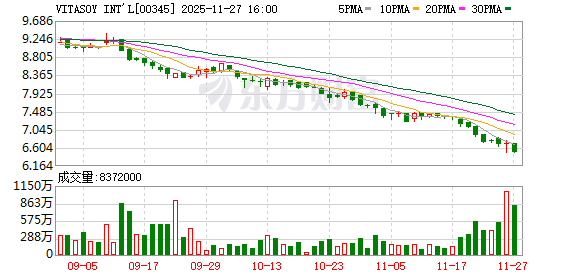
受困传统零售,维他奶国际降价寻增
Bei Jing Shang Bao· 2025-11-27 14:13
Core Viewpoint - Vitasoy International reported a 6% decline in revenue for the first half of the 2025/2026 fiscal year, totaling HKD 3.227 billion, primarily due to a weak market and intensified competition in the plant-based milk sector [1] Revenue Performance - Revenue from mainland China decreased by 9.19% to HKD 1.778 billion, while net profit fell by 12.45% to HKD 192 million, with mainland China accounting for approximately 55% of total revenue and 63.07% of net profit [3] - The overall revenue decline was attributed to a contraction in traditional retail channels, despite maintaining an operating profit margin of 11% through cost optimization measures [4] Product Strategy - Vitasoy introduced innovative products like the "Vitasoy Lemon Tea" to enhance market share in the ready-to-drink tea category amid slowing growth in plant-based and tea products [4] - A price reduction of approximately 10%-15% for Vitasoy Lemon Tea was implemented to respond to industry price wars, resulting in increased market share [4] Market Challenges - The Hong Kong business also faced growth pressures, with a 4% revenue decline attributed to weak performance in Vitasoy's subsidiary, Macau, and export markets [5] - Adverse weather conditions during the typhoon season negatively impacted business operations, particularly in the Vitasoy subsidiary [5] Competitive Landscape - Vitasoy faces significant competition from companies like Mengniu, Yili, and DaLi Foods, which have launched their own soy milk products, as well as the rise of sugar-free tea and ready-to-drink brands that compete with Vitasoy's offerings [6] - The company plans to increase the proportion of low-sugar or no-added-sugar products to 80% by the 2030/2031 fiscal year to align with health-conscious consumer trends [6] Future Outlook - Analysts suggest that Vitasoy's focus on cost reduction and efficiency improvements, along with potential market opportunities in southern China and Southeast Asia, could support future growth [7]
维他奶国际:中期收入下降6%,公司股权持有人应占溢利增长1%
Cai Jing Wang· 2025-11-26 03:42
Core Viewpoint - Vitasoy International reported a revenue of HKD 3.227 billion for the six months ending September 30, 2025, representing a year-on-year decrease of 6% [1] Financial Performance - The gross profit margin slightly declined to 51.1% during the interim financial period, primarily due to increased trade promotion expenses and a decrease in product prices in mainland China, although some of the decline was offset by lower raw material costs and improved operational efficiency [1] - The profit attributable to equity holders was HKD 172 million, reflecting a year-on-year increase of 1% [1] Market Trends - In the mainland China market, the growth rate of plant-based milk and tea products is slowing, with consumers shifting from traditional retail channels to various online platforms, including social media and instant e-commerce platforms, as well as membership-based stores and chain snack shops [1] - The slowdown in traditional retail channels, which constitute a significant portion of the company's business, has not been fully compensated by the growth in e-commerce platforms and chain snack shops, leading to an overall revenue decline of 9% [1] Product Innovation - Despite the challenges, the company has managed to increase its market share in the soy milk and plant-based milk categories due to effective promotions and competitive pricing [1] - In the tea category, the successful launch of innovative products such as Vitasoy's Lemon Tea has contributed to an increase in market share [1]
维他奶集团罗友礼:对持续扩大规模的长期潜力充满信心
Zheng Quan Shi Bao Wang· 2025-11-25 15:22
Core Viewpoint - Vitasoy International Holdings Limited reported a 6% decrease in revenue for the interim period ending September 30, 2025, primarily due to challenges in the mainland China market, while maintaining a gross margin of 51.1% and an operating profit margin of 7.6% [1] Group 1: Financial Performance - The company recorded a profit attributable to equity holders of HKD 172 million [1] - The board declared an interim dividend of HKD 0.04 per ordinary share, unchanged from the previous interim period [1] - The operating profit margin for the mainland China business was maintained at 11% due to cost optimization measures [2] Group 2: Market Performance - The mainland China business faced revenue decline due to shrinking traditional retail channel sales, although this was partially offset by robust growth in the omnichannel approach [1][2] - In Hong Kong, the beverage business continued to strengthen its leadership position in the non-alcoholic beverage market, despite challenges in the Vitasoy Tian Di business and export to the U.S. [2] - The Australian and New Zealand markets saw a 5% sales growth in local currency, with improved profitability and a significant reduction in operating losses to HKD 22 million [3] Group 3: Product Innovation and Strategy - The company focused on enhancing commercial execution and product innovation, leading to increased market share for Vitasoy's soy and plant-based milk products [1] - New product launches, such as Vitasoy's low-sugar white peach soy milk and lemon tea, contributed to market share growth in the ready-to-drink tea category [1][2] - In the Philippines, the plant-based category has been growing steadily at a double-digit rate, driven by oat and almond products [3]
维他奶上半财年营收32.27亿港元
Bei Ke Cai Jing· 2025-11-25 12:44
Core Viewpoint - Vitasoy International Holdings Limited reported a 6% year-on-year decline in revenue for the first half of the 2025/2026 fiscal year, primarily due to a weak market in mainland China [1] Group 1: Financial Performance - Revenue for the first half of the fiscal year reached HKD 3.227 billion [1] - Gross margin and operating profit margin were 51.1% and 7.6%, respectively [1] - Profit attributable to equity holders was HKD 172 million [1] Group 2: Market Dynamics - The decline in revenue in mainland China was attributed to a contraction in traditional retail channels, partially offset by robust growth in omnichannel sales [1] - Vitasoy's market share for soy and plant-based milk products increased, while its ready-to-drink tea segment saw growth due to competitive pricing strategies and the launch of new products [1] Group 3: Regional Performance - In Australia and New Zealand, sales grew by 5% in local currency, with improved market share due to resolved production issues and reduced production costs [2] - The operating loss in Australia and New Zealand decreased significantly to HKD 22 million [2] - Singapore's local and export tofu business continued to grow, although beverage sales faced challenges from intense competition and a high base from the previous year [2] Group 4: Management Outlook - The Executive Chairman expressed confidence in the long-term growth potential despite short-term challenges, with plans to accelerate growth in Hong Kong and further reduce operating losses in Australia, New Zealand, and Singapore [2]
维他奶国际公布中期业绩:收入32.27亿港元 拟派中期股息每股4港仙
Zheng Quan Ri Bao Wang· 2025-11-25 11:02
Core Viewpoint - Vitasoy International Group Limited reported a revenue decline of 6% to HKD 3.227 billion for the first half of the fiscal year 2025/2026, primarily due to weak market conditions in mainland China, while net profit attributable to shareholders increased by 1% to HKD 172 million [1][2] Group 1: Financial Performance - The gross profit margin and operating profit margin for the group were 51.1% and 7.6%, respectively [1] - The mainland business maintained an operating profit margin of 11% during the mid-term financial period despite a decline in sales [2] - The company plans to distribute an interim dividend of HKD 0.04 per share on December 23 [1] Group 2: Market Strategy - The management emphasized the importance of enhancing commercial execution and product innovation to adapt to the rapidly changing external macro and competitive environment [1][3] - Vitasoy launched new products such as Vitasoy Duck Shit Lemon Tea, which contributed to an increase in market share in the ready-to-drink tea category [1][2] - The company is focusing on expanding its presence in the breakfast scene through a marketing campaign that integrates various media platforms to resonate emotionally with consumers [2] Group 3: Operational Adjustments - The company is implementing a multi-faceted strategy to address the revenue decline, including improving operational execution, launching innovative products, and adopting competitive pricing strategies [3] - Vitasoy is actively enhancing its sales team resources to ensure accelerated growth in core regions, particularly in southern China and Southeast Asia [3] - The company has been pursuing cost optimization measures, such as optimizing effective outlets and reducing unnecessary promotional expenditures [3]
微综艺打响“小而美”大战
3 6 Ke· 2025-09-18 03:33
Core Insights - Micro-variety shows are becoming a favored marketing tool for brands and short video platforms, moving from traditional advertising to content co-creation [1][3][4] - The rise of micro-variety shows is attributed to their ability to engage users in a fragmented attention economy, offering a new marketing strategy for brands [3][4][7] Brand Strategies - Brands like Haowang Water and China Life are launching custom micro-variety shows to enhance emotional connections and integrate product knowledge into entertaining formats [1][5][7] - The trend is shifting from sponsorship in traditional variety shows to brands taking a more active role in content creation, aiming for deeper engagement with target audiences [14][16][17] Market Trends - The overall number of variety shows has decreased by 11% year-on-year, with sponsorships down by 10%, leading brands to favor micro-variety shows due to lower costs and higher engagement potential [4][19] - Micro-variety shows typically last between 3 to 30 minutes, making them suitable for social media platforms like Douyin and Kuaishou, where short, engaging content thrives [4][9] Content Types - Micro-variety shows can be categorized into four main types: derivative shows from popular formats, celebrity reality shows, original lifestyle content, and brand-customized shows [9][12] - These shows often address social issues and emotional themes, resonating with diverse audience segments [12][18] Marketing Evolution - The marketing approach is evolving from hard advertising to content co-creation, with brands integrating their narratives into the shows [14][20] - Brands are increasingly focusing on niche markets and specific themes, allowing for targeted engagement and community building [16][18] Engagement Strategies - Successful micro-variety shows leverage social media for broader reach and audience interaction, creating a stable content asset for brands [23] - The emphasis is on creating genuine, valuable content that resonates with users, moving away from overt promotional tactics [20][23]



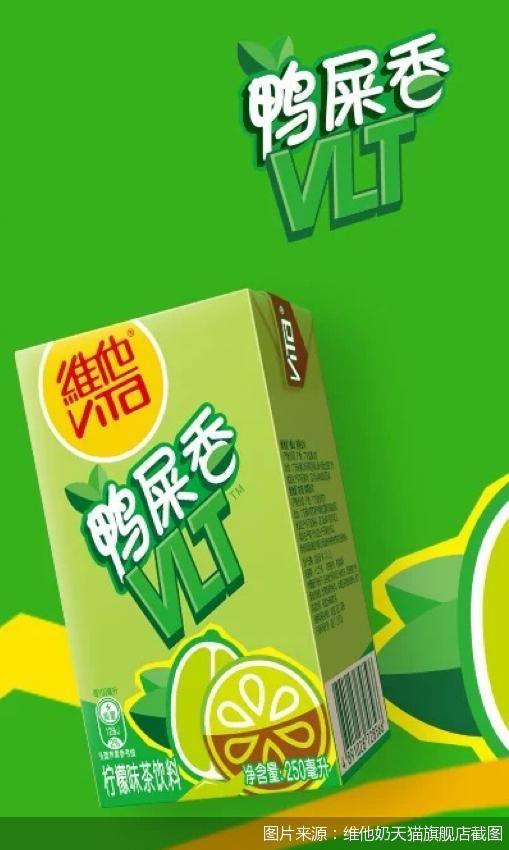
维他鸭屎香柠檬茶以“茶柠双香”破局,轻爽少糖赢年轻人青睐
Zhong Guo Chan Ye Jing Ji Xin Xi Wang· 2025-07-23 07:46
Group 1 - The core viewpoint highlights the popularity of lemon tea among young consumers, with lemon flavor holding a 39% market share in the ready-to-drink fruit tea segment, making it the leading flavor [1] - Vitas' new product, "Vita Duck Shit Fragrant Lemon Tea," combines Duck Shit Oolong tea with fragrant lemons, catering to diverse consumer preferences and addressing the trend of flavor innovation in the lemon tea market [3] - The product features a unique blend of two key ingredients, Duck Shit Oolong tea and high-quality fragrant lemons, offering a refreshing taste experience while reducing sugar content to balance acidity and bitterness [3] Group 2 - The product is designed for various consumption scenarios, allowing young consumers to enjoy a refreshing experience anytime, whether at gatherings, leisure moments, or short trips [5] - The combination of Duck Shit tea and fragrant lemons is driving innovation in the lemon tea sector, reinforcing Vitas' leadership position in the market [5] - Vitas plans to continue strengthening its product matrix with a focus on "bitter and refreshing" offerings to maintain its competitive edge in the lemon tea category [5]
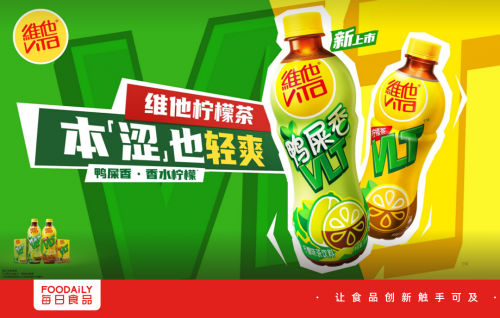
维他“茶柠CP”革新即饮柠檬茶赛道
Zhong Guo Chan Ye Jing Ji Xin Xi Wang· 2025-05-15 08:07
Core Viewpoint - Vitasoy's new product, Vitasoy Duck Shit Fragrant Lemon Tea, innovatively combines Duck Shit Oolong tea with fragrant lemons, aiming to capture the preferences of young consumers in the ready-to-drink lemon tea market [1][3]. Group 1: Product Innovation - The development of Vitasoy Duck Shit Fragrant Lemon Tea is driven by insights into health beverage trends, utilizing fragrant lemons and Duck Shit Oolong tea to create a unique flavor profile [3][4]. - The product features a dual aroma of "tea fragrance" and "citrus fragrance," enhancing the sensory experience for consumers [3]. Group 2: Consumer Preferences - Research indicates that 73% of Chinese lemon tea consumers prefer fragrant lemons, while 39% show interest in Duck Shit tea base, guiding Vitasoy's product formulation [3]. - The new tea reduces sugar content, catering to the younger demographic's demand for lighter dietary options [4]. Group 3: Market Positioning - Vitasoy's new offering strengthens its product matrix in the ready-to-drink lemon tea segment, reinforcing its leading position in the market [4]. - The brand aims to resonate with young consumers by providing a refreshing beverage suitable for various social occasions, enhancing its image as a vibrant and positive brand [4].