
电池回收

Search documents
二手转卖利润远高于回收!央视曝光无3C充电宝背后“灰色产业链”
Sou Hu Cai Jing· 2025-08-16 15:06
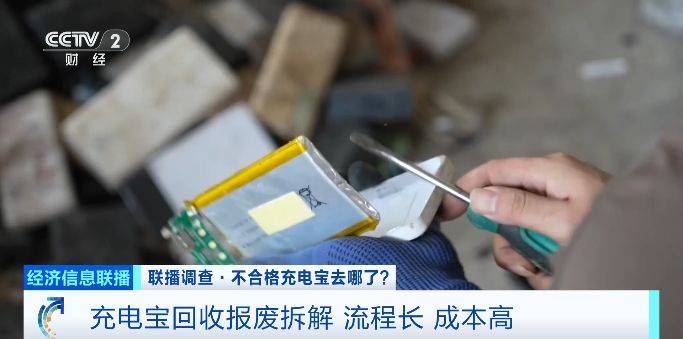
Group 1 - The number of civil transport airports in China exceeds 260, with a significant number of power banks intercepted in recent months, raising concerns about the handling of these products and the reasons for their resale by merchants [1] - A lithium battery recycling company indicates that the typical process for recycling power banks involves treating them as electronic waste, which is costly and lengthy, involving steps like dismantling and thermal decomposition to recover materials [3] - Reselling these intercepted airport power banks through second-hand channels is highly profitable, with costs as low as 6 yuan per unit at recycling companies, while they can be sold for over 40 yuan on second-hand platforms [5] Group 2 - The average price for one ton of power banks exiting airports is around 9,000 yuan, with each ton containing approximately 4,000 units, leading to a profit margin of 8,000 to 12,000 yuan per ton when sold second-hand, compared to only 4,000 yuan when processed for material recovery [7] - The influx of intercepted power banks presents an opportunity for the battery recycling industry, but many non-industry players are also targeting this lucrative market, resulting in only a portion of the power banks reaching legitimate recycling enterprises [9] - A battery dismantling company reports that while they would typically pay 6,000 to 7,000 yuan per ton for power banks, competitors are offering around 10,000 yuan per ton, making it difficult for them to source materials without incurring losses [11]

从“城市矿山”掘金 武汉博士实现废旧锂电池高品质利用
Chang Jiang Ri Bao· 2025-08-11 00:43
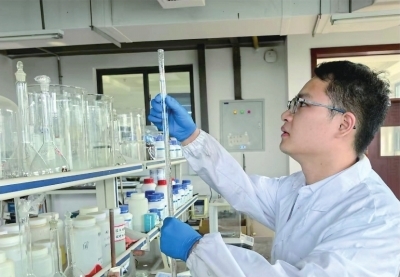
Core Viewpoint - The article highlights the innovative research by a PhD graduate focused on recycling waste lithium batteries, emphasizing the potential for resource recovery and environmental benefits in the context of limited mineral resources and increasing demand for lithium in electric vehicle production [1][2]. Group 1: Research and Innovation - The researcher employs electrochemical techniques to process waste lithium batteries, allowing lithium to be reintroduced into the battery production chain [1]. - The innovative selective acid leaching process extracts lithium, nickel, cobalt, and manganese from mixed electrode materials, transforming them into high-quality battery materials [2]. - The technology has been recognized by the company, which sees it as a significant advancement in the recycling of waste lithium batteries, optimizing processes and reducing production costs [2]. Group 2: Industry Context - The article discusses the growing reliance on lithium batteries in electric vehicles and the challenges posed by the dependence on imported materials like cobalt and nickel [1]. - It emphasizes the importance of recycling electronic waste, which can be viewed as "urban mines," to alleviate resource shortages and environmental pressures [1]. - The rising prices of lithium carbonate in 2022 highlighted the urgency of developing technologies to recycle and recover lithium from waste sources [1].
从“城市矿山”掘金,武汉博士唤醒废旧锂电池“二次生命”
Chang Jiang Ri Bao· 2025-08-08 02:54
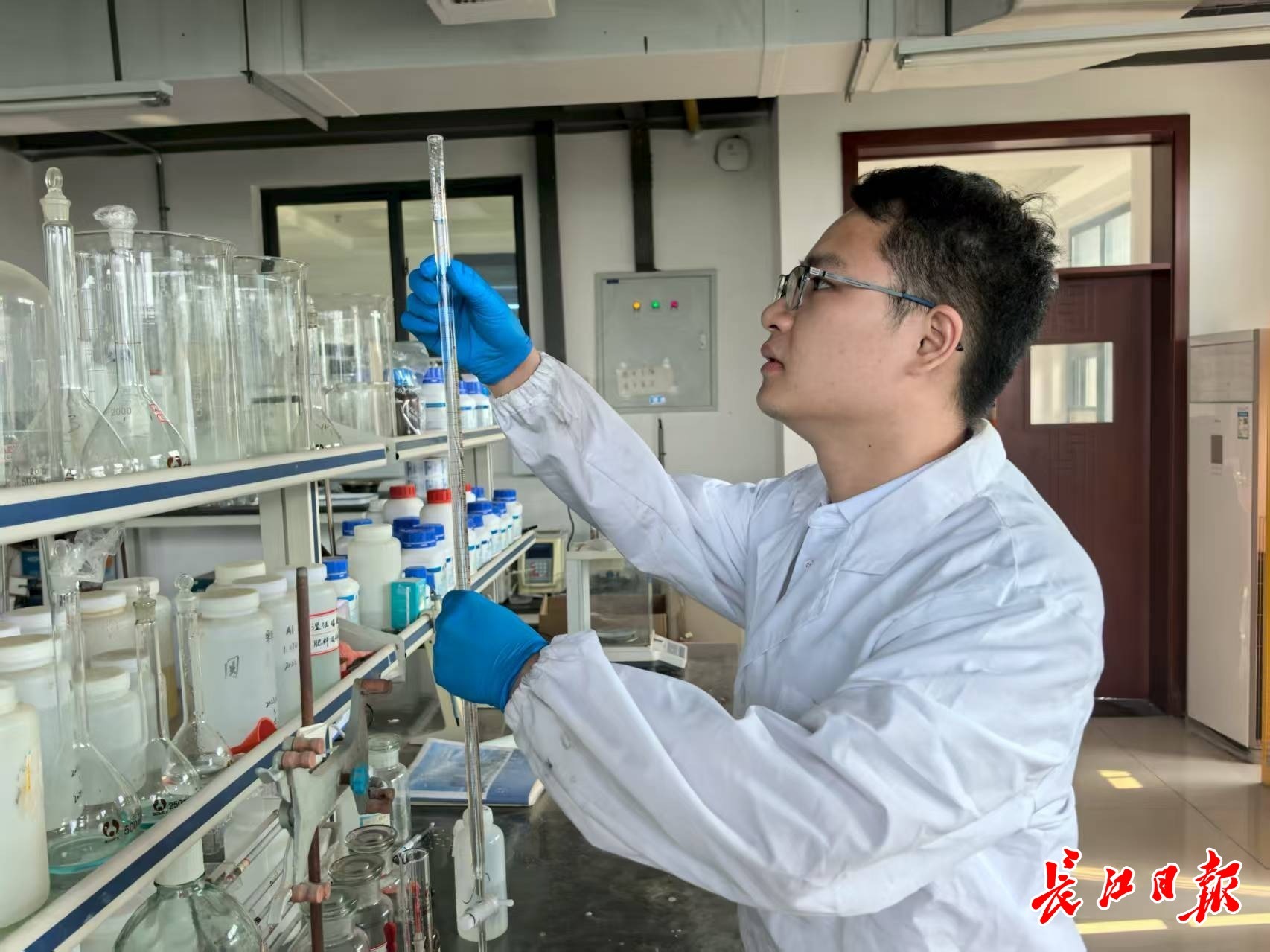
Core Viewpoint - The article highlights the innovative research of Ding Weigang, a PhD graduate from Wuhan University of Technology, focusing on the recycling of waste lithium batteries to alleviate resource shortages and environmental pressures in the context of the growing demand for lithium batteries in electric vehicles [1][3]. Group 1: Research and Innovation - Ding Weigang is conducting research on the recycling of waste lithium batteries, utilizing electrochemical technology to recover lithium and other valuable materials from discarded batteries [1][3]. - The research addresses the limited availability of mineral resources and the environmental impact of mining by extracting metals from electronic waste, which is referred to as "urban mining" [3]. - The technology developed by Ding involves selective acid leaching to extract lithium, nickel, cobalt, and manganese from mixed electrode materials, transforming them into high-quality products suitable for battery production [4]. Group 2: Industry Context - The increasing use of lithium batteries in electric vehicles has led to a surge in lithium prices, highlighting the urgency of developing recycling technologies to mitigate resource scarcity [3]. - The research aligns with the industry's need to reduce reliance on imported materials such as cobalt and nickel, thereby enhancing resource security through domestic recycling efforts [3]. - The technology has been recognized by Greeenmei, with the company's Wuhan Research Institute director praising its ability to optimize processes and reduce production costs, marking it as a significant technological advancement for the company [4].
江西理工大学“锂想绿行”科研团队:“以废治废”攻克锂电池回收难题
Ke Ji Ri Bao· 2025-08-05 23:46
Group 1 - The "Lithium Green Action" research team from Jiangxi University of Science and Technology has successfully developed a short-process green recycling technology for waste lithium batteries, addressing the challenge of efficient lithium resource recycling [1] - The new technology has been applied in multiple enterprises in Jiangxi, processing a total of 17,000 tons of waste batteries and generating over 170 million yuan in new value [1] - The team introduced the "waste-to-waste" concept to overcome the challenges of traditional lithium battery recycling, which include high reagent consumption in wet processes and lithium loss during fire smelting [1] Group 2 - The team pioneered a flue gas resource utilization technology that achieves a lithium extraction rate exceeding 97% by directly introducing flue gas from battery roasting into the leaching solution of cathode materials, reducing lithium extraction costs by approximately 20% compared to traditional methods [1] - The "layered roasting technique" was developed to efficiently destroy the stable structure of lithium cobalt oxide during fire recovery, resulting in a 66.71% reduction in water leaching residue, thereby lowering the recovery difficulty and costs for valuable metals like cobalt and nickel [1] - In processing lithium iron phosphate batteries and sulfur-containing waste, the team innovatively combined waste lead-acid battery recovery with waste lithium iron phosphate battery smelting, achieving lithium recovery rates of 96% and lead recovery rates of 98%, while also fixing sulfur with a 99% fixation rate [2] Group 3 - The collaboration with companies like Jiangxi Tianqi Jintai Ge Co., Ltd. has led to an additional value of over 40 million yuan in two years through the application of the waste lead paste co-smelting technology [2] - The team's lithium extraction technology for ternary batteries has processed 12,000 tons of waste batteries at Ganzhou Yihai Xing Company, generating economic benefits of 170 million yuan [2] - The team has applied for seven national invention patents in the battery recycling field, with two granted, and one international patent application, aiming to inject new momentum into the lithium battery recycling industry in Jiangxi Province [2]
黑粉“金矿”争夺战
Zhong Guo Qi Che Bao Wang· 2025-08-05 04:05
Core Viewpoint - The recycling of black powder from discarded lithium-ion batteries is emerging as a valuable resource, with significant implications for the global competition in the electric vehicle and battery industries [2][4][10]. Group 1: Resource Outflow Risks - In the first half of the year, China exported 1.06 million new energy vehicles, with a year-on-year increase of 71.3%, and the total weight of exported lithium-ion batteries reached 2.0872 million tons, up 72.62% [3]. - The production of power batteries in China reached 697.3 GWh in the first half of the year, a 60.4% increase, indicating a growing demand for raw materials [3]. - The reliance on foreign sources for key minerals like nickel, cobalt, and lithium is high, with dependency rates of 93%, 98%, and 63% respectively, posing a risk to resource security [4]. Group 2: Policy Changes and International Competition - China is opening its doors to the import of black powder, while the EU is tightening export regulations, marking the beginning of an international competition for this resource [6][8]. - The EU has prohibited the export of black powder and similar materials to non-OECD countries, complicating the situation for Chinese companies seeking to recover these resources [8][9]. - The value and scarcity of black powder are reflected in the contrasting policies of China and the EU, highlighting its strategic importance in the global market [9]. Group 3: Technological and Economic Considerations - The average lifespan of power battery products is 5 to 8 years, suggesting a surge in battery retirements around 2025, which will necessitate effective recycling strategies [5]. - The recovery of black powder can significantly reduce production costs by approximately 60% compared to extracting from primary minerals, enhancing the economic viability of the new energy vehicle industry [10][11]. - Domestic companies face challenges in technology and equipment, with a need to innovate and improve efficiency in black powder recovery processes to compete globally [13][14]. Group 4: Strategic Initiatives and Future Directions - Companies are encouraged to establish cross-regional resource recovery networks to enhance their capabilities in the competitive landscape [14][17]. - Collaborations with local firms in regions like the EU for battery recycling can provide a viable solution to the challenges posed by export restrictions [15][16]. - The focus on technological innovation and the establishment of a "green recycling" brand can help domestic companies gain a competitive edge in the international market [12][17].

南都电源:针对铅回收业务板块,公司目前主动减产,减少亏损
Zheng Quan Ri Bao Zhi Sheng· 2025-08-04 10:40
证券日报网讯 南都电源8月4日在互动平台回答投资者提问时表示,针对铅回收业务板块,公司目前主 动减产,减少亏损,同时进行相关技改升级,多效并举降本增效,进一步提高工艺水平、开展资源综合 回收利用,调整产品结构,增强综合回收能力及盈利能力。 (编辑 袁冠琳) ...

中国海关:规范锂离子电池用再生黑粉原料、再生钢铁原料进口管理。
news flash· 2025-07-30 10:42
Core Viewpoint - The Chinese customs authority has announced new regulations to standardize the import management of recycled black powder used in lithium-ion batteries and recycled steel materials [1] Group 1 - The new regulations aim to enhance the management and quality control of imported recycled materials, which are critical for the production of lithium-ion batteries and steel [1] - The move is expected to impact the supply chain for companies involved in the production of electric vehicles and renewable energy technologies, as they rely heavily on these recycled materials [1] - The regulations may lead to increased costs for importers and manufacturers who need to comply with the new standards, potentially affecting pricing strategies in the market [1]
7.23犀牛财经早报:个人养老金基金正收益的产品接近九成 亚马逊收购可穿戴设备制造商Bee
Xi Niu Cai Jing· 2025-07-23 01:38
Group 1 - The Hong Kong stock market has seen nearly 80 billion yuan inflow through ETFs this year, with a strong preference for technology and internet sectors [1] - Personal pension fund scale has surpassed 12 billion yuan, with nearly 90% of products yielding positive returns since inception [1] - A new efficient and environmentally friendly lithium-ion battery recycling method has been developed, achieving over 92% recovery of key metals [2] Group 2 - A new RSV preventive drug, SIBP-A16, has received clinical trial approval, representing an upgrade in China's preventive antibody research system [3] - The Chinese Urban Public Transport Association issued an apology for misleading information regarding the ban on fuel vehicles in ride-hailing platforms [4] - Starbucks China has introduced "Starbucks Study Room" in some Guangdong stores to provide a study space for consumers [5] Group 3 - Coca-Cola announced the launch of a new cane sugar version of its product in the U.S. this fall as part of its innovation strategy [5] - Amazon is acquiring wearable device manufacturer Bee AI to enhance its AI capabilities [5] - Carlyle Group has hired a Goldman Sachs executive to expand its private credit business [5] Group 4 - China Rare Earth's executive director is involved in overdue debts exceeding 200 million yuan, with no reasonable explanation provided [6] - Guangji Pharmaceutical's vice president resigned following a penalty from the Hubei Securities Regulatory Commission, with expected losses of 67 to 83.5 million yuan for the first half of 2025 [7] - Guanglian Aviation's controlling shareholder is under investigation, but it is stated that this will not significantly impact normal operations [7] Group 5 - U.S. stock indices showed mixed results, with the Dow Jones rising by 0.4% while the Nasdaq fell by 0.39% [8] - General Motors' stock dropped over 8% due to performance decline influenced by tariffs, while Texas Instruments provided a pessimistic outlook for Q3 [9] - Bitcoin rose by 2.3%, while gold increased by over 1%, reaching a one-month high [9]




第一创业晨会纪要-20250722
First Capital Securities· 2025-07-22 08:03
Group 1: Industry Overview - The domestic CIS chip industry is expected to maintain a high level of prosperity due to the increasing market share of high-pixel products and the recognition of innovative single-chip high-pixel integration technology by major brand clients [2] - The domestic CIS chip companies are showing significant growth, with companies like Gekewei and Crystal Integration reporting substantial revenue increases, indicating a positive trend in the high-end market [2][3] Group 2: Company Performance - Gekewei's revenue for the first half of 2025 is projected to be between 34.11 billion and 38.09 billion yuan, reflecting a year-on-year growth of 22.27% to 36.51%, with a record quarterly revenue of 20.75 billion yuan in Q2, up 38.3% year-on-year [2] - Crystal Integration anticipates a revenue of 507 million to 532 million yuan for the first half of 2025, representing a year-on-year increase of 15.29% to 20.97%, with a net profit forecast of 260 million to 390 million yuan, showing a growth of 39.04% to 108.55% [2] - Sanqin Technology expects its revenue for the first half of 2025 to be between 286 million and 290 million yuan, with a year-on-year growth of 52.12% to 54.25%, driven by new product mass production [3] Group 3: Market Trends - The domestic base station equipment industry is likely to enter a new round of technological upgrade order cycles as operators begin to deploy 5GA services, indicating a positive outlook for related industries [3] - The Chinese government's recent stance on the rapid development of emerging industries, including new energy and artificial intelligence, suggests a shift towards more cautious and regionally tailored investment strategies, which may impact the overall market dynamics [6][7]
第一创业晨会纪要-20250721
First Capital Securities· 2025-07-21 04:04
Group 1: Industry Insights - The Yarlung Tsangpo River hydropower project, with an investment of 1.2 trillion, has been approved, which is expected to benefit industries such as civil explosives and cement in Tibet [2] - The rare earth price index reached a new high of 192.24 points in July, with a month-on-month increase of over 6%, indicating a trend of accelerating price increases due to China's export controls against the U.S. [3] - The establishment of a joint venture by LG Energy and Toyota in the U.S. for battery recycling marks a shift in the global supply chain dynamics, potentially reducing China's dominance in battery raw materials [6] Group 2: Company Performance - Sanhua Group expects a net profit of 1.12 to 1.33 billion for the first half of the year, representing a year-on-year growth of 10% to 30% [4] - Perfect World anticipates a net profit of 480 to 520 million for the first half of 2025, recovering from a loss of 177 million in the same period last year, driven by the success of its new MMORPG game [8][9]