文旅产业

Search documents
服贸焕新记:科技赋能 数字文旅的N种打开方式
Yang Shi Wang· 2025-09-13 23:16
Group 1 - The article highlights the integration of diverse digital technologies into the traditional cultural and tourism industry, resulting in innovative experiences [1] - It emphasizes the unique transformations occurring at the service trade fair, showcasing new experiences in the cultural and tourism sector [1]
差异化金融服务焕发文旅产业蓬勃生机
Zheng Quan Ri Bao· 2025-09-13 14:06
Group 1 - The core viewpoint emphasizes the importance of financial support in driving the high-quality development of the cultural and tourism industry, which is seen as a crucial engine for stimulating domestic demand and promoting consumption [1][2] - Traditional financing models are often inadequate for meeting the funding needs of the cultural and tourism sector, prompting financial institutions to explore differentiated paths and increase credit supply [1] - Innovative financial solutions, such as the introduction of biological asset credit enhancement models by banks, are opening new financing avenues for asset-light cultural and tourism enterprises [1] Group 2 - Financial support for the cultural and tourism industry extends beyond mere funding to include service innovations that enhance consumer experiences [1][2] - The sustainable development of the cultural and tourism industry requires collaborative efforts across the entire industry chain and the establishment of an ecosystem [2] - The shift from single credit support to a comprehensive empowerment model that includes "funding + services + ecosystem" is driving the cultural and tourism industry towards higher value-added growth [2]
文旅探新记:黑科技让“诗和远方”触手可及
Xin Hua Wang· 2025-09-13 09:59
Core Viewpoint - The 2025 China Cultural Tourism Industry Expo showcases innovative applications of AR, VR, and AI technologies in the cultural tourism sector, creating an immersive experience for visitors [1][2][7]. Group 1: Technological Innovations - The expo features a 14-meter diameter hemispherical installation that allows visitors to experience the craftsmanship of the 900-year-old Yingxian Wooden Pagoda without any equipment [1]. - The multi-format cultural tourism dome utilizes 8K ultra-high-definition screens to create a 360° panoramic view, enhancing the visual experience with rich colors and detail [2]. - High-precision point cloud mapping technology enables visitors to interact with virtual elements, such as "playing" a virtual chime, enhancing engagement and storytelling [2]. Group 2: Robotics and Automation - A robot drummer named "Silence" performs complex drumming techniques, demonstrating the potential of robotics in cultural tourism [5]. - Robots are utilized for guiding visitors, explaining exhibits, and performing security tasks, showcasing their diverse applications in the industry [5]. - The integration of drones for emergency services indicates the advanced technological landscape within the cultural tourism sector [5]. Group 3: Industry Trends - The president of the China Tourism Association emphasizes that digital technology is reshaping tourism experiences, leading to new business models and high-quality development in the industry [7]. - The fusion of culture and tourism is recognized as a consensus in the industry, with technology making historical experiences more accessible and travel simpler [7].


“因地制宜”“因城施策”大力推动城市文脉赓续
Yang Shi Wang· 2025-09-13 08:26
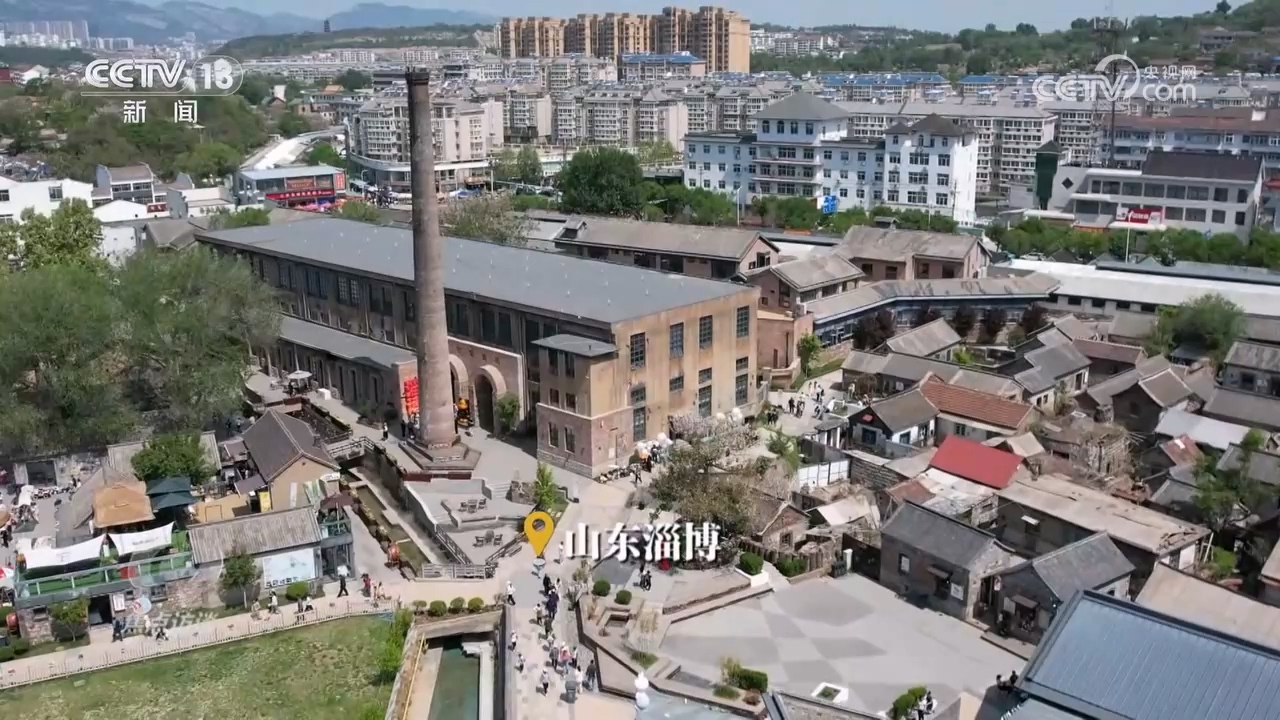
Group 1 - The core viewpoint emphasizes the importance of "adapting to local conditions" and "tailoring policies to cities" to promote the continuation of urban cultural heritage, which is a key task identified by the Central Urban Work Conference [1][17] - The transformation of the old ceramic factory site in Zibo into a cultural experience center highlights the significance of preserving unique industrial heritage while fostering tourism and local culture [3][11] - The local government has adopted a principle of "preserving true heritage and not creating false antiques," ensuring that the historical essence of the site is maintained during its redevelopment [5][7] Group 2 - The revitalization project in Zibo has attracted over 70 businesses and transformed the area into a cultural landscape that integrates ancient kiln groups, traditional historical districts, and remnants of ceramic factories [9][11] - The project has also facilitated the innovation of traditional crafts, shifting the local ceramic industry from producing everyday items to high-end art pieces, thus enhancing the cultural tourism sector [11][13] - The renovation of the Liangma River in Beijing serves as a model for urban renewal, combining ecological restoration with cultural empowerment to create vibrant public spaces that reflect the city's historical memory [21][22] Group 3 - The overall strategy for urban development emphasizes the integration of traditional culture with modern life, aiming for a creative transformation that sustains cultural heritage while meeting contemporary needs [19][23] - The presence of numerous historical sites and cultural landmarks across China underscores the importance of preserving and promoting traditional culture as a foundation for modern urban identity [23]

文旅+金融!2025广东文旅产业招商暨投融资对接会举办
Nan Fang Du Shi Bao· 2025-09-13 05:49
Core Insights - The "2025 Guangdong Cultural and Tourism Industry Investment Promotion and Financing Matchmaking Conference" was successfully held in Guangzhou from September 11 to 13, organized by various governmental and financial institutions [2][3] Group 1: Event Overview - The conference attracted over 3,000 cultural and tourism projects from 30 provinces across the country, highlighting Guangdong's role as a significant cultural and tourism hub and financial center in China [3][4] - The event featured 332 cultural and tourism projects, with 249 from Guangdong and 83 from outside the province, showcasing a diverse range of investment opportunities [6] Group 2: Government and Institutional Involvement - Twelve local government departments conducted on-site investment promotion presentations, and 32 cultural and tourism projects were showcased through live roadshows [6] - The event included presentations from local governments such as Zhongshan, Zhaoqing, and Huizhou, emphasizing their tourism resources and key investment projects [6] Group 3: Industry Trends and Expert Insights - Industry experts delivered keynote speeches on trends in the cultural and tourism sector and the role of financial empowerment, providing professional guidance for industry development [6] - The conference adopted a format of one main venue and multiple specialized sessions, focusing on precise matchmaking in sub-sectors of the cultural and tourism industry [7]

科技服务业营收、拉动力“双第一” 科技创新成朝阳区新动力
Bei Jing Shang Bao· 2025-09-12 15:25
Core Viewpoint - Chaoyang District is positioning itself as a leading hub for international business and innovation, aiming to enhance its global influence and attract foreign investment through improved services and infrastructure [1][2]. Economic Performance - In the first half of the year, Chaoyang District achieved a GDP of 462.01 billion yuan, representing a year-on-year growth of 5.1%, accounting for 18.5% of the city's total GDP [1]. - The district has maintained a leading position in actual foreign investment and total import-export volume within the city [1]. International Business Environment - Chaoyang District hosts nearly 100% of foreign embassies in China, 90% of foreign media in Beijing, 80% of international organizations and chambers of commerce, 70% of regional headquarters of multinational companies, and 65% of foreign financial institutions [1]. - The district is establishing itself as a benchmark for an international business environment, with initiatives like the International Business Service Center and comprehensive services for foreign talent [1][2]. Innovation and Industry Development - Over the past five years, Chaoyang has developed 87 reform and innovation practices, with 15 being replicated nationwide and 9 within the city [2]. - The district is focusing on "business + technology" dual-driven development, particularly in artificial intelligence, digital security, and industrial internet sectors [2]. - Chaoyang plans to create the first data business district in the country, aiming to enhance Beijing's global digital economy influence [2]. Talent Development - Chaoyang has hosted the International Talent Entrepreneurship Conference for 13 consecutive years, fostering a high-quality international talent community with a total talent pool of 1.56 million, representing 20% of the city's total [2][3]. Consumption and Retail - The district is optimizing its consumption structure and enhancing international consumer experiences, contributing significantly to Beijing's goal of becoming an international consumption center [3]. - In the previous year, the total retail sales of consumer goods reached 265.38 billion yuan, with 129.5 billion yuan completed in the first half of this year, accounting for approximately 20% of the city's total [3]. Spatial and Brand Development - Chaoyang is developing a world-class consumer landmark with a comprehensive commercial layout, including new commercial facilities and cultural economic zones [4]. - The district is focusing on building an international consumption brand, with significant shares of high-end dining and retail establishments in the city [4]. Future Outlook - Chaoyang District aims to further consolidate its international resource advantages, optimize the business environment, and deepen investment promotion services [5].

焦点访谈|“因地制宜”“因城施策”大力推动城市文脉赓续
Yang Shi Wang· 2025-09-12 13:58
Core Viewpoint - The article emphasizes the importance of preserving urban cultural heritage and integrating it into modern urban development, highlighting the need for tailored strategies that reflect local history and culture [1][17]. Group 1: Urban Cultural Heritage Preservation - The Central Urban Work Conference has identified the continuation of urban cultural heritage as a key task, advocating for strategies that allow residents to connect with nature and their cultural roots [1][17]. - In Shandong's Zibo, the transformation of the old ceramic factory site into a cultural experience center showcases the city's rich ceramic heritage, which was once a significant procurement area for ceramics [3][5]. Group 2: Community Involvement and Development - Local authorities in Zibo have engaged experts and artisans to determine the best approach for preserving industrial relics, opting for a strategy that retains historical sites rather than demolishing them for short-term gains [5][9]. - The redevelopment project has attracted over 70 businesses and transformed old buildings into practice bases for universities and entrepreneurial spaces, fostering innovation in traditional crafts [9][11]. Group 3: Innovative Urban Renewal - The preservation of industrial heritage has led to the revitalization of traditional techniques, with local artisans and tourists contributing to product development, shifting the focus from everyday items to high-end art pieces [11][15]. - The transformation of the Liyuan River in Beijing into a vibrant waterfront area illustrates the successful integration of ecological restoration and urban renewal, enhancing the city's appeal and economic activity [21][25]. Group 4: Cultural and Historical Integration - The article highlights the need for a balance between tradition and modernity, advocating for a creative transformation of cultural heritage that aligns with contemporary lifestyles and future development [19][27]. - The preservation of historical sites and the promotion of local culture are seen as essential for creating cities that resonate with their unique identities and histories, ultimately contributing to a modern urban landscape that retains its cultural essence [28].
深圳推出“媒体+”赋能“百千万工程”19条措施
2 1 Shi Ji Jing Ji Bao Dao· 2025-09-12 12:03
Core Points - Shenzhen's government has launched a set of measures to enhance the agricultural product market system through a "media+" initiative, aiming to achieve five key goals: promoting consumption, foreign trade, cultural tourism, increasing farmers' income, and transforming media [1][2] Group 1: Market Development - The measures include organizing procurement events where buyers will visit production areas to establish direct connections with producers, with at least two such events planned annually [1] - Support will be provided for agricultural enterprises from partner regions to establish sales channels in Shenzhen, including direct sales, chain operations, and agency distribution [1] Group 2: Media and Brand Promotion - The initiative encourages media to engage in thematic reporting and create online display areas to enhance the visibility of Shenzhen's agricultural technology brands, such as agricultural drones and AI [1][2] - The promotion of local agricultural brands like "Nanshan Lychee" and "Shajing Oyster" is emphasized to increase their market influence [1] Group 3: New Media and Technology Integration - Shenzhen plans to host live-streaming events to promote agricultural products, including regular competitions and special live-streaming sessions [2] - The measures aim to leverage AI in agriculture by identifying market opportunities and applications for Shenzhen's smart equipment and services [2] Group 4: Cultural and Tourism Integration - The initiative supports the development of cultural products based on local heritage and encourages collaboration between media and travel agencies to create immersive tourism experiences [2] - The use of contemporary cultural elements like animation and short dramas to tell stories about agriculture and its stakeholders is promoted [2] Group 5: Collaborative Mechanism - A "media+" collaborative mechanism will be established to enhance leadership and resource allocation, aiming to expand domestic and international markets for agricultural products [2]
湖南城步:苗乡文旅亮相服贸会 非遗文创引领消费新热潮
Sou Hu Cai Jing· 2025-09-12 11:23
Core Insights - The 2025 China International Service Trade Fair opened in Beijing, showcasing Hunan Province's Chengbu Miao Autonomous County with a focus on "cultural tourism achievements +特色产品" [1] - Chengbu aims to enhance its "Cultural Tourism Chengbu" brand through the exhibition of intangible cultural heritage products and immersive experiences, promoting tourism consumption upgrades [1] Group 1: Exhibition Highlights - Chengbu's exhibition featured intangible cultural heritage products, including postcards and bookmarks that highlight iconic landscapes and national intangible cultural heritage "Diao Long" [3] - The exhibition also showcased Miao embroidery and its derivative products, emphasizing local natural imagery and cultural aesthetics while promoting cultural dissemination through practical items [3] - A systematic travel brochure and guide map were introduced to help tourists plan their itineraries, showcasing local resources and cultural heritage while reducing decision-making costs for visitors [3] Group 2: Economic Impact - The cultural tourism industry is a significant driver of consumption, with Chengbu leveraging cultural products to stimulate consumer enthusiasm and attract visitors, thereby boosting various sectors such as transportation, accommodation, and dining [4] - The deep integration of cultural tourism and commerce injects new momentum into local development, allowing tourists to engage in agricultural product purchases and culinary experiences, thus extending the industry chain [4] - Chengbu's participation in the trade fair marks a crucial step in promoting consumption and the integration of business and tourism, with plans to continue enhancing cultural exploration and product innovation [4] Group 3: Trade Fair Overview - The trade fair, themed "Digital Intelligence Leading, Service Trade Renewed," gathered nearly 2,000 enterprises from over 70 countries and regions, including around 500 Fortune 500 and industry-leading companies [4] - Chengbu exhibited over 20 types of cultural tourism products from five local enterprises, effectively increasing the visibility and appeal of Miao cultural heritage on an international platform [4]

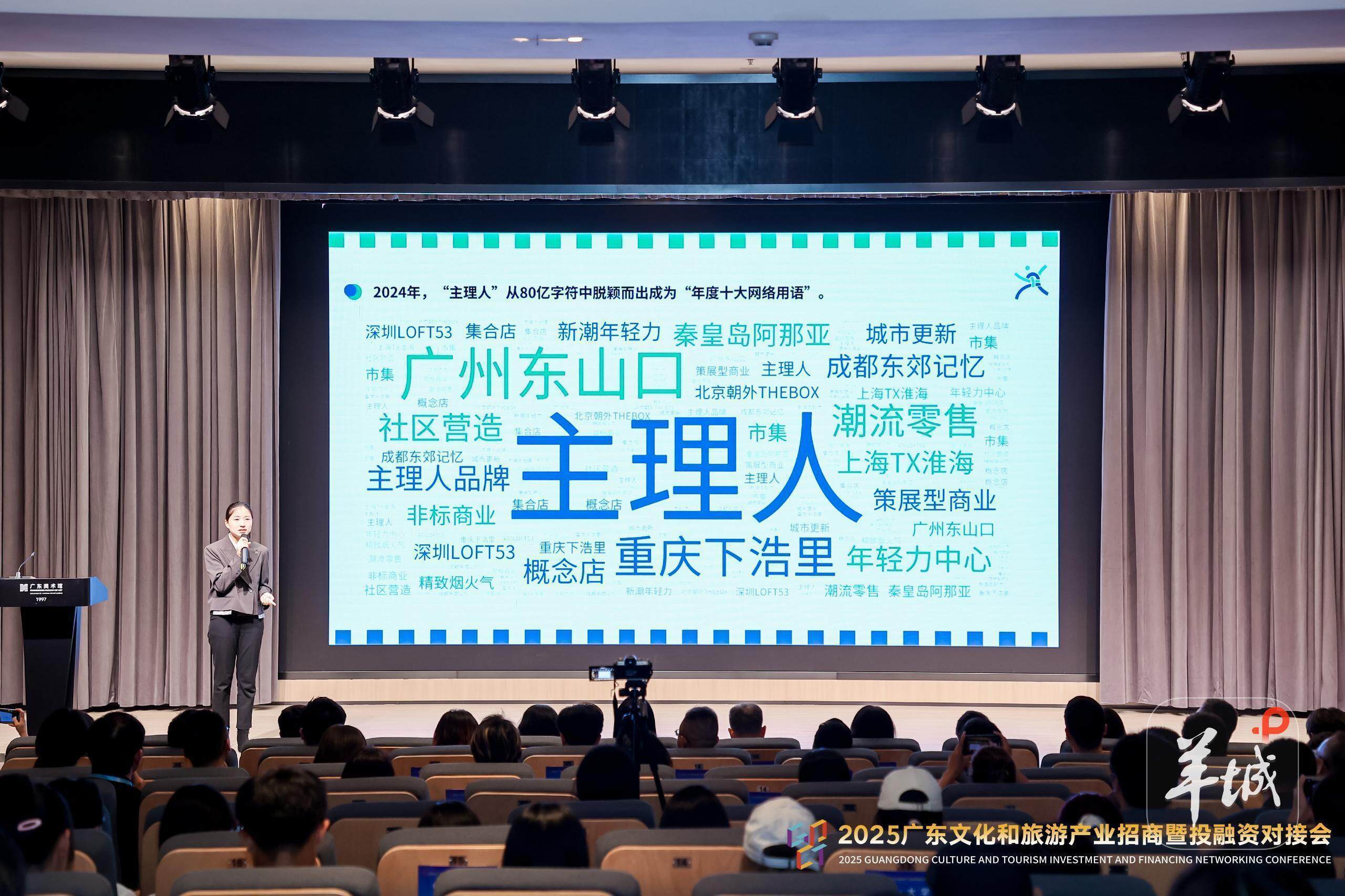
广东“主理人”热度全国第一,专场活动深入探讨“主理人经济”
Sou Hu Cai Jing· 2025-09-12 10:22
Core Insights - The "2025 Guangdong Cultural and Tourism Industry Investment and Financing Matchmaking Conference" officially commenced on September 12, 2023, with a special session on "Mainstream Economy" held on September 11 [1][3] - The concept of "Mainstream Economy" refers to entrepreneurs who deeply bind their personal traits with their brands, rapidly developing in the cultural and tourism sectors [3][5] - The "Mainstream Economy" is emerging as a new trend in the cultural and tourism industry, characterized by unique individuality and strong personalization, attracting a new generation of consumers [3][6] Industry Trends - The "Mainstream Economy" is driven by both supply and demand, with a notable increase in search trends for "Mainstream" on Baidu, particularly in Guangdong, which ranks first in regional search heat [5][6] - Four models are identified as driving the development of the "Mainstream Economy": government-led initiatives, social organizations facilitating platforms, commercial capital involvement, and natural growth in local contexts [5][6] - Consumers are increasingly seeking unique products and experiences, with nearly one-third of surveyed young individuals expressing a desire to become "Mainstream" entrepreneurs within the next three years [6][12] Challenges and Opportunities - The "Mainstream Economy" faces challenges such as balancing cultural and commercial aspects, as well as the need for consumer education regarding the concept of "Mainstream" [6][12] - The shift from large, comprehensive commercial forms to smaller, more personalized brands is evident, with consumers favoring unique and independent "Mainstream" brands [12][15] - Successful case studies in Guangdong highlight the need for platforms to assist "Mainstream" entrepreneurs in overcoming challenges like funding shortages and brand differentiation [12][15] Event Highlights - The event featured a "Mainstream Entrepreneur Recruitment Demand Project Roadshow" and a showcase of various innovative business models integrating drama, healing, art, and gaming with cultural tourism [15]