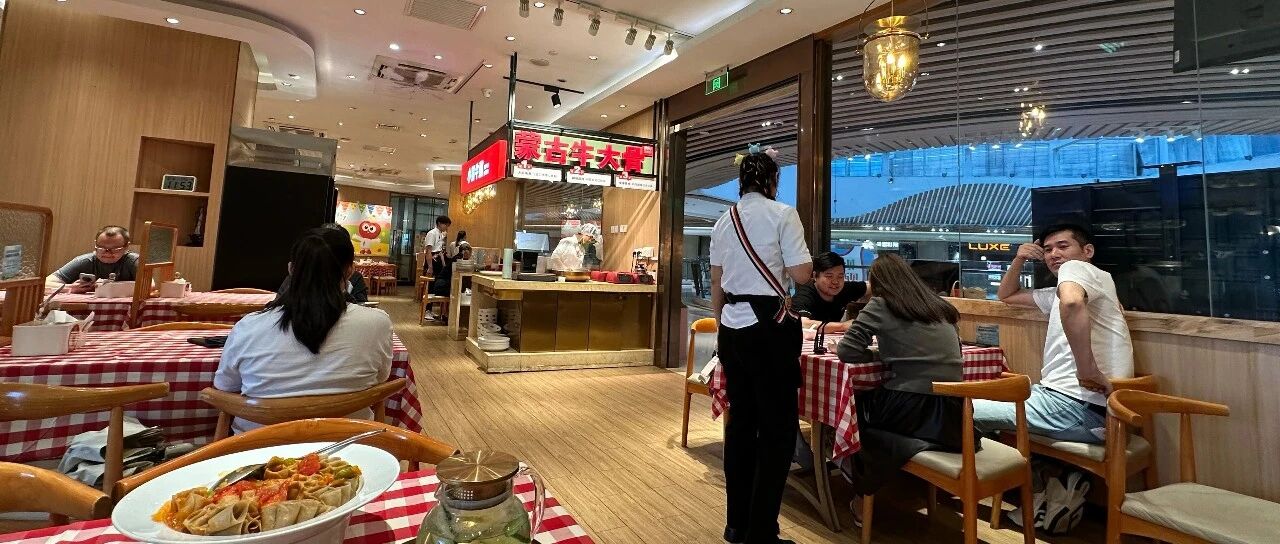
餐饮服务

Search documents
爆火的“表演饭”,开始被年轻人避雷
3 6 Ke· 2025-10-12 23:57
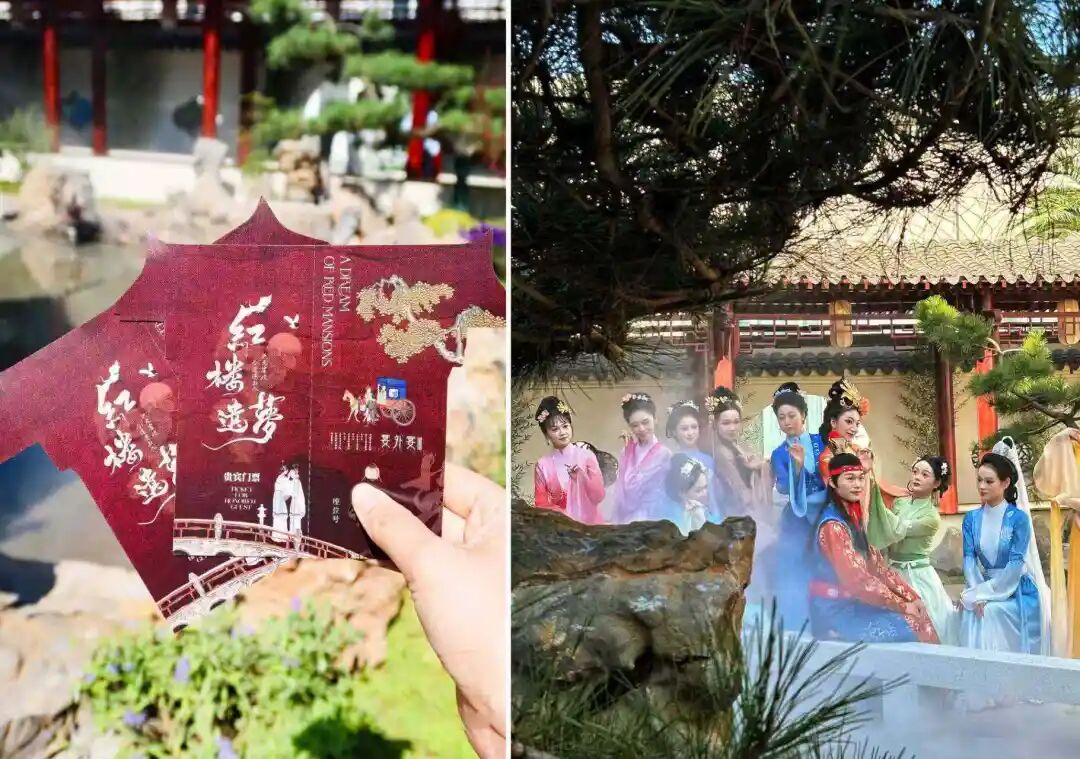
Core Insights - The article discusses the rise of immersive dining experiences in China, particularly during the National Day holiday, highlighting a restaurant called "Banquet Outside the Banquet" that features a theatrical dining experience [1][3] - This trend reflects a shift in the restaurant industry where food alone is no longer sufficient to attract young consumers; instead, performance, interaction, and atmosphere have become essential components of the dining experience [8][18] Group 1: Immersive Dining Experience - The immersive dining experience is characterized by a narrative journey from the moment guests enter, with no clear distinction between audience and performers, creating an engaging atmosphere [3][18] - The pricing for these experiences can be high, with an average cost of around 400 yuan per person, and additional services such as makeup and photography available for extra fees [5][8] - The popularity of themed immersive dining, especially those with "palace" and "national style" themes, has surged across major cities in China, indicating a cultural revival in dining [7][8] Group 2: Market Expansion and Trends - The trend of immersive dining is expanding beyond high-end restaurants to include more accessible options, such as the "Happy Mahua" themed restaurant that opened in a shopping mall, offering a lower price point [9][11] - The immersive dining market is experiencing rapid growth, with a reported 303.4% increase in project numbers and a 266.8% increase in market size from 2019 to 2023 [25][26] - Young consumers are increasingly willing to pay for emotional value in their dining experiences, with nearly 60% expressing a desire to spend on experiences that provide emotional resonance [27][29] Group 3: Diverse Offerings and Accessibility - The concept of "performance dining" is not limited to upscale venues; even street vendors are adopting performance elements to enhance customer engagement [19][21] - The trend is becoming more affordable, with some immersive dining experiences now costing significantly less than before, broadening the audience base [22][24] - The emotional value associated with dining experiences is becoming a key driver of consumer spending, with young people seeking meaningful and aesthetically pleasing experiences [28][29] Group 4: Challenges and Consumer Expectations - Despite the popularity of performance dining, some establishments fail to deliver on food quality, leading to consumer dissatisfaction [30][31] - The article emphasizes that while performance can enhance the dining experience, it cannot replace the fundamental importance of food quality [32]


炒菜机器人正在“炒”掉厨师
Jing Ji Guan Cha Wang· 2025-10-12 23:55
Core Insights - The introduction of cooking robots in community canteens is transforming the restaurant industry, addressing challenges such as high chef turnover and rising labor costs [1][3][4] - Cooking robots are seen as a solution to maintain food quality and consistency while reducing operational costs [5][6][7] Industry Trends - The use of cooking robots is becoming more prevalent among various restaurant chains, with companies like Xiaocaiyuan and Laoniangjiao planning to purchase these robots for standardized expansion [1][4] - The shift towards automation in kitchens is driven by the need for efficiency and cost reduction, particularly in the wake of challenges faced by pre-prepared meal options [8][10] Operational Changes - Community canteens have reported a 50% reduction in chef numbers and over 30% decrease in raw material costs after implementing cooking robots [1][7] - The operational model has shifted to "1 chef + 2 machines," significantly lowering labor costs and simplifying training for staff [7][10] Financial Impact - The monthly labor cost for restaurants using cooking robots has dropped from approximately 75,000-80,000 yuan to about 19,000 yuan [6][7] - The net profit margin for restaurants has increased to 20%-25% after adopting cooking robots, compared to the typical 10% for traditional Chinese restaurants [7] Consumer Perception - There is a mixed response from consumers regarding the acceptance of meals prepared by cooking robots, with some expressing resistance due to a lack of understanding [8][9] - High-end restaurants may face challenges in adopting cooking robots, as consumers associate premium dining with the unique skills of chefs [9][10] Market Growth - Companies producing cooking robots are experiencing rapid growth, with some reporting over 200% annual sales increases [10] - The market is expected to see a significant expansion as restaurants seek to balance the demand for freshly cooked meals with operational efficiency [10]

蒙自市巷往蛋糕店(个体工商户)成立 注册资本1万人民币
Sou Hu Cai Jing· 2025-10-12 11:41
天眼查App显示,近日,蒙自市巷往蛋糕店(个体工商户)成立,法定代表人为车梓菲,注册资本1万 人民币,经营范围为一般项目:食品销售(仅销售预包装食品)。(除依法须经批准的项目外,凭营业 执照依法自主开展经营活动)许可项目:食品销售;餐饮服务。(依法须经批准的项目,经相关部门批 准后方可开展经营活动,具体经营项目以相关部门批准文件或许可证件为准)。 ...
杭州“火速”开饭店指南:一文读懂所有杭州食品经营许可证
Sou Hu Cai Jing· 2025-10-12 11:30
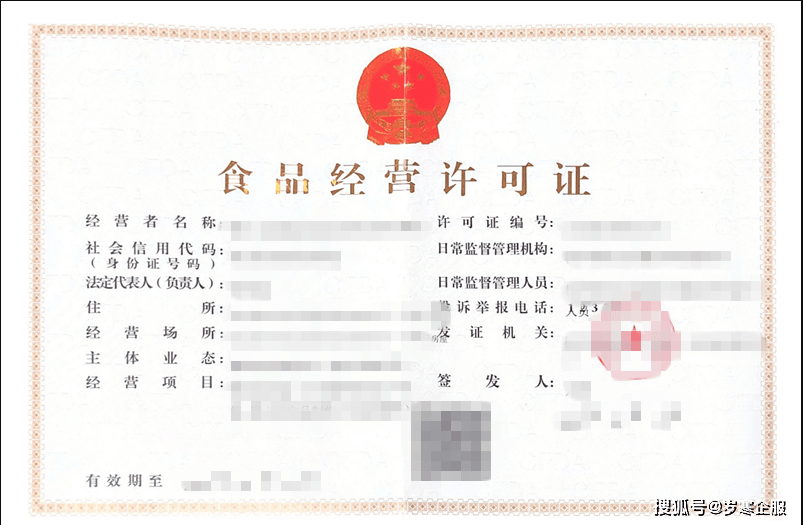
在美食之都杭州开一家饭店,是许多创业者的梦想。然而,面对繁琐的行政审批手续,"快"字如何实现?所谓"快速",并非跳过流程,而是通过清晰规划、 同步准备、精准提交,最大限度地缩短办理时间。 本文将为您详细拆解在杭州开办一家饭店(餐饮服务经营者)所需办理的核心证件、办理顺序、关键部门及提速技巧,助您高效启航。 核心证件"四件套" 开办一家合规的饭店,您需要集齐以下四个核心证件,它们环环相扣,有明确的先后顺序: 第一步:战略起点——《营业执照》 这是您饭店的"身份证",是所有后续手续的基础。 1. 《营业执照》 2. 《食品经营许可证》 3. 《消防安全检查合格证》/备案凭证 4. 从业人员健康证明 办理部门:市场监督管理局(或所属街道/乡镇的便民服务中心) 办理前提: 确定公司名称(准备多个备选)、注册地址、注册资本、经营范围。 确定法定代表人、股东及出资比例。 拥有合法的经营场所证明(租赁合同或房产证)。 所需材料(大致): 《公司登记(备案)申请书》 公司章程 股东、法人、监事的身份证明 经营场所证明文件 提速技巧: 线上办理:强烈推荐通过"浙江省政务服务网"进行全程电子化登记,审核速度快,无需现场排队。 经 ...
罗定市惠心家面馆餐饮店(个体工商户)成立 注册资本1万人民币
Sou Hu Cai Jing· 2025-10-12 09:14
天眼查App显示,近日,罗定市惠心家面馆餐饮店(个体工商户)成立,法定代表人为赖石坚,注册资 本1万人民币,经营范围为一般项目:食品销售(仅销售预包装食品);食品互联网销售(仅销售预包 装食品);食用农产品初加工;外卖递送服务。(除依法须经批准的项目外,凭营业执照依法自主开展 经营活动)许可项目:小餐饮、小食杂、食品小作坊经营;饮料生产;餐饮服务;食品小作坊经营;食 品生产;酒类经营;食品销售;小餐饮;食品互联网销售。(依法须经批准的项目,经相关部门批准后 方可开展经营活动,具体经营项目以相关部门批准文件或许可证件为准)。 ...
知名餐饮突然宣布:停止营业!此前已关闭多家线下门店
新浪财经· 2025-10-11 08:36
Core Viewpoint - 鼎泰丰 is undergoing brand operation adjustments, leading to the closure of its WeChat mall on November 30, 2025, and customers are urged to redeem their points before the deadline to avoid expiration [2][4][6]. Group 1: Store Closures and Financial Performance - 鼎泰丰 has already closed multiple offline stores, with 14 locations in cities like Beijing, Tianjin, and Xiamen set to cease operations by October 31, 2024, due to estimated losses of 44.8 million yuan in the first seven months of the previous year [8]. - Currently, 鼎泰丰 has only 13 stores remaining in mainland China, with 7 in Shanghai and 2 in Guangzhou, while it continues to open new locations, including a store in Vancouver, Canada [10]. - The brand plans to reopen in Beijing with a new store at Kerry Center in March 2026, managed by Shanghai Guangcheng Catering Management Co. [10]. Group 2: Brand History and Recognition - 鼎泰丰 was founded in 1972 in Taiwan and is renowned for its xiaolongbao and noodle dishes, praised for its handmade noodles and quality fillings [10]. - The brand gained international recognition when it was named one of the "World's Top Ten Restaurants" by The New York Times in 1993 [11].

北京餐饮考察团赴临高开展产销对接
Hai Nan Ri Bao· 2025-10-11 01:59
Core Viewpoint - A delegation of well-known restaurant enterprises from Beijing is conducting a "Taste of Lingao" event in Lingao County to connect local agricultural products with the Beijing market, aiming to enhance the development of local industries and promote rural revitalization [1] Group 1: Event Overview - The delegation arrived at the Xinying Center Seafood Trading Market at 3 AM to inspect freshly caught seafood [1] - The delegation also visited the geographical indication product, Duowen hollow vegetable, which is uniquely grown in specific villages and noted for its characteristics [1] - The event utilized a "field investigation + on-site tasting + precise matching" model to improve efficiency in connecting local products with Beijing's restaurant industry [1] Group 2: Local Product Highlights - The delegation explored the standardized planting base for Jinzuan pineapple, which does not require soaking in salt water [1] - They also investigated the breeding conditions for local chicken, black goats, and yellow cattle [1] Group 3: Economic Impact - Beijing's restaurant enterprises will help create a "Lingao Good Products" brand to increase local farmers' income and support rural revitalization [1] - The Lingao County Agricultural and Rural Bureau expressed commitment to support Beijing enterprises in procurement and industry layout to enhance the brand influence and market competitiveness of agricultural products [1]
中国厨师节暨中国厨艺与餐饮博览会下周在苏州开幕
Su Zhou Ri Bao· 2025-10-10 22:36
金秋十月,顶级美食盛宴震撼来袭。10月17日至19日,第34届中国厨师节暨2025中国厨艺与餐饮博 览会将在苏州国际博览中心开幕,预计将吸引来自全球30个国家的烹饪协会主席、厨艺大师、餐饮企业 家及产业链专业人士超10万人次参与。 作为本届活动的一大亮点,七大主题赛场将会聚全球顶尖烹饪力量,上演一场场精彩绝伦的技艺比 拼。其中,2025中餐厨艺世界锦标赛作为全球唯一经世界厨师联合会认证、中国烹饪协会主办的顶级国 际团队赛事,将吸引国内外120支龙头餐饮企业参赛队、近500名顶尖厨师同台竞技,展现中餐国际化魅 力;2025全国金厨菜品展示交流邀请赛会聚400余名全国各菜系顶级厨师,现场烹制500余道获奖菜式。 免费尝,舌尖环游世界。组委会联合众多网红参展企业,推出多场免费品尝活动。市民既能一口品 味"苏味"特色,也能尝遍各地风味与全球优质食材,幸运观众更可获得中餐世锦赛品鉴官资格,现场品 鉴参赛大厨的匠心菜肴。 西餐领域,2025西餐烹饪技能大赛集结15个国家的五星级酒店、西餐企业名厨及职业院校优秀师 生,组成50支参赛队伍比拼西餐技艺;首次设立的2025首届饮品研发邀请赛,将成为饮品行业创新成果 的展示平台, ...
50元代金券能否挽回西贝困局?
Qi Lu Wan Bao Wang· 2025-10-10 09:20
Core Insights - The article discusses the recent surge in customer traffic at Xibei during the National Day holiday due to promotional strategies, including a 100 yuan no-threshold voucher and price reductions on core dishes, but highlights the challenges the brand faces in maintaining customer loyalty post-promotion [1][4]. Group 1: Promotional Strategies - Xibei experienced a significant increase in customer traffic during the National Day holiday, attributed to the introduction of a 100 yuan no-threshold voucher and price cuts on key menu items [1][4]. - The promotional strategy included a follow-up offer of a 50 yuan voucher for purchases over 50 yuan, which was applicable across all stores and valid for 30 days [4]. - Despite the initial success in attracting customers, the article notes that the influx of patrons was largely temporary and dependent on the continuation of these promotions [4][6]. Group 2: Customer Behavior and Perception - Many customers were drawn to Xibei primarily due to the availability of vouchers, with some expressing that they would not return without such discounts [3][5]. - There is a prevailing consumer perception that pre-made dishes are associated with lower prices, leading to skepticism about price increases once promotions end [5][6]. - The brand's previous handling of public relations regarding pre-made dishes has damaged consumer trust, complicating efforts to retain customers [5][6]. Group 3: Long-term Challenges - Xibei faces a critical decision regarding its target customer base, struggling to balance the appeal of freshly made dishes with the cost advantages of pre-made options [6][7]. - The article suggests that the recent surge in customer numbers is a temporary fix rather than a sustainable solution, indicating that a more profound transformation may be necessary for long-term success [7]. - The ambiguity in Xibei's positioning—trying to attract both budget-conscious and mid-to-high-end consumers—may hinder its ability to establish a clear market identity [6][7].
实探节后西贝:有门店约50%上座率、烤鸭半天售罄、菜品十分钟上齐
第一财经· 2025-10-10 08:34
Core Viewpoint - The article discusses the impact of promotional vouchers and holiday consumption on the performance of Xibei restaurants, highlighting a temporary increase in customer traffic following a period of decline due to the pre-prepared food controversy [3][7]. Group 1: Customer Traffic and Performance - During the holiday period, some Xibei locations experienced over 80% occupancy rates, with customers needing to queue [3]. - Post-holiday, occupancy rates dropped to around 50% during lunch hours, although this was an improvement compared to the initial decline when the pre-prepared food issue arose [3][5]. Group 2: Promotional Strategies - Xibei launched a "Xibei Treats You" campaign, distributing 100 yuan dining vouchers to customers, which significantly attracted patrons [5]. - A new promotion was introduced offering 50 yuan vouchers for every 50 yuan spent, valid from October 9 to October 31, 2025, further incentivizing customer visits [5]. Group 3: Market Dynamics - The trading of Xibei's 100 yuan vouchers on second-hand platforms like Xianyu has seen a resurgence, with transaction prices ranging from 50 to 60 yuan [6]. - Xibei has stated that vouchers are for personal use only and require membership verification upon redemption [6]. Group 4: Long-term Considerations - Industry experts suggest that while short-term strategies like promotions are effective, Xibei must focus on improving product quality, pricing, branding, and crisis management for sustainable growth [7].