人工智能

Search documents
港股迎马年开局 人工智能与机器人板块表现亮眼
Zhong Guo Xin Wen Wang· 2026-02-20 10:39
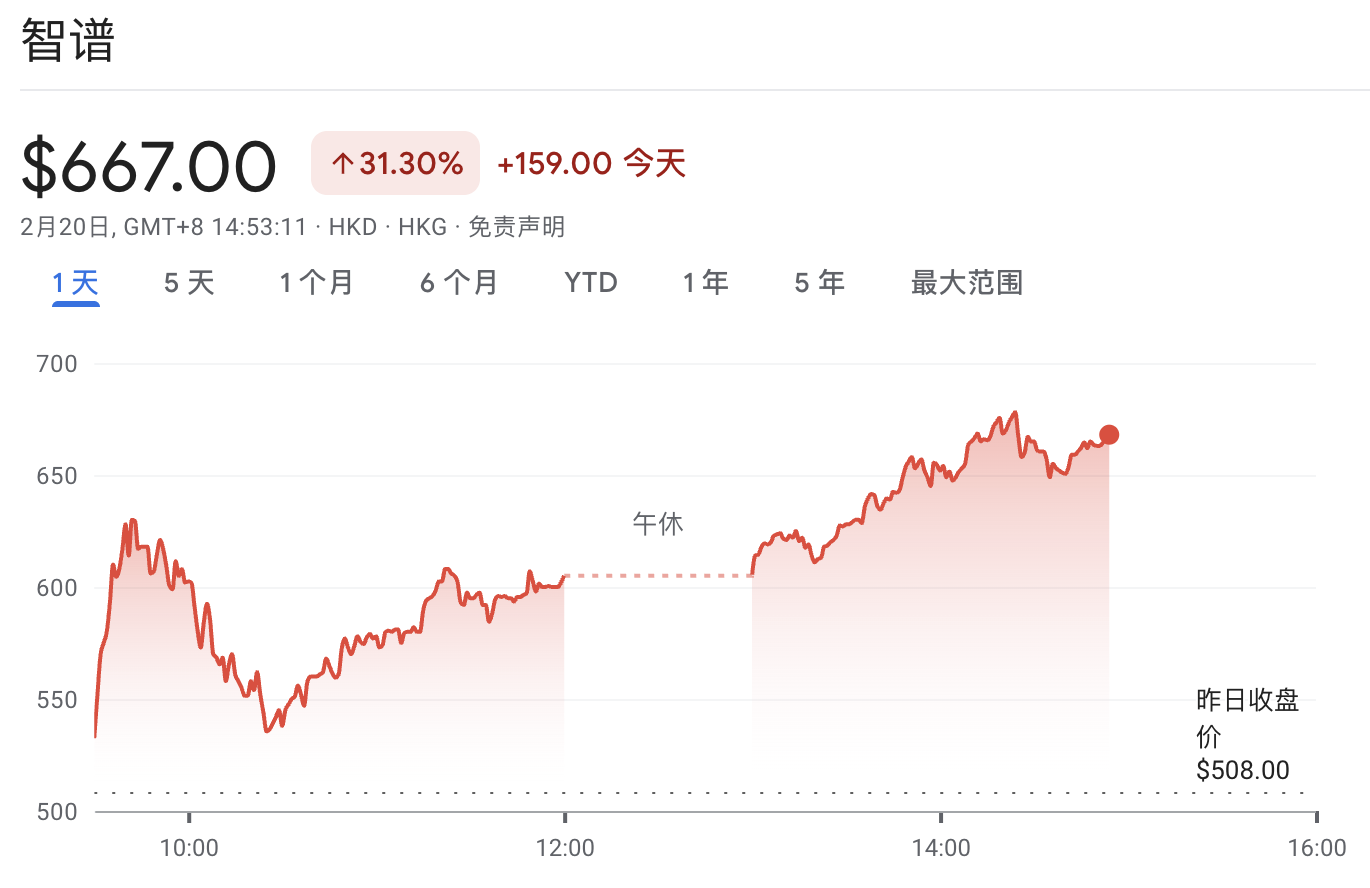
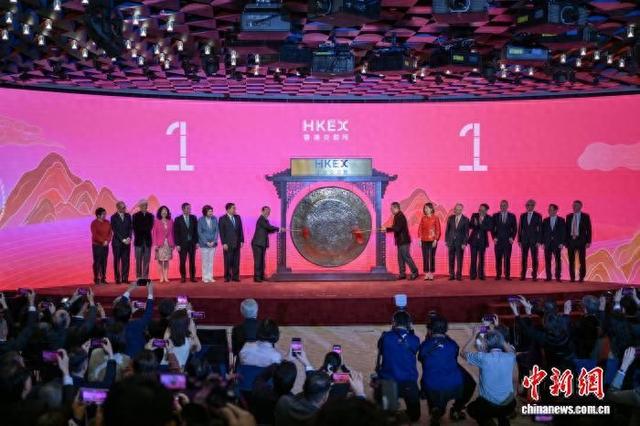
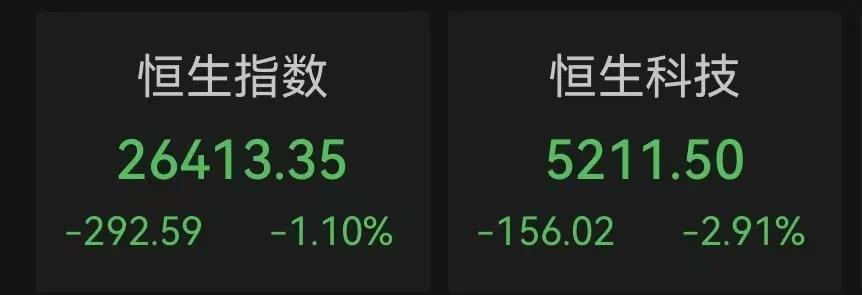
中新社香港2月20日电 (记者 戴小橦)2月20日,港股迎来农历丙午马年首个交易日,市场呈现显著结构 性分化。截至收市,香港恒生指数报26413.35点,跌1.1%,恒生科技指数跌2.91%。与此同时,大模 型、机器人概念股逆势大涨,成为盘面亮点。 板块方面,人工智能(AI)大模型方向表现强势,智谱飙涨近43%,MINIMAX涨超14%,两家公司市值双 双突破3000亿港元。机器人概念股同步走高,越疆涨超21%,首程控股涨近12%,三花智控、优必选均 涨近5%。 2月20日,香港交易所举行新春开市仪式。图为香港特区政府财政司司长陈茂波(右八)、香港交易所主 席唐家成(左八)敲锣。 中新社记者 陈永诺 摄 香港交易及结算所有限公司(简称"港交所")当日举行新春开市仪式,香港特区政府财政司司长陈茂波出 席并致辞表示,过去4个马年中,港股有3年录得升市且均实现双位数涨幅;蛇年恒生指数累计上升近 6500点,涨幅达32%,创下历史最佳蛇年表现。他指出,尽管外围环境复杂多变,但香港凭借自由开放 的投资环境、稳定的经贸金融政策,成为了资金的安全港,国际投资者纷纷增加对香港市场的配置。 他认为,科技变革正加速演变,人工智能 ...



当着莫迪的面,又“翻车”了!
Xin Lang Cai Jing· 2026-02-20 10:33
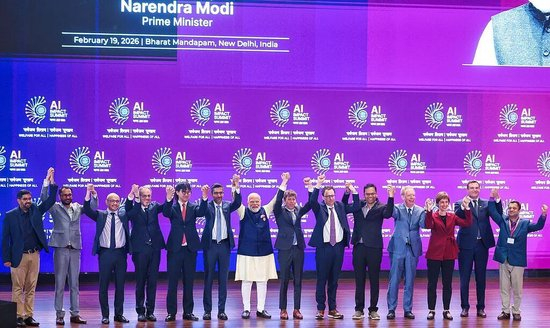
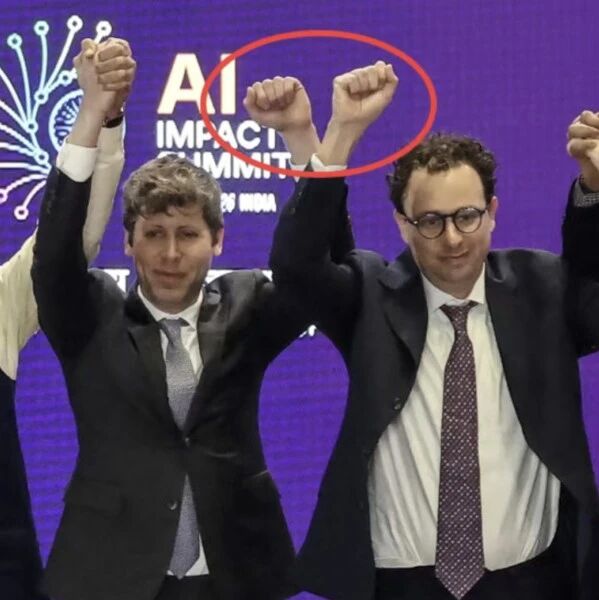
当地时间2026年2月19日,印度新德里,印度总理莫迪(中)与人工智能企业负责人在人工智能影响力 峰会上合影。视觉中国 阿莫代伊曾在OpenAI出任副总裁,2021年初离职,带走多名研究人员,共同创立Anthropic公司。阿莫 代伊与奥尔特曼这两个昔日同事多次在公开场合表示"看不上"对方的商业模式和理念。 两人拒绝握手在社交媒体引发热议,有人评论说:"萨姆·奥尔特曼和达里奥·阿莫代伊拒绝握手,却举起 了拳头,这真是尴尬一刻。" 硅谷大佬拒绝握手 印度AI峰会"槽点"不断 正在印度举行的人工智能影响力峰会频现"大型翻车现场",继有当地大学拿中国产机器狗冒充自主研发 成果引发群嘲后,19日会场又现尴尬一幕:在印度总理莫迪出席的场合,两名与会嘉宾在合影环节拒绝 握手。 硅谷大佬"不对付" 合影"掉链子" 现场拍摄的视频和图片显示,莫迪和与会嘉宾站成一排,手牵手举过头顶,面带笑容。 然而,美国开放人工智能研究中心(OpenAI)首席执行官萨姆·奥尔特曼同身边的Anthropic公司首席执 行官达里奥·阿莫代伊各自握拳、没有握手,导致一排"手链"出现"断点"。 来源:参考消息 峰会问题频出 盖茨"临阵"缺席 峰会16 ...
两大AI龙头,股价创新高
Shang Hai Zheng Quan Bao· 2026-02-20 09:56
Market Overview - The Hong Kong stock market opened on February 20, 2023, with the Hang Seng Index closing at 26,413.35 points, down 1.1%, and the Hang Seng Tech Index at 5,211.5 points, down 2.91% [1][2] - Despite the overall decline, sectors such as AI, humanoid robots, biotechnology, and oil and petrochemicals showed strong performance, indicating a structural market trend [1][4] AI Sector - AI concept stocks continued to rise, with significant gains observed in the afternoon trading session, marking them as a key highlight of the market [4] - Zhizhu and MINIMAX-WP both surpassed a market capitalization of 300 billion HKD, with Zhizhu's stock price increasing by 42.72% to 725 HKD per share and MINIMAX-WP rising by 14.52% to 970 HKD per share [3][7] - The AI industry is entering a critical development phase, transitioning from a focus on computing power infrastructure to a collaborative model involving "computing power + hardware + applications," broadening the investment landscape [6][8] Humanoid Robots - The humanoid robot sector experienced significant growth, driven by the high-profile appearance of robots during the Lunar New Year Gala, with stocks like Yujian and UBTECH showing notable increases [9] - Specific stock performances included Yujian rising by 21.4% to 48.44 HKD, UBTECH increasing by 4.71% to 144.5 HKD, and SUTENG rising by 9.24% to 37.58 HKD [9] Oil and Petrochemicals - The oil and petrochemical sector also performed well, with the Hong Kong oil and petrochemical index rising by 2.39%, driven by geopolitical tensions leading to higher oil prices [12] - Notable stock performances included Jixing New Energy and Zhonggang Petroleum, both rising over 7% [12] Storage Sector - The storage sector showed active performance, with stocks like Lanke Technology and Zhaoyi Innovation experiencing significant gains, indicating a positive market sentiment towards semiconductor hardware [12]

伊朗局势突然升级,石油股大爆发!春节后首个交易日,两大AI龙头市值突破3000亿港元
Mei Ri Jing Ji Xin Wen· 2026-02-20 09:56
加密货币概念股亦逆势大涨,星太链集团暴涨122.22%,连连数字一度大涨超6%,OSL集团一度大涨超2%。前一交易日,相关概念股均集体大涨。消息 面上,香港立法会议员吴杰庄透露,香港预计将于今年3月发放首批稳定币发行人牌照。 2月20日,农历正月初四,香港金融市场迎来丙午马年首个交易日。香港交易所(以下简称港交所)举行了隆重的开市仪式,敲响了农历新年的第一声锣 响。香港财政司司长陈茂波、港交所主席唐家成及行政总裁陈翊庭亲临现场致辞。尽管港股在马年首个交易日未能如愿红盘高开,但仪式现场透露出的市 场数据与信心,展现出香港金融市场强劲的韧性与活力。 2月20日,恒生指数与恒生科技指数双双承压下探,板块呈现分化态势,科技板块表现疲软,而部分周期类板块逆势逞强,个股涨跌互现,市场整体情绪 偏谨慎。截至当日收盘,香港恒生指数收跌1.10%,恒生科技指数收跌2.91%。 不过,国产AI大模型板块逆势收涨,智谱及MiniMax市值双双冲破3000亿港元。 石油概念股上涨,中远海能涨6.34%,中国石油股份涨3.7%,中国海洋石油涨2.23%。消息面上,国际油价近期走高,市场忧虑美国与伊朗紧张局势升 级,两国在中东产油区加强 ...
场景变革:“AI+”如何打开消费新空间?
Xin Hua She· 2026-02-20 09:47
Group 1 - The core viewpoint of the articles highlights the increasing integration of artificial intelligence (AI) in the cultural and tourism sectors, particularly through the use of robots and AI products to enhance visitor experiences during the Spring Festival [1][3][4]. - The "繁昌·北站1969文化创意街区" in Wuhu, Anhui, has seen a significant increase in visitor numbers, with daily foot traffic exceeding 10,000, attributed to the presence of interactive robots and AI technology [3][6]. - The introduction of AI products, such as AI translation earphones, has created new consumer demands and opportunities, with sales exceeding 5,000 units in the first month after launch [4][6]. Group 2 - The Chinese government has implemented the "Artificial Intelligence +" action plan, aiming to enhance service consumption and develop new consumption scenarios, with a focus on smart terminals and AI applications across various sectors [3][6]. - Anhui Province's action plan includes a goal to achieve over 5,000 AI application implementations by 2027, with a target of over 70% penetration of new generation smart terminals [6][7]. - Companies are encouraged to innovate and develop AI products tailored to specific industry needs, with a focus on personalized customization and the integration of hardware and software [7].
印度想多了,硅谷没少想
虎嗅APP· 2026-02-20 09:23
Core Viewpoint - The article discusses the recent AI summit in New Delhi, highlighting the contrasting objectives of India and Silicon Valley companies, where India aims for global leadership in AI governance while Silicon Valley focuses on business opportunities and market growth [5][66][92]. Group 1: Summit Highlights - The AI summit in New Delhi was described as the largest and highest-profile AI event in Asia, attracting significant attention from major tech leaders [5][6]. - A notable moment during the summit was when OpenAI's Sam Altman and Anthropic's Dario Amodei did not join the hand-holding gesture symbolizing unity among tech leaders, indicating underlying tensions [11][12][15]. - Nvidia CEO Jensen Huang's absence was significant, as he represents a crucial player in AI infrastructure, particularly in chip supply, which India lacks [18][19][20]. Group 2: Investment and Agreements - Major agreements were announced during the summit, including Google's $15 billion investment in AI infrastructure in India, OpenAI's partnership with Tata Group for a data center, and Microsoft's commitment to invest $50 billion globally by 2030, with India as a key focus [29]. - Despite the high-profile agreements, the article suggests that the underlying relationships among the companies are competitive rather than collaborative, reflecting a cautious approach to partnerships [30][34]. Group 3: India's AI Landscape - India has a strong pool of English-speaking engineers and a large market, but it faces significant challenges, including reliance on foreign chips and a lack of top-tier native AI models [43][58][59]. - The Indian government has initiated the India AI Mission, investing over $1 billion to build a public computing pool, but the country still struggles with infrastructure and regulatory stability [45][62]. Group 4: Diverging Objectives - India's ambition is to position itself as a global AI hub and a voice for developing countries, while Silicon Valley companies are primarily interested in market expansion and immediate business opportunities [67][68]. - The article emphasizes that while India seeks to establish itself as a leader in AI governance, Silicon Valley's focus remains on transactional relationships and market-driven strategies [70][72]. Group 5: Conclusion - The summit illustrated the disconnect between India's aspirations and Silicon Valley's pragmatic approach, with India wanting to assert its role in AI governance while tech companies prioritize business interests [92][94]. - The absence of a unified commitment from Silicon Valley leaders, as symbolized by the empty seat of Jensen Huang and the unjoined hands of Altman and Amodei, reflects the ongoing tension between collaboration and competition in the AI space [82][96].




节后首日,港股跳水!互联网大厂,集体大跌!
证券时报· 2026-02-20 09:16
Core Viewpoint - The Hong Kong stock market experienced a significant decline on the first trading day after the holiday, with major indices dropping sharply, indicating a bearish sentiment in the market [1][2]. Market Performance - The Hang Seng Index closed at 26,413.35, down 292.59 points or 1.10% [2]. - The Hang Seng Technology Index fell by 2.91% to 5,211.50 points, marking a new low in five months [4]. - The Hang Seng China Enterprises Index decreased by 1.22% to 8,959.56 points [2]. Sector Analysis - Technology stocks faced substantial losses, with major players like JD Health and Baidu dropping over 6%, while Tencent Music and Bilibili fell more than 5% [4][5]. - In contrast, AI applications and certain leading biotech companies saw gains, with some AI stocks like Zhiyuan and MiniMax experiencing significant increases in market capitalization [6]. Cryptocurrency Sector - Cryptocurrency-related stocks surged, with Star Chain Group rising over 122% [8]. - The Hong Kong Monetary Authority is evaluating applications for stablecoin issuer licenses, aiming to issue the first licenses by March [8]. Government Outlook - The Financial Secretary of Hong Kong expressed optimism about the market for the Year of the Horse, noting that historically, three out of four Horse years have seen double-digit percentage increases [9].
港股收评:港股马年首个交易日震荡走低,恒生指数收跌1.10%,恒生科技指数收跌2.91%
Xin Lang Cai Jing· 2026-02-20 09:05
来源:市场资讯 港股马年首个交易日震荡走低,恒生指数收跌1.10%,恒生科技指数收跌2.91% 。AI应用、机器人 (300024)、石油股等逆势上涨,智谱涨超42%,越疆涨超21%,中国石油股份涨超3%。 (来源:科创100ETF基金) ...
逆势暴涨,后悔没看春晚!
Ge Long Hui· 2026-02-20 08:59
然而,第一天没等来开门红,三大指数早间低开后持续震荡走低。截止收盘,恒生指数跌1.10%,恒生科技指数下跌2.91%。 得益于假期较多催化事件,其中就包括春晚超高热度的机器人表演,今天逆势暴涨的板块落在了AI、机器人等科技主题。 看了表演的股民都不禁感叹:为什么除夕夜不开盘? ) ( 来源:著名财经自媒体博主梁狗蛋创作的春晚热梗图 大年初四,港股马年开启首个交易日。 01 开始了? 春节长假已过一半,投资者仍沉浸在假期的愉悦当中,不少事件演绎却对节后国内资产走势可能存在直接或间接的影响。 国际资产方面,这几日美股基本维持修复态势;亚太股市多数上涨,尤其韩国股市在存储芯片股带动下再创新高。 然而,国际局势这边却变得越来越复杂,间接影响了贵金属和油价走势。 多家外国媒体报道,在近几日美军向中东大幅增兵后,美国军方已做好最早在本周末对伊朗发动打击的准备。不过,美国总统特朗普尚未最终决定。 受上述消息影响,国际油价、金价、银价同步拉升,当晚WTI原油、ICE布油盘中涨幅均超过2%;纽约金主连价格突破5000美元/盎司;纽约银主连价格 突破77美元/盎司,欧线集运价格最高飙超6%。 港股今天油气、航运板块开盘即迅速拉升 ...

港股科技股分化:“AI新贵”受追捧 “变现担忧“拖累互联网巨头
智通财经网· 2026-02-20 08:53
Group 1 - The core viewpoint of the article highlights a shift in investor preference from traditional internet giants to more focused AI companies, driven by recent market performances and developments in the AI sector [1][4][6]. - Following the Lunar New Year holiday, Hong Kong's stock market saw a divergence in technology stocks, with generative AI startups experiencing significant gains while traditional internet giants like Alibaba and Tencent faced declines [1][4]. - Notable increases were observed in AI model companies, with Zhiyu and MiniMax rising by 31% and 13% respectively, continuing their strong performance since their listings in January, with total gains exceeding four times [1][4]. Group 2 - Alibaba and Tencent reported strong business data during the holiday period, yet their stock prices fell by 1.83% and 0.29% respectively, as investors reassessed the profitability and return on investment of their AI initiatives [4][6]. - The market is increasingly scrutinizing the actual contribution of AI projects to earnings, with regulatory concerns over promotional competition adding pressure to valuations [4][9]. - Investment banks like Morgan Stanley and UBS have initiated coverage on MiniMax, with UBS setting a target price of 1000 HKD and Morgan Stanley projecting revenues could reach approximately 700 million USD by 2027, indicating a potential tenfold growth in the next two years [5][6]. Group 3 - During the holiday, Alibaba's AI application Qianwen processed 130 million orders, while Tencent's app Yuanbao had over 50 million daily active users, but investors are questioning whether this engagement can translate into visible profit contributions [6][7]. - Alibaba reportedly allocated around 3 billion RMB for consumer incentives during the Spring Festival, including cash red envelopes and discounts, highlighting the competitive landscape among major platforms [7][8]. - Regulatory scrutiny has intensified, with the market regulator urging major online platforms to curb promotional practices and eliminate "involutionary" competition, impacting the strategies of companies like Alibaba, Baidu, and Tencent [9].