消费金融

Search documents
助贷机构名单“瘦身”进行时银行合规成本提升加剧马太效应
Zhong Guo Zheng Quan Bao· 2025-07-09 20:47
Core Viewpoint - The implementation of new regulations for internet lending is accelerating a reshuffling in the industry, leading to a concentration of resources among major lending platforms while smaller platforms are being forced out due to compliance pressures [1][2]. Group 1: Regulatory Changes - The new regulations, effective from October 1, require banks to manage a list of approved lending platforms, limiting partnerships to those on the list [2][3]. - Financial institutions are reducing their cooperation with smaller lending platforms due to increased compliance risks and a tightening of risk appetite [2][3]. Group 2: Market Dynamics - Smaller lending platforms previously utilized hidden fees to raise effective interest rates above the 24% threshold, but the new regulations have closed this loophole [3][4]. - Major lending platforms such as Ant Group, Meituan, Douyin, and JD.com are frequently appearing on the cooperation lists of various financial institutions, indicating a trend towards consolidation in the market [4][5]. Group 3: Risk Management - Financial institutions are focusing on risk management and compliance, leading to a preference for larger platforms with established risk pricing capabilities [3][4]. - Banks are implementing systematic rating mechanisms for assessing potential lending partners, evaluating factors such as shareholder background, management stability, and risk management capabilities [5].
不良告知短信漏发送 超二百万元小贷罚单指向信用信息管理
Zhong Guo Jing Ying Bao· 2025-07-09 01:52
Core Viewpoint - The management and regulation of the credit information market in China are being strengthened, with an increase in penalties for non-bank financial institutions violating credit information management regulations [1][2]. Group 1: Regulatory Actions - In 2025, Chongqing Xiaoyudian Microloan Co., Ltd. was fined 2.491 million yuan for violating credit information management regulations, marking the largest single fine in the microloan industry [1]. - Other companies, such as BMW Automotive Finance (China) Co., Ltd. and Haier Microloan Co., Ltd., have also faced penalties for unauthorized credit information queries and violations of credit information management regulations, with fines ranging from 480,000 yuan to 901,000 yuan [2]. Group 2: Compliance Challenges - Common compliance issues in the industry include unclear authorization during customer marketing, inadequate anti-money laundering measures, and excessive collection of personal credit information without consent [3]. - Financial companies have been found to violate regulations by not adhering to the principle of minimal necessity in information collection and failing to remove settled loan customers from batch query lists [3]. Group 3: Need for Improved Compliance Systems - There is a consensus in the industry that institutions need to establish more robust compliance systems to meet regulatory requirements [4]. - Companies are encouraged to implement multiple verification mechanisms and designate specialized departments for credit compliance review to ensure thorough oversight of credit-related activities [4]. Group 4: Internal Audits and Training - Regular internal audits should be conducted to ensure compliance with laws and internal policies, allowing for timely identification and rectification of issues [5]. - Companies like Xiaoyudian Microloan are focusing on training their staff on credit-related laws and regulations to enhance overall compliance capabilities and risk management [5].
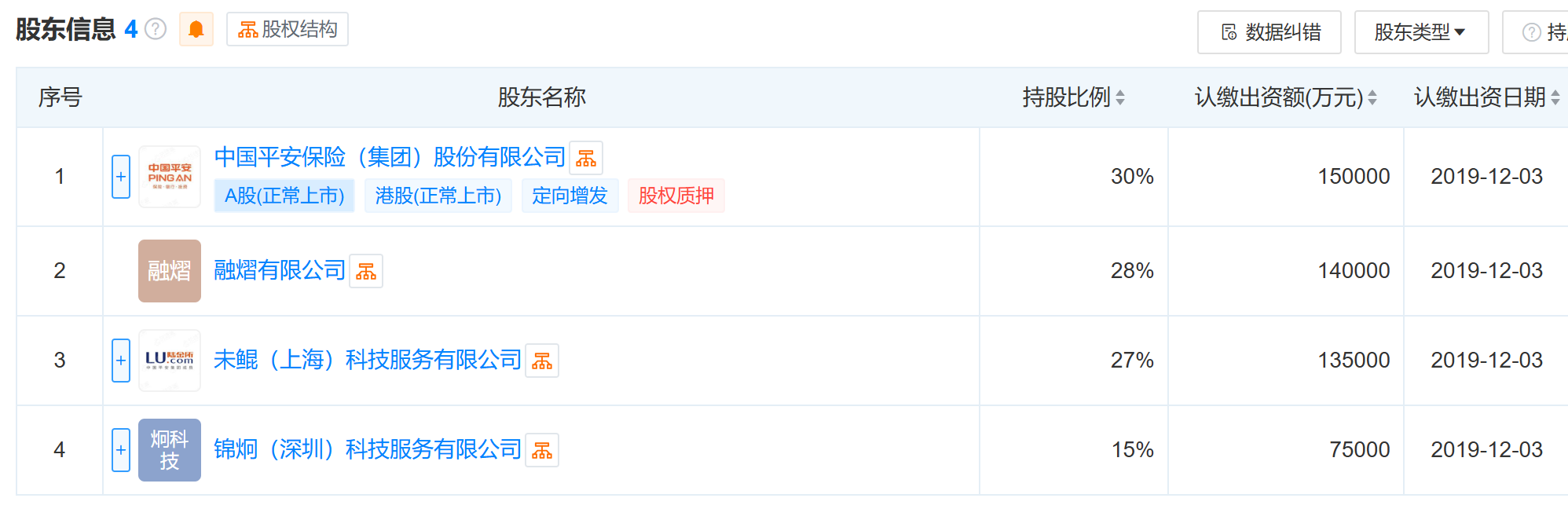
平安消金,休教借款人负我
Hu Xiu· 2025-07-08 04:03
Core Viewpoint - Ping An Consumer Finance has demonstrated impressive growth in a competitive market, achieving a revenue of 4.519 billion yuan in 2024, a year-on-year increase of 24.6%, and a net profit of 1.02 billion yuan, which surged by 108% [1][2]. Group 1: Company Performance - In 2024, the total assets of Ping An Consumer Finance reached 54.293 billion yuan, reflecting a year-on-year growth of 33.8% [1]. - The company has successfully increased its loan balance from 11.6 billion yuan in 2021 to 37.113 billion yuan in 2023, with cumulative consumer loans exceeding 150 billion yuan by the end of 2023 [9]. Group 2: Market Strategy - Ping An Consumer Finance has adopted a "customer down-market" strategy, targeting less-than-perfect credit records with genuine consumption needs, rather than competing for high-quality customers in the saturated market [7]. - The service network of Ping An Consumer Finance covers nearly 2,500 counties, with users from third-tier cities and below accounting for nearly 85% of its customer base [7]. Group 3: Risk Management - The company maintains a low non-performing loan rate of only 1.2% as of the end of 2024, despite serving a higher-risk customer base [10]. - Ping An Consumer Finance employs a combination of guarantees and compensation to manage risk, partnering with guarantee companies to enhance loan security and mitigate default risks [11][12]. Group 4: Challenges and Criticism - The reliance on guarantee and compensation mechanisms has led to higher effective costs for borrowers, with complaints about additional fees and rapid initiation of compensation processes [12][15]. - Borrowers have reported negative impacts on their credit records due to the swift compensation process, which can hinder future borrowing opportunities [15][16].

多元化融资扩大消费信贷空间
Jing Ji Ri Bao· 2025-07-07 22:14
Core Viewpoint - The recent joint issuance of the "Guiding Opinions on Financial Support to Boost and Expand Consumption" by six Chinese regulatory bodies aims to enhance consumer finance through diversified financing channels and increased financial service provision in key consumption areas [1] Financing Support - Consumer finance institutions are recognized as a growing financial force, but they face challenges such as high funding costs and limited channels, which hinder their sustainable development [2] - The Opinions propose increasing support for bond market financing, allowing qualified consumer finance companies to issue financial bonds to broaden funding sources and expand consumer credit [2][4] - In 2023, several consumer finance companies, including Haier Consumer Finance, have successfully issued financial bonds, with Haier's bond issuance amounting to 1 billion yuan, rated "AAA" [3] Policy Optimization - The implementation of the "Administrative Licensing Matters for Non-Bank Financial Institutions" has simplified the process for licensed consumer finance institutions to issue financial bonds, shifting from an approval system to a post-reporting system [4] - This policy change is expected to enhance the willingness of licensed consumer finance institutions to issue bonds and raise funds [4] Diversification of Financing Channels - The China Banking Association's report indicates that consumer finance companies are effectively implementing macroeconomic policies to expand consumer credit supply, with total assets and loan balances exceeding 1 trillion yuan [5] - The demand for low-cost financing is increasing, necessitating the expansion of diverse financing channels for licensed consumer finance institutions [5] Traditional Funding Sources - Consumer finance companies primarily rely on traditional funding sources, with shareholder funds being the most stable and cost-effective, especially for those with bank backgrounds [6] - The revised regulations allow consumer finance companies to accept deposits from their parent companies and subsidiaries, enhancing liquidity support [6] Market Dynamics - The consumer finance sector is transitioning towards a multi-channel financing system to meet stricter regulatory requirements and enhance funding capabilities [7] - The diversification of financing options allows consumer finance companies to lower credit thresholds and stimulate consumer spending while managing risks effectively [7] Competitive Advantage - As regulatory demands and market conditions evolve, consumer finance institutions are focusing on building differentiated competitive advantages and enhancing sustainable development capabilities [8] - The Opinions encourage consumer finance companies to improve their customer acquisition and risk control capabilities, utilizing digital tools to better understand and serve their clients [9][10]
利率创年度新低!海尔消金再发ABS背后
Bei Jing Shang Bao· 2025-07-07 14:22
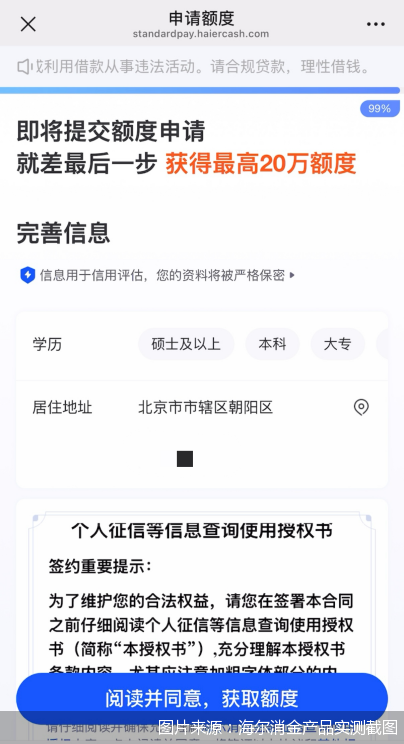
Core Viewpoint - The issuance of asset-backed securities (ABS) by consumer finance companies, particularly Haier Consumer Finance, is on the rise, reflecting strong financing capabilities and a commitment to sustainable development in the industry [1][4]. Group 1: ABS Issuance and Financial Performance - Haier Consumer Finance issued its second ABS of 2025 on July 3, totaling 1.5 billion yuan, with a record low interest rate of 1.8% for the A tranche [2][3]. - The company has conducted three public fundraising actions in 2025, including one financial bond and two ABS issuances, showcasing its robust financing strength [1][2]. - The total amount of ABS issued by Haier Consumer Finance has exceeded 10 billion yuan, with a cumulative issuance of over 100 billion yuan across the industry this year [2][3]. Group 2: Industry Trends and Investor Confidence - The overall trend in the consumer finance sector shows a decline in interest rates for ABS, indicating investor confidence in the quality of small, diversified assets [3][4]. - The average loan interest rate for Haier Consumer Finance is projected to decrease by 0.05 percentage points year-on-year in 2024, reflecting a stable and slightly declining trend in product rates across the industry [3][4]. Group 3: Capital Strength and Sustainable Development - Haier Consumer Finance has increased its registered capital from 1.5 billion yuan to 2.09 billion yuan, a growth rate of nearly 40% [4]. - The company's total assets reached 29.348 billion yuan by the end of 2024, with a year-on-year growth of 9.61% in the loan balance [4]. - The company emphasizes its sustainable development capabilities, supported by strong shareholder backing and improved operational capabilities [5][6]. Group 4: Compliance and Regulatory Challenges - Haier Consumer Finance faced a fine of 250,000 yuan for violations related to credit information management, highlighting the need for compliance in the consumer finance sector [6][9]. - The company is adapting to new regulations regarding internet lending and is committed to protecting consumer privacy through strict information management protocols [9]. Group 5: Revenue Diversification and Business Strategy - The company has seen significant growth in its non-interest income, with a 66.31% increase in fees and commissions in 2024, driven by joint lending and membership services [8][9]. - Haier Consumer Finance plans to focus on a dual strategy of "scenes + cash" to enhance its operational capabilities and meet user demands [9].
又有消金公司,发10亿金融债
Zhong Guo Ji Jin Bao· 2025-07-07 13:22
据悉,在今年4月22日,宁银消金已经成功发行了2025年第一期金融债券,发行规模为10亿元,票面利 率低至1.79%,期限为1年。联合资信评估股份有限公司给予宁银消金主体信用评级为AAA,本期债券 信用评级为A-1。 【导读】宁银消金拟再发10亿元金融债,年内7家消金公司累计发债达131亿元 在业内看来,时隔2个月后,宁银消金再次发行金融债券不仅源于政策支持鼓励,也意味着该公司正积 极拓展融资渠道,为业务扩张提供资金支持。 7月7日,宁银消费金融股份有限公司(以下简称宁银消金)公布了2025年第二期金融债券的相关募集资 料,表示拟发行10亿元金融债券,此为该公司年内第二次发行金融债券。 公开资料显示,宁银消金前身为华融消费金融公司,在2022年5月,宁波银行通过受让原"中国华融"持 有的公司全部股权,成为该公司控股股东。截至目前,宁银消金的注册资本为36亿元,其中宁波银行持 股比例高达94.17%。 拟再次发行10亿元金融债 近年来,宁银消金业绩增速较为亮眼。财报数据显示,截至2024年末,宁银消金总资产为598.15亿元, 较2023年末增长31.92%;发放贷款和垫款合计为581.17亿元,较上年末增长3 ...
又有消金公司,发10亿金融债!
中国基金报· 2025-07-07 13:20
Core Viewpoint - Ningyin Consumer Finance plans to issue 1 billion yuan in financial bonds, marking the second issuance this year, as part of a broader trend in the consumer finance industry to raise funds through bond issuance [1][3][5]. Company Summary - Ningyin Consumer Finance Co., Ltd. is set to issue 1 billion yuan in financial bonds, with a one-year fixed interest rate to be determined through a book-building process [3]. - The company previously issued 1 billion yuan in financial bonds in April 2023, with a low interest rate of 1.79% [3]. - The funds raised will primarily be used to supplement the company's liquidity and for other purposes permitted by regulatory authorities [3]. - As of the end of 2024, Ningyin Consumer Finance reported total assets of 59.815 billion yuan, a 31.92% increase from the end of 2023, and total loans and advances of 58.117 billion yuan, a 39.46% increase year-on-year [4]. Industry Summary - The consumer finance industry is experiencing a "bond issuance boom," with seven financial institutions collectively raising 13.1 billion yuan through 11 bond issuances this year [5][6]. - Recent regulatory changes have facilitated bond issuance for consumer finance companies, including the simplification of approval processes and the introduction of a post-reporting system for non-capital bond issuance [7]. - The issuance of bonds allows consumer finance companies to secure medium- to long-term funding, optimize their asset-liability structure, and support business expansion [7].

【Fintech 周报】九台农商行将申请退市;A股银行板块市值年内涨超2万亿元;河北资产冲刺IPO
Tai Mei Ti A P P· 2025-07-07 09:44
Regulatory Dynamics - Zeng Linfeng has officially taken office as the Director of the Beijing Local Financial Supervision Administration [1] Industry Dynamics - The A-share banking sector has seen a market capitalization increase of over 2 trillion yuan this year, with the Shenwan Banking Index rising by 17.26% as of July 3 [2][3] - The Banker magazine's 2025 Global Bank 1000 list revealed that 21 Chinese banks made it into the top 100, with six in the top 10, including ICBC, CCB, ABC, and BOC [2] - Insurance capital has made 19 equity stakes this year, with recent investments in Jiangnan Water and Hualing Steel [3][5] Corporate Dynamics - China Merchants Bank has received approval to establish its financial asset investment company with a registered capital of 15 billion yuan [6] - JiuTai Rural Commercial Bank is set to apply for delisting as Jilin Financial Holdings plans to make a cash offer for all issued H shares and domestic shares [6] - Hongta Bank has appointed Hu Wenjian as its new leader after an 18-month vacancy [7] - Ant Group plans to invest 23.45 billion yuan in R&D in 2024, focusing on AI applications across various sectors [8] - Longyin Consumer Finance is facing a shareholding crisis, with nearly half of its shares frozen due to legal issues [8] - JD Finance has launched a new service called "White Bar Paid Quota" to enhance its consumer finance offerings [10] - The Shanghai Gold Exchange has welcomed Taikang Life as a member, indicating a growing trend of insurance capital entering the gold market [10] - The Netherlands-based global insurance group has received approval to establish a new asset management company, indicating its expansion into the insurance sector [11]

中原消费金融×火山引擎:AI驱动客服效率与品质双跃升
Zhong Guo Chan Ye Jing Ji Xin Xi Wang· 2025-07-07 06:27
AI正成为消费金融行业转型升级的关键驱动力。 在客服通话合规质检环节,中原消金基于低成本的豆包大模型实现全渠道、全流程、全数据100%质检 监控,质检规则准确率超90%,效率与精准度显著提升,已累计分析通话超百万次。 传统质检依赖正则表达式,单次规则上线需3-7天;引入大模型后,业务人员通过提示词生成质检模 型,上线周期压缩至1-2天。 河南中原消费金融股份有限公司(简称"中原消金")作为首批接入豆包大模型的金融机构,在服务效率与 风险管理方面做了很多成效显著的探索,如基于自研智能化架构,融合豆包大模型、DeepSeek等主流 大模型,打造"元擎Matrix"智能中台,升级智能风控体系和智能客服体系。目前,该机构95%以上的大 模型调用来自豆包大模型。 其中,智能客服系统不仅提供便捷的个性化服务,提升客户满意度与忠诚度,更大幅降低人工坐席负 荷,提升合规性和专业性,助力中原消金实现了服务效率与品质的双重跃升。 智能客服:毫秒级响应、个性化服务 基于豆包大模型的多模态能力,智能客服系统以95%的准确率覆盖80%常规咨询,文字交互响应达毫秒 级,显著释放人工坐席压力。 在与人工坐席的协同作业中,AI也发挥着关键作 ...
鑫闻界|央行罚单“送”到海尔消金
Qi Lu Wan Bao· 2025-07-07 01:54
Group 1 - The People's Bank of China imposed a fine of 250,000 yuan on Haier Consumer Finance for violating credit information collection and management regulations [1] - Haier Consumer Finance issued its first financial bond of 1 billion yuan for 2025, with a term of 3 years and an interest rate of 2.2% [1] - The funds raised from the bond issuance will be used to supplement the company's medium to long-term funding and optimize its asset-liability structure [1] Group 2 - Haier Consumer Finance issued 1.5 billion yuan in Asset-Backed Securities (ABS) in 2023, with the second phase having a record low interest rate of 1.80% [2] - The company has expanded its offline installment business in education, medical beauty, and home living sectors, with a sales personnel count of 28 and an average productivity of 122 million yuan per person by the end of 2024 [2] - Compared to 2023, the company experienced significant growth in offline business productivity, with personnel count increasing from 25 to 28 and average productivity rising from 81.96 million yuan to 122 million yuan [2]