餐饮服务

Search documents
首富王健林,搞不定“一个小目标”?清空社交账号,贾国龙闭嘴了;宗馥莉再出手,“夺”走桶装水销售权;小熊电器“炸”了 || 大件事
Sou Hu Cai Jing· 2025-09-29 10:24
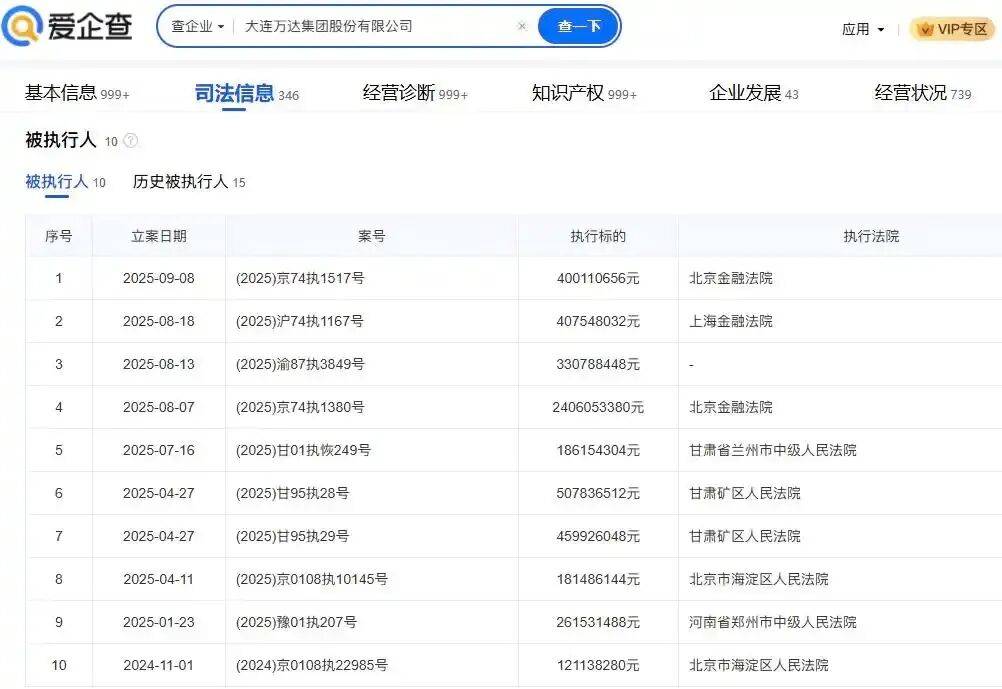
Group 1 - Wang Jianlin, the founder of Wanda Group, recently faced restrictions on high consumption due to economic disputes involving subsidiary companies, although these measures were later lifted [3][4][7] - Wanda Group's total amount of judicial enforcement has exceeded 7 billion yuan this year, indicating ongoing financial struggles [4] - As of September 2024, Wanda's total current liabilities amount to approximately 914.2 billion yuan, with cash reserves of only 151 billion yuan, highlighting a significant liquidity issue [7] Group 2 - The recent enforcement actions against Wang Jianlin could lead to operational risks, including damage to reputation and difficulties in financing [10] - Wang Jianlin has sold over 78 Wanda Plaza locations in the past two years to manage debt, leaving him with less than half of the original 513 plazas [7] - The financial health of Wanda's core enterprise, Wanda Commercial Management, is concerning, with short-term borrowings increasing by 190.47% year-on-year [7] Group 3 - The founder of Xibei Restaurant, Jia Guolong, has cleared his social media accounts amid controversies surrounding the brand, which has seen a significant drop in revenue [12][15] - Xibei's revenue dropped by approximately 600 million yuan over a few days due to public backlash, and its 2026 revenue forecast has been lowered by 12% [18][19] - The brand has initiated promotional activities to recover customer interest, offering 100 yuan dining vouchers to patrons [19] Group 4 - Wahaha Group is undergoing significant changes, with its bottled water business being transferred to a subsidiary, leading to reduced profit margins for the original company [21][24] - The restructuring has resulted in a drastic drop in profits for Zhejiang Wahaha, affecting dividends for its numerous shareholders [24] - The operational changes were implemented abruptly, causing disruptions in production and legal actions regarding trademark usage [24] Group 5 - Little Bear Electric has faced a severe incident involving a product explosion that resulted in serious injuries, leading to a 70% drop in stock price [26][31] - The company reported a slight revenue increase of 0.98% year-on-year, but net profit has significantly declined by 35.37% [31] - The brand, once a market leader in small appliances, is now struggling with both performance and stock valuation issues [31][30] Group 6 - Foshan Lighting has seen a high turnover of executives, with four resignations in a month, indicating potential instability within the company [33][36] - The company reported a significant decline in revenue and net profit, with a 97% drop in cash flow from operations [36][37] - The challenges faced by Foshan Lighting are attributed to increased competition and pricing pressures in the lighting industry [36]



坚持诚信经营 北京烹协发布国庆中秋假期餐饮倡议书
Bei Jing Shang Bao· 2025-09-29 07:25
Core Viewpoint - The Beijing Catering Association issued a proposal for the 2025 National Day and Mid-Autumn Festival holiday catering services, emphasizing safety, fair pricing, and waste reduction in the industry [1][2]. Group 1: Safety Measures - Catering enterprises are required to conduct comprehensive safety risk assessments before the holiday, focusing on fire safety, kitchen operations, gas usage, electrical management, and evacuation routes to ensure no blind spots [1]. - Strict adherence to food safety laws is mandated, covering all aspects from raw material procurement to storage and transportation, with an emphasis on pest control and water safety to prevent food safety incidents [1]. Group 2: Pricing and Market Conduct - The proposal stresses the importance of fair, legal, and honest pricing practices, prohibiting arbitrary price increases during the holiday and ensuring clear pricing without misleading discounts or hidden fees [1]. - Catering businesses are encouraged to maintain a fair market order and protect consumers' rights to information and fair transactions [1]. Group 3: Service Preparation and Innovation - Catering enterprises should analyze holiday market demand in advance, preparing food supplies, staff allocation, and equipment maintenance, while enhancing employee training and service efficiency [2]. - There is an encouragement to innovate and offer dishes that reflect Beijing's characteristics and align with health principles, providing diverse service options such as dine-in, reservations, takeout, and delivery [2]. Group 4: Waste Reduction and Sustainability - The proposal advocates for reducing food waste through precise procurement, scientific storage, and reasonable meal distribution, promoting the "Clean Plate Campaign" to encourage rational consumption [2]. - Catering businesses are urged to offer smaller portion sizes, encourage takeout of leftovers, and use eco-friendly packaging materials, fostering a new trend of green, low-carbon, and economical dining consumption [2].
颜值亮眼却调味偏重、搭配欠缺,儿童餐≠成人餐的“缩量版”
Bei Jing Ri Bao Ke Hu Duan· 2025-09-29 06:37
Core Viewpoint - The article highlights the growing popularity of children's meals in restaurants, but raises concerns about their nutritional quality and appropriateness for children [1][2][3]. Group 1: Market Trends - Children's meals have become a standard offering in many restaurants, serving as a key strategy to attract family customers [2]. - A survey of 21 different restaurants found that 15 offered children's meals, with prices ranging from tens to over thirty yuan, and some even providing free meals with certain conditions [2]. - The demand for children's meals is increasing, with a reported 300% year-on-year growth in online orders for children's meals in 2022 [2]. Group 2: Nutritional Concerns - Many children's meals are simply smaller versions of adult meals, often high in oil, salt, and sugar, which raises health concerns among parents [3][4]. - Specific examples include a children's meal from a barbecue restaurant that contained fried items and lacked healthy cooking methods [3]. - Parents express dissatisfaction with the lack of vegetables in children's meals, with many meals being primarily composed of starchy or fried foods [4][5]. Group 3: Parental Expectations - Parents desire more professional and transparent children's meal options that cater to children's nutritional needs [5][6]. - Ideal children's meals should focus on a variety of ingredients and healthier cooking methods, such as steaming or boiling, rather than frying [5][7]. - There is a call for clearer labeling of nutritional information and ingredient sourcing in children's meals to ensure safety and health [6][8]. Group 4: Expert Opinions - Experts suggest that children's meals should adhere to principles of variety and moderation, incorporating a balanced diet that includes vegetables, fruits, and whole grains [7][8]. - The current children's meal market is still in its early stages, with many offerings not meeting the nutritional needs of children [7][8]. - There is a need for standardized guidelines and regulations in the children's meal sector to promote healthier options and ensure consumer trust [8].
严禁随意涨价 北京烹协发布国庆中秋假期餐饮服务倡议书
Xin Jing Bao· 2025-09-29 05:26
Core Viewpoint - The Beijing Cooking Association has issued a proposal for the 2025 National Day and Mid-Autumn Festival holiday dining service, emphasizing the prohibition of arbitrary price increases and ensuring consumer rights [1][2]. Group 1: Consumer Rights and Pricing - The proposal strictly prohibits arbitrary price hikes and additional charges during the holiday, aiming to protect consumers' right to know and fair trading [1]. - It emphasizes the need for transparent pricing, banning misleading discounts and unclear pricing practices, and ensuring no undisclosed fees are charged [1]. Group 2: Food Safety and Operational Standards - Member units and dining enterprises are urged to enhance inspections of fire safety, kitchen operations, gas usage, electrical management, and evacuation routes to ensure safety [1]. - Strict adherence to food safety laws is mandated, covering all aspects from raw material procurement to storage and transportation, with a focus on pest control and water safety [1]. Group 3: Service Improvement and Innovation - Businesses are encouraged to analyze holiday market demand in advance, prepare food supplies, staff allocation, and equipment maintenance [2]. - Training for employees is highlighted to standardize service processes, improve efficiency, and enhance emergency response capabilities [2]. - The proposal encourages the introduction of Beijing-themed dishes that align with nutritional health concepts and the provision of diverse service options such as dine-in, reservations, takeout, and delivery [2].
非遗美食+技艺展示,崇文门商圈非遗文化美食节启幕
Bei Ke Cai Jing· 2025-09-29 05:23
Core Points - The "Golden Autumn Feast: Intangible Cultural Heritage Food Festival" has officially started and will run until October 12, featuring various renowned food brands and traditional culinary techniques [1][2] - The festival aims to promote the unique flavors and cultural stories of the Chongwenmen area, with a focus on intangible cultural heritage [1] Group 1: Event Overview - The festival includes participation from over ten non-heritage food brands, such as Bianyifang, Cuihua Building, and Douyichu, showcasing traditional culinary skills [1] - The event features a food market at the New World South Pavilion, where consumers can taste various traditional dishes, including Bianyifang's oven-roasted duck and Douyichu's steamed dumplings [2] Group 2: Cultural Experience - The festival incorporates a family-friendly handmade area, allowing parents and children to engage in intangible cultural heritage activities together [2] - An outdoor movie screening area enhances the experience, allowing visitors to enjoy food while watching films, transforming the event into an immersive cultural experience [2]
严禁随意涨价,北京烹协发布国庆中秋假期餐饮服务倡议书
Bei Ke Cai Jing· 2025-09-29 05:23
Group 1 - The Beijing Catering Association issued a proposal for the 2025 National Day and Mid-Autumn Festival holiday, emphasizing the prohibition of arbitrary price increases and ensuring consumer rights [1][2] - Member units and catering enterprises in the city are required to strengthen inspections of fire safety, kitchen operations, gas usage, and electrical management to ensure safety [1] - The proposal stresses adherence to fair pricing principles, including clear pricing and the prohibition of misleading discounts and unmarked fees [1] Group 2 - Businesses are encouraged to analyze holiday market demand in advance and prepare food supplies, staff allocation, and equipment maintenance [2] - Employee training and service process standardization are highlighted to improve service efficiency and emergency response capabilities [2] - The proposal encourages the introduction of Beijing特色 dishes and diverse service options, including dine-in, reservations, takeout, and delivery [2]
西贝旗下多地公司发生高管变更,此前创始人贾国龙清空社交账号,西贝多篇“温情公关文”被嘲
Qi Lu Wan Bao· 2025-09-29 03:32
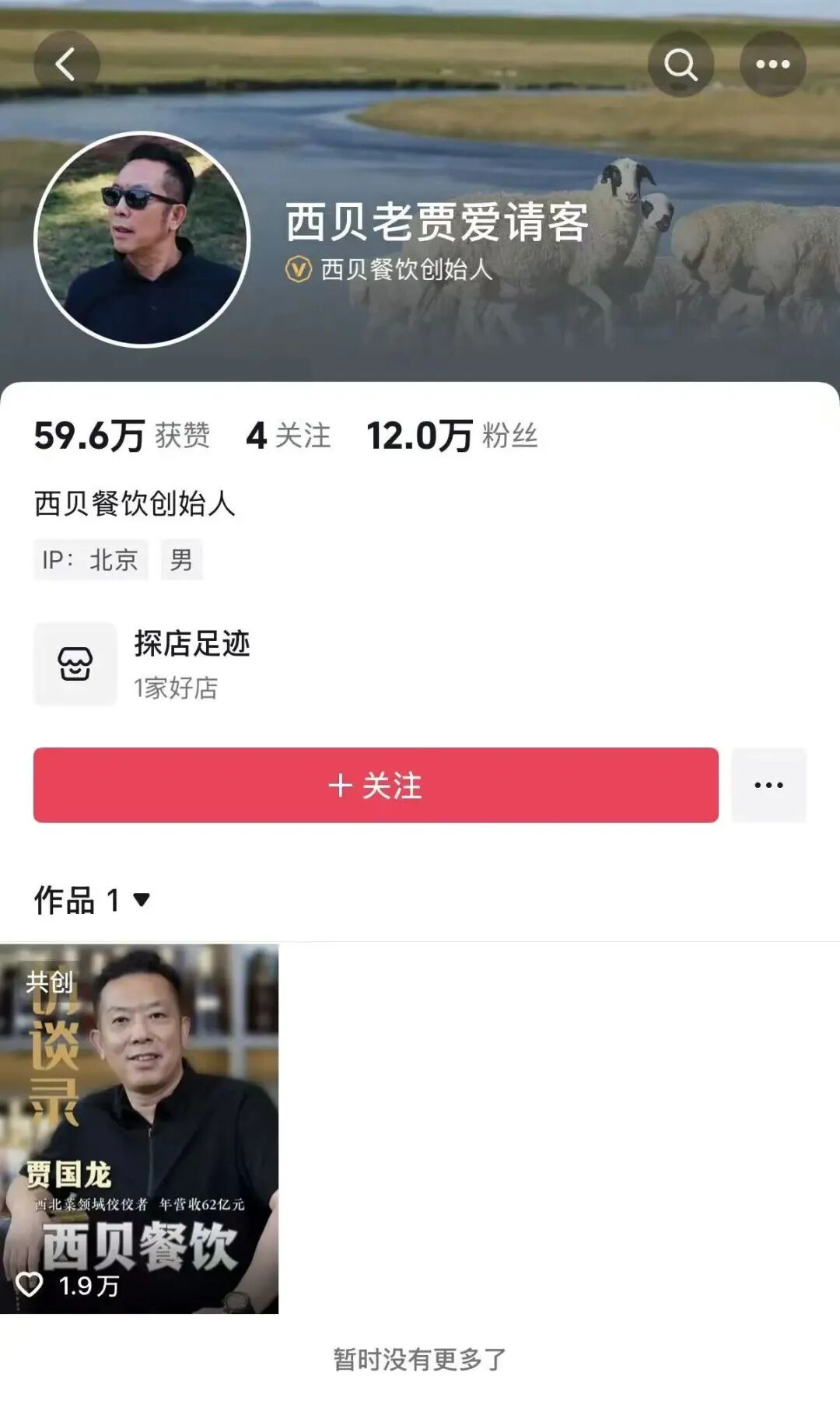
Group 1 - Guizhou Xibei Wanjia Catering Management Co., Ltd. has undergone a change in legal representative, with Wang Longlong stepping down and Yang Shengkun taking over, alongside other executive changes [1] - The company was established in March 2018 with a registered capital of 5 million RMB, focusing on catering management and services, and is jointly owned by Inner Mongolia Xibei Catering Group Co., Ltd. and Beijing Xiyue Life Catering Management Partnership [1] - Recent reports indicate that Xibei's founder, Jia Guolong, has significantly reduced his online presence, with only one public video remaining on Douyin, discussing the company's growth and annual revenue of 6.2 billion RMB [1] Group 2 - Following a controversy involving Xibei and Luo Yonghao, a public relations article titled "Xibei Flavor Morning Read" sparked debate, with many criticizing it as overly sentimental and manipulative [9] - The article, which was later deleted, featured a story from a child's perspective about their love for Xibei, highlighting the emotional connection customers have with the brand [9] - Xibei's official account previously shared a video of a mother discussing her child's eating habits, which also faced backlash and was subsequently removed due to concerns over online harassment [11]
多家餐厅悄悄撤下“现做”招牌被骂:预制菜透明化,已成餐企绕不开的必答题
Sou Hu Cai Jing· 2025-09-29 00:26
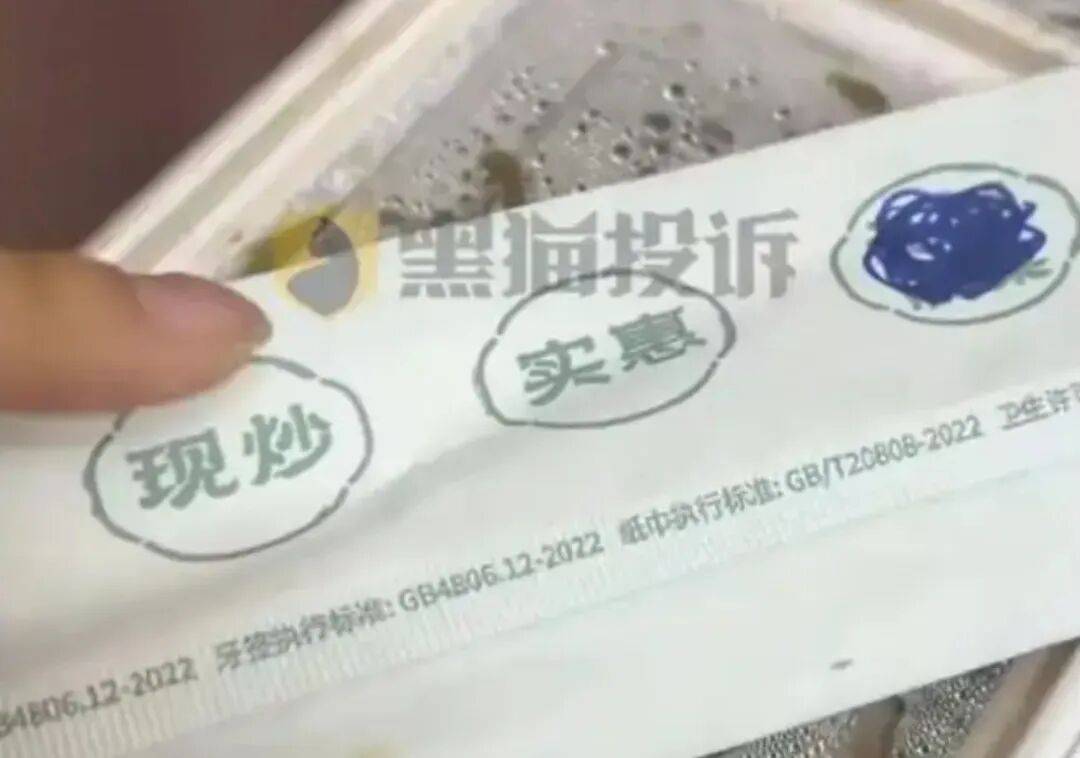
Core Viewpoint - The restaurant industry is facing a dilemma regarding the use of pre-prepared dishes, with some companies opting for transparency while others choose to avoid the topic altogether. The push for transparency in pre-prepared dishes is becoming an inevitable trend driven by consumer rights and regulatory pressure [1][4][25]. Group 1: Industry Response to Pre-prepared Dishes - Some restaurants, like Green Tea, have removed signs claiming "no pre-prepared dishes" and have blacked out such labels on disposable utensils, indicating a cautious approach to avoid backlash [2][5][6]. - In contrast, other establishments, such as Haidilao, have begun to label certain dishes as "partially pre-processed," reflecting a more transparent strategy [8][10]. - The well-known brand Dabowl Mr. has announced plans to clearly label the preparation methods of all 126 dishes in its menu, with 65.8% being freshly made [13]. Group 2: Challenges in Defining Pre-prepared Dishes - The lack of a clear definition and standards for what constitutes a pre-prepared dish complicates the labeling process for restaurants, leading to confusion and inconsistency in the industry [16][17]. - The complexity of traditional Chinese cuisine makes it difficult to categorize dishes as pre-prepared, as the preparation process can vary significantly [18][20]. - Smaller restaurants face additional challenges due to limited resources and the inability to implement comprehensive labeling systems [22]. Group 3: Consumer Perception and Market Dynamics - Consumer perception equates pre-prepared dishes with lower quality, leading to hesitance among restaurants to label their offerings as such, especially in higher-end dining establishments [23][24]. - The reliance on pre-prepared ingredients is widespread in the industry, with few restaurants able to operate without them, particularly in chain operations [24]. - The recent decline in customer traffic for brands like Xibei highlights the potential negative impact of being associated with pre-prepared dishes [24]. Group 4: Regulatory Trends and Future Directions - The push for transparency in pre-prepared dishes is gaining momentum, with government agencies advocating for clearer labeling practices to protect consumer rights [25][29]. - Some regions are already implementing mandatory labeling requirements for pre-prepared dishes, indicating a shift from optional to required transparency [29]. - The industry may see a division where high-end restaurants focus on freshly made dishes while fast-casual dining embraces pre-prepared options, reflecting changing consumer expectations [33].

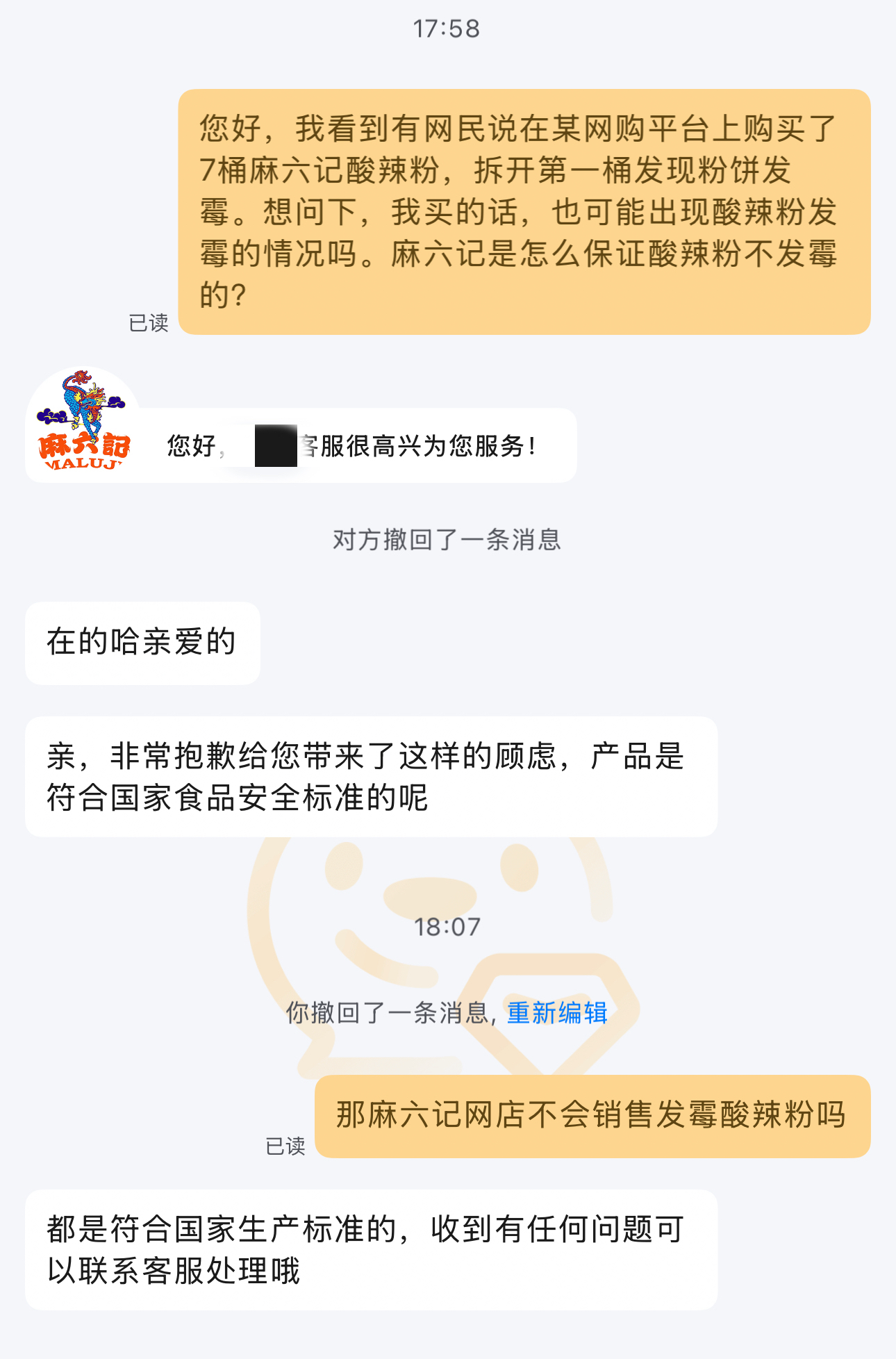
麻六记客服回应酸辣粉发霉问题:产品符合国家食品安全标准
Zhong Guo Xin Wen Wang· 2025-09-28 23:30
Group 1 - The core issue involves reports of moldy products from the brand Ma Liu Ji, specifically their sour and spicy noodles, which have raised consumer concerns [1][4] - Customer service from Ma Liu Ji has stated that their products meet national food safety standards and encouraged customers to report any issues [1] - Previous incidents of moldy products were reported in July, leading to apologies and a recall from the contract manufacturer Bai Jia A Kuan, as well as a statement from Ma Liu Ji [1] Group 2 - Ma Liu Ji was founded in 2020 by Wang Xiaofei and is headquartered in Beijing, with a product range that includes popular items like sour and spicy noodles and Mao Xue Wang [4] - The brand has achieved significant sales, with over 170 million units of the sour and spicy noodle series sold [4] - The parent company, Beijing Ma Liu Ji Catering Management Co., Ltd., has a registered capital of 8 million RMB and is part of a corporate group that includes 42 entities [4]
俄首个数字餐厅服务员投入使用
Huan Qiu Wang Zi Xun· 2025-09-28 23:19
Core Insights - A Russian startup, Vilka Rest, has developed a digital waiter that utilizes AI to recommend meals based on customer preferences and dietary restrictions, enhancing the dining experience [1][2][4] - The digital waiter can remember customer preferences and allergies, creating a digital profile for personalized service, which has shown to increase average customer bills by approximately 30% [4] - The technology aims to transform the restaurant industry by offering a fully customized dining experience, with plans to integrate automated food delivery systems using humanoid robots [4][6] Group 1: Technology and Implementation - The digital waiter operates by providing a list of meal options based on customer requests, and it can adapt recommendations in real-time, making the ordering process more efficient [2][4] - The system has been tested in high-end restaurants and is designed to mimic familiar interfaces, making interactions seamless for customers [2][4] - Future plans include the development of a new type of restaurant where menus are entirely tailored to individual dietary preferences [4] Group 2: Market Impact and Reception - The introduction of the digital waiter has resulted in an increase in repeat customers, with 80% returning due to the personalized service [4] - Experts believe that while the technology has potential, it may face challenges in gaining customer acceptance due to the lack of human interaction [5][6] - The digital waiter could serve as a valuable tool for restaurants, particularly in standardizing service processes and enhancing brand communication [6]