
跨境电商

Search documents
亚马逊全球副总裁Mehta:AI重塑跨境电商
2 1 Shi Ji Jing Ji Bao Dao· 2025-12-08 12:13
Core Insights - The article discusses the transformative impact of AI on cross-border e-commerce, particularly through Amazon's innovations in AI tools that enhance seller capabilities and streamline operations [1][5]. Group 1: AI and Seller Efficiency - The emergence of generative AI has revolutionized every aspect of the sales experience, enabling sellers to automate tasks that previously required manual input, such as product listings [5]. - Over 130,000 sellers are utilizing Amazon's generative AI tool for product page creation, which automates more than 70% of the content previously filled out manually, achieving a high acceptance rate of over 90% for AI-generated content [5]. Group 2: Brand Building and Customer Understanding - Brand building is crucial for sellers, particularly for emerging entrepreneurs and small businesses in China, who are looking to resonate with customers globally [2][3]. - Understanding customer needs is essential for brand success, and Amazon invests significantly in market insights to help brands develop products that address consumer pain points [2]. Group 3: Logistics and Supply Chain Innovations - Amazon's logistics service, Fulfillment by Amazon (FBA), has facilitated the delivery of over 80 billion items globally, significantly enhancing seller efficiency [6]. - The transition from a two-day delivery promise to same-day delivery has resulted in an average sales increase of approximately 20%, highlighting the importance of delivery speed to customers [6]. Group 4: Cross-Border Challenges and Solutions - Cross-border sellers face challenges with customs clearance, which can be complex and time-consuming; Amazon is leveraging generative AI to automate the generation of customs classifications and related documentation, saving sellers over 50% of processing time [7].

21专访|亚马逊全球副总裁Mehta:AI重塑跨境电商
2 1 Shi Ji Jing Ji Bao Dao· 2025-12-08 12:01
Core Insights - The article discusses the transformative impact of AI on cross-border e-commerce, highlighting Amazon's innovations in AI tools that enhance seller capabilities and streamline operations [2][3][7]. Group 1: AI and Seller Efficiency - Generative AI has revolutionized every aspect of the sales experience, allowing sellers to automate the creation of product listings, significantly reducing manual input requirements [7]. - Over 1.3 million sellers are utilizing Amazon's generative AI product page creation tool, which automates more than 70% of the content previously filled out manually, achieving a high acceptance rate of over 90% for AI-generated content [7]. - Amazon's logistics innovations, such as the Fulfillment by Amazon (FBA) service, have enabled sellers to efficiently manage inventory and shipping, with over 80 billion items delivered globally through this service [8]. Group 2: Brand Building and Market Insights - The key to brand building lies in understanding customer needs, with Amazon investing heavily in market insights to help brands create products that resonate with consumers [4][5]. - Many Chinese sellers are emerging as new entrepreneurs aiming to establish global brands, and Amazon is focused on facilitating their ability to achieve global sales from day one [5][6]. - The importance of fast delivery is underscored, with sales increasing by approximately 20% when delivery promises are upgraded from two days to same-day delivery [8]. Group 3: Supply Chain and Logistics - Amazon is enhancing its supply chain services to provide comprehensive solutions for brands, including global logistics and bulk warehousing, which are essential for cross-border operations [8][9]. - The company is leveraging generative AI to simplify customs processes for sellers, reducing the time spent on customs documentation by over 50% during early trials [9].


亚马逊Haul一年扩张26个国家和地区,“低价”之外还有哪些对决?
Mei Ri Jing Ji Xin Wen· 2025-12-08 11:51
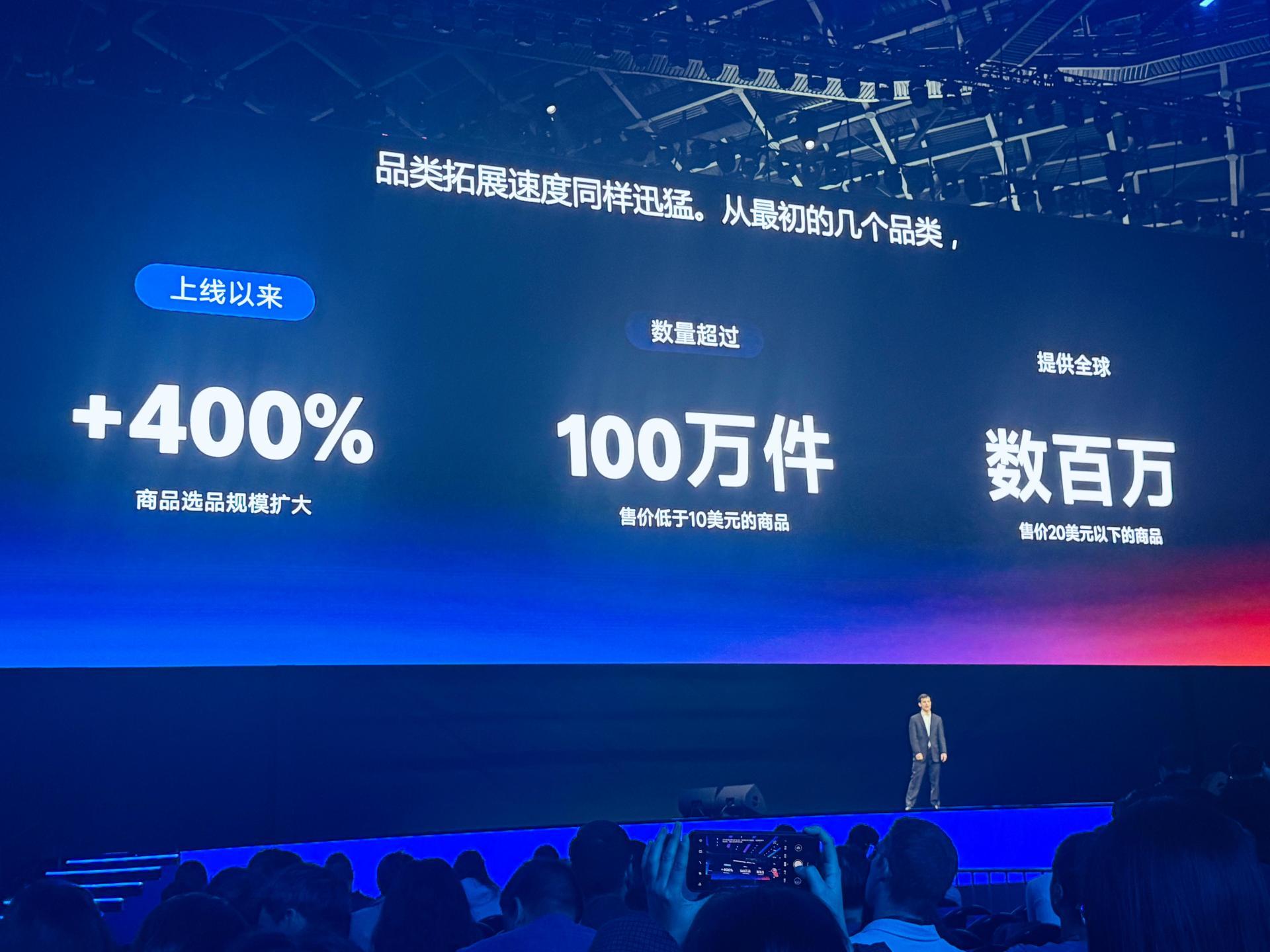
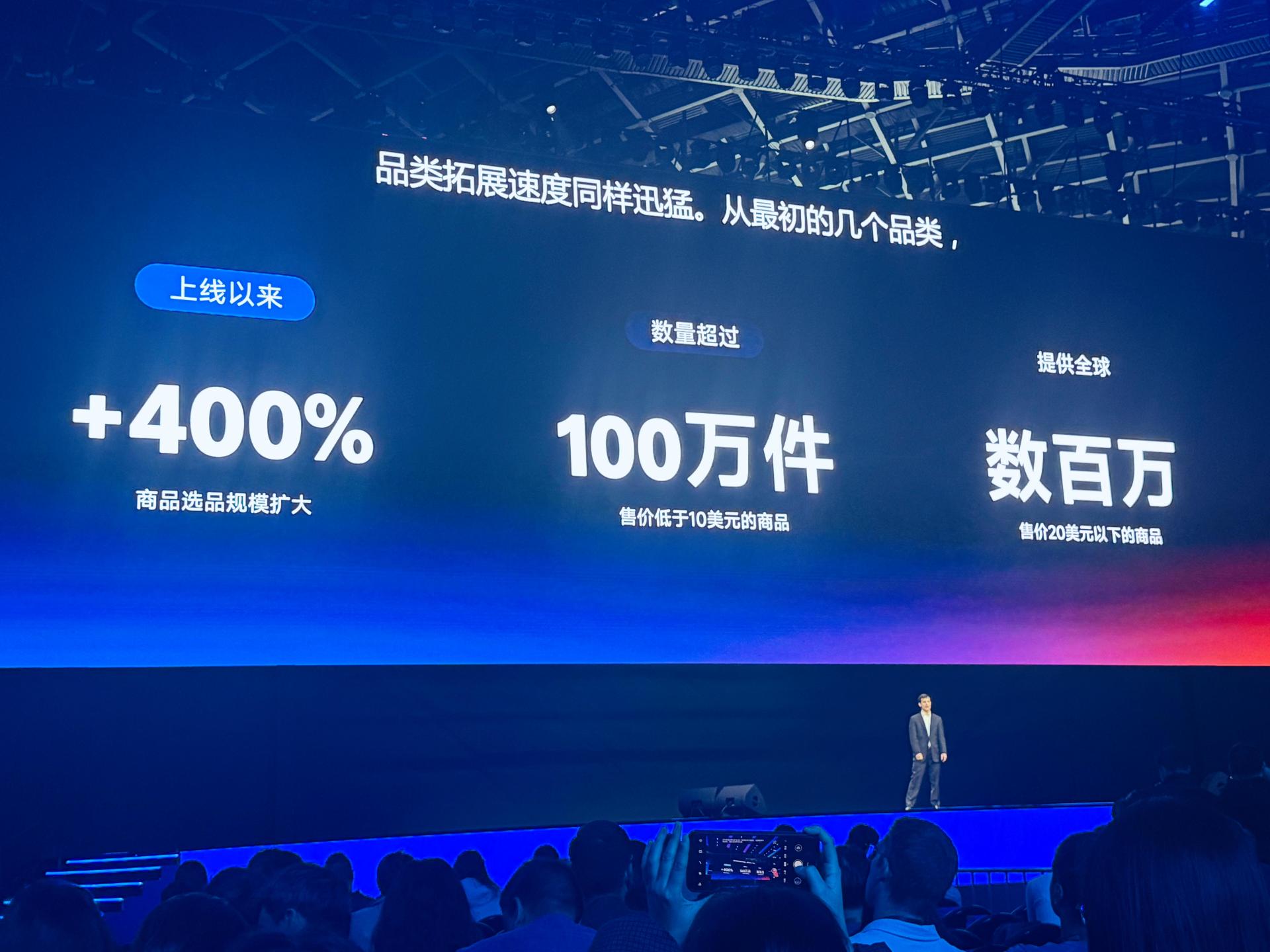
Core Insights - The competition in the cross-border e-commerce low-price sector is intensifying, with major players like Temu, TikTok Shop, and Amazon adopting aggressive strategies to capture market share [1][2]. Group 1: Amazon's Strategy - Amazon's low-price strategy is a long-term response to industry trends, with over 80% of consumers adjusting shopping behavior due to tariff fluctuations, making price a key decision factor [2]. - Amazon Haul, launched in late 2024, has rapidly expanded from the U.S. to 26 countries, significantly increasing its product selection by over 400% since its inception [6][9]. - The platform aims to attract Prime members by offering a browsing shopping experience through frequent promotions, contrasting with the traditional search-based shopping on Amazon's main site [7]. Group 2: Competitive Landscape - New platforms like Temu and TikTok Shop are effectively challenging Amazon by offering lower prices and leveraging innovative sales models, such as pre-sale strategies and live-streaming promotions [11]. - Temu's pricing can be 10% to 20% lower than Amazon Haul, indicating a significant competitive threat in the low-end market [11]. Group 3: Operational Enhancements - Amazon is implementing various measures to enhance competitiveness, including reducing fees for low-priced items in Europe by up to 15% and offering logistics cost reductions through smart hub warehouses, which can lower seller storage costs by over 20% [9][10]. - The "next-generation cross-border chain" initiative encourages sellers to adopt a global strategy from the outset, rather than focusing on single markets, to mitigate risks and capture diverse consumer demand [12]. Group 4: Future Outlook - Amazon plans to continue expanding Haul into new markets, including Europe and the Middle East, with further product selection increases and targeted subsidy policies anticipated [12]. - The ultimate winner in this competitive landscape will be the entity that balances cost, efficiency, and customer experience effectively [13].
跨境电商血战升级:Temu、TikTok围剿下 亚马逊Haul一年闪电扩张26个国家和地区,“低价”之外还有哪些对决?
Mei Ri Jing Ji Xin Wen· 2025-12-08 11:43
Core Insights - The competition in the cross-border e-commerce low-price sector is intensifying, with platforms like Temu, TikTok Shop, and Amazon Haul aggressively pursuing market share through various strategies [1][2]. Group 1: Amazon's Strategy - Amazon's low-price strategy is a long-term response to industry trends, with over 80% of consumers adjusting their shopping behavior due to tariff fluctuations, making price a core decision factor [2]. - Amazon Haul, launched at the end of 2024, has rapidly expanded from the U.S. to 26 countries, with a product selection increase of over 400% since its inception [6][9]. - The platform aims to attract Prime members by offering a browsing shopping experience through frequent promotions, contrasting with the traditional search-based shopping on Amazon's main site [7]. Group 2: Competitive Landscape - Emerging platforms like Temu and TikTok Shop are effectively capturing market share by offering lower prices and leveraging their unique business models, with Temu's prices being 10% to 20% lower than those on Haul [11]. - TikTok Shop utilizes short videos and live streaming to drive sales, further fragmenting traffic away from Amazon Haul [11]. Group 3: Operational Enhancements - Amazon is implementing a "next-generation cross-border chain" strategy, encouraging sellers to adopt a global approach from the outset rather than focusing on single markets [2][12]. - The introduction of global smart hub warehouses is expected to reduce sellers' logistics costs by over 20%, providing more room for price reductions [10]. Group 4: Future Outlook - Amazon plans to continue expanding Haul into new markets, including Europe and the Middle East, with further product selection increases and targeted subsidy policies anticipated [12]. - The ultimate winner in this competitive landscape will be the entity that balances cost, efficiency, and customer experience effectively [13].
小行动大改变|三个人,三条路:中小卖家的新品突围
商业洞察· 2025-12-08 10:52
Core Insights - The article discusses the journey of three sellers in the Amazon marketplace, highlighting their unique strategies and approaches to succeed in a competitive environment [1][28]. Group 1: Seller Strategies - Seller "月下小薰" focuses on leveraging market insights from top sellers' reviews, particularly negative feedback, to identify improvement opportunities and innovate products [4][6]. - She adopts a cautious inventory strategy, testing new products in small batches and adjusting based on performance metrics, which helps avoid excess stock and extend exploration windows [7][8]. - "Shirley" employs a multi-category testing approach, launching products across four categories simultaneously and using data to determine which categories to pursue further [13][14]. - "黄煜" utilizes information gaps between eBay and Amazon to identify under-served product niches, leading to successful product launches and sales [21][22]. Group 2: Marketing and Branding - 月下小薰 enhances her brand identity through aesthetic consistency and quality packaging, which helps attract a specific customer base and maintain higher profit margins [8][9]. - Shirley emphasizes user experience in her product design, ensuring that every detail, from packaging to instructions, enhances customer satisfaction [16][17]. - 黄煜 focuses on patenting his products to protect their uniqueness and extend their market lifecycle, which is crucial in a competitive landscape [22][23]. Group 3: Financial Management - 月下小薰 gradually increases her advertising budget from 8% to 14% of sales as her business scales, reflecting a strategic approach to marketing investment [9][10]. - Shirley's financial acumen from her previous career allows her to make data-driven decisions, quickly abandoning underperforming products without being hindered by sunk costs [15][18]. - 黄煜 allocates over 95% of his advertising budget to product promotion, focusing on high-margin items to maximize profitability [25][26].

2025年,做跨境电商的逻辑变了吗?
36氪· 2025-12-08 10:01
Core Insights - Southeast Asia's e-commerce is entering an "efficiency era," shifting from a focus on low prices to an emphasis on customer experience and delivery speed [3][4] - Localized fulfillment is becoming a necessity for cross-border e-commerce, as evidenced by Shopee's strategic focus on this area [5][6] Group 1: Market Dynamics - The Southeast Asian e-commerce market is projected to reach a GMV of nearly $100 billion by 2025, indicating strong growth potential [6] - Shopee's localized fulfillment strategy has led to significant sales increases, with some sales metrics showing up to a 14-fold increase during promotional events [6][7] - The shift towards localized services is changing competitive dynamics, with speed and service quality becoming key differentiators [4][6] Group 2: Logistics and Supply Chain - Localized fulfillment is addressing traditional logistics bottlenecks, enabling faster delivery and improved customer experience [7][10] - Brands like ANTBOX are leveraging localized fulfillment to overcome high logistics costs associated with heavy goods, thus expanding their market reach [9][10] - The integration of local warehousing and logistics is allowing cross-border sellers to reduce operational costs and improve delivery times [10][11] Group 3: Brand Trust and Consumer Behavior - Speed of delivery is critical for building brand trust, especially during high-stakes shopping events [13][14] - Localized fulfillment not only enhances customer experience but also plays a vital role in establishing long-term brand loyalty [16][17] - Brands that effectively manage return logistics through localized systems can mitigate costs and improve customer satisfaction [17][18] Group 4: Long-term Strategy and Ecosystem - The narrative for Chinese sellers in Southeast Asia is evolving from simple arbitrage to a more sustainable, localized approach [19][20] - Shopee's success highlights the importance of returning to fundamental business principles: good products and services [21][22] - The development of a localized ecosystem is essential for cross-border sellers to thrive, shifting from isolated efforts to collaborative strategies [23][24][25]

从线性出海到网格化布局:亚马逊“下一代跨境链”如何重构中国卖家全球化逻辑
Huan Qiu Wang· 2025-12-08 09:30
Core Insights - The core viewpoint of the article emphasizes that globalization has shifted from a choice to a necessity for Chinese cross-border sellers, who are now focused on how to effectively implement global strategies rather than whether to pursue them [1] Group 1: Seller Concerns - Sellers face three main anxieties: the challenge of assessing new markets, compliance issues, and difficulties in product selection [2] - The "evaluation dilemma" arises from the inability to replicate consumer trends and competitive landscapes from mature markets to emerging ones, leading to uncertainty in investment returns [2] - The "compliance confusion" reflects a shift from unregulated growth to a focus on compliance as a core asset for building long-term trust and competitive advantage [2] - The "product selection difficulty" indicates that simply copying successful products from mature markets to emerging ones is no longer effective; sellers must understand local consumer needs [2] Group 2: Strategic Growth Engine - Globalization must be viewed as a systematic "strategic growth engine" rather than a series of isolated experiments [3] Group 3: Next Generation Global Selling - Amazon's "Next Generation Global Selling" (NGGS) aims to restructure traditional cross-border supply chains, allowing sellers to achieve "one listing, one warehousing, global sales" [4] - The establishment of the first Amazon Global Smart Hub Warehouse (GWD) in Shenzhen symbolizes a significant step in addressing sellers' core pain points, such as high overseas warehousing costs and complex logistics [4][6] - The GWD model enables sellers to store products in a centralized location, reducing inventory risks and allowing for simultaneous testing in multiple markets [6] Group 4: Market Opportunities - Emerging markets like Latin America, Australia, the Middle East, and India present unique opportunities for Chinese sellers, with tailored strategies being implemented to facilitate entry [7][8][9] - Latin America is highlighted as a rapidly growing region for Chinese sellers, with Amazon simplifying compliance processes to enhance market access [7] - Australia offers low complexity and high similarity to Western consumer behavior, making it an attractive market for expansion [8] - The Middle East's demand for diverse products and India's projected growth to a $100 billion e-commerce market present significant opportunities for Chinese sellers [8][9] Group 5: Capability Reconstruction - Sellers are encouraged to view global expansion as a "capability reconstruction" process, shifting from experience-driven to data and AI-driven decision-making [10] - Collaboration is emphasized, with successful sellers leveraging Amazon's logistics and compliance solutions to focus on product innovation and brand building [10] - A strategic mindset is crucial, as sellers must treat globalization as a long-term commitment rather than a short-term profit opportunity [10] Group 6: Industry Trends - Data indicates a significant increase in the number of new Chinese sellers on Amazon's European platform, with a projected growth of over 25% by 2025 [11] - The compound annual growth rate of products sold by Chinese sellers on Amazon's emerging platforms has exceeded 50% over the past three years [11] - The competitive landscape of cross-border e-commerce is evolving, focusing on global supply chain collaboration and agile market response capabilities [11]

利润腰斩,亚马逊卖家:难
Tai Mei Ti A P P· 2025-12-08 09:05
Core Insights - The article highlights the significant challenges faced by cross-border sellers on Amazon due to new tax regulations and rising operational costs, leading to a crisis in profitability and compliance [1][2][3] Seller Status: Tax Compliance and Revenue Pressure - The introduction of new tax regulations has made compliance a major concern for sellers, with small and medium-sized sellers experiencing a drastic reduction in profits, with some reporting profit halving due to increased tax burdens [2] - Sellers who previously utilized personal accounts for transactions are now facing substantial back taxes, with some needing to pay up to 25% in personal income tax, leading to operational cutbacks [2] - Larger sellers, while better prepared, are still facing increased costs and tax burdens, with some reporting a 15% reduction in input tax deductions, resulting in significant additional tax payments [2] Revenue and Profit Discrepancies - Sellers are experiencing a "scissors gap" between revenue and profit, with advertising costs rising sharply and natural traffic declining significantly, leading to a situation where increased sales do not translate into higher profits [3] - The average profit margin for Amazon's small and medium sellers has decreased by 6.8 percentage points year-over-year, with nearly 30% of sellers reporting losses [3] Operational Challenges - Amazon's operational efficiency is declining, with longer response times for seller inquiries and appeals, exacerbated by staff reductions in the China team [5] - Sellers are facing increased competition from platforms like Temu and AliExpress, which are gaining market share through aggressive pricing and lower commission rates [5][6] Future Outlook: Market and Talent Dynamics - Sellers are increasingly diversifying their platforms to mitigate risks, with many planning to reduce their reliance on Amazon from 80% to 40% by 2026 [7] - The focus on compliance is becoming a non-negotiable aspect of business strategy, with sellers actively seeking to optimize their tax burdens through better invoice management and leveraging tax policies [7][8] Emerging Market Opportunities - New markets in the Middle East and Southeast Asia are being prioritized due to lower tax burdens and less competition, with 78% of sellers planning to expand into these regions by 2026 [8] - Sellers are adapting their strategies to include low-cost products on platforms like Temu while maintaining higher-priced items on Amazon to balance revenue and profit [9] Operational Adjustments and Recruitment Trends - The demand for multi-platform operational skills is rising, with a 47% increase in job openings for multi-platform operators, while single-platform roles are declining [9][10] - Sellers are focusing on developing skills in tax compliance and operational efficiency, with a shift towards technology-driven solutions to optimize advertising and inventory management [10] Strategies for Different Seller Sizes - Small and medium sellers are advised to focus on low-barrier platforms for quick returns, while larger sellers can leverage their supply chain strengths to enter higher-margin markets [11][12] - Successful strategies include targeting niche markets with specific product offerings and optimizing logistics to enhance customer satisfaction and repeat purchases [13]
2026福州跨境产品博览会展位预定
Sou Hu Cai Jing· 2025-12-08 05:49
特装展位: 这是(组委会: 郭先生 135-8O48-8I75)整理的信息,希望能帮助到大家 随着跨境电商行业的持续发展,越来越多的企业希望通过展会平台拓展业务渠道。2026第六届中国跨境电商交易会将于2026年3月18日至20日在福州海峡国 际会展中心举办,为行业提供展示与交流的机会。展位预定作为参展的重要环节,需要提前了解相关信息。以下是关于展位预定的具体内容。 #1.展位类型与选择 展位通常分为标准展位和特装展位两种,企业可根据自身需求选择适合的类型。 标准展位: -面积通常为9平方米或12平方米,包含基础配置如桌椅、电源插座等。 -适合首次参展或预算有限的企业,便于快速布展。 -面积较大,通常由企业自行设计搭建,灵活性更高。 -适合需要突出品牌形象或展示多款产品的企业。 如何选择展位? -考虑预算:标准展位费用较低,特装展位需要额外投入设计和搭建成本。 -目标受众:如果希望吸引更多关注,可选择靠近主通道或活动区的展位。 -展示需求:若产品种类较多或需要互动体验,特装展位更合适。 #2.展位预定流程 展位预定通常分为几个步骤,提前准备可以提高效率。 (1)提交申请 填写展位申请表,注明企业信息、展位类型 ...

江苏制造勇闯东南亚
Xin Hua Ri Bao· 2025-12-08 04:48
Core Insights - The "Silk Road E-commerce" event highlighted the significant potential of the Southeast Asian market for Jiangsu enterprises, emphasizing the need for deep localization to capitalize on this opportunity [1][8] - The Southeast Asian e-commerce market is transitioning from a "traffic dividend" phase to a "brand cultivation" phase, necessitating a shift in strategy for Jiangsu companies from mere product export to brand building and localized user experiences [2][3] Group 1: Market Dynamics - Southeast Asia, particularly Malaysia, Thailand, and Indonesia, is moving towards refined brand operations as local consumers mature and competition intensifies [2] - Jiangsu's manufacturing strengths, such as wearable devices and smart home appliances, have been validated in the mid-to-high-end Southeast Asian market, presenting both challenges and opportunities for brand recognition [3] Group 2: Data-Driven Localization - The use of AI tools like Adqlo can help companies analyze social media data across platforms to gain actionable consumer insights and market trends, facilitating effective localization strategies [4][5] - Successful case studies, such as the launch of "Iron Guanyin Coconut Tea" by a tea brand in Malaysia, demonstrate the effectiveness of data-driven approaches in identifying and responding to local market demands [5] Group 3: Talent and Compliance - Building and managing an efficient local team is a common challenge for Chinese companies entering Southeast Asia, where the job market is competitive and local talent has high expectations [6][7] - Companies like Astar provide essential services for local recruitment and compliance, helping Jiangsu enterprises navigate the complexities of local labor laws and operational needs [7] Group 4: Strategic Implications - The shift from simple goods export to regional supply chain integration reflects a new trend in international trade, where Jiangsu manufacturers are increasingly focusing on local production and procurement to meet regulatory requirements [7][8] - The Southeast Asian market serves as a critical avenue for Jiangsu enterprises to optimize production capacity and enhance global brand influence amidst dual pressures of growth and capacity optimization [8]