医疗美容

Search documents
王思聪又回来了?但留给他任性的机会不多了
Xin Lang Cai Jing· 2026-01-07 13:56
Core Viewpoint - Wang Sicong's era of indulgence is coming to an end as his investment ventures face significant challenges and setbacks [3][22]. Group 1: Recent Developments - Wang Sicong's investment company, Beijing Pusi Investment Co., Ltd., is publicly auctioning an 8% stake in Maiji Culture, valued at -166.62 thousand yuan, with a starting bid of over 100 thousand yuan [4][23]. - He has entered the medical beauty sector by co-founding a new clinic named "Beijing Ningyue Yiji Medical Beauty Clinic" alongside actors Qin Lan and Gan Wei, indicating a shift in investment focus [4][23]. Group 2: Investment History - Wang Sicong began his entrepreneurial journey with 500 million yuan provided by his father, Wang Jianlin, as a "trial and error" fund [5][25]. - His initial foray into the investment world included the establishment of Pusi Capital, which has since invested in over 90 companies across various sectors, including gaming, live streaming, and entertainment [17][37]. Group 3: Notable Achievements and Setbacks - Wang's iG esports club won the first championship for China in the DOTA2 International Invitational in 2012, earning a prize of 1 million USD, which was distributed among the team [7][27]. - The peak of his success came in 2018 when the Chinese esports industry reached nearly 90 billion yuan, coinciding with iG's championship win [12][32]. - However, following this peak, iG failed to maintain its success, and by 2019, Wang's company Panda Live faced bankruptcy, resulting in a 2 billion yuan loss for Pusi Capital [15][35]. Group 4: Current Challenges - As of 2024, Wang's business portfolio has significantly contracted, with Pusi Capital's shares frozen by the court, leading to operational difficulties for several investments [17][36]. - In June 2025, he transferred his company, managing over 6 billion yuan in assets, to what is perceived as a desperate measure for liquidity [36][37]. Group 5: Investment Strategy Analysis - Analysts suggest that Wang Sicong's investment strategy is characterized by a focus on high-heat, low-depth ventures, often lacking thorough research into industry fundamentals [18][37]. - His approach has been described as "celebrity capital" rather than "industrial capital," leading to vulnerabilities when market conditions change [18][37].


兴业证券:2025年各行业上涨由何贡献?
智通财经网· 2026-01-07 11:17
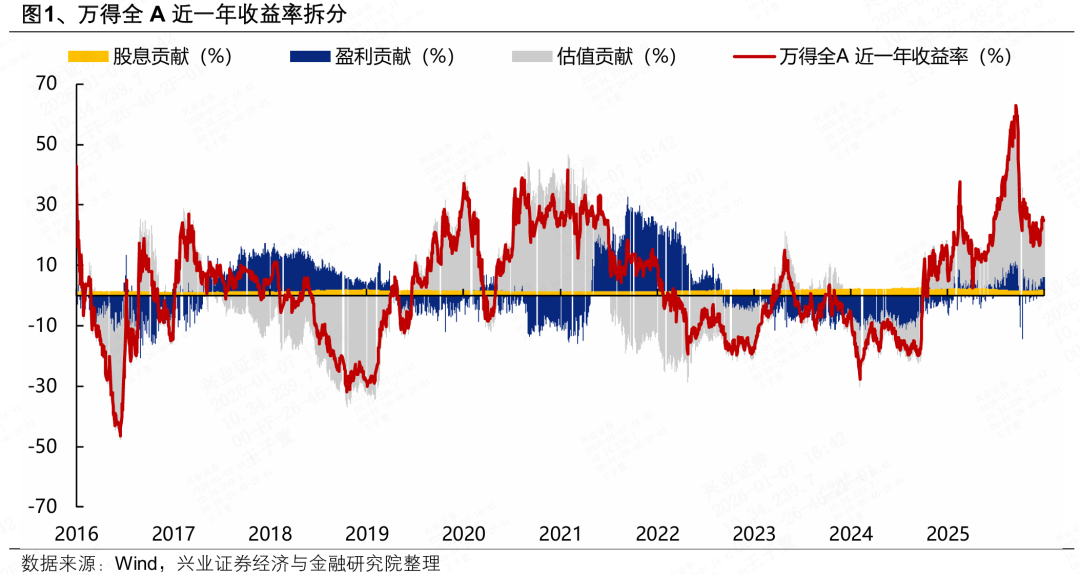
Group 1 - The core viewpoint of the report by Industrial Securities indicates that the overall A-share market is expected to rise by 27.65% in 2025, with profit contribution at 5.29%, valuation contribution at 20.44%, and dividend contribution at 1.91% [1][6][9] - In the primary industry analysis, profit is identified as the "watershed" determining the performance of various sectors in 2025, with leading sectors such as non-ferrous metals, AI hardware (communication, electronics), new energy, and machinery showing significant profit contributions [1][6][9] - Conversely, sectors like consumer goods, real estate, and dividends are expected to lag, primarily due to profit drag [1][6][9] Group 2 - In the secondary industry analysis, sectors with higher growth rates generally have positive profit contributions, while industries such as military (aerospace equipment, ground weapons, military electronics), steel raw materials, and decoration show negative profit contributions, mainly driven by valuation [9][12][14] - The report highlights that in the Hong Kong stock market, most leading sectors also exhibit positive profit contributions, particularly in non-ferrous metals, agriculture, pharmaceuticals, chemicals, and machinery, while lagging sectors like social services and construction are primarily affected by profit drag [12][14] - The secondary industries in the Hong Kong stock market show a similar trend, with leading sectors having positive profit contributions, while industries like motorcycles, traditional Chinese medicine, and glass fiber are negatively impacted by profit drag [14]

“整容要交税”刷屏,律师:并非针对消费者
2 1 Shi Ji Jing Ji Bao Dao· 2026-01-07 10:16
Core Viewpoint - The implementation of the new VAT law in China starting January 1, 2026, has raised concerns regarding tax obligations for the medical beauty industry, particularly the removal of VAT exemptions for profit-driven medical beauty institutions [1][4]. Group 1: Tax Policy Changes - The new VAT law specifies that "medical services provided by medical institutions" are exempt from VAT, but this exemption does not apply to profit-driven medical beauty institutions [1][4]. - The removal of VAT exemptions is aimed at ensuring that profit-driven medical beauty institutions comply with tax regulations, rather than imposing a new tax burden on consumers [1][4]. Group 2: Industry Impact and Compliance Issues - The medical beauty industry has experienced rapid growth, with the market size exceeding 300 billion yuan and approximately 20,000 legal medical beauty institutions projected for 2024 [4]. - Despite previous VAT exemptions, compliance issues have been prevalent, with cases of tax evasion reported, indicating a need for clearer regulations and enforcement [3][4]. Group 3: Market Dynamics and Future Trends - The new VAT regulations are expected to accelerate the consolidation of the medical beauty market, pushing smaller institutions with lower profit margins to exit, while larger chains may gain market share due to their compliance capabilities [5][6]. - The adjustment in tax burdens may lead to price changes in medical beauty services, with lower-cost services likely to reflect the tax increase in their pricing, while high-end services may absorb the costs to maintain customer loyalty [5][6]. Group 4: Recommendations for Compliance - Medical beauty institutions are advised to adopt best practices for compliance, including using corporate accounts for all income, accurately categorizing services for tax purposes, and ensuring consistency in contracts and invoicing [6].

“整容要交税”刷屏,律师:并非针对消费者
21世纪经济报道· 2026-01-07 10:10
Core Viewpoint - The implementation of the new VAT law in China starting January 1, 2026, will require profit-oriented medical beauty institutions to pay VAT, which has sparked widespread discussion about tax implications in the medical beauty industry [1][5]. Group 1: Tax Policy Changes - The new VAT law specifies that "medical services provided by medical institutions" are exempt from VAT, but this exemption does not apply to profit-oriented medical beauty institutions [1][5]. - The adjustment in tax policy aims to promote fair competition and standardized development within the medical beauty industry, which has seen rapid growth and an increase in the number of institutions [5][6]. Group 2: Industry Growth and Compliance Issues - The medical beauty industry in China has surpassed a market size of 300 billion yuan, with approximately 20,000 legal medical beauty institutions expected by 2024 [5]. - Despite previous tax exemptions, many medical beauty institutions have been found to engage in tax evasion practices, such as underreporting income and misclassifying taxable services [3][4]. Group 3: Impact of New Regulations - The removal of VAT exemptions may lead to price adjustments in medical beauty services, with lower-cost services likely passing on the tax burden to consumers, while high-end services may absorb the costs to maintain customer loyalty [6][7]. - The new regulations are expected to accelerate industry consolidation, with smaller institutions potentially exiting the market due to increased compliance costs, while larger chains may gain market share [6][7]. Group 4: Compliance Transformation Strategies - Medical beauty institutions are advised to adopt several compliance strategies, including using corporate accounts for all income, accurately classifying services for tax reporting, and ensuring financial transparency [7]. - Strengthening financial controls and training staff on tax policies will be crucial for institutions to navigate the new regulatory landscape effectively [7].

医疗美容板块1月7日跌0.74%,*ST美谷领跌,主力资金净流出2679.3万元
Zheng Xing Xing Ye Ri Bao· 2026-01-07 08:59
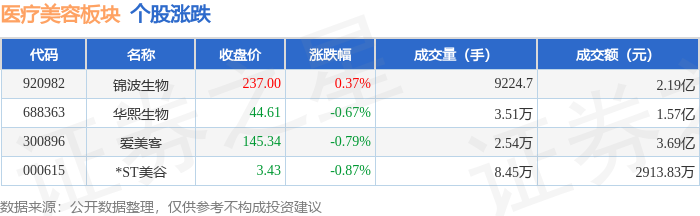
证券之星消息,1月7日医疗美容板块较上一交易日下跌0.74%,*ST美谷领跌。当日上证指数报收于 4085.77,上涨0.05%。深证成指报收于14030.56,上涨0.06%。医疗美容板块个股涨跌见下表: 以上内容为证券之星据公开信息整理,由AI算法生成(网信算备310104345710301240019号),不构成投资建议。 从资金流向上来看,当日医疗美容板块主力资金净流出2679.3万元,游资资金净流入1374.35万元,散户 资金净流入1304.95万元。医疗美容板块个股资金流向见下表: | 代码 | 名称 | 主力净流入 (元) | | | | 主力净占比 游资净流入 (元) 游资净占比 散户净流入 (元) 散户净占比 | | | | --- | --- | --- | --- | --- | --- | --- | --- | --- | | 920982 锦波生物 | | | 2755.02万 | 12.55% | -1248.51万 | -5.69% | -439.98万 | -2.00% | | 688363 华熙生物 | | | 204.38万 | 1.30% | 771.92万 | 4. ...

以尊重为基石,中韩合作启新篇
Zhong Guo Qing Nian Bao· 2026-01-07 00:37
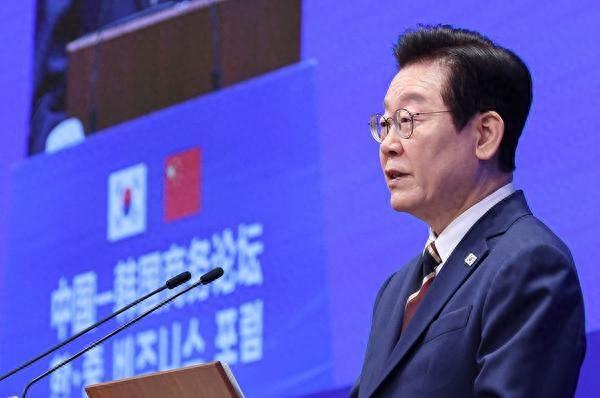
Group 1 - The visit of South Korean President Lee Jae-myung to China from January 4 to 7 marks a significant diplomatic event, being his first state visit to China and the first foreign leader to visit China in 2026, symbolizing a warming of relations between the two countries [2][3] - The meeting is expected to strengthen bilateral communication channels, focusing on economic cooperation and restoring bilateral relations, which is seen as a major diplomatic achievement for the current South Korean government [3][4] - The historical context of the visit highlights the deep-rooted ties between China and South Korea, with both countries having supported each other during significant historical events, such as the anti-fascist war [5] Group 2 - A large economic delegation from South Korea, including leaders from major conglomerates, accompanied President Lee, indicating a strong interest in exploring collaboration in manufacturing, supply chains, and service industries [6][7] - The bilateral trade volume between China and South Korea reached $328.08 billion in 2024, with trade increasing over 60 times since the establishment of diplomatic relations in 1992, showcasing the economic interdependence between the two nations [6] - The rise of a trend in South Korea to "learn from China" in advanced industries like artificial intelligence and robotics reflects a growing recognition of China's leadership in these sectors [6][7] Group 3 - Cultural exchanges are increasingly important, with South Korean cosmetics gaining popularity in China and Chinese smart appliances thriving in the South Korean market, indicating a growing mutual appreciation and economic interaction [9][10] - The implementation of visa facilitation measures in 2024 and 2025 has led to a significant increase in people-to-people exchanges, with over 1,000 regular flights per week between the two countries [10] - The historical connections between the two nations, including shared experiences during the anti-Japanese war, serve as a foundation for deepening mutual understanding and emotional ties [11]
省市卫健委关注 将对涉事医疗美容机构重点巡查
Xin Lang Cai Jing· 2026-01-06 16:24
Group 1 - A patient, Ms. Liu, experienced severe complications after undergoing eyelid fat removal surgery at Jingxi Medical Aesthetics in Nanjing, including blurred vision, photophobia, tearing, and eye pain [1][2] - The local health authorities, including Jiangsu Provincial Health Commission and Nanjing Municipal Health Commission, have intervened following media coverage of the incident, indicating a high level of concern regarding the medical dispute [1][2] - Jingxi Medical Aesthetics has refused to mediate the dispute, insisting that Ms. Liu pursue legal channels for compensation if medical assessments confirm that the surgery caused her symptoms [2] Group 2 - The health authorities have conducted investigations into Ms. Liu's complaints but have found no evidence of illegal activity by the medical institution at this time [1] - The medical institution claims that Ms. Liu frequently visits to assert her rights, and the media coverage has significantly impacted their reputation [2] - The health authorities plan to conduct focused inspections of the medical aesthetics institution and will enforce strict penalties if any violations are discovered [2]
王思聪与秦岚、甘薇联手开医美诊所
Sou Hu Cai Jing· 2026-01-06 10:17
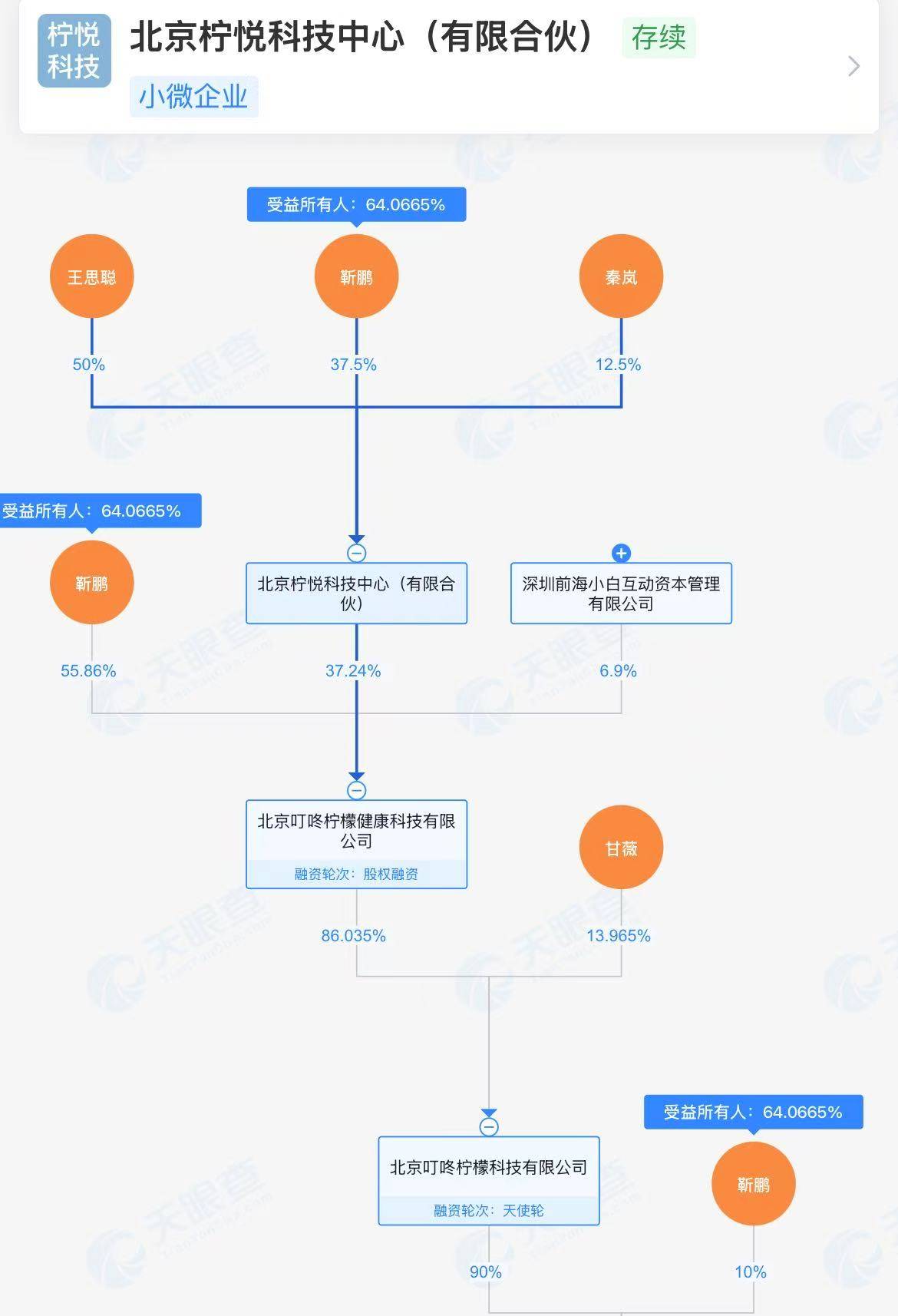
Group 1 - The establishment of Beijing Ningyue Medical Aesthetic Clinic Co., Ltd. has been officially registered, with a registered capital of 1 million RMB and a broad range of services including medical and lifestyle beauty services [1] - The company is primarily owned by Beijing Dingdong Lemon Technology Co., Ltd., which holds 90% of the shares, while Jin Peng holds the remaining 10%. Notably, Gan Wei owns 13.965% of Beijing Dingdong Lemon Technology Co., Ltd. [1] - Wang Sicong and Qin Lan hold indirect stakes in Beijing Dingdong Lemon Technology Co., Ltd. through Beijing Ningyue Technology Center (Limited Partnership) [1] Group 2 - This is not Wang Sicong's first venture into the medical beauty sector, as he was a co-founder of the Ningyue brand during its launch event in December 2016 [4] - Prior reports indicated that Ningyue Clinic's membership cards had reached 70% coverage among celebrities and influencers, which could enhance brand reputation and attract both fans and general consumers [4] - Currently, there is only one operational store for Ningyue Medical Aesthetics in Beijing, with an average consumer spending of 2,409 RMB. Another store is under renovation, with no confirmed opening date yet [4]
今年起医美不再免税 整容会涨价吗?
Di Yi Cai Jing· 2026-01-06 09:41
Core Viewpoint - The implementation of the new VAT law and its regulations will end the tax exemption previously enjoyed by profit-oriented medical beauty institutions in China, effective from January 1, 2026 [1][2]. Group 1: Tax Policy Changes - The new VAT law explicitly excludes profit-oriented medical beauty institutions from the tax exemption that applies to medical services provided by qualified medical institutions [1][2]. - Prior to this change, many medical beauty institutions benefited from tax exemptions due to their classification as medical service providers, which was a point of contention [2][3]. - The adjustment aims to eliminate the unfair competitive advantage that profit-oriented medical beauty institutions had over traditional beauty services, which have always been subject to VAT [3][4]. Group 2: Industry Impact - The medical beauty industry in China has seen rapid growth, with market estimates exceeding 300 billion yuan, driven by increasing demand and a growing number of young consumers [2]. - The removal of the tax exemption may lead to price increases in medical beauty services, as companies might pass on the VAT burden to consumers [6][7]. - The actual impact on pricing will vary based on factors such as regional differences, business strategies, and target customer demographics [6][7]. Group 3: Tax Rate Application - The applicable VAT rate for medical beauty institutions is expected to be 6%, aligning with the rate for medical services and traditional beauty services [5][6]. - The complexity of the medical beauty industry's business model, including high marketing costs and low material costs, may necessitate a restructuring of its commercial practices in light of the new tax compliance requirements [6][7].
医疗美容板块1月6日涨0.66%,爱美客领涨,主力资金净流出1283.62万元
Zheng Xing Xing Ye Ri Bao· 2026-01-06 09:03
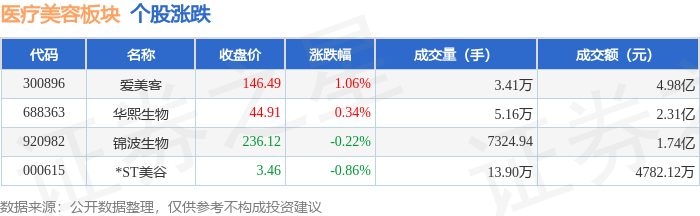
证券之星消息,1月6日医疗美容板块较上一交易日上涨0.66%,爱美客领涨。当日上证指数报收于 4083.67,上涨1.5%。深证成指报收于14022.55,上涨1.4%。医疗美容板块个股涨跌见下表: | 代码 | 名称 | 收盘价 | 涨跌幅 | 成交量(手) | 成交额(元) | | --- | --- | --- | --- | --- | --- | | 300896 | 爱美客 | 146.49 | 1.06% | 3.41万 | 4.98 乙 | | 688363 | 华熙生物 | 44.91 | 0.34% | 5.16万 | 2.31亿 | | 920982 | 锦波生物 | 236.12 | -0.22% | 7324.94 | 1.74亿 | | 000615 | *ST美谷 | 3.46 | -0.86% | 13.90万 | 4782.12万 | 从资金流向上来看,当日医疗美容板块主力资金净流出1283.62万元,游资资金净流入772.62万元,散户 资金净流入511.0万元。医疗美容板块个股资金流向见下表: | 代码 | 名称 | 主力净流入 (元) | | | 主力净占比 游资净流入 ...