
自动驾驶

Search documents
小马智行获跨省自动驾驶重卡示范许可 单车日均净收入338元
Xin Lang Cai Jing· 2026-03-11 21:10
Core Insights - Xiaoma Zhixing has made significant progress in autonomous driving freight and taxi services, attracting institutional attention [1] Recent Events - On March 10, 2026, Xiaoma Zhixing became the first company to obtain cross-province autonomous heavy truck demonstration application permission from the Tianjin Municipal Transportation Commission, Tianjin Municipal Bureau of Industry and Information Technology, and Tianjin Public Security Bureau [2] - The company will collaborate with China Foreign Transport to provide autonomous highway freight services on the Beijing-Tianjin-Tanggu Expressway, with a total test route length exceeding 100 kilometers and a maximum test speed of 90 kilometers per hour, which is expected to promote the integrated development of smart logistics in the Beijing-Tianjin-Hebei region [2] - On March 5, 2026, Xiaoma Zhixing announced that its seventh-generation Robotaxi achieved monthly single-vehicle operational profitability in Shenzhen as of February 2026, with an average net income per vehicle per day of 338 yuan and a stable average daily order volume of 23 orders [2] - During the Spring Festival, order activity increased, with an average of 26 paid orders per vehicle per day, driven by user demand growth and cost control, including a 70% reduction in autonomous driving kit costs [2] Stock Performance - Over the past week (March 4 to March 11, 2026), Xiaoma Zhixing-W (02026.HK) experienced significant stock price fluctuations, with a range of -6.26% and an amplitude of 16.47% [3] - The highest price was recorded on March 5 at 109.60 HKD, while the lowest was on March 9 at 91.70 HKD [3] - The latest closing price on March 11 was 101.90 HKD, with a single-day increase of 0.30% and a trading volume of approximately 725,200 HKD [3] - During the same period, the US stock of Xiaoma Zhixing (PONY.OQ) had a range of -0.08%, with the latest price at 12.90 USD as of March 11 [3] Institutional Insights - On March 6, 2026, Guohai Securities released a report on Robotaxi, highlighting Xiaoma Zhixing as a leading player in the domestic market, with potential for further expansion in first-tier city operating areas supported by a favorable policy environment for L4-level autonomous driving commercialization [4] - The report emphasized the escalating competition between China and the US in the Robotaxi sector, noting that China is accelerating scale through pilot expansions and model innovations, with Xiaoma Zhixing having a first-mover advantage in technology accumulation and urban coverage [4]
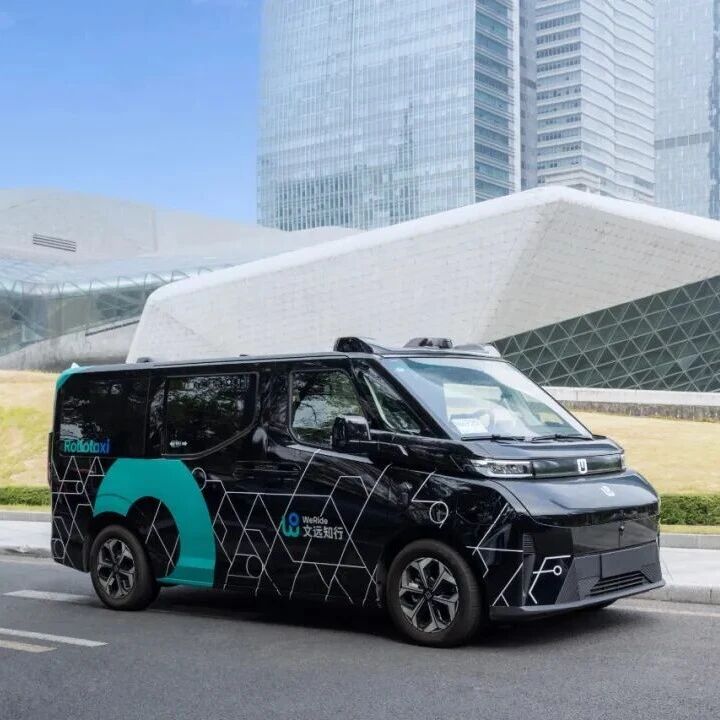
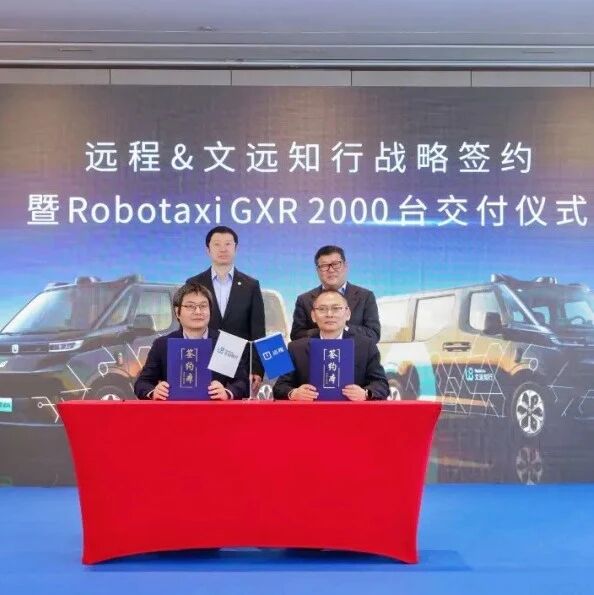
文远知行携手吉利远程,Robotaxi落地规模迈向3000辆
第一财经· 2026-03-11 16:26
Core Insights - The development of Robotaxi is advancing towards large-scale commercialization, with a strategic partnership between WeRide and Geely for the new generation Robotaxi GXR, expected to launch in Q3 2026 with 2,000 units to be delivered within the year [2] - The Robotaxi market is highly competitive, with players like WeRide, Pony.ai, and others, as well as traditional automakers like Tesla and Xpeng entering the space. The profitability of Robotaxi is closely linked to fleet size, making fleet expansion crucial [2] - As of January 2026, WeRide's Robotaxi fleet reached 1,023 vehicles, and with the new deliveries, the fleet size will increase. Pony.ai's fleet currently stands at 1,159 vehicles, aiming for over 3,000 by the end of 2026 [2] Cost Reduction Strategies - In addition to fleet expansion, reducing costs is essential for Robotaxi development. The new Robotaxi GXR features the WeRide Sensor Suite 8.0, which enhances point cloud resolution by 17 times and has a detection range of up to 600 meters. The HPC3.0 platform aims to reduce the cost of the autonomous driving suite by 50% [3] - The GXR is expected to see a further 15% reduction in overall vehicle costs. Pony.ai's CFO noted that their seventh-generation Robotaxi's total cost has decreased by 70% compared to previous models, with significant reductions in the cost of onboard computing units and LiDAR [3] - From 2026, it is anticipated that the costs of similar autonomous driving suites could drop by an additional 20%. Pony.ai's seventh-generation Robotaxi utilizes vehicles priced between 100,000 to 150,000 yuan, contributing to further cost reductions [3]

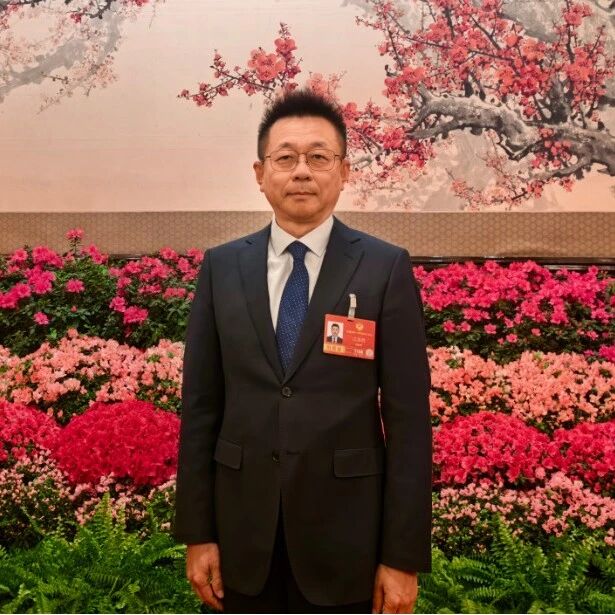
全国政协委员江浩然:为自动驾驶立法律,为AI手机立规矩
凤凰网财经· 2026-03-10 13:53
Core Viewpoint - The rapid advancement of technology, including AI and autonomous driving, is accompanied by concerns about blind following and homogenization in these industries, necessitating a tailored approach and regulatory frameworks to ensure sustainable development [1][2]. Group 1: Homogenization and Blind Following - The industries of autonomous driving and AI smartphones are showing signs of homogenized competition and blind following, with companies lacking differentiated strategies [4]. - The need to avoid low-level repetition and prevent "naked running" of technology is critical for high-quality, scalable development [2][4]. Group 2: Legal and Regulatory Challenges - Legal lag is identified as the biggest bottleneck for the development of autonomous driving, with the need for clear legal status and accident liability definitions to encourage investment and pilot programs [6][7]. - The proposal includes revising traffic laws and regulations to provide a legal framework for autonomous systems, enabling standardized practices and infrastructure development [6][7]. Group 3: Driver Education and Safety - Supporting the addition of intelligent driving questions in driving tests is essential to ensure drivers understand their responsibilities in human-machine collaboration, thereby reducing accidents [8][9]. - A three-tiered system combining technical safeguards, legal constraints, and personnel training is necessary to prevent accidents related to intelligent driving [10]. Group 4: AI Smartphone Regulations - The AI smartphone industry faces challenges such as excessive data collection and fragmented ecosystems, necessitating a dynamic control mechanism to prevent permission abuse [11][12]. - Establishing a permissions framework that emphasizes "need-based requests" and real-time user feedback is crucial for balancing innovation with data security [14][15]. Group 5: Industry Development Strategies - The robot industry is experiencing a surge in interest but risks falling into low-end homogenization, highlighting the need for a differentiated development strategy based on regional strengths [16][17]. - Encouraging companies to focus on niche applications and core technology development can help avoid redundant investments and promote high-quality growth in the robotics sector [17].

2026年春季投资峰会速递:PhysicalAI和AgenticAI起革命
HTSC· 2026-03-10 11:52
Investment Rating - The report maintains a "Buy" rating for the technology sector, emphasizing the potential of Physical AI and Agentic AI in driving future growth [5]. Core Insights - The AI industry is transitioning from isolated technological breakthroughs to systematic capability building, with both Physical AI and Agentic AI evolving in parallel [1][6]. - The focus is shifting from single-point product breakthroughs to systematic collaborative capabilities, emphasizing data, engineering, platform, and ecosystem integration [3]. - Companies are extending their capabilities from single scenarios to cross-scenario applications, enhancing business expansion and capability reuse [4]. Summary by Sections Trend 1: Core Focus on Scalable Traffic and Ecological Entry - As AI moves from technology validation to industrial deployment, traffic scale and entry control are becoming core competitive resources [2]. - Companies like Jiushi have covered over 300 cities and delivered more than 1.5 billion orders, creating a complete data loop through extensive real business scenarios [2]. - QCraft has achieved mass production of high-level NOA, covering 23 vehicle models, and aims to penetrate over 50 models by 2026, forming a positive cycle of "scale-data-capability enhancement" [2]. Trend 2: Capability Building Towards Systematic Collaborative Ability - The competitive focus is shifting towards systematic capability construction, concentrating on data, engineering, platform, and ecosystem [3]. - Jiushi is building a complete loop covering data production, model training, and simulation evaluation, transitioning from the initial stage to large-scale expansion [3]. - QCraft proposes the concept of an AI-driven "autonomous driving super factory," integrating key processes and achieving technical reuse between L2++ and L4 [3]. Trend 3: Continuous Extension of Capability Boundaries - Companies are no longer limited to single products or scenarios but are extending their capabilities to broader applications [4]. - Jiushi has expanded from unmanned freight to sanitation and inspection scenarios, accelerating overseas expansion [4]. - QCraft is leveraging its L2++ and L4 technology base to explore high-level intelligent driving and Robobus applications [4]. Jiushi Intelligent - Jiushi is a leading L4 autonomous driving technology company focused on urban logistics, having launched the world's first L4 urban distribution vehicle in 2023 [13]. - The company has established a comprehensive product matrix covering various scenarios and has achieved significant operational milestones, including over 20,000 operational vehicles and a market share of 88% in the mid-to-large vehicle segment [15][19]. - Jiushi's business model includes an "AI driver subscription" service, allowing customers to pay monthly for autonomous driving capacity, thus creating a sustainable revenue stream [14]. QCraft - QCraft focuses on autonomous driving technology development and commercialization, proposing a dual-engine strategy to advance both L4 and L2++ solutions [25]. - The company has achieved over 1 million units of its high-level intelligent driving solutions and is expanding its product offerings to include Robobus for urban public transport [31][27]. - QCraft emphasizes safety as a core logic for commercialization, with significant mileage and accident avoidance metrics supporting its product viability [28]. Wanka Yilian - Wanka Yilian specializes in mobile internet and has established deep partnerships with major smartphone manufacturers, covering over 90% of smartphone users [43]. - The company is focusing on AI and overseas expansion, leveraging its unique position to optimize content for better integration with AI models [49]. - Wanka Yilian's GEO strategy aims to transform advertising logic by shifting from traditional SEO to a model that integrates content generation and intelligent recommendations [55].
2025年全球智能手机产量达12.5亿支,苹果、三星并列第一;全球AI眼镜出货量达870万台,中国大陆成为增长最快市场丨智能制造日报
创业邦· 2026-03-10 03:47
Group 1 - The global AI glasses shipment is projected to reach 8.7 million units by 2025, representing a significant year-on-year growth of 322%, indicating a rapidly increasing interest in this emerging AI device category [2] - Meta holds a dominant position in the global market with an 85.2% market share, having shipped 7.4 million units, which is a year-on-year increase of 281.3% [2] - China has become the fastest-growing market for AI glasses, capturing 10.9% of the global market share with nearly 1 million units shipped, making it the second-largest market after the US [2] Group 2 - Global smartphone production is expected to reach 1.25 billion units in 2025, with a quarterly production of 337 million units in Q4 2025, reflecting a quarter-on-quarter increase of 2.7% [2] - Apple and Samsung are projected to produce nearly 240 million units each in 2025, tying for the top position in global smartphone production [2] - The smartphone market is anticipated to grow by 2.5% year-on-year in 2025, driven by subsidy policies in China and seasonal demand [2] Group 3 - WeRide and Geely are deepening their strategic cooperation to deliver 2,000 upgraded Robotaxi units by 2026, featuring the latest autonomous driving suite [2] - The new Robotaxi model will utilize WeRide's advanced sensor suite, which includes the EM4 laser radar with a detection range of 600 meters, aimed at meeting high redundancy perception needs for Level 4 autonomous driving [2] Group 4 - Hisense secured a 14.57% share of the global TV market in January 2026, maintaining its position as the second-largest brand with a year-on-year growth of 8.17% [2] - The gap in market share between Hisense and Samsung has narrowed to 3.97 percentage points, indicating competitive dynamics in the global TV market [2]


安期货晨会纪要-20260310
Xin Yong An Guo Ji Zheng Quan· 2026-03-10 02:59
Core Insights - The report highlights the significant impact of geopolitical tensions, particularly the conflict involving Iran, on global oil prices and market stability. President Trump's statements suggest a potential resolution to the conflict, which has led to fluctuations in oil prices, with WTI crude oil futures dropping close to $85 [1][11]. - The report also discusses the performance of major stock indices, noting a decline in the Hong Kong market while U.S. indices showed gains, indicating a divergence in market sentiment influenced by international events [1][4]. Market Performance - The Shanghai Composite Index closed down 0.67% at 4096.60 points, while the Shenzhen Component fell 0.74% and the ChiNext Index decreased by 0.64% [1][4]. - The Hang Seng Index dropped 1.35% to 25408.46 points, with the Hang Seng Technology Index slightly down by 0.12% and the Hang Seng China Enterprises Index down 0.54% [1][4]. - U.S. markets saw the Dow Jones Industrial Average rise by 0.5% to 47740.80 points, the S&P 500 increased by 0.83% to 6795.99 points, and the Nasdaq Composite gained 1.38% [1][4]. Oil Market Dynamics - The report notes that the G7 has committed to releasing strategic oil reserves if necessary, although they have not yet reached that point. This reflects ongoing concerns about energy supply stability amid geopolitical tensions [11]. - The report indicates that the conflict has led to reduced oil production from major producers in the Middle East, impacting global oil supply routes, particularly through the Strait of Hormuz [11]. Company-Specific Developments - CATL (Contemporary Amperex Technology Co., Limited) reported a significant increase in net profit, rising by 42% year-on-year to 72.2 billion RMB (approximately $10.4 billion), driven by strong overseas sales and growth in the energy storage sector [11]. - The report mentions that CATL's performance contrasts with that of BYD, which is expected to report its largest quarterly sales decline in five years due to its heavy reliance on the electric vehicle market amid domestic competition [11]. IPO and Market Activity - Zhaowei Electric's shares opened at 78 HKD, a 9.4% increase from the IPO price, with a subscription rate exceeding 1535.76 times, indicating strong investor interest [9]. - Momenta, an autonomous driving company, is reportedly seeking to raise at least $1 billion through a secret IPO application in Hong Kong, highlighting the growing interest in technology-driven companies [9].

文远知行与吉利远程深化战略合作,2026年交付2000台前装量产Robotaxi GXR
IPO早知道· 2026-03-10 01:06
文远知行Robotaxi商业化进程正显著提速。 本文为IPO早知道原创 作者| Stone Jin 微信公众号|ipozaozhidao 据IPO早知道消息,文远知行WeRide与吉利远程新能源商用车集团(下称"吉利远程")日前签署战 略合作深化协议,发布全新升级版前装量产Robotaxi GXR,并宣布2026年预计交付2,000台 Robotaxi GXR,投放至国内和海外市场,全面迈向Robotaxi全球规模化商业运营新阶段。 升级版前装量产 Robotaxi GXR将于2026年第三季度正式下线。这一量产交付规划标志着文远知行 Robot axi商业化进程正显著提速。截至2026年1月,文远知行全球Robotaxi车队规模已达1,023 台。随着2,000台新增运力的陆续交付,今年文远知行在全球的Robotaxi在役车队规模将超过2,600 台,向着2030年建成全球数万台车队的目标稳步迈进。 这一重大战略升级建立在已验证的Robotaxi商业模式之上。2024年10月,文远知行正式发布基于 吉利远程超级VAN打造的新一代量产Robotaxi GXR,仅4个月后便在北京实现纯无人商业运营,并 于202 ...
希迪智驾(03881):技术领跑,无人矿卡迎东风(智联汽车系列深度之46)
Shenwan Hongyuan Securities· 2026-03-09 12:05
Investment Rating - The report initiates coverage with a "Buy" rating for the company [1]. Core Insights - The company is positioned as a leading provider of autonomous driving solutions in closed environments, particularly in mining, with significant growth potential driven by increasing penetration rates of autonomous mining trucks [6][9]. - The report highlights the high entry barriers in the industry, including technological complexity, customer stickiness, product reliability, and the need for industry-specific expertise [6][9]. - The expected revenue growth for the company from 2025 to 2027 is projected to be substantial, with revenues reaching 9.81 billion, 18.97 billion, and 34.98 billion RMB, respectively [7][75]. Summary by Sections 1. Autonomous Driving in Mining: A "Must-Have" Scenario - The penetration rate of autonomous mining trucks is expected to surge from 7% in 2024 to 24% in 2026, and further to 55% by 2030, driven by policy support and operational efficiency needs [6][24]. - The industry is characterized by high entry barriers due to the need for advanced technologies and the cautious nature of customers [6][9]. 2. Company Overview: Technology-Driven and Asset-Light Operations - The company has a strong R&D team, with 54.1% of its workforce dedicated to research and development, and has delivered 304 autonomous mining trucks as of the first half of 2025 [6][60]. - The company operates on a light-asset business model, which allows for higher gross margins compared to competitors [6][64]. 3. Financial Data and Profitability Forecast - The company is expected to achieve revenues of 9.81 billion, 18.97 billion, and 34.98 billion RMB from 2025 to 2027, with corresponding year-on-year growth rates of 139%, 93%, and 84% [5][75]. - The net profit attributable to ordinary shareholders is projected to turn positive by 2026, with a significant increase in profitability anticipated [5][75].
行业周报:AI应用向Agent进化,Robotaxi市场化进程提速
KAIYUAN SECURITIES· 2026-03-09 00:25
Investment Rating - The industry investment rating is "Positive" (maintained) [1] Core Insights - The AI application is evolving from Chat to Agent, which is expected to accelerate commercialization and benefit cloud computing expansion [4][18] - The Robotaxi market is showing significant progress towards commercialization, with key breakthroughs achieved in major Chinese cities [21][23] Summary by Sections Internet Sector - AI applications are transitioning from Chat to Agent, which is anticipated to enhance commercialization speed. The industry is entering a second growth cycle focused on user engagement and scenario implementation [14][17] - The number of active Agents is projected to grow from approximately 28.6 million in 2025 to 2.216 billion by 2030, with a compound annual growth rate (CAGR) of 139% [18] - The market value of AI Agents is expected to rise from $5.1 billion in 2024 to $47.1 billion by 2030, with a CAGR of 44.8% [17] Autonomous Driving Sector - The Robotaxi market is poised for rapid commercialization, with significant operational milestones achieved by companies like Pony.ai in major cities [21][22] - The average daily paid orders for Robotaxi in Shenzhen reached 26 during the 2026 Spring Festival, significantly higher than the 15 orders per day in 2025 [21] - The average net income per Robotaxi per day reached 338 yuan, indicating strong market traction [21] Investment Recommendations - In the internet sector, companies such as Alibaba-W, Pinduoduo, and Baidu Group-SW are recommended due to their potential benefits from AI commercialization [35] - In the computer sector, companies benefiting from IT spending by state-owned enterprises are highlighted, including Kingdee International and BaiRong Cloud [35] - In the automotive and autonomous driving sectors, companies like XPeng Motors-W, Xiaomi Group-W, and Tesla are recommended as beneficiaries of advancements in high-level autonomous driving [35]
行业周报:AI应用向Agent进化,Robotaxi市场化进程提速-20260308
KAIYUAN SECURITIES· 2026-03-08 14:53
Investment Rating - The industry investment rating is "Positive" (maintained) [1] Core Insights - The AI application is evolving from Chat to Agent, which is expected to accelerate commercialization and benefit cloud computing expansion [4][17] - The Robotaxi market is poised for rapid development due to technological advancements, cost reductions, and policy support, with significant milestones achieved in major Chinese cities [5][21] Summary by Sections Internet Sector - AI applications are transitioning from Chat to Agent, enhancing task automation and efficiency, with a projected increase in active Agents from approximately 28.6 million in 2025 to 2.216 billion by 2030, representing a compound annual growth rate (CAGR) of 139% [17][18] - The demand for AI cloud services is expected to grow as open-source model capabilities improve, with key players like Alibaba, Pinduoduo, and Baidu recommended for investment [4][35] Autonomous Driving - The Robotaxi market is advancing, with significant operational profitability achieved by Xiaoma Zhixing in Shenzhen and Guangzhou, indicating a shift towards market viability [5][21] - The number of paid orders for Robotaxi in Shenzhen has surpassed the total for the previous year, with daily average orders significantly increasing during the 2026 Spring Festival [21] Weekly Data Update - The Hang Seng Internet Technology Index fell by 3.6%, underperforming the CSI 300 Index, while JD Group saw a 2.1% increase [12][25] Investment Recommendations - In the internet sector, focus on AI commercialization and application expansion, recommending Alibaba, Pinduoduo, and Baidu, with Tencent as a beneficiary [35] - In the computer sector, recommend companies benefiting from IT spending by state-owned enterprises, including Kingdee International and BaiRong Cloud [35] - In the automotive and autonomous driving sector, recommend XPeng Motors, Xiaomi, and Tesla, along with autonomous driving solutions from Baidu and Xiaoma Zhixing [35]