
咖啡

Search documents
KDP宣布将收购皮爷咖啡母公司JDE Peet's
Xin Lang Cai Jing· 2025-08-25 06:43
Core Viewpoint - Keurig Dr Pepper (KDP) has reached a final agreement to acquire JDE Peet's for a total equity consideration of €15.7 billion, with a cash offer of €31.85 per share [1] Group 1: Acquisition Details - The acquisition will be conducted through an all-cash transaction [1] - JDE Peet's will distribute a previously announced dividend of €0.36 per share before the closing of the deal, and the offer price will not be adjusted for this dividend [1] - The acquisition is expected to be completed in the first half of 2026 [1] Group 2: Post-Acquisition Plans - Following the completion of the acquisition, KDP plans to split into two independent publicly traded companies [1] - Tim Cofer will serve as the CEO of Beverage Co., while Sudhanshu Priyadarshi will take on the role of CEO of Global Coffee Co. [1]

库迪咖啡管理总部落户横琴
Bei Jing Shang Bao· 2025-08-25 05:45
根据协议内容,库迪咖啡管理总部在横琴粤澳深度合作区正式成立,将在横琴积极开展产品研发、供应 链管理服务及信息系统研发和品牌管理、门店运营服务等业务。未来总部人员规模将突破1000人,库迪 咖啡将深度参与横琴建设发展与产业升级,吸引澳门青年优秀人才,加强国际合作交流。 北京商报讯(记者 张天元)8月25日,北京商报记者了解到,库迪咖啡管理总部落户横琴签约仪式举 行,横琴粤澳深度合作区执委会与库迪咖啡(中国)有限公司正式签署战略合作协议(下称"协议")。 目前,库迪咖啡业务遍及全球28个国家和地区,门店数量超过15000家,此次签约为库迪咖啡管理总部 落地横琴粤澳深度合作区。 ...
传Keurig Dr Pepper(KDP.US)将达成以180亿美元收购欧洲咖啡公司JDE Peet‘s
智通财经网· 2025-08-25 03:41
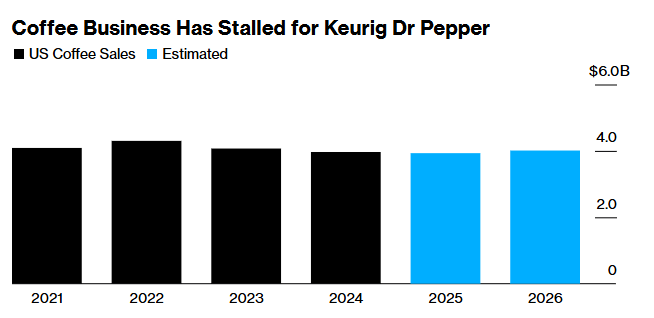
Group 1 - Keurig Dr Pepper (KDP) is set to acquire JDE Peet's NV for approximately $18 billion to enhance its struggling coffee business, with the deal expected to be announced soon [1] - The combined company plans to split its beverage and coffee operations post-merger, with JDE Peet's market capitalization around $15 billion and KDP's near $50 billion [1] - KDP's coffee sales in the U.S. remained stable in Q2, but price increases for K-Cups were offset by declines in single-serve coffee pack shipments and coffee machine deliveries [1] Group 2 - The U.S. coffee sector's sales and profits are impacted by rising coffee costs, which may adversely affect the business segment for the remainder of the year [4] - JDE Peet's NV reported organic revenue exceeding expectations for the first half of the year and raised its full-year performance outlook [4] - JDE Peet's aims for a 1% to 3% growth in gross profit and a 3% to 4% annual growth rate in adjusted EBIT from 2026 to 2027, focusing on a brand-centric strategy around three key brands [4]

星巴克是什么时候没了肉桂粉的
Hu Xiu· 2025-08-25 03:33
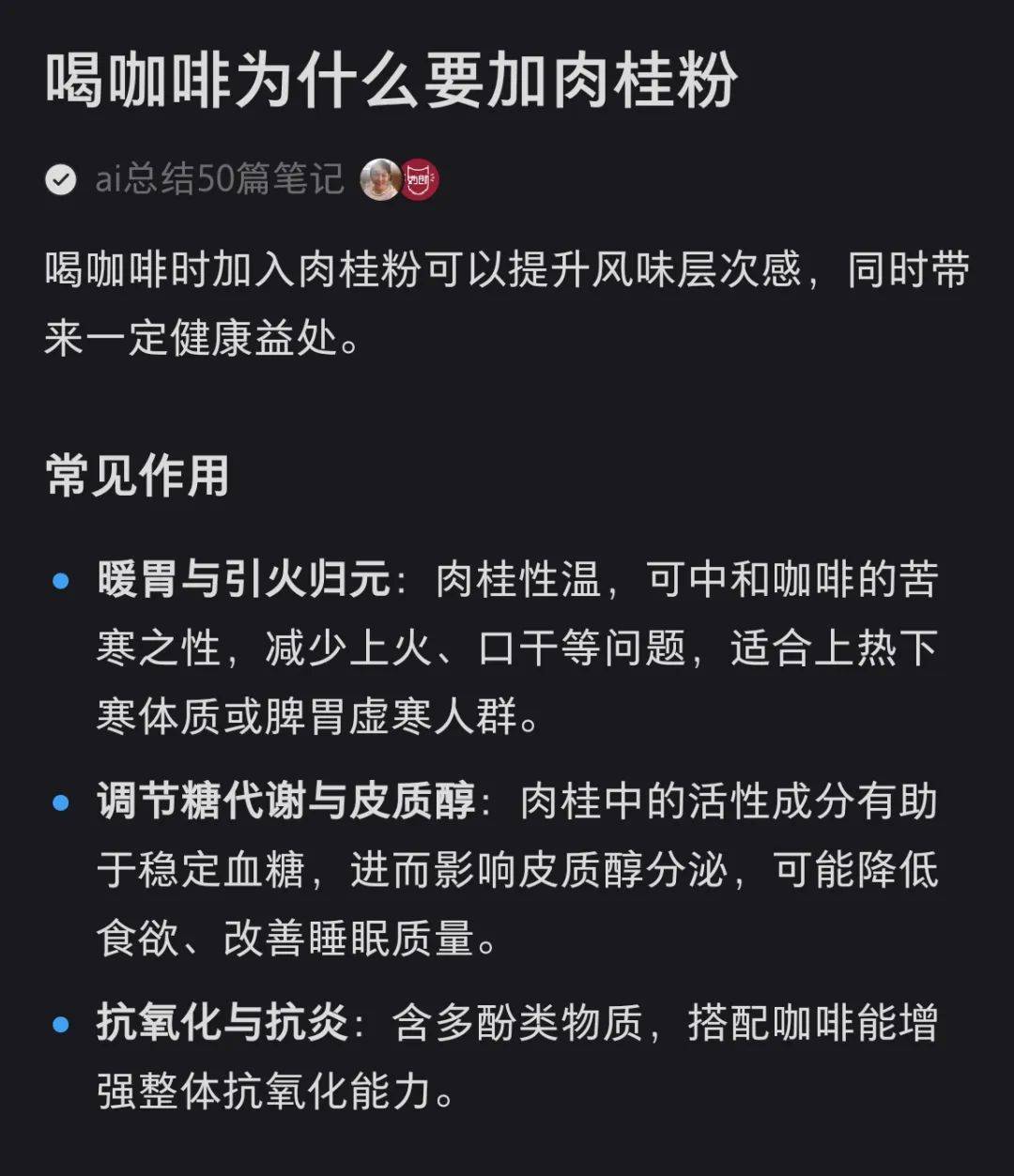
Group 1 - The article discusses the evolution of coffee culture in China, highlighting the shift from traditional coffee experiences to a more commercialized and fast-paced consumption model [12][13][14] - Starbucks has historically been a significant player in the Chinese coffee market, but its dominance is being challenged by new entrants like Luckin Coffee, which offers lower prices and a different consumer experience [13][14][15] - The disappearance of traditional coffee accompaniments, such as cinnamon powder, reflects changing consumer preferences and the commercialization of coffee culture in China [6][14][20] Group 2 - The rise of various coffee brands and the increasing competition in the market have led to a dilution of Starbucks' unique offerings, as consumers prioritize convenience and price over quality [14][15] - The article notes that the coffee market in China is becoming increasingly saturated, with many brands vying for consumer attention, leading to a more fragmented market [19] - The changing landscape of coffee consumption is paralleled by trends in other beverage markets, such as tea, indicating a broader shift in consumer habits and preferences [16][19]

2025咖啡预言:下沉市场、银发经济与可持续供应链的终极战场
Sou Hu Cai Jing· 2025-08-23 16:51
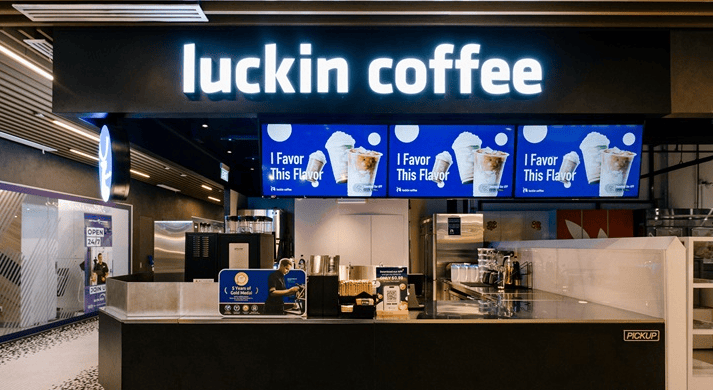
Core Viewpoint - The Chinese coffee market is experiencing unprecedented rapid growth and profound transformation, with significant competition between international giants and local brands [4][5]. Market Overview - The Chinese chain coffee market is projected to exceed 100 billion RMB by 2025, with a compound annual growth rate (CAGR) of over 15% [5]. - As of the first half of 2025, there are 66,568 stores from 27 major chain coffee brands, marking a net increase of 11,841 stores, a growth of 21.64% compared to the end of 2024 [5]. Competitive Landscape - Starbucks leads the market with over 7,750 stores, reporting an 8% year-on-year revenue growth to $790 million (approximately 5.67 billion RMB) in Q3 2025 [6]. - Local brands like Luckin Coffee are gaining market share, with a 47.1% year-on-year revenue increase to 12.36 billion RMB in Q2 2025, and a net profit of 1.75 billion RMB [8]. - The market is characterized by a dual-track competition: international brands focus on the high-end market while local brands adopt differentiated strategies for rapid expansion [5][11]. Brand Performance - Luckin Coffee has surpassed 26,000 stores, capturing a 35% market share, while Kudi Coffee has 15,000 stores, growing at a rate of 50% [9][11]. - The pricing strategy varies significantly, with Luckin and Kudi targeting the 10-20 RMB range, Starbucks positioned above 30 RMB, and Lucky Coffee focusing on a low price of 6 RMB [11]. Regional Differences - The coffee market shows significant regional disparities, with first-tier cities nearing saturation and lower-tier cities becoming the new battleground for brands [12][14]. - First-tier cities are dominated by brands like Starbucks and Manner, while new first-tier and second-tier cities are seeing rapid expansion from brands like Luckin and Kudi [12][14]. Innovation and Technology - Digitalization and new technology applications are becoming industry standards, with Luckin leveraging big data for consumer insights and operational efficiency [16][26]. - The integration of AI technologies, such as smart ordering systems and facial recognition payments, is enhancing operational efficiency and user experience [16][26]. Product Trends - There is a growing demand for health-oriented and functional products, with brands introducing low-sugar and plant-based options to meet consumer preferences [24][25]. - The trend of "coffee+" is emerging, where coffee brands are diversifying their offerings to include tea and other beverages, creating a more comprehensive consumer experience [18][28]. Future Outlook - The coffee industry is expected to transition from rapid expansion to a more mature phase, with sustainable practices becoming increasingly important [30]. - The market may see consolidation as larger brands leverage their scale and capital to acquire smaller players, leading to a stable competitive landscape [30].

幸运咖海外首店正式开业,落子马来西亚
Xin Lang Ke Ji· 2025-08-23 14:30
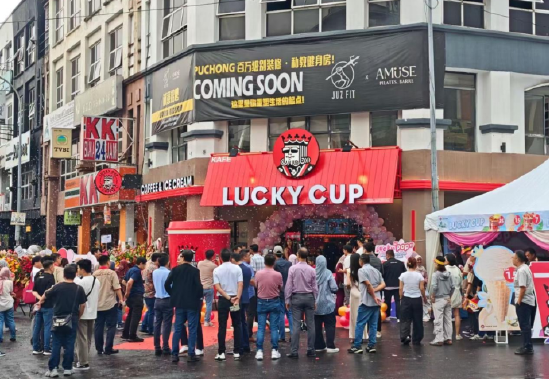
Core Insights - Lucky Coffee, a brand under Mixue Group, has officially opened its first overseas store in Malaysia, selling nearly 2,000 cups on the opening day [1][3]. Group 1: Store Location and Design - The store is located in the core residential and commercial area of Puchong, Selangor, Malaysia, which is one of the earliest developed and most mature areas in Puchong [3]. - The store's design incorporates Chinese cultural elements while integrating local culture, featuring localized products such as matcha lemon, mocha, matcha strawberry coconut, and strawberry iced tea [3]. - The exterior of the store is painted in the brand's signature red, with a modern interpretation of traditional Chinese architecture, enhancing brand recognition [3]. Group 2: Domestic Growth and Future Plans - Lucky Coffee has experienced rapid growth in the domestic market, with over 7,000 signed stores as of July this year [3]. - The company plans to refine its overseas store model and deepen its presence in the Southeast Asian market [3].
赣州磨咖座咖啡有限公司成立 注册资本20万人民币
Sou Hu Cai Jing· 2025-08-23 03:21
天眼查App显示,近日,赣州磨咖座咖啡有限公司成立,法定代表人为曾广峰,注册资本20万人民币, 经营范围为许可项目:食品生产(依法须经批准的项目,经相关部门批准后在许可有效期内方可开展经 营活动,具体经营项目和许可期限以相关部门批准文件或许可证件为准)一般项目:食品互联网销售 (仅销售预包装食品),食品销售(仅销售预包装食品),食用农产品批发,国内贸易代理,技术服 务、技术开发、技术咨询、技术交流、技术转让、技术推广,外卖递送服务(除依法须经批准的项目 外,凭营业执照依法自主开展经营活动)。 ...
海南自贸港咖啡产业招商推介会举行
Hai Nan Ri Bao· 2025-08-23 01:09
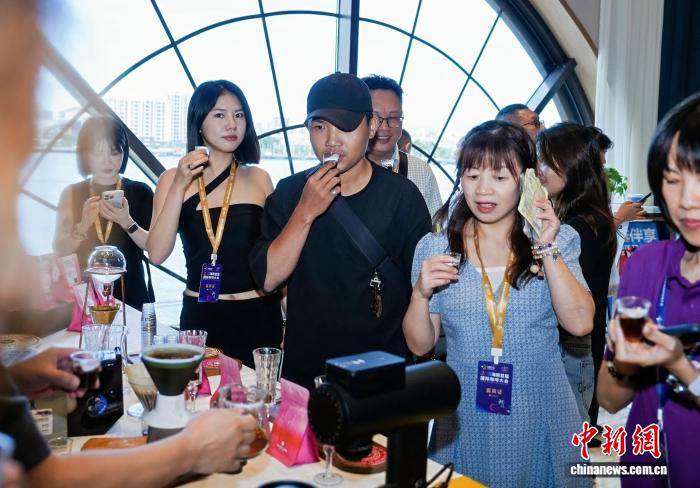
海南自贸港咖啡产业招商推介会举行 中外8家企业签约合作 海南日报海口8月22日讯(海南日报全媒体记者 武佳)2025海南首届国际咖啡大会主要配套活动—— 海南自贸港咖啡产业招商推介会于8月22日在海口举办。推介会聚焦自贸港政策红利与咖啡全产业链机 遇,吸引境内外商协会、企业、科研机构代表及专家学者约300人参会,促成海南南国食品实业有限公 司与美国亨通国际集团、澄迈福山发展有限公司与白沙陨石岭实业等8家企业签约,覆盖种植、加工、 品牌运营等领域。 此次招商推介会以"政策解读+市县推介+企业分享"为主线,全面展示海南咖啡产业优势。海南有 关部门专家从税收优惠、产业集聚发展、国际往来便利等方面,详细解读海南自贸港政策;咖啡产业专 家从产业链条培育、海南咖啡国际新型专业市场等方面,介绍咖啡产业专项扶持措施,阐释"零关税、 低税率、简税制"政策对国际咖啡产业链企业的投资意义,为企业落地海南提供清晰政策指引。 会上,万宁市、海口市龙华区政府代表及澄迈县福山发展有限公司等,介绍了本地咖啡产业规划布 局与资源优势;海南农垦母山咖啡、南国食品等省内龙头企业分享品牌打造、市场拓展经验;泰国正大集 团分享兴隆咖啡正大产业园升级案 ...
(经济观察)“药香入咖”或创新中国咖啡出海路
Zhong Guo Xin Wen Wang· 2025-08-22 13:23
Group 1 - The Chinese coffee market is witnessing a unique trend of combining coffee with traditional Chinese medicinal ingredients like dried tangerine peel, astragalus, and ginseng, which may serve as a cultural key for Chinese coffee to enter the global market [1][2] - The consumption pattern in China differs from the Western "sit-down" coffee culture, leaning more towards takeaway and high-frequency consumption, with young people and women being the main consumers [2][3] - China's per capita annual coffee consumption is only around 20 cups, significantly lower than the over 700 cups in the U.S. and 300-400 cups in Japan and South Korea, indicating a substantial growth potential for the market [2] Group 2 - The integration of coffee with traditional Chinese medicine offers a differentiated development path for the coffee industry, with products like dried tangerine peel coffee and ginseng coffee gaining consumer attention [2][4] - To mature and strengthen, the Chinese coffee industry should aim for international markets by exporting not only coffee beans and processing equipment but also store models, brand stories, and cultural symbols [3] - The combination of medicinal aromas with coffee could create new experiences and add value, potentially paving the way for the internationalization of traditional Chinese medicine [4]
蜜雪冰城到东南亚卖咖啡,对手全是“瑞幸”
3 6 Ke· 2025-08-22 09:17
Core Viewpoint - Mixue Ice City is expanding its second growth curve overseas, with its coffee brand Lucky Coffee preparing to open five stores in Malaysia, potentially marking its first international venture [2]. Group 1: Company Expansion - Lucky Coffee is viewed as the next Mixue Ice City, having rapidly expanded to over 7,000 stores in China, making it the fourth largest fresh coffee brand domestically [2]. - The brand aims to replicate its low-price strategy in Malaysia, where it will face competition from local coffee brands that have adopted similar pricing models [2][3]. - Mixue Ice City has successfully expanded in Southeast Asia, with significant growth in Indonesia and Vietnam, indicating a proven strategy for entering new markets [6][10]. Group 2: Market Competition - Southeast Asia is home to several local coffee brands that mimic the business model of Luckin Coffee, including Fore Coffee, Flash Coffee, and ZUS Coffee, all of which have established a strong presence in the region [2][3]. - Flash Coffee recently went bankrupt due to overexpansion and lack of operational experience, highlighting the risks associated with rapid growth in competitive markets [4]. - Lucky Coffee's entry into Malaysia will require it to compete against established brands like ZUS Coffee and GIGI Coffee, which have already captured significant market share [9]. Group 3: Pricing Strategy - Lucky Coffee's strategy involves offering coffee at a price point of 6.6 yuan, which is lower than competitors, aiming to attract price-sensitive consumers in Malaysia [5][9]. - The brand's success in China was largely due to its integration with Mixue Ice City's supply chain, allowing for lower operational costs and competitive pricing [5][7]. - The coffee market in Southeast Asia is fragmented, with diverse consumer preferences, making it essential for Lucky Coffee to adapt its offerings to local tastes while maintaining its low-price strategy [3][10]. Group 4: Financial Performance - Luckin Coffee reported a revenue of 91.4 million yuan in Singapore for the first three quarters of 2024, but its expenses reached 167.7 million yuan, indicating challenges in achieving profitability in international markets [8]. - The overall coffee market in Southeast Asia is significantly smaller than that of China, which may limit the profitability potential for brands like Luckin Coffee and Lucky Coffee [10].
