航天

Search documents
巴菲特谢幕、OpenAI搅动万亿市值、谷歌强势崛起......2025全球十大商业事件盘点
Hua Er Jie Jian Wen· 2025-12-28 06:09
Group 1 - The "Stargate" project, a $500 billion investment in AI infrastructure, was announced by the White House, aiming to build 20 large-scale AI data centers across the U.S. [2][3] - Initial enthusiasm for the project waned as disagreements over equity and funding emerged between SoftBank and OpenAI, leading to delays and a reduction in project scope [3][4] - By December, only the Abilene site showed significant progress, with plans to become the largest AI cluster by mid-2026, while other sites remained unconfirmed [3][4] Group 2 - CoreWeave went public with a valuation of approximately $230 billion, marking the first public market pricing of AI compute leasing [4][7] - The company transitioned from a cryptocurrency mining operation to a GPU cloud service, securing long-term contracts with major clients, including OpenAI [7][8] - CoreWeave's success has prompted similar companies to pursue IPOs and has changed the perception of compute power from a scarce resource to a flexible asset [8] Group 3 - NVIDIA became the first company to reach a market capitalization of $5 trillion, driven by the demand for GPUs in AI applications [20][22] - The company's stock price surged approximately 90% over six months, reflecting its pivotal role in the AI market [22][23] - Concerns about the sustainability of NVIDIA's valuation have emerged, drawing parallels to the dot-com bubble [22][23] Group 4 - Warren Buffett announced his retirement in his final letter to shareholders, marking the end of an era for Berkshire Hathaway [24][25] - Buffett emphasized the importance of long-term thinking in business and criticized the competitive nature of executive compensation [25][26] Group 5 - SpaceX completed 155 launches in 2025, redefining the concept of scalable space operations [26][27] - The company achieved significant cost reductions through reusable rocket technology, transforming rockets into "turnaround assets" [27][28] - SpaceX is moving towards an IPO, signaling a shift from engineering marvels to industrial-scale operations in commercial space [30] Group 6 - Germany revised its 2035 ban on internal combustion engines, allowing for a transition period that reflects market realities [31][32] - The decision was influenced by lobbying from major automotive companies and highlighted the gap between aggressive climate goals and actual market conditions [31][32] Group 7 - Alphabet's market capitalization rose to $3.8 trillion, driven by advancements in AI technology and a focus on self-developed chips and models [34][36] - The company aims to challenge NVIDIA's dominance by enhancing the compatibility of its TPU with popular frameworks and directly selling its hardware [34][35] - The competition in AI is shifting towards cost efficiency and usability, with Alphabet positioning itself as a potential leader in the new AI platform landscape [35][36] Group 8 - NVIDIA acquired Groq's core technology for approximately $20 billion, emphasizing the importance of low-latency inference capabilities in AI [37][39] - This strategic move reflects a shift in focus from training to inference, as companies seek to optimize costs and efficiency in AI applications [39]

贵金属大涨,一日飙升10%!A股涨价题材能否站上风口?高手这样看
Xin Lang Cai Jing· 2025-12-28 04:59
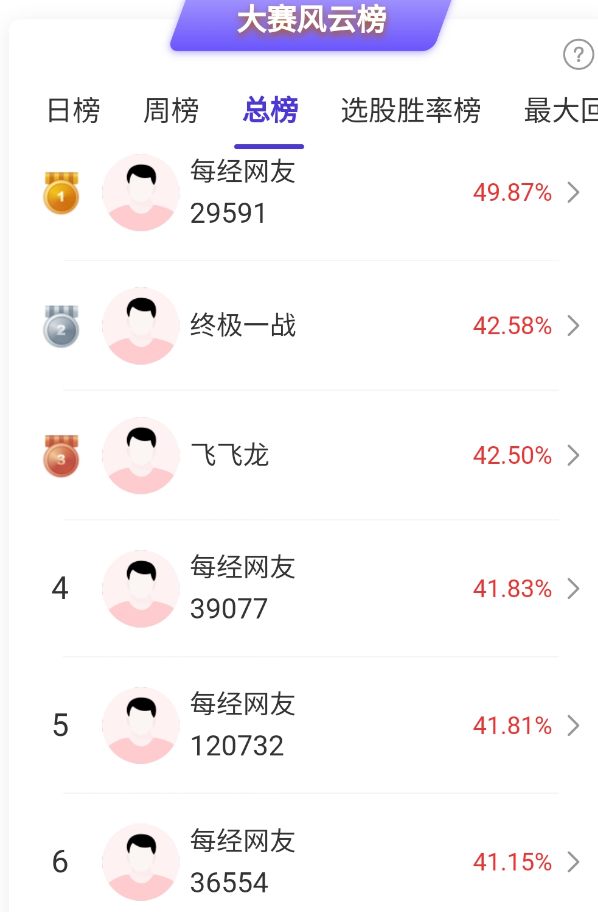
Group 1 - The commercial aerospace sector has shown strong performance, with multiple stocks hitting the daily limit up, contributing to an 8-day rising streak of the Shanghai Composite Index [1] - International precious metals, including gold, silver, platinum, and palladium, experienced significant price increases, with silver and palladium rising approximately 10% in a single day [5][6] - The lithium carbonate futures on the Dalian Commodity Exchange surged by 8.12%, surpassing 130,000 yuan, indicating a bullish trend in the lithium market [7] Group 2 - The 80th session of the "Digging Gold" competition started on December 15, with participants using a simulated capital of 500,000 yuan, and the competition runs until December 31 [3][7] - Participants in the competition can earn cash rewards based on their performance, with the top positions receiving significant monetary incentives [3][8] - The competition also offers participants access to exclusive market insights and analysis through the "Fire Line Quick Review" service, which includes the latest market events and investment logic [8]
长征三号甲系列运载火箭完成2025年度发射任务,刷新年度发射纪录;被传为应对内存短缺进军DRAM制造,华硕已否认丨智能制造日报
创业邦· 2025-12-28 03:08
Group 1 - ASUS has denied rumors about entering DRAM manufacturing to address global memory shortages, clarifying that there are no plans to invest in memory wafer factories [2] - China's first 1 million kilowatt offshore photovoltaic project, located in Dongying, Shandong, has successfully connected to the grid, making it the largest open sea photovoltaic project globally [2] - Kawasaki Heavy Industries has been banned from participating in tenders for 2.5 months due to data falsification regarding fuel efficiency in submarine engines for the Japan Maritime Self-Defense Force [2] - The Long March 3B rocket series has completed its 2025 launch tasks, achieving a record of 15 launches in a year, surpassing the previous record of 14 launches [2]


2025一季度新闻月历
Xin Lang Cai Jing· 2025-12-27 22:48
3月 2月 1月 ●四川和湖北携手,创新打造"长江班列+汉亚直航"国际多式联运通道 ●四川在全省范围内实现生育住院费用省内异地直接结算 ●位于阿坝州汶川县卧龙自然保护区的中华大熊猫苑在升级施工后对游客开放 ●成都天府国际空港综合保税区获批复设立,四川省内综保区数量升至6个 ●川渝地区与粤港澳大湾区间首次常态化开行夜间动卧列车 ●四川冰雪和温泉旅游节启幕,邀请八方游客"来四川,过大年" ●四川出台《关于进一步加强"校园餐"突出问题治理的工作方案》 ●首枚"四川造"民营商业运载火箭发射成功 ●《2025年全省30件民生实事实施方案》印发 ●川渝两省市2025年计划共建320个重点项目名单发布 ●蛇年春节假期,6372.22万人次游四川 ●"四川造"电影《哪吒2》刷新中国影史春节档最高票房纪录 ●向家坝灌区一期工程通水 ●四川印发《关于支持光伏制造业持续健康发展的若干措施》 ●四川实现183个县(市、区)博物馆全覆盖 ●一季度重大项目数量和投资额创历年之最,总投资额首破万亿元 ●四川运动员第九届亚冬会收获1金1银2铜 ●四川省级层面首家专业化数据集团落地 ●提质改造后的成都双流国际机场恢复运行 ●由川投集团、省能投 ...
科学有答案 创新无止境(院士讲科普·年终特别报道)
Ren Min Wang· 2025-12-26 22:21
Core Insights - By 2025, China is expected to achieve significant breakthroughs in various scientific fields, including quantum technology and lunar research, contributing to the nation's technological self-reliance and innovation [3][5]. Group 1: Space Exploration - The Chang'e 6 mission is set to return samples from the moon's far side, revealing new insights into lunar oxidation mechanisms and marking a major scientific breakthrough in lunar research [4]. - The Tianwen-2 probe will conduct close-range exploration of a near-Earth asteroid, with a sample return expected by the end of 2027, indicating a shift towards long-term space exploration and resource utilization [4]. - China plans to advance its lunar research station, manned lunar missions, Mars sample return, and Jupiter system exploration, enhancing its capabilities in deep space exploration [4]. Group 2: Quantum Computing - Quantum computing is identified as a critical future technology, with China focusing on achieving full autonomy in quantum computing through the development of hardware and software systems [7]. - The third-generation superconducting quantum computer "Benyuan Wukong" has been launched, participating in numerous collaborations across key industries and achieving international cooperation in quantum computing [8]. - The development of quantum computing is likened to building a rocket, emphasizing the importance of integrating hardware and software for effective functionality [7]. Group 3: Brain-Computer Interfaces - Brain-computer interface technology is evolving to connect biological intelligence with machine intelligence, utilizing advanced decoding and encoding techniques to interpret brain signals [9]. - Clinical advancements in brain-computer interfaces are being made, with the establishment of comprehensive clinical trial centers and the initiation of global trials [11]. - The technology aims to redefine the boundaries of intelligence by merging carbon-based and silicon-based systems, enhancing cognitive capabilities [10]. Group 4: Digital Intelligence Technologies - Digital intelligence technologies, including cloud computing and artificial intelligence, are seen as essential tools for enhancing innovation across various industries [13]. - The integration of digital technologies into industrial processes is expected to significantly improve production efficiency and transform manufacturing paradigms [13]. - Open collaboration and resource sharing are highlighted as accelerators for technological advancement, contributing to global challenges [14]. Group 5: Hydrogen Energy - Hydrogen energy is recognized as a vital component of the renewable energy revolution, complementing electricity and supporting sustainable development [16]. - China has made significant progress in hydrogen fuel cell technology and is establishing a related industrial chain to enhance the role of hydrogen in the energy transition [17]. - The future of hydrogen energy will focus on tailored solutions that meet specific regional needs, ensuring its benefits for society [16]. Group 6: Research Talent Development - Universities are positioned as key players in nurturing research talent, aligning educational programs with national strategic needs [19]. - The emphasis is on practical applications of research, encouraging scientists to engage with industry and address real-world challenges [19]. - A supportive environment for young researchers is essential, promoting innovation and allowing for flexible evaluation of research outcomes [20]. Group 7: Basic Research Support - Basic research in China is gaining increased attention and funding, although it still lags behind developed countries in terms of investment [22]. - Continuous support for basic research is necessary, including funding stability and diverse investment channels to foster groundbreaking discoveries [22][23]. - A positive research culture is crucial for sustaining long-term engagement in basic research, promoting a supportive atmosphere for scientists [23]. Group 8: Science Popularization - The relationship between scientific innovation and public science education is emphasized, with efforts to enhance public understanding of science [24][25]. - Initiatives aimed at improving scientific literacy among youth are seen as foundational for future technological advancements [25][26].
沪指8连涨追平年内纪录 市场成交额重返2万亿元
Shang Hai Zheng Quan Bao· 2025-12-26 18:58
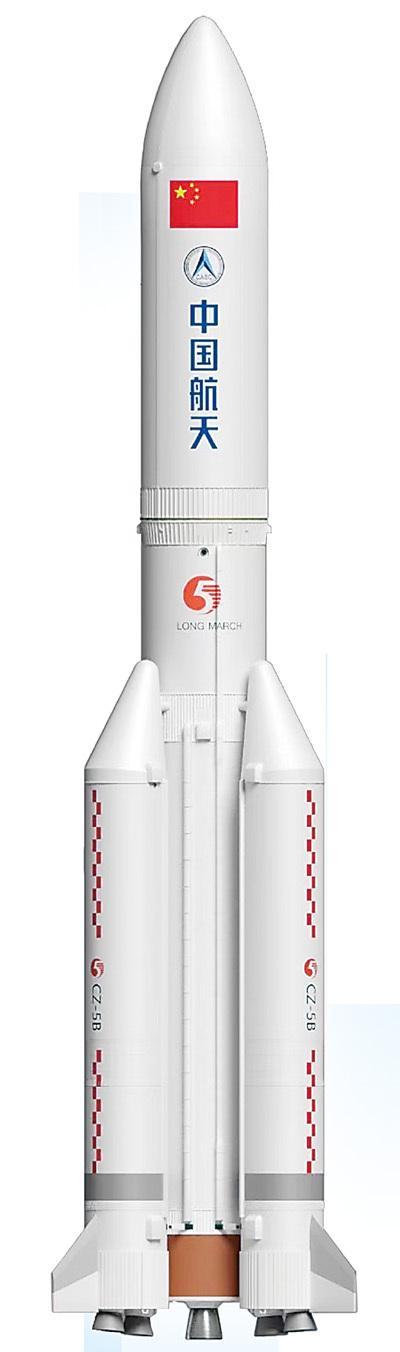
Market Overview - The A-share market continued its upward trend on December 26, with resource sectors like non-ferrous metals and oil & petrochemicals performing strongly, leading to a collective rise in the three major stock indices [2] - The Shanghai Composite Index closed at 3963.68 points, up 0.10%, marking its eighth consecutive trading day of gains, matching the annual record for consecutive increases [2] - The Shenzhen Component Index rose by 0.54% to 13603.89 points, while the ChiNext Index increased by 0.14% to 3243.88 points [2] - The trading volume in the Shanghai and Shenzhen markets returned to over 2 trillion yuan, reaching 21602 billion yuan, an increase of 235.7 billion yuan from the previous day [2] Commercial Aerospace Sector - The commercial aerospace sector saw a surge, with related stocks experiencing a wave of limit-up trading [3] - Leading stock Shenjian Co. achieved a "limit-up" on December 26, marking its seventh consecutive day of gains, while China Satellite also hit a limit-up, achieving three consecutive days of gains and nearing a market capitalization of 100 billion yuan [3] - On December 26, China successfully launched 17 low-orbit satellites using the Long March 8A rocket from Hainan, marking a successful mission [3] - According to data from Dongfang Caifu Research Center, the global number of rocket launches reached 337 in 2023, surpassing the previous record of 263 in 2024 [3] - Open Source Securities reported that the decreasing launch costs and increasing in-orbit computing power could create a "multi-launch, multi-saving" model for China's commercial aerospace sector [3] Lithium Battery Sector - The lithium battery sector remained active, with stocks like Hainan Mining and Yongxing Materials hitting the limit-up [4] - Futures prices for lithium carbonate reached a new high, surpassing 130,000 yuan per ton, with an increase of over 8% [4] - Dongguan Securities noted that the new energy vehicle market is currently in a peak sales period, with strong demand for energy storage, maintaining high demand for lithium batteries [5] - The lithium battery supply chain is expected to see a slight increase in production in December, with overall industry conditions remaining stable [5] - Recent measures by the Guangxi Futures Exchange aimed to manage risks in lithium carbonate futures trading, indicating potential volatility in prices [5] Foreign Investment Outlook - Foreign institutions have released optimistic forecasts for the Chinese stock market in 2026, with UBS Wealth Management predicting continued upward momentum despite geopolitical uncertainties [5][6] - UBS highlighted that technology sectors, including AI, are key drivers for long-term profit growth in the Chinese stock market, with significant investments in R&D [6] - Goldman Sachs projected a potential 38% increase in the Chinese stock market by the end of 2027, driven by corporate profit growth of 14% and 12% in 2026 and 2027, respectively [6]
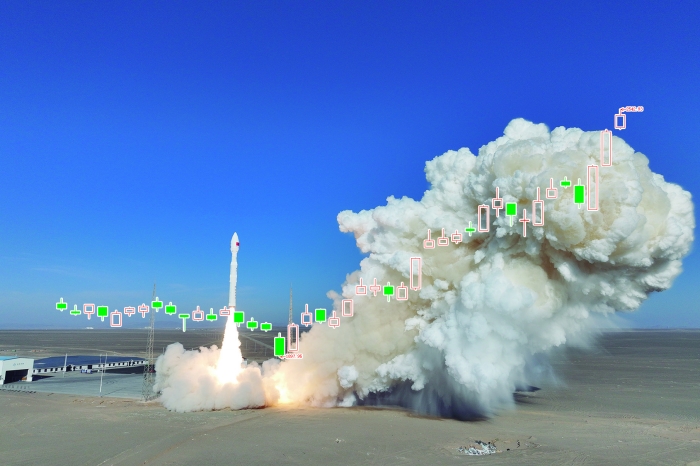
在时间卷轴上刻下新坐标
Xin Lang Cai Jing· 2025-12-26 16:59
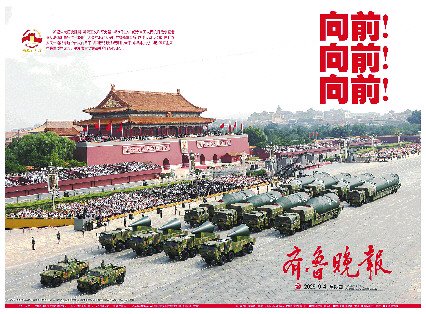
Group 1 - The "14th Five-Year Plan" period is crucial for the comprehensive construction of a modern socialist country, with the 20th Central Committee's plan outlining the economic and social development blueprint for 2026-2030 [3] - The Central Economic Work Conference emphasizes the need to expand domestic demand as the primary task for the coming year, alongside accelerating the construction of a unified national market and enhancing high-level opening-up [3] - The focus on high-quality development aims to transform the grand vision into reality, with clear direction and path for China's economic growth [3] Group 2 - The commissioning of China's first electromagnetic catapult aircraft carrier, Fujian, marks a significant advancement in naval technology, entering the "three-carrier era" [5] - Fujian has a full-load displacement of over 80,000 tons and is the world's first conventional power electromagnetic catapult aircraft carrier, indicating a shift from near-sea defense to far-sea defense strategy [5] - The establishment of a "one mission, one maintenance, one support" rotation mechanism enhances operational efficiency and supports the People's Navy's strategic transformation [5] Group 3 - The successful emergency response during a space station incident demonstrates China's capabilities in space technology and emergency management, validating the redundancy and flexibility of its space systems [6][7] - The rapid preparation and launch of the Shenzhou 22 spacecraft within 16 days showcases the efficiency and effectiveness of China's space program [6] Group 4 - The official launch of the Hainan Free Trade Port's full island closure operation signifies a major step in China's institutional opening-up strategy, with a special customs supervision model [8] - The "zero tariff" policy has expanded significantly, increasing the number of duty-free items from approximately 1,900 to about 6,600, benefiting enterprises [8] - Hainan is transitioning from a "geographical highland" to an "institutional highland," becoming a crucial hub for domestic and international dual circulation [8] Group 5 - The breakthrough of the AI model DeepSeek represents a transformative moment in China's AI sector, making AI technology accessible across various industries [9] - The synergy between technological advancements and supportive policies has led to the emergence of thousands of innovative applications in finance, healthcare, education, and industry [10] - DeepSeek's impact positions China favorably in the global AI competition landscape, enhancing productivity and innovation across sectors [10]

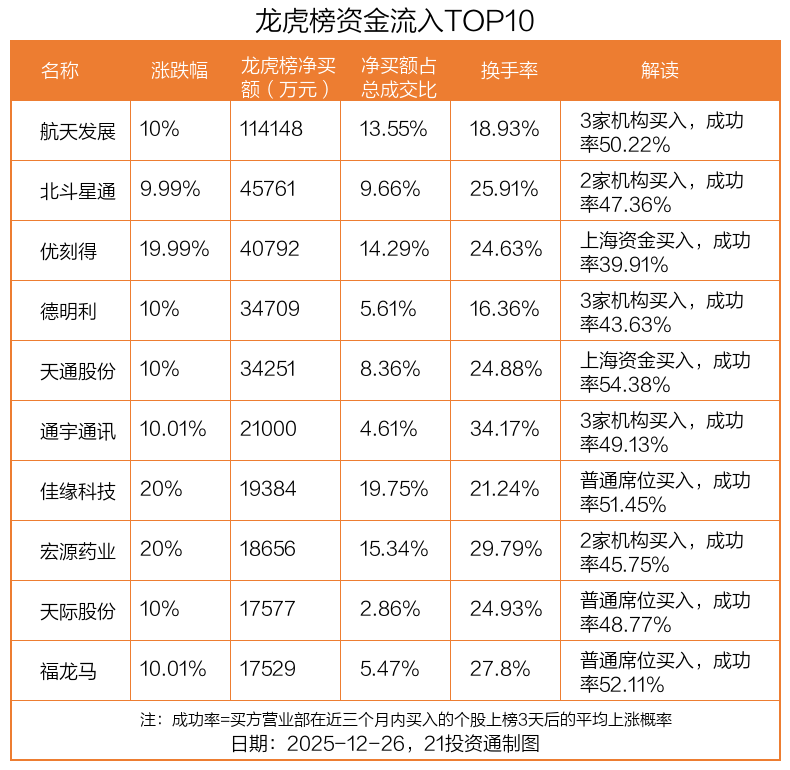
11.41亿资金抢筹航天发展,3.13亿资金出逃飞龙股份(名单)丨龙虎榜
2 1 Shi Ji Jing Ji Bao Dao· 2025-12-26 12:20
Core Viewpoint - On December 26, the Shanghai Composite Index rose by 0.1%, the Shenzhen Component Index increased by 0.54%, and the ChiNext Index went up by 0.14%. The most significant net inflow of funds was into Aerospace Development (000547.SZ), amounting to 1.141 billion yuan, while the largest net outflow was from Feilong Co., Ltd. (002536.SZ), totaling 313 million yuan [1][4]. Group 1: Stock Performance - Aerospace Development saw a closing price increase of 10% with a turnover rate of 18.93% and a net buying amount of 1.141 billion yuan, accounting for 13.55% of the total transaction volume [1][5]. - Feilong Co., Ltd. experienced a closing price drop of 7.84% with a turnover rate of 25.33% and a net selling amount of 313 million yuan, representing 7.17% of the total transaction volume [4][6]. Group 2: Institutional Activity - A total of 30 stocks appeared on the daily trading list, with institutions participating in 15 stocks for net buying and 15 stocks for net selling, resulting in a total net buying amount of 517 million yuan by institutions [4][6]. - The highest net buying amount by institutions was also in Aerospace Development, with 481.77 million yuan, representing 5.72% of the total transaction volume [6][8].


航天科技:拟转让财务公司2.0126%股权并放弃优先受让权
Xin Lang Cai Jing· 2025-12-26 09:05
航天科技公告,公司拟通过协议转让方式,将航天科工财务有限责任公司2.0126%的股权以1.79亿元转 让给中国航天科工集团有限公司。同时,航天信息股份有限公司拟将其持有的财务公司1.5430%股权转 让给科工集团,转让价格为1.38亿元。公司计划不再持有财务公司股权,并放弃相关股权的优先受让 权。本次交易完成后,公司将不再持有财务公司股权。 ...


翻倍牛股,7连板,历史新高!
Xin Lang Cai Jing· 2025-12-26 08:06
Market Overview - The A-share market showed a recovery in the afternoon on December 26, with the Shanghai Composite Index and the ChiNext Index turning positive. The Shanghai Composite Index rose by 0.1%, marking its eighth consecutive day of gains, while the Shenzhen Component Index increased by 0.54% and the ChiNext Index by 0.14%. The total market turnover was approximately 2.18 trillion yuan, an increase of 237.2 billion yuan compared to the previous trading day [1][15]. Sector Performance - Hainan concept stocks experienced a significant surge, with the Hainan Free Trade Zone and Hainan sector rising over 4%, leading all industry and concept sectors. Stocks such as Intercontinental Oil & Gas, Hainan Mining, and Hainan Development reached their daily limit [4][16]. - The commercial aerospace sector displayed a V-shaped performance, rebounding in the afternoon after an initial drop, with most stocks in the sector closing in the green for the second consecutive trading day [6][18]. Individual Stock Highlights - Victory Energy achieved an "11 consecutive limit-up" performance, while commercial aerospace stock Shenjian Co. recorded a "7 consecutive limit-up" and reached a historical high, closing at 13.17 yuan per share with a market capitalization of 125.25 billion yuan. The stock has seen a cumulative increase of 143.89% this year [3][20]. - China Satellite also saw a "3 consecutive limit-up," reaching a new high since June 2015, with a market capitalization nearing 100 billion yuan, closing at 80 yuan per share [8][20]. Commodity and Metal Sector - The non-ferrous metal sector was active throughout the day, with zinc, industrial metals, lead, and precious metals rising over 3%. Tungsten stocks also saw a notable increase in the afternoon [12][24]. - According to Fangzheng Securities, the upward trend in copper and aluminum prices is expected to continue due to historically low global inventories and supply shortages. The market anticipates a turning point in the supply-demand relationship for refined copper around 2026, with optimistic demand forecasts for China [25].