公路铁路建设

Search documents
河北:“十五五”期间基本建成高效协同的津冀世界级港口群
Zhong Guo Xin Wen Wang· 2026-01-13 09:26
Group 1 - The core focus of Hebei's "14th Five-Year Plan" is to enhance the modern comprehensive transportation system, aiming to develop a highly efficient and collaborative port cluster in the Tianjin and Hebei region, with a port throughput capacity reaching 1.35 billion tons [1] - Hebei plans to optimize the highway network layout in the Xiong'an New Area, completing projects such as the second phase of the Rongwu Expressway and the second phase of the Jingde Expressway, to achieve efficient connectivity of the road network [1] - The province aims to integrate deeply into the world-class airport cluster in the Beijing-Tianjin-Hebei region, with passenger and cargo throughput capacities projected to reach 29.8 million and 249,000 tons respectively [2] Group 2 - Hebei will strengthen the optimization of the transportation airport layout, constructing a convenient air service network, including the expansion of Shijiazhuang Zhengding International Airport, to establish a world-class airport cluster [2] - An investment of 123 billion RMB is planned for 2026 to enhance the construction of highways, ports, and railways, focusing on improving the comprehensive transportation network [2]
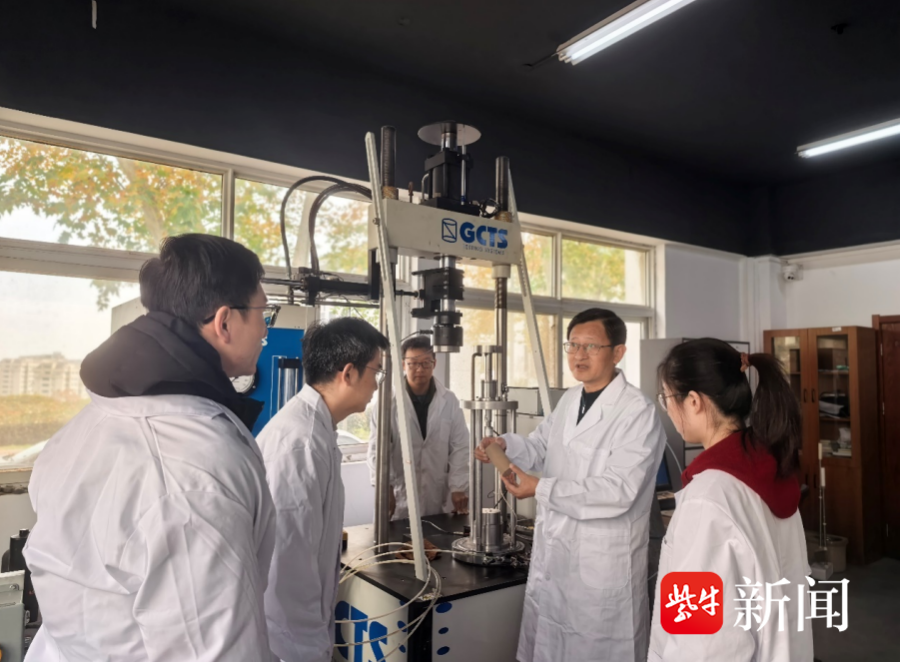
南工大科研团队破解软土路基建造难题,为软土固化找到了高性能“环保胶水”
Yang Zi Wan Bao Wang· 2025-12-04 15:08
Core Viewpoint - The project led by Professor Wu Zhijian from Nanjing University of Technology addresses the challenges of constructing roads and railways in soft soil areas, providing low-carbon and intelligent solutions that transform industrial waste into sustainable roadbed materials [1][9]. Group 1: Innovation in Materials - The project utilizes industrial solid waste such as smelting slag and fly ash as raw materials, creating a new green gel material that reduces carbon emissions by 92% compared to traditional cement production, while also lowering costs by over 25% [2][3]. - The new technology allows for the direct transformation of soft soil into qualified roadbed material, significantly reducing transportation costs and environmental issues associated with traditional methods [2]. Group 2: Advanced Equipment and Techniques - The team developed high-efficiency equipment capable of processing 400 cubic meters per hour, which is more than three times the capacity of traditional equipment, leading to a cost reduction of 20%-40% for soft soil solidification [3]. - Innovations include lightweight solidified soil that reduces additional stress by 50% while increasing vertical bearing capacity by 38.3%, thus minimizing settlement issues [3]. Group 3: Intelligent Monitoring Systems - The project features a smart monitoring system that provides real-time assessments of roadbed integrity, significantly improving detection accuracy and efficiency compared to traditional methods [6]. - The system can issue alerts within 30 seconds of detecting anomalies, enhancing safety during construction and allowing for real-time carbon reduction assessments [6]. Group 4: Economic and Environmental Impact - The technology has been applied in 26 major national projects, generating nearly 6.5 billion yuan in new output value and over 330 million yuan in profit [7]. - The project has successfully converted over 3.6 million cubic meters of construction waste into usable materials, avoiding pollution from landfill and achieving cost savings of over 70% in road construction [7]. Group 5: Future Prospects - The technology is recognized as internationally leading and is expected to be promoted in other soft soil regions, contributing to the dual carbon goals in transportation infrastructure [9].

美媒急了:高科技猛抓,传统制造稳守,中国加速全面主导
Xin Lang Cai Jing· 2025-11-29 17:15
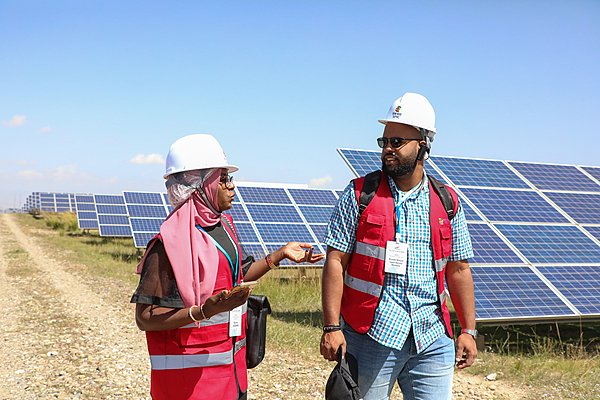
Core Viewpoint - The article highlights that China is projected to achieve a record high current account surplus, reaching 1% of global GDP by 2029, surpassing the historical levels of the United States in the late 1940s, driven by China's strategic focus on both traditional manufacturing and high-tech industries [1][2]. Group 1: Economic Performance and Strategy - Goldman Sachs economists predict that by 2029, China's current account surplus will reach 1% of global GDP, marking the highest level ever recorded for a single economy [1]. - The article emphasizes that China's industrial development has not followed the traditional model of moving from low-value to high-value production, but rather maintains dominance in traditional sectors while advancing in high-tech industries like electric vehicles and IT [1][2]. Group 2: Global Impact and Relations - The article critiques Western media narratives that accuse China of monopolizing traditional industries and limiting competition for developing countries, arguing that China's actions have actually supported the development of these nations through infrastructure and clean energy projects [3][4]. - It is noted that China has engaged in extensive cooperation with over 200 countries in renewable energy and has significantly improved transportation infrastructure in Africa, creating jobs and economic benefits for partner countries [3][4]. Group 3: Geopolitical Tensions - The article discusses how Western countries, particularly the U.S., are attempting to maintain their dominance in the international economic system by imposing barriers on developing countries' industrial upgrades, while simultaneously discrediting those that succeed [4][5]. - It highlights the U.S. government's recent trade negotiations that include controversial "poison pill" clauses aimed at limiting countries' agreements with China, reflecting a strategy to counter China's influence in Southeast Asia [8][9].
焦点访谈丨产业兴、动能新、活力旺 新画卷正在新疆徐徐展开
Yang Shi Xin Wen Ke Hu Duan· 2025-09-25 01:44
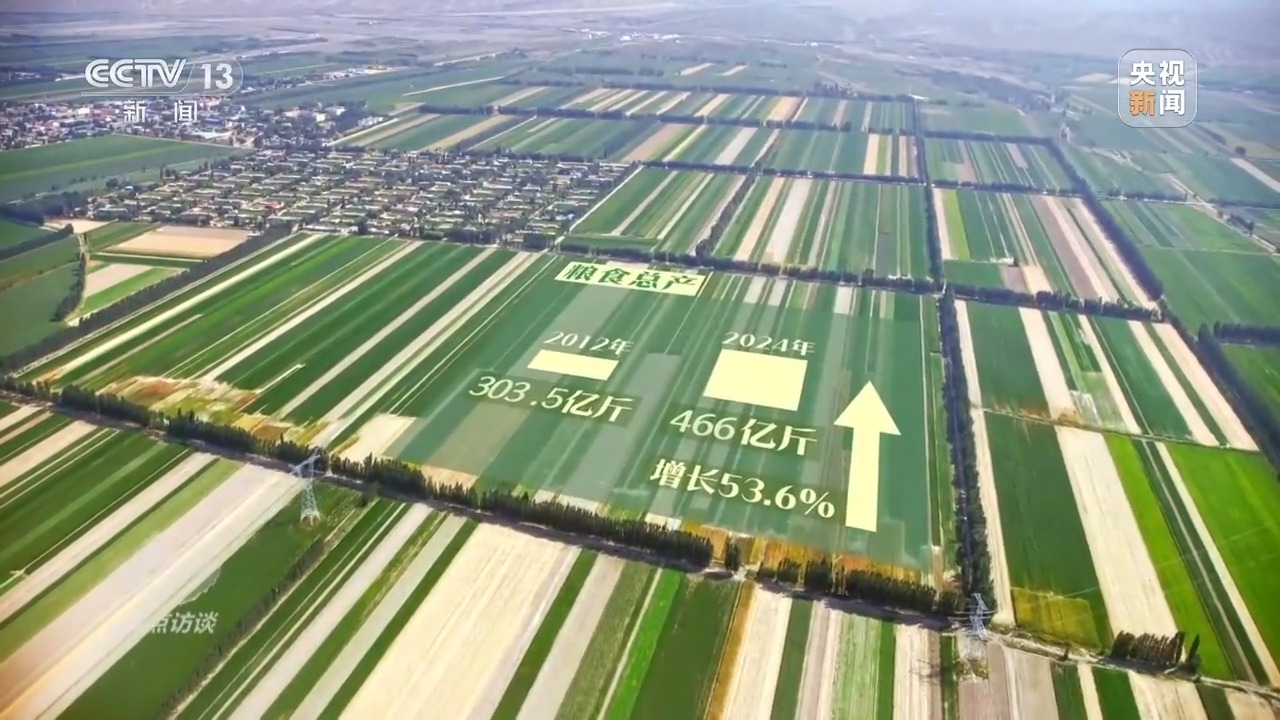
Core Viewpoint - The white paper titled "Successful Practices of the New Era Party's Strategy for Governing Xinjiang" highlights significant achievements in social stability, economic development, ethnic unity, and improvement of people's livelihoods in Xinjiang over the past 70 years, particularly since the 18th National Congress of the Communist Party of China [1][5][20]. Economic Development - In 2024, Xinjiang's grain yield per mu is projected to reach 1049.7 jin, ranking first in the country, with total grain production increasing from 30.35 billion jin in 2012 to 46.6 billion jin in 2024, a growth of 53.6% [1]. - Xinjiang's GDP is expected to exceed 2 trillion yuan for the first time in 2024, with an average annual growth rate of 7% since 2012 [5][36]. - The total import and export volume of Xinjiang increased from 158.96 billion yuan in 2012 to 434.16 billion yuan in 2024, reflecting a strong embrace of new opportunities for openness [36]. Infrastructure and Connectivity - Xinjiang's transportation network has expanded significantly, with over 230,000 kilometers of roads and 9,202 kilometers of railway lines, enhancing connectivity across the region [10]. - The completion of the Tianshan Victory Tunnel in 2024 marks a historic connection between northern and southern Xinjiang [10]. Social Welfare and Livelihood Improvement - Over 70% of Xinjiang's annual general public budget is allocated to guarantee and improve people's livelihoods, with 89.2% of aid funds directed towards social welfare projects during the 14th Five-Year Plan period [12]. - Employment in Xinjiang increased from 12.46 million in 2012 to 13.91 million in 2024, a growth of 11.64% [18]. - The average life expectancy in Xinjiang has risen from 30 years in 1949 to 77 years today, with a complete coverage of undergraduate education in southern Xinjiang [18]. Cultural Integration and Ethnic Unity - Xinjiang has established 101 national ethnic unity demonstration units and 14 national ethnic unity education bases, showcasing the flourishing of ethnic unity [26]. - The region promotes cultural diversity and integration, with various cultural practices enhancing the vibrancy of local traditions [25][31]. Future Outlook - The new era strategy for governing Xinjiang is expected to continue driving economic and social development, with a focus on modernizing the region and enhancing its role as a strategic point in China's development framework [37].
宏达股份: 四川宏达股份有限公司收购报告书摘要(修订稿)
Zheng Quan Zhi Xing· 2025-07-04 16:34
Core Viewpoint - Sichuan Hongda Co., Ltd. is undergoing a significant acquisition process led by Shudao Investment Group, which aims to increase its stake in the company and has received necessary approvals from relevant authorities [1][2][3]. Group 1: Acquisition Details - Shudao Group currently holds 31.31% of the voting rights in Hongda Co., consisting of 486,314,805 shares directly and additional shares through its subsidiaries [3]. - The acquisition involves issuing 609,600,000 new shares, and Shudao Group has committed not to transfer these shares for 36 months post-listing [3][4]. - The acquisition has been approved by the non-related shareholders at the company's second extraordinary general meeting in 2024, allowing Shudao Group to bypass the mandatory offer requirement [2][3]. Group 2: Financial Overview - Shudao Group's total assets reached approximately 150.03 billion yuan in 2024, with a net profit of about 590.63 million yuan [26]. - The financial performance of Shudao Group over the last three years shows a steady increase in total assets and net assets, indicating a robust financial position [26]. - Hongda Industrial, a subsidiary of Shudao Group, has faced financial difficulties, entering bankruptcy restructuring in 2023, but has since completed its restructuring plan [29][30]. Group 3: Corporate Structure - Shudao Group is a state-owned enterprise under the supervision of the Sichuan Provincial State-owned Assets Supervision and Administration Commission, holding 100% of its shares [27]. - Hongda Industrial and Tianfu Chunxiao, both acting in concert with Shudao Group, are also under the control of the Sichuan Provincial State-owned Assets Supervision and Administration Commission [27][30]. - Tianfu Chunxiao was established as a special purpose vehicle to mitigate risks associated with Sichuan Trust Co., Ltd. [30].

西部“奇迹”
Si Chuan Ri Bao· 2025-05-27 00:27
Core Viewpoint - The article highlights the significant achievements and ongoing developments in China's western region over the past 25 years, emphasizing the economic growth, infrastructure improvements, and ecological protection resulting from the Western Development Strategy initiated by the government. Economic Growth - In 2024, the GDP of the twelve western provinces reached 28.73 trillion yuan, accounting for 21.3% of the national total, showing a substantial increase from 1.54 trillion yuan in 1999, which was only 16.6% of the national GDP [7][8] - The economic output of the western region has grown 17.66 times over 25 years, surpassing the national growth rate of 13.89 times during the same period [7][8] - By 2024, five of the ten fastest-growing provinces in terms of GDP are located in the west, indicating a shift in economic dynamics [7] Industrial Development - The western region has established significant industrial clusters, including the world's leading supply chains for tin and indium in Yunnan, and the largest nickel-cobalt-copper new materials base in Gansu [9] - The automotive industry in Chongqing ranks third nationally, with the Wuling Hongguang Mini EV leading in sales [9] - Agricultural production has also seen remarkable growth, with Xinjiang's grain output increasing by 192% and Inner Mongolia's by 187% over 25 years [9] Infrastructure and Super Projects - Major infrastructure projects, such as the West-East Gas Pipeline and extensive hydropower stations, have been pivotal in enhancing connectivity and energy supply [10][11] - The western region boasts over 220,000 kilometers of highways and more than 60,000 kilometers of railways, with significant achievements in bridge and tunnel construction [11][12] Ecological Protection - The article discusses the ecological initiatives undertaken in the western region, including reforestation and natural forest protection, which have led to improved water quality in major rivers [12] - The successful conservation efforts have resulted in the recovery of endangered species and the establishment of national parks [12] Open Economy and International Cooperation - The 20th Western International Expo has facilitated international cooperation, with over 2,200 investment projects worth more than 3.7 trillion yuan announced during the event [15][17] - The western region's import and export volume has increased from 4.52% of the national total in 1999 to 9.24% in 2024, reflecting its growing role in international trade [17] Future Outlook - The article concludes with a call for continued collaboration and development in the western region, emphasizing the importance of integrating into both domestic and international markets [18]