节能与新能源汽车

Search documents
多部门部署规范招商引资,“反内卷”制度性政策将落地
第一财经· 2026-01-23 00:34
Core Viewpoint - The article discusses the recent policy initiatives aimed at building a unified national market in China and addressing "involution" competition through institutional reforms rather than mere administrative measures [2][3]. Group 1: Policy Initiatives - The National Development and Reform Commission (NDRC) and other ministries are focusing on enhancing competition mechanisms and promoting high-quality economic development by addressing "involution" in various sectors [2]. - New policy documents, including regulations for the unified national market and lists of encouraged and prohibited investment behaviors, are expected to be released, providing legal support for the "anti-involution" efforts [2][3]. - The NDRC aims to shift market regulation from price competition to value competition, addressing the oversupply issues in certain sectors [2]. Group 2: Government Regulation - The government is working to standardize local government economic promotion behaviors to eliminate local protectionism and market segmentation [3][4]. - The Ministry of Finance is taking steps to rectify any illegal subsidy practices by local governments, with a focus on ensuring compliance by 2025 [3][4]. - A unified list of behaviors for local investment promotion will be established to clarify what is permissible and what is not, aiming to reduce excessive competition among local governments [4][5]. Group 3: Industry-Specific Measures - The Ministry of Industry and Information Technology (MIIT) is monitoring key industries for capacity management and addressing irrational competition, particularly in sectors like new energy vehicles and photovoltaics [8][9]. - The focus is on establishing a regulatory framework that encourages industry self-discipline and enhances market order [8][9]. Group 4: Economic Environment - The article highlights the importance of creating a conducive business environment by reducing barriers and improving the regulatory framework for investment [5][10]. - Local governments are encouraged to align their investment strategies with the national goal of a unified market, promoting a more integrated economic landscape [5][10]. Group 5: Future Directions - The central government emphasizes the need for a comprehensive approach to advance the unified national market, focusing on both effective market mechanisms and proactive government involvement [10][11]. - The construction of a robust legal framework and regulatory systems is deemed essential for the successful implementation of these policies [10][11].

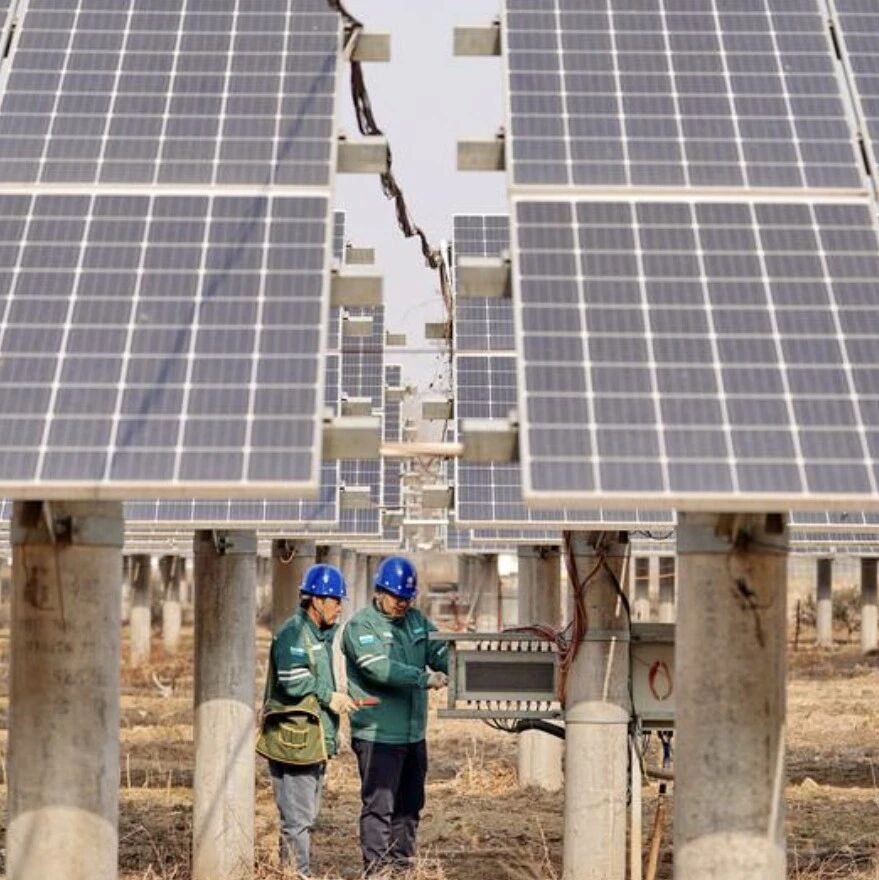
李乐成主持召开节能与新能源汽车产业发展部际联席会议2026年度工作会议
Zheng Quan Shi Bao Wang· 2026-01-14 01:40
Core Viewpoint - The meeting emphasized the importance of the year 2026 as the starting point of the "14th Five-Year Plan" and highlighted the significant opportunities for the development of the intelligent connected new energy vehicle industry, advocating for a problem-oriented approach and enhanced collaboration to promote high-quality industry development [1] Group 1: Planning and Development - The preparation of the "Plan" will be prioritized, focusing on coordination with energy and infrastructure plans, setting clear development goals, and outlining key tasks to guide industry innovation [1] - The capability for self-control in the industrial and supply chains will be enhanced, with a new round of actions for high-quality development of key industrial chains, focusing on breakthroughs in solid-state batteries and advanced autonomous driving technologies [1] Group 2: Market Expansion and Regulation - Efforts will be made to expand automobile consumption, including promoting vehicle trade-in programs and scaling up the application of new energy heavy trucks, alongside deepening reforms in new energy vehicle insurance to stimulate diverse consumer potential [1] - The industry competition order will be standardized, with strengthened cost investigations, price monitoring, and quality checks to ensure production consistency and guide industry self-discipline [1] Group 3: International Cooperation - Support for international cooperation in trade, investment, and technology will be strengthened, promoting integrated development of trade and investment, as well as domestic and foreign trade, while guiding enterprises in safe and orderly overseas layouts to foster a new global industrial cooperation landscape [1]
漫解税收丨申报高新技术企业,这些情形请注意!
蓝色柳林财税室· 2025-11-10 08:49
Group 1 - The core requirement for high-tech enterprise recognition is that the company must be registered for over one year and have actual operating income to qualify for application [2][4] - Companies must ensure that their intellectual property is closely related to their core technologies and main products, as the quality of patents is crucial for the recognition process [3][4] - A minimum of 10% of the company's total employees must be engaged in R&D activities, and at least 60% of the company's revenue must come from high-tech products or services in the past year [7] Group 2 - Companies that have experienced major safety or quality incidents in the year prior to application are ineligible for high-tech enterprise recognition [9] - The recognition process requires that companies maintain accurate R&D expense records and avoid misclassifying expenses to prevent future disqualification [6][8] - The new policy regarding tax incentives for energy-saving and new energy vehicles will take effect on January 1, 2026, requiring compliance with updated technical standards [16][18]
产品技术和制造技术双轮驱动 节能与新能源汽车技术路线图3.0发布
Yang Shi Wang· 2025-10-23 02:54
Core Insights - The China Automotive Engineering Society released the "Energy-saving and New Energy Vehicle Technology Roadmap 3.0," aiming for over 80% market penetration of new energy vehicles by 2040, positioning China among the world's leading automotive powers [1][3] Group 1: Roadmap Structure and Focus - The new roadmap emphasizes sustainable development of energy-saving vehicles, upgrading of new energy vehicles, and evolution of intelligent connected vehicles, structured into a total report, five technology groups, and 26 specialized topics [3] - The roadmap adopts a global perspective, aligning China's automotive industry development with the broader context of global automotive industry transformation [3] Group 2: Key Technological Developments - The roadmap identifies critical technology milestones, such as the anticipated small-scale application of all-solid-state batteries by 2030 and large-scale global promotion by 2035, focusing on performance, cost, and environmental adaptability [5] - In the commercial vehicle sector, fuel cells are highlighted as a key solution for achieving low carbon emissions [5][7] Group 3: Future Projections - The roadmap predicts that by 2040, the commercial vehicle sector will see the introduction of new products at a scale of one million units, with an estimated total of 4 to 5 million vehicles in operation [7] - The 3.0 version of the roadmap is characterized by its forward-looking and guiding nature, leveraging China's diverse innovation scenarios, open market environment, and improving policy support systems [7]
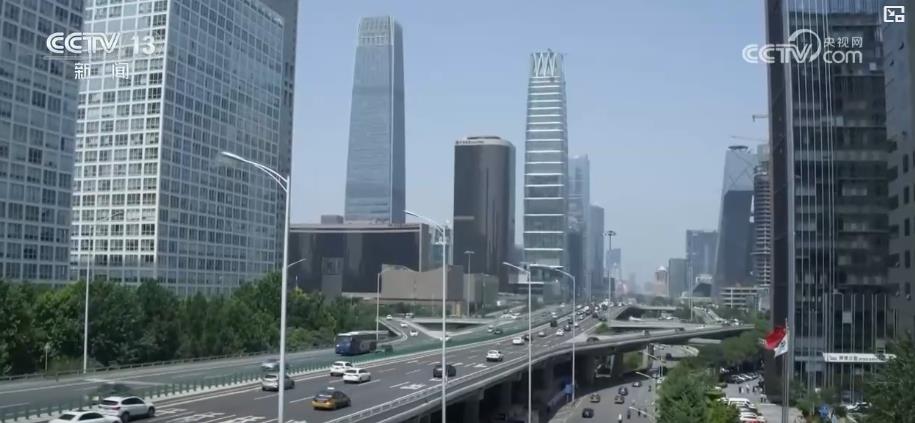
陕西:规范招商引资行为,防止“内卷”式恶性竞争
Sou Hu Cai Jing· 2025-10-14 10:49
Core Viewpoint - The recent measures announced by the Shaanxi Provincial Government aim to enhance foreign investment confidence, improve the quality of investment cooperation, and prevent unhealthy competition in attracting foreign investment. Group 1: Policy Implementation - The implementation of market access policies will enhance the level of foreign investment liberalization, supporting foreign institutions to establish or expand operations legally [1][6] - The plan encourages foreign investment in commercial pension and health insurance sectors, allowing the establishment of foreign-owned insurance companies [1][6] - There will be further facilitation for foreign financial institutions to participate in the bond market and engage in national debt futures trading [1][6] Group 2: Investment Attraction - The government will increase policy support to enhance the attractiveness of foreign investment, particularly in manufacturing and high-tech sectors [2][8] - Foreign enterprises investing in encouraged industries will benefit from tax exemptions on imported self-use equipment, excluding specific items [2][8] - The plan promotes the establishment of private equity funds by foreign investors in Shaanxi [2][8] Group 3: Optimizing Business Environment - The government aims to optimize the business environment by ensuring fair competition in bidding processes and treating domestic and foreign enterprises equally in government procurement [3][10] - There will be a focus on maintaining fair competition and eliminating practices that hinder a unified national market [3][10] - The plan emphasizes the importance of knowledge property rights protection and the establishment of a rapid response system for intellectual property disputes [10][11] Group 4: Promoting Investment Projects - The strategy includes innovative methods for attracting foreign investment, such as collaborating with international chambers of commerce and conducting targeted investment promotion activities [12][13] - The government will create a brand "Invest in China, Choose Shaanxi" to attract multinational companies and promote investment in key sectors [12][13] - There will be a focus on precise investment attraction efforts, targeting industries with significant market potential and leveraging local advantages [12][13]
三部门发文调整享受车船税优惠的节能、新能源汽车产品技术要求
Zhong Guo Xin Wen Wang· 2025-10-12 06:55
Core Points - The announcement updates the technical requirements for energy-saving and new energy vehicles to align with the latest standards and regulations [1][2] - The new regulations will take effect on January 1, 2026, and will replace the previous guidelines [2] - Vehicles that meet the new technical requirements will be included in a new directory for tax exemption [2] Summary by Sections - **Updates to Technical Standards** - The announcement revises the fuel consumption limits for energy-saving passenger cars, light commercial vehicles, and heavy commercial vehicles [1] - Adjustments to the technical requirements for new energy vehicles are also specified [1] - **Implementation Timeline** - The new regulations will be effective from January 1, 2026, while applications submitted before this date will follow the previous guidelines [2] - Vehicles that qualify under the new standards will be listed in a new directory starting from the 82nd batch [2] - **Transition of Existing Vehicles** - Existing vehicles listed in previous directories will continue to enjoy tax exemptions regardless of transfer [2] - Vehicles not meeting the new requirements must be rectified and re-applied by January 1, 2026, to remain eligible for tax benefits [2]
三部门发文调整享受车船税优惠的节能 新能源汽车产品技术要求
蓝色柳林财税室· 2025-10-12 05:20
Core Viewpoint - The announcement from the Ministry of Industry and Information Technology, the Ministry of Finance, and the State Taxation Administration outlines adjustments to the technical requirements for energy-saving and new energy vehicles to qualify for vehicle and vessel tax incentives, effective January 1, 2026 [2][3]. Summary by Sections Section 1: Updates to Fuel Consumption Standards - The fuel consumption limits for energy-saving passenger cars, light commercial vehicles, and heavy commercial vehicles will be updated as per the new standards outlined in the announcement [2]. Section 2: Adjustments to Technical Requirements - The technical requirements for new energy vehicle products will be adjusted, with specific details provided in the attached documents [2]. Section 3: Implementation Timeline - The new regulations will take effect on January 1, 2026. Prior to this date, companies that have completed applications will continue to follow the previous regulations [3]. Section 4: Transition to New Directory - A new directory for vehicles eligible for tax incentives will be established, and vehicles that do not meet the new technical requirements must be rectified and re-applied by January 1, 2026 [3]. Section 5: Continuation of Benefits for Existing Vehicles - Vehicles listed in the previous directories (from the fourth to the eighty-first batch) will continue to enjoy tax incentives regardless of transfer, as long as they meet the previous requirements [3].
沿海大省“双城记”,为何扩容了?
Mei Ri Jing Ji Xin Wen· 2025-08-18 15:54
Core Viewpoint - The recent joint meeting of Hangzhou, Ningbo, and Shaoxing marks a significant expansion of the "Hangzhou-Ningbo Twin Cities" initiative, aiming to create a new model for urban integration and development in Zhejiang Province [1][5][6]. Group 1: Strategic Agreements and Goals - Hangzhou and Shaoxing signed a framework agreement to deepen their collaborative development, targeting the creation of a new urban model and a world-class bay area [1][5]. - Ningbo and Shaoxing previously established a cooperation framework to promote high-quality integrated development, emphasizing the creation of a world-class innovation cooperation hub [1][5]. - The three cities aim to enhance their connectivity and collaborative potential, with Shaoxing acting as a crucial link between Hangzhou and Ningbo [2][6]. Group 2: Infrastructure and Transportation Development - Plans include the development of key infrastructure projects such as airport high-speed rail connections, highway expansions, and a comprehensive transportation network to facilitate regional integration [5][6]. - The focus is on creating a high-efficiency transportation system that supports the urban integration of Hangzhou, Ningbo, and Shaoxing [5][6]. Group 3: Economic and Innovation Collaboration - The collaboration aims to establish a national regional technology innovation center, leveraging the strengths of Hangzhou in technology and Ningbo in manufacturing [11][12]. - The integration of innovation resources is evident, with initiatives like the establishment of innovation centers and collaborative research projects between universities and research institutions in both cities [12][13]. - The economic output of the three cities accounts for over 50% of Zhejiang's total, highlighting their significance as the backbone of the province's economy [13][14]. Group 4: Industry-Specific Developments - The three cities are focusing on key industries such as integrated circuits, new energy vehicles, and intelligent equipment, with collaborative efforts leading to a significant portion of Zhejiang's industrial revenue [16][17]. - The integration is expected to enhance the innovation spillover from Hangzhou while upgrading the manufacturing capabilities of Ningbo and Shaoxing [17].