低碳化转型

Search documents
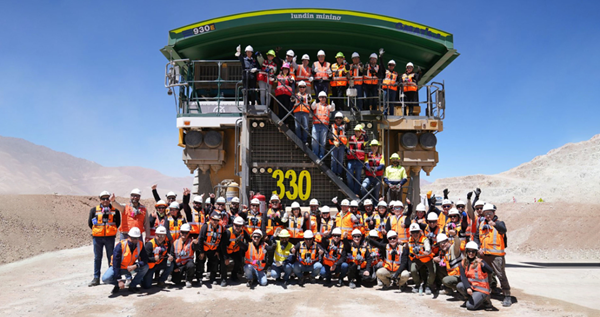
康明斯:混动解决方案首次落地矿山场景 助力超大型运输设备低碳转型
Zhong Guo Qi Che Bao Wang· 2026-02-26 09:48
Core Insights - Cummins' commercial hybrid solutions have been successfully implemented at Lundin Mining's Caserones copper-molybdenum mine, marking a significant step in the decarbonization of large-scale mining operations [1][3] - The project features a 300-ton Komatsu mining dump truck retrofitted with Cummins' First Mode hybrid power solution, demonstrating stable daily operations under real production conditions [3] Group 1 - The collaboration between Cummins, Komatsu, and Lundin Mining has been crucial in adapting technology and integrating systems in high-altitude and complex working conditions, validating the feasibility and scalability of hybrid solutions in large mining transport [3] - The hybrid system combines Cummins' QSK60 diesel engine with a high-power, replaceable battery system, enabling energy recovery through regenerative braking and optimizing fuel efficiency throughout the transport cycle [3][4] Group 2 - The Caserones mine, located in the Andes at over 4,000 meters elevation, provides an ideal environment to test the hybrid system's performance and energy recovery capabilities under extreme conditions [3] - The pilot project will continue to assess the hybrid system's performance, durability, and energy recovery effects in real-world conditions, providing solid data support for the future commercialization of Cummins' hybrid solutions [4]


发展醇氢电动汽车 助推商用车新能源化转型
Xin Lang Cai Jing· 2026-02-11 20:52
Core Viewpoint - The development of methanol-hydrogen electric vehicles is essential for the commercial vehicle sector in China, particularly in diverse geographical and operational contexts, leveraging existing infrastructure for a low-carbon transition in energy and transportation [1][4]. Group 1: Market Potential and Advantages - Methanol-hydrogen electric vehicles have shown good applicability in high-altitude, long-distance, and complex operational scenarios, gaining initial market recognition [1]. - By 2025, the domestic sales of new energy commercial vehicles are projected to reach 871,000 units, with a penetration rate of 26.9%, indicating a significant gap compared to passenger vehicles [2]. - Compared to traditional fuel commercial vehicles, methanol-hydrogen electric vehicles offer advantages in reliability, environmental impact, and economic efficiency, with a projected 65% of global methanol production capacity located in China by 2025 [2][3]. Group 2: Environmental and Economic Impact - Methanol-hydrogen electric vehicles significantly reduce emissions, with PM pollutants reduced by 98%, carbon monoxide by 88%, and nitrogen oxides by 82% compared to National VI diesel vehicles [2]. - In specific scenarios, such as public transport in Tianjin, operating costs can be reduced by approximately 60,000 yuan per vehicle annually when using methanol-hydrogen electric buses instead of diesel [2]. Group 3: Infrastructure and Technological Development - The transition to a low-carbon energy system can be accelerated by developing a diversified energy supply, with methanol production shifting towards renewable energy sources [4]. - Methanol's physical properties allow for low-cost, large-scale, and long-distance transportation using existing oil and gas infrastructure, facilitating a smoother transition for traditional energy systems [4]. - The establishment of comprehensive energy stations that integrate oil, electricity, methanol, and hydrogen can meet diverse refueling needs and promote deep integration with renewable energy [4]. Group 4: Industry Collaboration and Standardization - The promotion of methanol-hydrogen electric vehicles faces challenges such as inadequate infrastructure, limited industry scale, and insufficient policy support, necessitating collaborative efforts among vehicle manufacturers, logistics companies, and other stakeholders [6][7]. - There is a need for standardized processes for methanol refueling station construction and management, as well as the establishment of a regulatory framework to ensure quality and safety across the supply chain [8]. - Policy support should focus on high-altitude and intercity scenarios, with pilot demonstrations to create replicable business models and promote the green methanol economy [8].
有色钢铁行业周观点(2025年第43周):矿端+冶炼均存利好,重申铜板块中期投资价值-20251026
Orient Securities· 2025-10-26 08:27
Investment Rating - The report maintains a "Positive" outlook on the copper sector, emphasizing mid-term investment value due to favorable conditions in both mining and smelting [8]. Core Viewpoints - The report highlights that the tight supply situation in copper mining is expected to persist, supporting mid-term price increases. Additionally, there is potential for improvement in smelting fees, which presents further investment opportunities [14][15]. - The copper supply from major mines has been revised downwards, with a cumulative reduction of approximately 475,000 tons, indicating a potential decline in supply for 2025 compared to 2024 [15]. - The report also notes that the demand for copper is likely to increase due to the global shift towards low-carbon energy and the expansion of AI data centers, which will further support copper prices [15]. Summary by Sections Copper Sector - **Supply Side**: The report indicates that the supply of copper concentrate is tight, with major mining companies lowering their production forecasts for 2025. This is expected to keep supply levels flat or slightly declining compared to 2024, which had a 4.5% growth rate [15]. - **Smelting Sector**: The report suggests that the growth rate of copper smelting capacity may not keep pace with the supply growth of copper mines, leading to an expected increase in smelting fees. This presents potential for performance improvement in smelting companies [14][15]. Steel Sector - **Profitability**: The report notes that steel profitability is under pressure due to rising costs, with the average cost of long-process rebar increasing slightly by 0.32% week-on-week [32]. - **Price Trends**: The overall steel price index has shown a slight increase of 0.15%, with specific products like hot-rolled steel experiencing a 0.40% rise, while medium-thick plates saw a minor decline [38][39]. - **Inventory Levels**: Both social and steel mill inventories have decreased, indicating a tightening market which could support price stability [27][28]. New Energy Metals - **Lithium Supply**: The report highlights a significant year-on-year increase in lithium carbonate production, with September 2025 production reaching 69,940 tons, up 64.18% from the previous year [43]. - **Demand for New Energy Vehicles**: The production and sales of new energy vehicles in China have shown substantial growth, with September 2025 figures indicating a 22.14% increase in production and a 22.77% increase in sales compared to the previous year [47]. Industrial Metals - **Market Sentiment**: The report notes that recent US-China talks have improved market sentiment, leading to an overall increase in metal prices [63]. - **Copper Production**: Global refined copper production has increased, but the growth rate is not keeping up with demand, indicating a potential supply-demand imbalance [63].

事关汽车产业发展,新版路线图发布!
Yang Shi Xin Wen· 2025-10-24 00:33
Core Insights - The "Energy-saving and New Energy Vehicle Technology Roadmap 3.0" was released by the China Automotive Engineering Society, focusing on sustainable development of energy-saving vehicles, upgrading of new energy vehicles, and evolution of intelligent connected vehicles [1][2] Industry Development Goals - The roadmap sets a target for the automotive industry to peak carbon emissions by 2028, ahead of national commitments, and to reduce emissions by over 60% from peak levels by 2040 [3] - The penetration rate of new energy vehicles is expected to exceed 80%, accelerating the full electrification of the automotive industry [5] Intelligent and Connected Vehicles - A transportation system centered on intelligent connected new energy vehicles aims for "zero accidents, zero casualties, and high efficiency" [4] - By 2040, L4-level intelligent connected vehicles are expected to be fully popularized, with L5-level vehicles beginning to enter the market, enhancing safety and reliability for large-scale autonomous driving applications [8] Technological Advancements - The roadmap emphasizes the continued importance of internal combustion engines, with a goal for traditional energy passenger vehicles to achieve full hybridization by 2035 [8] - By 2040, it is projected that 85% of new energy passenger vehicles will be new energy vehicles, with pure electric vehicles (BEV) making up 80% of that share [8] Manufacturing and Innovation - The roadmap introduces a grading system for the development level of intelligent manufacturing in the automotive sector, aiming for integration across all manufacturing stages through data connectivity and closed-loop data systems by 2040 [8] - Solid-state batteries are expected to see small-scale application by 2030 and large-scale global promotion by 2035, aligning battery performance, cost, and environmental adaptability with consumer needs [8] Global Competitiveness - Chinese brands are expected to significantly enhance their global competitiveness, with key component manufacturers deeply integrated into the global automotive industry [7]
2025豫台经贸洽谈会暨两岸智能装备制造对接活动开幕 张平出席并致辞
He Nan Ri Bao· 2025-10-23 23:31
Group 1 - The 2025 Henan-Taiwan Economic and Trade Fair and Cross-Strait Intelligent Equipment Manufacturing Matching Event was held in Zhengzhou, emphasizing the importance of cross-strait economic cooperation [1][2] - The event highlighted the strong support for Taiwanese businesses in mainland China, particularly in Henan, which offers a favorable economic environment and comprehensive industrial system [1][2] - A total of 39 projects were signed during the event, with a total investment amount of 29.37 billion yuan, covering sectors such as equipment manufacturing, artificial intelligence, and biomedicine [3] Group 2 - The event was co-hosted by the State Council Taiwan Affairs Office and the provincial government, indicating a high level of governmental support for cross-strait collaboration [2][3] - The focus on intelligent manufacturing and digital transformation reflects the strategic direction for future cooperation between Taiwan and mainland China [2] - The integration of Taiwan's technological innovation with Henan's industrial advantages is seen as a model for achieving greater synergy and mutual benefits [2]
事关汽车产业发展,新版路线图发布
Cai Jing Wang· 2025-10-23 07:48
Core Insights - The "Energy-saving and New Energy Vehicle Technology Roadmap 3.0" was released by the China Automotive Engineering Society, focusing on sustainable development, iterative upgrades of new energy vehicles, and the evolution of intelligent connected vehicles [1] - The roadmap emphasizes a global perspective, positioning China's automotive industry within the context of global automotive transformation [1] Industry Development Goals - The roadmap sets a target for the automotive industry's carbon emissions to peak by 2028, ahead of national commitments, with a reduction of over 60% from peak levels by 2040 [3] - A traffic system based on intelligent connected new energy vehicles aims for "zero accidents, zero casualties, and high efficiency" [4] - The penetration rate of new energy vehicles is expected to exceed 80%, accelerating the full electrification of the automotive industry [5] Technological Advancements - A mature and integrated infrastructure ecosystem for intelligent connected vehicles is anticipated, with large-scale applications of high-level autonomous driving products [6] - Innovations in automotive technology will foster collaboration among education, technology, and talent, positioning China as a global leader in original automotive technology innovation [7] - The roadmap outlines a modern automotive industry cluster characterized by innovation, data-driven approaches, efficiency, resilience, safety, and low carbon sustainability [8] Competitive Positioning - Chinese brands are expected to significantly enhance their global competitiveness, with key component manufacturers deeply integrated into the global industry system, positioning China among the world's automotive powerhouses [9] - The roadmap emphasizes the dual focus on product technology and manufacturing technology to drive the transformation towards electrification, intelligence, and low carbon [9] Key Technology Development Milestones - Internal combustion engines will remain a significant power source, with traditional energy passenger vehicles achieving full hybridization by 2035, and about one-third of new passenger vehicle sales still comprising internal combustion engine vehicles by 2040 [11] - New energy vehicles are projected to become mainstream within 5-15 years, with a penetration rate of over 85% for new energy passenger vehicles by 2040, and pure electric vehicles (BEV) accounting for 80% [11] - The market for intelligent connected vehicles is expected to accelerate, with L4-level vehicles becoming widespread and L5-level vehicles entering the market by 2040 [11] - A grading system for intelligent manufacturing development in the automotive sector will be introduced, aiming for integrated operations across the entire manufacturing process by 2040 [11] - Solid-state batteries are expected to see small-scale applications by 2030 and large-scale global promotion by 2035, aligning with consumer needs for performance, cost, and environmental adaptability [11]
我国发布节能与新能源汽车技术路线图3.0
Yang Shi Xin Wen Ke Hu Duan· 2025-10-23 03:40
Core Viewpoint - The release of the "Energy-saving and New Energy Vehicle Technology Roadmap 3.0" by the China Society of Automotive Engineers aims for over 80% penetration of new energy vehicles in the market by 2040, positioning China among the world's leading automotive powers [1][6]. Group 1: Key Directions - The roadmap emphasizes sustainable development of energy-saving vehicles, iterative upgrades of new energy vehicles, and the evolution of intelligent connected vehicles [1]. - It introduces a three-tiered structure consisting of one main report, five technology groups, and 26 specialized topics, highlighting a global perspective on the automotive industry's transformation [1][6]. Group 2: Technological Development - The roadmap identifies critical technological milestones, such as the anticipated small-scale application of solid-state batteries by 2030 and large-scale global promotion by 2035, focusing on performance, cost, and environmental adaptability [2]. - In the commercial vehicle sector, fuel cells are projected to be a key solution for achieving low carbon emissions [2][4]. Group 3: Historical Context - The "Energy-saving and New Energy Vehicle Technology Roadmap" has been updated from its previous versions released in 2016 and 2020, with the 3.0 version emphasizing foresight and leadership [6].
产品技术和制造技术双轮驱动 节能与新能源汽车技术路线图3.0发布
Yang Shi Wang· 2025-10-23 02:54
Core Insights - The China Automotive Engineering Society released the "Energy-saving and New Energy Vehicle Technology Roadmap 3.0," aiming for over 80% market penetration of new energy vehicles by 2040, positioning China among the world's leading automotive powers [1][3] Group 1: Roadmap Structure and Focus - The new roadmap emphasizes sustainable development of energy-saving vehicles, upgrading of new energy vehicles, and evolution of intelligent connected vehicles, structured into a total report, five technology groups, and 26 specialized topics [3] - The roadmap adopts a global perspective, aligning China's automotive industry development with the broader context of global automotive industry transformation [3] Group 2: Key Technological Developments - The roadmap identifies critical technology milestones, such as the anticipated small-scale application of all-solid-state batteries by 2030 and large-scale global promotion by 2035, focusing on performance, cost, and environmental adaptability [5] - In the commercial vehicle sector, fuel cells are highlighted as a key solution for achieving low carbon emissions [5][7] Group 3: Future Projections - The roadmap predicts that by 2040, the commercial vehicle sector will see the introduction of new products at a scale of one million units, with an estimated total of 4 to 5 million vehicles in operation [7] - The 3.0 version of the roadmap is characterized by its forward-looking and guiding nature, leveraging China's diverse innovation scenarios, open market environment, and improving policy support systems [7]
中国汽车工程学会:预计2040年新能源汽车市场渗透率将超80%
Yang Shi Xin Wen· 2025-10-23 02:21
Core Insights - The new "Energy-saving and New Energy Vehicle Technology Roadmap 3.0" aims for over 80% penetration of new energy vehicles (NEVs) in China's market by 2040, positioning the country among the world's automotive powerhouses [1][6] - The roadmap emphasizes sustainable development of energy-saving vehicles, iterative upgrades of NEVs, and the evolution of intelligent connected vehicles, structured into a comprehensive framework of one main report, five technology groups, and 26 specialized topics [1][6] Group 1: Key Developments - The roadmap focuses on the electrification, intelligence, and low-carbon transformation of the automotive industry, highlighting the dual emphasis on product technology and manufacturing technology as driving forces this year [3] - Key technological milestones include the anticipated small-scale application of solid-state batteries by 2030 and large-scale global promotion by 2035, with improvements in performance, cost, and environmental adaptability to meet consumer needs [3][4] - In the commercial vehicle sector, fuel cells are identified as a crucial solution for achieving low carbon emissions, with projections of reaching a scale of 4 to 5 million vehicles by 2040 [4] Group 2: Historical Context - The "Energy-saving and New Energy Vehicle Technology Roadmap" has been updated previously in 2016 and 2020, with the 3.0 version emphasizing foresight and leadership, grounded in China's diverse innovation scenarios, open market environment, and increasingly robust policy support [6]
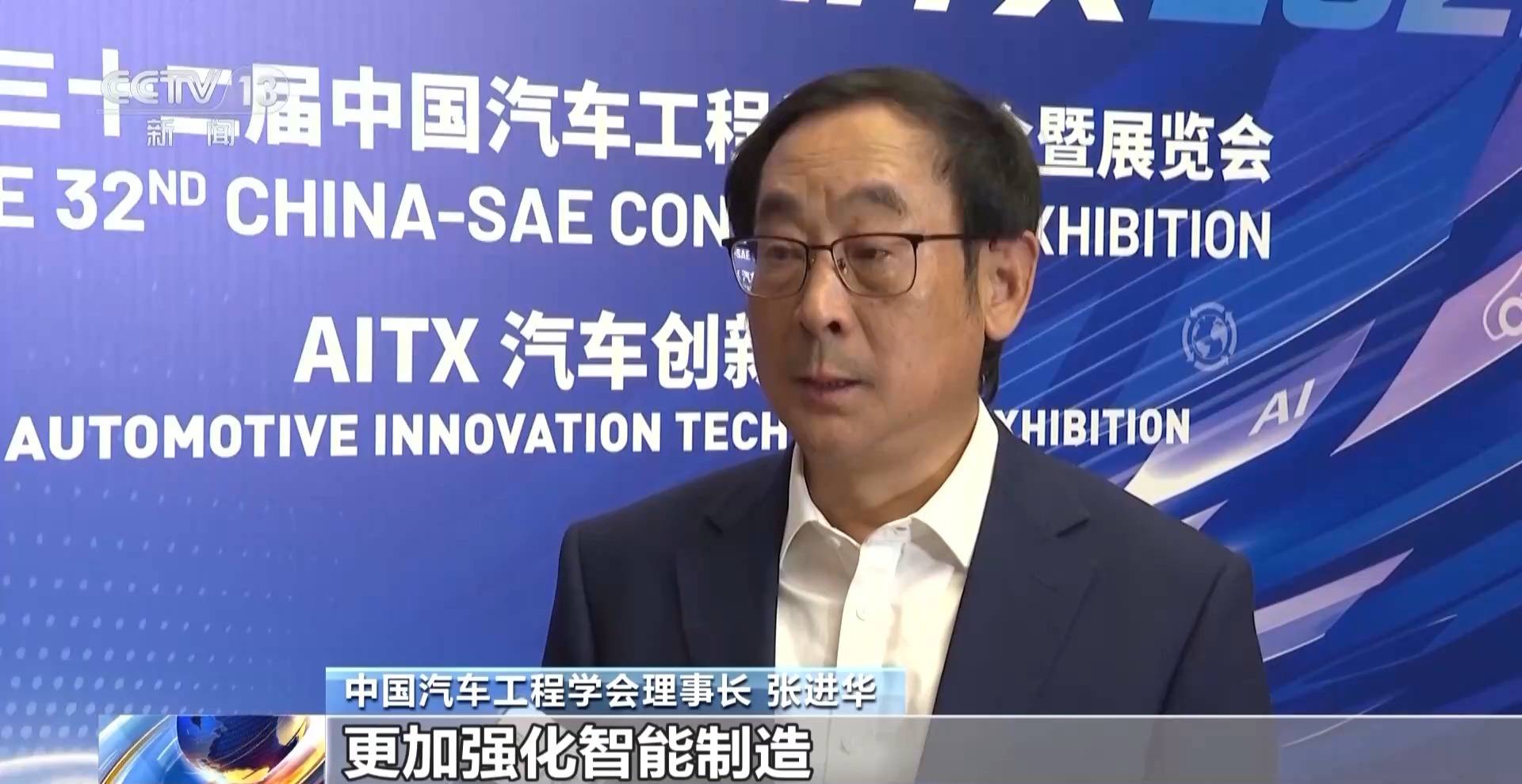
围绕智能网联汽车演进等方向 我国发布节能与新能源汽车技术路线图3.0
Yang Shi Xin Wen· 2025-10-22 23:58
Core Insights - The new "Energy-saving and New Energy Vehicle Technology Roadmap 3.0" aims for over 80% penetration of new energy vehicles in China's market by 2040, positioning the country among the world's leading automotive powers [1][3] - The roadmap emphasizes sustainable development of energy-saving vehicles, iterative upgrades of new energy vehicles, and the evolution of intelligent connected vehicles, structured into a comprehensive framework of one main report, five technology groups, and 26 specialized topics [1][5] Group 1: Key Developments - The roadmap focuses on the electrification, intelligence, and low-carbon transformation of the automotive industry, highlighting the dual emphasis on product technology and manufacturing technology as key drivers [3] - Significant technological milestones have been identified, such as the anticipated small-scale application of all-solid-state batteries by 2030 and large-scale global promotion by 2035, aligning battery performance, cost, and environmental adaptability with consumer needs [3] - In the commercial vehicle sector, fuel cells are projected to be a critical solution for achieving low carbon emissions, with an estimated production of one million new products and a vehicle ownership scale of approximately 4 to 5 million by 2040 [3] Group 2: Historical Context - The "Energy-saving and New Energy Vehicle Technology Roadmap" has been updated from its previous versions released in 2016 and 2020, with the 3.0 version prioritizing foresight and leadership while considering China's diverse innovation scenarios, open market environment, and improving policy support systems [5]